What Is Woven Denim and Why Does It Matter?
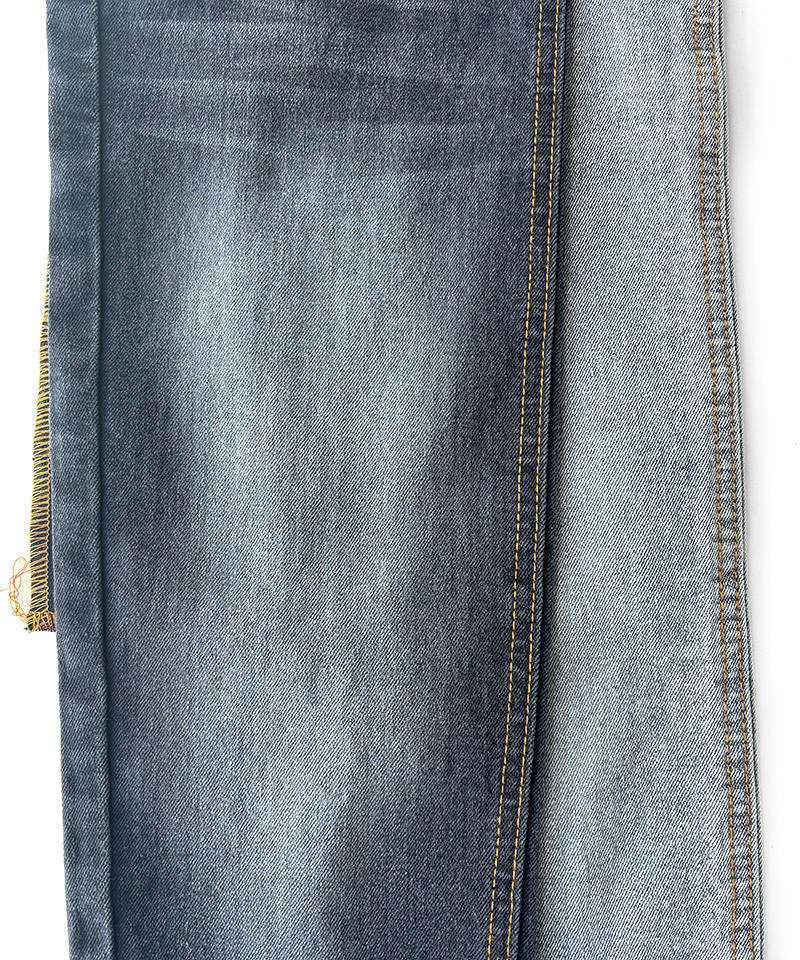
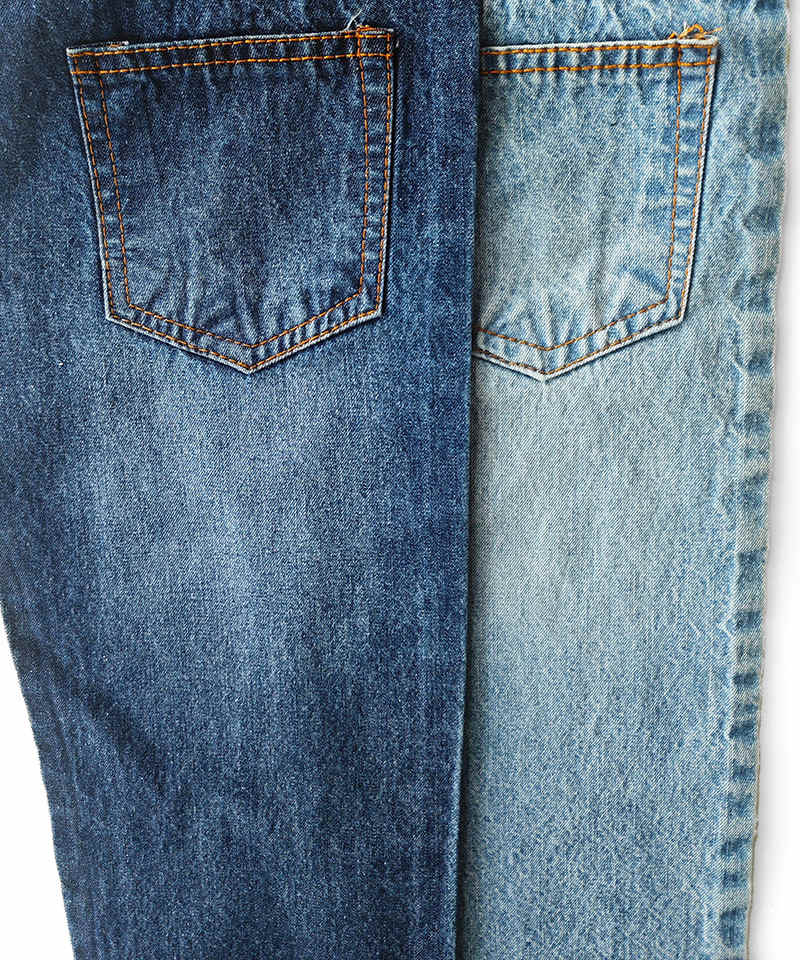
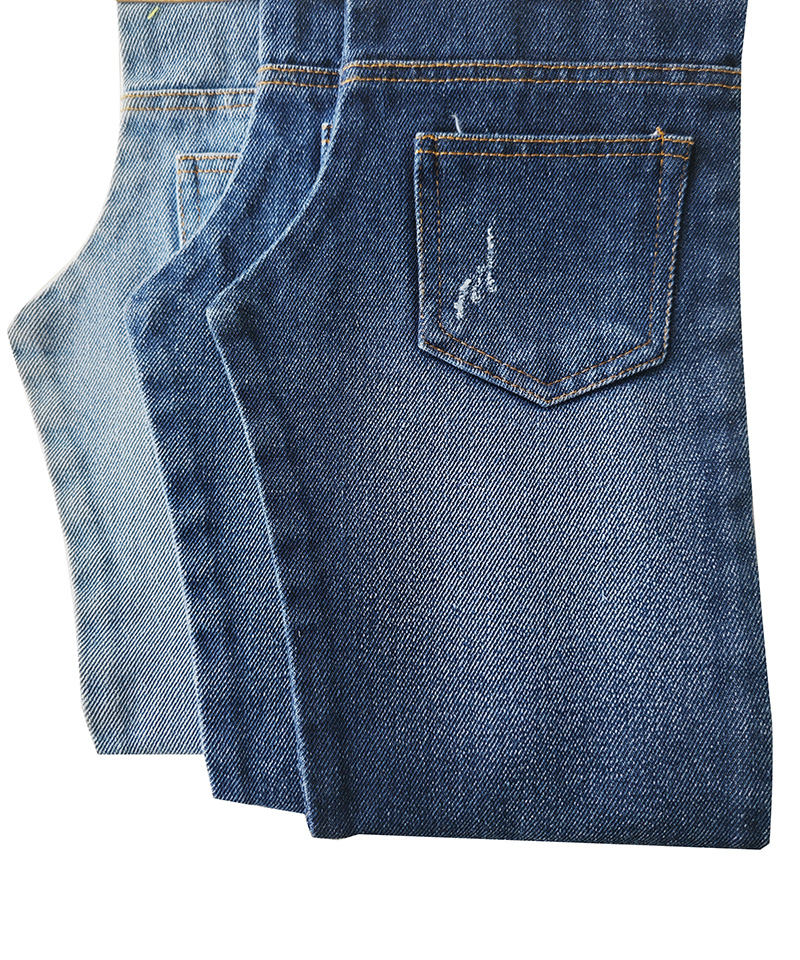
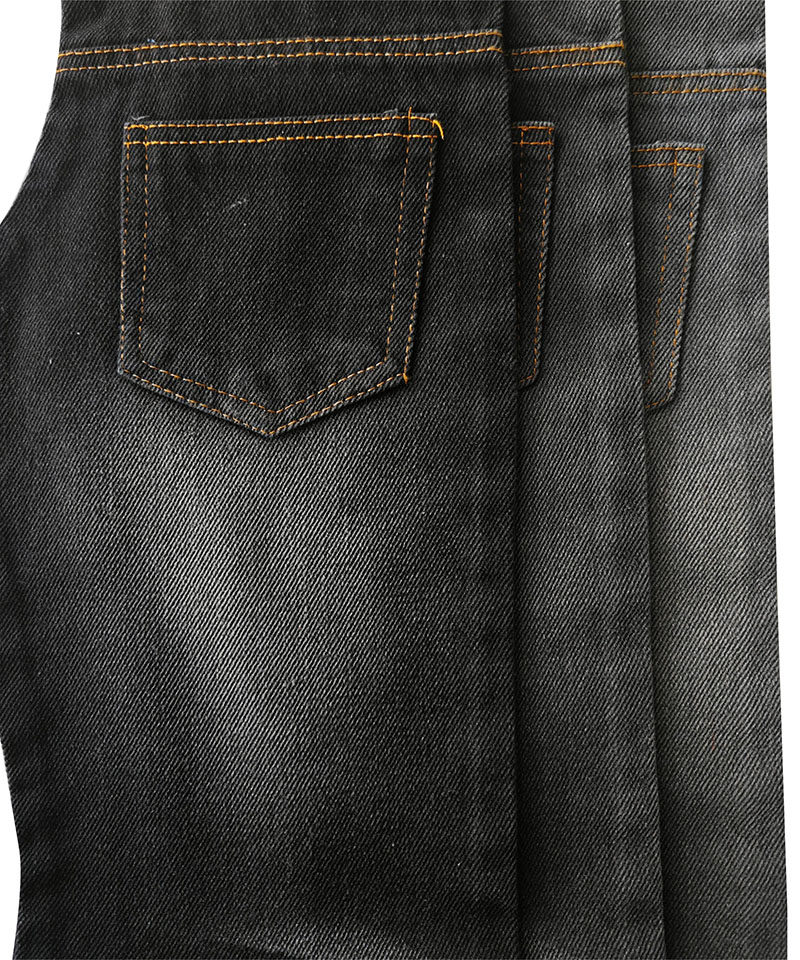
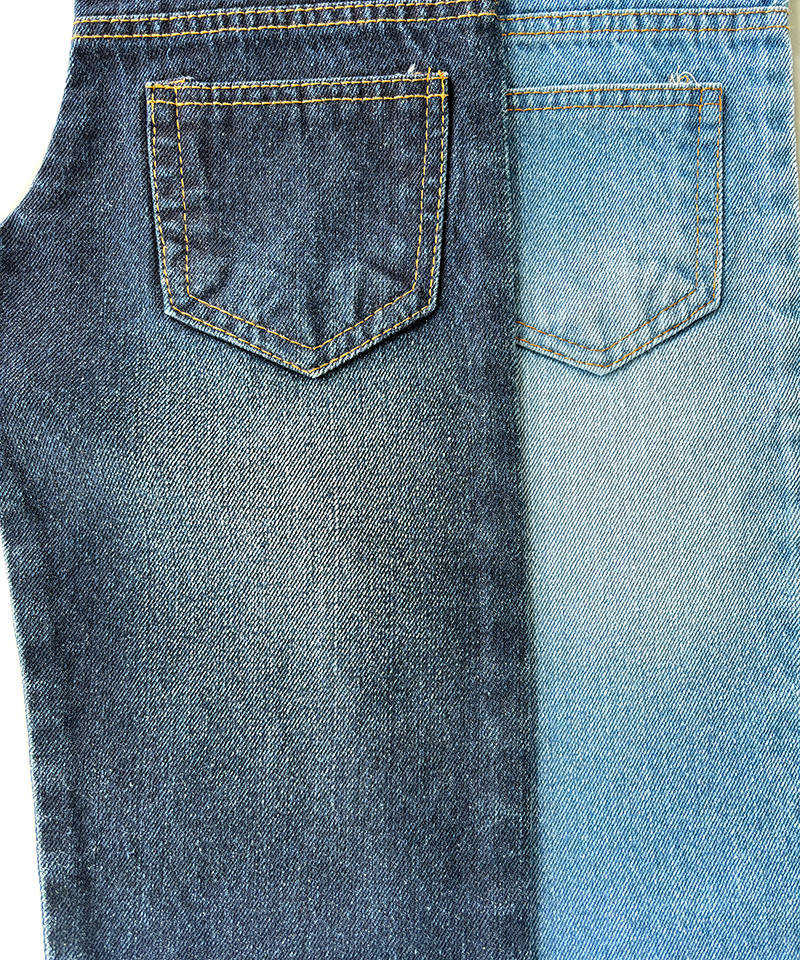
Woven denim is fundamentally a robust cotton textile defined by its specific diagonal twill construction. This unique weaving method involves interlacing the warp (vertical) and weft (horizontal) yarns in a way that creates a diagonal ribbing pattern on the surface of the fabric. This structure is not merely aesthetic; it is the primary reason denim has been the fabric of choice for workwear and durable clothing for over a century. Unlike knitted fabrics, which are produced by looping yarns together to create stretch, woven denim is constructed on a loom where the yarns are held under very high tension. The result is a fabric that is structurally stable, resistant to tearing, and capable of withstanding significant friction and stress.
Understanding the nature of woven denim is essential for anyone looking to invest in high-quality garments. Because the weave does not inherently stretch, woven denim provides excellent shape retention. It does not bag out or lose its form as easily as stretch alternatives, ensuring that a pair of trousers or a jacket maintains a crisp, tailored silhouette even after years of wear. The density of the weave acts as a protective barrier against the elements, making it an ideal fabric for rugged environments. While modern variations often include elastane for comfort, traditional woven denim is celebrated for its rigid, authentic feel that molds uniquely to the wearer's body over time, creating a personalized fit that cannot be replicated by synthetic fibers.
The Mechanics of the Twill Weave Structure
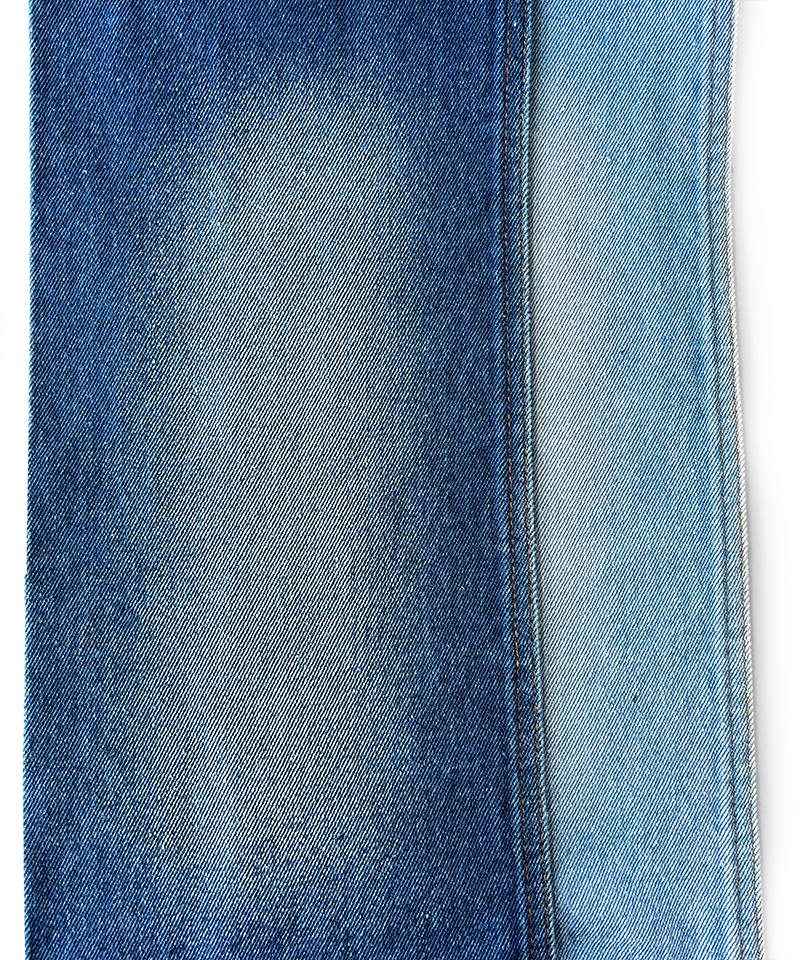
The defining characteristic of woven denim is the twill weave. In a standard plain weave, the weft yarn passes over one warp yarn and then under the next, creating a simple checkerboard pattern. However, in twill weave, the weft yarn passes over two or more warp yarns before going under one. This offset interlacing creates the distinct diagonal lines visible on the face of the fabric. This technique serves a critical functional purpose: it allows for a higher thread density without making the fabric excessively stiff or heavy. By packing the yarns more tightly together, the fabric becomes significantly more durable and resistant to abrasion.
Left-Hand vs. Right-Hand Twill
The direction of the diagonal line determines whether the denim is "Left-Hand Twill" (LHT) or "Right-Hand Twill" (RHT). In Right-Hand Twill, the diagonal line runs from the bottom left to the top right. This is the most common weave found in the majority of denim today and tends to produce a fabric that feels flatter and has a slightly smoother texture. Conversely, Left-Hand Twill runs from the top left to the bottom right. This weave tends to fluff the fibers slightly more, resulting in a fabric that feels softer to the touch and often achieves a different type of fading pattern, with more pronounced vertical fading. Understanding this distinction helps in predicting how the fabric will age and feel against the skin.
Analyzing Fabric Weight and Durability
When evaluating woven denim, weight is a crucial metric that indicates durability and intended use. Denim weight is typically measured in ounces per square yard (oz/sqyd). Lighter woven denims, ranging from 5 to 10 ounces, are often used for summer shirts or lightweight trousers where breathability is prioritized over heavy-duty protection. However, for true workwear applications, the industry standard shifts towards heavier weights.
Mid-weight denim, generally between 10 and 13 ounces, offers a versatile balance of durability and comfort, suitable for daily wear. Heavyweight woven denim, starting at 14 ounces and going up to 32 ounces or more, represents the pinnacle of fabric resilience. These heavy fabrics are incredibly rigid and resistant to snagging or tearing. The following table illustrates the relationship between weight and typical application:
| Fabric Weight (oz) |
Category |
Best Use Case |
| 5 - 9 oz |
Lightweight |
Summer shirts, lightweight dresses |
| 10 - 13 oz |
Mid-weight |
Standard daily wear jeans |
| 14+ oz |
Heavyweight |
Workwear, motorcycle gear, rugged jackets |
Table: Fabric weight categories and their ideal applications.
It is important to note that while heavier fabrics are more durable, they also require a significant break-in period. A pair of trousers made from raw 15oz denim can take weeks of regular wear to soften and conform to the body. However, once broken in, heavyweight woven denim provides a level of protection and longevity that lighter fabrics simply cannot match.
Raw vs. Washed: Understanding Finishing Processes
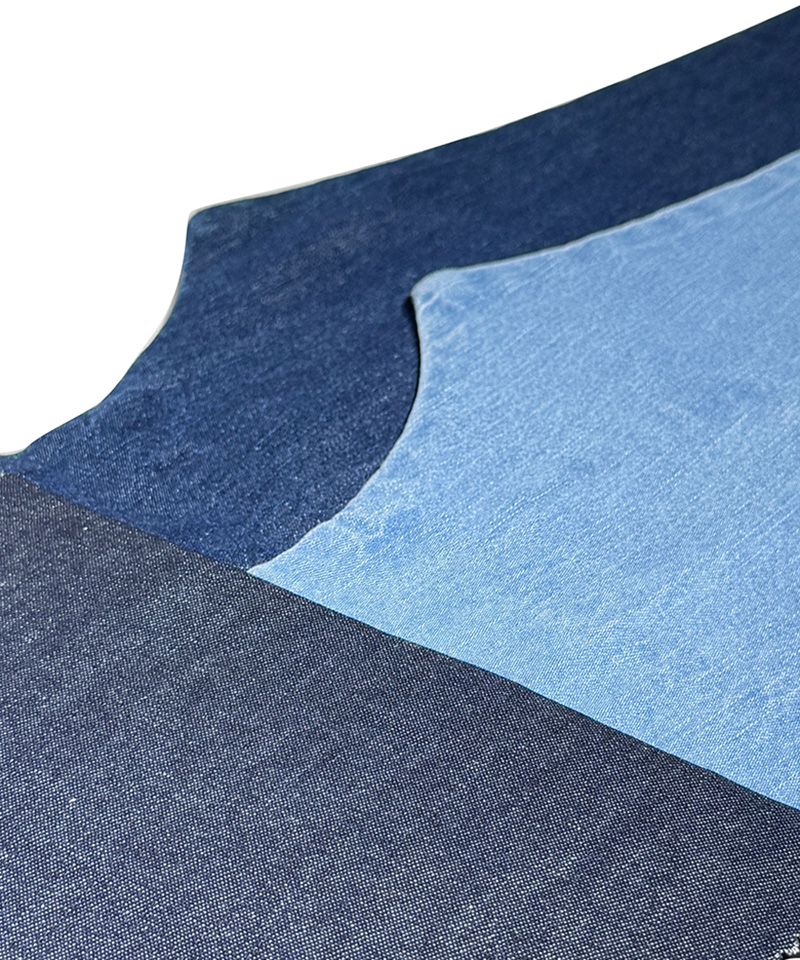
The lifecycle of woven denim can be broadly categorized into two states: Raw (also known as dry or unwashed) and Washed. Raw denim is woven, dyed, and then left untouched. It comes straight off the loom and is cut and sewn into garments without any finishing processes to remove the indigo dye or soften the fabric. Raw denim is stiff and has a deep, uniform blue color because the indigo dye has fully penetrated the warp yarns. This state is preferred by enthusiasts because it allows the wearer to create unique, personalized fading patterns known as "whiskers" and "honeycombs" based on their individual body movements and lifestyle.
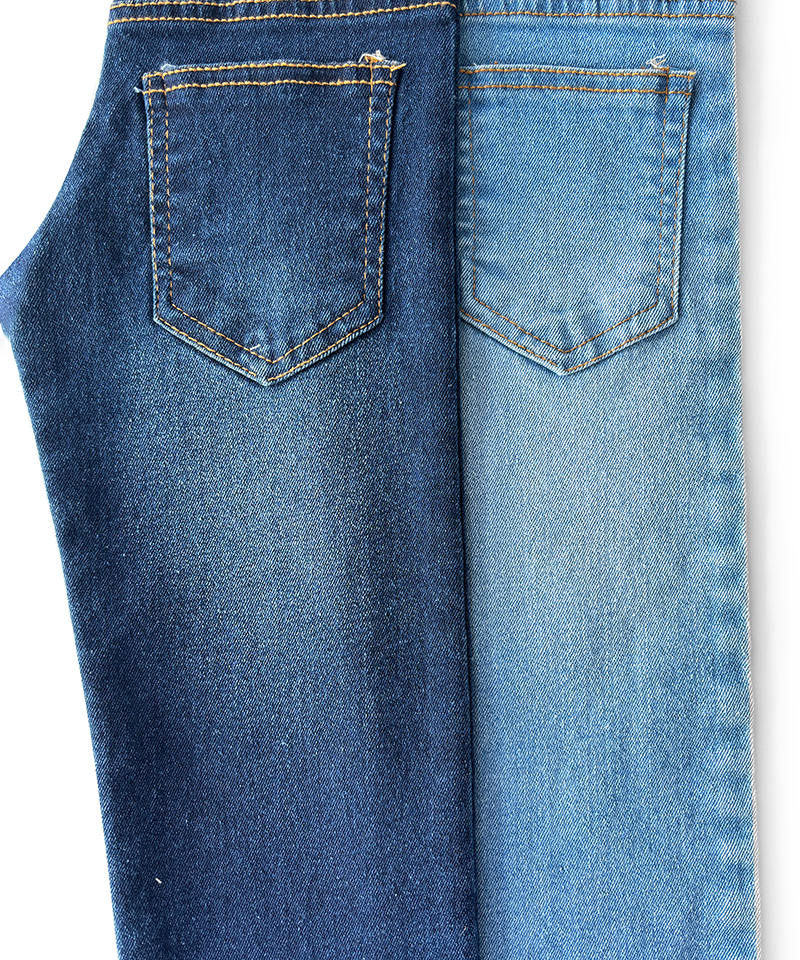
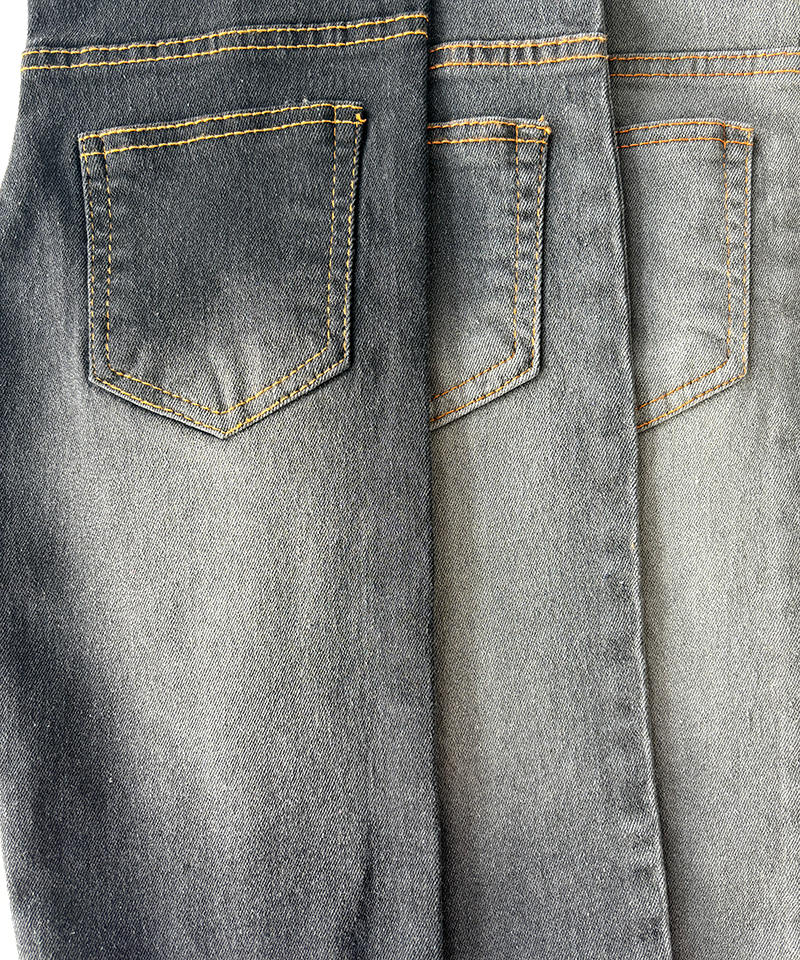
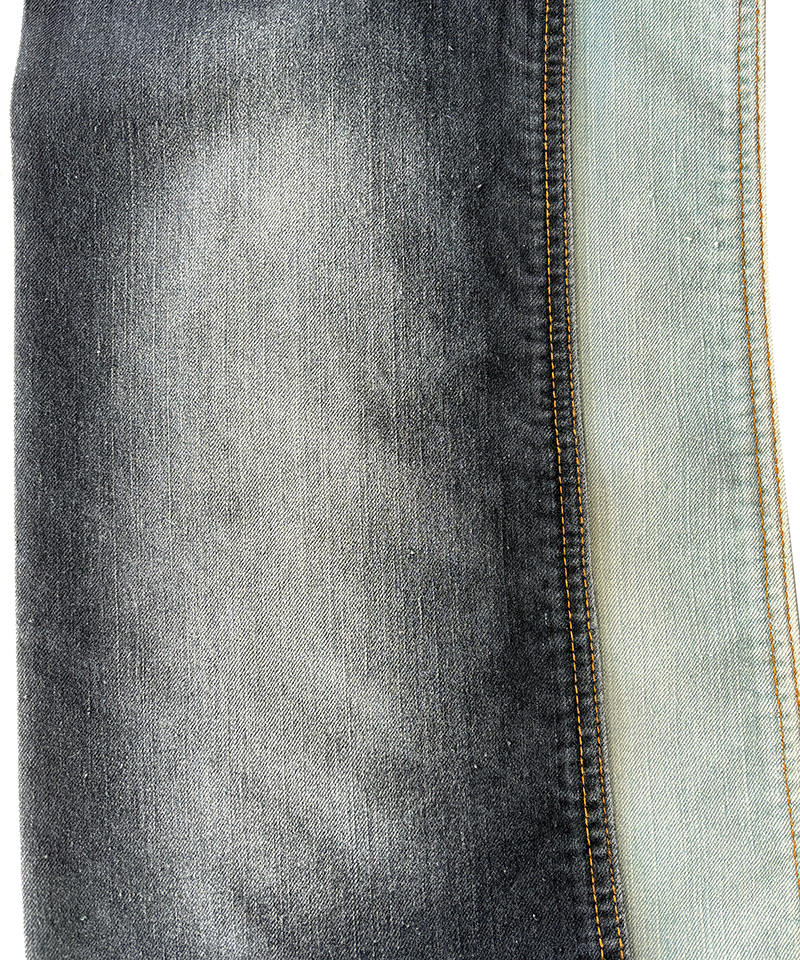
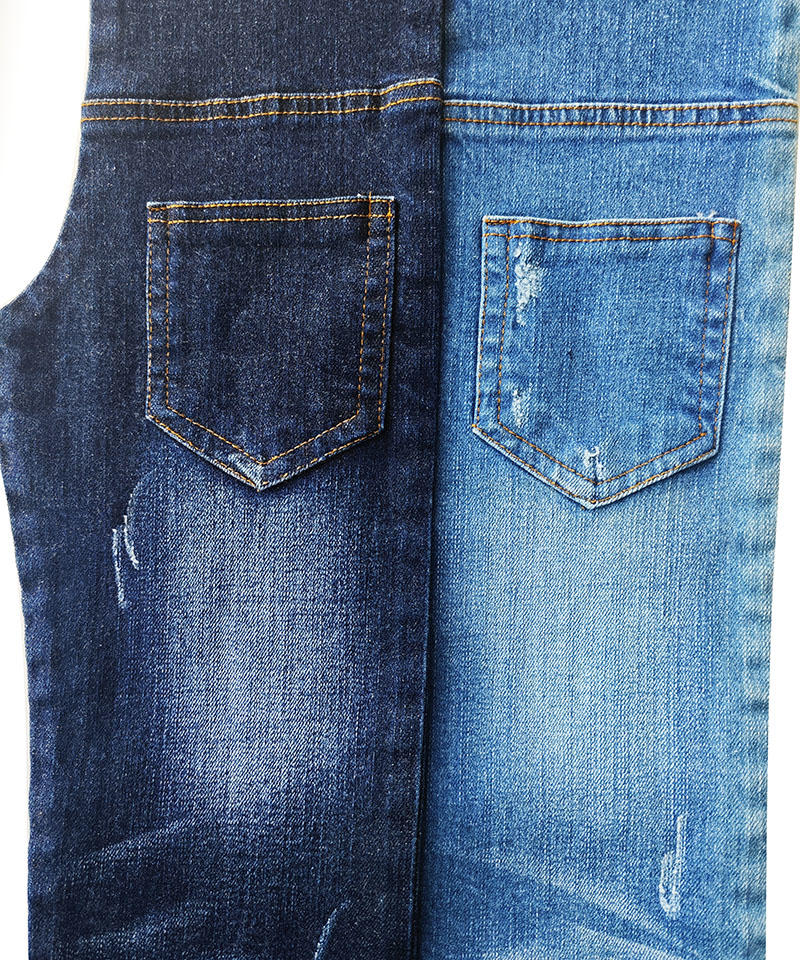
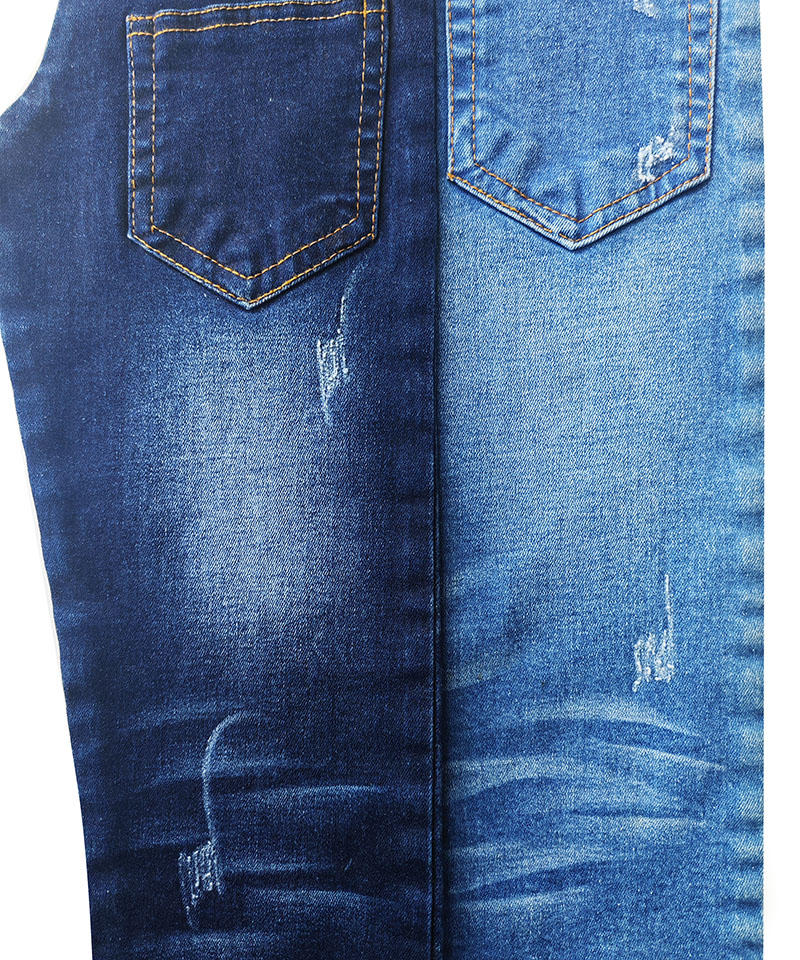
Washed denim, on the other hand, undergoes various chemical or mechanical treatments after construction to reduce shrinkage, soften the hand feel, and alter the color. This process makes the garment comfortable immediately upon purchase but sacrifices the potential for unique high-contrast fades. The washing process can range from a simple rinse to aggressive stone washing, where pumice stones are physically tumbled with the fabric to abrade the surface and create a vintage, worn-in look. While washed denim offers instant gratification in terms of comfort, raw woven denim offers a journey of customization that results in a garment unlike any other.
Comparative Durability: Woven vs. Stretch Denim
In recent years, the market has seen a massive influx of stretch denim, which incorporates elastic fibers like spandex or elastane into the weave. While this increases comfort and range of motion, it invariably compromises the structural integrity found in traditional woven denim. The inclusion of elastic fibers creates weak points in the weave where the fabric is more susceptible to blowouts, particularly in high-stress areas like the crotch and thighs.
Traditional 100% cotton woven denim relies on the friction and tension between the cotton fibers to maintain its shape. Because there is no elastic content to degrade over time, 100% cotton woven denim can last for decades if cared for properly, whereas stretch denim typically loses its recovery ability after a few years of hard use. Below is a comparison highlighting the performance differences:
| Feature |
100% Woven Denim |
Stretch Denim Blend |
| Shape Retention |
Excellent (minimal sagging) |
Good (may bag out over time) |
| Longevity |
Decades |
Several years (elastic degrades) |
| Comfort (Initial) |
Stiff/Rigid |
Soft/Flexible |
Table: Performance comparison between rigid and stretch denim fabrics.
For those prioritizing longevity and classic aesthetics, pure woven denim remains the superior choice. It represents a "buy it for life" philosophy, contrasting with the disposable nature of fast fashion stretch garments.
Best Practices for Care and Maintenance
To maximize the lifespan of woven denim, a mindful approach to cleaning is required. Cotton is a natural fiber, and the indigo dye used in denim is prone to transferring and fading with excessive washing. The golden rule for denim care is: wash as infrequently as possible. Spot cleaning small stains with a damp cloth and mild soap is often sufficient to keep garments fresh without subjecting the entire fabric to the rigors of a wash cycle.
Washing Techniques
- Turn Garments Inside Out: This minimizes abrasion against the drum of the washing machine and protects the face of the fabric from friction.
- Use Cold Water: Hot water breaks down cotton fibers rapidly and causes excessive dye bleeding. Cold water preserves the integrity of the yarn and locks in color.
- Mild Detergents: Avoid harsh bleach or optical brighteners, which can strip the indigo and weaken the fibers.
Drying and Storage
The heat from a tumble dryer is one of the biggest enemies of woven denim. High heat causes shrinkage and can damage the cotton fibers, leading to premature wear and tear. Air drying is the strongly recommended method for drying woven denim. Hang the garment by a belt loop or lay it flat, preferably in the shade to prevent sun bleaching. When storing, avoid cramming garments into tight spaces, as this can cause deep, unwanted creases that become difficult to remove. Instead, hang them or fold them neatly in a cool, dry place.
By adhering to these care guidelines, the structural properties of the woven denim are preserved, ensuring that the garment remains durable, comfortable, and aesthetically pleasing for many years.


 English
 Español