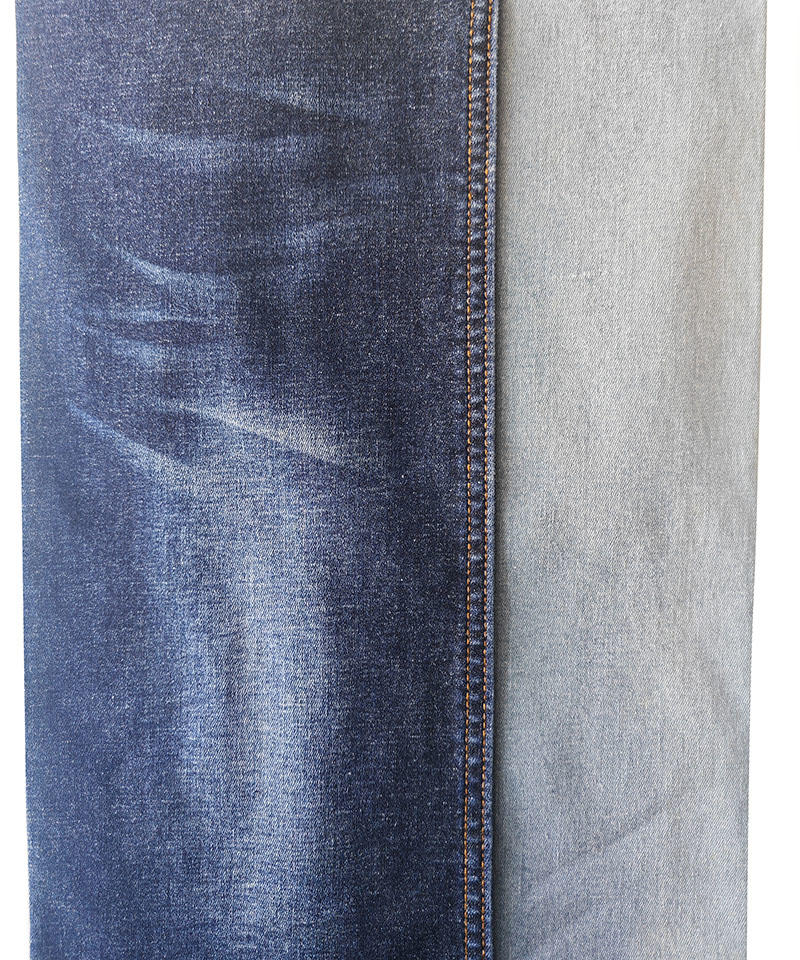
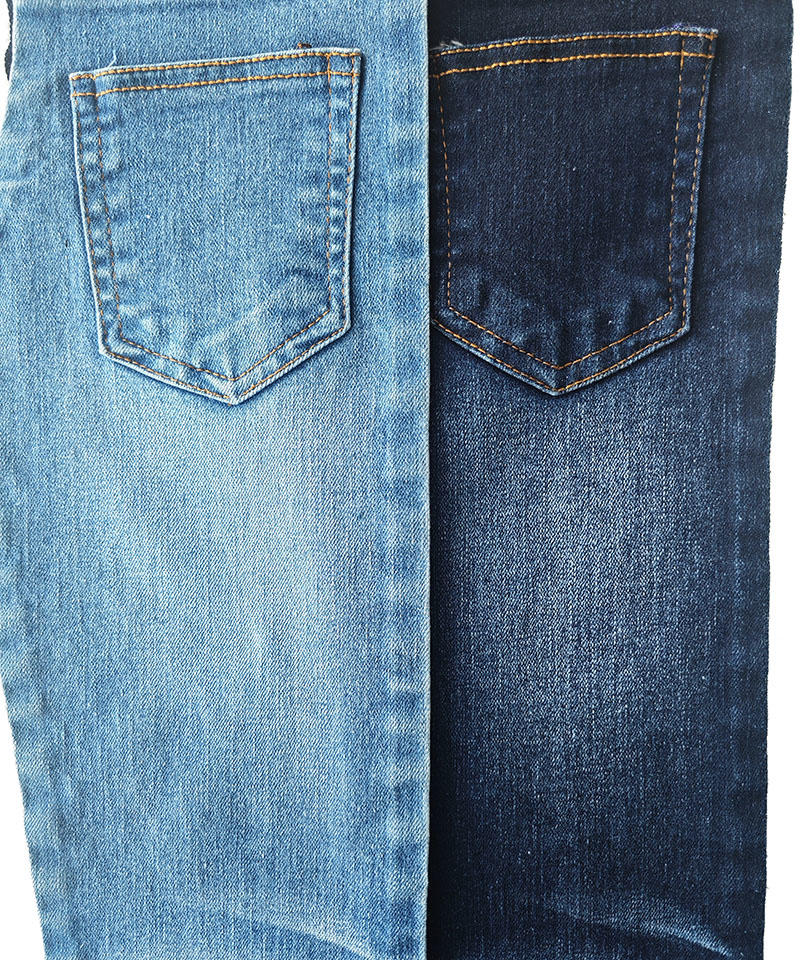
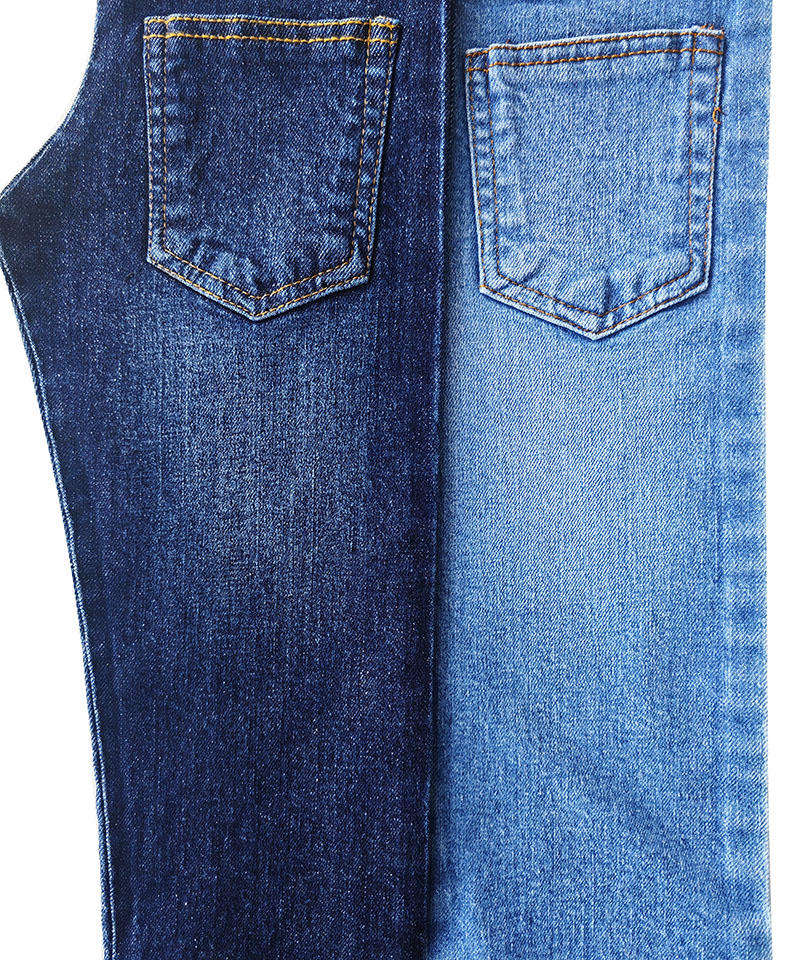
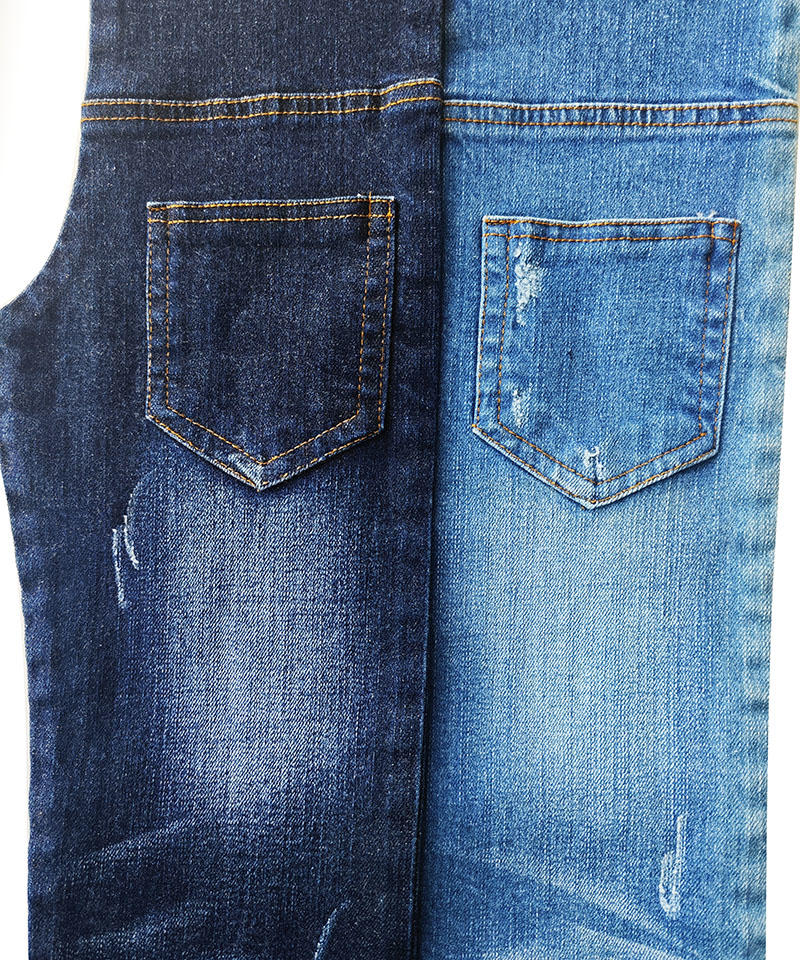
When a mill quotes a 12 oz cotton elastane denim, most buyers expect the same easy recovery they get from an 8 oz stretch fabric. In practice, heavy weight cotton elastane denim behaves like a different material class: the dense cotton structure dominates the hand, and elastane has to work against a base cloth that resists movement. Specifications that work for lightweight stretch jeans simply do not transfer upward.
This guide covers where heavy weight starts, what elastane contributes at these weights, how weave construction changes the result, and the specification checks that protect a bulk order.
What counts as heavy weight cotton elastane denim
Heavy weight cotton elastane denim starts at 10.5 oz/sq yd and extends to roughly 14.5 oz/sq yd, above which a practical elastane content will not recover reliably.
Denim weight is measured in ounces per square yard; 1 oz/sq yd equals 33.9 g/sq m. The word "heavy" is not a fixed standard across the industry. In pure, non-stretch denim, heavy weight usually means 12 oz and above. In stretch denim, elastane changes the performance envelope, so mills and garment factories usually treat the heavy stretch band as 10.5-13 oz, with 13-14.5 oz reserved for ultra-sturdy constructions. These fabrics use weaves dense enough to hold shape but open enough to let elastane do its work.
Weight bands commonly used by mills and garment factories when specifying stretch denim
| Band |
Weight (oz/sq yd) |
Typical end uses |
| Lightweight stretch |
4.5-8.0 |
Shirts, dresses, summer jeans |
| Midweight stretch |
8.0-10.5 |
Year-round jeans, skirts, soft jackets |
| Heavy weight cotton elastane |
10.5-13.0 |
Core jeans, workwear trousers, fitted jackets |
| Ultra-heavy stretch |
13.0-14.5 |
Structured outerwear, high-abrasion workwear |
The practical consequence is that a 12 oz stretch denim is not a heavier version of an 8 oz one. Yarns are thicker, the cover factor is higher, and elastane has to be calibrated against a cloth that fights movement. For a broader explanation of how these bands are defined, see our denim fabric weight guide.
Where heavy weight starts in stretch denim
5810.51314.5 oz
Definition
Heavy weight cotton elastane denim is a cotton-dominant twill fabric above 10.5 oz/sq yd that contains roughly 1.5-4% elastane to deliver controlled stretch and shape recovery while preserving the dense, structured hand of classic heavy denim.
How elastane performs in heavy weight cotton elastane denim
In a dense 10.5-14 oz fabric, elastane functions as a recovery mechanism rather than a softness additive; the same 2% elastane that feels pliable at 8 oz produces a firm, high-tension hand at 12 oz.
In lightweight stretch denim, elastane mostly increases comfort and a soft, body-hugging drape. In heavy weight cotton elastane denim, the cotton yarn system supplies the weight and rigidity, while elastane supplies an active restoring force. Two numbers define how well that works: stretch and recovery. Stretch is the amount the fabric extends under load, expressed as a percentage of the original length. Recovery is how much of that extension the fabric pulls back after the load is released. Most heavy stretch denims extend 15-35 percent and should recover 85-95 percent of that movement within one minute.
What the cotton layer carries
Dense cotton yarns provide abrasion resistance, lasting structure, a heavy break-in period, and the fade behavior that makes denim more characterful over time. In heavy weights, cotton also sets the base for tear strength.
What the elastane contributes
Elastane delivers waistband comfort, knee bagging resistance, flexibility through the hip and thigh, and a shorter break-in period. At 2-3% content it can reduce the perceived stiffness of a 12 oz twill without turning the fabric into a soft knit-like stretch.
Choose the elastane percentage based on the garment pattern, not on a generic stretch label. A fitted women's jean may need 3-4% elastane for shape retention, while a men's workwear straight leg keeps its line with 2%. The trade-off is constant: more elastane improves drape and recovery but lowers tear strength and adds a more synthetic hand.
85-95% Recovery within one minute is the threshold that separates heavy stretch denim that holds its shape from fabric that bags at the knees.
Heavy stretch denim also shortens the break-in period: a 12 oz cotton elastane jean reaches its final shape after a few wears, whereas a rigid 13 oz version can take weeks.
Weave, yarn, and finish choices in heavy weight cotton elastane denim
Weave construction and yarn profile determine whether a 12 oz stretch denim feels like a rigid heritage fabric or a soft contemporary one, and they affect tear strength more than the elastane content does.
Three structural choices matter most. A 3/1 twill is the workhorse construction for heavy weight cotton elastane denim: it creates a smooth face, high durability, and the classic jean silhouette. A 2/1 twill gives a more balanced surface and a softer feel but slightly lower tear resistance at the same weight, which suits shirts, skirts, and women's trousers. A 4/1 satin adds a subtle sheen and a fluid drape for fashion-led styles, but its longer floats reduce resistance to abrasion and snagging.
Yarn profile is equally important. Slub yarns with an irregular thickness create the uneven surface texture that makes denim look authentically worked-in, and they appear often in the heavy stretch category because the extra fabric mass masks the slub effect better than in lightweight cloth.
1.5-4%Elastane content typical for heavy stretch denim
3/1Twill weave most common at 10.5 oz and above
15-35%Stretch range for a 2-3% elastane content
>90%Recovery target after one minute of rest
Slub yarns carry the visual authenticity of heavy weight cotton elastane denim; without them, a 12 oz stretch twill reads as a plain utility fabric.
Specs to verify before sourcing heavy weight cotton elastane denim
A reliable quotation for heavy weight cotton elastane denim must state weight, elastane percentage, stretch, recovery, shrinkage, and tear strength; accept only numbers you can verify on a physical swatch.
Because elastane adds an active force to the fabric, small differences in yarn tension during weaving and finishing change the finished weight and stretch. The same style can vary by 0.5 oz between lots. Buyers should compare the spec sheet against a hand sample before approving bulk production.
- Weight tolerance: confirm the finished weight per yard and the accepted tolerance, normally +/-5% around the target oz.
- Elastane content: ask for the exact percentage and the elastane type; covered elastane yarns recover differently from bare spandex.
- Shrinkage: for sanforized heavy stretch denim, expect roughly 3-5% warp shrinkage and 1-3% weft shrinkage after washing.
- Tear strength: the addition of elastane reduces tear strength; heavy weight cotton elastane denim should maintain at least 25 N in the warp direction.
- Color and finishing: check indigo depth, whether the fabric is brushed or sheared, and whether the finish alters stretch or recovery.
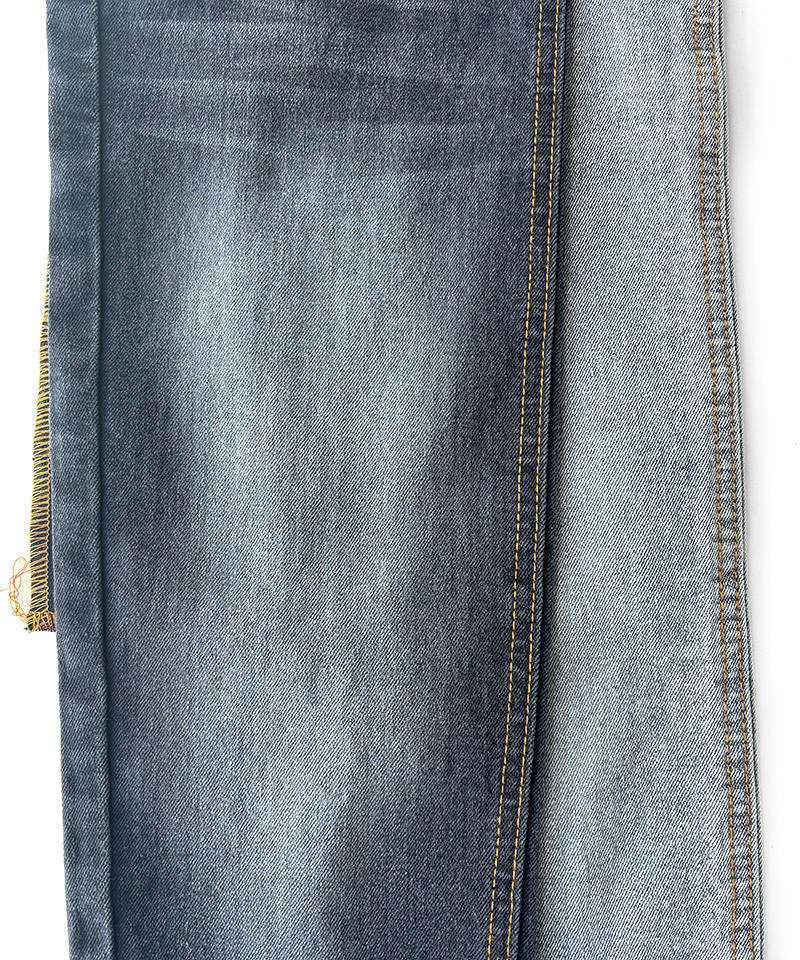
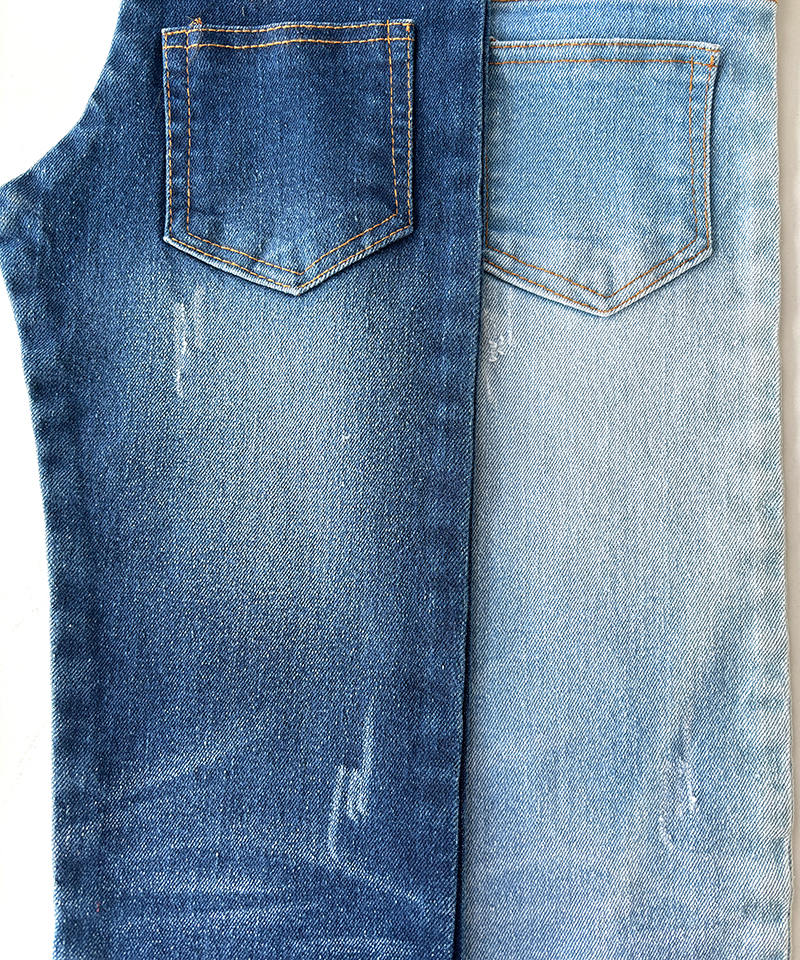
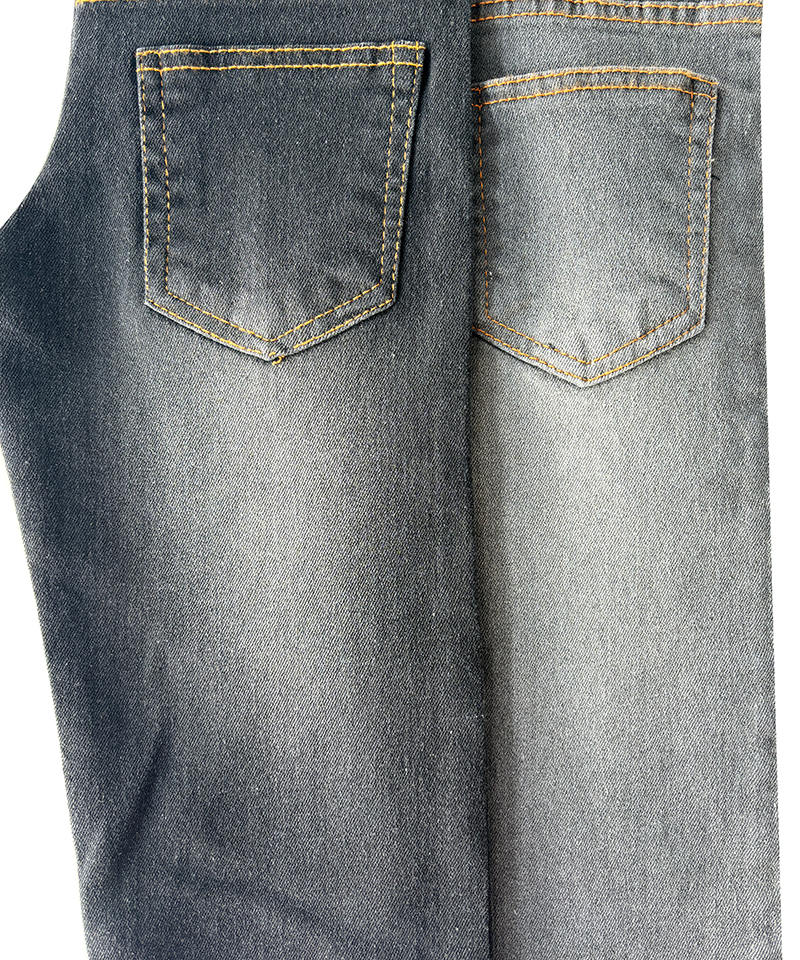
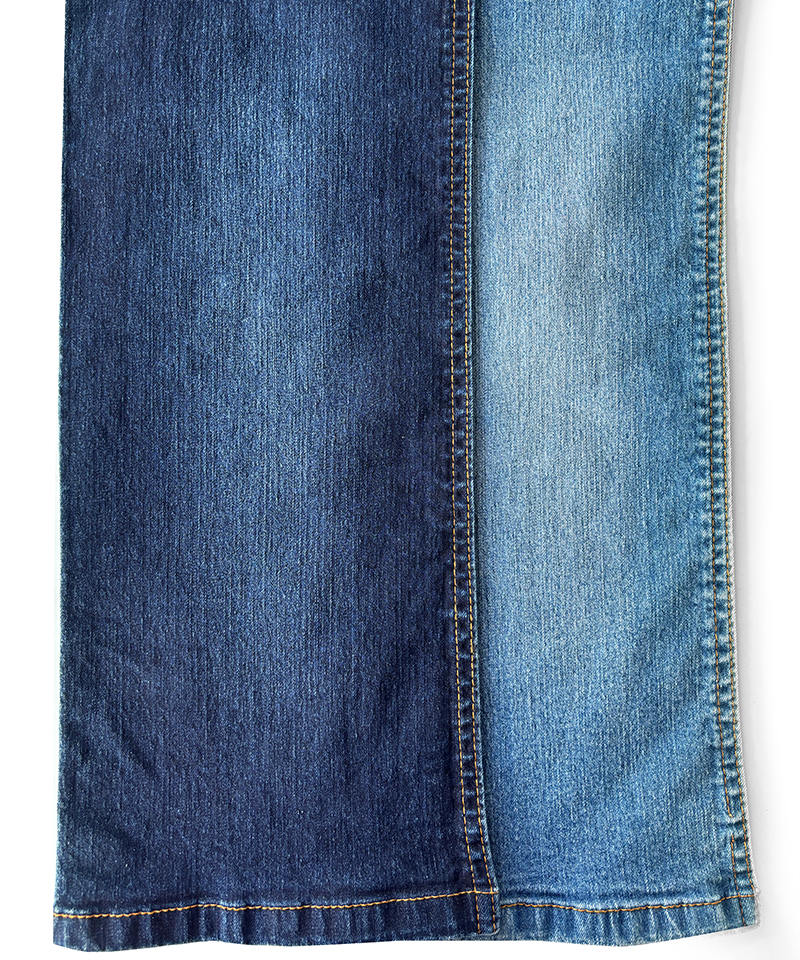
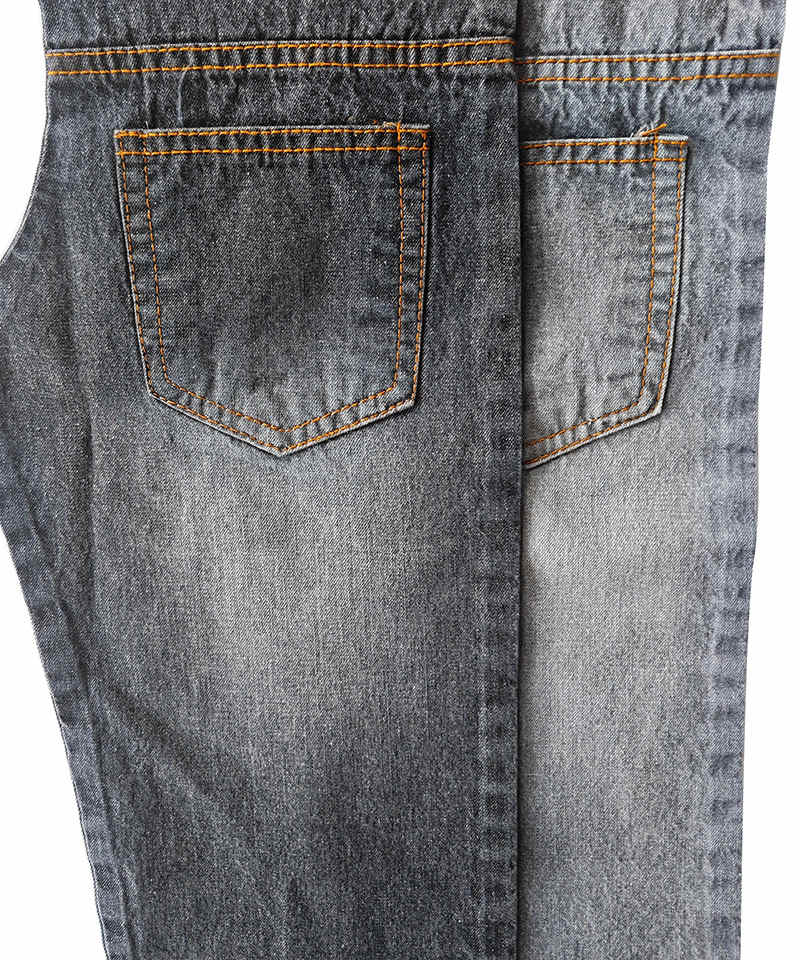
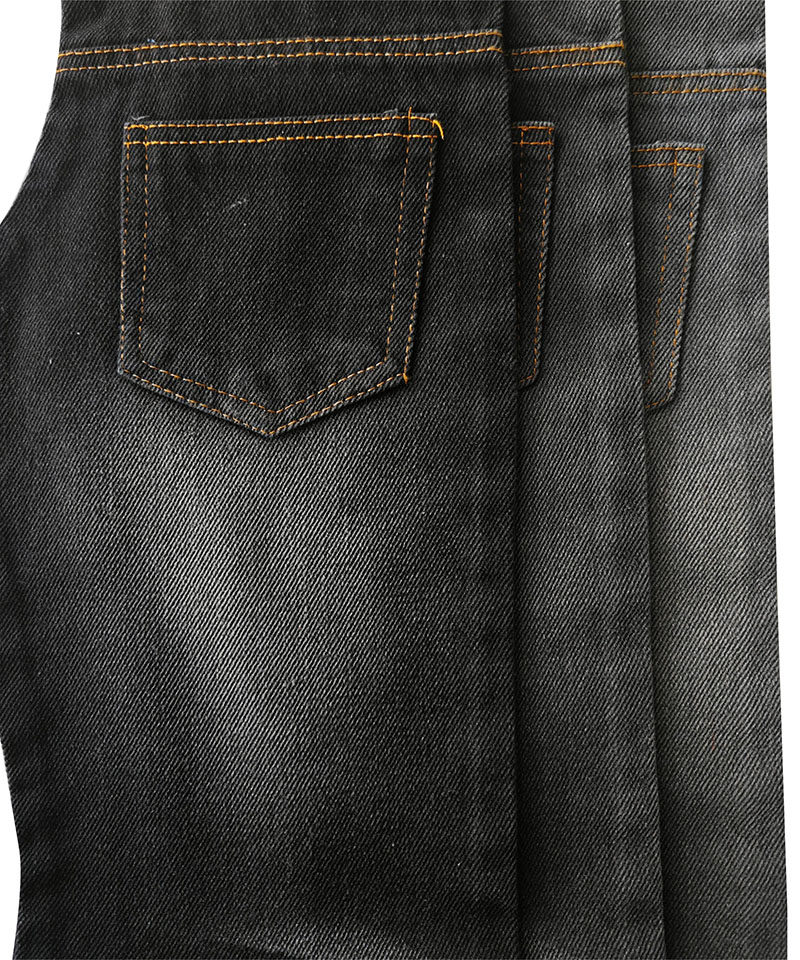
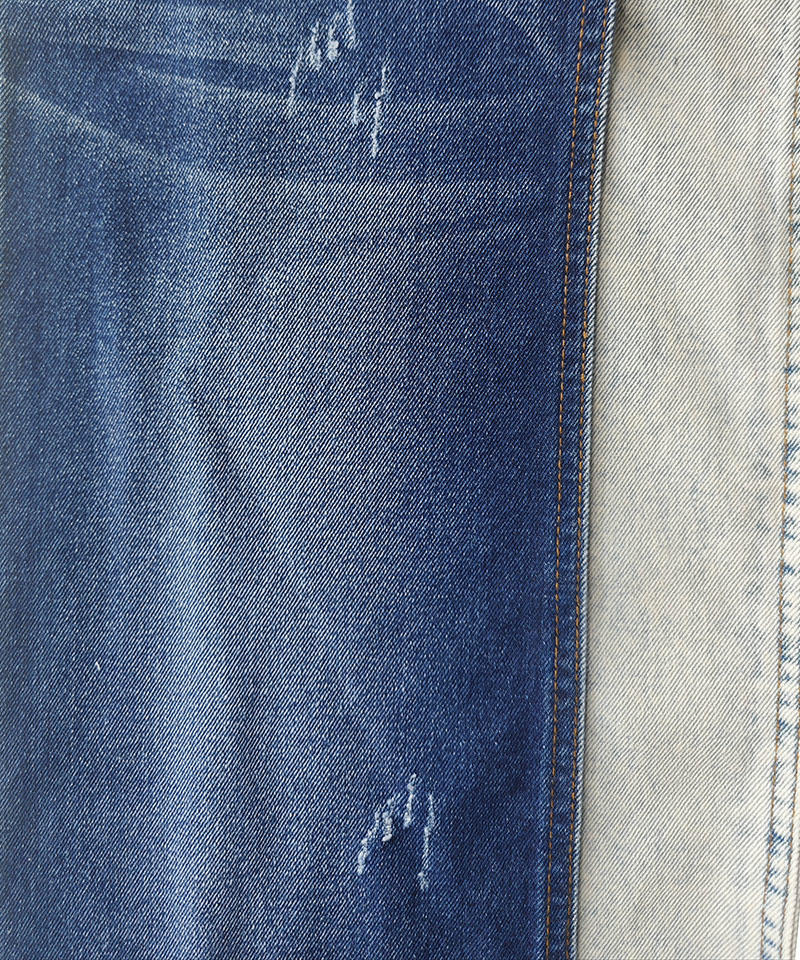
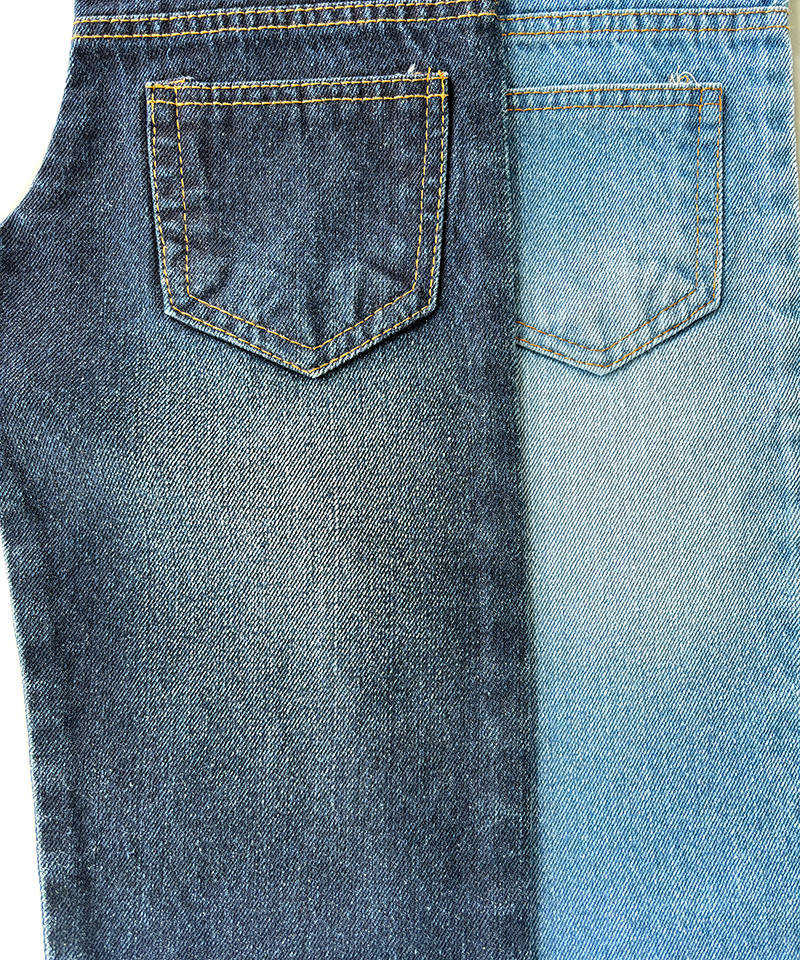
Changzhou Xinbaili Textile Co., Ltd produces a cotton elastane denim range with several heavy weight options between 12 and 12.7 oz, all in a 3/1 twill construction. Review the full category page before shortlisting swatches. Representative SKUs from this segment:
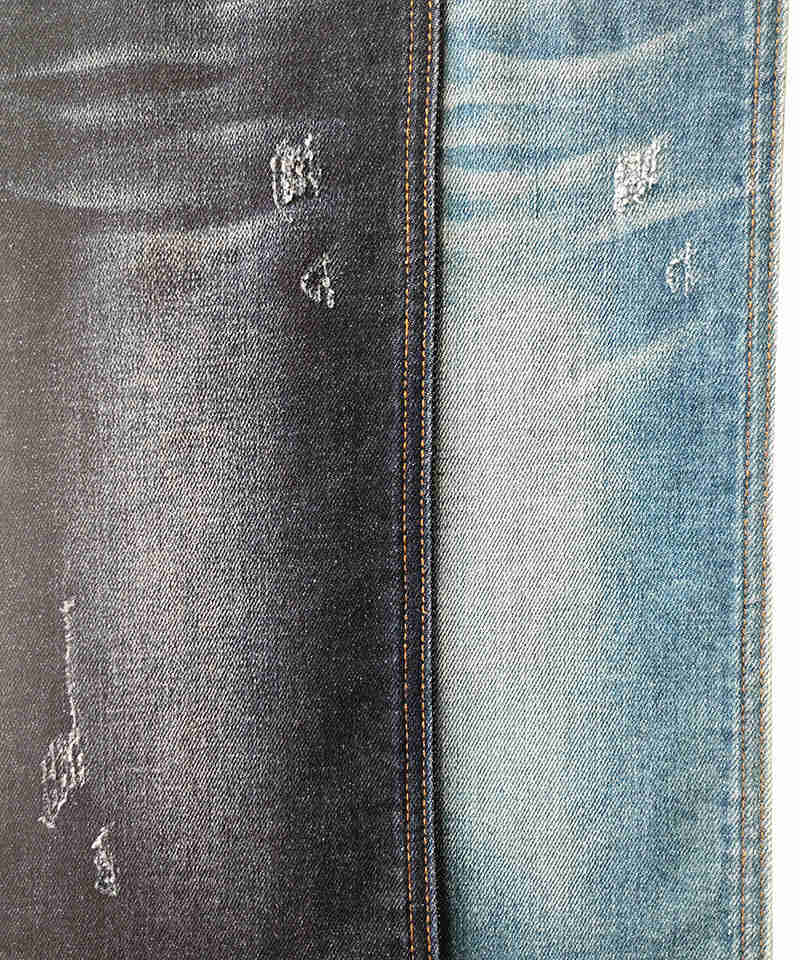 Indigo Heavyweight Stretch Denim Fabric #20056, 3/1 TwillThis 12-12.7 oz indigo stretch denim uses cotton and spandex in a 3/1 twill. Its heavy weight suits cooler-weather jeans and jackets, but note the batch-to-batch weight and stretch variation mentioned when comparing swatches.View Product →
 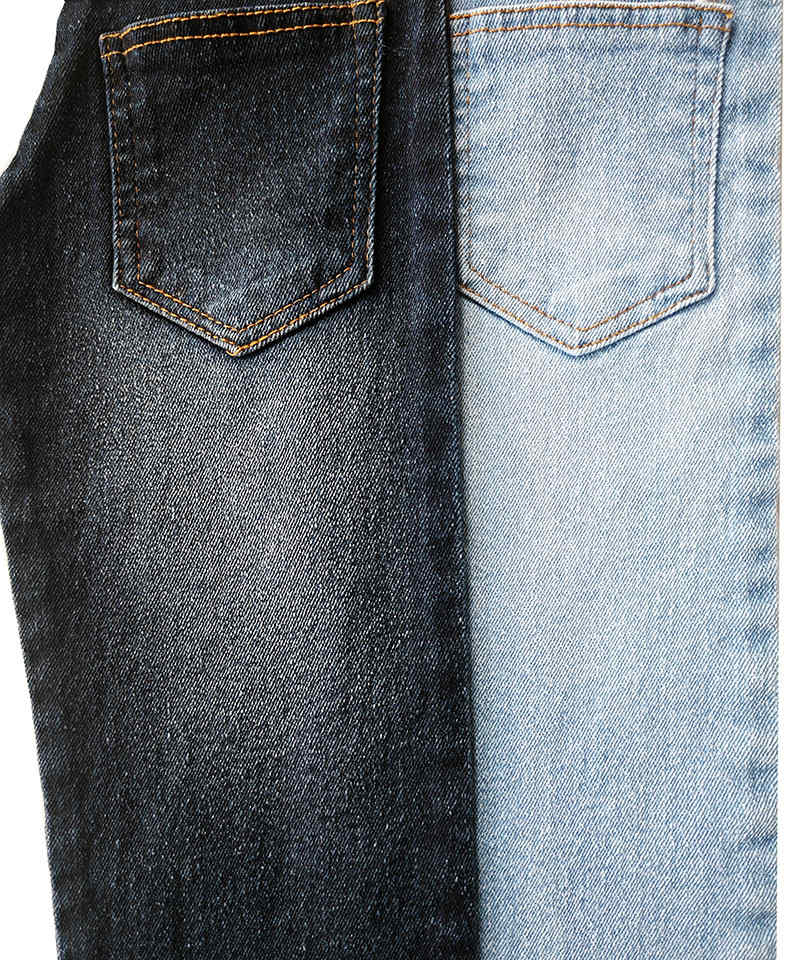 Indigo Heavyweight Stretch Denim Fabric #20065, 3/1 TwillOffered in the same heavyweight range, this indigo stretch twill emphasizes durability and thickness. Because even minor batch shifts can affect fit, this swatch helps verify whether the heavier construction meets your cutting table requirements.View Product →
 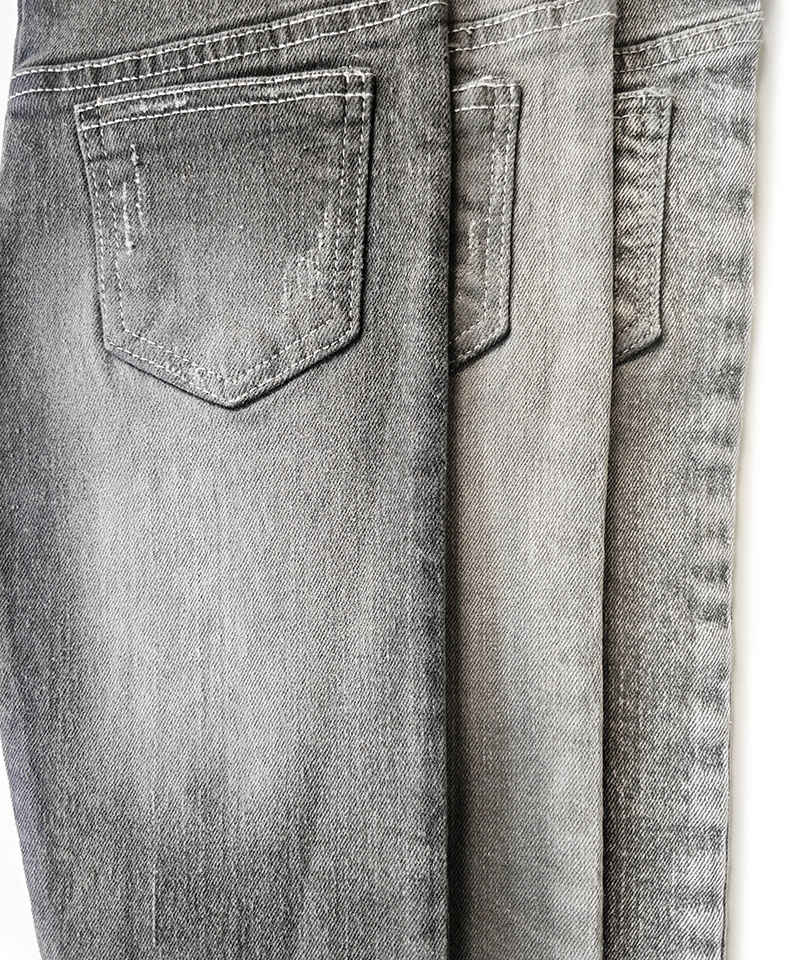 Black Heavyweight Stretch Denim Fabric #20071, 3/1 TwillA black version of the heavyweight stretch twill, made with cotton, polyester, and spandex. The added polyester may affect hand feel and recovery, so comparing it against the indigo options is worthwhile when checking for consistent stretch and weight.View Product →
Test before you commit
Indigo-dyed heavy stretch denim can shift 0.5 oz or two stretch points between production batches, and a change that small is enough to alter fit on the cutting table.
Frequently asked questions about heavy stretch denim
What is the difference between heavy weight cotton elastane denim and regular stretch denim?
The difference is the base cloth. Regular stretch denim at 8-10.5 oz uses lighter yarns and a more open weave, so elastane dominates the hand and the fabric feels soft and flexible. Heavy weight cotton elastane denim uses denser yarns above 10.5 oz, so cotton rigidity dominates while elastane works mainly to restore shape after movement.
Does elastane make heavy denim less durable?
It lowers tear strength compared with pure-cotton denim at the same weight, because elastane yarns absorb force instead of transferring it across the weave. In practice, a well-constructed 12 oz cotton elastane denim still lasts through normal jeans wear, but for high-abrasion workwear, specify a heavier base weight or a lower elastane percentage.
What is the ideal elastane content for heavy denim?
For most garments, 2-3% is the practical sweet spot. At 2% you get roughly 15-25% stretch with firm recovery; at 3%, stretch rises toward 30-35% and the hand is softer, but tear strength drops measurably. Above 4% in a heavy fabric, recovery force becomes hard to control and seams can distort.
How should heavy stretch denim be cared for to preserve recovery?
Wash inside out in cold water and avoid high-heat drying, which degrades elastane faster than cotton. Repeated exposure to dryer heat gradually reduces elastane's ability to return to shape, so a gentle cycle and line drying will keep a 12 oz stretch jean's recovery for longer.
10.5 oz/sq yd is the practical entry point for heavy weight cotton elastane denim, with 2-3% elastane as the recommended starting range.


 English
 Español