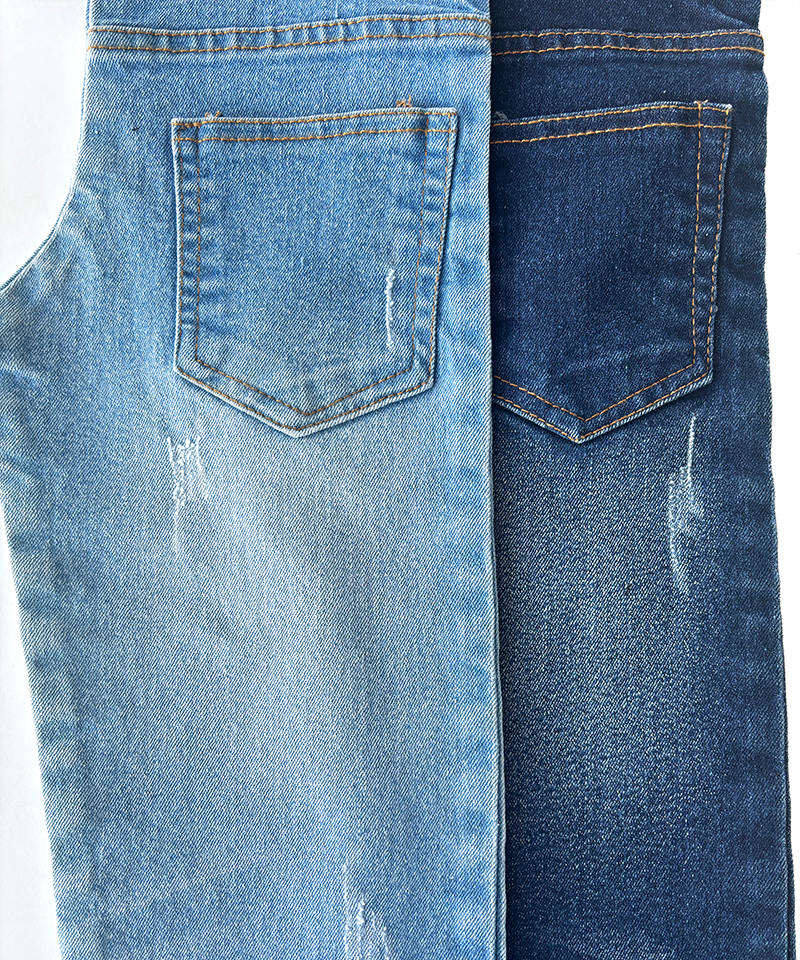
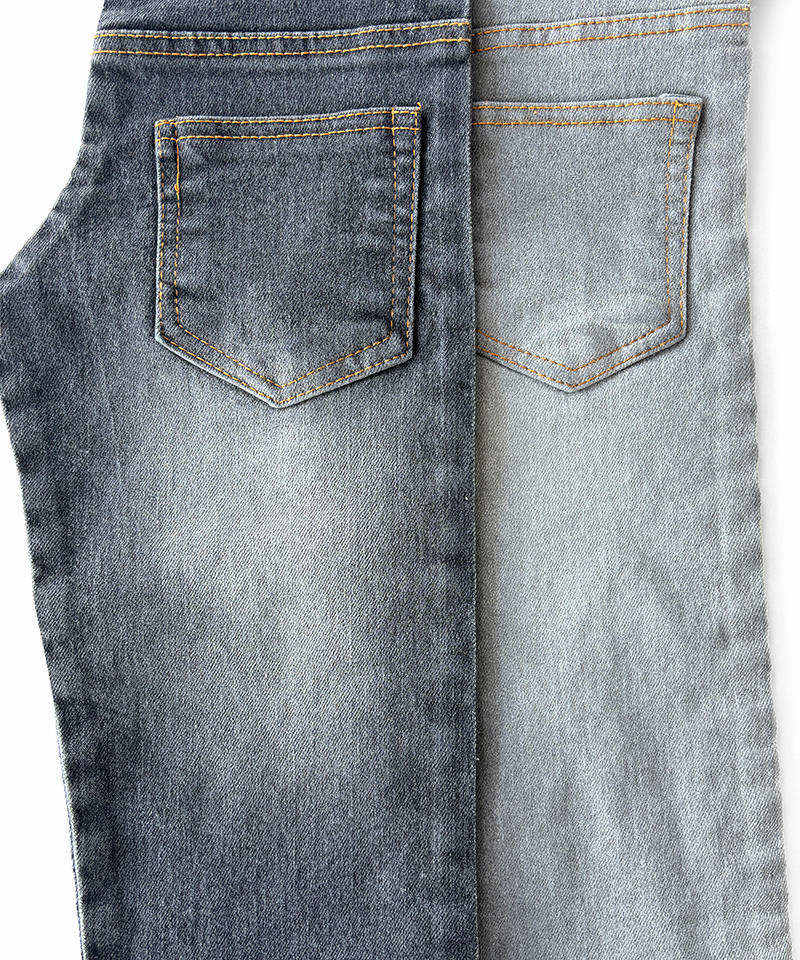
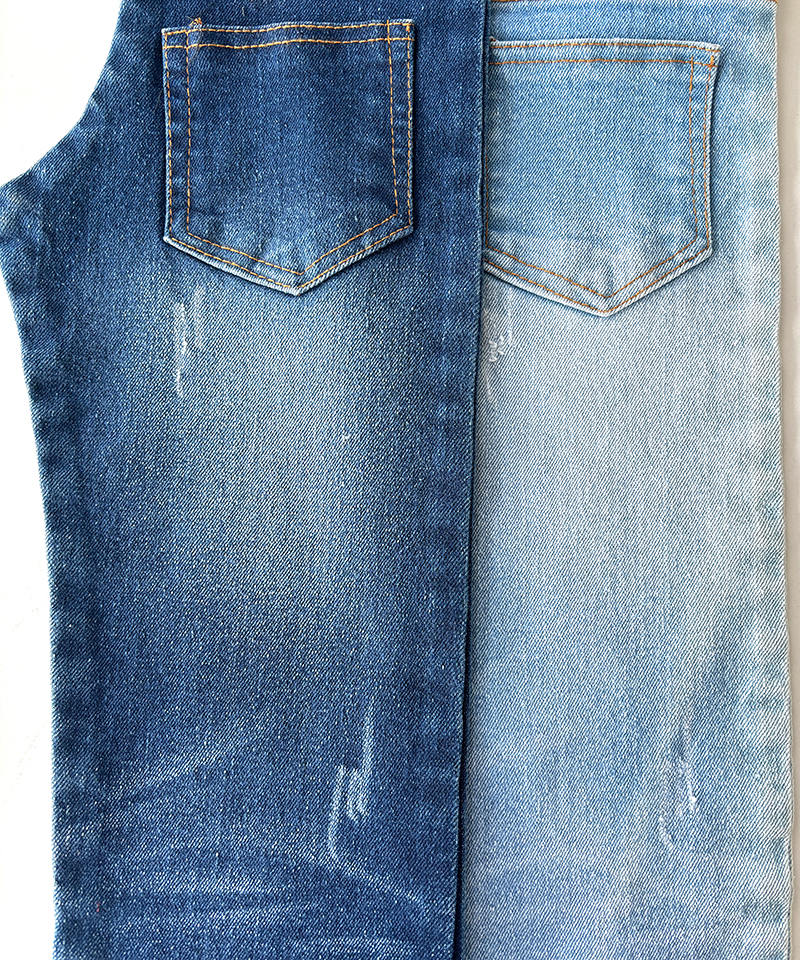
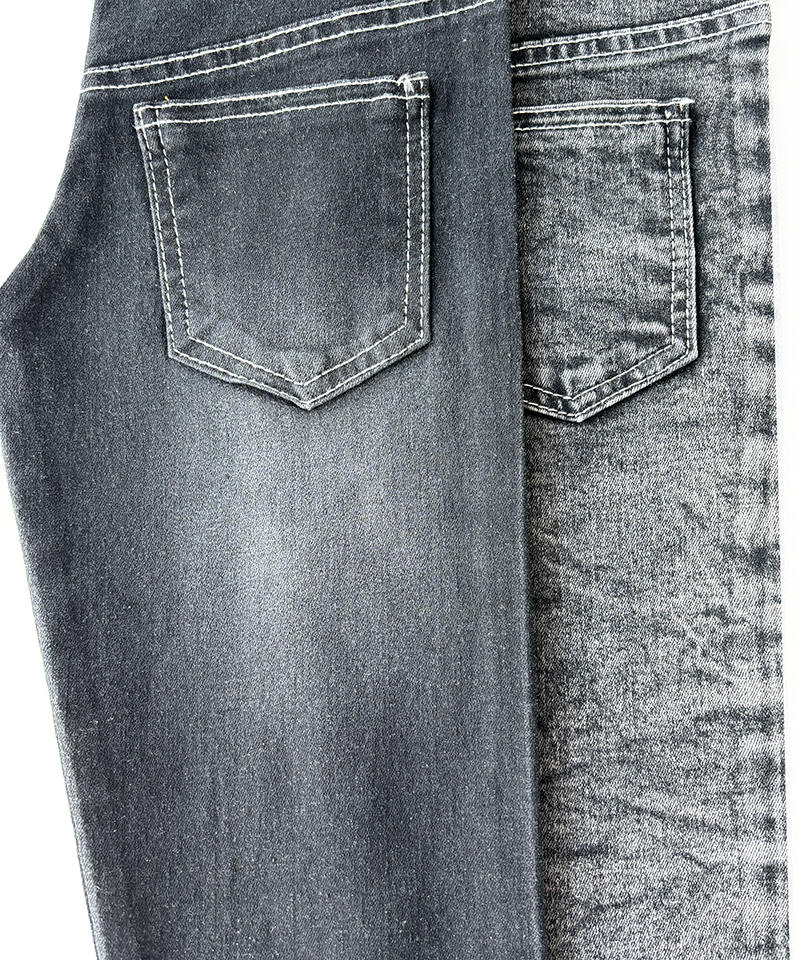
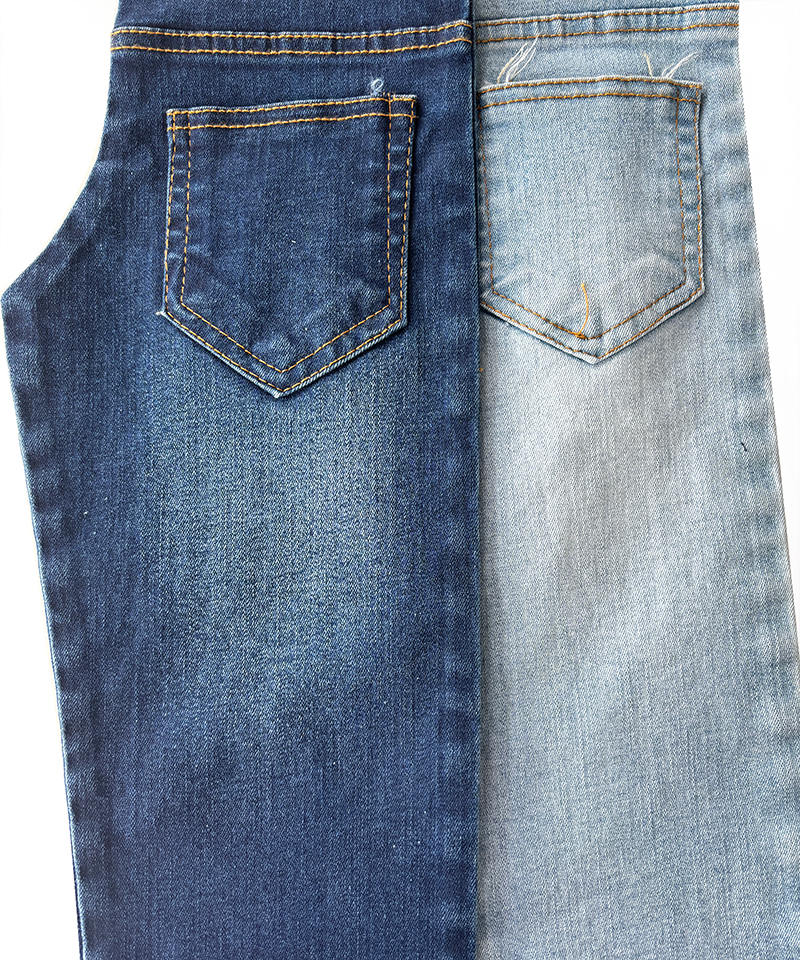
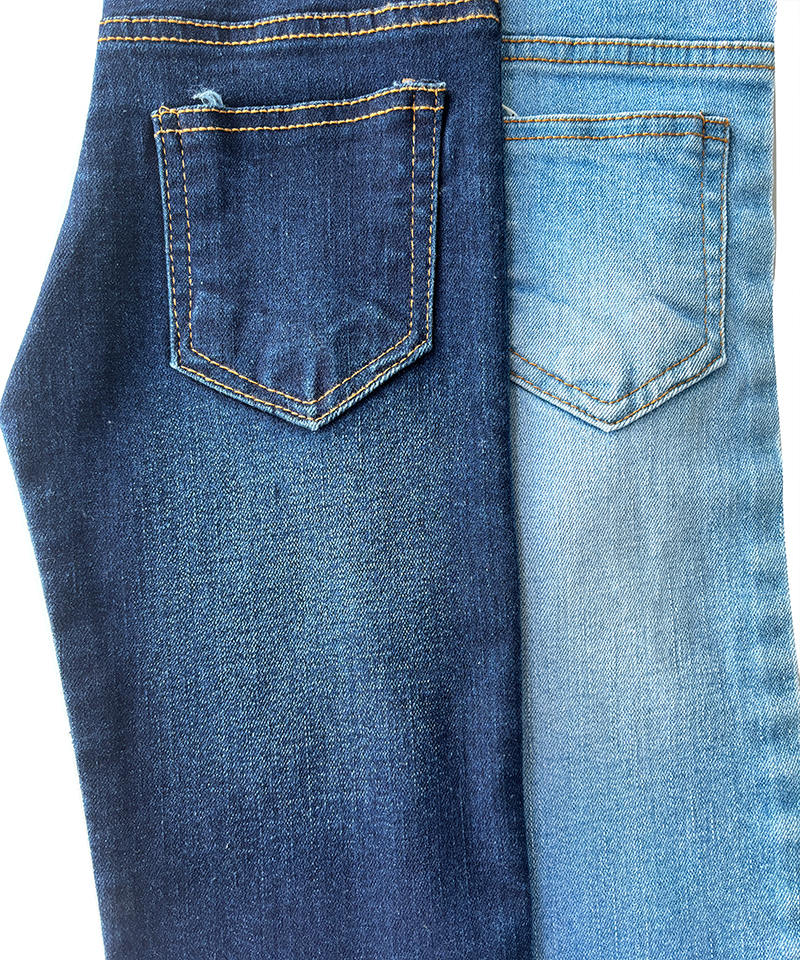
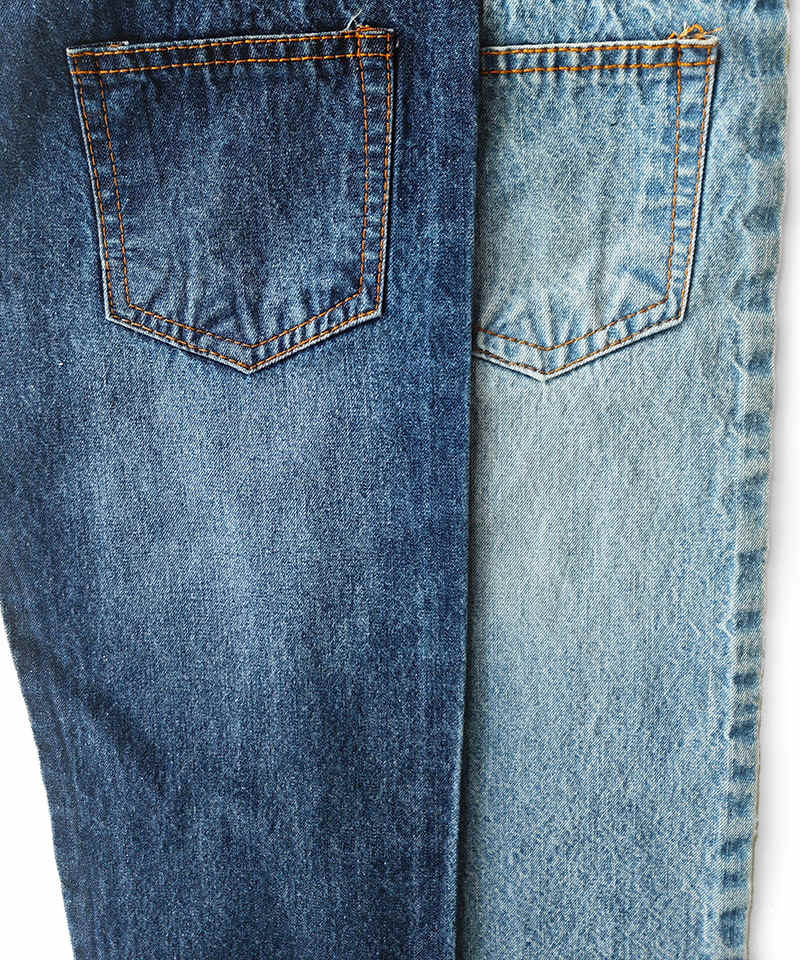
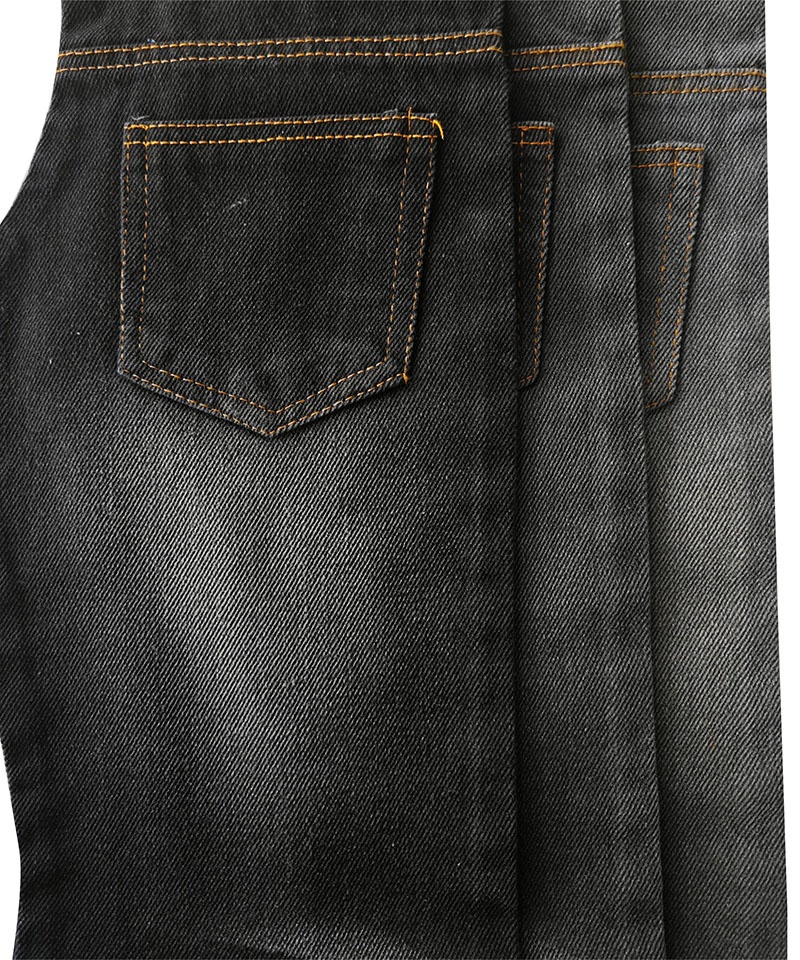
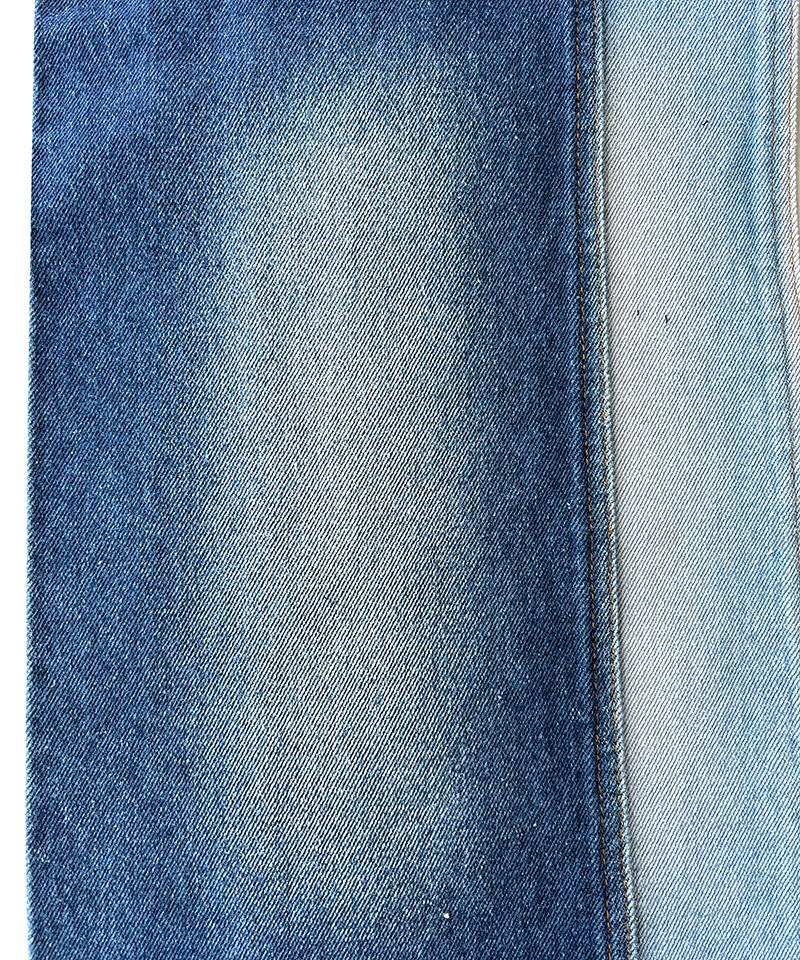
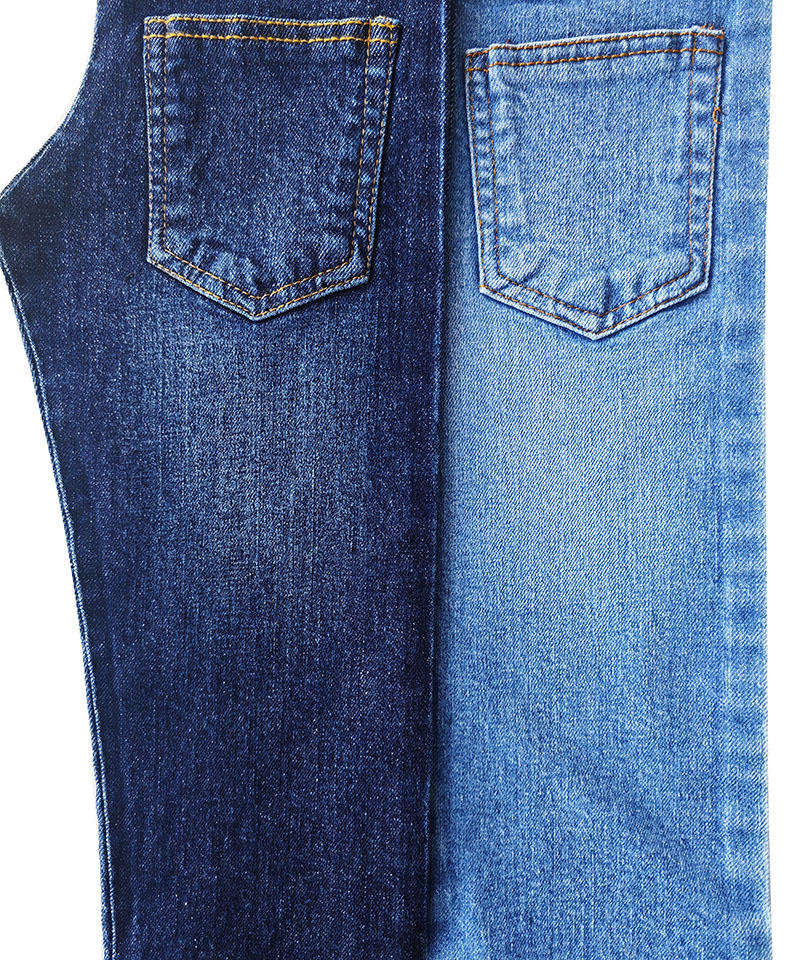
Most sourcing conversations about heavy weight denim fabric start with a number: 12 oz per square yard. That single figure separates light shirting denim from fabrics meant for jeans, workwear, and outerwear, and it translates to about 407 gsm on a mill spec sheet. But the number only works when the weave, yarn, and finish support it. A 13 oz 3/1 twill made from open-end yarn will handle differently from a 13 oz slub ring-spun construction, even though both carry the same weight label.
12 ozentry point for heavy weight
407 gsm12 oz per sq yd converted
13.7 oztop of one mill's pure cotton range
This guide is written for fabric buyers and product developers who need to specify heavy weight denim fabric against real production constraints. It covers how mills define the weight, why weave matters, what stretch and finishing change, and which checks prevent sampling failures.
What Does Heavy Weight Denim Fabric Mean in Mill Terms?
In mill terms, heavy weight denim fabric means a finished woven cotton cloth with a weight of at least 12 oz per square yard, usually delivered in 58-60 inch widths and cuttable roll lengths. It is sometimes called bull denim when the weave is tight and the surface is uniform, but the weight definition stays the same.
Commercial denim is grouped into light, mid, and heavy bands, and suppliers do not always use the same cut-offs. A European workwear brand might call 10 oz medium-heavy; a Japanese selvedge mill may not use the word "heavy" before 15 oz. For practical sourcing, 12 oz is the safest threshold because it appears in most sizing tables. Above 14.5 oz the supplier pool shrinks, because fewer mills can spin coarse enough yarn, weave dense constructions, and finish the cloth without making it boardy.
Common denim weight bands used by fabric mills and garment factories.
Category
oz per sq yd
approx gsm
Typical end uses
Lightweight
4 to 9 oz
136-305 gsm
shirts, dresses, summer jackets
Midweight
9.5 to 12 oz
322-407 gsm
casual jeans, skirts, soft jackets
Heavy weight
12 to 14.5 oz
407-492 gsm
workwear jeans, chore coats, bags
Ultra-heavy
14.5 oz and above
492 gsm and above
selvedge denim, heavy outerwear
How Do You Convert Ounces to GSM?
Multiply ounces per square yard by 33.906 to get grams per square metre. Applying that formula, 12 oz equals 407 gsm, 13.7 oz equals 465 gsm, and 14.5 oz equals 492 gsm. Use the gsm number for lab comparisons because it is measured under controlled humidity; the oz number on a grey fabric ticket can shift after washing and finishing.
Core definition: Heavy weight denim fabric is woven denim with a finished weight of 12 oz per sq yd or more, built to survive repeated wear, washing, and seam stress without losing its structure.
Why Weave Structure Matters in Heavy Weight Denim Fabric
Weave structure controls how heavy weight denim fabric flexes, breathes, and wears, and the 3/1 twill dominates this range because it balances abrasion resistance with a stable diagonal face.
A 3/1 twill has three warp threads over one weft thread, so the warp-dominant face is dense, smooth, and resistant to snagging. This is critical for heavy weight goods because the fabric must survive high-stress seams around the crotch, pockets, and belt loops. A 2/1 twill is softer and shows less defined diagonal lines, which makes it a better choice for 10-12 oz heavy midweights. A 4/1 satin weave creates a smooth, lustrous face but can sacrifice a little abrasion resistance; it suits fashion-heavy pieces more than rugged workwear.
3/1 twill: best all-round structure for 12-14 oz jeans, jackets, and workwear; holds creases and resists snagging.
2/1 twill: softer drape, lower surface definition; useful when a 12 oz cloth needs an easy hand.
4/1 satin: smooth, shiny face with more weft exposure; good for dresses and fashion denim.
Broken twill: herringbone appearance that balances tension and reduces leg twist after washing.
A mill that weaves heavy weight denim across multiple constructions can show the same oz number with completely different hand-feel. Changzhou Xinbaili Textile Co., Ltd offers heavy weight SKUs in 3/1 twill, 4/1 satin, fake knitting, and jacquard, which allows buyers to compare structure before committing to a style.
Practical rule: If the garment needs sharp creases and visible whiskering, choose 3/1 twill. If it needs a clean, shiny surface, 4/1 satin is the safer call. If leg twist has been a quality complaint, broken twill solves the problem.
How To Read Denim Weight, Width, and Yield
Finished weight is the anchor spec for heavy weight denim fabric, but yield per roll and finished width decide whether a style is cost-effective to cut, and those numbers are not always visible in the product name.
When a mill quotes "12.5 oz", ask whether that was measured on grey fabric or after finishing. Shrinkage and compacting can change the final weight by one to two percent. For heavy weight goods, a one percent difference in width changes a marker yield by more than a buyer expects, so confirm the finished width at the same time.
Use the gsm value, not the oz name, when comparing quotations from different mills. A 12.2 oz fabric from one supplier can measure 414 gsm while another 12.2 oz fabric measures 405 gsm, and the difference usually comes from finishing, not from dishonest labeling.
Procurement check: Ask the mill to state whether the quoted weight is grey, sanforized, or washed, then run the first shipment across a scale to confirm tolerance.
Stretch or Rigid: Choosing Heavy Weight Denim Fabric for Fit and Recovery
For heavy weight denim fabric, stretch is a fit decision, not a comfort upgrade. Rigid fabric holds its shape but needs a break-in period, while stretch fabric returns after movement but can lose recovery faster in dense 12 oz constructions.
Non-stretch heavy weight denim is almost always 100 percent cotton. It shrinks predictably, develops strong creases, and does not sag at the knee as quickly as lighter stretch denim. Its weakness is initial stiffness: a 13 oz rigid jean can feel boardy through the first several wears. Stretch heavy weight denim uses cotton with 1 to 3 percent elastane to keep the waist and hip area forgiving while maintaining the firm face of a heavier fabric.
Rigid non-stretch
100% cotton, typically 12 to 13.7 oz. Holds creases, softens with wear, lasts longer under abrasion, and gives the most predictable wash-down character.
Stretch
Cotton with elastane or polyester-elastane. Returns after stretch, improves comfort, but high-stretch versions reduce tear strength and can bag out at the knees.
For a production-ready stretch reference, a heavy weight cotton-elastane series from Changzhou Xinbaili Textile Co., Ltd includes multiple 12 oz and above SKUs in 3/1 twill. The important point is that the stretch percentage changes the garment pattern: a 2 percent stretch denim needs a different waistband and seam allowance than a rigid one.
Fit note: Keep elastane at 1 to 2 percent if recovery is the main goal. Move to cotton-polyester-elastane blends when you need extra give without giving up abrasion resistance.
Sourcing Heavy Weight Denim Fabric: What To Verify Before You Order
Before ordering heavy weight denim fabric, verify shrinkage, tear strength, color fastness, and width tolerance, because these four values determine whether the finished garment will pass a wash test.
Heavy weight denim is woven under high tension, so it can pull out of square during finishing. The fabric must be sanforized or compacted unless the design intentionally calls for unsanforized selvedge. Shrinkage claims below 1 percent in both directions are common for sanforized goods; 5 to 8 percent shrinkage belongs in the unsanforized category.
Red flag: If a mill cannot provide shrinkage, tear strength, and color fastness data for heavy weight denim fabric, treat the sample as unverified and escalate the review.
Pre-order checks for 12 to 14 oz heavy weight denim fabric.
Parameter
Why it matters
Typical target
Weight tolerance
Finished garment weight and cutting yield
about 0.5 oz per sq yd
Shrinkage
Fit consistency after home or industrial wash
1 to 3 percent both directions
Tear strength
Knee, pocket, and seam durability
mill to provide measured data
Color fastness
Indigo transfer and wash-down stability
minimum 2.5 to 3 crocking rating for workwear
Width
Marker nesting and roll yield
58-60 inches with 0.5 inch tolerance
Place no bulk order without a pre-production sample in the exact wash the buyer will use. For heavy denim, a one-inch change in width after wash can alter fit across all sizes, so the sample must go through the full wash cycle before approval.
Four Sourcing Steps That Shorten the Sampling Round
Confirm finished weight and width on the mill's spec sheet.
Request shrinkage, tear strength, and crocking data.
Approve a pre-production sample in the final wash.
Agree on roll length tolerance and delivery lead time.
Finishing and Wash Development for Heavy Weight Denim Fabric
The finish determines whether heavy weight denim fabric feels stiff enough for structured jeans or soft enough for daily wear, and the wash process amplifies those differences.
Sanforization controls residual shrinkage. Brushing adds a flannel-like back for winter jackets. Bonding fuses a membrane or lightweight lining to the denim, creating a wind-resistant shell without an extra fabric layer. Cold-feeling and lyocell-based finishing reduce surface temperature for summer-weight goods, although true heavy weight pieces are less common in that group because the weight itself traps heat.
Wash development has a bigger visual effect on heavy denim than on light denim because more indigo is locked into the warp surface. Stone washing, enzyme washing, and acid washing all produce higher contrast on 12 oz and above cloth, but each wash also reduces tear strength, so the wash trial must be validated on the actual finish.
Finishing rule: Bonded and coating processes change hand-feel and care requirements. Test seam strength on the composite before bulk approval, because a heavy base cloth does not guarantee a strong bond line.
Four Questions Every Denim Buyer Asks
The four questions below come up every time a buyer moves from midweight to heavy weight denim fabric.
Is 12 oz denim considered heavy weight?
Yes. 12 oz per square yard is the commercial entry point for heavy weight. Most mills and garment factories place 12 oz and above in that category, while 14.5 oz and above is reserved for heritage-weight workwear and selvedge programs.
What is the best weave for heavy weight denim fabric?
3/1 twill is the default for 12 to 14 oz denim because the warp-faced diagonal surface balances durability, drape, and wash-down character. 2/1 twill works for softer heavy midweights, and 4/1 satin is better when a smooth surface matters more than abrasion resistance.
Does heavy weight denim fabric shrink more than light denim?
Not automatically. Finishing matters more than starting weight. Sanforized heavy denim shrinks 1 to 3 percent, while unsanforized selvedge can shrink 5 to 8 percent. Always request the mill's shrinkage data before cutting.
How do I order heavy weight denim fabric from a mill?
Send the finished weight in oz or gsm, width, fiber composition, stretch target, finish, required wash test, and yardage. Confirm roll lengths, lead time, and pre-production sample approval. For 12 oz and above, add shrinkage and tear strength tests to the approval checklist.
Takeaway: Heavy weight denim fabric rewards specific specs. Put weight, weave, stretch, finish, and tolerance in writing, and the sampling round will be shorter and more accurate.


 English
 Español