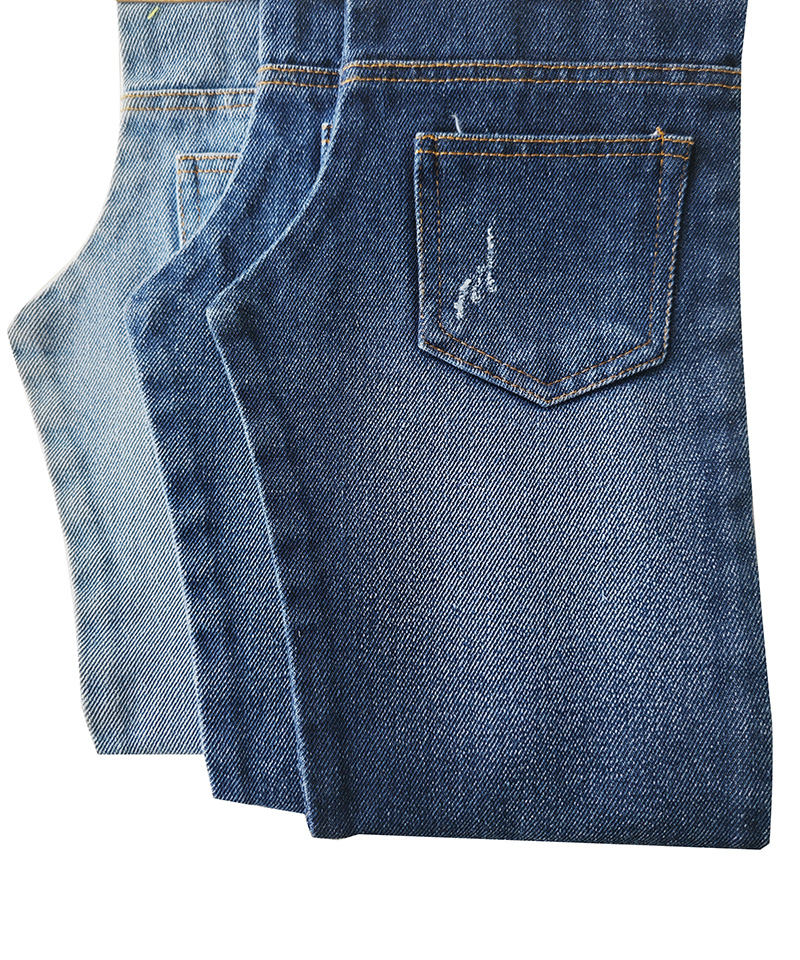
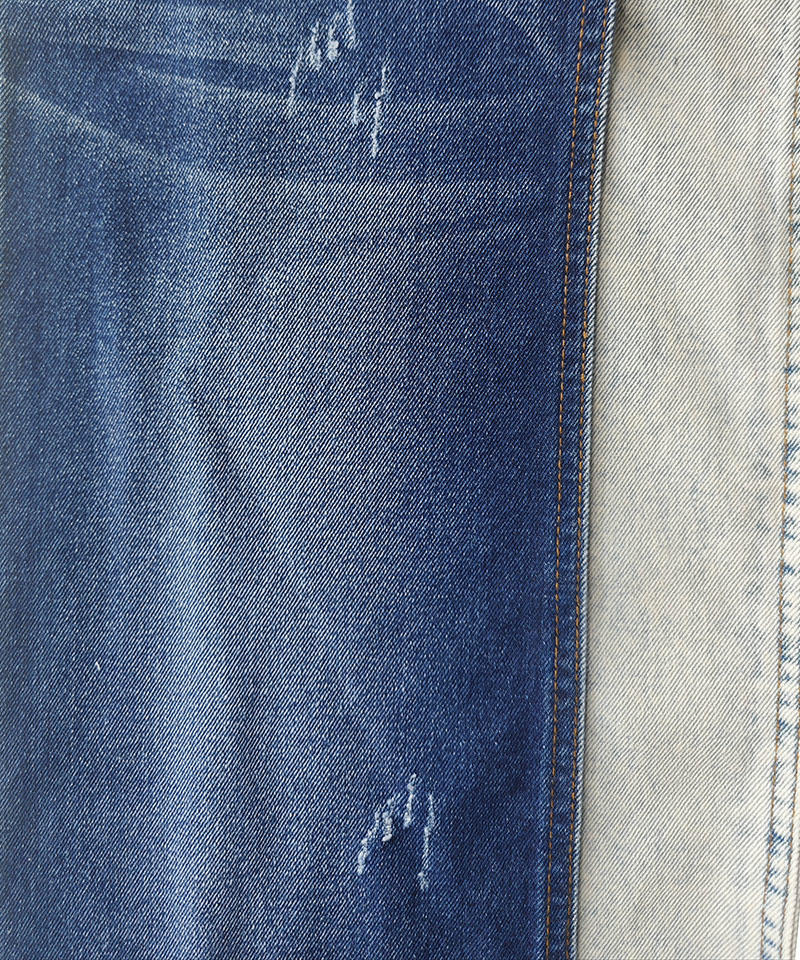
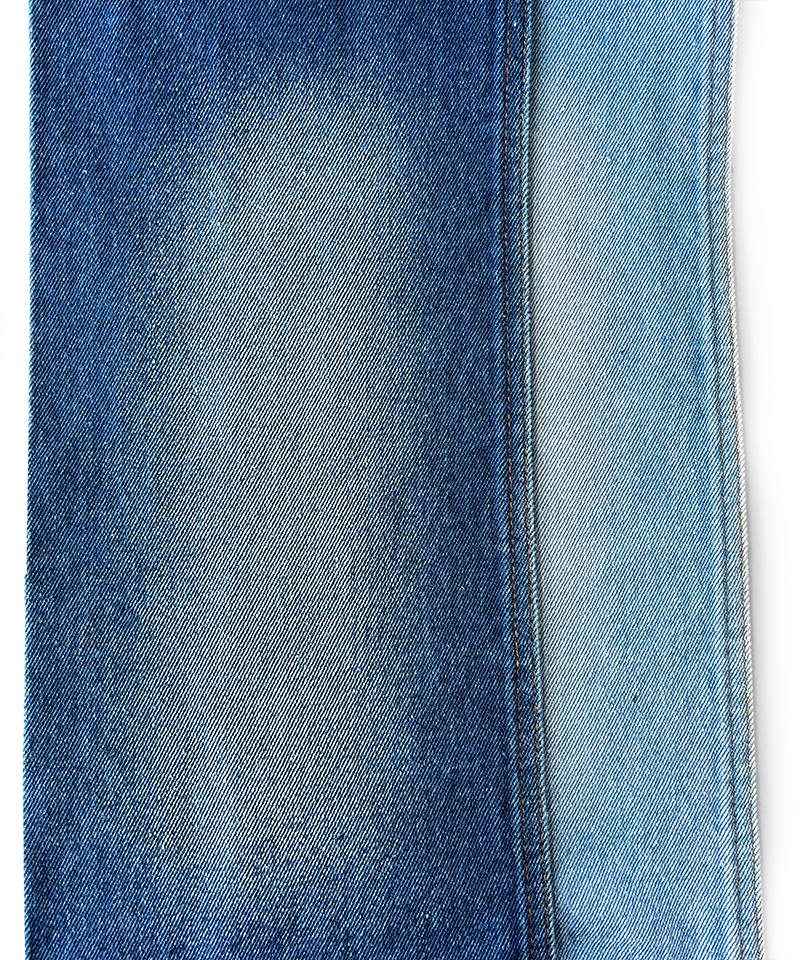
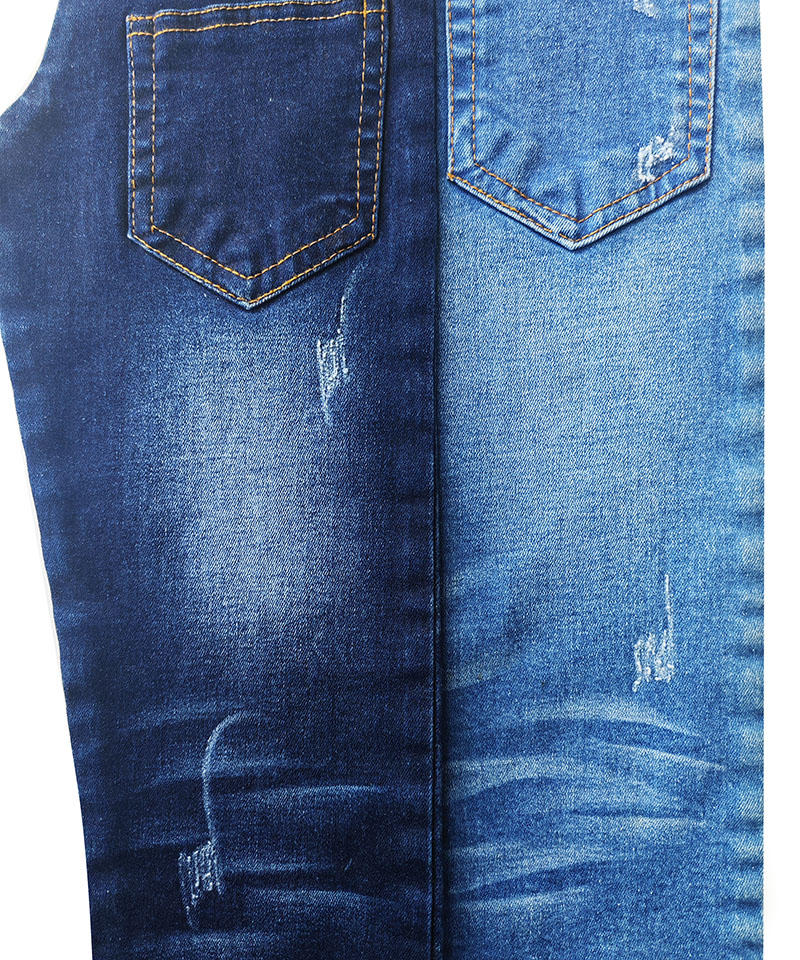
Fabric weight is one of the most fundamental specifications in denim sourcing, and one of the most frequently misunderstood by buyers who are new to denim or sourcing outside their usual product categories. The weight of a denim fabric — measured in ounces per square yard (oz/yd²) in most markets, or grams per square meter (g/m²) in metric contexts — determines not just how heavy the finished garment feels, but how it drapes on the body, how it responds to washing and distressing, how it performs in different climates and seasons, and what manufacturing requirements it places on the garment factory cutting and sewing it. Specifying the wrong weight for a product's end use is one of the most common and costly errors in denim product development.
This guide explains the denim weight scale, what each weight range is suited for, how weight interacts with fiber content and construction, and what questions buyers should ask when specifying denim weight for a new product.
Denim fabric weight is expressed as the weight of a defined area of fabric — specifically, the weight of one square yard of fabric in ounces (oz), or one square meter in grams (g/m²). The relationship between the two units is: 1 oz/yd² = approximately 33.9 g/m². A 10 oz denim (a very common midweight specification) is approximately 339 g/m²; a 14 oz denim is approximately 475 g/m².
The weight of a denim fabric is determined by three factors: the count (thickness) of the yarns used in the warp and weft, the density of the weave (how many yarns per centimeter or inch in the warp and weft directions), and the fiber content (fiber density affects how much a given yarn volume weighs). Heavier yarns woven at a higher density produce heavier fabric. A fabric's weight is measured from a finished, washed sample using the ISO 3801 or ASTM D3776 standard method — measurements should always be specified on finished fabric, as grey (loom-state) fabric weight differs from finished fabric weight after washing, sanforizing, and other finishing processes.
The Denim Weight Scale
Lightweight Denim: Under 8 oz (Under ~270 g/m²)
Lightweight denim — typically in the range of 5 to 7.5 oz — is the category with the fastest growth in the contemporary fashion denim market. Its defining characteristic is fabric hand and drape more similar to a light twill or chambray than to traditional stiff denim: the fabric moves fluidly, drapes around the body, and has a light, airy wearing feel.
What lightweight denim is suited for: Warm-weather and year-round collections in tropical and subtropical markets; women's fashion denim where fluid silhouette is a design priority (wide-leg trousers, flowing skirts, relaxed-fit trousers); lightweight denim shirts, dresses, jumpsuits, and overalls; children's denim where lighter weight reduces garment bulk and improves ease of movement; denim for layering in transitional-season collections.
Construction characteristics: Lightweight denim typically uses finer count yarns (higher Ne count — 12/1 to 20/1 warp and weft) woven at moderate density. Pure cotton lightweight denim has good drape but can feel relatively soft and lacks the structured body of heavier weights. Adding lyocell fiber to a lightweight construction enhances drape significantly and further softens the hand. Adding elastane (even 1–1.5%) to a lightweight denim provides gentle comfort stretch without adding bulk.
Fabric behavior: Lightweight denim washes soft quickly and requires minimal enzyme or stone-washing treatment in garment finishing to achieve a comfortable hand. It creases more easily than midweight or heavyweight denim and does not hold sharp pressed edges. Distressing (sandblasting, hand sanding, laser etching) is achievable on lightweight denim but produces less dramatic contrast than on heavier weights because there is less yarn mass to reveal through the surface.
Typical weight examples from this range: 5.5 oz summer shirting denim; 6.5 oz women's wide-leg trouser denim; 7 oz lightweight stretch jean denim; 7.5 oz lyocell-cotton blend denim for premium women's collection.
Midweight Denim: 8–11 oz (~270–373 g/m²)
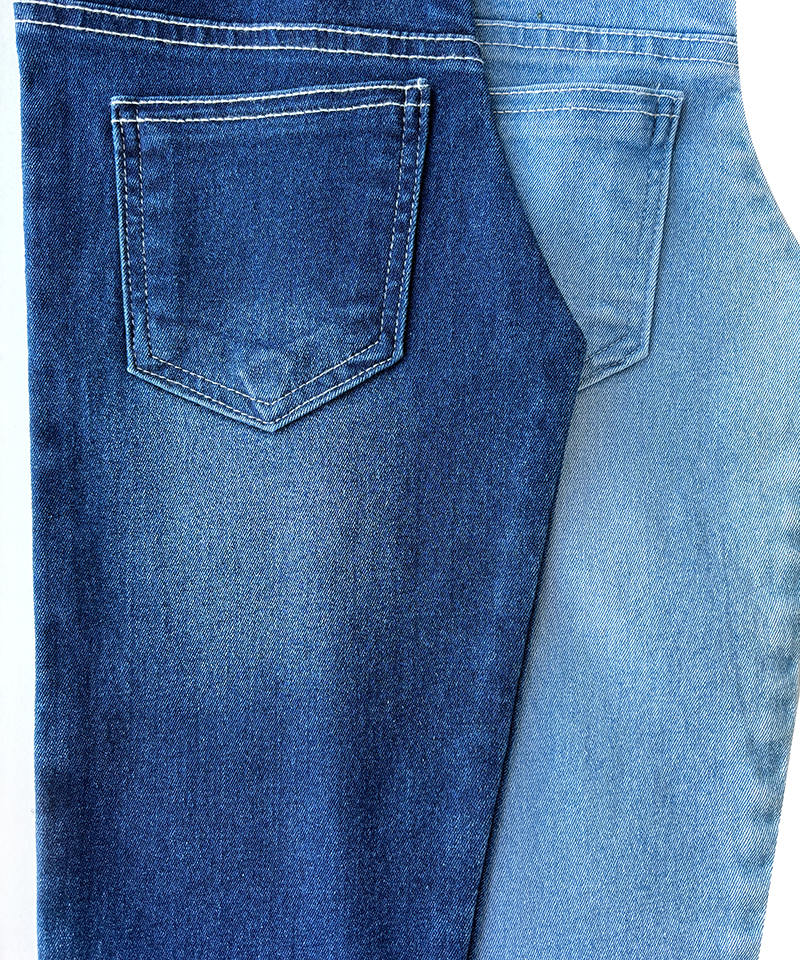
Midweight denim is the most commercially significant weight range — it encompasses the majority of global jeans production and is the reference point for most buyers when they say "standard denim." Midweight denim has sufficient body and structure to hold garment shape and resist deformation under normal wear, while remaining comfortable and flexible enough for all-day use in temperate climates.
What midweight denim is suited for: Standard five-pocket jeans in all fits (skinny, slim, straight, relaxed, wide) for men's and women's markets; denim jackets and denim shirts where structure is needed; shorts, skirts, dungarees, and overalls; commercial and workwear denim; the vast majority of contemporary branded denim collections globally.
The 9–10 oz sweet spot: Within the midweight range, 9 to 10 oz is the most universally versatile specification. It is heavy enough to withstand well under garment washing (enzyme washing, stone washing, laser finishing), holds creases and bartack stitching cleanly, sews well on standard industrial sewing machines without feed problems, and is light enough to wear comfortably in most climates year-round. Most buyers specifying a general-purpose jeans denim for the first time should start in the 9–10 oz range and adjust based on the specific fit, target market, and end use.
Construction characteristics: Midweight denim uses medium-count yarns (typically 7/1 to 12/1 Ne in the warp) woven at medium-to-high density. The standard construction is 3/1 right-hand twill (the classic denim weave structure) but multiple constructions are used in this weight range: 2/1 twill for a softer, lighter-body midweight; satin weave (4/1) for a smoother face with a slight sheen; slub constructions using irregular yarn for a more textured, vintage aesthetic. Stretch midweight denim (cotton/elastane, cotton/polyester/elastane) is the largest volume category within the midweight range.
Fabric behavior: Midweight denim responds well to all standard denim finishing and distressing processes. Indigo ring dyeing on midweight fabrics produces the characteristic high-contrast fading — deep indigo in the body of the fabric, white or cream at the abraded surfaces — that defines classic denim aesthetics. Stone washing, enzyme washing, potassium permanganate (PP) spray, sandblasting, and laser finishing all perform predictably on midweight denim and give garment finishers the most control over the final wash result.
Typical weight examples from this range: 8.5 oz lightweight mid slim-fit jeans; 9.5 oz standard straight-leg jeans; 10 oz cotton/elastane stretch slim jeans; 10.5 oz women's denim jacket; 11 oz relaxed-fit men's jeans.
Heavyweight Denim: 12 oz and Above (~407 g/m² and above)
Heavyweight denim carries significant structural body and stiffness, particularly before washing. It is the fabric of classic American workwear denim, selvedge denim, raw denim, and the heritage/authentic denim segment. The wearing experience of heavyweight denim is fundamentally different from lighter weights: a new pair of 14 oz raw denim jeans is stiff, requires a break-in period of weeks to months of wear before the fabric softens and molds to the wearer's body, and develops dramatic, high-contrast fading patterns at the points of flex and wear (whiskers, honeycombs, stacking) that are unique to heavyweight constructions.
What heavyweight denim is suited for: Heritage, raw denim, and selvedge denim products for the enthusiast market; heavy-duty workwear and protective clothing; denim outerwear (jackets, coats, chore coats) where structural body is a design requirement; products for cold-weather markets where the thermal mass of the fabric contributes to warmth; fashion applications where extreme structure and rigidity are deliberate design elements.
Construction characteristics: Heavyweight denim uses thick, low-count yarns (typically 5/1 to 8/1 Ne in the warp) at high weave density. Ring-spun yarns — particularly ring-spun open-end or old-style ring-spun cotton — are preferred in heavyweight heritage denim because the uneven, hairy ring-spun surface is what creates the distinctive fading contrast. Heavyweight denim is almost universally non-stretch — elastane is rarely added to constructions above 12 oz because the stretch requirement and the heavyweight aesthetic serve different markets. Heavyweight stretch denim (12–14 oz with elastane) does exist as a niche specification for structured stretch trousers and heavy stretch jeans.
Fabric behavior: Heavyweight raw denim (sold to the garment manufacturer and consumer in an unwashed, unsanforized, or minimally finished state) is the preferred construction for the selvedge and raw denim enthusiast market. The fading patterns that develop from personal wear — unique to each individual's wear pattern — are considered the aesthetic prize of heavyweight raw denim ownership. For commercial garment production, heavyweight denim presents higher fabric cost per unit (more yarn per square meter), slower sewing speeds on heavy fabric, higher machine needle breakage rates, and the need for heavier-duty sewing machines and stronger threads.
Typical weight examples from this range: 12 oz heavy workwear denim; 13 oz selvedge denim jeans; 14 oz raw denim jeans; 14.5 oz heavyweight denim jacket; 16 oz+ ultra-heavy heritage denim for specialist markets.
Weight Selection by Product Category
| Product Type |
Recommended Weight Range |
Notes |
| Women's skinny / slim-fit stretch jeans |
8–10 oz |
Cotton/elastane or lyocell/cotton/elastane; comfort stretch priority |
| Women's relaxed / wide-leg jeans |
8–11 oz |
Lighter weights improve drape in relaxed silhouettes; lyocell content recommended |
| Men's standard five-pocket jeans |
10–12 oz |
10–11 oz for fashion; 12 oz for workwear/durable positioning |
| Men's raw / selvedge jeans |
13–15 oz |
Ring-spun cotton; non-stretch; unwashed or minimally finished |
| Denim jacket (fashion / contemporary) |
10–12 oz |
Structure required; non-stretch or light stretch |
| Denim shirt/chambray shirt |
5–7.5 oz |
Drape and lightweight priority; lyocell or soft-finish cotton |
| Denim dress/skirt (flowing) |
6–9 oz |
Lyocell blend strongly recommended for drape |
| Denim shorts |
9–11 oz |
Needs enough body for distressing but comfortable in warm weather |
| Workwear/dungarees/overalls |
12–14 oz |
Durability priority; non-stretch; heavyweight construction |
| Children's denim |
7–10 oz |
Lighter weights for comfort and ease of movement; stretch for active wear |
| Denim outerwear/chore coat |
12–16 oz |
Maximum structure; pure cotton; may be waxed or bonded for weather resistance |
| Functional / bonded denim |
10–14 oz base |
Bonding adds weight; confirm finished weight includes bonded lining/membrane |
How Fiber Content Affects Weight Perception
Fabric weight in oz or g/m² is an objective measurement, but the perceived weight and body of a fabric when worn is not solely determined by the scale weight. Fiber density, fiber stiffness, and weave construction all affect how a fabric feels on the body:
Lyocell content makes the fabric feel lighter than its weight. A 10 oz lyocell/cotton blend denim typically feels lighter and more fluid on the body than a 10 oz pure cotton denim of the same weave construction, because lyocell's higher fiber tenacity and smoother surface produce better drape with less stiffness. If a buyer is targeting a specific wearing-feel rather than a specific scale weight, specifying a heavier lyocell-content fabric may achieve a better result than specifying a lighter pure cotton.
Polyester content increases weight without increasing bulk. In cotton/polyester/elastane denim, the polyester component has a higher density than cotton, meaning the fabric can achieve a larger scale weight in a thinner fabric with fewer total yarns per cm². This is beneficial for fabrics targeting a slim, flat hand with good dimensional stability — the polyester content contributes to recovery after stretch and reduces the bagging and seat-sagging that pure cotton stretch denim can develop with wear.
Elastane content has minimal effect on scale weight (typically 1–3% of total fiber weight), but a major effect on fabric behavior — a 10 oz non-stretch denim and a 10 oz cotton/elastane stretch denim are the same weight on the scale but behave completely differently on the body and in garment construction.
Frequently Asked Questions
Is a heavier denim fabric always more durable?
Weight correlates with durability in pure cotton non-stretch denim — more yarn mass per square meter means more material to wear through before fabric failure. However, the relationship between weight and durability breaks down when comparing across fiber types and constructions. A well-constructed 9 oz cotton/polyester/elastane denim with tight weave density and polyester fiber reinforcement will outlast a poorly constructed 12 oz pure cotton denim in everyday wear. For workwear applications where abrasion resistance is a primary requirement, a higher-weight pure cotton or cotton/polyester (without elastane) construction is the appropriate specification. For fashion applications where fit and appearance are the primary requirements, weight should be selected for the wearing experience rather than as a proxy for durability.
Why does the same fabric weight feel different in different constructions?
The same 10 oz weight can be achieved by different combinations of yarn count, weave density, and fiber content — and these different combinations produce different fabric behavior. A 10 oz fabric woven with thick, coarse yarn at lower density (fewer picks and ends per cm) feels stiffer and more open-structured than a 10 oz fabric woven with finer yarn at higher density. The weave construction also matters: a 3/1 twill at 10 oz feels stiffer than a satin weave at 10 oz because the satin weave's longer float structure allows yarns more freedom of movement, producing a softer hand. Buyers comparing denim swatches should always request detailed fabric construction specifications (warp count, weft count, warp density, weft density, weave type, fiber content) alongside the weight measurement to understand what is driving the fabric's behavior.
What is the standard method for measuring denim fabric weight?
The standard methods for measuring textile fabric weight are ISO 3801 (mass per unit area of woven fabrics) and the equivalent ASTM D3776 (standard test methods for mass per unit area of fabrics). Both methods require the fabric to be conditioned at standard atmospheric conditions (20°C, 65% relative humidity) before measurement, to eliminate variations caused by moisture content. For denim, measurements should be taken on finished fabric — after all washing, sanforizing, and finishing processes — because grey fabric weight differs from finished fabric weight due to size desizing, shrinkage, and other finishing effects. When comparing weight specifications from different suppliers, confirm that all measurements are on finished fabric by the same standard method.
Denim Fabrics Across All Weight Ranges from Changzhou Xinbaili Textile
Changzhou Xinbaili Textile Co., Ltd., Changzhou, Jiangsu, manufactures denim fabric across the full weight range — from lightweight 5.5 oz constructions through standard midweight 9–11 oz to heavyweight 12–16 oz — in pure cotton, cotton/elastane, cotton/polyester/elastane, lyocell/cotton blends, satin weave, jacquard, dobby/fake knit, functional (bonded, high-stretch, waterproof), and print constructions. Both stretch and non-stretch specifications are available. Standard constructions in indigo and black; custom colorways, blend ratios, and finishes developed to customer specification. Suitable for fashion denim, workwear, sustainable collections, and performance denim applications. Minimum order quantities available for sampling and production runs.
Contact us with your target weight range, fiber content preference, stretch requirement, and end use to receive fabric specifications, construction details, and samples.
Related Products: Pure Cotton Denim Fabric | Cotton Elastane Denim Fabric | Cotton Polyester Elastane Denim Fabric | Functional Denim Fabric | Lyocell & Special Fiber Denim Fabric | Non-Stretch Cotton Denim Fabric


 English
 Español