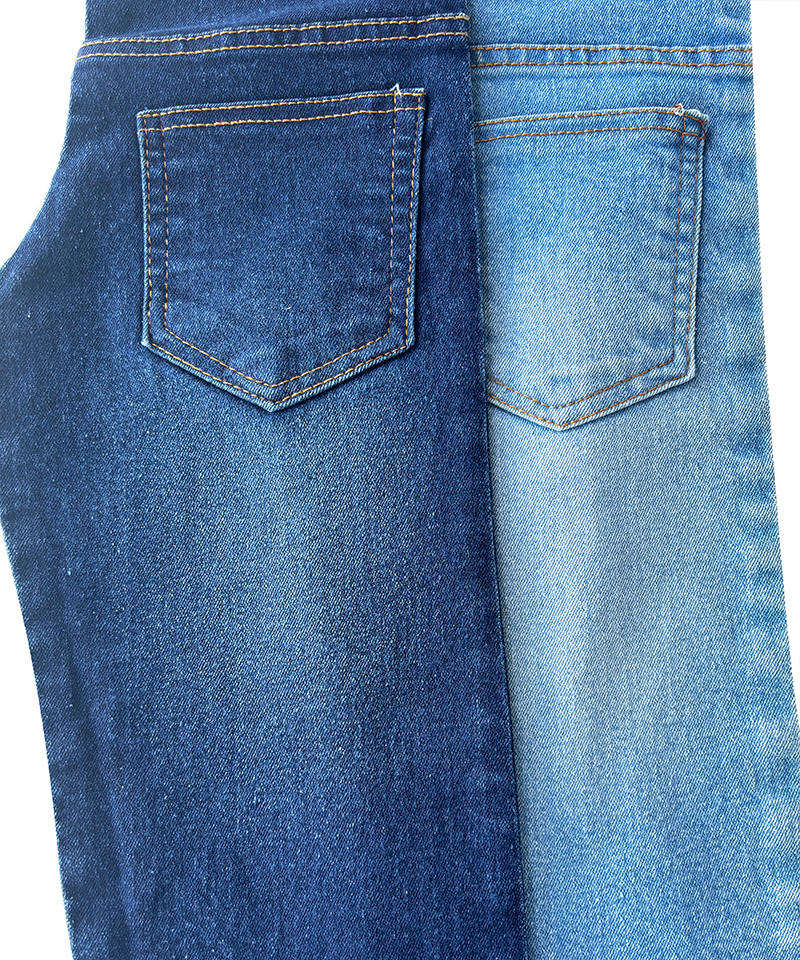
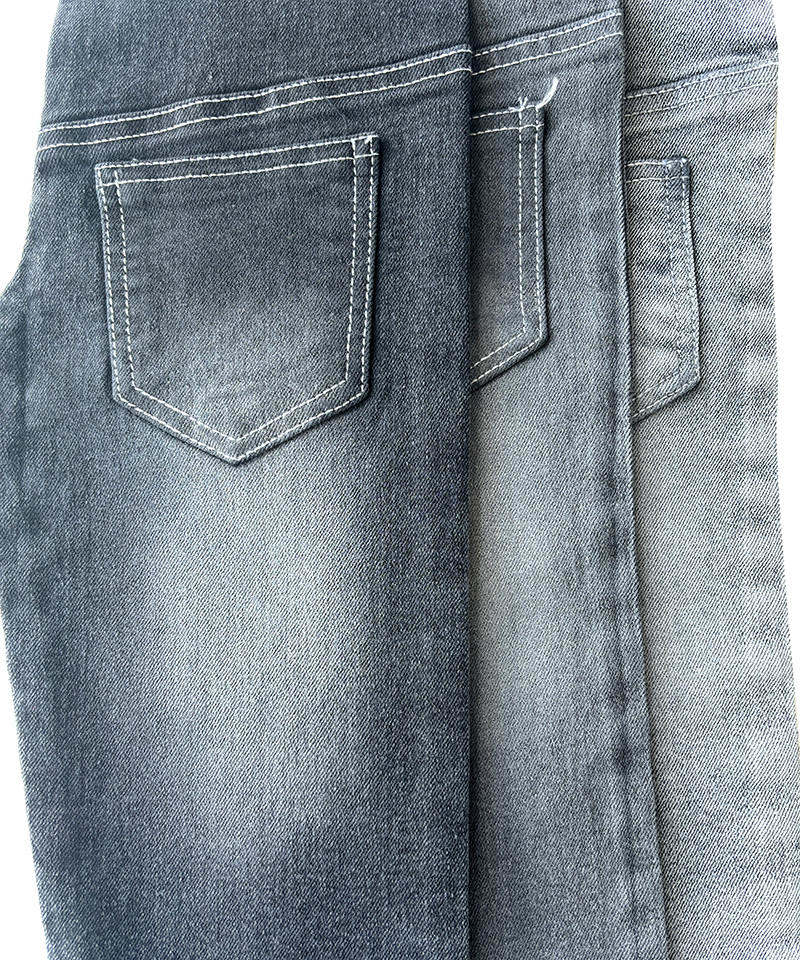
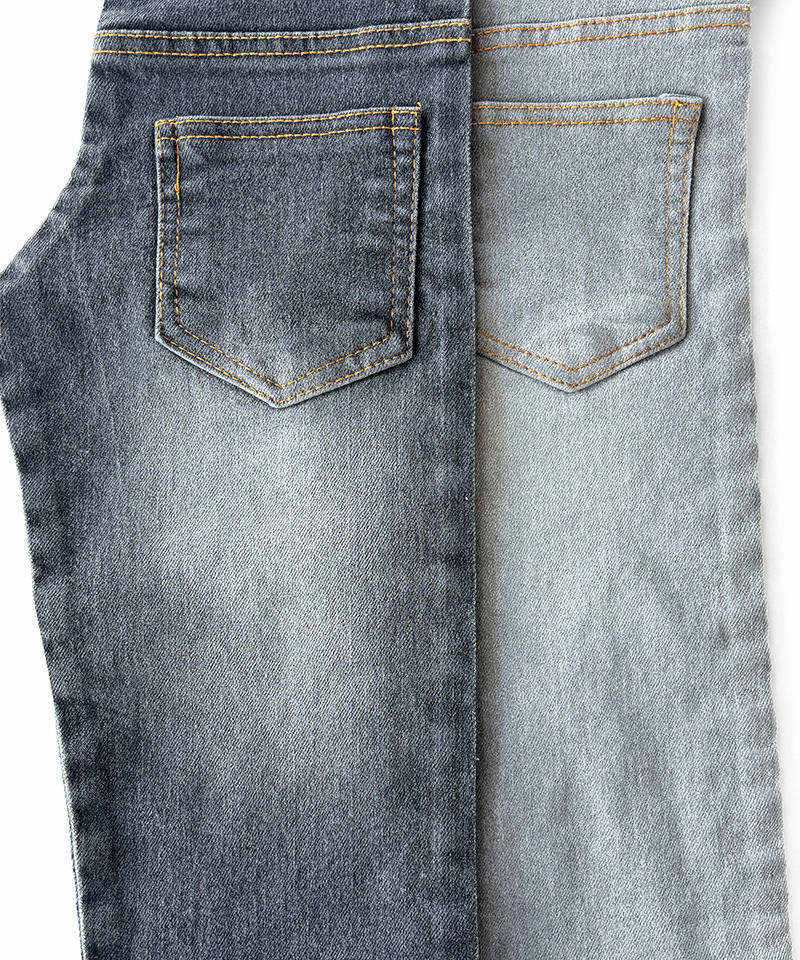
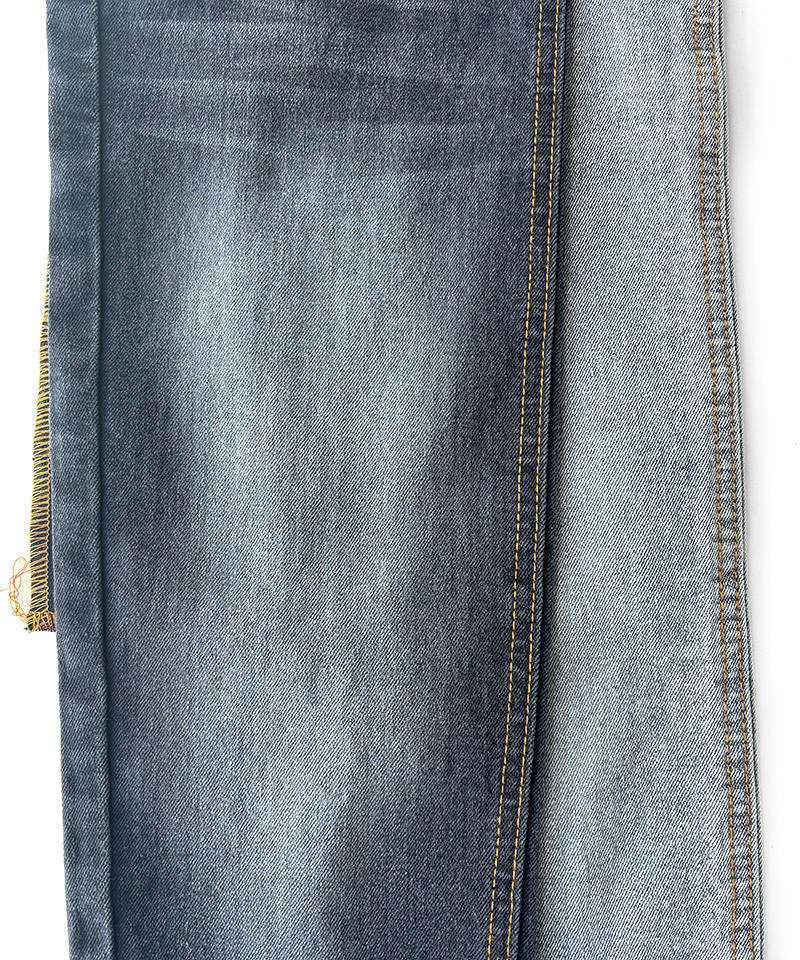
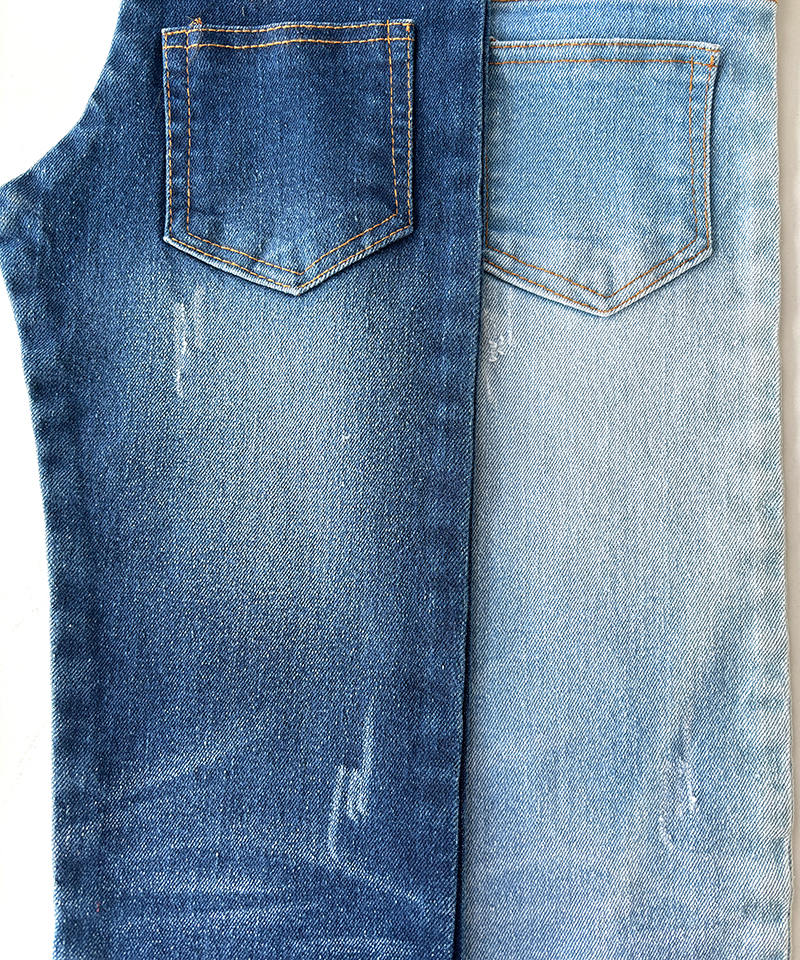
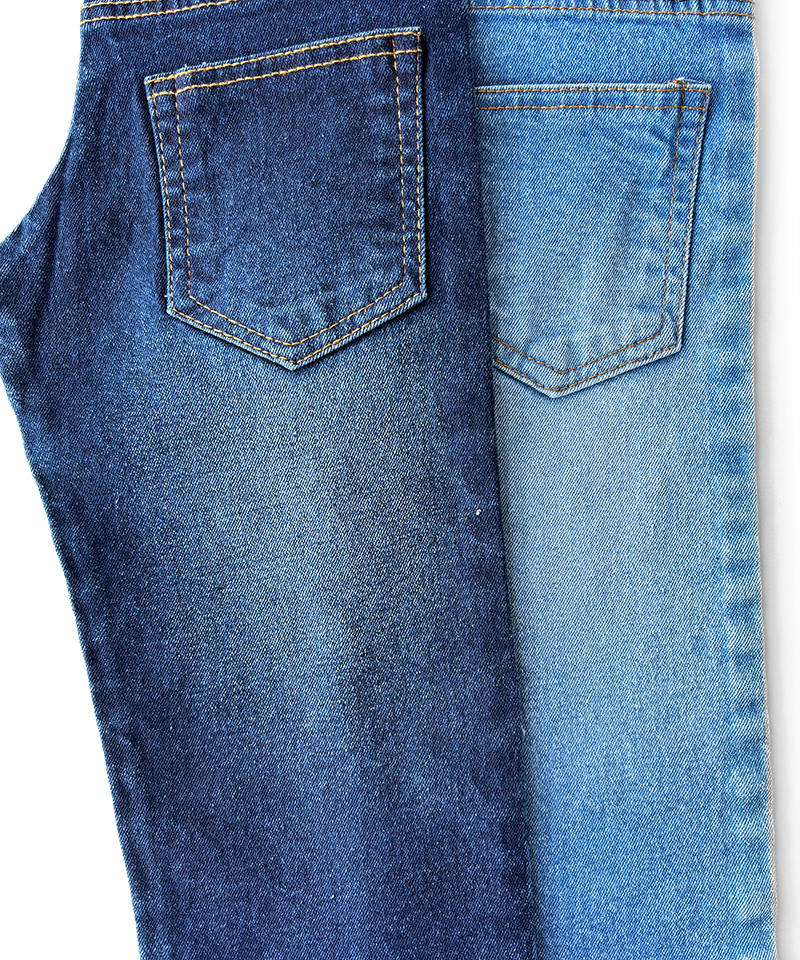
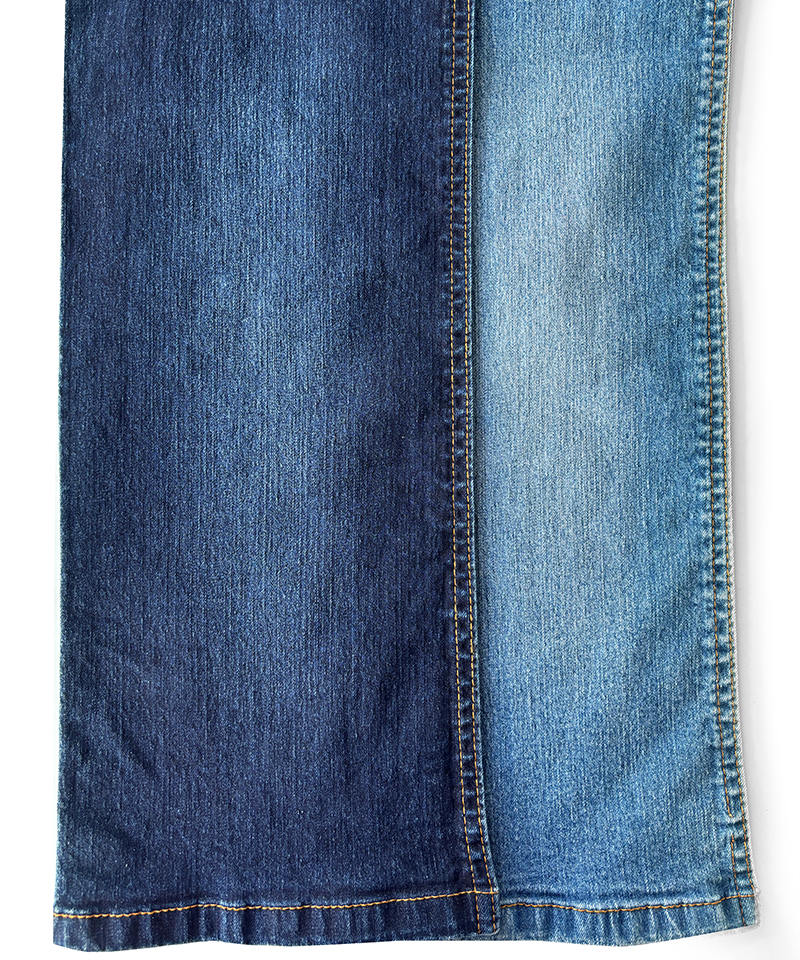
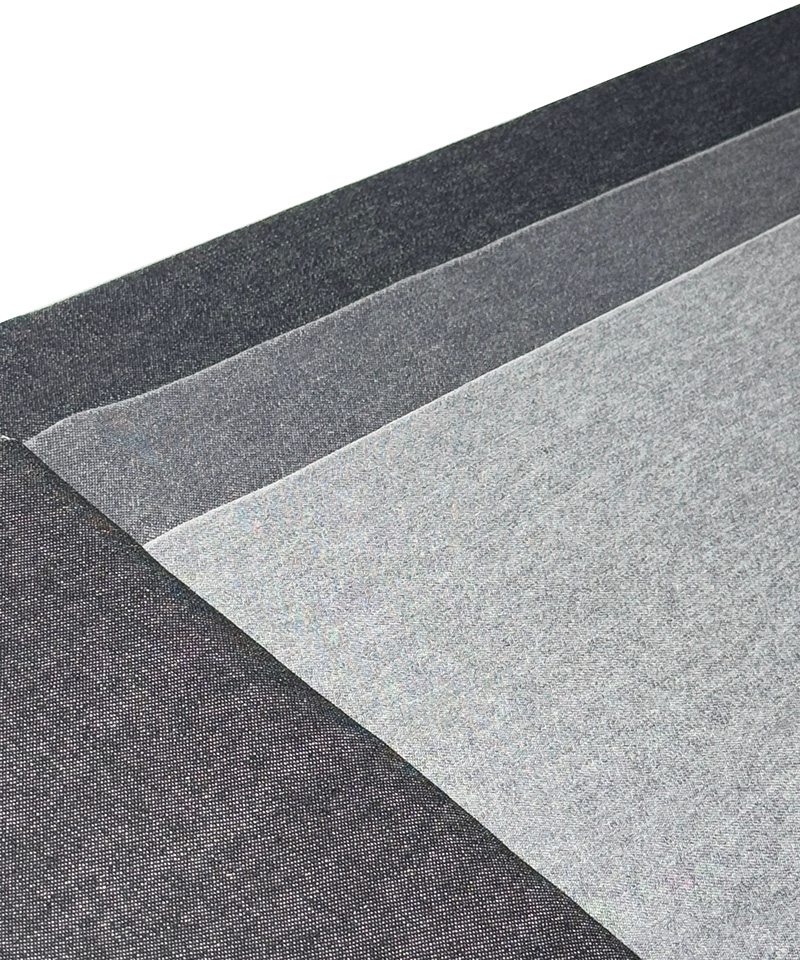
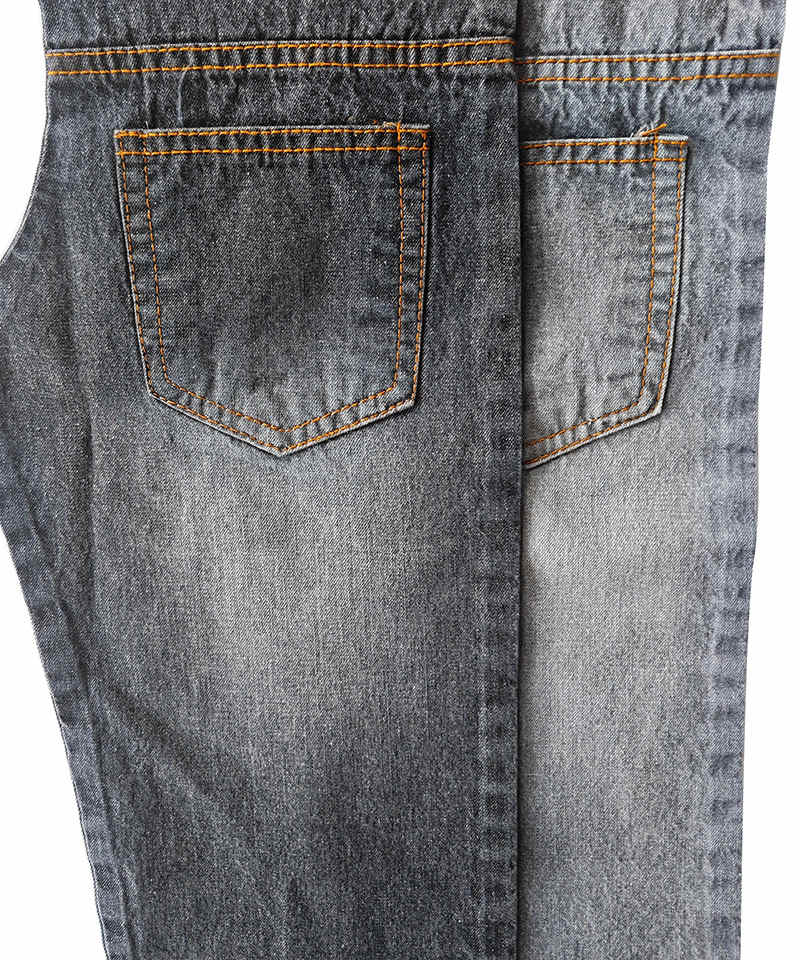
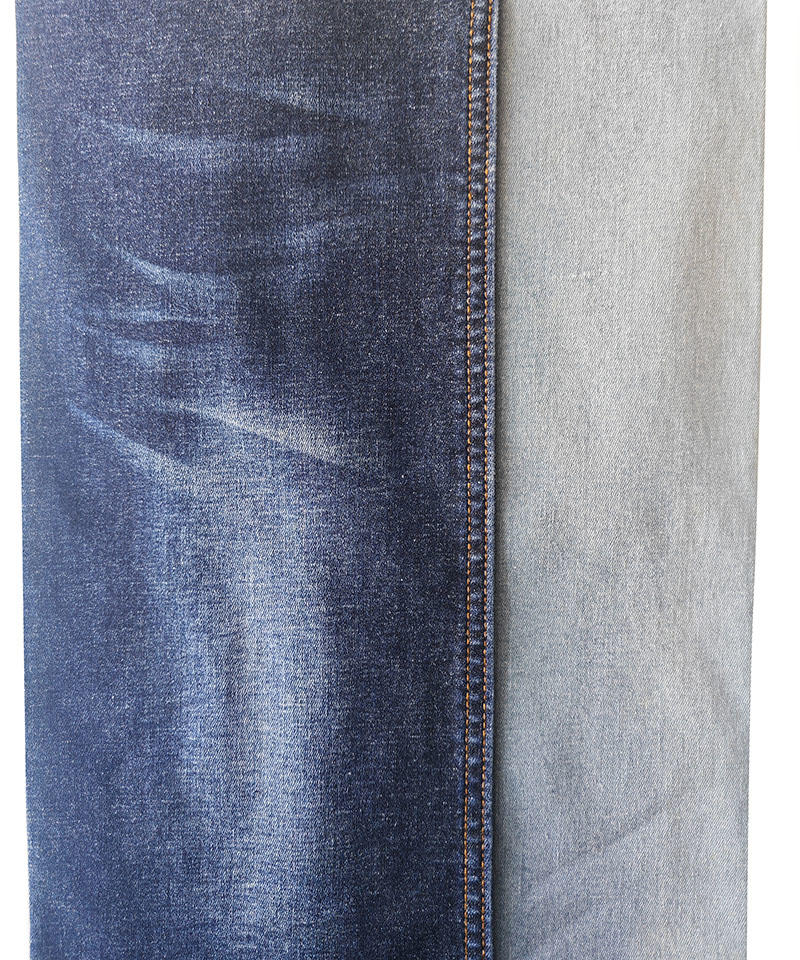
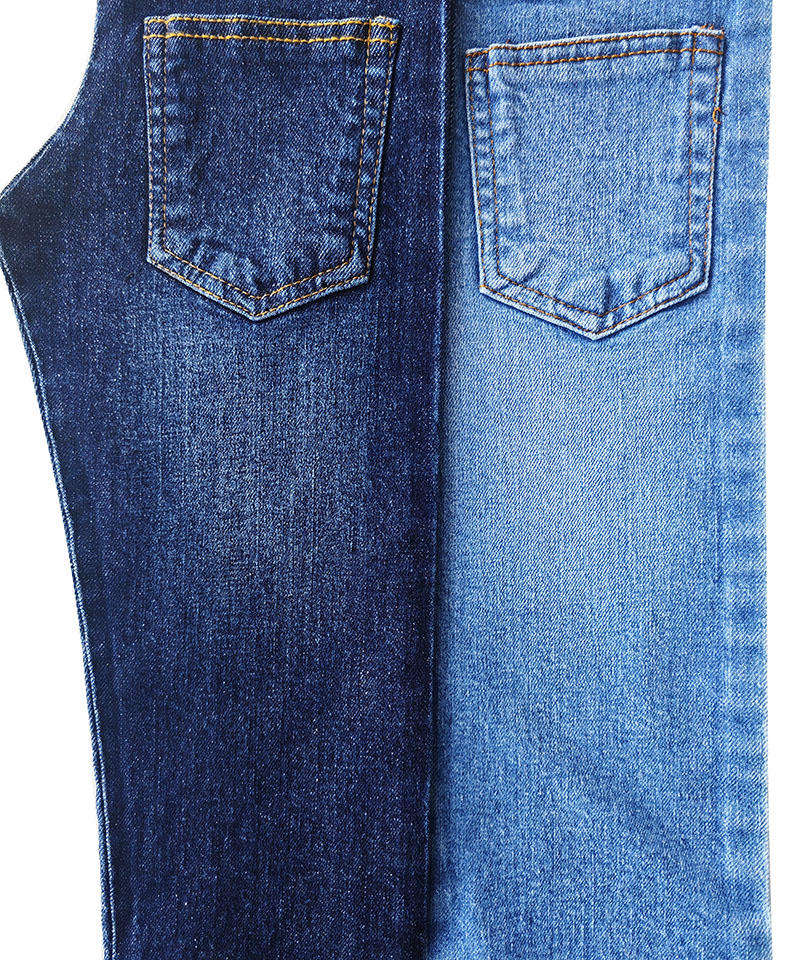
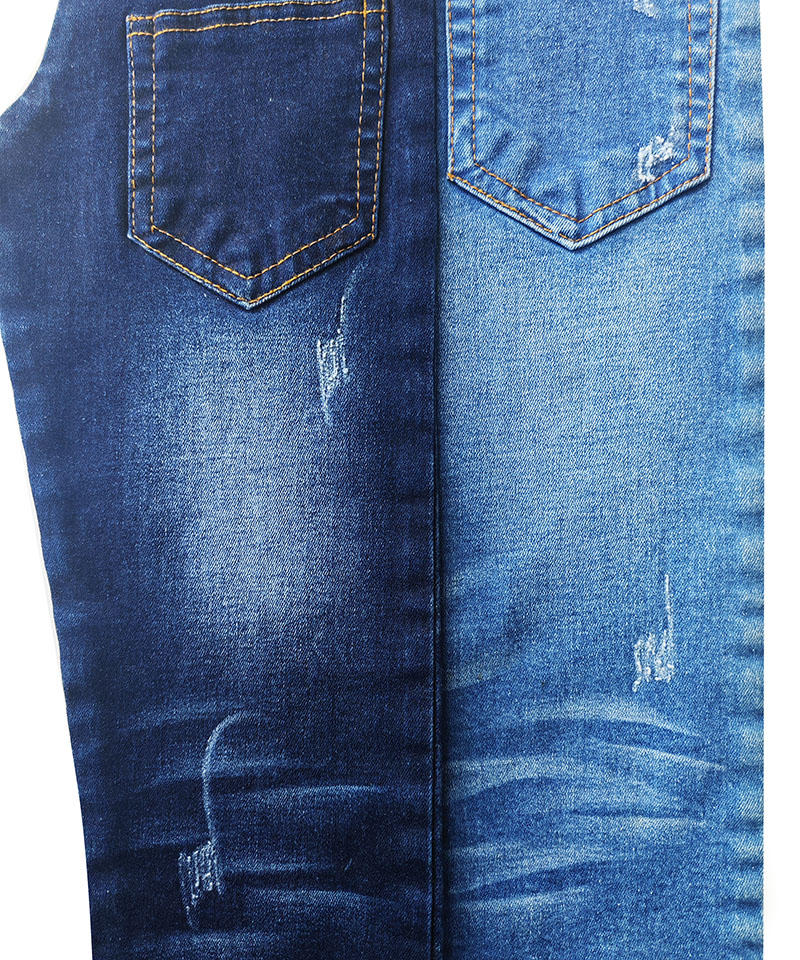
Print denim fabric is a high-value upgraded textile made by applying various printing processes to traditional denim base cloth, which retains the durability, comfort, and classic texture of standard denim while adding rich visual effects, patterns, and color layers. It is widely used in apparel, home textiles, and accessories, meeting the personalized and aesthetic needs of modern consumers and becoming one of the most popular materials in the fashion and textile industries.
Compared with ordinary dyed denim, printed denim has a higher market acceptance casually, and its application scope has expanded from traditional jeans and jackets to shirts, dresses, bags, and home decoration fabrics. The core advantage of this fabric lies in the perfect balance between practicality and decoration, solving the problem of a single color and style of traditional denim, and maintaining the excellent wear resistance and dimensional stability that denim is known for.
Basic Characteristics and Material Composition of Print Denim Fabric
Printed denim fabric is processed on the basis of standard denim substrates, and its material composition directly determines the hand feel, elasticity, durability, and printing effect of the finished product. Most printed denim uses cotton as the main raw material, and some blended versions add polyester, spandex, or other fibers to enhance specific properties.
Main Fiber Components and Their Functions
- Pure cotton: Provides excellent breathability, moisture absorption, and soft hand feel, suitable for all-season wear, and has good adaptability to most printing processes
- Cotton-spandex blend: Adds elasticity to the fabric, improves fit and stretch resistance, ideal for slim-fit printed denim clothing
- Cotton-polyester blend: Enhances wrinkle resistance and shape retention, reduces shrinkage rate, and extends the service life of printed denim products
The weight of print denim fabric is usually divided into three categories: lightweight, medium-weight, and heavyweight. Lightweight printed denim is suitable for summer dresses and shirts, medium-weight is the most widely used for jeans and jackets, and heavyweight is used for high-strength outerwear and home textile products. The weight range of the fabric will affect the printing penetration and color fastness, so professional matching of processes is required.
Core Performance Indicators of Print Denim
High-quality print denim fabric must meet strict performance standards to ensure long-term use. Color fastness is one of the most critical indicators, including washing fastness, light fastness, and friction fastness. High-quality printed denim can maintain clear patterns and bright colors after more than 50 times of washing without obvious fading or pattern blurring.
In terms of dimensional stability, the shrinkage rate of qualified print denim is controlled within a low range, which will not cause serious deformation of clothing after washing. At the same time, the fabric retains the tear resistance and wear resistance of traditional denim, and the printed part will not crack or fall off under daily bending and friction.
Common Printing Processes for Print Denim Fabric
The printing process is the core link that determines the appearance quality and durability of printed denim fabric. Different printing processes form different pattern effects, hand feels, and costs, and textile manufacturers will select appropriate processes according to product positioning and application scenarios.
Screen Printing
Screen printing is one of the most traditional and widely used printing processes for denim. It uses stencils to transfer ink to the fabric surface, with the advantages of bright colors, strong covering power, and clear pattern lines. This process is suitable for large-area solid patterns, geometric patterns, and letter printing, and has high durability.
The ink layer of screen-printed denim is slightly raised, with a distinct three-dimensional effect, and the color fastness is excellent. More than 60% of mid-to-high-end print denim products use screen printing as the main process, especially suitable for classic casual clothing design.
Digital Printing
Digital printing is an advanced technology emerging in the textile industry in recent years, which realizes pattern printing through computer-controlled inkjet. This process supports high-precision complex patterns, gradient colors, floral patterns, and personalized designs, with almost no limitation on pattern types.
Digital printing denim has a soft hand feel, no thick ink layer, and maintains the original texture of the fabric to the greatest extent. It is environmentally friendly with low water and energy consumption, and is very suitable for small-batch, personalized, customized print denim products. With the upgrading of technology, the color fastness and durability of digital printing have been greatly improved, approaching the level of traditional processes.
Other Common Printing Processes
- Rotary printing: Suitable for mass production, high efficiency, uniform color, and continuous pattern design
- Pigment printing: Simple process, low cost, wide color range, suitable for lightweight print on denim fabrics
- Reactive printing: High color fastness, bright color, good durability, mainly used for high-end cotton print denim
Classification of Print Denim Fabric by Pattern and Style
Printed denim fabric has a wide variety of styles, which can be classified according to pattern type, color matching, and design style. This classification helps designers and buyers accurately select materials that meet market demand.
By Pattern Type
- Floral print denim: With roses, daisies, tropical plants, and other floral patterns, popular in women's fashion and summer clothing
- Geometric print denim: Including stripes, plaids, polka dots, irregular graphics, simple and modern, suitable for all genders and age groups
- Character & letter print denim: With English letters, numbers, slogans, and other elements, highlighting personality and street fashion style
- Abstract & artistic print denim: With abstract ink wash, graffiti, oil painting, and other artistic effects, meeting the needs of high-end personalized design
By Color and Design Style
Vintage-style print denim uses low-saturation colors and worn patterns, matching the classic retro style of denim, and is very popular in the fashion market. Bright color print denim adopts high-brightness ink, suitable for casual wear and children's clothing, with a strong visual impact. Minimalist print denim only has small-area local printing, low-key and exquisite, suitable for office and daily commuting scenarios.
In terms of market sales, geometric and floral print denim account for the highest proportion, occupying nearly half of the market share, because these two styles have strong versatility and are easy to match with various clothing styles.
Main Application Fields of Print Denim Fabric
Print denim fabric breaks through the limitations of traditional denim and expands to a variety of fields, covering apparel, accessories, home textiles, and other industries, with extremely high practical value and decorative value.
Apparel Applications
Apparel is the largest application field of print denim fabric, accounting for more than 70% of the total consumption. In women's wear, it is widely used in jeans, dresses, skirts, shirts, and jackets; in men's wear, it is mainly used in casual jeans, shirts, and lightweight jackets; in children's wear, printed denim is popular for its bright colors and diverse patterns, with high safety and comfort performance.
Seasonally, lightweight print denim is the first choice for summer clothing, with good breathability and beautiful appearance; medium and heavyweight printed denim is suitable for spring, autumn, and winter outerwear, with warmth retention and fashion sense. The versatility of this fabric makes it an all-season material in the apparel industry.
Accessories and Home Textile Applications
- Bags & luggage: Tote bags, backpacks, and handbags made of printed denim are durable and fashionable
- Hats & shoes: Baseball caps, canvas shoes, denim boots with printed elements enhance the fashion added value
- Home textiles: Cushion covers, tablecloths, curtains, sofa covers made of printed denim, adding a casual and warm atmosphere to the home space
Comparison Between Print Denim and Traditional Denim
To help readers better understand the advantages of print denim fabric, we have made a comprehensive comparison with traditional dyed denim in terms of performance, appearance, application, and cost.
Comparison table of core characteristics between print denim and traditional denim
| Characteristic Item |
Print Denim Fabric |
Traditional Denim |
| Appearance Style |
Diverse patterns, rich colors, strong decoration |
Single color, classic texture, less change |
| Market Applicability |
Suitable for personalized & fashion products |
Suitable for basic & classic styles |
| Added Value |
High, with strong design and aesthetic value |
Medium, focusing on practicality and durability |
| Production Process |
Base cloth + printing, more complex |
Dyeing & finishing, relatively simple |
The data shows that print denim fabric has obvious advantages in appearance and added value, while retaining the practical performance of traditional denim. For consumers who pursue fashion and personality, printed denim is a better choice; for users who prefer classic and basic styles, traditional denim still has irreplaceable value.
In terms of cost, high-quality print denim is slightly higher than ordinary traditional denim, but its cost performance is higher in fashion products because of its higher design sense and market price. With the maturity of printing technology, the cost gap between the two is gradually narrowing.
Quality Identification Standards for Print Denim Fabric
Identifying the quality of print denim fabric requires professional judgment and practical observation. High-quality printed denim must meet strict standards in color fastness, pattern clarity, hand feel, and dimensional stability.
Key Identification Methods
- Check color fastness: Rub the fabric surface with a white cloth; no color transfer indicates qualified color fastness
- Observe pattern clarity: High-quality printed denim has clear lines, complete patterns, and no color overlapping or blurring
- Test hand feel: The fabric should be soft and smooth, without a hard or sticky feeling caused by excessive ink
- Check dimensional stability: Observe whether the fabric surface is flat, no warping, shrinkage, or deformation
Qualified print denim fabric will not have pattern cracking, falling off, or serious fading after daily washing and wearing. A color fastness grade above 4 is the standard for high-quality printed denim, which can ensure long-term use without affecting the appearance.
Common Quality Defects to Avoid
Low-quality print denim may have uneven color, incomplete patterns, poor color fastness, and a hard hand feel. These defects will seriously affect the service life and wearing experience of the products. When selecting fabrics, it is necessary to strictly check these details to avoid choosing inferior products.
Care and Maintenance Methods for Print Denim Products
Correct care and maintenance can effectively extend the service life of print denim products and keep patterns bright and intact. Compared with traditional denim, printed denim requires more careful maintenance to protect the printed pattern layer.
Daily Washing Guidelines
- Use cold or lukewarm water for washing, avoiding high-temperature water that damages the printed layer and causes fading
- Turn the clothes inside out before washing to reduce friction on the printed surface and prevent pattern wear
- Use mild neutral detergent, avoid strong alkaline detergents that corrode the printed ink
- Avoid long-time soaking; control soaking time within a short range to prevent color bleeding
Drying and Storage Tips
Print denim products should be dried in a cool and ventilated place, avoiding direct sunlight exposure, which will cause pattern fading and fabric aging. Do not use high-temperature drying equipment, as high temperatures will damage the ink layer and lead to pattern cracking.
During storage, keep the environment dry and ventilated to prevent moisture and mildew. Fold the clothes with the printed surface inward to avoid friction and extrusion with other clothes. Following these maintenance methods can keep print denim products in good condition for more than 3-5 years of daily use.
Market Trends and Development Prospects of Print Denim Fabric
In recent years, the market demand for print denim fabric has shown a continuous growth trend, driven by the rise of fashion personalization, casualization, and environmental protection concepts. This fabric has gradually become a mainstream material in the denim textile industry, with broad development prospects.
Current Market Trends
The consumer market's preference for print denim is increasing year by year, especially among young consumer groups. Personalized, artistic, and environmentally friendly printed denim is the most popular. At the same time, the application of digital printing technology has made small-batch customized printed denim more convenient, meeting the needs of independent designers and small brands.
In terms of style, retro and minimalist print denim is the mainstream trend, balancing classic and fashion. In terms of environmental protection, water-saving printing, biodegradable ink, and recycled fiber-based printed denim are gradually becoming the development direction of the industry, responding to the global call for green textiles.
Future Development Prospects
With the continuous innovation of printing technology and the optimization of production processes, printed denim fabric will achieve higher performance and lower production costs in the future. Its application fields will continue to expand from apparel and home textiles to emerging fields such as outdoor products and smart textiles.
The market size of print denim is expected to maintain steady growth, and its proportion in the entire denim market will continue to increase. Personalization, environmental protection, and high performance will be the three core development directions of printed denim in the future, bringing more high-quality choices to the textile and fashion industries.


 English
 Español