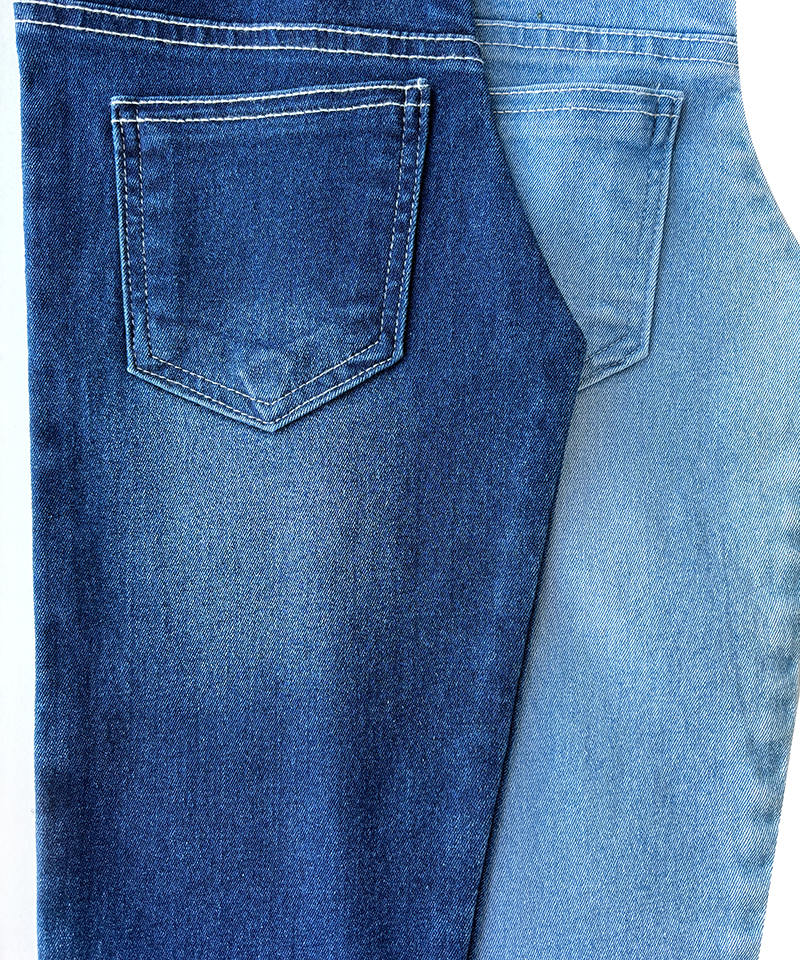
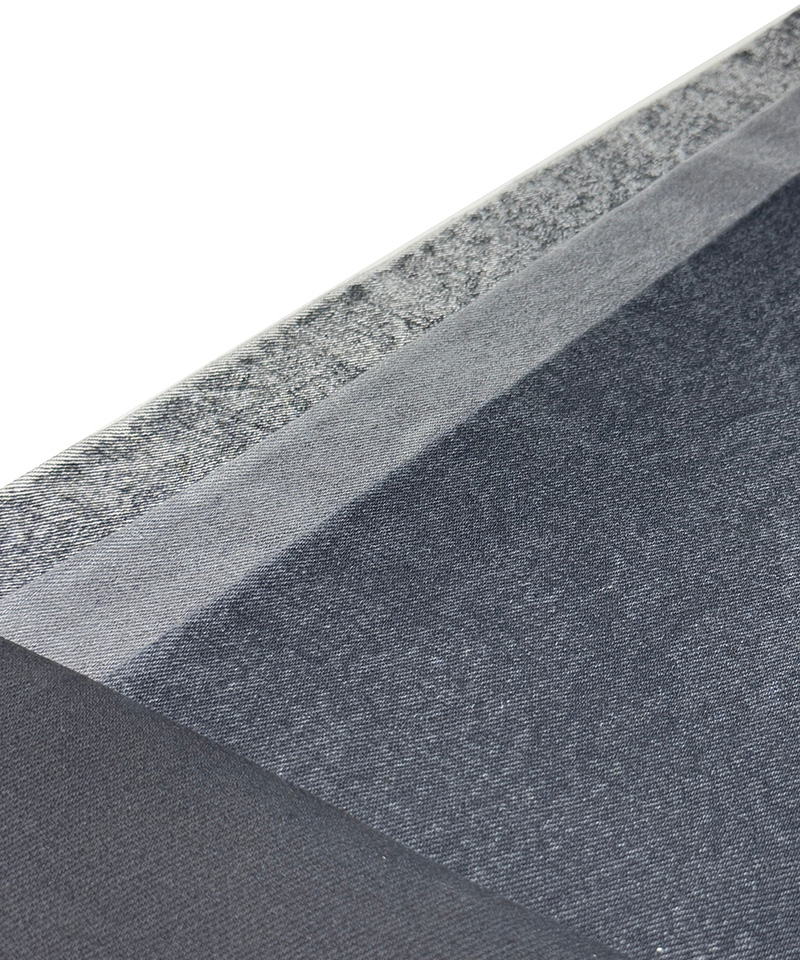
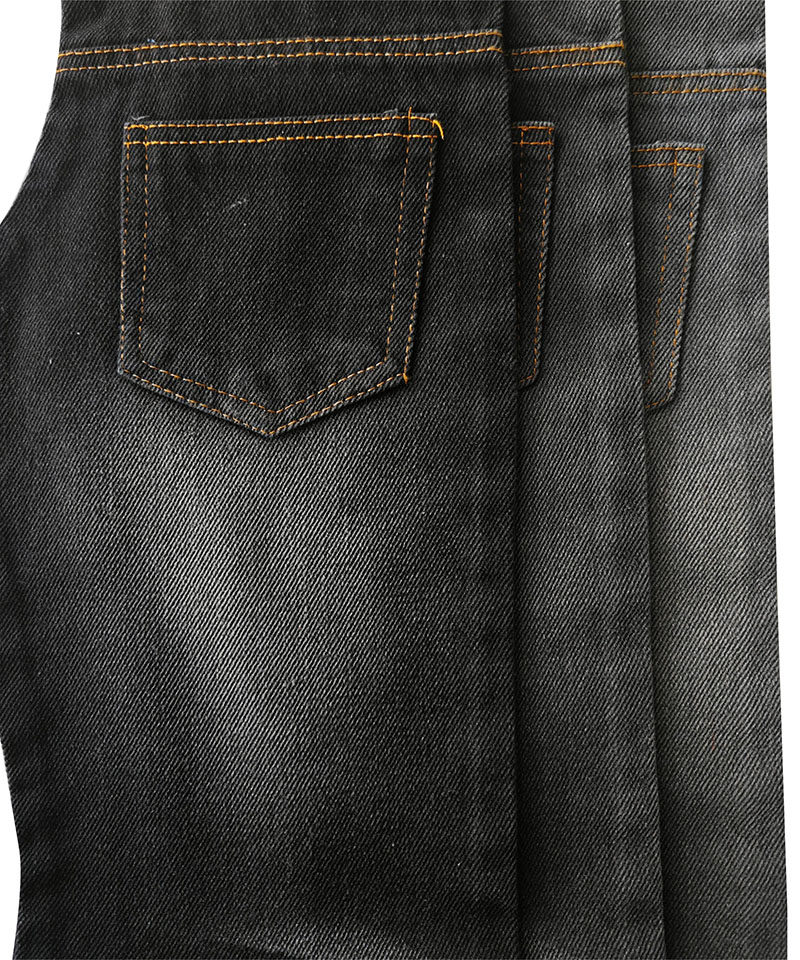
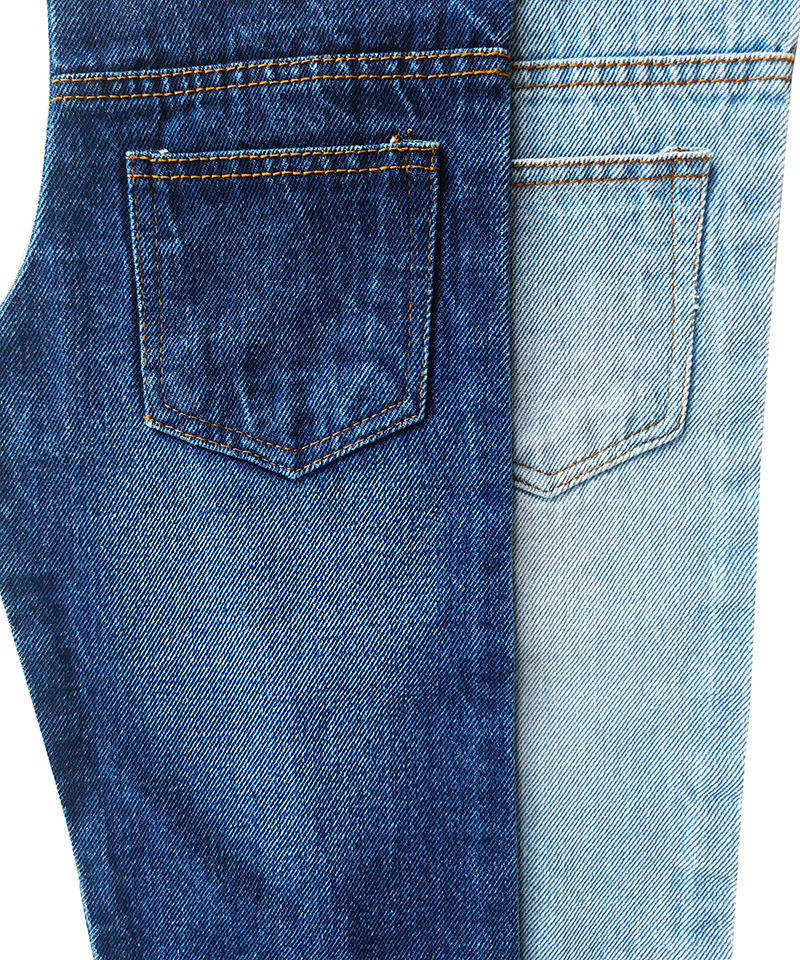
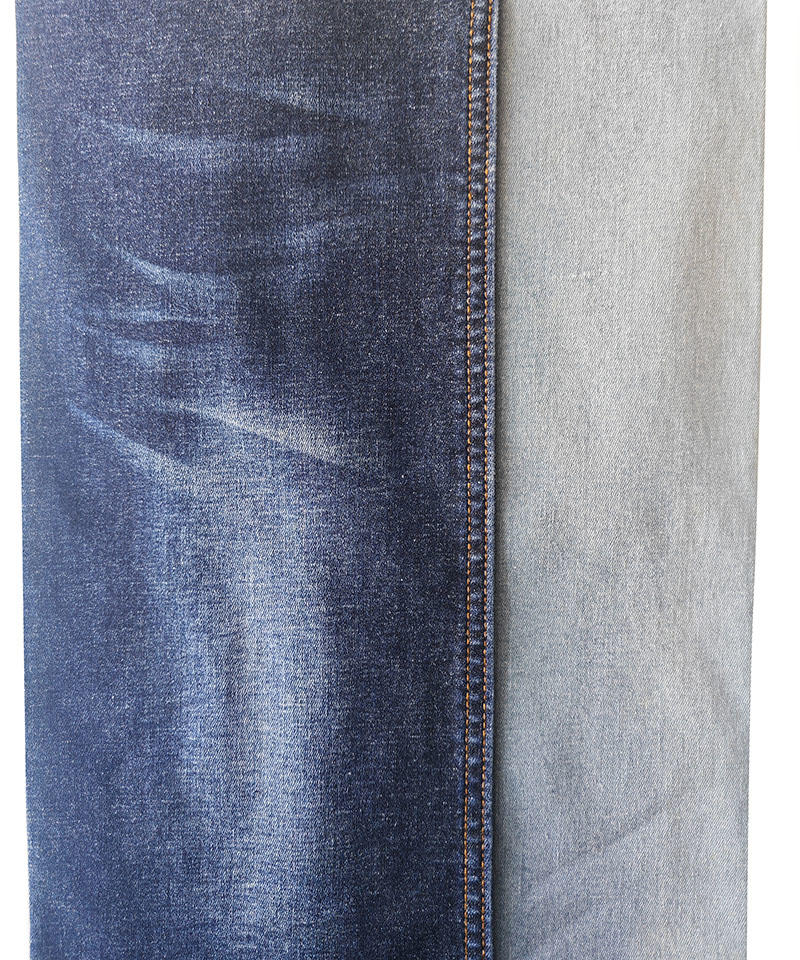
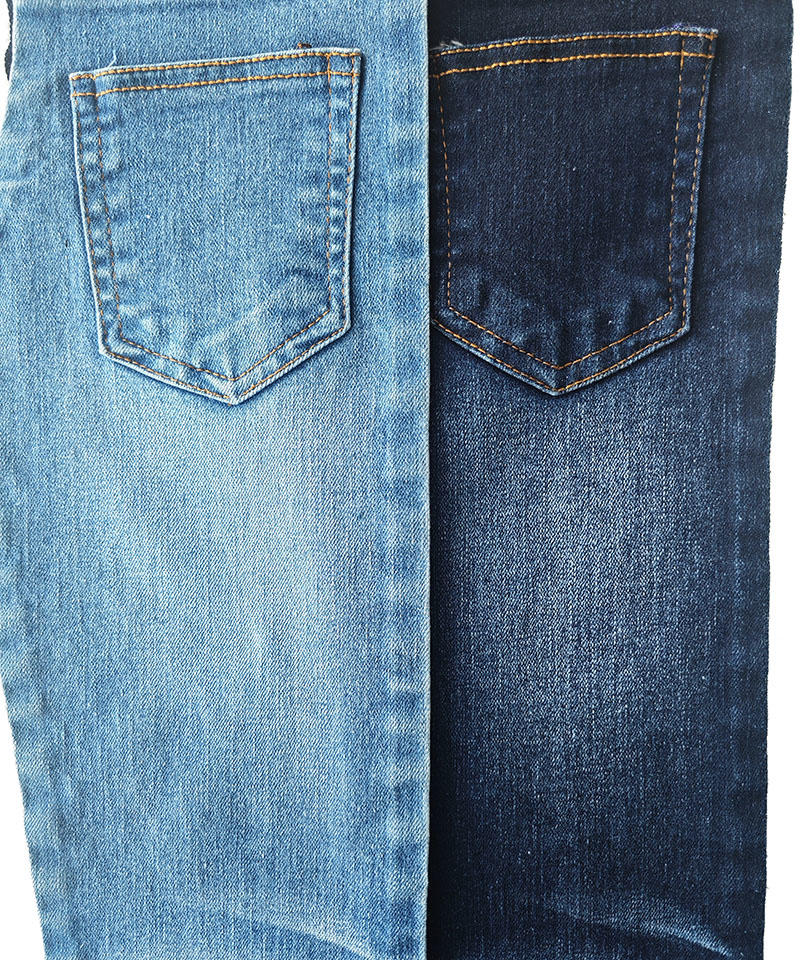
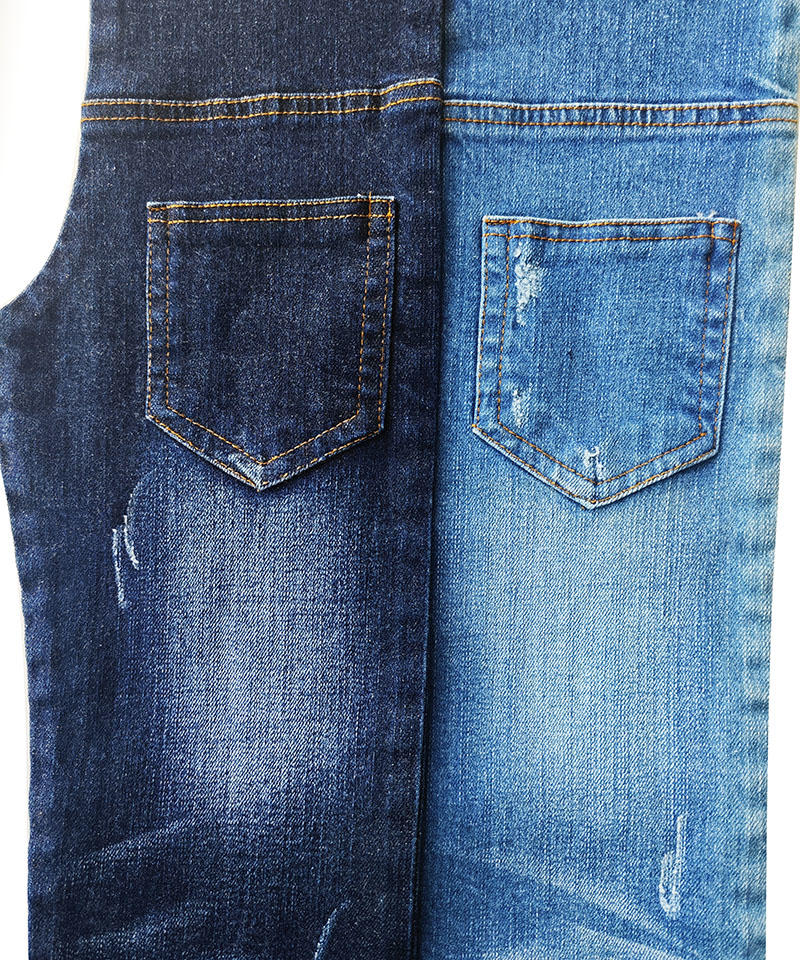
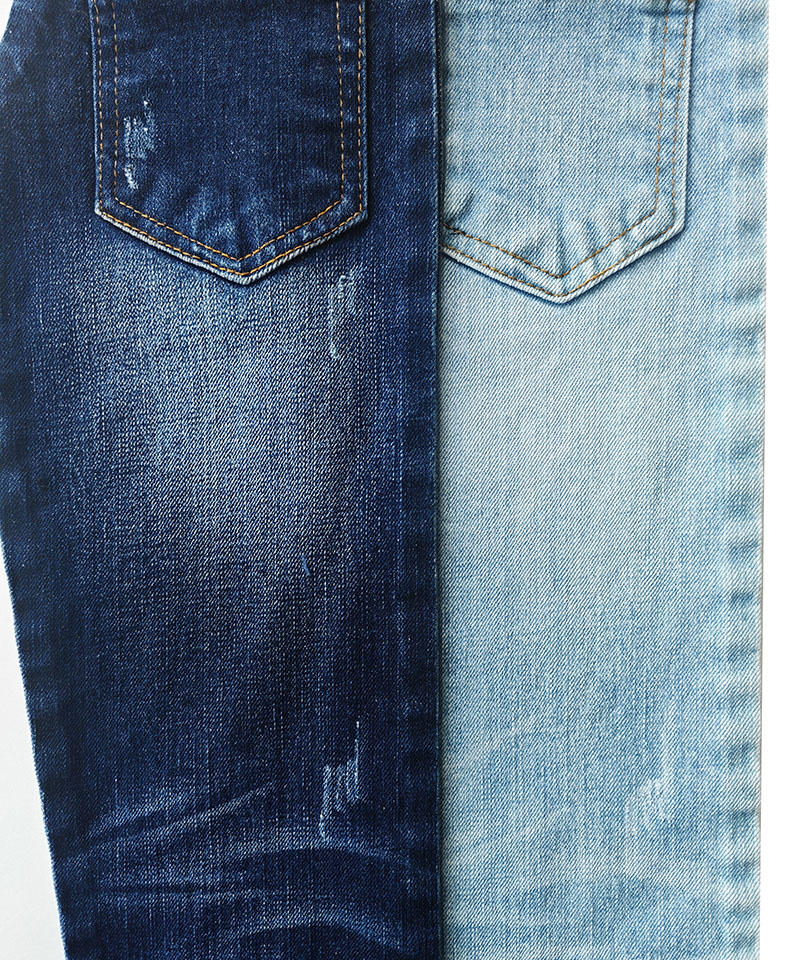
The core conclusion about jacquard denim fabric is that it successfully bridges the gap between rugged workwear durability and intricate, high-end textile design. Unlike standard denim, which relies on a simple interlacing of indigo-dyed warp and white weft yarns to create a flat surface, jacquard denim utilizes a specialized loom that controls each individual warp thread. This mechanical precision allows the fabric to produce built-in patterns, textures, and even large-scale geometric motifs directly within the weave, rather than relying on post-production printing or embroidery. This structural integration means the patterns on jacquard denim will never fade, crack, or peel over time, making it an exceptionally durable choice for garments and home textiles that require both visual impact and long-term resilience.
The Fundamental Mechanics Behind the Weave
To fully appreciate the value of jacquard denim, one must understand how it differs structurally from conventional woven textiles. Traditional denim is typically woven using a plain or twill weave on a shuttle loom or projectile loom. These looms are limited in their patterning capabilities because the lifting mechanisms operate in repeating sequences across the entire width of the fabric. If you want a diagonal line, you use a twill weave; if you want a basket pattern, you use a basket weave. The entire roll of fabric looks essentially the same from start to finish.
Jacquard denim, however, is produced on a jacquard loom. This type of loom was invented in the early nineteenth century and revolutionized the textile industry by introducing a system of punched cards—later replaced by digital controls—that dictate the raising and lowering of each warp thread. Because every thread is independently controlled, the loom can create highly complex, non-repeating patterns seamlessly. When this capability is applied to denim construction—typically using sturdy cotton yarns, indigo or sulfur dyes, and a twill or satin base weave—the result is a textile that retains the characteristic strength and diagonal ribbing of denim while simultaneously featuring raised or recessed motifs.
This independent thread control leads to a fabric with significant structural depth. The motifs are not merely visual; they are tactile. You can feel the pattern under your fingertips, which adds a layer of sensory richness that flat denim simply cannot achieve.
Distinctive Characteristics and Physical Properties
Moving beyond the mechanical differences, jacquard denim exhibits several distinct physical properties that influence how it is used and cared for. These characteristics make it highly sought after for specific applications where standard denim would fall short.
Inherent Durability of Integrated Patterns
Because the patterns are part of the weave itself, there is no additional layer applied to the surface of the fabric. Prints and surface appliques are notorious for degrading. They crack at the seams, they fade after repeated wash cycles, and they often alter the hand-feel of the fabric. Jacquard denim eliminates these failure points entirely, resulting in a garment that maintains its aesthetic integrity throughout its entire lifecycle. The yarns dyed in contrasting colors to form the pattern are just as robust as the base denim yarns.
Tactile Depth and Dimensionality
The floating yarns used to create patterns in jacquard weaving create a three-dimensional effect. Depending on the design, certain areas of the fabric will be raised while others remain tight and flat. This dimensionality catches light differently across the surface of the fabric, giving it a dynamic, shifting appearance as the wearer moves. This is particularly effective when using contrasting yarns, such as a deep indigo warp against a bright white or ecru weft.
Weight and Drape Variations
The structure of a jacquard weave can significantly alter the weight and drape of the denim. Areas with longer floating yarns tend to be slightly softer and more flexible, while the tightly bound background areas provide the stiff, structured backbone typical of denim. This creates a fabric that can drape beautifully in certain areas while maintaining a crisp silhouette in others, offering designers a versatile material that behaves differently depending on how it is cut and sewn.
Practical Applications Across Industries
The unique properties of jacquard denim make it suitable for a variety of applications that stretch far beyond basic trousers. Designers and manufacturers leverage its textural complexity to elevate products in both the fashion and interior design sectors.
High-End Fashion and Statement Apparel
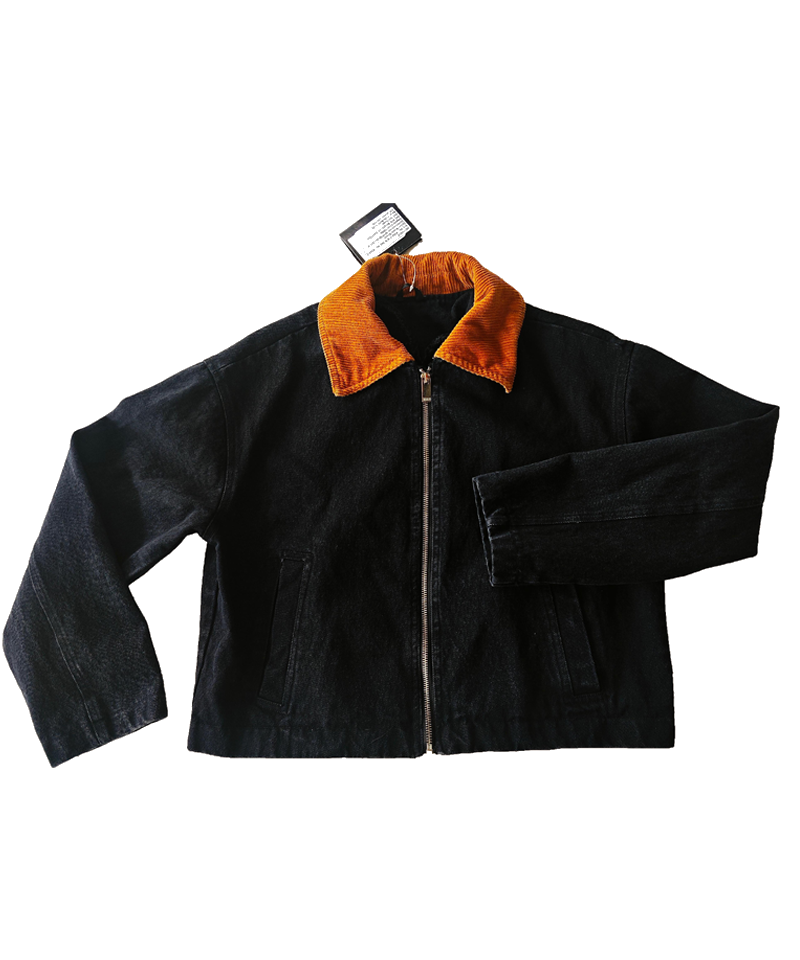
In the fashion industry, jacquard denim is frequently used for statement pieces. Jackets, skirts, and tailored trousers made from this fabric stand out on the rack and on the wearer. Instead of relying on hardware or excessive stitching to create visual interest, the fabric itself does the heavy lifting. A single piece of outerwear made from intricately woven jacquard denim can serve as the focal point of an entire wardrobe, removing the need for complex layering or additional accessories.
Upholstery and Interior Textiles
The durability of denim combined with the elegance of jacquard makes this fabric an excellent choice for interior design. It is increasingly used for upholstering accent chairs, ottomans, and headboards. In a residential or commercial setting, furniture endures significant abrasion. Standard printed fabrics quickly show wear in high-traffic areas, but the woven patterns of jacquard denim resist this type of degradation. The fabric brings a casual yet sophisticated, industrial-chic aesthetic to interior spaces that standard velvet or linen cannot replicate.
Accessories and Footwear
Beyond garments and furniture, jacquard denim is effectively utilized in accessories. Bags, backpacks, and hats benefit from the structural rigidity of the denim base, while the jacquard patterns provide a premium, elevated look. In footwear, it is often used for panels on sneakers or boots, offering a textile that is tough enough to withstand daily wear but visually distinct from standard canvas or leather.
A Comparative Look at Denim Weaving Techniques
To understand where jacquard denim fits into the broader textile landscape, it is helpful to compare it directly with other common denim modifications. The following table outlines the primary differences between standard denim, printed denim, and jacquard denim across several critical metrics.
| Feature |
Standard Denim |
Printed Denim |
Jacquard Denim |
| Pattern Creation |
Weave structure only |
Surface ink application |
Individual thread control |
| Tactile Texture |
Flat with diagonal rib |
Slightly stiff or coated |
Three-dimensional depth |
| Pattern Longevity |
Permanent (solid color) |
Prone to cracking and fading |
Permanent (woven in) |
| Design Complexity |
Very low |
High |
Extremely high |
| Typical Use Case |
Everyday basics |
Fast fashion, seasonal trends |
Premium fashion, upholstery |
Comparison of different denim pattern methodologies and their physical outcomes
As the table illustrates, jacquard denim occupies a unique position. It combines the high design complexity usually associated with printed fabrics with the structural permanence of a woven textile. This dual advantage is the primary reason it commands a premium position in the market.
Essential Care and Maintenance Guidelines
Despite its rugged appearance, the complex structure of jacquard denim requires specific care to maintain its dimensional stability and appearance. The floating yarns that create the textured patterns are slightly more vulnerable to abrasion and snags than the tightly bound yarns of standard denim. Therefore, adopting the right maintenance routine is critical to maximizing the lifespan of the textile.
- Turn garments inside out before washing. This protects the raised pattern from rubbing against the drum of the washing machine, which can cause the floating yarns to pill or break down prematurely.
- Use cold water and a gentle cycle. Hot water can cause cotton fibers to shrink unevenly, which may distort the intricate woven patterns and alter the fit of the garment.
- Avoid harsh chemical detergents or bleach. These aggressive chemicals can strip the dye from the contrasting yarns used in the pattern, leading to a muddied or washed-out appearance over time.
- Air dry whenever possible. The high heat of a mechanical dryer can set wrinkles deeply into the textured areas of the fabric, making them incredibly difficult to remove. If a dryer must be used, opt for the lowest heat setting and remove the item while slightly damp.
- Iron with extreme caution. If ironing is necessary, use a low to medium heat setting and press the garment from the reverse side. Pressing directly on a raised jacquard motif can flatten the three-dimensional texture, permanently ruining the design.
By adhering to these practices, the inherent longevity of the woven structure is preserved, ensuring that the fabric continues to look and feel premium for years.
Sustainability Considerations in Production
The textile industry is under increasing pressure to adopt sustainable practices, and the production of jacquard denim presents both challenges and advantages in this regard. From an environmental standpoint, the most significant advantage of jacquard denim is its longevity. Because the pattern is woven directly into the fabric, the garment has a much longer aesthetic lifespan than printed alternatives. Fast fashion items with surface prints are frequently discarded when the print degrades, whereas a well-made jacquard denim piece remains desirable for extended periods, effectively reducing consumption and textile waste.
However, the production process itself is more resource-intensive than standard denim weaving. Jacquard looms operate at slightly slower speeds due to the complex mechanical or electronic movements required to lift individual threads. This slower production rate translates to higher energy consumption per meter of fabric produced. Additionally, the setup process for a jacquard loom—programming the design and threading the loom—generates a degree of waste yarn and requires a significant time investment, making small production runs less efficient.
To mitigate these impacts, responsible manufacturers are increasingly integrating sustainable practices into jacquard denim production. This includes utilizing organic cotton for both the warp and weft yarns, employing natural or low-impact synthetic dyes for the pattern threads, and powering looms with renewable energy sources. When produced with organic fibers and low-impact dyes, jacquard denim transforms from a resource-heavy textile into a highly sustainable, long-term investment piece.
Strategic Selection Criteria for Buyers and Designers
Selecting the right jacquard denim for a specific project requires careful evaluation of several technical factors. Not all jacquard denim is created equal, and the intended end-use should dictate the specifications of the fabric chosen.
Evaluating Yarn Density and Pattern Scale
The density of the yarns—often referred to as the thread count—directly impacts the durability and opacity of the fabric. For upholstery or heavy-duty outerwear, a high yarn density is essential to prevent the fabric from stretching or developing holes at stress points. Conversely, for flowing garments like skirts or unlined jackets, a slightly lower yarn density may be preferred to improve the drape and reduce the overall weight of the item. The scale of the pattern must also match the application; large, bold geometric patterns can overwhelm a small accessory but look striking on a wide-back chair or a floor-length coat.
Analyzing Yarn Composition
While pure cotton is the traditional choice for denim, modern jacquard denim often incorporates blended yarns to enhance performance. A small percentage of elastane or Lycra blended into the weft yarns can provide necessary stretch for form-fitting garments, though it may compromise the crispness of the jacquard pattern. Tencel or lyocell blends can add a subtle silk-like luster to the floating yarns, enhancing the visual contrast between the pattern and the background. Buyers should request detailed yarn composition sheets to ensure the fabric aligns with their performance requirements.
Understanding Finishes and Treatments
Post-weaving treatments can drastically alter the final hand-feel of jacquard denim. Enzyme washing can soften the fabric and reduce initial stiffness, making it more comfortable for apparel. Anti-pilling treatments are highly recommended for jacquard denim, as the floating threads are naturally prone to friction-based pilling. For upholstery applications, stain-resistant or flame-retardant finishes may be necessary to comply with commercial furniture safety standards. Evaluating these finishes before purchase ensures the fabric will perform as expected in its final environment.
The Future Trajectory of Woven Textile Innovation
The evolution of jacquard denim is inextricably linked to advancements in digital weaving technology. Modern electronic jacquard heads have eliminated the need for physical punched cards, allowing designers to transfer complex digital files directly to the loom. This has drastically reduced the setup time and cost associated with creating custom jacquard denim, opening the door for small-batch, bespoke textile production that was previously economically unfeasible.
Looking forward, the integration of smart textiles is poised to be the next major leap for jacquard denim. Because the jacquard loom can precisely place individual threads, it is the ideal platform for weaving conductive yarns into a denim matrix without sacrificing the aesthetic of the fabric. Imagine a denim jacket that features an intricate, traditional woven pattern, but hidden within that pattern are conductive threads that allow the wearer to interface with a mobile device simply by touching their sleeve. The structural complexity of the jacquard weave provides the perfect camouflage for these functional components.
Furthermore, the rise of on-demand manufacturing aligns perfectly with the capabilities of digital jacquard looms. As consumer demand shifts toward personalized, made-to-order goods to reduce waste, the ability to quickly reprogram a loom to produce a unique pattern for a single customer becomes a significant competitive advantage. Jacquard denim is positioned to lead the transition from mass-produced uniform textiles to highly customized, technically advanced woven products, securing its relevance in the textile industry for decades to come.


 English
 Español