Pure Cotton Denim Fabric Is the Gold Standard for Authenticity and Long-Term Wearability
When evaluating textiles for durable garments, pure cotton denim fabric stands out as the undisputed gold standard. It is a completely natural textile that offers an unmatched combination of rugged durability, breathability, and the ability to develop unique visual characteristics over time. Unlike synthetic blends that prioritize immediate softness over long-term integrity, pure cotton denim is an investment in longevity. It is the foundational material for authentic workwear and high-quality casual fashion, providing a robust foundation that molds to the wearer's body while resisting environmental wear and tear effectively.
The Fundamental Composition and Weave Structure
To understand why pure cotton denim fabric performs the way it does, one must look at its structural foundation. The term "pure cotton" dictates that every single fiber spun into the yarn originates from the cotton plant, completely free from polyester, elastane, or other synthetic additives. This natural origin dictates how the fabric interacts with the human body and the environment.
The Twill Weave Mechanism
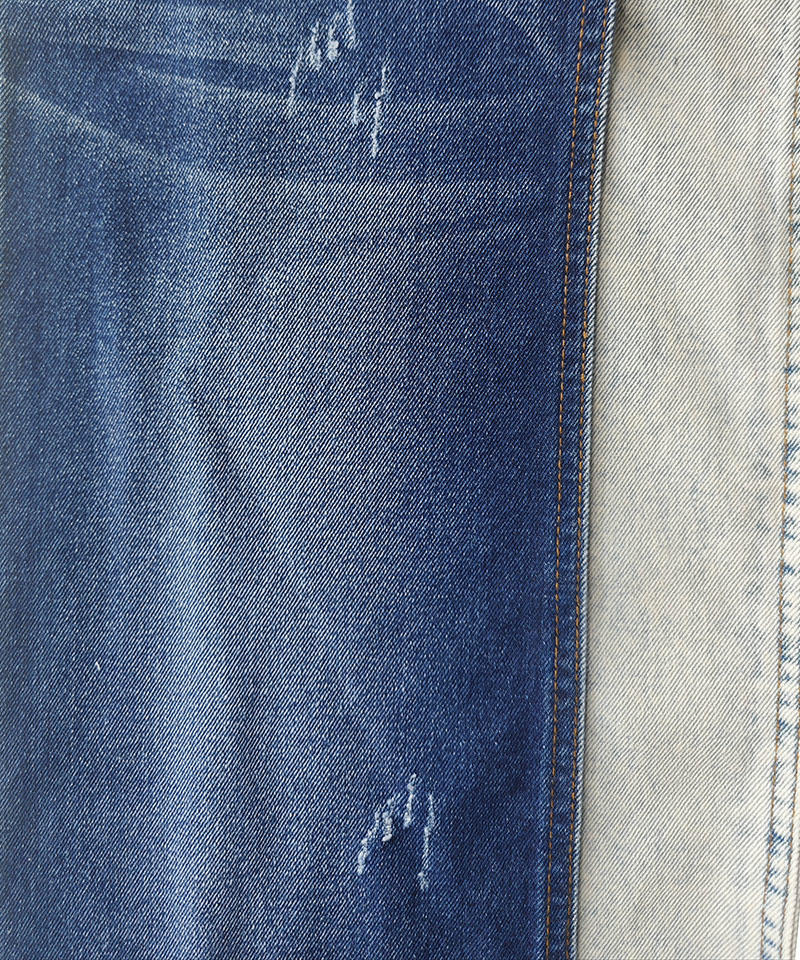
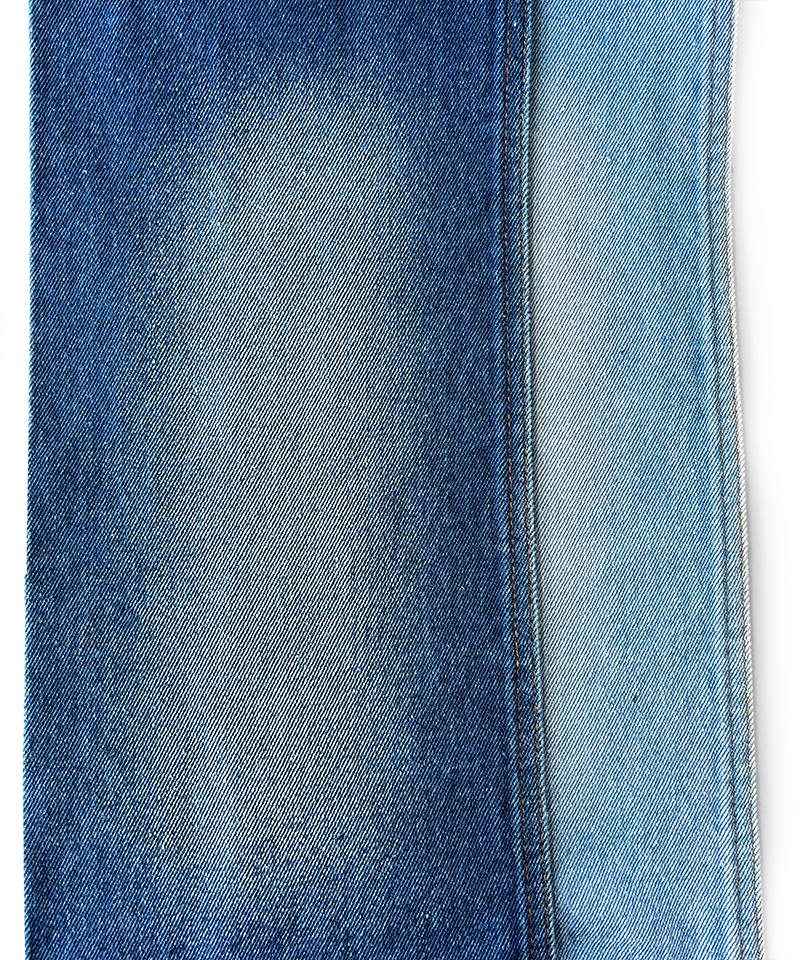
What technically classifies denim is its specific weaving technique: the twill weave. In this configuration, the horizontal weft yarns pass under multiple vertical warp yarns before going over one. This staggered progression creates the characteristic diagonal ribbing visible on the reverse side of the fabric. This twill construction is the primary reason why pure cotton denim is exceptionally resistant to tearing and fraying. The interlocking pattern distributes stress evenly across the surface, meaning that a sharp point of pressure will not easily rip through the material.
The Role of Warp and Weft Dyeing
Traditional pure cotton denim fabric is characterized by its asymmetrical coloration. Only the warp yarns are dyed—traditionally with indigo—while the weft yarns are left entirely white. When the fabric is cut and sewn, the exposed white weft yarns on the inside provide a striking contrast to the dyed exterior. This single-layer dyeing process is exactly what allows the fabric to fade in a highly localized, pattern-specific manner as the dye layers physically abrade away from the raised warp yarns.
Performance Advantages Over Synthetic Blends
The modern textile market is flooded with stretch denims that incorporate elastane or polyester. While these blends offer immediate comfort and ease of movement, they fundamentally alter the lifecycle of the garment. Pure cotton denim fabric possesses distinct performance advantages that become increasingly apparent over time.
Moisture Management and Thermal Regulation
Cotton fibers are naturally hydrophilic, meaning they possess a strong affinity for water. When you sweat, pure cotton denim fabric absorbs the moisture away from your skin and disperses it across the surface of the fabric, where it can evaporate. Synthetic fibers, being hydrophobic, trap heat and moisture against the body. Pure cotton denim can absorb upwards of its own weight in moisture without feeling excessively wet to the touch. This natural thermal regulation keeps the wearer cool in warm conditions and prevents the clammy feeling associated with synthetic workwear.
Resistance to Degradation
Synthetic fibers like polyester and elastane are highly susceptible to degradation from ultraviolet light, high heat, and mechanical stress. Elastane fibers will eventually break down, causing stretch denim to bag out at the knees and lose its shape entirely. Pure cotton denim fabric does not melt under high heat, nor does it degrade rapidly in sunlight. It maintains its structural rigidity, ensuring that a garment made from pure cotton will hold its silhouette for years, rather than losing its shape after a few months of regular wear.
Weight Classifications and Their Practical Applications
Not all pure cotton denim fabric is created equal. The weight of the fabric, typically measured in ounces per square yard, dictates its drape, durability, and suitable end-use. Selecting the correct weight is crucial for ensuring the comfort and functionality of the final garment.
| Fabric Weight Category |
Typical Characteristics |
Ideal Applications |
| Lightweight (Under 10 oz) |
Soft, highly breathable, drapes easily |
Summer shirts, lightweight jackets, and dresses |
| Mid-Weight (10 to 13 oz) |
Balanced durability and comfort, standard feel |
Everyday trousers, standard jeans, skirts |
| Heavyweight (Over 13 oz) |
Rigid, highly durable, molds to the body |
Workwear, heavy jackets, heritage denim |
Comparison of pure cotton denim fabric weight categories and their best use cases
Heavyweight pure cotton denim fabric is particularly prized in heritage workwear because the tight, dense weave physically blocks wind and resists snagging on rough surfaces. However, it requires a significant break-in period, often feeling stiff initially before the cotton fibers relax and conform to the wearer's movements.
The Phenomenon of Fading and Patina Development
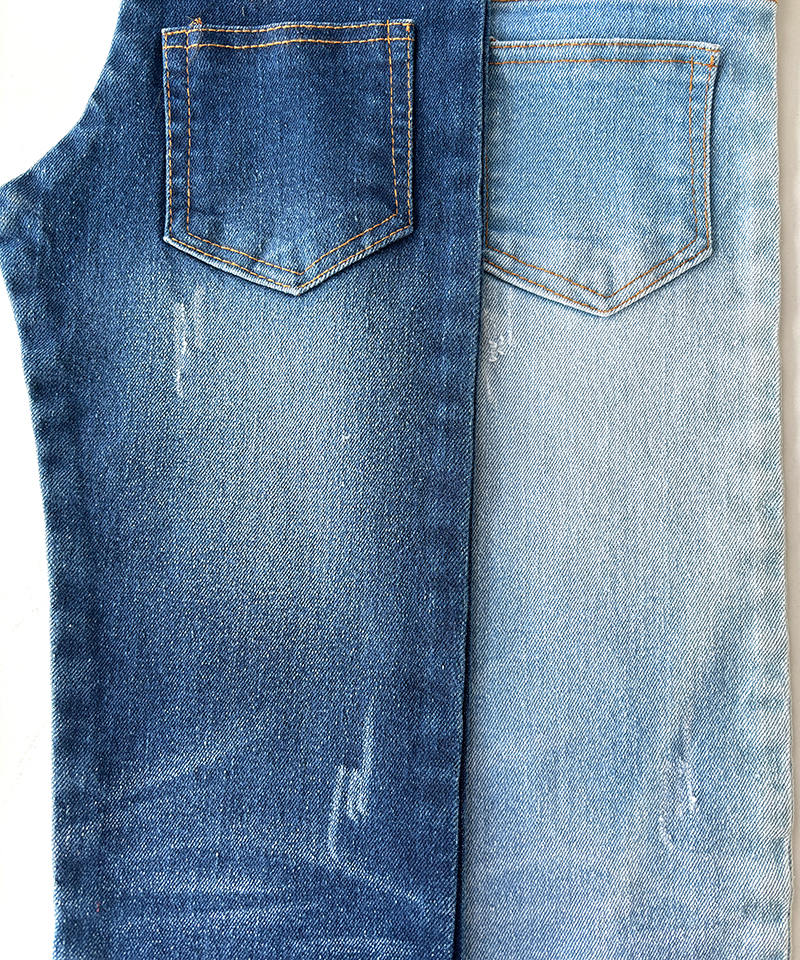
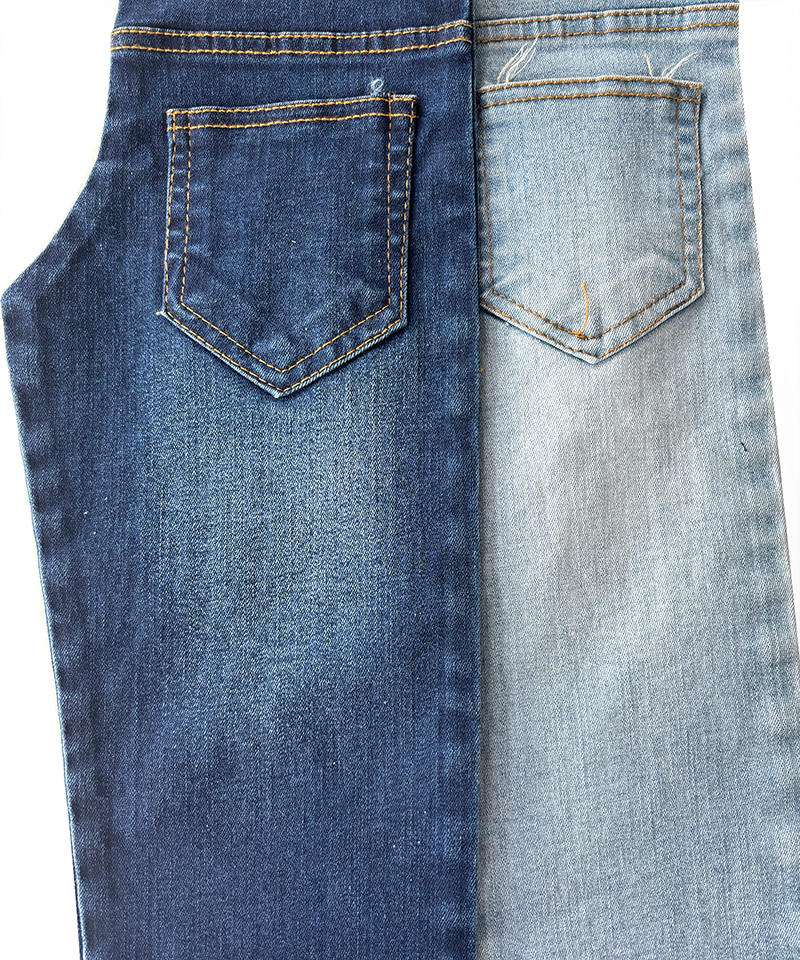
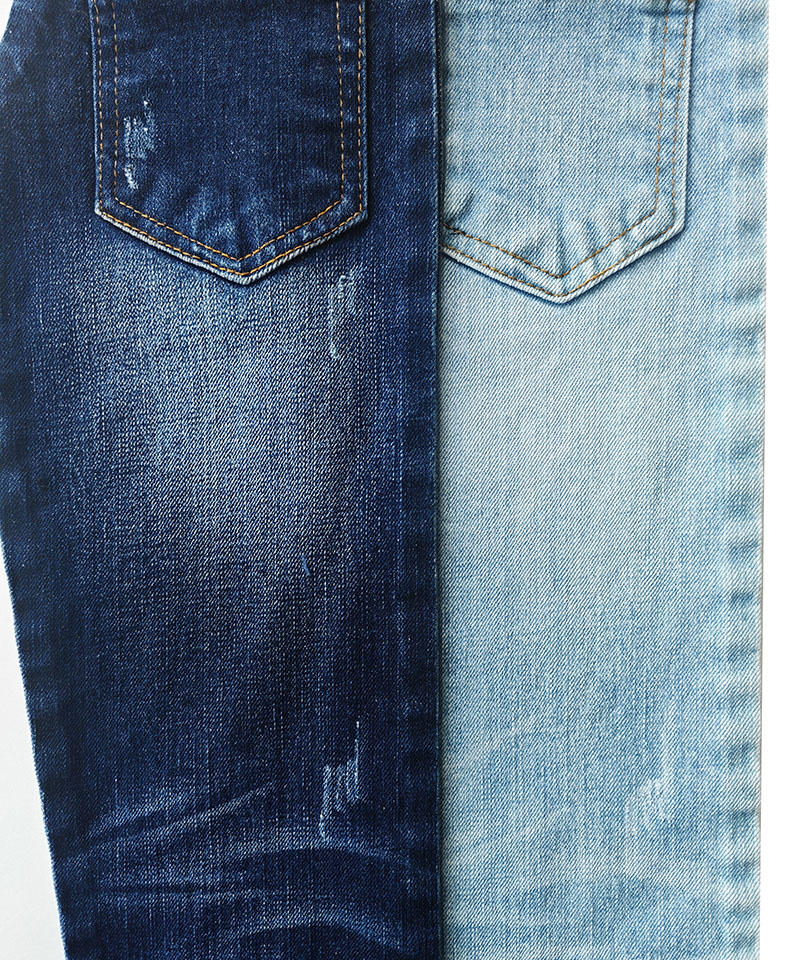
One of the most celebrated attributes of pure cotton denim fabric is its ability to age gracefully. This aging process is not a sign of deterioration, but rather a visual record of the garment's life. Because the indigo dye sits on the surface of the yarn rather than penetrating to the core, friction causes the dye to slowly shed.
How Friction Creates Unique Patterns
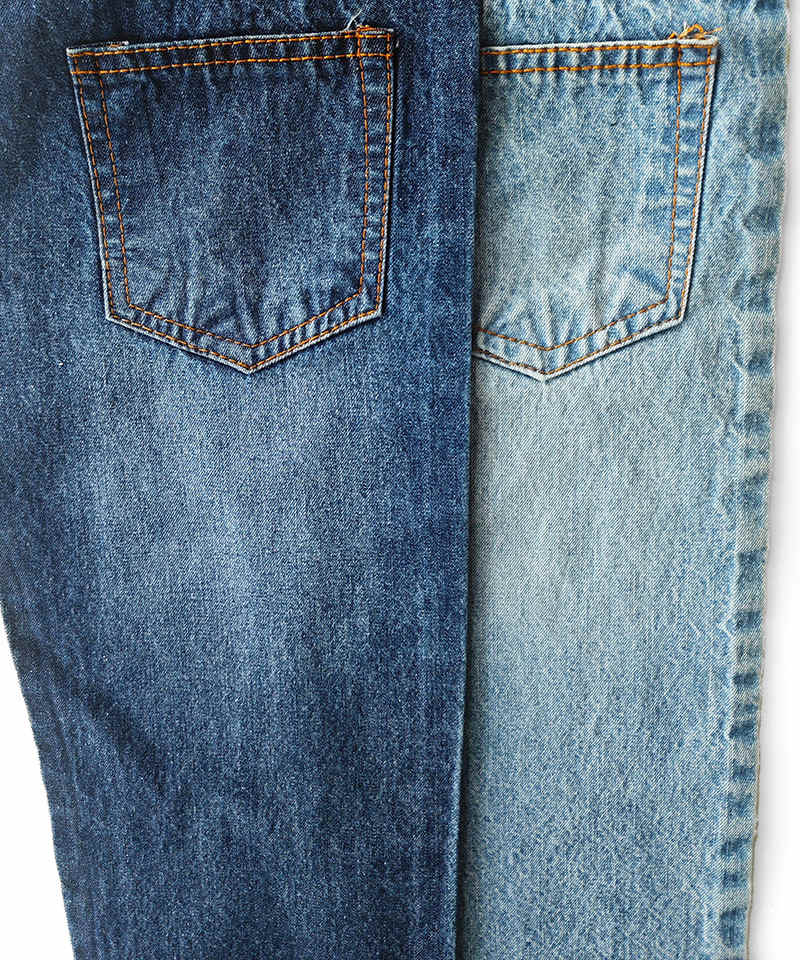
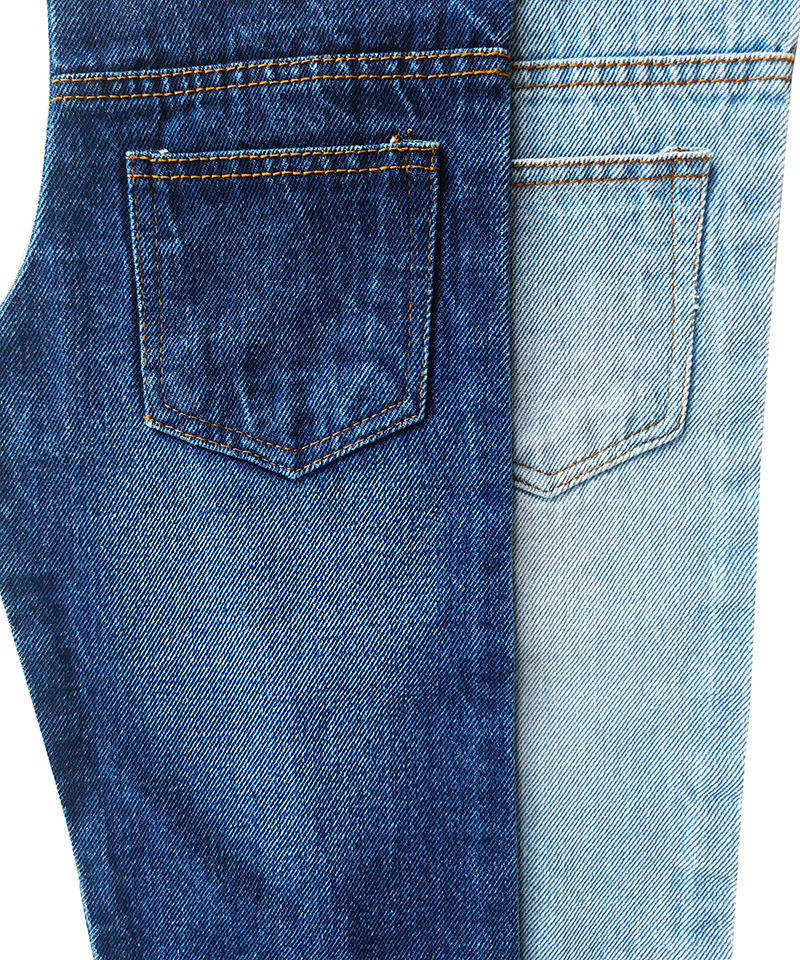
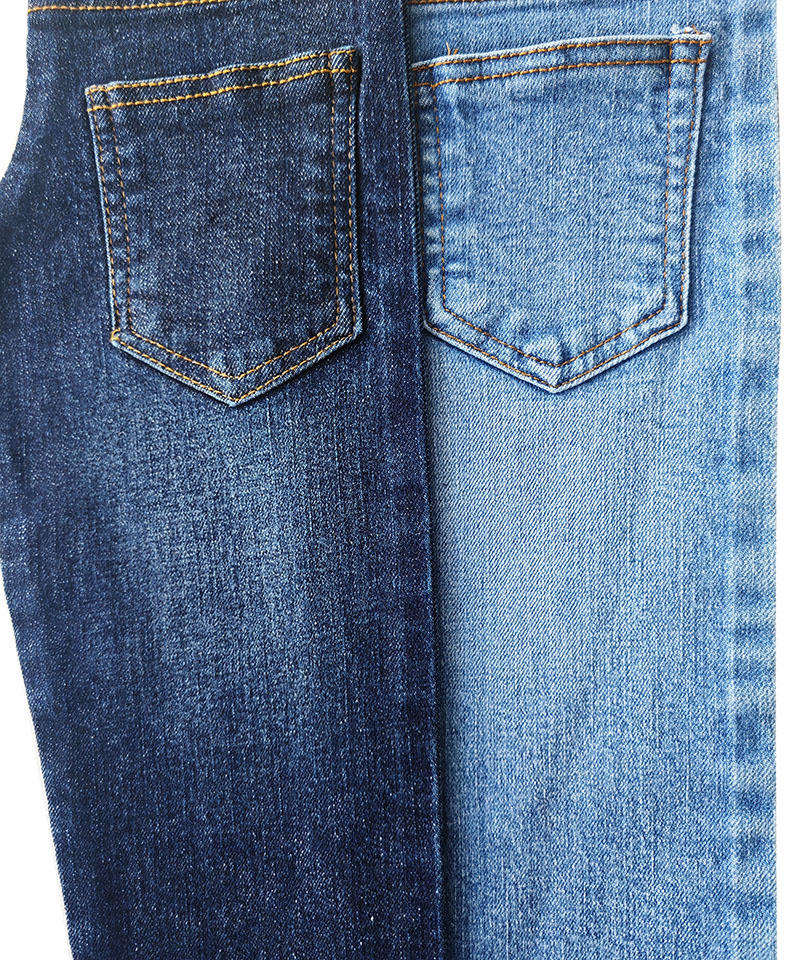
As the wearer moves, areas of high friction—such as the thighs, knees, and seat—experience more rapid dye loss than areas of low friction, like the lower legs or waistband. Over months or years of consistent wear, this localized abrasion results in high-contrast fading patterns known as "whiskers" and "honeycombs." No two pairs of pure cotton denim will fade in the same way, making the outcome unique to the individual's body and lifestyle.
Raw vs. Washed Denim
To achieve these personalized fades, enthusiasts often start with raw, unwashed pure cotton denim fabric. Raw denim has not undergone any pre-washing or chemical softening treatments, meaning the starches and sizing from the weaving process are still intact. Washing the fabric early will remove the dye uniformly, resulting in a flat, even fade. By delaying the first wash for several months, the wearer allows the creases to set deeply into the fabric, ensuring that subsequent washes only highlight those specific lines of friction.
Essential Maintenance and Care Protocols
Preserving the structural integrity and appearance of pure cotton denim fabric requires a departure from standard laundry habits. The aggressive detergents and high-heat drying cycles designed for modern synthetic blends are actively detrimental to natural cotton fibers.
Washing Frequency and Methods
Pure cotton denim fabric does not need to be washed after every wear. In fact, frequent washing accelerates dye loss and weakens the cotton fibers. For everyday garments, washing every few weeks is usually sufficient. When it is time to wash, the garment should be turned completely inside out to protect the exterior dye. Cold water is essential, as hot water causes the cotton fibers to swell and can lead to severe, unwanted shrinkage.
- Turn the garment inside out to minimize abrasion against the drum.
- Use a mild, liquid detergent free of optical brighteners or bleach.
- Select a cold water cycle to prevent shrinkage and dye bleeding.
- Avoid using a machine dryer; instead, hang the garment in a shaded, well-ventilated area.
Addressing Odors Without Full Washes
If a garment is not visibly soiled but has absorbed odors from smoke, food, or sweat, a full wash is unnecessary. The most effective method is to hang the pure cotton denim fabric outside in fresh air and indirect sunlight. UV rays naturally kill odor-causing bacteria, while the moving air flushes out trapped smells. For stubborn odors, lightly misting the inside of the garment with a mixture of water and a small amount of vodka can neutralize bacteria without impacting the dye.
Environmental Impact and Biodegradability
As the fashion industry faces increasing scrutiny regarding its environmental footprint, the material composition of our clothing has never been more critical. Pure cotton denim fabric offers significant ecological advantages over its synthetic counterparts, though it is not without its own environmental considerations.
The Problem with Microplastics
Every time a garment containing polyester or nylon is laundered, it sheds microscopic plastic fibers. These microplastics bypass water treatment facilities and enter waterways, eventually making their way into the ocean and the food chain. Pure cotton denim fabric, being entirely natural, sheds biodegradable cellulose fibers. When cotton fibers enter the environment, they break down naturally over a relatively short period, leaving behind no toxic residues or permanent microplastic pollution.
End-of-Life Lifecycle
A discarded synthetic garment can sit in a landfill for centuries without decomposing. Pure cotton denim fabric, on the other hand, will fully biodegrade within a few months to a year under the right composting conditions. Furthermore, pure cotton denim is highly recyclable. It can be mechanically shredded and repurposed into insulation, industrial rags, or even regenerated into new cotton fibers, closing the loop on textile waste in a way that blended fabrics simply cannot achieve.
Identifying Authentic Pure Cotton Denim
With the prevalence of stretch blends in the market, identifying truly pure cotton denim fabric requires a bit of tactile and visual inspection. Relying solely on labels can sometimes be misleading, so understanding the physical properties of the fabric is essential for making an informed evaluation.
- The Stretch Test: Grip the fabric firmly across the grain and pull. Pure cotton denim will have almost zero horizontal give. If it stretches significantly and bounces back, it contains elastane.
- The Burn Test (For Swatches): If you have a loose thread, safely burn it. Pure cotton will burn with a steady flame, smell like burning paper or leaves, and turn into a soft, crumbling ash. Synthetic fibers will melt, form hard plastic beads, and smell like burning chemicals.
- Visual Texture: Pure cotton denim fabric often has a slightly slubby, irregular texture due to the natural variations in the cotton yarn. Stretch blends often look overly uniform and artificially smooth.
- Weight and Hand Feel: Authentic pure cotton denim feels substantial and dense in the hand. It lacks the slick, slippery hand feel that polyester blends often exhibit.
Practical Strategies for Working with Pure Cotton Denim Fabric
For tailors, designers, and home sewists, handling pure cotton denim fabric requires specific adjustments compared to working with standard cotton or synthetic materials. Its density and rigidity present unique challenges that must be managed through proper tool selection and technique.
Needle and Thread Selection
Attempting to sew heavy pure cotton denim fabric with a standard universal needle will result in skipped stitches, broken needles, and frayed thread. A heavy-duty sewing machine needle, typically sized between 90 and 110, is necessary to penetrate the dense weave without bending. Similarly, the thread must be incredibly strong. Polyester-wrapped core-spun thread is highly recommended for stitching pure cotton denim, as it combines the strength of synthetic core with a cotton outer layer that blends seamlessly with the fabric.
Managing Seam Bulk
Because pure cotton denim fabric is thick, crossing seams can create unbearable bulk that makes the garment uncomfortable and difficult to press flat. To mitigate this, professionals employ techniques like grading seams, where one layer of the seam allowance is trimmed narrower than the other. Additionally, hammering seams flat with a specialized tailoring clapper or mallet is a common practice in denim workwear construction to achieve crisp, flat edges that do not rub against the wearer's skin.
The Enduring Value of Choosing Pure Cotton
In a fast-fashion ecosystem that prioritizes cheap, disposable clothing, pure cotton denim fabric represents a deliberate shift toward intentionality and quality. It demands more from the wearer—an initial period of stiffness, specialized washing routines, and a higher upfront cost. However, the return on this investment is substantial. A well-maintained pure cotton denim garment will outlast dozens of cheaply made alternatives, aging beautifully and providing superior comfort the longer it is worn. It is a material that rewards patience and care, ultimately serving as a lasting, functional piece of textile history rather than a fleeting trend.


 English
 Español