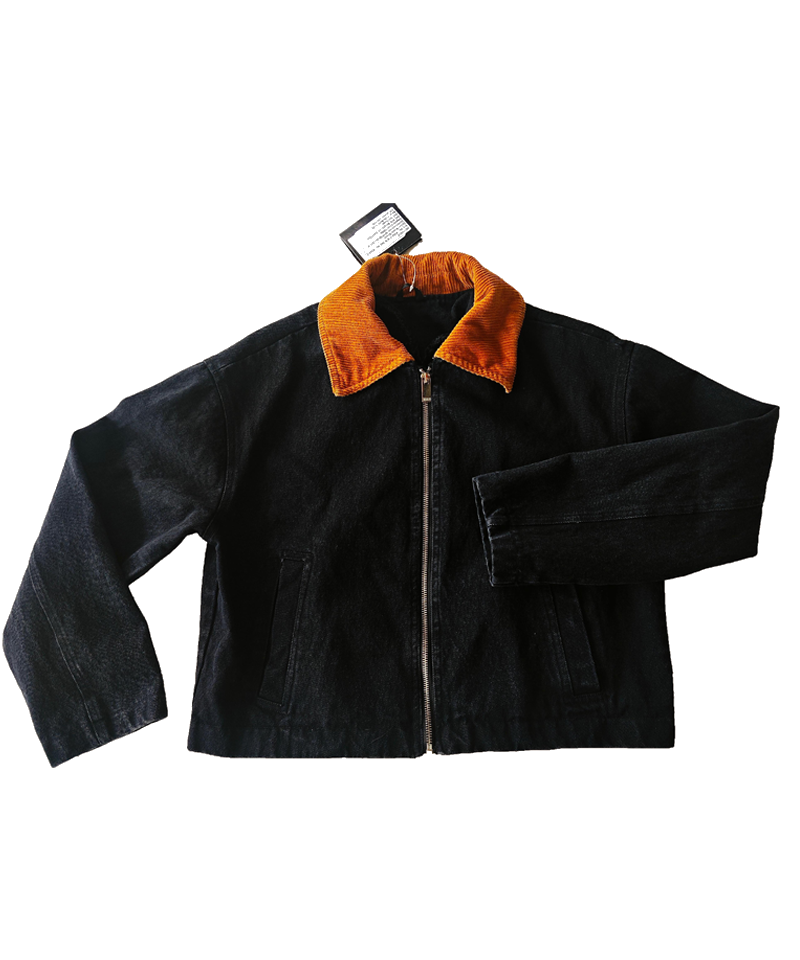
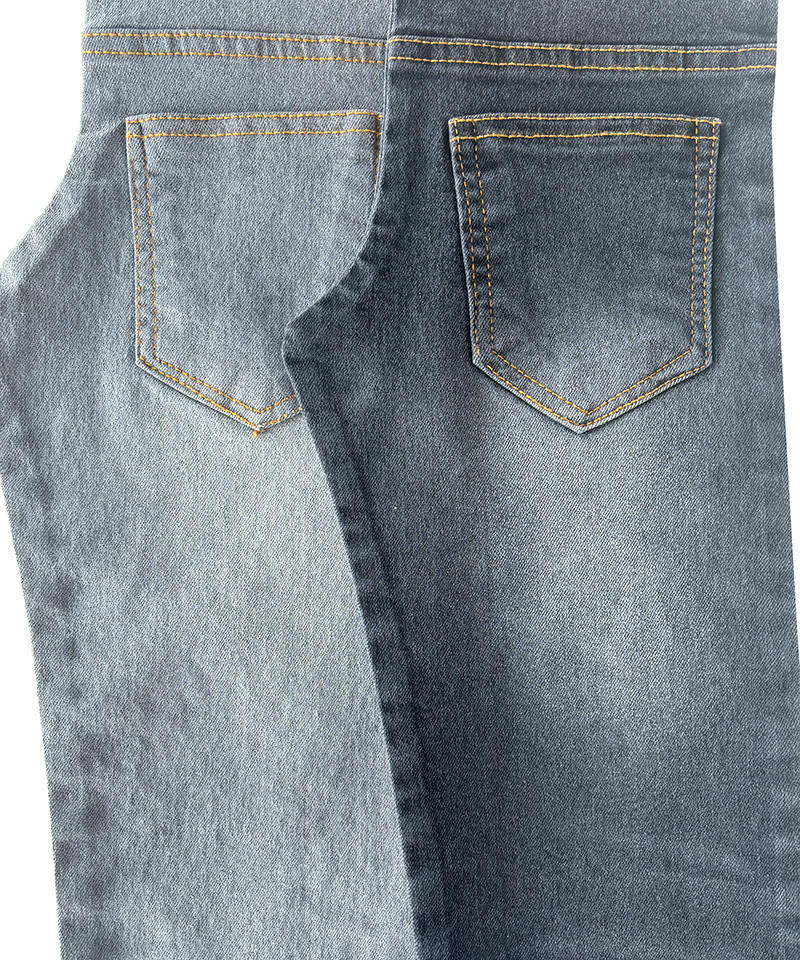
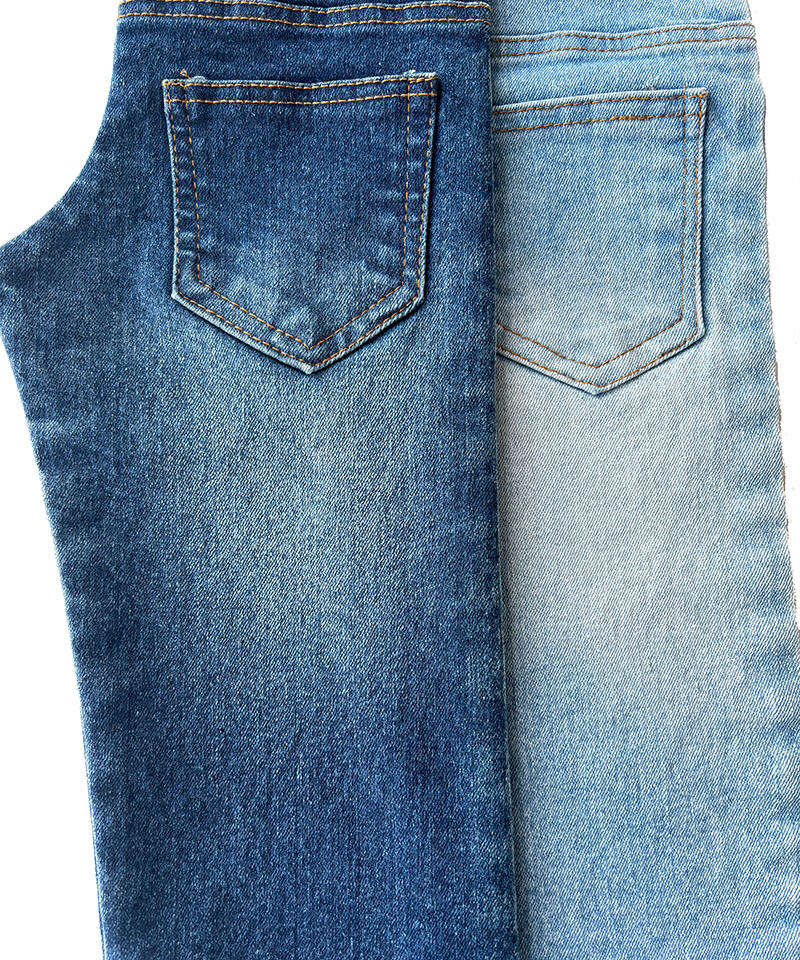
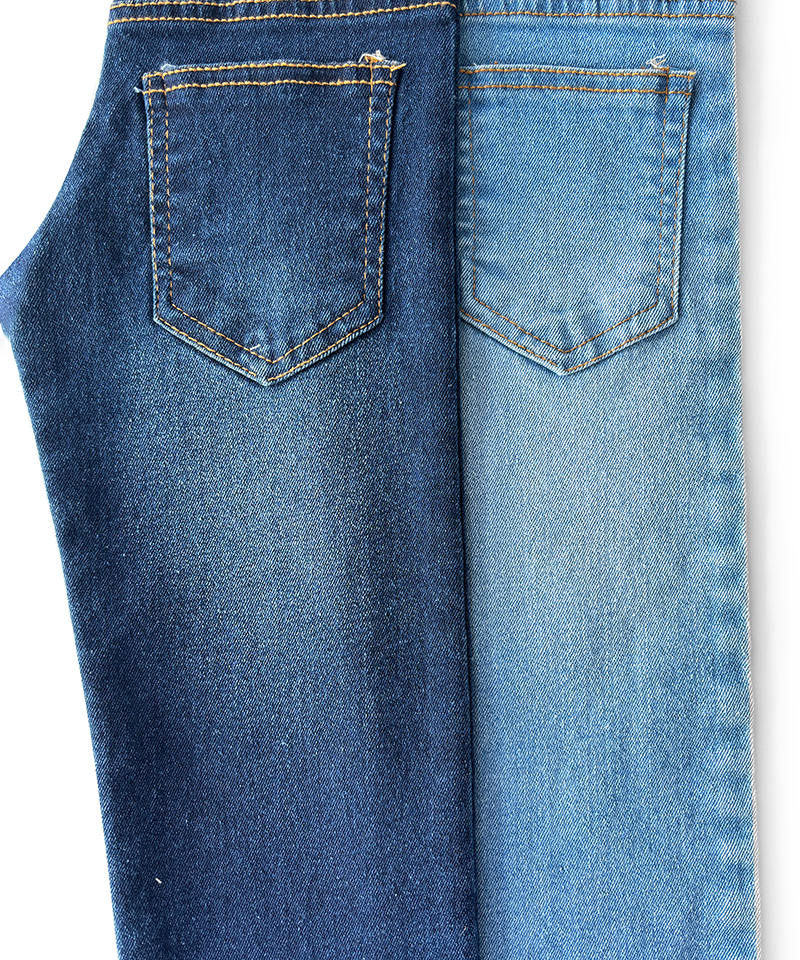
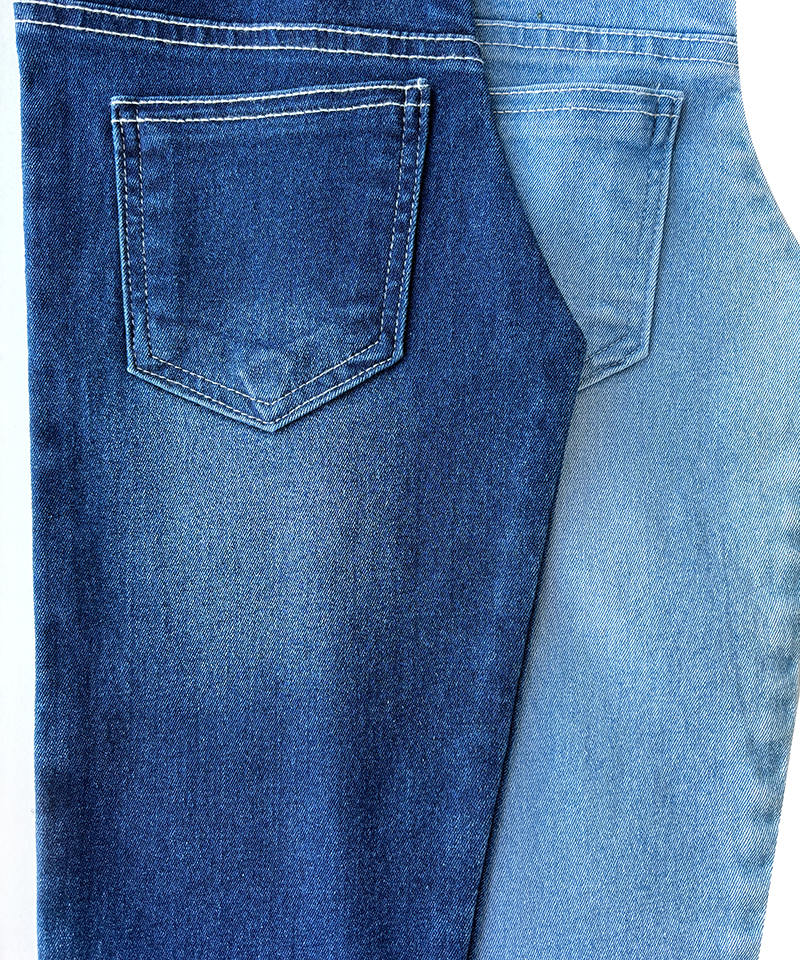
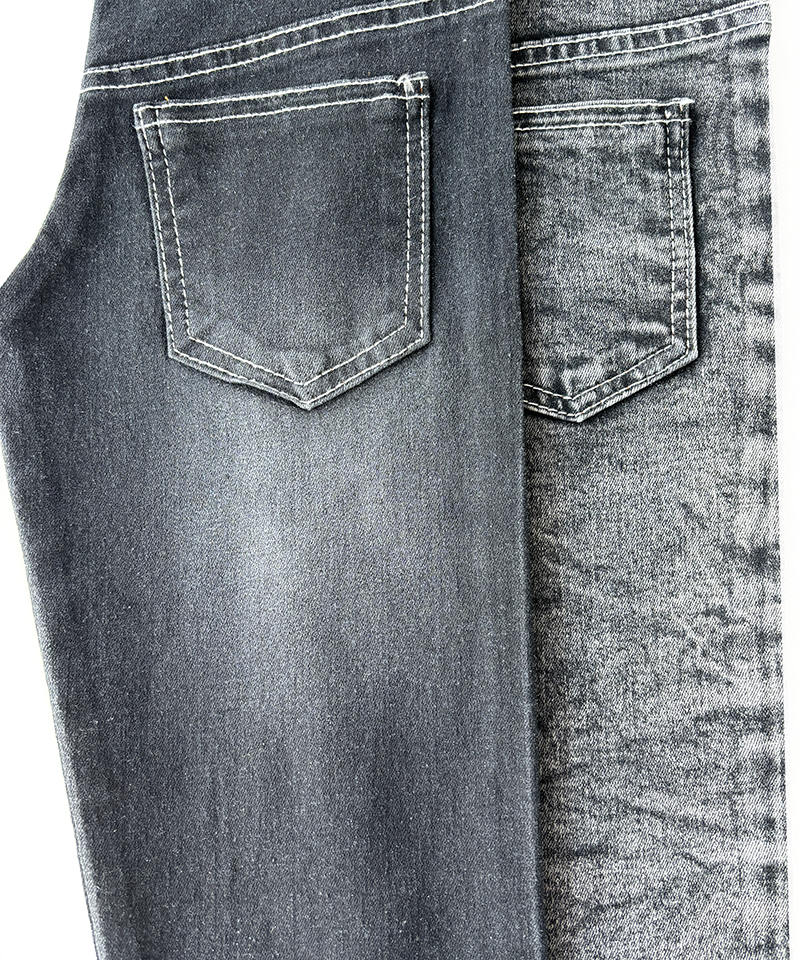
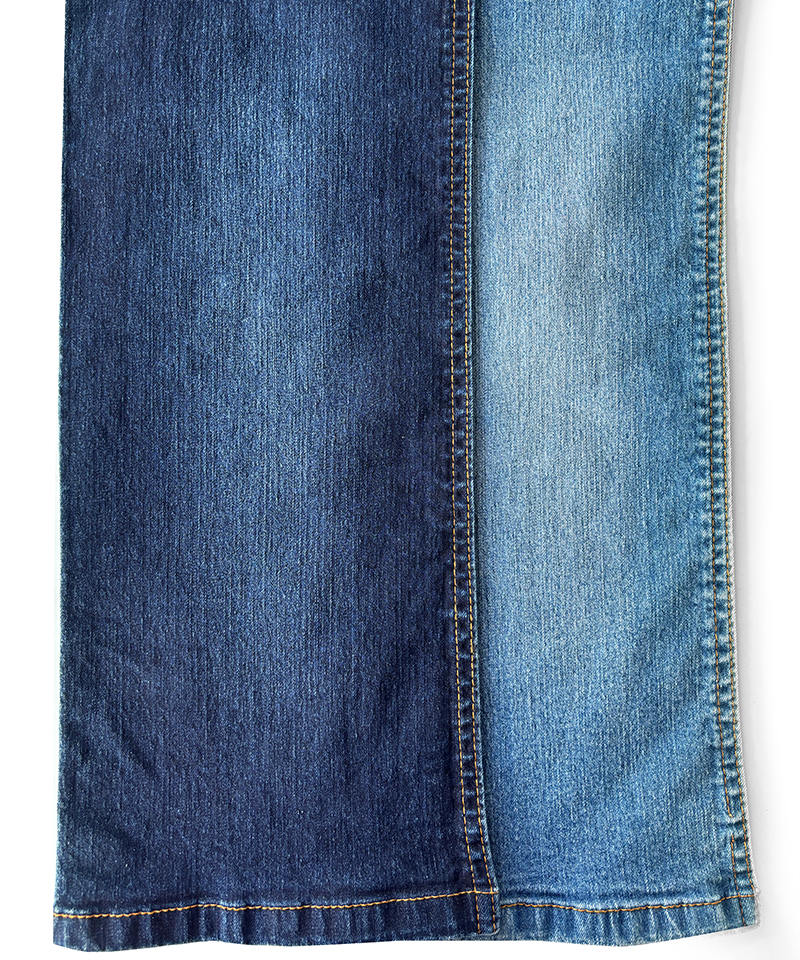
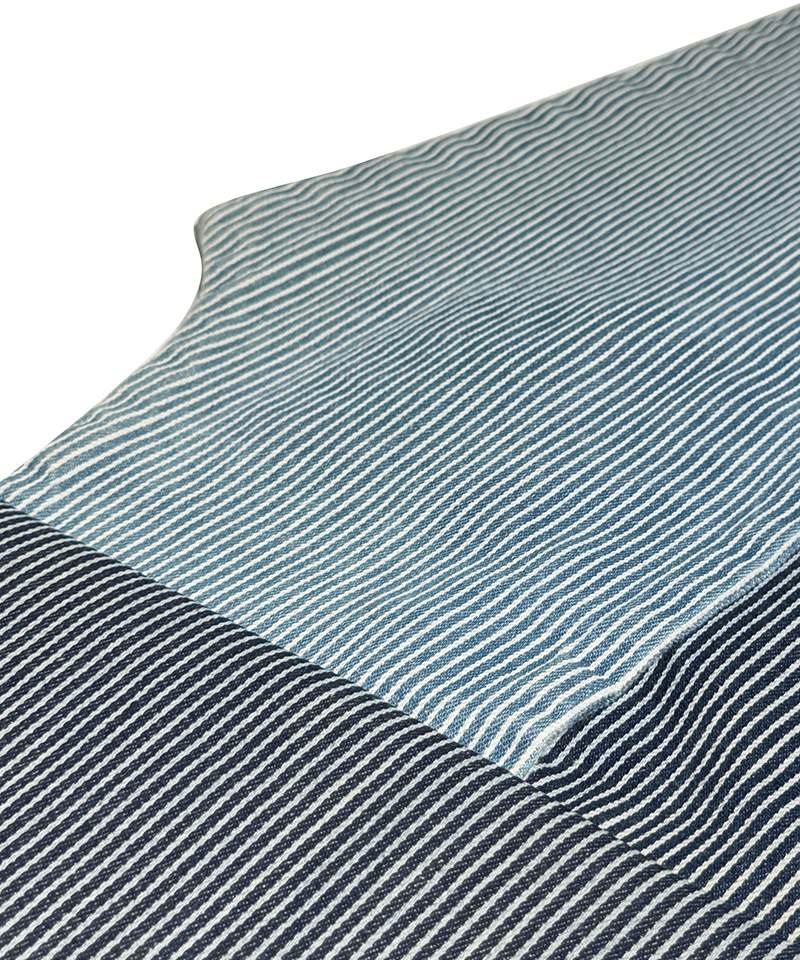
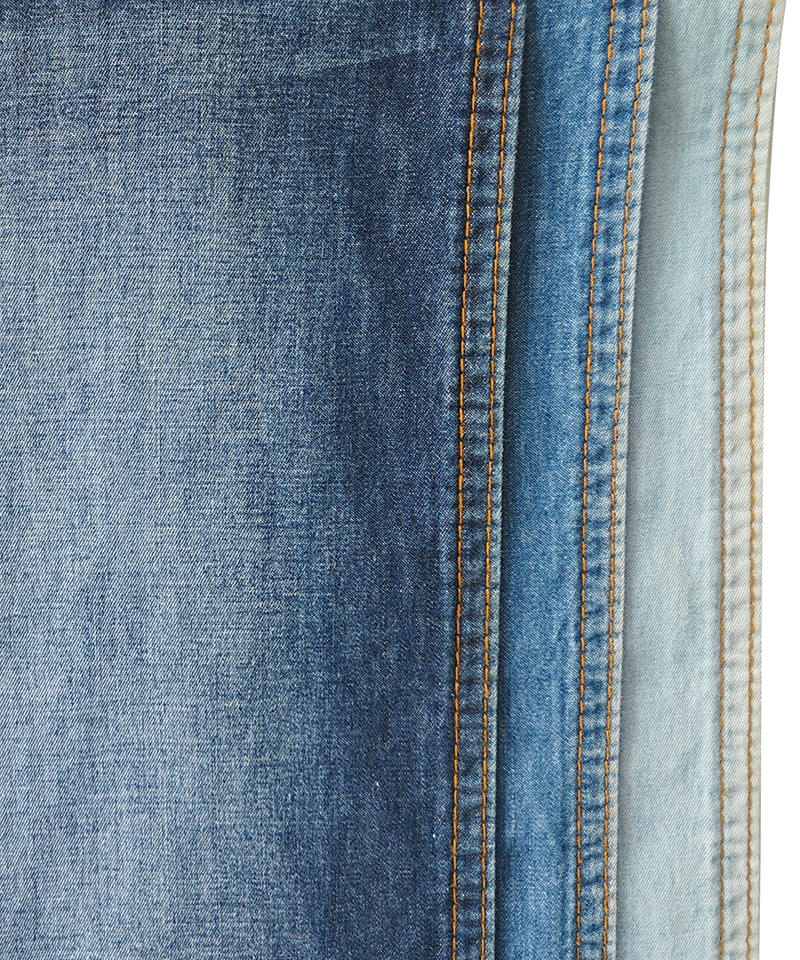
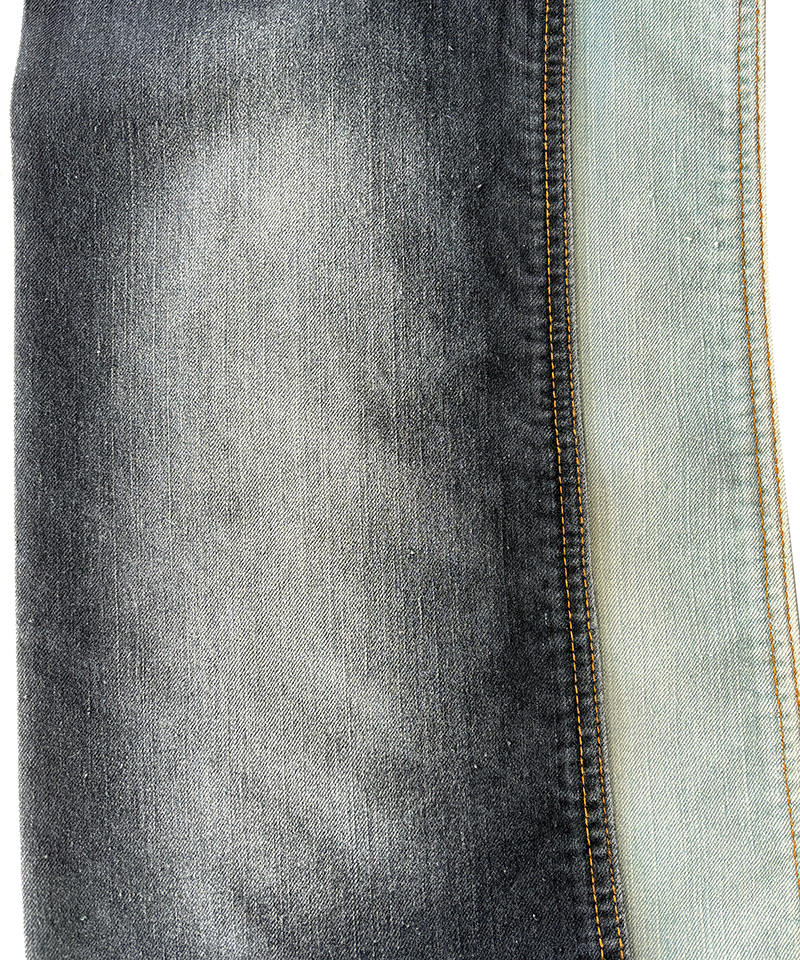
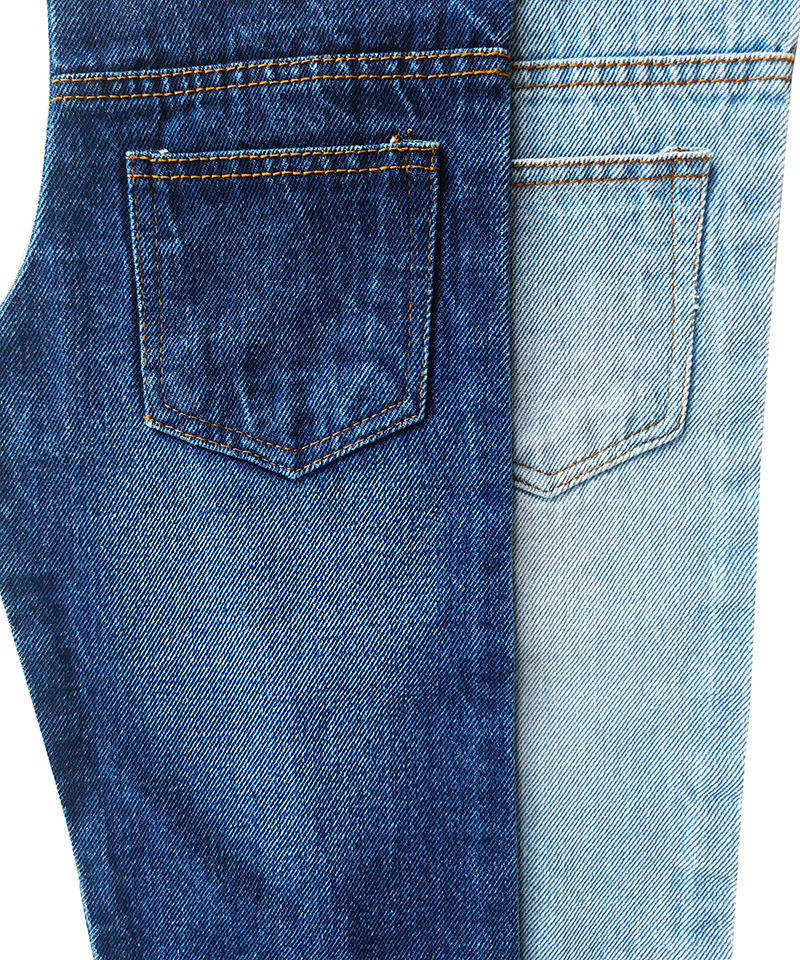
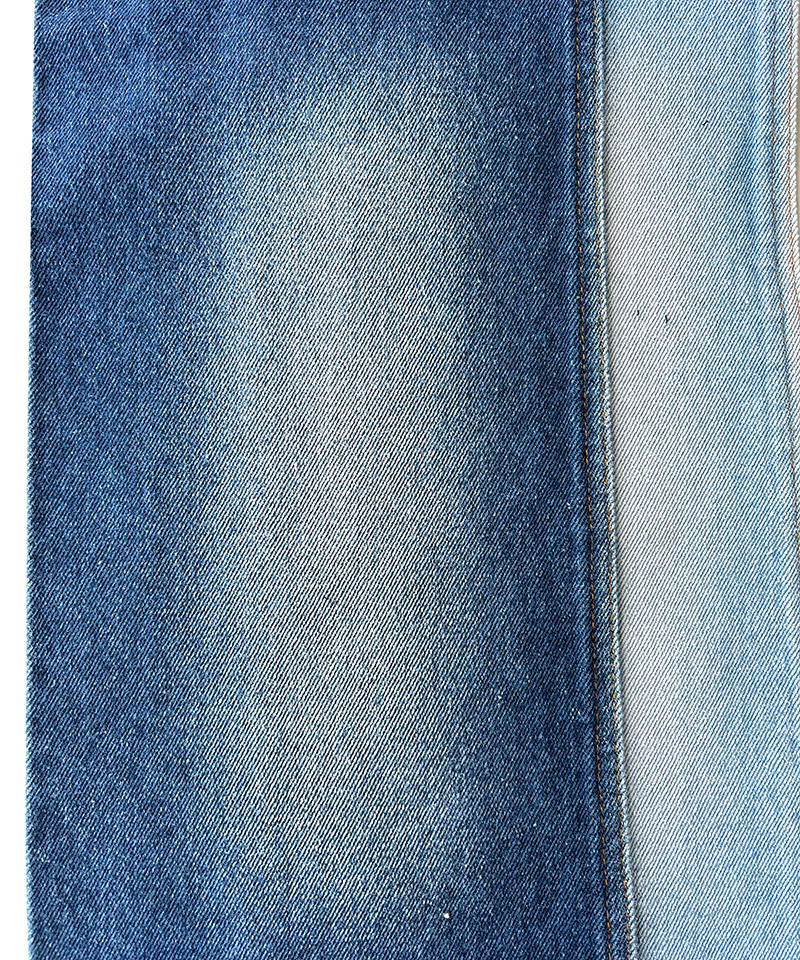
Pure cotton denim fabric is the superior choice for anyone seeking unmatched durability, authentic texture, and long-term garment evolution. Unlike blended alternatives that rely on synthetic fibers to cut costs or artificially stretch, pure cotton denim offers a rigid structure that gradually conforms to the wearer's body, creating a personalized fit and unique fading patterns over time. It is the foundational material for traditional garment making, providing breathability and a tactile experience that synthetics simply cannot replicate. For those who value heritage, sustainability, and longevity in their textiles, pure cotton denim remains the unequivocal gold standard.
The Fundamental Characteristics of Pure Cotton Denim
Pure cotton denim is a sturdy, warp-faced textile where the weft threads pass under two or more warp threads. This specific twill weave produces the diagonal ribbing that identifies the fabric. Because it is made entirely from natural plant fibers, it possesses a distinct set of characteristics that dictate how it feels, wears, and ages.
Breathability and Moisture Management
One of the most significant advantages of pure cotton denim is its ability to breathe. The natural cellulosic fibers absorb moisture effectively, pulling perspiration away from the skin and allowing it to evaporate into the air. This makes pure cotton denim highly comfortable across various climates, preventing the clammy, trapped feeling often associated with synthetic blends. Cotton fibers can absorb up to a significant portion of their weight in moisture without feeling wet to the touch, ensuring comfort during extended wear.
The Phenomenon of Patina and Fading
The way pure cotton denim ages is a primary reason for its enduring appeal. Synthetic fibers resist dye and do not break down in the same way, but pure cotton indigo dye sits on the surface of the yarn. As the fabric experiences friction and washing, the dye slowly sheds to reveal the raw cotton underneath. This results in highly individualized fading—whiskers at the hips, honeycombs at the knees, and stacks at the ankles. Every pair of pure cotton denim tells a visual story of the wearer's life and habits, making each garment uniquely personal.
Weight Categories and Practical Applications
Denim is classified by its weight, typically measured in ounces per square yard. The weight directly dictates the fabric's stiffness, warmth, and ideal end-use. Understanding these categories is essential for selecting the right denim for a specific project.
| Weight Category |
Characteristics |
Ideal Applications |
| Lightweight |
Soft, highly breathable, drapes easily |
Summer shirts, lined skirts, children's wear |
| Midweight |
Versatile, balances structure and comfort |
Everyday trousers, light jackets, dresses |
| Heavyweight |
Rigid, extremely durable, wind resistant |
Workwear, structured jeans, upholstery |
Comparison of pure cotton denim weight categories and their best practical uses
Lightweight denim is excellent for layered clothing and warm-weather garments, offering the denim aesthetic without the heat. Midweight is the standard for classic jeans, providing enough structure to hold a shape while softening comfortably over time. Heavyweight denim, often associated with traditional workwear, requires a break-in period but offers exceptional longevity and resistance to abrasion.
Weave Variations and Textural Differences
While the classic diagonal twill is the most common weave for pure cotton denim, variations exist that drastically alter the texture and appearance of the fabric. Each weave interacts differently with tension and dye, providing diverse options for creators.
- Right-Hand Twill (RHT): The most standard weave where the diagonal lines run from the bottom left to the top right. It produces a tight, smooth surface that tends to fade with sharp, defined contrast.
- Left-Hand Twill (LHT): The diagonal runs in the opposite direction, from bottom right to top left. This weave typically yields a softer hand feel faster than RHT, and the fading tends to be more vertical and blurred.
- Broken Twill: Instead of a continuous diagonal line, the weave alternates direction to prevent the fabric from twisting over time. This ensures the garment hangs straight and true after washing.
Choosing the right weave is not merely an aesthetic decision; it directly impacts how the garment drapes, how quickly it softens, and the specific visual character it will develop after months of wear.
Why Pure Cotton Outperforms Synthetic Blends
Modern manufacturing often introduces synthetic fibers like elastane or polyester into denim. While these blends offer immediate stretch and lower production costs, they compromise the fundamental qualities that make denim valuable.
Structural Integrity and Sagging
Elastane provides stretch, but it also degrades over time and with heat. Synthetic blend jeans often stretch out at the knees and seat during the day and fail to snap back to their original shape after washing. Pure cotton denim may feel rigid initially, but it maintains its structural integrity over years of wear. It molds to the body through fiber manipulation rather than elastic stretching, preventing permanent bagginess.
Repairability and Lifespan
When synthetic blend denim tears, the elastic threads break down, making the surrounding fabric weak and nearly impossible to mend seamlessly. Pure cotton, being a homogeneous material, can be easily patched, darned, or sashiko-stitched. The repairs add character and extend the life of the garment indefinitely. This repairability is crucial for reducing textile waste and moving toward a more sustainable wardrobe.
Essential Care Guide for Pure Cotton Denim
Proper maintenance of pure cotton denim differs significantly from caring for everyday clothing. Because the fabric is designed to mold to the body and fade naturally, excessive washing can ruin the fading process and degrade the cotton fibers prematurely.
- Minimize washing frequency. Spot clean minor stains with a damp cloth instead of submerging the entire garment. Many enthusiasts wear their denim for months before the first wash to set deep, high-contrast fades.
- When washing is necessary, always turn the garment inside out. This protects the outer surface from friction caused by the washing machine drum, preserving the color and preventing premature fading.
- Use cold water and a gentle, non-biological detergent. Hot water causes significant shrinkage in pure cotton and can strip the indigo dye unevenly.
- Avoid machine drying entirely. The high heat and tumbling action will shrink the cotton aggressively and break down the fibers. Instead, hang the garment by the waistband in a well-ventilated area away from direct sunlight.
By adhering to this care routine, the fabric will soften naturally, the colors will age gracefully, and the garment will last significantly longer than conventionally maintained clothing.
Working with Pure Cotton Denim in Garment Construction
Sewing with pure cotton denim requires specific techniques and equipment due to the fabric's thickness and dense weave. Ignoring these requirements can lead to broken needles, skipped stitches, and poorly constructed garments.
Needle and Thread Selection
Standard universal needles are insufficient for heavyweight pure cotton denim. Using a dedicated denim or jeans needle with a sharp, reinforced blade is mandatory to penetrate the fabric without deflection. Thread should be a strong polyester or cotton-wrapped polyester core to withstand the tension and friction at the seams. For topstitching, a specialized thicker topstitching thread will provide the classic, visible seam detail associated with denim construction.
Seam Finishes and Pressing
Because pure cotton denim frays, raw seams must be finished properly. Flat-felled seams are the industry standard for denim, encasing the raw edge to prevent fraying while distributing the bulk of the seam over a wider area, which also adds structural strength. Pressing is equally important; steam and high heat are required to set the seams flat. Failure to press denim seams adequately will result in bulky, twisted seams that do not lie flat, compromising the fit and professional appearance of the finished garment.
The Environmental Impact and Sustainable Practices
The production of pure cotton denim has a well-documented environmental footprint, primarily due to the water and chemical requirements of growing conventional cotton and dyeing the fabric. However, the inherent durability of pure cotton offers a counterbalance through longevity.
Organic Cotton and Natural Dyes
Choosing pure cotton denim made from organically grown cotton eliminates the use of synthetic pesticides and fertilizers, promoting healthier soil and reducing water runoff toxicity. Furthermore, the industry is increasingly adopting natural or low-impact synthetic dyes to replace traditional chemical-intensive indigo processing. Denim produced with organic cotton and eco-friendly dyes uses significantly less water and energy compared to conventional methods, offering a much more sustainable raw material.
Longevity as a Sustainable Strategy
The most effective way to reduce the environmental impact of clothing is to wear it longer. Fast-fashion denim, often made with cheap synthetic blends, is designed to be discarded after a short period. Pure cotton denim, particularly midweight and heavyweight varieties, is built to endure years or even decades of hard use. By investing in pure cotton, consumers participate in a slow-fashion model, drastically reducing the demand for new resources and keeping textiles out of landfills.


 English
 Español