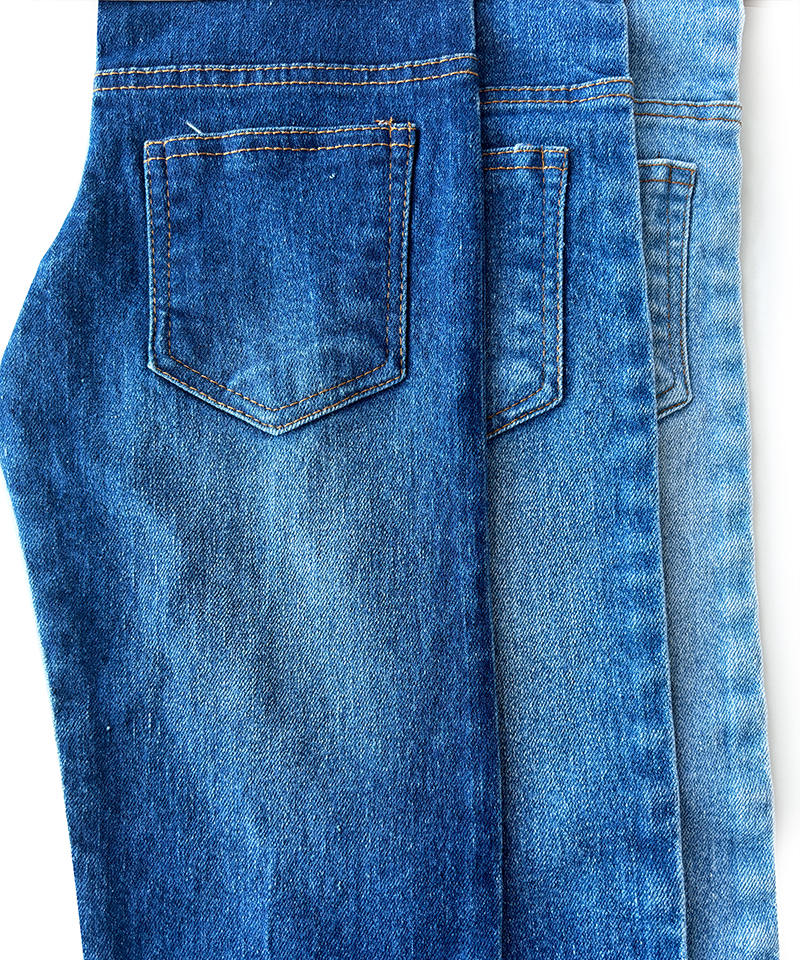
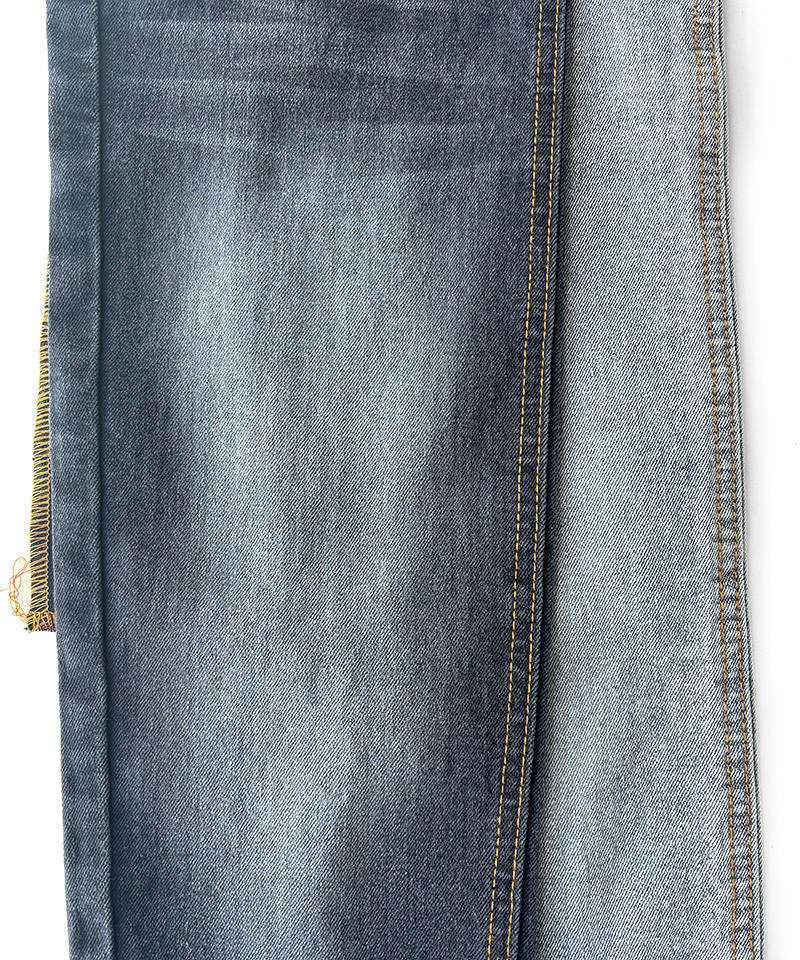
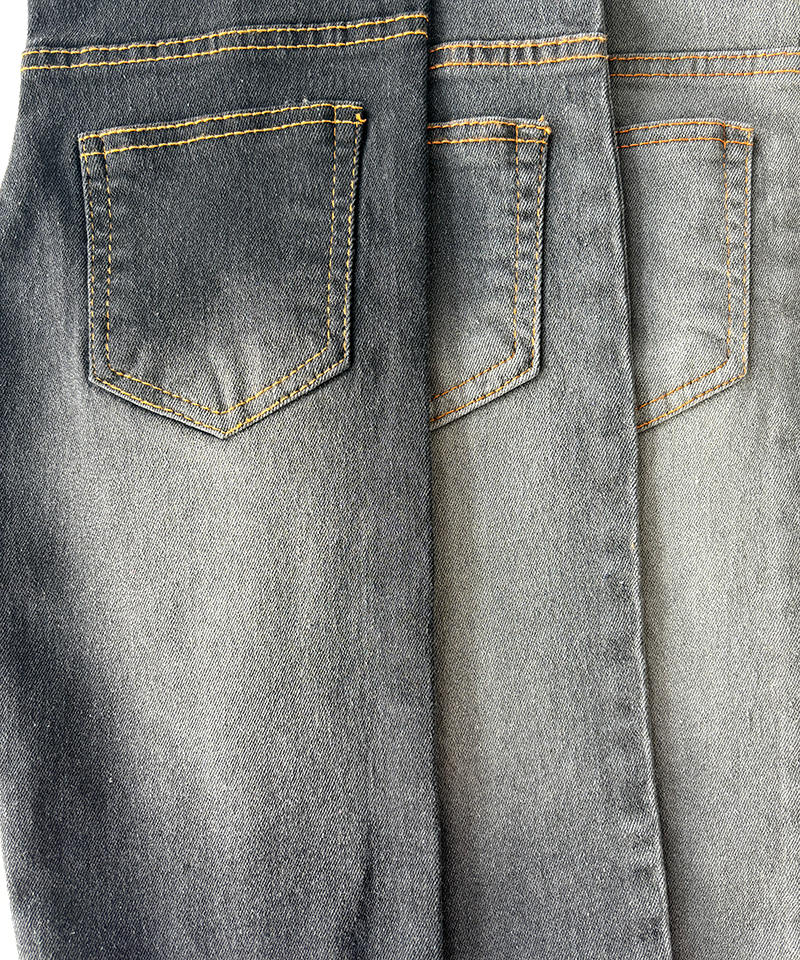
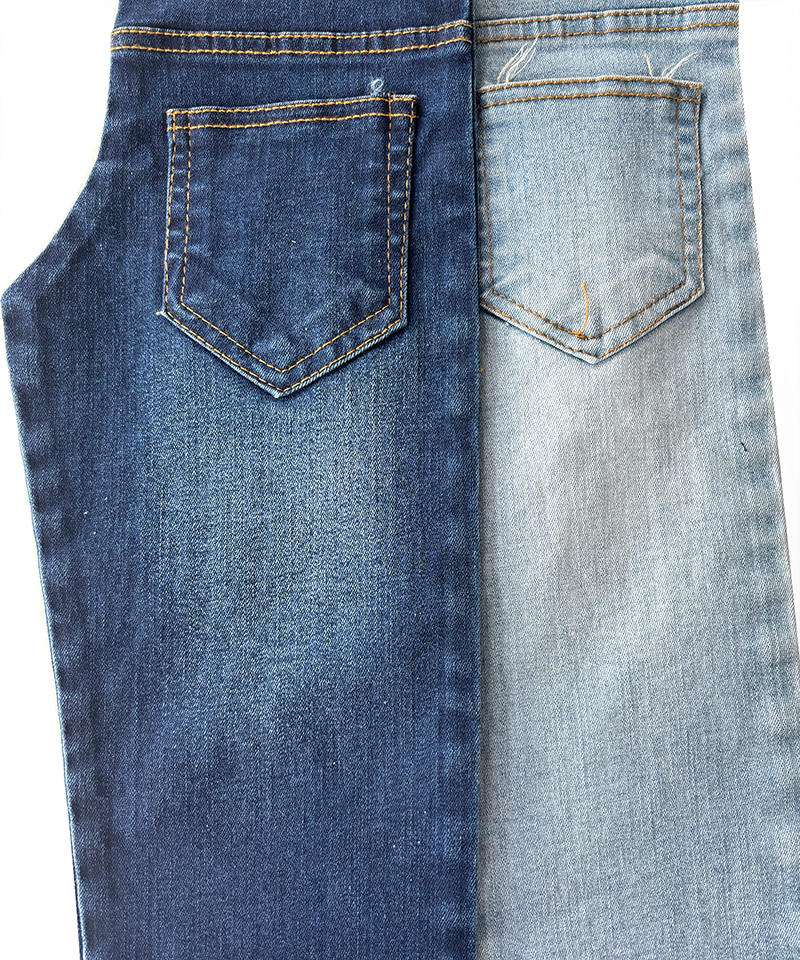
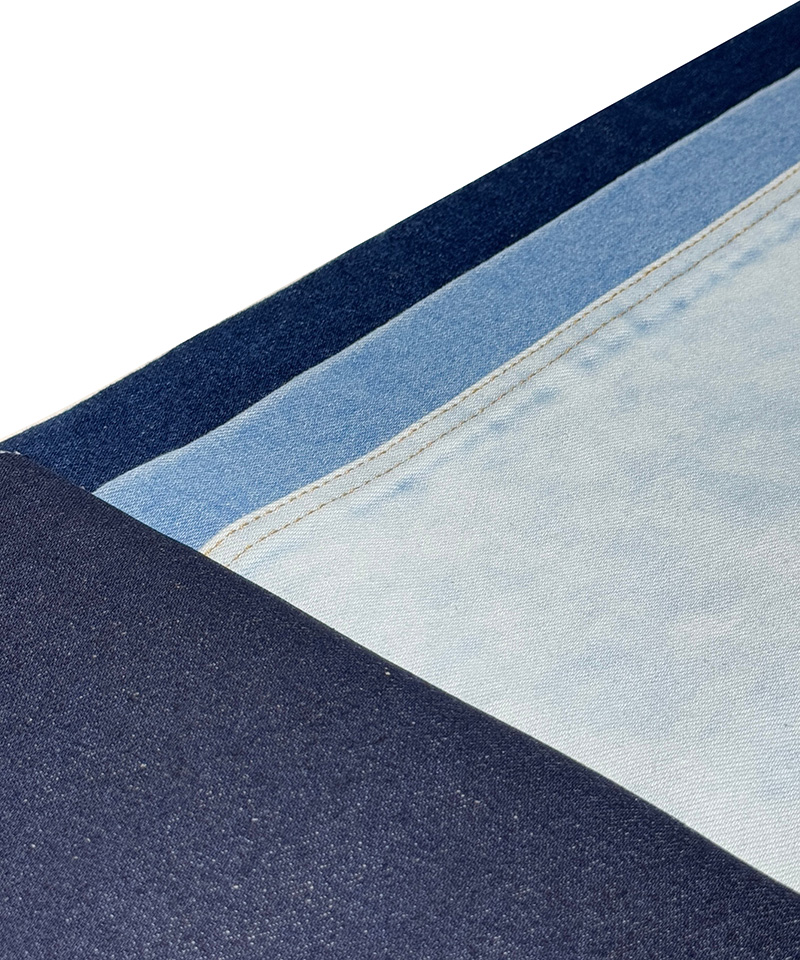
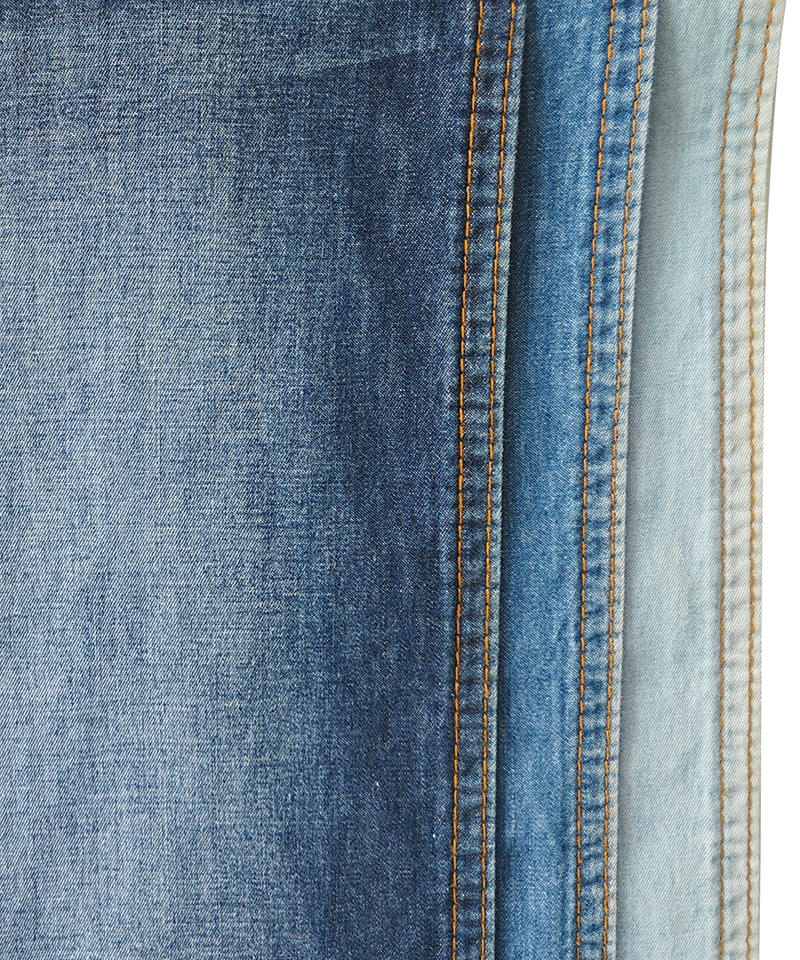
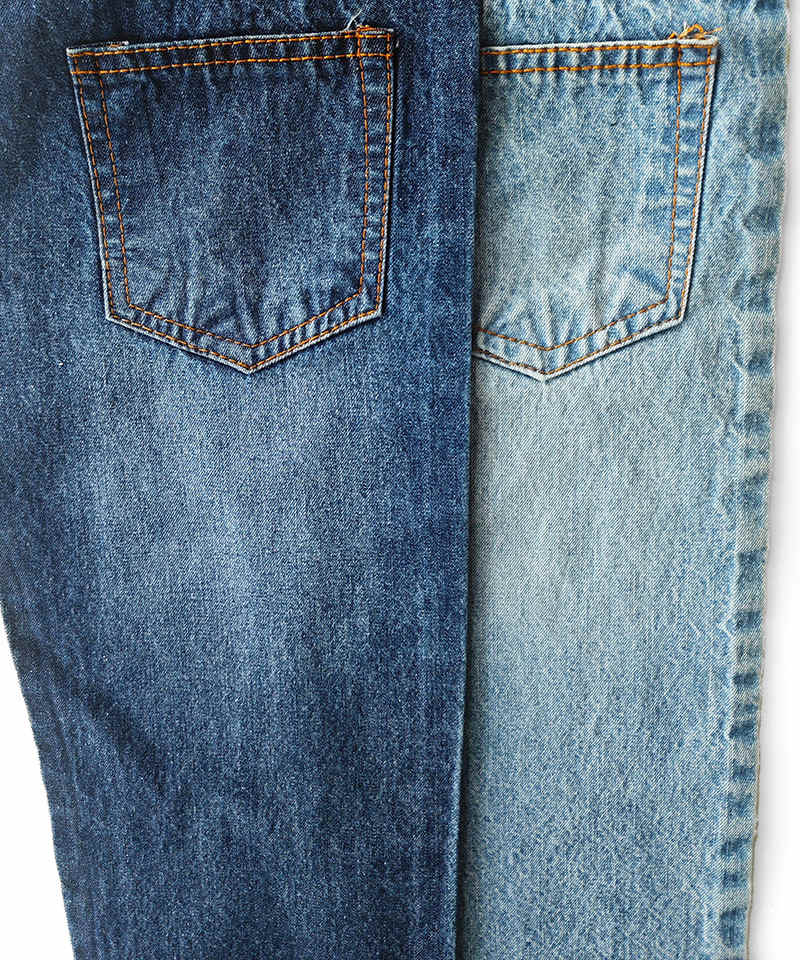
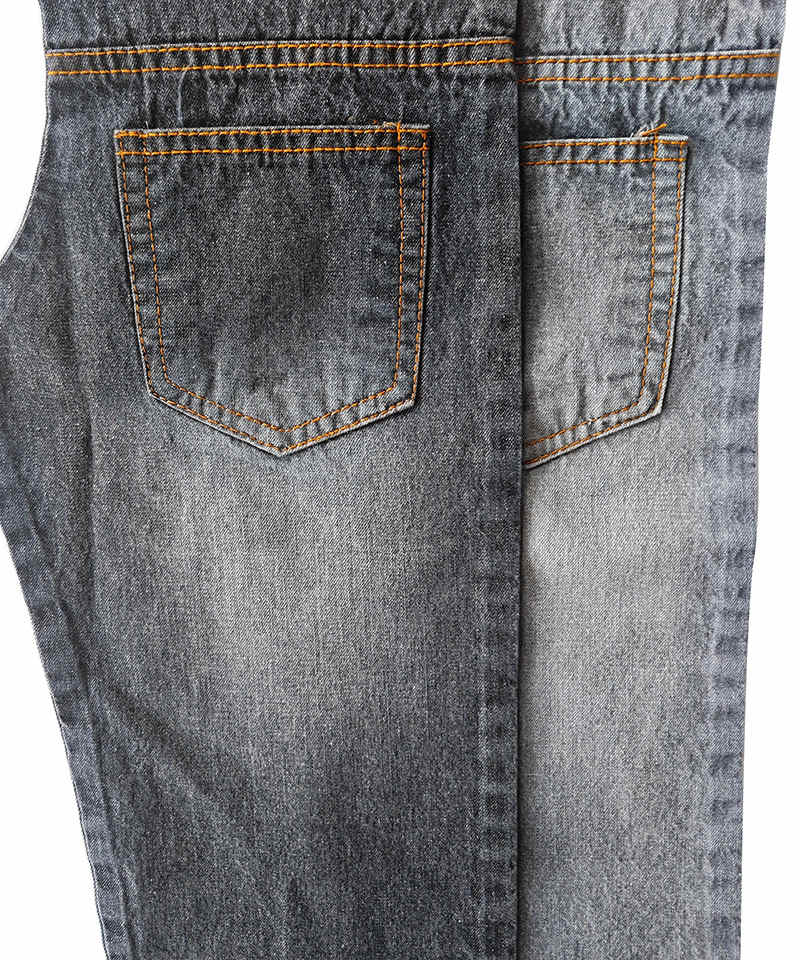
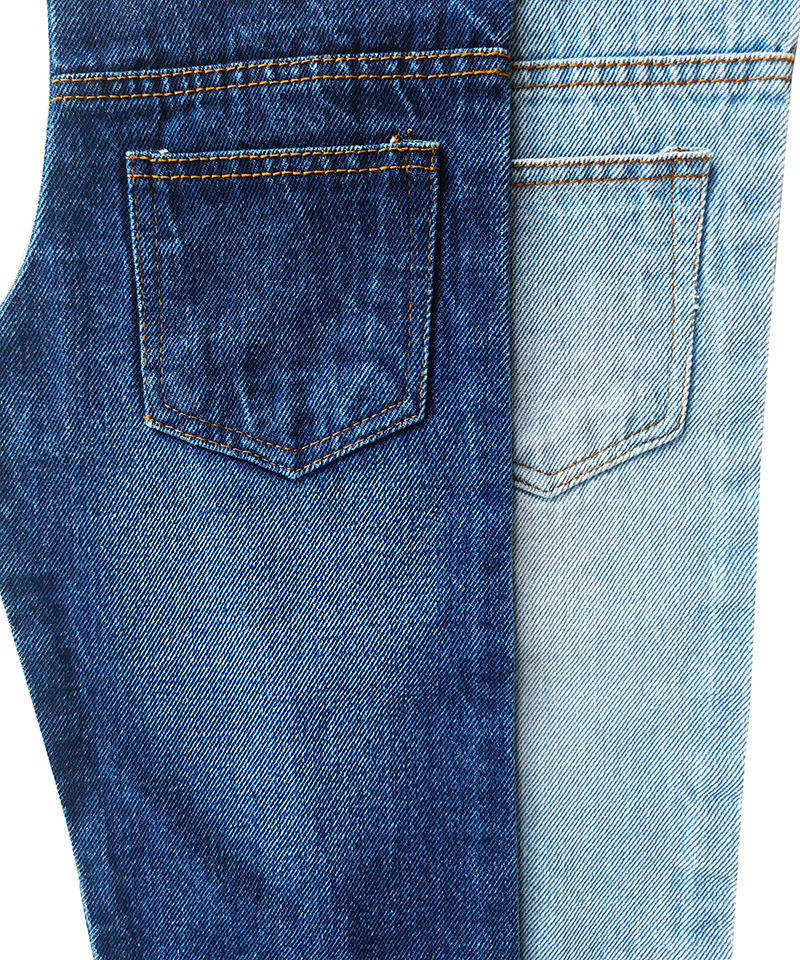
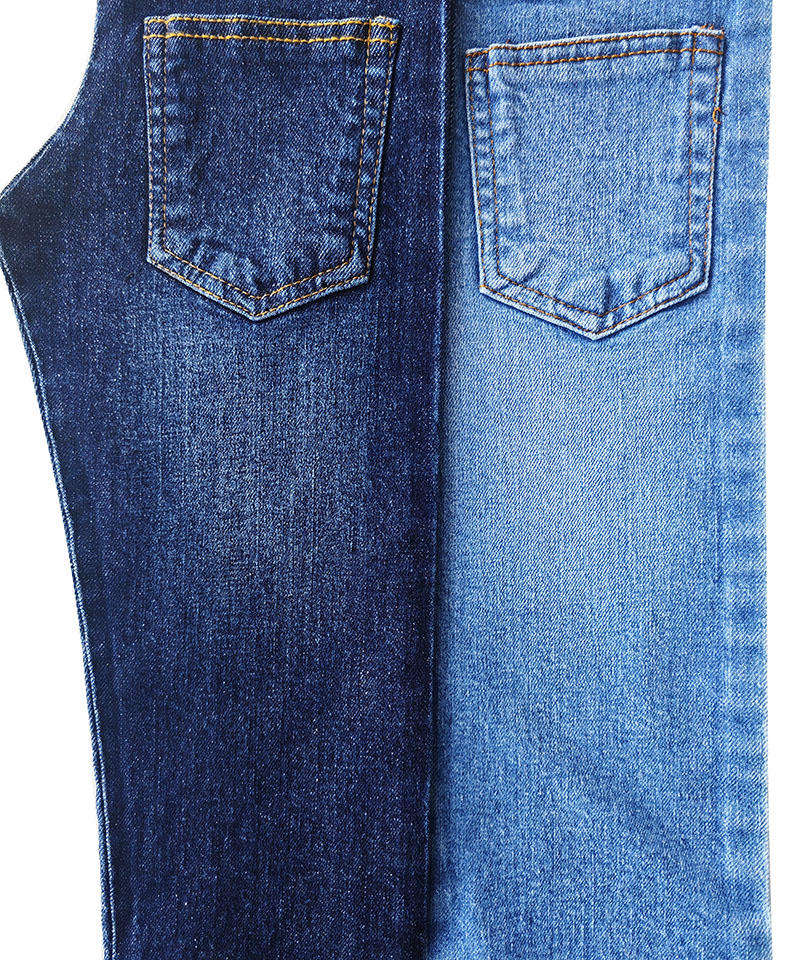
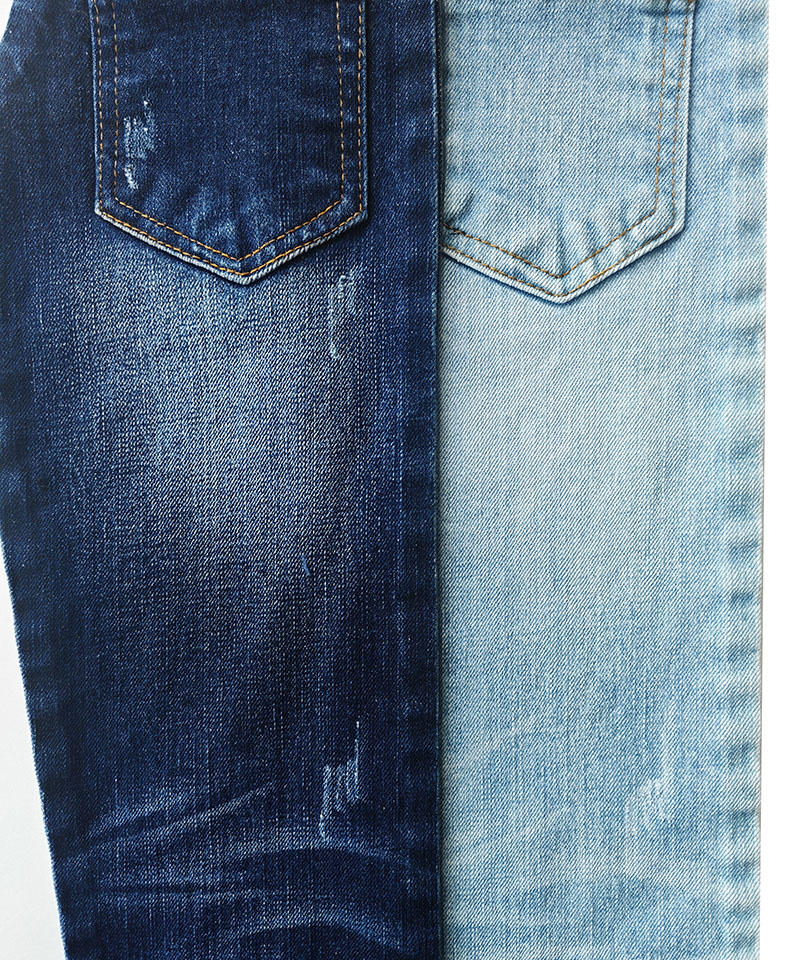
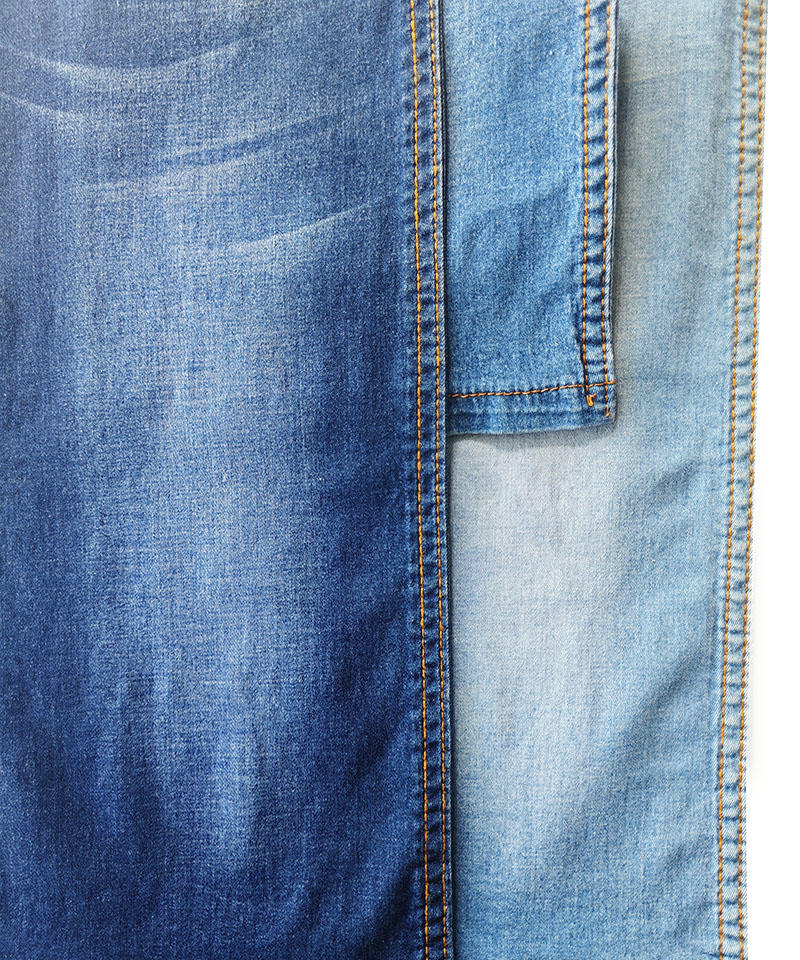
Functional denim fabric has evolved from ordinary wearable denim material into a diversified high-performance textile raw material, and more than forty percent of mid-to-high-end denim apparel launched globally each year adopts different types of functional modification processing, which becomes the core development direction of traditional denim industry upgrading. Unlike conventional common denim that only meets basic wear and appearance demands, functional denim endows original cotton-based denim with extra physical, environmental adaptability and comfortable auxiliary functions through post-finishing modification, fiber blending and structural weaving optimization. From market feedback collected by textile research institutions, the market demand for functional denim keeps growing stably, and its application boundary has broken through traditional casual jeans, gradually expanding into outdoor wear, work protective clothing, medical auxiliary textiles and home textile products. The transformation from conventional denim to functional version effectively solves many inherent defects of traditional denim, such as poor moisture permeability, easy fading after washing and insufficient environmental adaptability, and also opens up new profit growth space for upstream fabric manufacturers and downstream garment processing enterprises. In the long-term industrial layout, multi-functional compound denim will occupy a dominant share in the future denim consumption market, while single-function modified denim will serve as the mainstream bulk product for mass consumer markets.
Classification and Main Functional Attributes of Functional Denim Fabric
Functional denim is classified based on the core additional functions after fabric processing, and mainstream product categories can be sorted into comfort optimization type, environmental adaptability type and safety protection type three major directions. Each classification corresponds to targeted finishing technology and applicable usage scenarios, and different functional combinations can produce compound functional denim to satisfy multi-scenario wearing needs.
Comfort-oriented Functional Denim Category
This kind of functional denim mainly optimizes the inherent wearing discomfort of ordinary denim, focusing on improving breathability, moisture drainage and temperature adjustment performance of fabrics. Ordinary all-cotton denim has dense weaving structure, which easily accumulates sweat and makes wearers feel stuffy during long-time activities, while comfort functional denim improves this drawback via raw material blending or hydrophilic finishing treatment. Relevant textile test data shows that after hydrophilic modification, the moisture conduction speed of finished denim can increase significantly compared with untreated base cloth.
- Moisture-wicking quick-dry denim: blended with high hygroscopic synthetic staple fiber during spinning, sweat on skin surface can be quickly guided out of fabric interior and evaporate naturally.
- Temperature-regulating thermal denim: added with phase change temperature-adjusting microcapsule finishing agent in post-processing, automatically absorb or release heat to stabilize surface microclimate temperature of clothing.
- Soft anti-rubbing denim: adopts biological enzyme softening instead of traditional chemical softener, reduces fabric hardening after repeated washing and lowers skin friction irritation.
Environment-adaptive Functional Denim Category
Such denim is developed for complex external environmental conditions, commonly used for outdoor activity clothing and seasonal outerwear production, with waterproof, oil-repellent, anti-ultraviolet, and anti-mold core functions. Outdoor apparel manufacturers prefer to select this fabric to enhance product environmental adaptability and extend the service life of finished garments.
Performance contrast between environment-adaptive functional denim and ordinary denim
| Fabric Type |
Core Environmental Resistance |
Main Application Scenarios |
| Waterproof oil-proof functional denim |
Prevent liquid water and daily oil stain infiltration |
Daily casual outer jacket, field working uniform |
| Anti-UV functional denim |
Block most ultraviolet radiation under strong sunlight |
Summer outdoor hiking jeans, fisherman work clothes |
| Ordinary untreated denim |
No extra environmental protection performance |
Indoor daily casual wearing |
Safety Protection Functional Denim Category
Focused on occupational safety protection demands, this denim is mostly used in industrial labor protection clothing manufacturing, including flame retardant, anti-static and antibacterial functional variants. In industrial production fields with flammable raw materials or electronic static hazard, safety functional denim has become mandatory fabric choice for enterprise staff uniform customization, and many traditional denim factories have built dedicated production lines for safety functional denim to match industrial procurement orders.
Main Production Realization Paths of Functional Denim Fabric
There are three mature technical routes to realize functional modification of denim fabric in current textile industry, including fiber modification before spinning, yarn blending processing and finished fabric post-finishing treatment. Different technical paths bring different functional durability and production cost differences, fabric manufacturers will select corresponding processing craft according to product positioning and downstream order requirements.
Pre-spinning Fiber Functional Modification Technology
This method is to add functional auxiliary components into cotton fiber raw material in the early fiber production stage, and then spin modified staple fiber for subsequent denim weaving. The biggest advantage of this processing way lies in long-lasting functional effect, functions will not fail easily after repeated garment washing, which is widely applied on high-end long-service-cycle functional denim products such as professional labor protection fabrics. However, the raw material cost of modified functional fiber is higher than conventional cotton fiber, leading to higher finished fabric unit price, limited application scope in low-end mass denim market.
- Functional masterbatch doping during fiber forming: suitable for anti-static and anti-UV fiber production, functional particles evenly distributed inside fiber section.
- Cotton fiber graft modification via chemical reaction: commonly used for permanent hydrophilic and antibacterial fiber development, change fiber surface molecular structure to fix functional property.
Mixed Spinning Craft of Multi-component Yarn
Blend conventional cotton fiber with finished functional chemical fiber staple in fixed proportion when spinning denim warp and weft yarn, balance production cost and functional performance, which is the most widely adopted production mode in medium-priced functional denim field. Manufacturers can adjust blending ratio flexibly according to target function standard, higher proportion of functional fiber brings stronger corresponding fabric performance, accompanied by rising raw material cost.
Post-finishing Functional Coating and Padding Treatment
Conduct padding, dipping or surface coating treatment on finished woven blank denim with various functional finishing agents after weaving, featuring short production cycle and low investment in early production equipment, the mainstream craft for entry-level functional denim production. The obvious shortcoming of post-finishing processed denim is limited wash resistance, partial added functions will gradually decline after dozens of times of washing, suitable for fast fashion casual functional denim with short replacement cycle.
Practical Application Fields of Functional Denim Fabric
With continuous enrichment of functional types, functional denim has broken the single application scene of traditional jeans, covering daily fashion apparel, professional labor protection, outdoor sports, home textile accessories and partial medical auxiliary textile fields, each field puts forward differentiated requirements for fabric functional combination standards.
Fashion Casual Apparel Industry
It remains the largest consumption market of functional denim, most mainstream casual clothing series upgrade ordinary denim into multi-comfort functional denim to improve wearing experience of terminal consumers. Quick-dry, soft anti-pilling and color fixation modified denim become mainstream raw material for fashion jeans, denim jackets and overalls. Many apparel design teams prefer compound functional denim which owns both fade-resistant and moisture-permeable properties to enhance product market competitiveness, reducing customer complaints about easy shrinkage and discoloration after washing.
Industrial Labor Protection Garment Field
Flame retardant, anti-static and oil-proof functional denim is a key raw material for factory labor uniform production, used for staff clothing of machinery manufacturing, petrochemical processing and auto repair industries. Relevant industry safety specification puts clear access standard on protection performance of labor denim, pushing fabric producers to upgrade production technology constantly to meet stricter safety inspection requirements.
- Petrochemical workshop workwear: adopt anti-static plus oil-repellent compound functional denim to avoid static spark and corrosive oil contamination risks.
- Welding and smelting workshop uniform: select permanent flame retardant modified denim to reduce high-temperature scald injury probability.
Outdoor Sports and Home Textile Derivatives
Anti-ultraviolet and waterproof breathable functional denim is gradually applied into outdoor mountaineering suits, camping casual pants and backpack outer fabric; meanwhile, antibacterial and wear-resistant modified denim expands into home textile market for making sofa covers, cushion fabrics and bed edge decorative cloth, further enlarges the downstream consumption demand of functional denim raw materials.
Current Industry Challenges and Future Development Trend of Functional Denim Fabric
Although the functional denim industry keeps expanding market scale year by year, the whole industrial chain still faces multiple bottlenecks including high-cost high-performance finishing raw materials, unbalanced functional durability of different craft products and environmental pressure of partial chemical finishing waste water disposal. Under the background of global textile green upgrading, low-carbon and eco-friendly functional modification becomes the inevitable developing direction of the whole industry in next years.
Existing Core Development Challenges Faced by Manufacturers
First of all, high-efficiency green functional auxiliary reagents with long wash resistance are mostly limited by raw material supply and production cost, leading to high selling price of top-grade permanent functional denim and restricting large-scale popularization in mass consumer market. Secondly, uneven functional detection standard exists across different regions, same specification functional denim produced by different factories has obvious performance gap, which brings trouble for downstream garment enterprises’ centralized procurement and quality control. In addition, partial traditional chemical finishing craft produces waste liquid containing organic additives, needing extra investment on sewage treatment equipment and increasing comprehensive production cost of small and medium-sized denim factories.
Future Optimizing and Developing Trend
The first important trend is bio-based green functional finishing replacing traditional chemical modification craft, using natural plant extract and biological enzyme preparation to realize fabric functional upgrading, lower environmental pollution from production links and satisfy global green consumption demand. The second trend is multi-functional integrated compound development, single-function modified denim will gradually be replaced by multi-effect compound denim with two or more auxiliary performances, which can adapt to more diversified wearing and usage needs of end customers. Thirdly, with the popularization of intelligent textile detection equipment, unified industry testing standard will be gradually formed to standardize product quality of whole functional denim industry, promote orderly benign competition among upstream fabric suppliers. Meanwhile, with the continuous breakthrough of new regenerated cellulose fiber technology, recycled raw material blended functional denim will occupy higher market share, conforming to circular economy development requirement of global textile industry.


 English
 Español