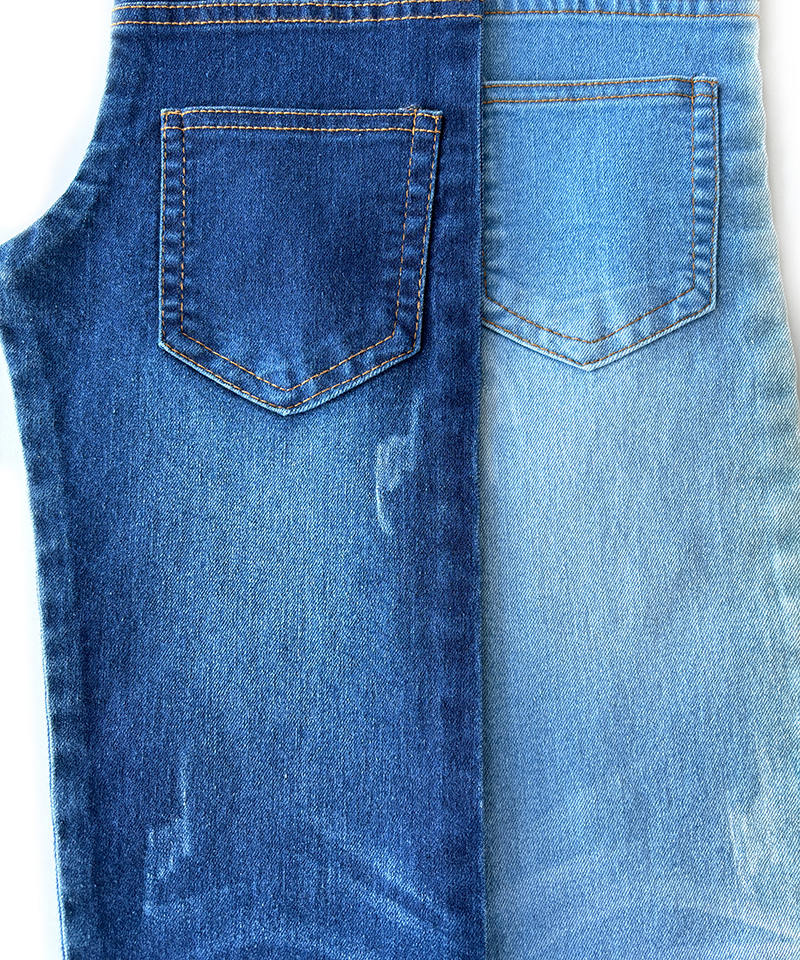
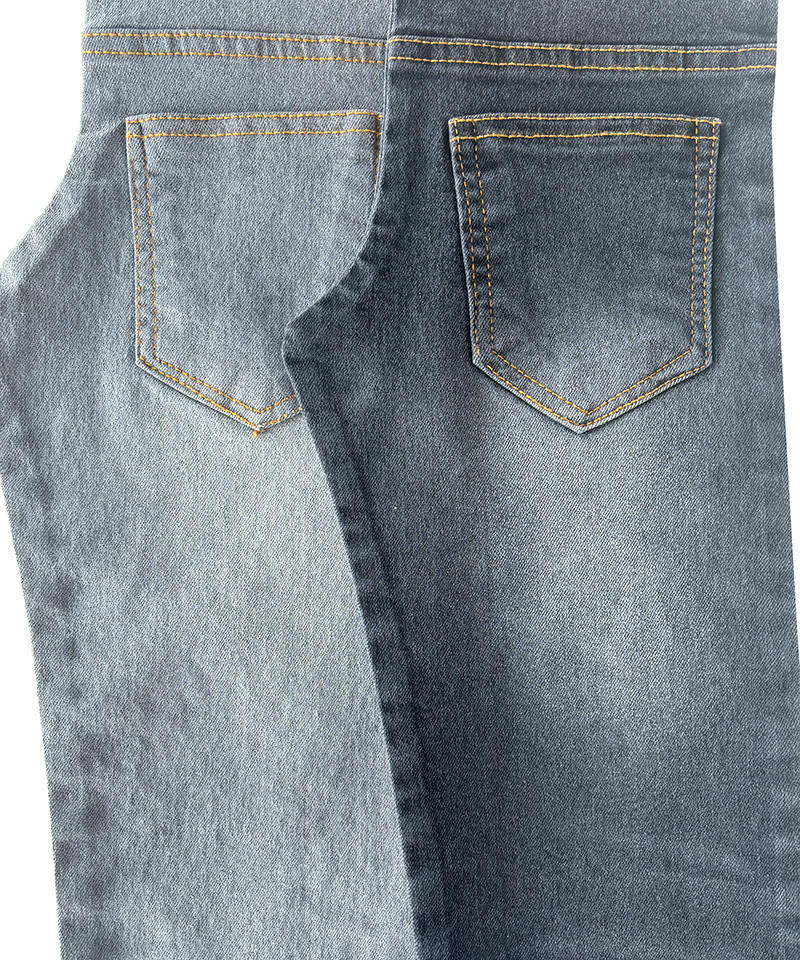
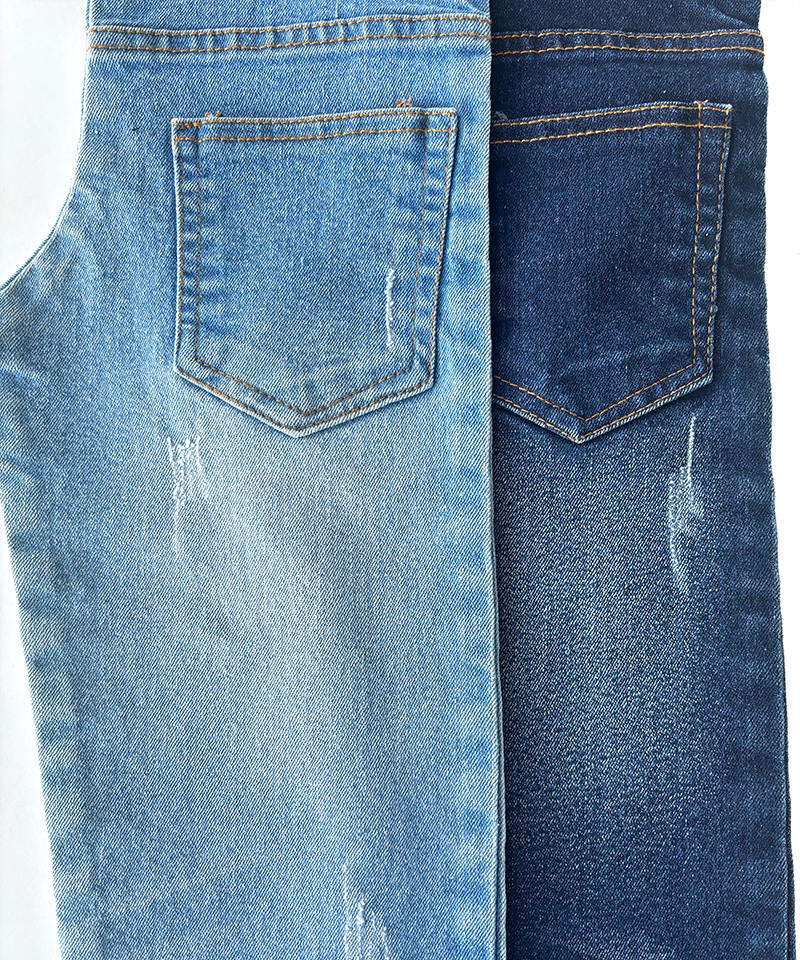
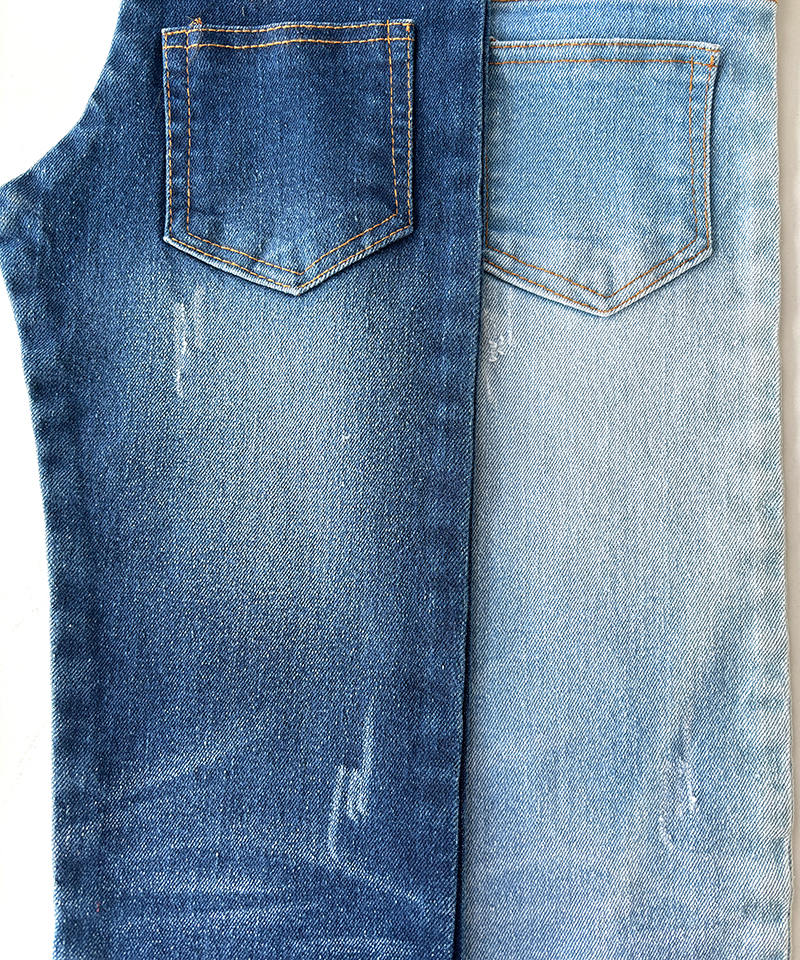
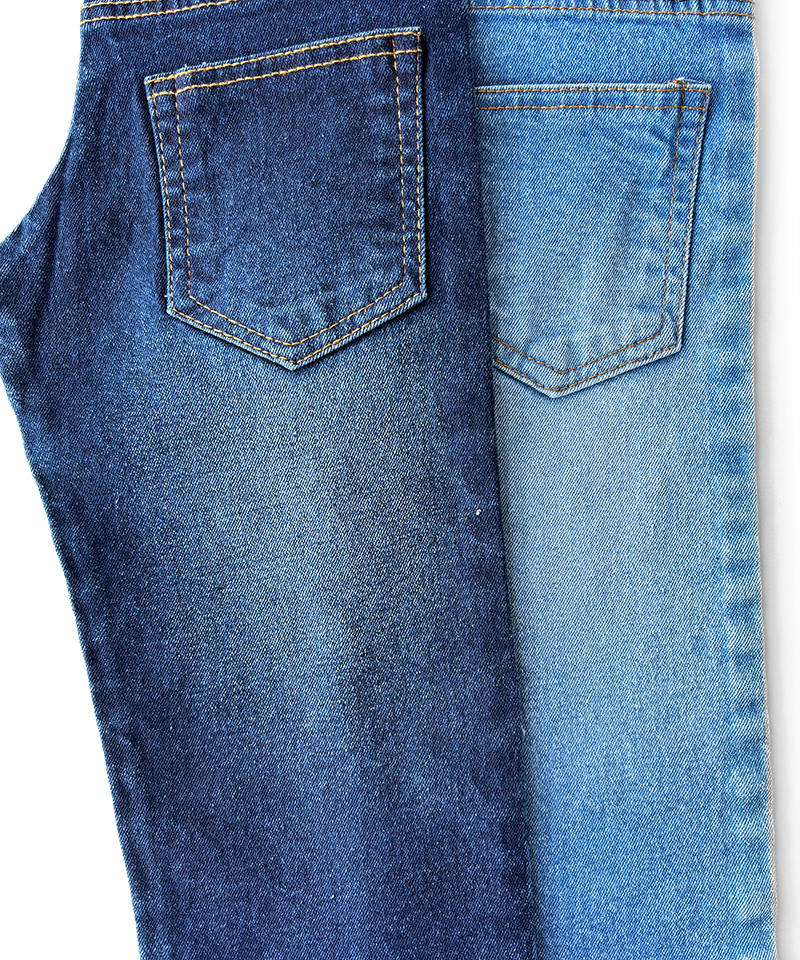
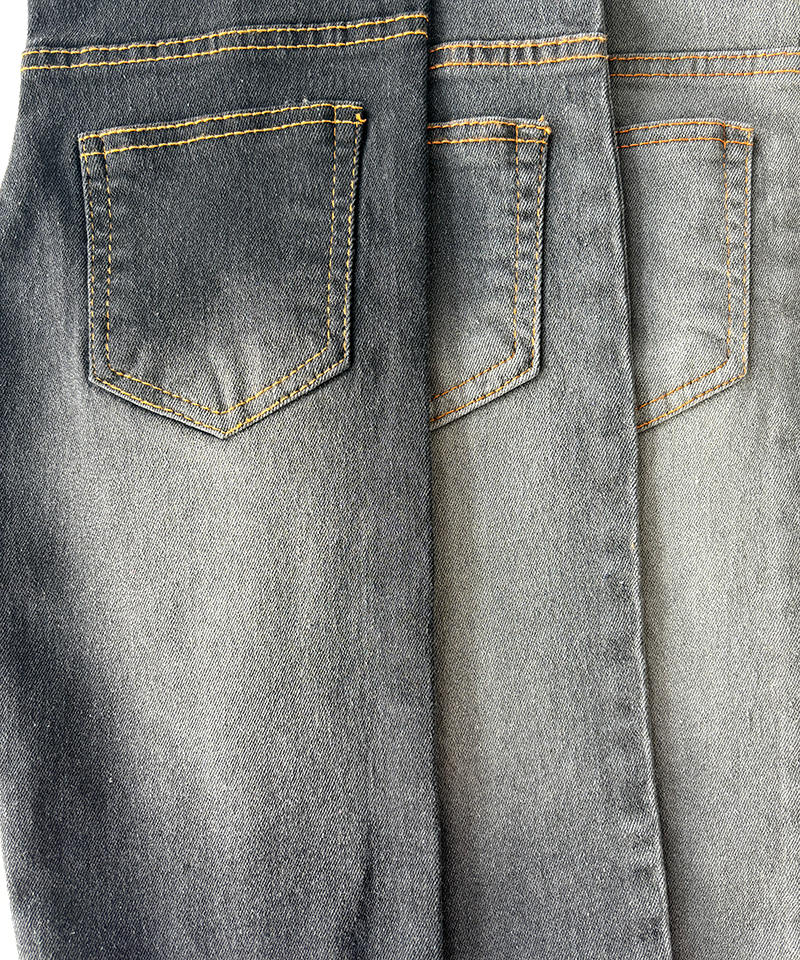
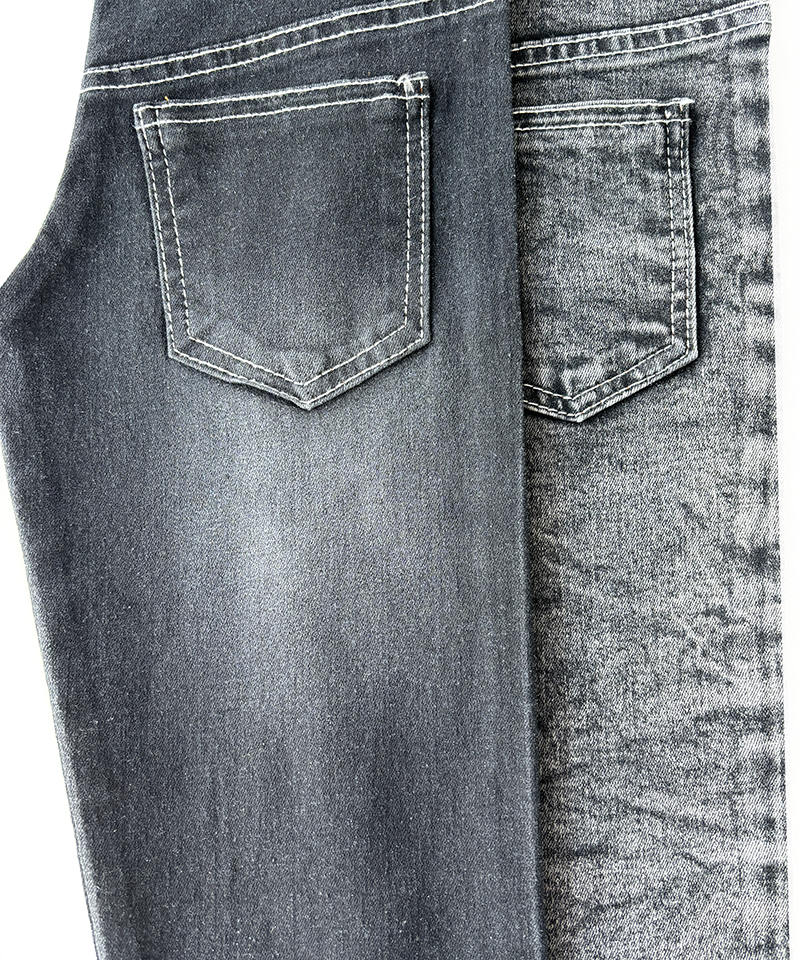
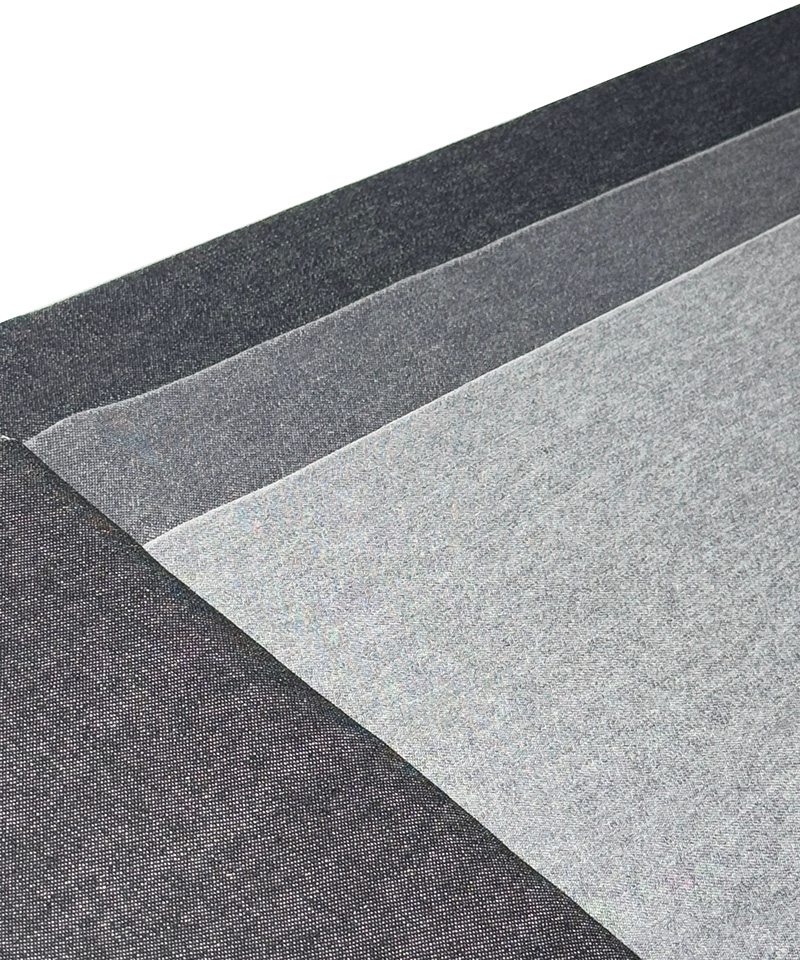
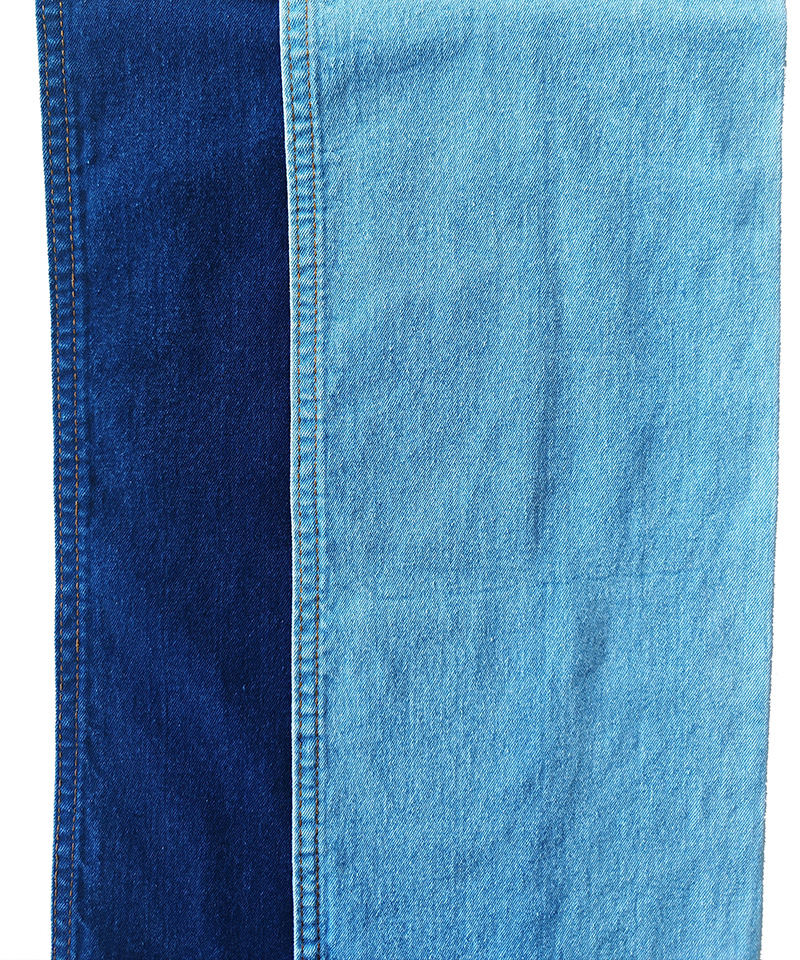
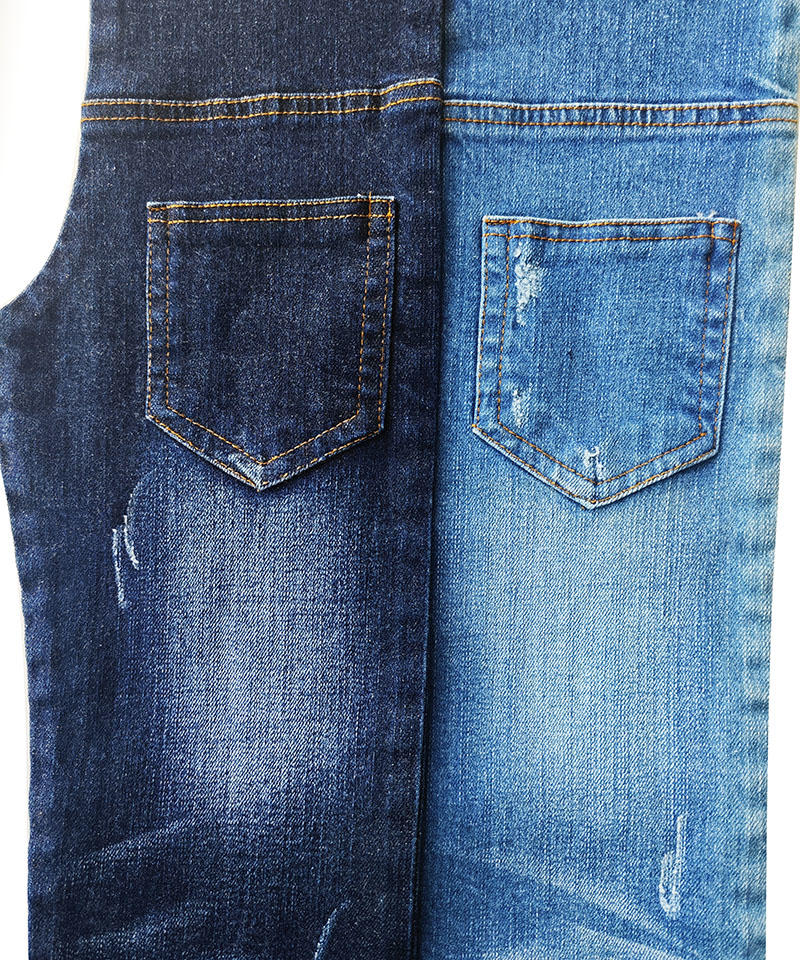
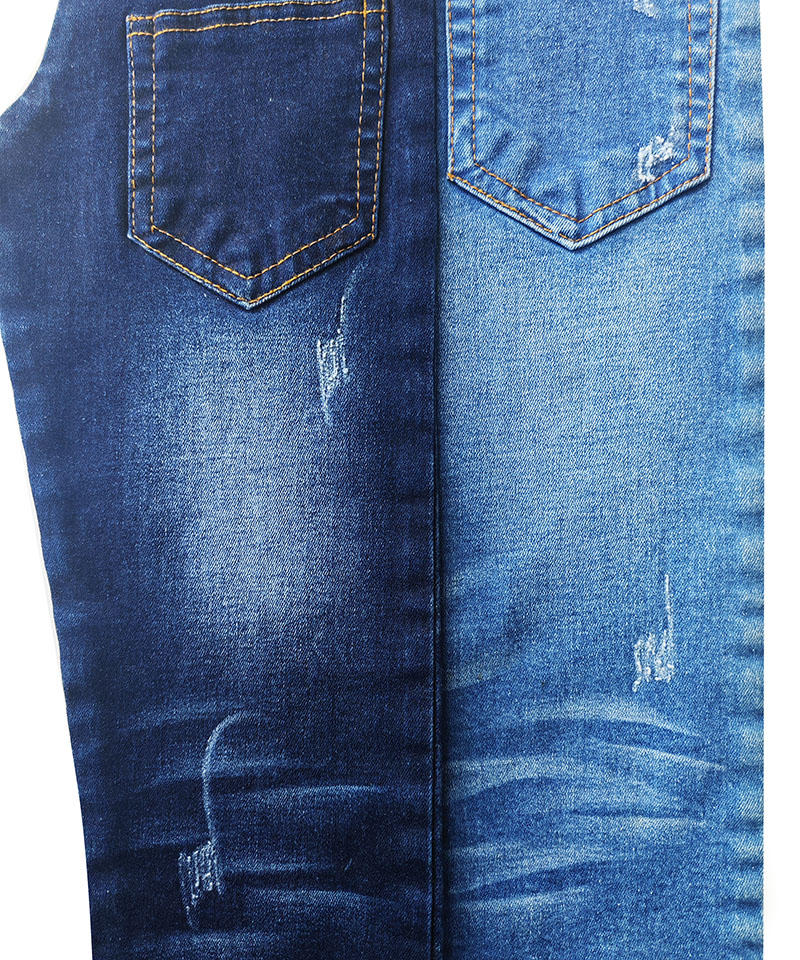
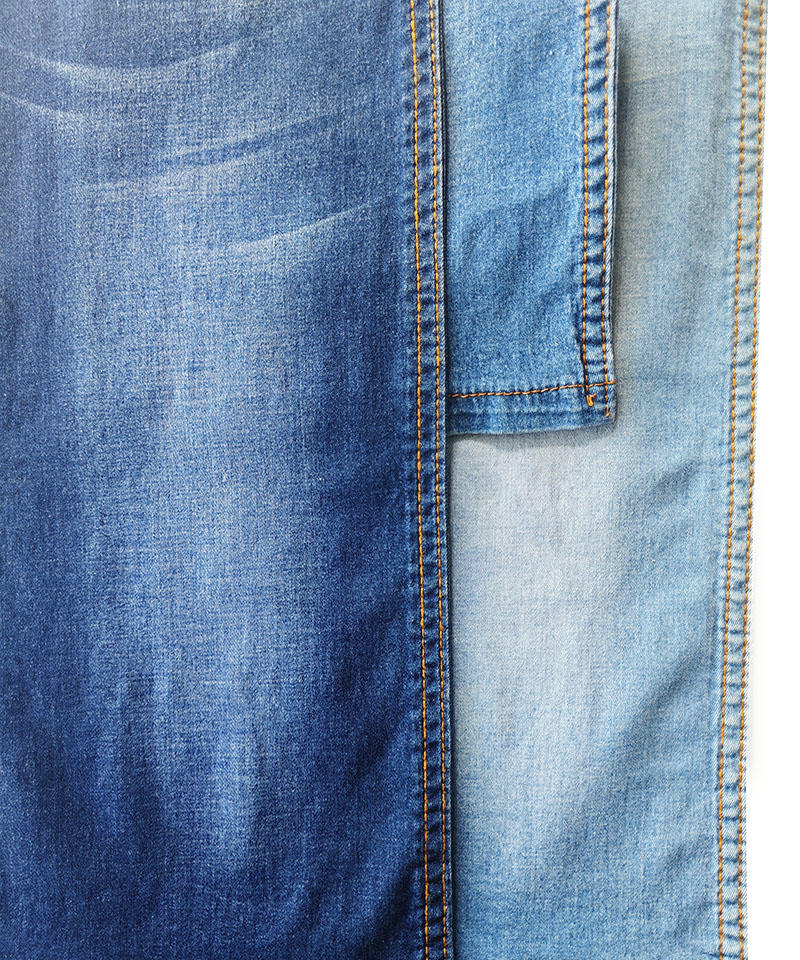
Lyocell special fiber denim fabric represents the most significant leap in sustainable denim production, flawlessly combining environmental responsibility with unparalleled wearing comfort. Unlike traditional cotton denim, which often demands massive water resources and compromises on softness, Lyocell denim utilizes a closed-loop manufacturing process that recovers almost all solvents. For designers, manufacturers, and consumers seeking an eco-conscious wardrobe without sacrificing the authentic look of denim, Lyocell provides a superior, practical solution. It directly addresses the pain points of traditional denim—such as stiffness, high water consumption, and thermal discomfort—making it the definitive choice for the future of everyday wear.
Understanding Lyocell Special Fiber
Lyocell is a semi-synthetic fiber derived from the cellulose of sustainably harvested wood pulp, typically sourced from eucalyptus, oak, or birch trees. The trees are grown on farms specifically managed for fiber production, meaning no ancient forests are cleared. What makes Lyocell a "special fiber" is its production methodology. The wood pulp is dissolved using a non-toxic organic solvent in a spinning process, and the resulting fibers are spun into yarns. The solvent recovery rate in this process is remarkably high, meaning almost all the chemicals are recycled and reused, preventing harmful waste from entering the environment. This stands in stark contrast to conventional viscose or rayon production, which is chemically intensive and highly polluting.
When this specialized fiber is woven into denim, it imparts unique physical properties that pure cotton simply cannot achieve. The natural origin of the cellulose gives Lyocell excellent breathability and moisture management, while the spinning process creates fibers with a smooth surface, resulting in a fabric that feels incredibly soft against the skin.
The Environmental Superiority of Lyocell Denim
The fashion industry is under immense pressure to reduce its ecological footprint, and denim is historically one of the most resource-intensive garments to produce. Lyocell special fiber denim fabric offers a tangible, constructive path forward.
Drastic Reduction in Water Consumption
Traditional cotton farming is notoriously thirsty. It requires vast amounts of irrigation and rainfall to grow the cotton required for a single pair of jeans. Furthermore, the dyeing and finishing processes of cotton denim consume enormous volumes of fresh water. Lyocell, by contrast, relies on eucalyptus trees that require minimal irrigation, thriving largely on natural rainfall. The overall water footprint of Lyocell is a fraction of conventional cotton's footprint, making it a critical material for water-scarce regions.
Closed-Loop Production System
The hallmark of Lyocell's sustainability is its closed-loop production cycle. The organic solvent used to dissolve the wood pulp is not discarded into waterways. Instead, it is filtered, purified, and fed back into the system. This circular approach minimizes toxic runoff and drastically lowers chemical oxygen demand in local water systems, protecting aquatic ecosystems and surrounding communities.
Land Use and Biodegradability
Eucalyptus grows rapidly and yields significantly more fiber per acre than cotton. This means less land is needed to produce the same amount of raw material, preserving biodiversity and preventing habitat destruction. Additionally, because Lyocell is derived from plant cellulose without harmful chemical alterations, the resulting denim fabric is fully biodegradable under the right conditions, ensuring that discarded garments do not linger in landfills for centuries.
Exceptional Comfort and Performance Benefits
While sustainability is the driving force behind Lyocell's adoption, its performance characteristics are what secure consumer loyalty. Lyocell special fiber denim fabric elevates the wearing experience from rigid discomfort to luxurious ease.
Unmatched Softness and Drape
Lyocell fibers have a naturally smooth, round cross-section, which translates into yarns and fabrics that feel exceptionally silky. Denim blended with Lyocell drapes beautifully, conforming to the body's natural curves rather than restricting them. The fabric exhibits a luxurious hand-feel that pure cotton denim requires harsh chemical washes to mimic, but Lyocell achieves this softness natively.
Superior Moisture Management
One of the most common complaints about traditional denim is that it feels hot, sticky, and suffocating in warm weather. Lyocell is highly hydrophilic, meaning it absorbs moisture efficiently and releases it quickly into the atmosphere. This rapid wicking action keeps the skin dry and regulates body temperature, making Lyocell denim an excellent choice for transitional seasons and humid climates.
Thermal Regulation
The breathability of Lyocell fiber works in both warm and cool conditions. In the heat, it allows air to circulate freely through the weave, preventing the buildup of trapped heat. In cooler weather, when blended with insulating fibers, it helps manage perspiration, ensuring the wearer remains warm without feeling clammy.
Durability and Practicality in Daily Wear
Sustainability and comfort are irrelevant if a garment cannot withstand the rigors of daily life. Fortunately, Lyocell special fiber denim fabric excels in structural integrity and long-term wearability.
High Tensile Strength
In its dry state, Lyocell is stronger than many other cellulosic fibers, including cotton and viscose. More importantly, it retains a significant portion of its strength when wet. This is a crucial advantage for denim, which undergoes frequent washing. The high wet tenacity of Lyocell prevents the fabric from degrading or thinning out quickly during laundering, ensuring the garment maintains its structural silhouette over years of use.
Dimensional Stability
Traditional cotton denim is notorious for stretching out and bagging at the knees and seat after a few wears, requiring constant washing to shrink it back into shape. Lyocell fibers are less prone to relaxation shrinkage. When woven into denim, they provide excellent dimensional stability, meaning the garment retains its intended fit throughout the day, reducing the need for excessive washing, which further extends the life of the fabric and saves water.
Fading and Abrasion Resistance
Denim enthusiasts often appreciate the fading characteristics of their jeans, but premature fading or localized abrasion can ruin a garment. Lyocell's smooth fibers resist pilling and abrasive wear far better than shorter-staple cotton fibers. When dyed with indigo, Lyocell denim can achieve rich, deep hues that fade gradually and evenly, developing a refined patina over time rather than wearing thin at stress points.
Comparing Lyocell to Traditional Denim Fibers
To fully appreciate the value of Lyocell special fiber denim fabric, it is helpful to contrast it directly with the traditional materials used in denim manufacturing. The table below illustrates how Lyocell compares to conventional cotton and standard elastane blends across key performance and environmental metrics.
Comparison of Lyocell, Conventional Cotton, and Elastane Blends in Denim Production
| Attribute |
Lyocell Denim |
Conventional Cotton Denim |
Cotton-Elastane Blend Denim |
| Water Consumption |
Very Low |
Very High |
Very High |
| Softness |
Naturally High |
Requires chemical washing |
Requires chemical washing |
| Moisture Wicking |
Excellent |
Poor |
Poor |
| Dimensional Stability |
High |
Prone to bagging |
Degrades over time |
| Biodegradability |
Fully biodegradable |
Biodegradable |
Partial (elastane persists) |
| Chemical Usage |
Closed-loop (recycled) |
High (pesticides/dyes) |
High (pesticides/dyes) |
Application Scenarios for Lyocell Denim
The versatility of Lyocell special fiber denim fabric allows it to be tailored for a wide variety of garments and seasons, moving far beyond the traditional heavy winter jean.
Summer and Lightweight Denim
Because Lyocell is so breathable and efficient at moisture management, it is the ideal candidate for lightweight denim. Summer jeans, skirts, and overshirts made from Lyocell blends feel cool and airy, completely eliminating the sweaty, heavy sensation typical of thick cotton denim in high temperatures.
Stretch Denim Without Elastane
While elastane (spandex) is commonly added to cotton denim to provide stretch, it breaks down over time, especially when exposed to heat, causing the garment to lose its shape. Lyocell's natural flexibility and excellent drape can provide a comfortable, body-conforming fit without the need for heavy elastane integration. This results in a longer-lasting garment that does not sag at the knees.
Professional and Tailored Denim
The elegant drape and refined texture of Lyocell denim make it suitable for more formal or tailored applications. Denim blazers, structured dresses, and tailored trousers benefit from the fabric's ability to hold a shape while moving fluidly with the wearer. The sophisticated appearance of Lyocell denim elevates the material from casual workwear to smart-casual office attire.
Care and Maintenance Guidelines
To maximize the lifespan of Lyocell special fiber denim fabric, proper care is essential. While Lyocell is highly durable, its smooth fibers can be susceptible to aggressive mechanical action when wet.
- Washing Temperature: Always wash Lyocell denim in cold or lukewarm water. High temperatures can weaken the cellulose fibers and cause unnecessary shrinkage or wrinkling.
- Washing Method: Hand washing is the gentlest option, but if using a machine, select a delicate or gentle cycle. Turn the garment inside out to protect the indigo dye and the fabric surface from friction.
- Detergent Choice: Use a mild, eco-friendly liquid detergent. Avoid bleach, fabric softeners, and harsh chemical spot treatments, as these can degrade the cellulose structure and cause yellowing.
- Drying Technique: Air drying is strongly recommended. Lay the garment flat on a drying rack or hang it on a sturdy wooden hanger to maintain its shape. Avoid tumble drying, as the intense heat and mechanical tumbling can cause deep creases, shrinkage, and fiber damage.
- Ironing: If ironing is necessary, use a medium-hot setting with steam. Iron the garment inside out to prevent creating a shiny glaze on the fabric surface.
The Manufacturing Process of Lyocell Denim
Understanding how Lyocell special fiber denim fabric is made further highlights its technical superiority and environmental benefits. The transformation from tree to fabric is a marvel of modern textile engineering.
Wood Pulp Preparation
The process begins with the harvesting of sustainably grown eucalyptus trees. The logs are chipped and fed into a digester, where they are treated with heat and chemicals to break them down into a wet, pulpy mixture. This pulp is washed, bleached using eco-friendly methods, and dried into large sheets, resembling thick cardboard.
Dissolving and Spinning
The dried pulp sheets are dissolved directly into the organic solvent, forming a thick, honey-like liquid called dope. This dope is filtered to remove any impurities and then pumped through spinnerets—devices resembling showerheads with thousands of microscopic holes. As the dope is forced through the spinnerets into a dilute water bath, the cellulose regenerates into solid, continuous filaments.
Weaving into Denim
These filaments are washed, dried, and treated with a finishing agent to prevent them from sticking together. They are then spun into yarns. To create denim, these Lyocell yarns are typically dyed with indigo (for the warp) and left undyed (for the weft). The yarns are woven on industrial looms using the traditional twill weave, which produces the characteristic diagonal ribbing of denim fabric. The resulting fabric is then sanforized to prevent shrinkage and finished to enhance its softness and drape.
Common Blends and Fabric Engineering
Pure Lyocell denim is highly prized for its softness, but it is frequently blended with other fibers to achieve specific performance metrics. Fabric engineering allows manufacturers to balance the unique properties of different materials.
- Lyocell and Organic Cotton Blend: This is the most common and practical blend. Organic cotton adds the familiar rugged texture and structural rigidity associated with traditional denim, while Lyocell imparts softness, sheen, and moisture management. A typical blend might use Lyocell in the weft for comfort against the skin and cotton in the warp for authentic indigo fading.
- Lyocell and Recycled Polyester Blend: Adding recycled polyester increases the tensile strength and abrasion resistance of the denim. This blend is particularly useful for heavy-duty garments or workwear that requires extreme durability, while still maintaining a lighter environmental footprint.
- Lyocell and Elastane Blend: While Lyocell provides natural drape, a tiny percentage of elastane can be added for active-wear denim or skinny fits that require significant recovery stretch. The Lyocell mitigates the heat retention issues typical of tight polyester-elastane blends, keeping the garment breathable.
- Lyocell and Hemp Blend: Hemp is an incredibly sustainable, low-water crop that yields a strong, durable fiber. Blending Lyocell with hemp creates an ultra-eco-friendly denim that is highly breathable, antimicrobial, and robust, perfect for warm-weather utility wear.
Overcoming Industry Challenges
Despite its clear advantages, the widespread adoption of Lyocell special fiber denim fabric faces certain hurdles that the textile industry is actively working to overcome.
Cost of Production
The primary barrier to Lyocell is cost. The specialized closed-loop technology required to produce the fiber is expensive to build and maintain. Consequently, Lyocell denim carries a higher price tag than mass-market cotton denim. However, as demand increases and production scales expand, the cost differential is gradually decreasing. Furthermore, the higher upfront cost is often offset by the garment's extended lifespan and reduced maintenance requirements.
Fibrillation Tendency
Lyocell fibers have a tendency to fibrillate under wet, abrasive conditions. Fibrillation occurs when the micro-fibrils on the fiber surface peel away, creating a fuzzy, frosty appearance on the fabric. While this can be desirable for a vintage, faded look, it is undesirable for clean, sharp denim. Modern finishing techniques, such as cross-linking treatments, are now applied during manufacturing to prevent fibrillation, ensuring the fabric maintains a smooth, crisp finish over time.
Supply Chain Transparency
As Lyocell becomes more popular, ensuring the integrity of the supply chain is critical. Brands must verify that their suppliers are genuinely utilizing closed-loop processes and sourcing wood from certified sustainably managed forests, rather than engaging in greenwashing. Independent certifications and rigorous auditing are necessary to maintain consumer trust in the environmental claims of Lyocell denim.


 English
 Español