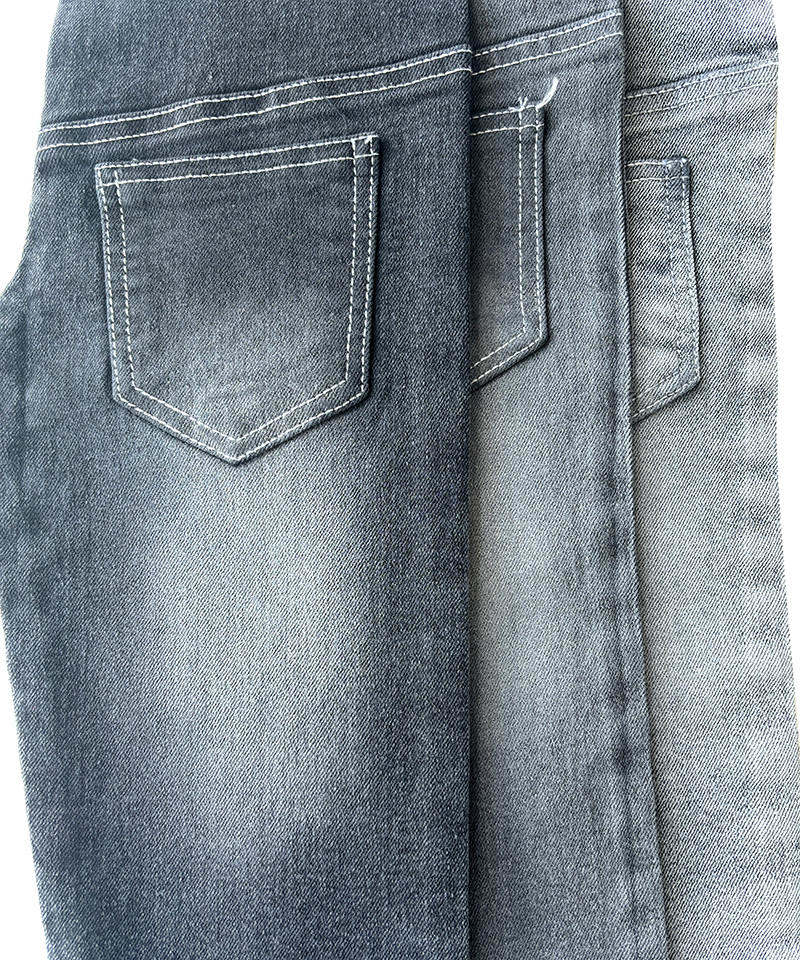
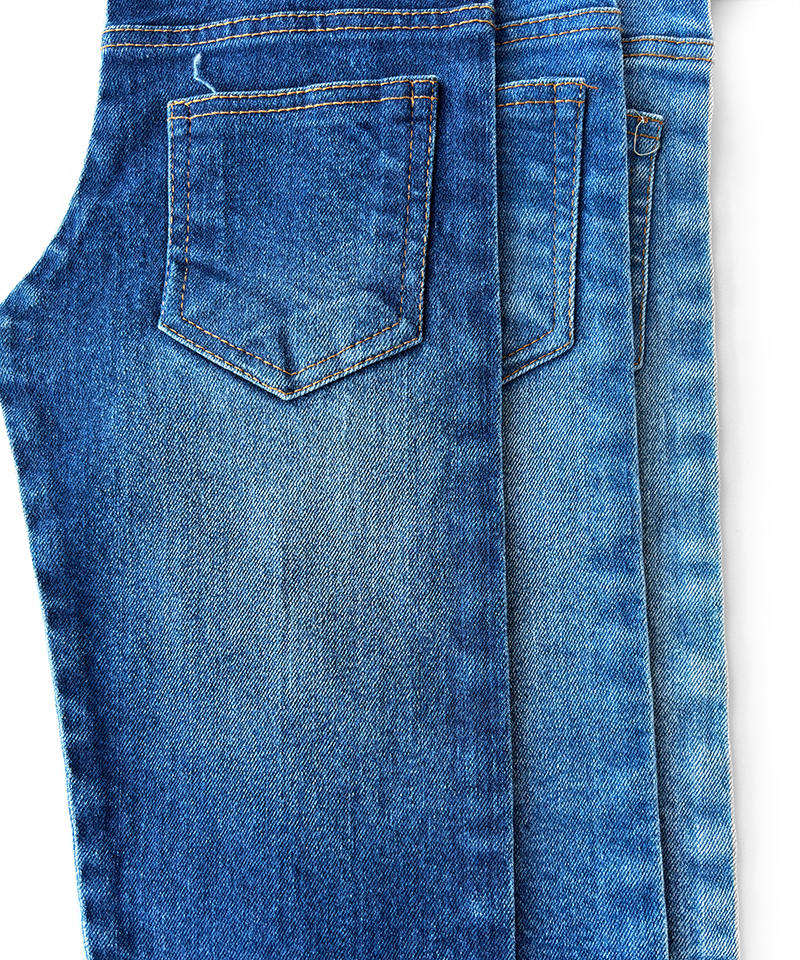
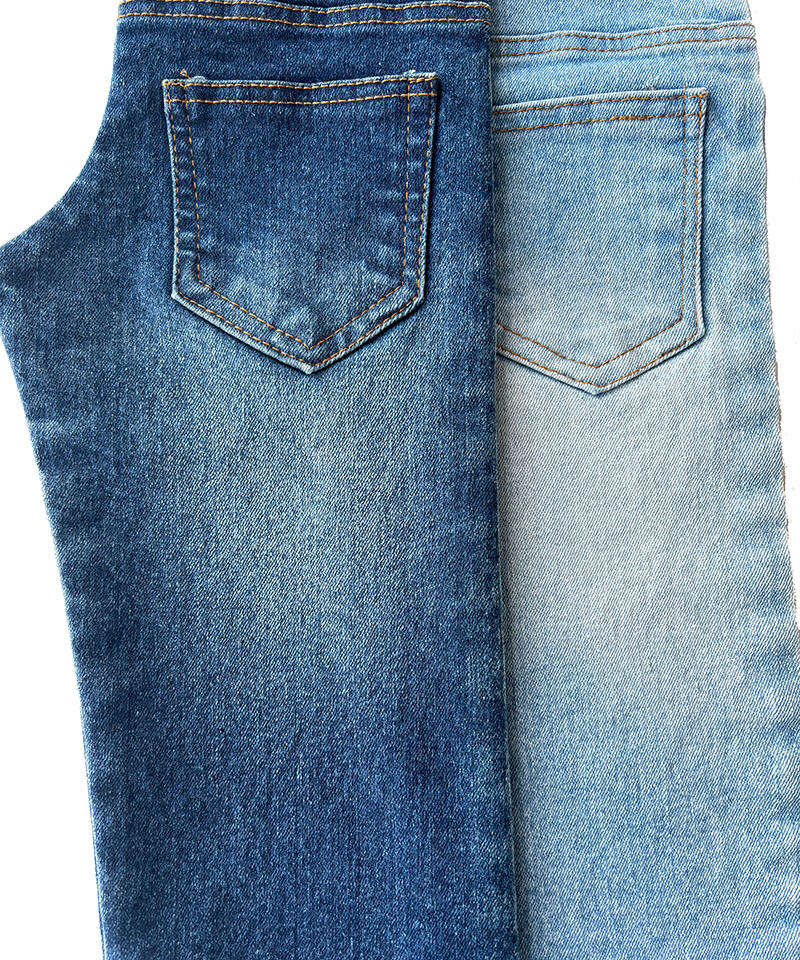
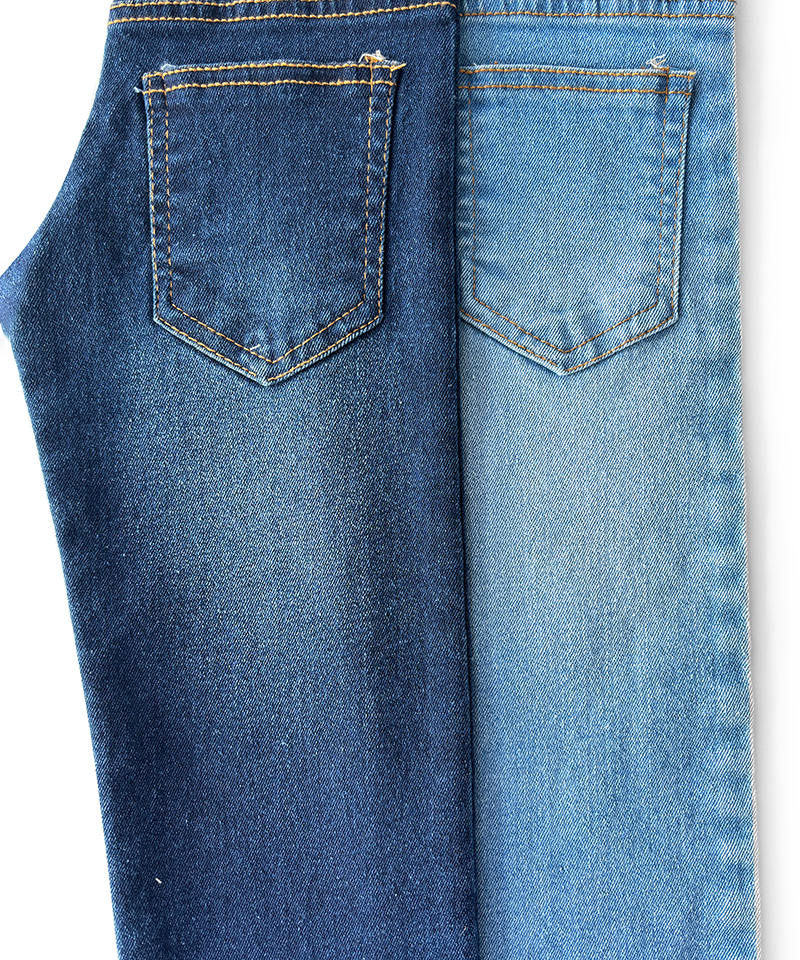
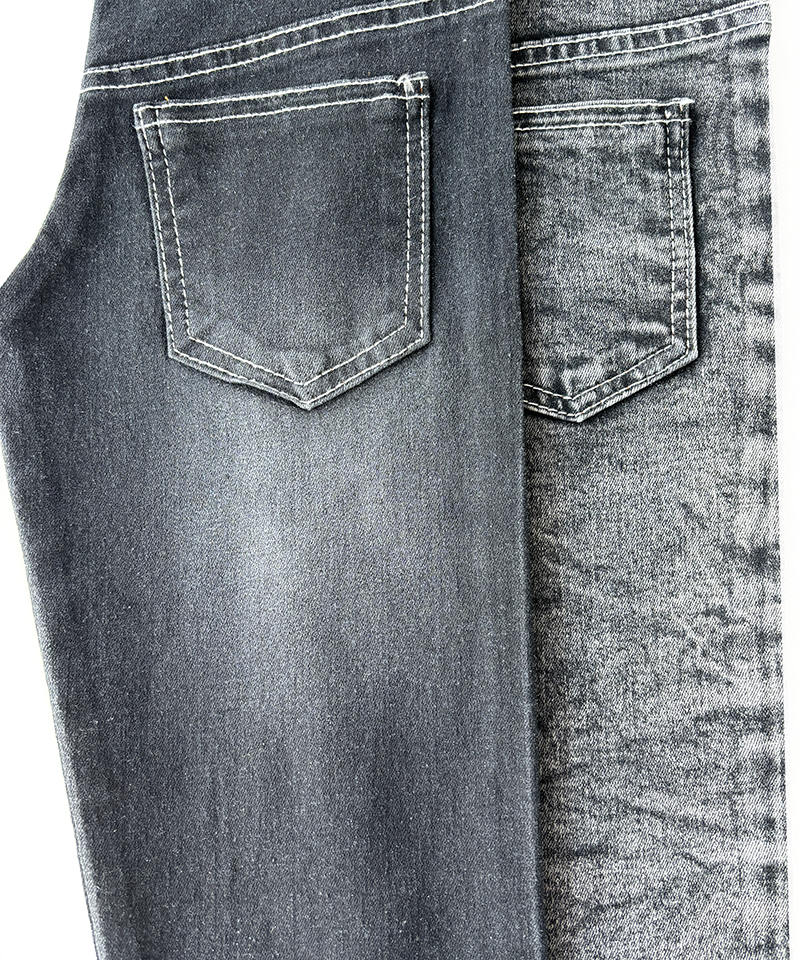
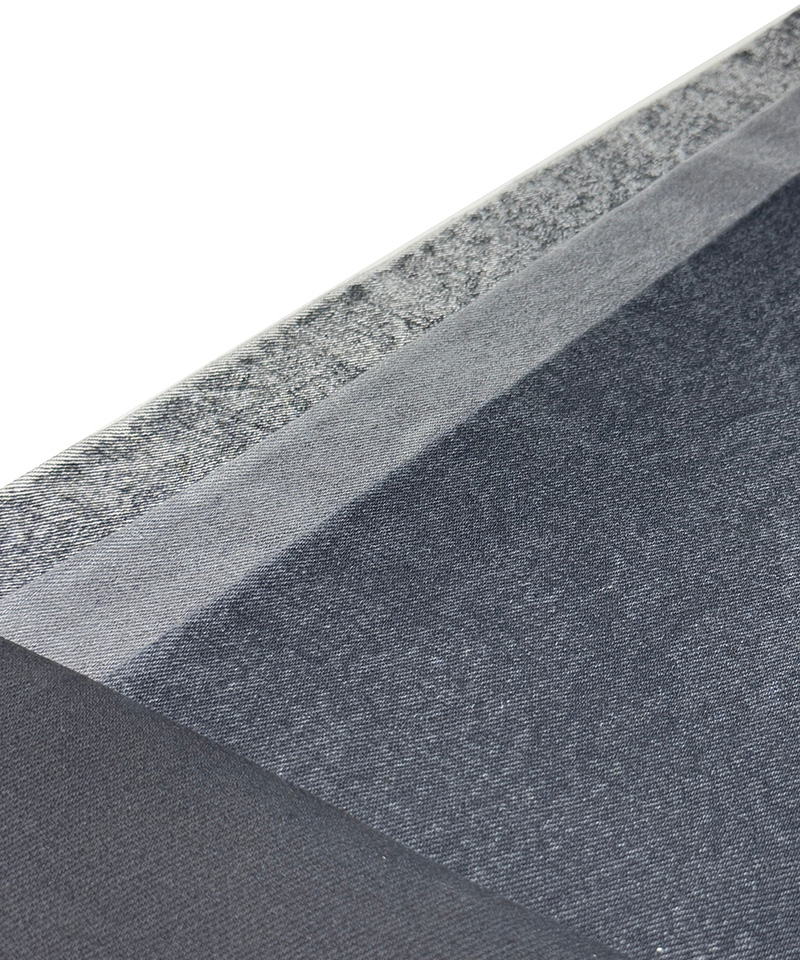
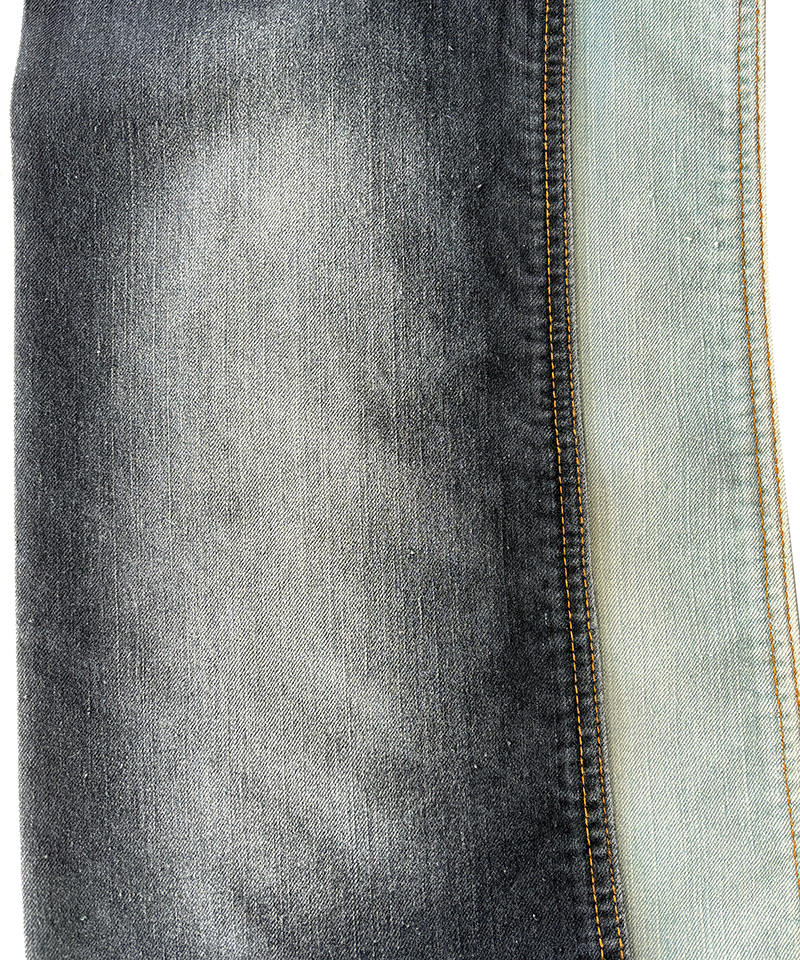
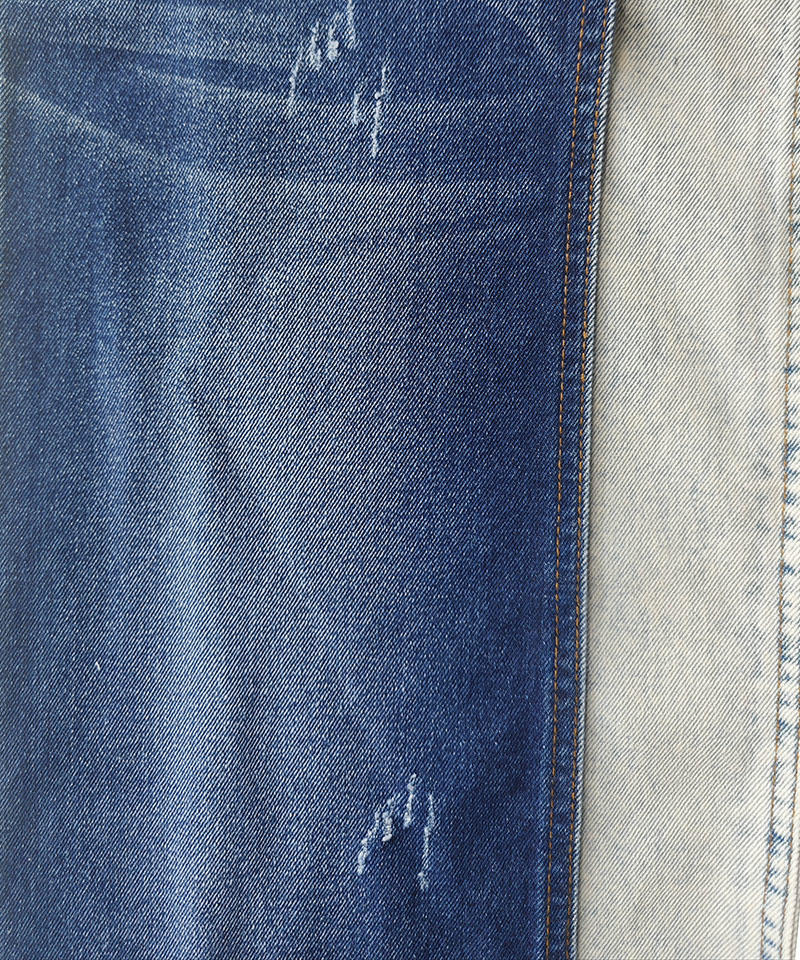
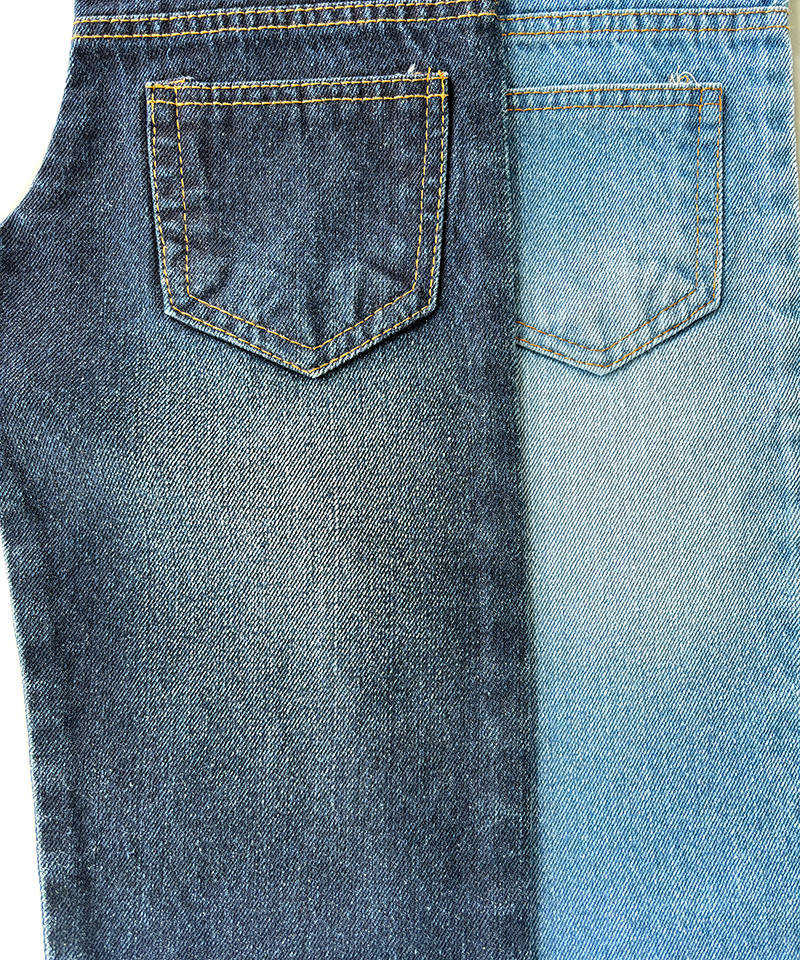
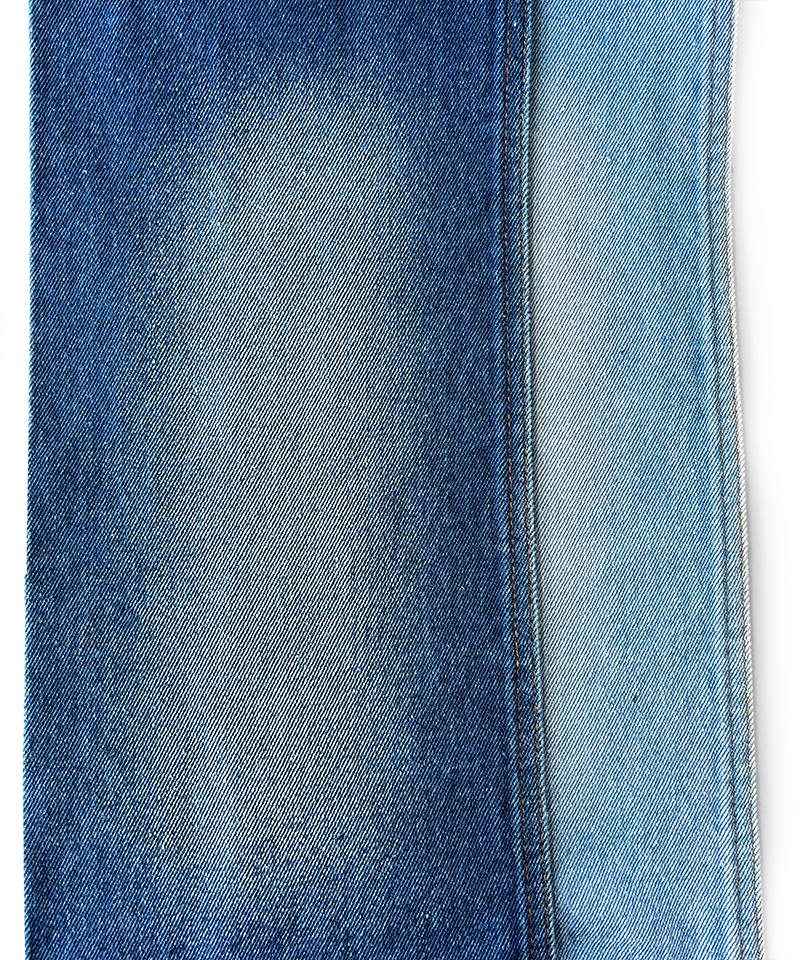
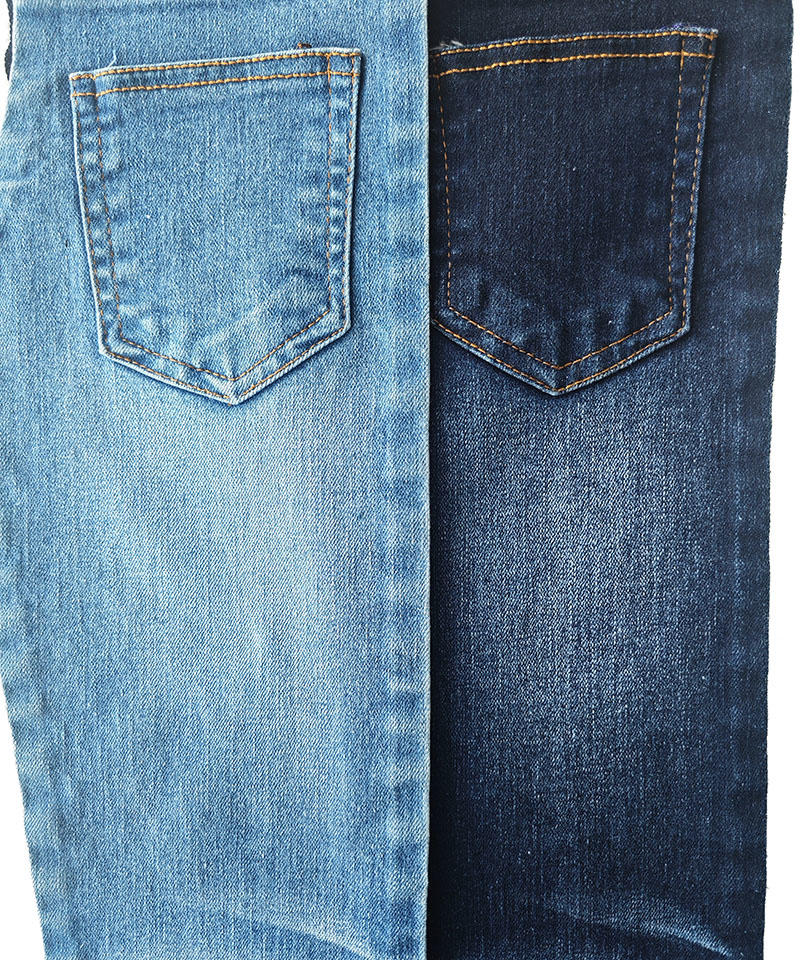
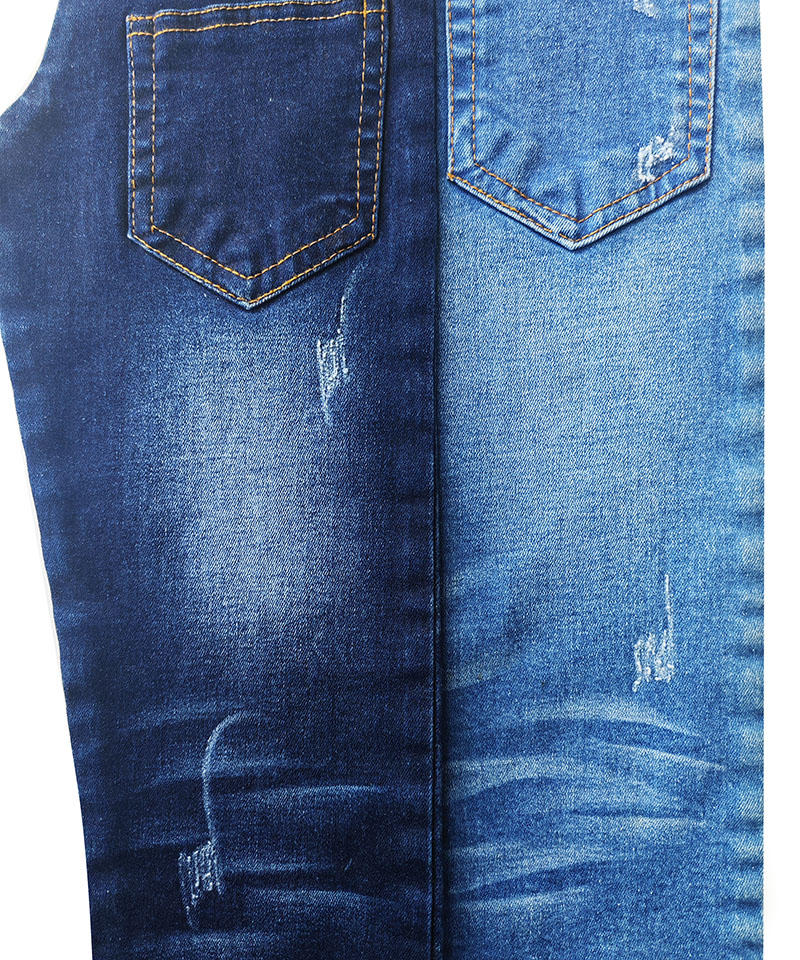
The Standard for Modern Comfort
To address the primary inquiry directly: Cotton Elastane Denim Fabric is the superior choice for contemporary apparel, perfectly balancing the rugged durability of traditional cotton with the essential flexibility required for modern mobility. This fabric blend eliminates the stiffness of classic denim while retaining its iconic aesthetic and structural integrity. By integrating a small percentage of elastane fibers—typically ranging from one to three percent—manufacturers have engineered a textile that offers superior comfort, shape retention, and freedom of movement without compromising the classic "jeans" look. For any application where prolonged wear and dynamic movement are expected, this fabric is the definitive solution.
Deconstructing the Blend: Material Properties
Understanding the popularity of this fabric requires a deep dive into its composition. It is not merely a mixture but a structural synergy. The base of the fabric remains high-quality cotton, which provides the breathability, absorbency, and texture that denim is famous for. Without cotton, the fabric would lose its ability to age distinctively and absorb moisture.
The Role of Elastane
Elastane, often referred to as spandex, is a synthetic fiber known for its exceptional elasticity. Unlike rubber, it is stronger, lighter, and more durable. In denim, elastane fibers are wrapped in cotton before being woven. This core-spun yarn technique ensures that the stretch fiber is protected from abrasion while imparting its elastic properties to the weave.
The Synergy of Fibers
The interaction between these two fibers creates a fabric that behaves dynamically. When tension is applied, the elastane fibers stretch, allowing the cotton to move without deforming permanently. When the tension is released, the elastane contracts, pulling the cotton fibers back to their original position. This mechanism is what prevents "bagging out" after a few hours of wear, a common issue with lower-quality stretch fabrics that rely solely on mechanical stretch rather than elastic fiber recovery.
Performance Metrics: Stretch and Recovery
When evaluating Cotton Elastane Denim, two technical parameters stand out: stretch percentage and recovery rate. These metrics determine how the garment fits and feels over time.
Understanding Stretch Percentage
Stretch percentage refers to how much the fabric can expand beyond its original dimensions. A standard rigid denim has zero mechanical stretch. Cotton-elastane blends typically offer a stretch range of 20% to 50%.
- Low Stretch (1-2% Elastane): Provides subtle comfort and ease of movement. It feels like traditional denim but less restrictive.
- High Stretch (3%+ Elastane): Offers significant flexibility, often referred to as "power stretch." This is ideal for skinny jeans or activewear styles where maximum range of motion is needed.
The Criticality of Recovery
While stretch is important, recovery is the true indicator of quality. Recovery measures the fabric's ability to return to its pre-stretched state. High-quality Cotton Elastane Denim exhibits excellent recovery, meaning the knees and seat areas will not sag or become baggy after sitting for extended periods. This resilience ensures that the garment maintains its silhouette from the morning commute to the evening hours, providing a consistently polished appearance.
Comparative Analysis: Rigid vs. Stretch Denim
To fully appreciate the utility of Cotton Elastane Denim, it is helpful to compare it directly against its rigid counterpart. The following table illustrates the key differences in performance and utility.
| Feature |
100% Cotton Rigid Denim |
Cotton Elastane Denim |
| Comfort & Mobility |
Low; requires a break-in period |
High; comfortable immediately |
| Shape Retention |
Rigid; maintains shape but can crease |
Adaptive; molds to body and recovers |
| Durability |
Extremely high; resistant to tearing |
High; elastane may degrade with excessive heat |
| Best Use Case |
Vintage workwear, heavy-duty jackets |
Daily wear, skinny jeans, fitted apparel |
Table 1: Performance comparison between rigid and elastane blends.
Weaving Techniques and Structural Integrity
The performance of Cotton Elastane Denim is not solely dependent on the fiber content but also on the weaving construction. The weave dictates how the fabric behaves under stress and influences the overall aesthetic of the final garment.
The Twill Weave Foundation
Denim is traditionally woven using a twill construction, specifically a 3x1 or 2x1 warp-faced weave. This means the weft (horizontal) thread passes under two or three warp (vertical) threads. This diagonal rib structure is what gives denim its signature texture and strength. In Cotton Elastane Denim, the elastane is typically introduced in the weft direction only. This creates "bi-stretch" or "mechanical stretch," allowing the fabric to stretch across the width (hip to hip) while maintaining stability vertically. This ensures the pants do not stretch out in length, preventing them from becoming too short at the ankle.
Impact on Texture and Hand Feel
The inclusion of elastane can slightly alter the hand feel of the fabric. While rigid denim is initially coarse and stiff, Cotton Elastane Denim often feels softer and smoother from the first touch. The weaving tension is often adjusted to accommodate the elasticity of the spandex, resulting in a fabric that drapes more naturally over the body contours, reducing friction and improving the overall wearing experience.
Practical Applications in Apparel Design
Designers favor Cotton Elastane Denim for its versatility. It bridges the gap between casual comfort and tailored fit, allowing for silhouettes that were previously impossible with rigid denim.
Fitted Silhouettes
The most significant impact of this fabric is seen in fitted styles. Skinny jeans, jeggings, and slim-fit chinos rely heavily on the recovery properties of elastane. Without it, these styles would be uncomfortable to put on and would not maintain their shape. The fabric acts as a second skin, offering gentle compression that smooths the silhouette without restricting blood flow or movement.
Performance and Athleisure
As the line between workwear and activewear blurs, Cotton Elastane Denim has become a staple in the "athleisure" category. High-performance versions of this fabric feature moisture-wicking treatments and higher elastane content (up to 4% or 5%), making them suitable for light athletic activities like cycling or hiking, while still looking appropriate for casual social settings.
Design Considerations
When working with this fabric, designers must account for "stretchback." Since the fabric wants to return to its original state, patterns are often adjusted with negative ease (cut slightly smaller than the body measurements) to ensure the garment hugs the wearer correctly. This precision in pattern making is what distinguishes high-quality stretch denim garments from those that fit poorly.
Optimal Care and Maintenance Protocols
To ensure the longevity of Cotton Elastane Denim, specific care protocols must be followed. The elastane fibers are sensitive to high temperatures and harsh chemicals, which can degrade their elasticity over time.
Washing Guidelines
The single most damaging factor for elastane is heat. Therefore, washing should always be done in cold water. Hot water can break down the polymer chains in the elastane, causing the fabric to lose its stretch and become limp. Additionally, turning the garment inside out before washing protects the face of the fabric from friction and fading.
Drying and Ironing
Air drying is the gold standard for Cotton Elastane Denim. Tumble drying is strongly discouraged as the intense heat can cause the elastane to shrink and harden, leading to a stiff, uncomfortable feel. If ironing is necessary, it should be done at a low temperature and ideally inside out to prevent shiny marks on the fabric surface.
Storage Solutions
Proper storage also plays a role in maintaining the fabric's integrity. Hanging heavy denim garments for extended periods can cause them to stretch out under their own weight, fighting against the elastane's recovery. Folding the garments and storing them flat helps the fibers relax and return to their neutral state, preserving the fit for the next wear.
Environmental Considerations and Future Innovations
As the textile industry moves towards sustainability, Cotton Elastane Denim is also evolving. Traditional elastane is a petroleum-based product, which poses end-of-life recycling challenges. However, innovations are underway to create more sustainable versions of this essential fabric.
Sustainable Cotton Blends
Many manufacturers are now pairing elastane with organic cotton or recycled cotton. This reduces the environmental footprint associated with conventional cotton farming (pesticides and water usage) while maintaining the performance benefits consumers demand. Using recycled cotton also helps divert textile waste from landfills.
Next-Generation Elastane
Research is currently focused on developing bio-based or degradable elastane alternatives. Future iterations of Cotton Elastane Denim may utilize plant-based synthetic fibers that offer the same stretch and recovery but are biodegradable or easier to separate from the cotton during the recycling process. This innovation is crucial for creating a circular economy for denim, ensuring that the comfort we enjoy today does not come at the expense of future generations.


 English
 Español