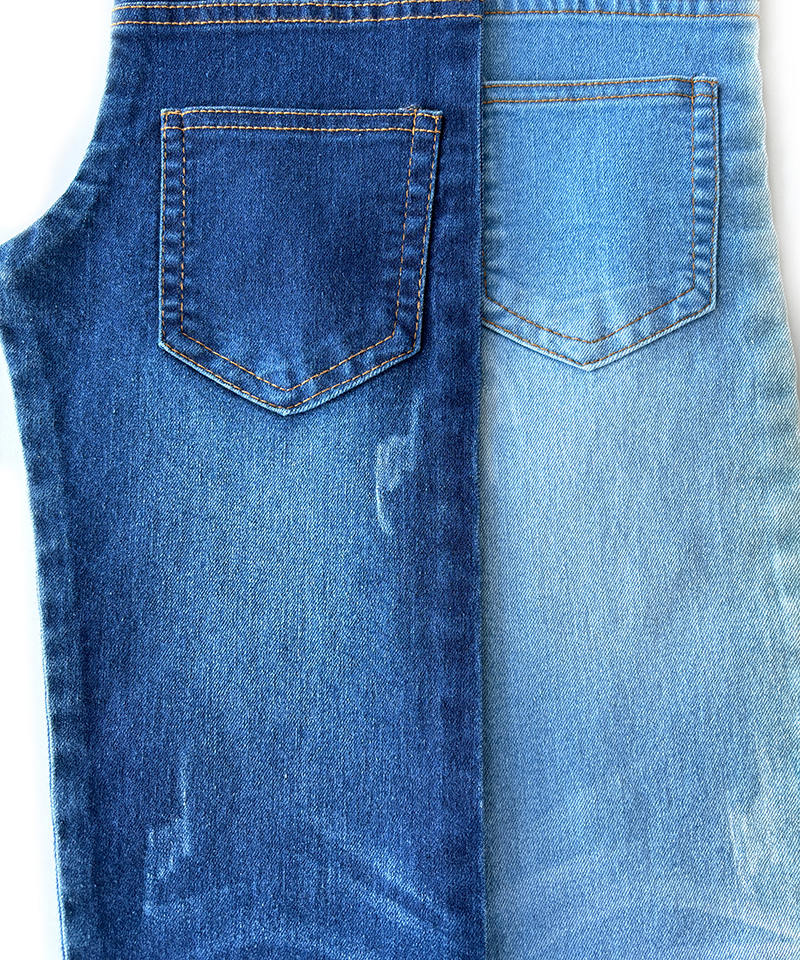
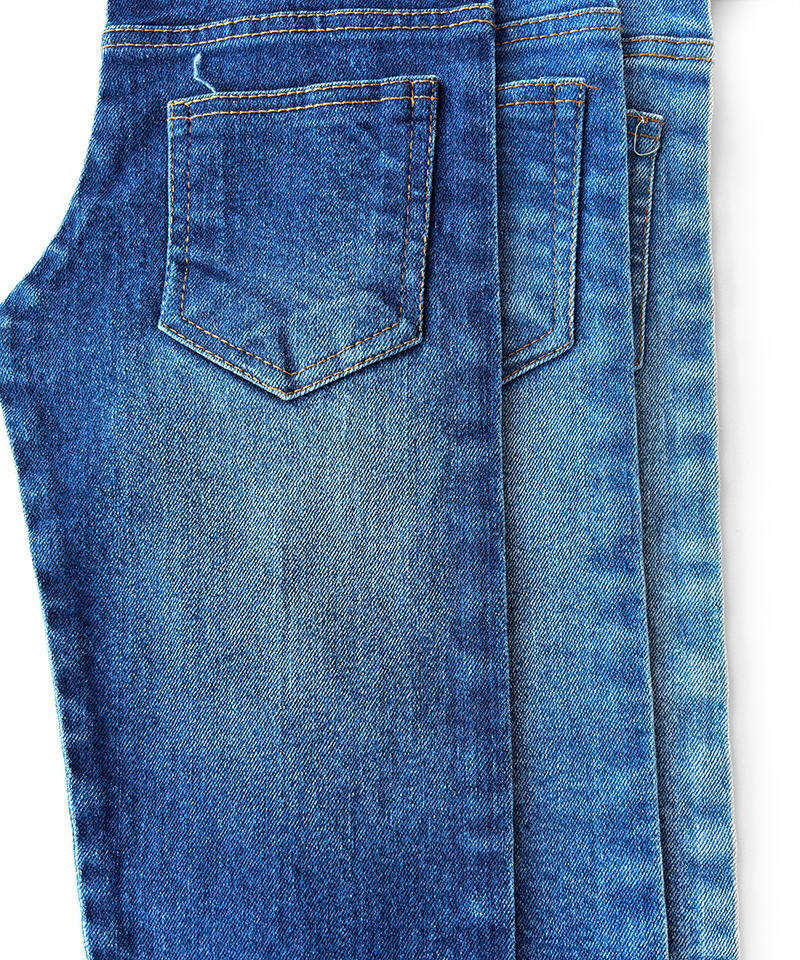
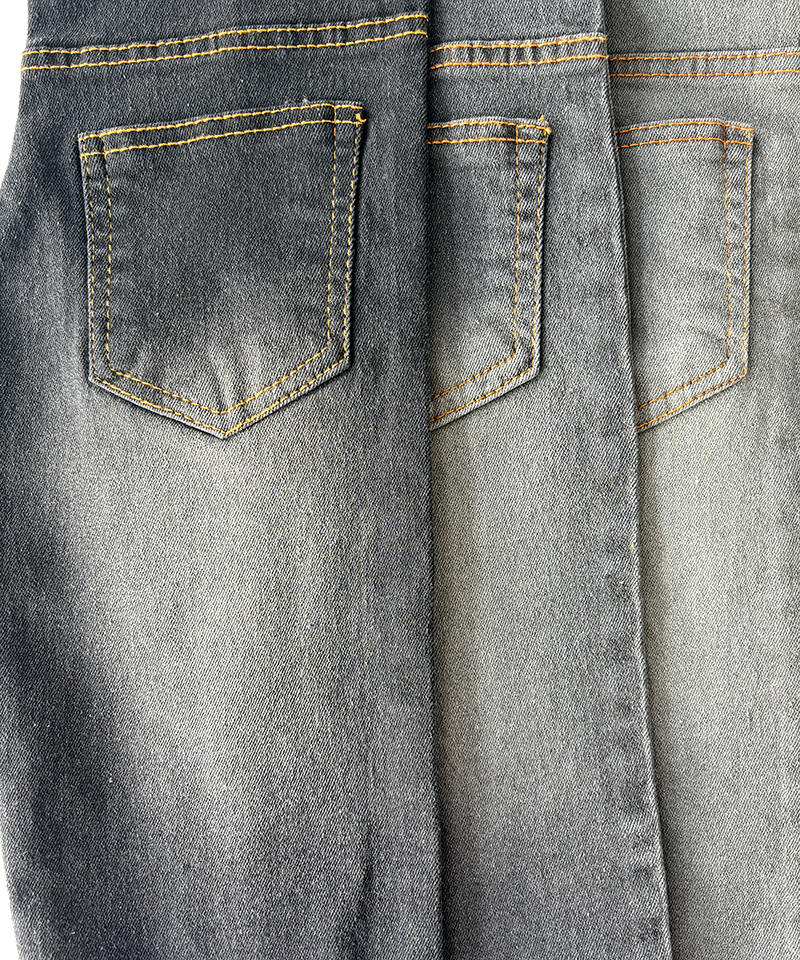
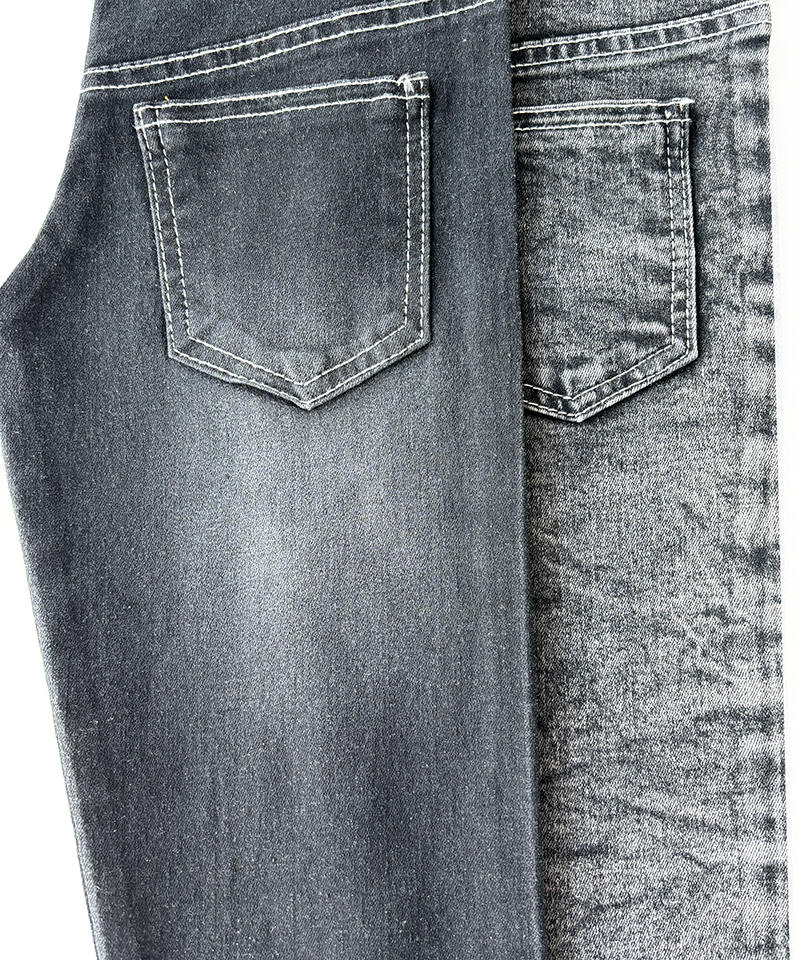
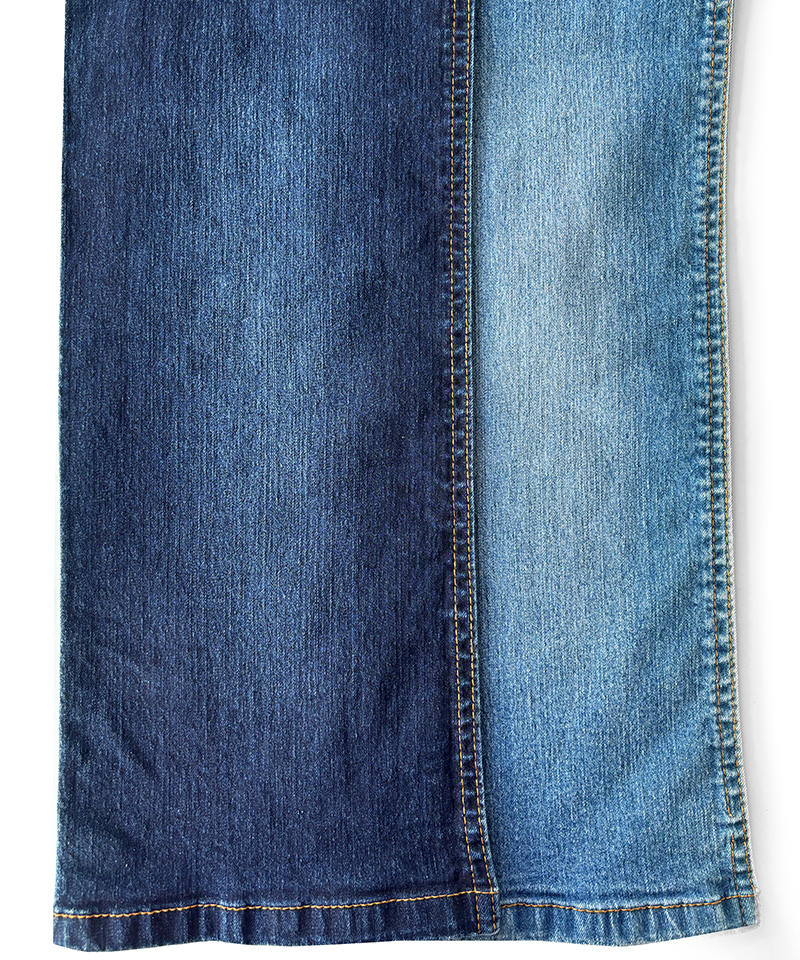
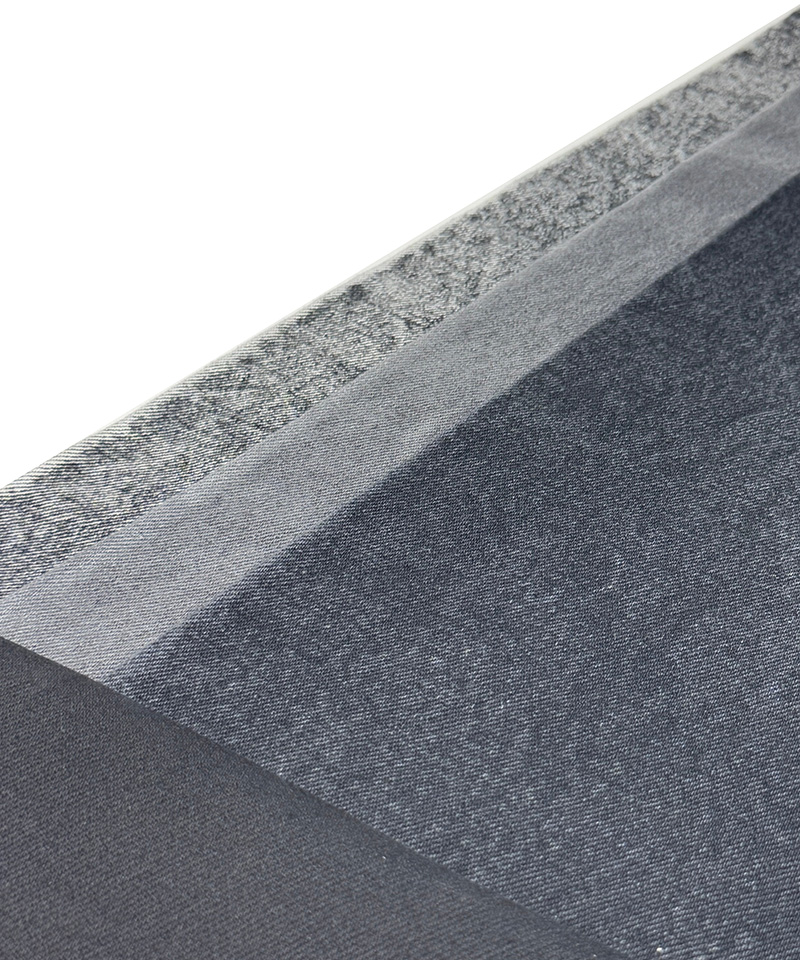
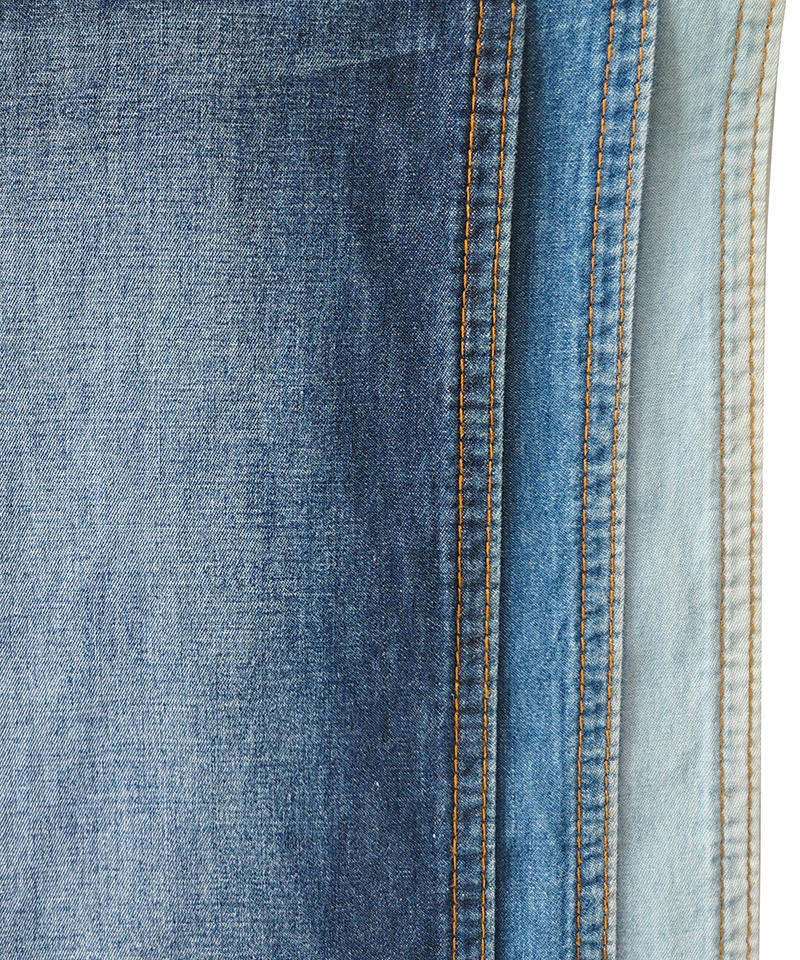
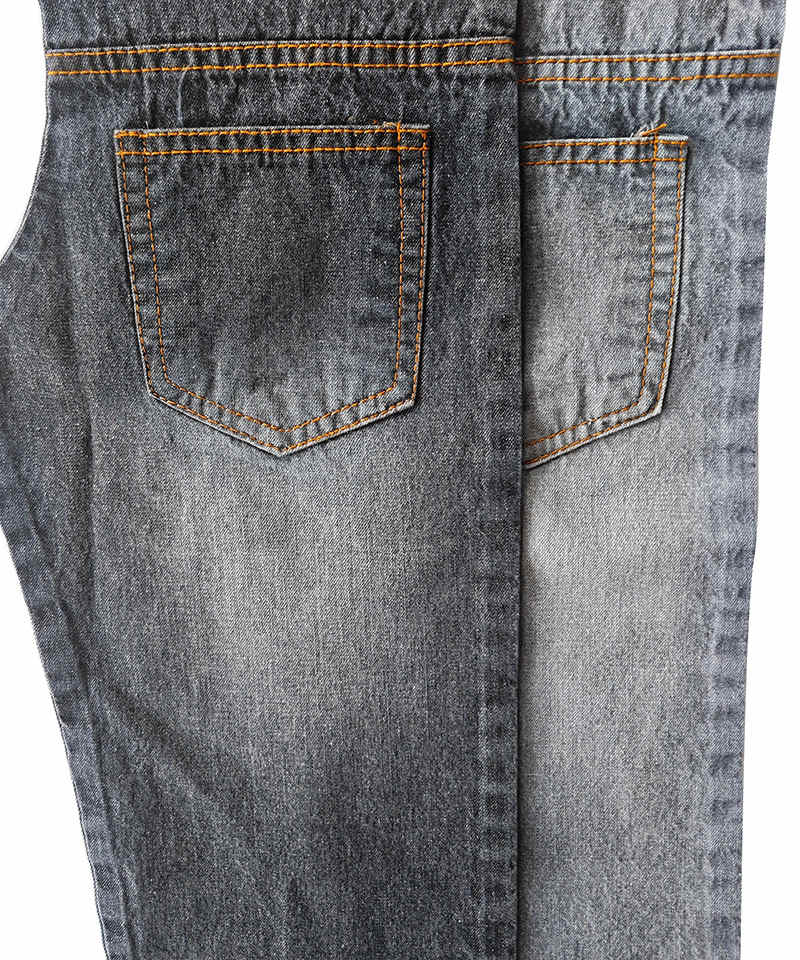
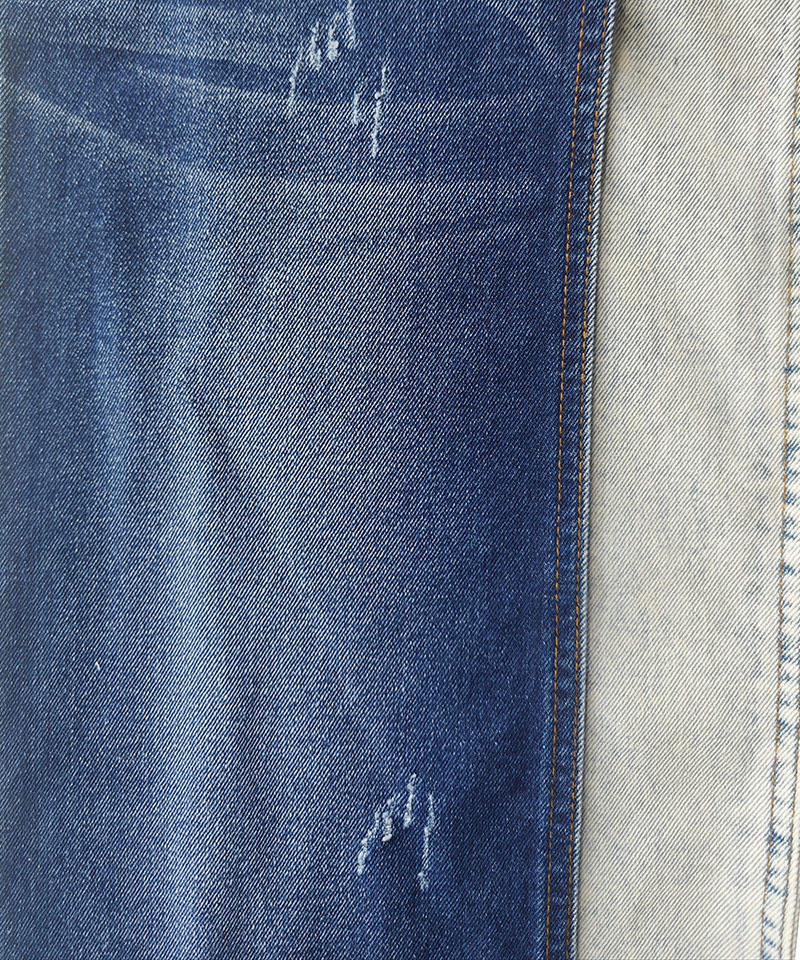
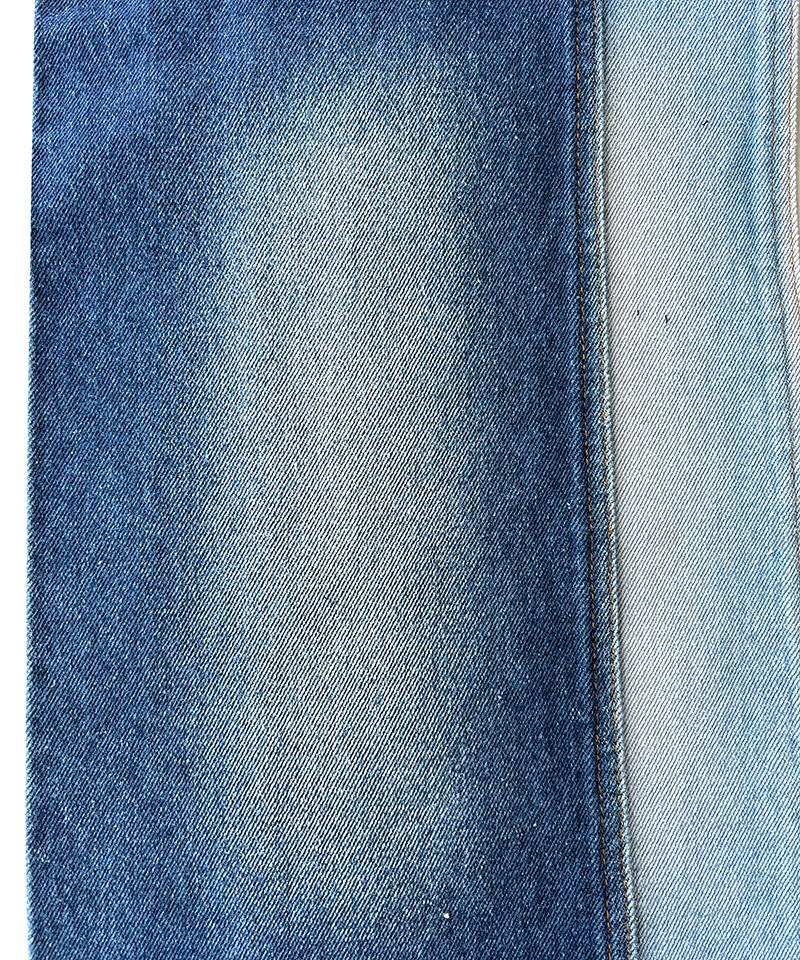
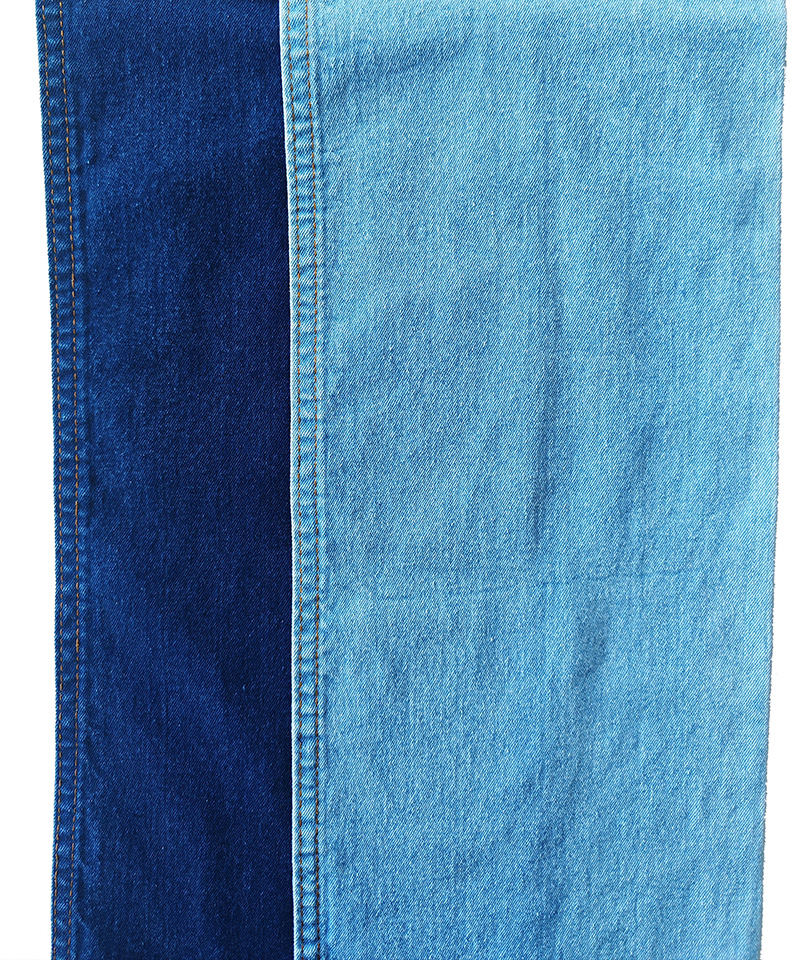
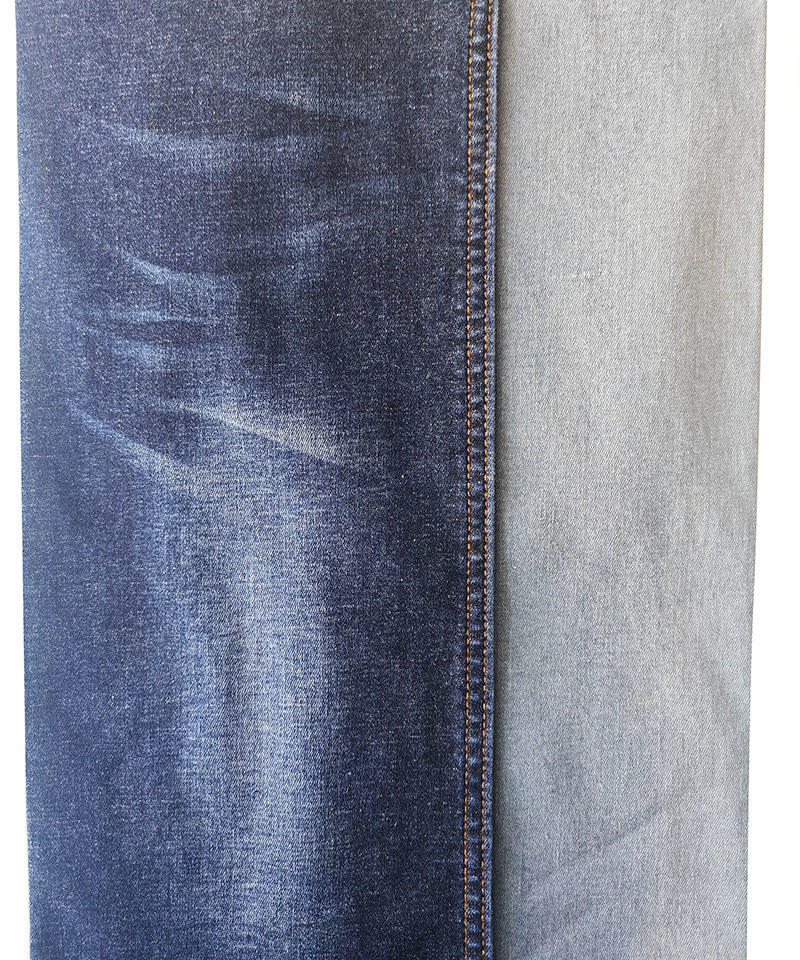
The brief looked simple: a 12 oz indigo twill, heavy weight print denim fabric for a five-pocket workwear jean, with a tonal motif across the leg panels. The first strike-off arrived on a mid-weight stretch base, and it failed fast - the print cracked at the thigh seam, the repeat shifted after one rinse, and the trousers read as a production mistake. Heavy weight print denim fabric, a denim base of 10 oz (340 gsm) or more printed after weaving, exists because only a heavy construction holds a print through real denim wash cycles and stress points.
This guide covers what heavy weight print denim needs in weight, weave, composition and finishing, and the specifications that decide whether a printed program ships on time.
What Counts as Heavy Weight Print Denim Fabric
Heavy weight print denim fabric is a woven denim base of at least 10 oz (340 gsm) that is printed after weaving and before final finishing. At that weight the yarn density is high enough that pigment or reactive ink no longer distorts the face.
Mills group printed denim into three weight bands:
- 4.5 to 8 oz: shirting and soft tops, where print is decorative
- 9 to 10 oz: dresses and casual trousers with light wash programmes
- 10 to 13.7 oz: jeans, workwear and outerwear that need structure and durable print
Changzhou Xinbaili Textile Co., Ltd., a denim mill in Changzhou, China, structures its range the same way, running from 4.5 oz plain weaves to 13.7 oz 3/1 twills. Its printed collection concentrates on the heavy band: a non-stretch 3/1 twill printed style sits next to middle-weight stretch printed bases.
Ounce-to-gram reference for heavy weight print denim specification sheets
One ounce per square yard equals 33.9 gsm. At 10 oz and above, the base stops distorting under the print layer.
10 oz340 gsm
11 oz373 gsm
12 oz407 gsm
13 oz441 gsm
13.7 oz465 gsm
10 oz340 gsm: the starting point of heavy weight print denim
13.7 ozheaviest documented base in the Xinbaili range
3/1twill float that carries most heavy printed styles
Why Heavy Weight Print Denim Fabric Holds a Print Better
Heavier denim gives the print a stable, flat substrate, so below 10 oz the same recipe produces cracks, misregistration and faded edges.
During curing, pigment binders contract as they cross-link; a light twill lets that contraction pull the fabric, while a 10 to 13.7 oz base absorbs the force and keeps the print geometry true. During sewing, the dense base resists needle deformation at panel joins, keeping a repeated motif aligned. In the wash, tight yarn packing protects the printed layer from enzyme and stone abrasion.
Heavy weight print denim: 10 to 13.7 oz
- Print repeat holds through curing, finishing and sewing
- Motifs stay readable after enzyme or stone washes
- Supports pockets, bartacks and topstitching without collapse
- Suits workwear, jackets, straight-leg and wide-leg cuts
Mid-weight print denim: 8.5 to 10 oz
- Fabric moves during curing and shifts the print
- Print cracks at thigh seams and pocket corners
- Wash cycles strip the printed layer faster
- Better for dresses and shirts with light wash programmes
Rule of thumb: if the printed garment will be washed hard and worn densely, specify at least 12 oz for the heavy weight print denim base.
Weave Structure: Building Heavy Weight Print Denim Fabric on 3/1 Twill
For heavy weight print denim fabric, 3/1 twill is the default weave because the longer float creates a flatter printing surface while the construction stays tight enough to hold heavy yarns.
Three constructions cover most printed denim bases:
- 2/1 twill: short float, firm textured face, suits 5 to 9 oz print bases
- 3/1 twill: warp floats over three picks, smooth face, carries 10 to 14.5 oz print bases
- 4/1 satin: longest float and smoothest sheen, but more delicate, better for drapey light to mid-weight printed styles
In Xinbaili's printed line, the heavy base is an indigo 3/1 twill, non-stretch. The long float and dense yarn mass keep pigment on the surface instead of letting it sink between interlacings and turn the motif muddy.
 Indigo 3/1 Twill Heavyweight Non-Stretch Print DenimThis heavyweight, non-stretch twill keeps pigment prints crisp by preventing fabric movement during curing, making it a dependable base for printed garments that need shape retention.View Product →
The float determines the print face: a 3/1 twill exposes three contiguous warp yarns, giving the ink a wider bonding surface than the shorter 2/1 float while heavy yarns keep the print plane flat.
Composition and Stretch: What Changes When You Print
For a printed program, non-stretch pure cotton is the lower-risk base: stretch fabric moves under the printed film, and elastane can degrade at pigment curing temperatures.
Xinbaili's print range follows the same logic: the heavy printed jean base is non-stretch, while the two middle-weight printed bases are stretch constructions. Stretch is possible, but the stretch point and wash programme have to be designed around the print.
Composition and stretch options for heavy weight print denim, with typical weight ranges and printing trade-offs.
| Base composition |
Weight range |
Print retention |
Typical use |
| Pure cotton, non-stretch |
10 to 13.7 oz |
High |
Workwear jeans, jackets, cargo |
| Cotton plus elastane, stretch |
9 to 12 oz |
Medium |
Tapered jeans, fitted silhouettes |
| Cotton, polyester, elastane |
9 to 13 oz |
Medium |
Recovery-focused active cuts |
| Lyocell or special-fibre blend |
8 to 12 oz |
Medium-low |
Soft-hand fashion styles |
Pigment print sits on the surface and gives opaque colour blocks, but pigment can crack and crock on workwear denim. Reactive print bonds with the cellulose fibre, survives washing better and keeps a softer hand at a higher price; for a long-life garment the difference shows by season two.
 Indigo 3/1 Twill Midweight Stretch Print DenimOffers a middleweight, stretchable base for printed denim, balancing durability with comfort—ideal for styles where ease of movement matters while maintaining the printed design.View Product →
Sample approval rule: never approve a print base on paper. Ask for a one-metre printed strike-off in the exact base and wash it in the same recipe the retail garment will receive.
Specifications to Lock Down Before Bulk Order
Five specifications decide whether a heavy weight print denim order ships right: weight tolerance, shrinkage, colourfastness, print adhesion, and bowing.
- Weight tolerance: confirm oz per square yard and gsm; a +/-5 percent tolerance is the usual mill agreement.
- Shrinkage: request first-wash and after-five-washes residual figures for warp and weft, and cut patterns to them.
- Colourfastness: check wash, crocking and light fastness for the printed layer, not just the indigo base.
- Print adhesion: specify a flex test at seams and a crocking test for pigment, the first failure points on workwear.
- Bowing and skew: keep finishing skew under 3 percent across the roll width.
- Repeat tolerance: document acceptable misalignment in centimetres between print repeats.
For a fuller reference on denim weight bands, our denim fabric weight guide walks through the 4.5 to 14.5 oz range in the same mill vocabulary.
A paper strike-off only shows colour and pattern. Durability lives in the wash test, and the wash test lives in the specification sheet.
Working With the Mill on a Printed Denim Program
The fastest way to de-risk heavy weight print denim is to buy the base and the print from the same mill, so weave construction, finishing and print chemistry sit under one department.
Ask three questions before sampling: has this exact base been printed before, at what yardage? Pigment or reactive for this end use? What wash recipe did the last customer run, and what survived? A mill that prints daily answers without hesitation; a broker redirects the question three times.
Printing adds two to four weeks on top of weaving and finishing, and a lab dip adds another week per revision. Reviewing the mill's existing print denim fabric range is faster than reading a spec claim, because the catalogue states what production can hold.
Ask the mill for the same print design on two weights: 10 oz and 12 oz. The difference in print depth and crack resistance tells you more than any spec sheet.
Heavy Weight Print Denim Fabric: Frequently Asked Questions
Can heavy weight print denim fabric be stretchy?
It can, but stretch adds risk. Xinbaili's heavy printed base is non-stretch pure cotton 3/1 twill, and its stretch print styles stay at middle weight. If the silhouette needs stretch, keep elastane low and test the print at the stretch point before committing to large yardage.
What is the difference between pigment and reactive printing on denim?
Pigment print sits on the surface, gives opaque colour blocks, costs less and degrades with washing. Reactive print bonds with the cellulose fibre, survives industrial washing and keeps a softer hand. For heavy workwear that must last, reactive is the durable choice.
How does heavy weight print denim differ from standard heavy denim?
Standard heavy denim is dyed in the warp, woven and finished. Heavy weight print denim adds a printing pass, which changes hand, air permeability and wash behaviour, so request extra tests for print adhesion and crocking.
What weight should a brand choose for printed workwear jeans?
12 oz is the practical sweet spot: enough structure and print stability, still wearable across a full run. At 13.7 oz the print plane is extremely stable, and the body suits jackets, workwear trousers and loose-fit jeans.
Final rule: on a printed denim program, the base is the product and the print is the decoration. Fix the base first.


 English
 Español