
 English
 Español
What Makes Non-Stretch Denim Superior
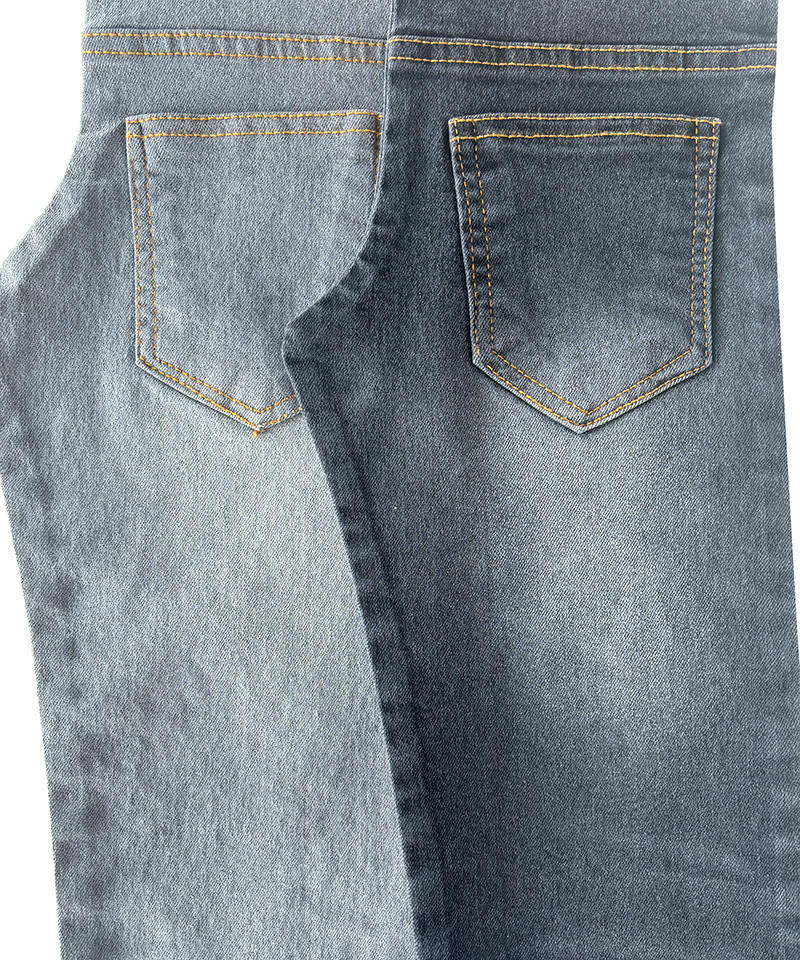
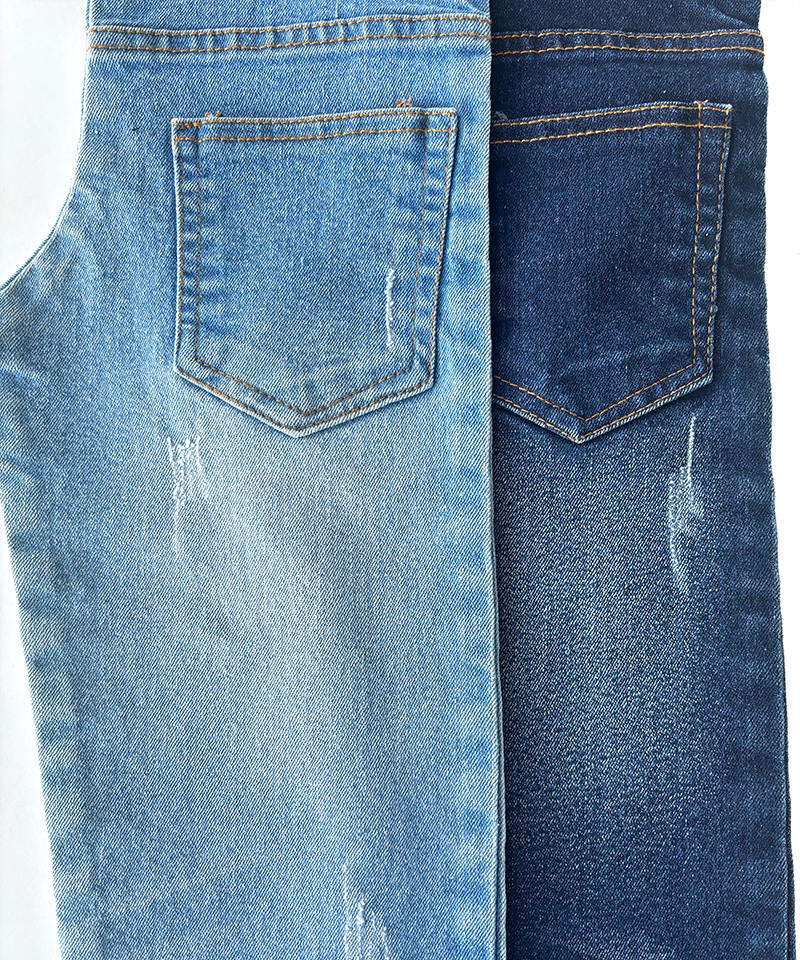
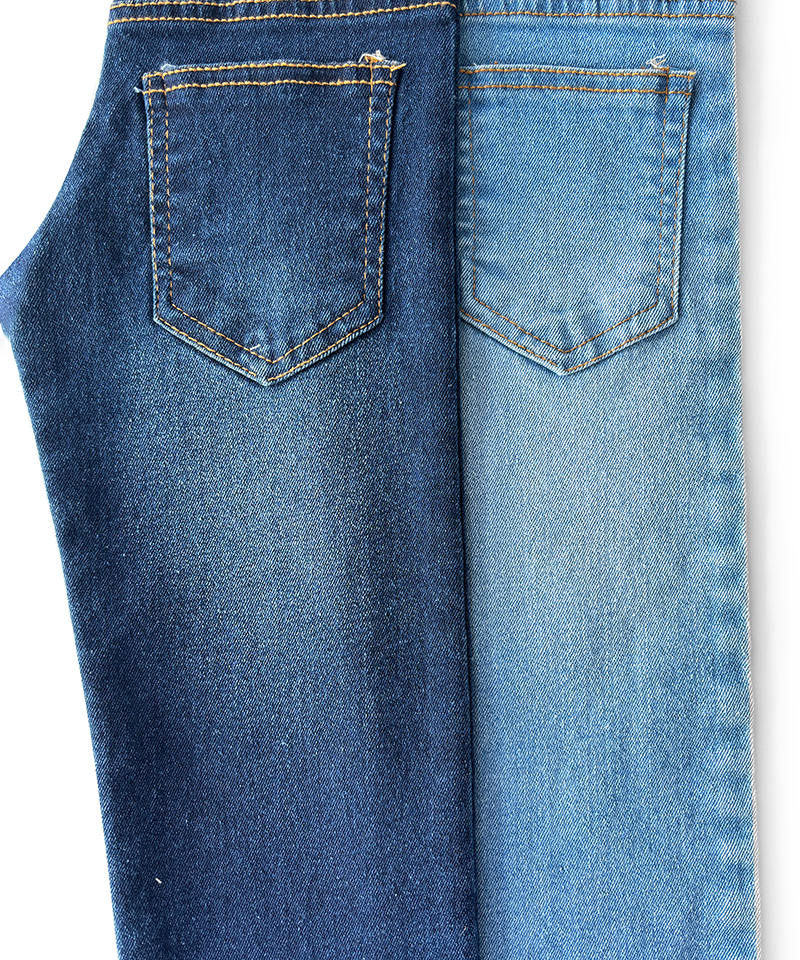
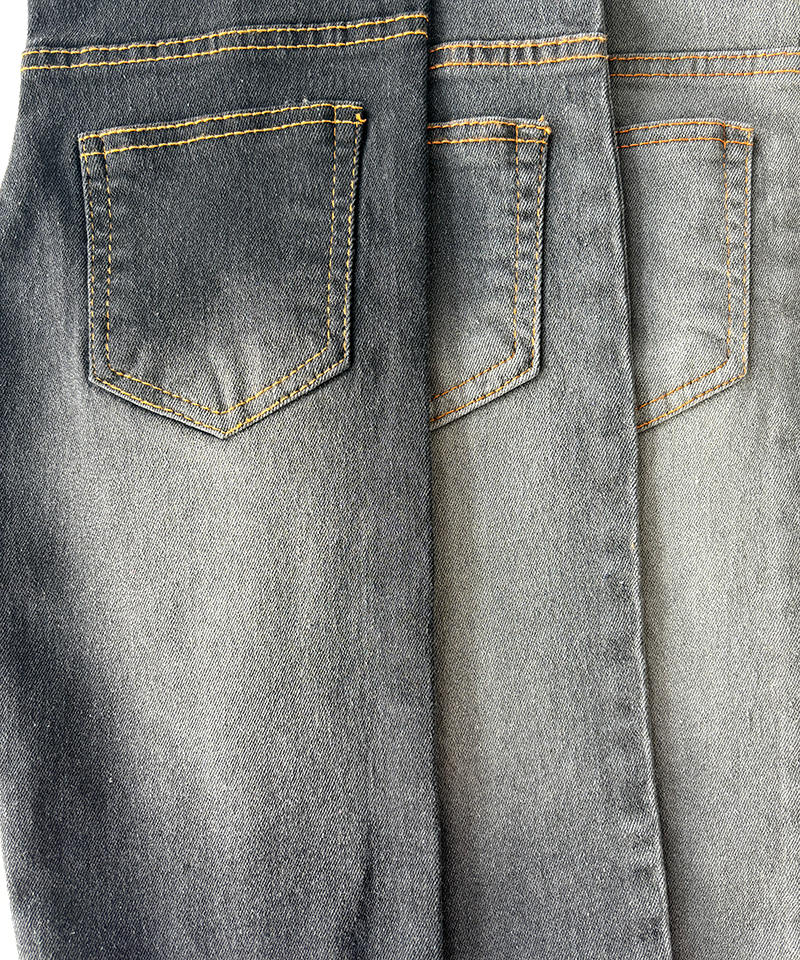
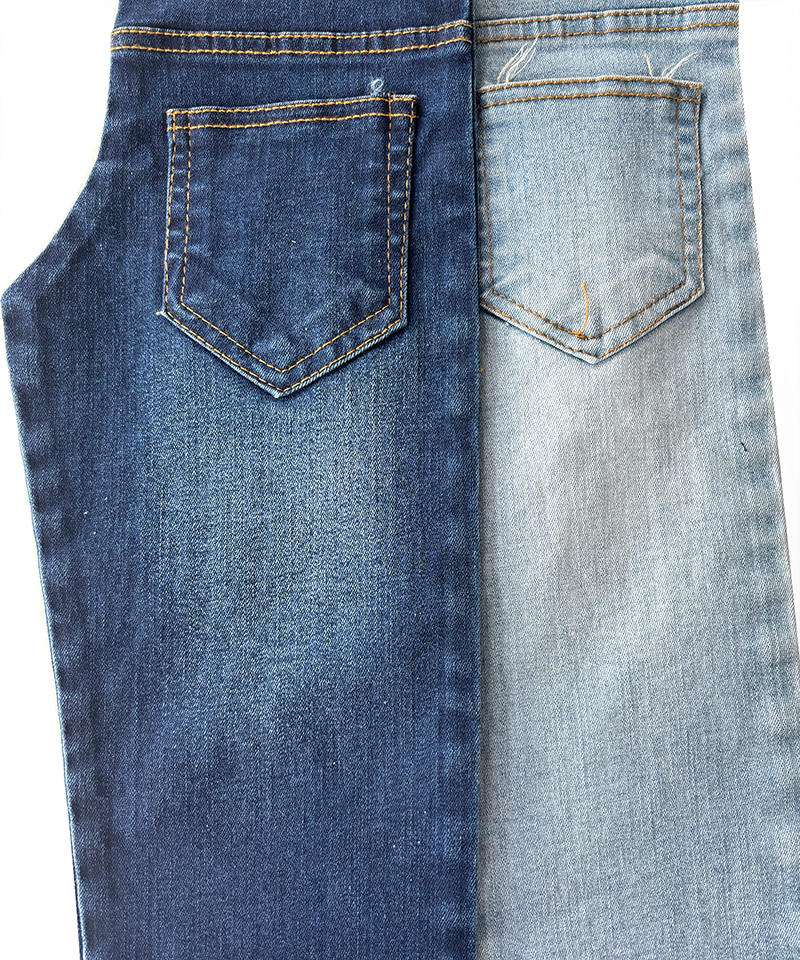
Non-stretch denim fabric represents the gold standard of traditional denim construction, offering unmatched durability, authentic aesthetic character, and superior garment longevity. Unlike its elastic-infused counterparts, non-stretch denim maintains its structural integrity through decades of wear, developing personalized fade patterns that tell the story of its owner. This fabric consists of 100% cotton woven in a specific twill pattern, where indigo-dyed warp threads cross over natural white weft threads at a ratio typically ranging from 2:1 to 3:1, creating the signature diagonal rib texture that defines classic denim.
For consumers and manufacturers prioritizing garment lifespan over convenience, non-stretch denim delivers approximately three to five times the usable life compared to stretch alternatives. The absence of elastane or spandex fibers eliminates the primary failure point in modern denim—elastic degradation—which typically begins showing within one to two years of regular wear in stretch varieties.
Understanding the Fundamental Composition
Non-stretch denim owes its distinctive properties to a specific weaving technique that has remained largely unchanged since its industrial development in the late nineteenth century. The fabric utilizes a warp-faced twill weave, meaning the longitudinal threads that run parallel to the fabric's length remain visible on the surface, while the horizontal weft threads remain largely hidden beneath.
The Warp Thread Character
Warp threads in premium non-stretch denim are indigo-dyed before weaving, a process called slasher dyeing or rope dyeing depending on the methodology. Quality warp threads typically measure between 7 and 12 on the yarn count scale, with lower numbers indicating thicker, more robust yarns. These threads must withstand significant tension during the weaving process, necessitating a slight twist in their spinning that contributes to the fabric's characteristic texture.
The Weft Thread Function
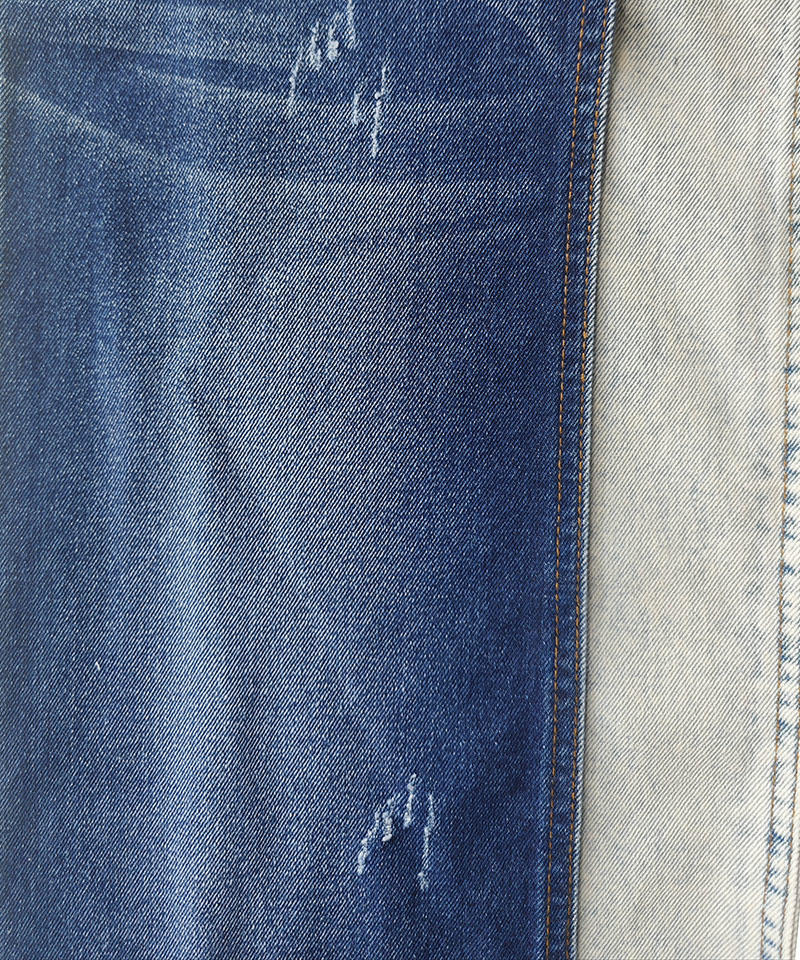
Weft threads traditionally remain undyed, creating the white undertone visible when denim fades. These threads interlace with the warp at set intervals, determining the weight and hand feel of the finished fabric. In heavyweight non-stretch denim, weft threads may match the warp in thickness, while lighter weights utilize finer weft yarns to reduce overall fabric density.
The Weight Classifications and Their Practical Implications
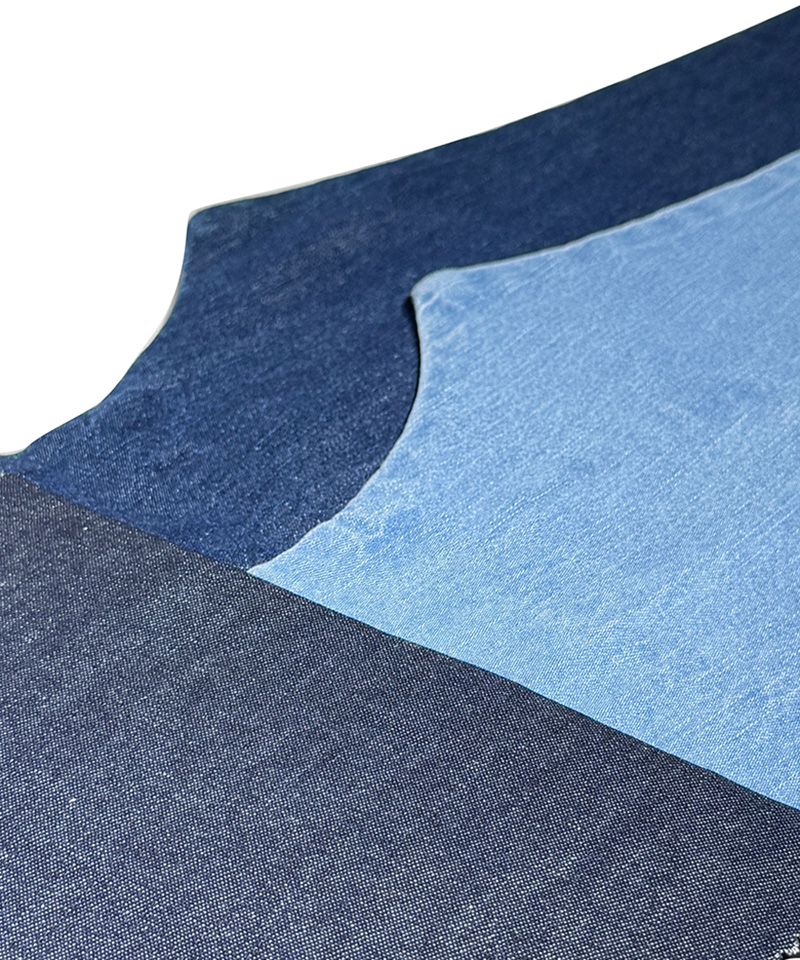
Non-stretch denim is categorized by weight, measured in ounces per square yard, with each classification serving distinct purposes in garment construction. Understanding these categories helps both manufacturers and consumers select appropriate fabric for specific applications.
| Weight Category | Measurement Range | Primary Applications | Break-in Period |
|---|---|---|---|
| Lightweight | 5 to 9 ounces | Summer shirts, lined jackets, children's wear | Minimal |
| Medium Weight | 10 to 12 ounces | Year-round jeans, casual jackets, skirts | 1 to 2 weeks |
| Heavyweight | 13 to 15 ounces | Durable workwear, premium jeans, outerwear | 2 to 4 weeks |
| Super Heavyweight | 16+ ounces | Specialized work pants, structured outerwear | 1 to 2 months |
Weight directly correlates with durability and break-in duration. A 14-ounce non-stretch denim will typically withstand three times the abrasion resistance of a 10-ounce variant, making weight selection a crucial consideration for manufacturers targeting specific market segments.
Comparative Analysis: Non-Stretch Versus Stretch Denim
The introduction of stretch fibers into denim manufacturing fundamentally altered the fabric's properties, creating a permanent division in the market. Understanding these differences enables informed decisions regarding fabric selection for specific garment purposes.
Structural Integrity Over Time
Non-stretch denim maintains consistent dimensions throughout its lifespan. The cotton fibers lock into place during the initial wearing period, creating a personalized fit that stabilizes within approximately two weeks of regular use. Stretch denim loses between 15 and 25 percent of its elastic recovery capability within the first year, resulting in progressive bagging and fit deterioration that cannot be reversed through washing or treatment.
Aging and Aesthetic Development
Perhaps the most celebrated characteristic of non-stretch denim involves its aging trajectory. The rigid fabric structure creates high-friction points at natural body contact areas—inner thighs, knees, seat, and pockets. Over time, these areas shed indigo dye at accelerated rates, producing personalized fade patterns unique to each wearer's body and movement patterns. Stretch denim ages inconsistently due to fiber movement, often developing patchy, less defined fading that lacks the visual depth of traditional patina development.
Environmental Considerations
The absence of synthetic elastane fibers in non-stretch denim simplifies end-of-life processing. Pure cotton denim can theoretically enter textile recycling streams without separation requirements, whereas stretch variants require fiber sorting that many recycling facilities cannot perform. Non-stretch denim also accepts natural dye processes more readily, enabling manufacturing workflows with reduced chemical dependency.
The Manufacturing Process and Quality Indicators
Authentic non-stretch denim production involves multiple stages, each contributing to the final fabric's character and performance. Recognizing quality indicators at each stage helps buyers evaluate fabric authenticity and construction excellence.
Yarn Preparation and Spinning
Quality denim begins with cotton selection. Longer staple fibers produce smoother, stronger yarns with fewer weak points. Ring-spun yarns, created through a traditional spinning method, produce the characteristic slub texture associated with premium denim, while open-end spinning creates more uniform threads at lower cost. Ring-spun varieties typically command higher prices due to slower production speeds and superior aesthetic results.
- Ring-spun yarns exhibit natural thickness variations that create visual depth in finished fabric
- Open-end yarns offer consistency suited to uniform applications
- Tow-spun variants represent a middle ground between cost and character
- Slub yarns intentionally incorporate thickness variations for vintage aesthetic replication
Dyeing Methodologies
Indigo application technique significantly impacts fade characteristics. Rope dyeing, where multiple yarns are grouped before dyeing, creates ring-dyeing effects where color penetrates only the yarn surface. This technique accelerates visible fading and produces high-contrast wear patterns. Slasher dyeing applies color to individual yarns spread across a flat surface, resulting in more uniform penetration and subtler aging.
Weaving Construction
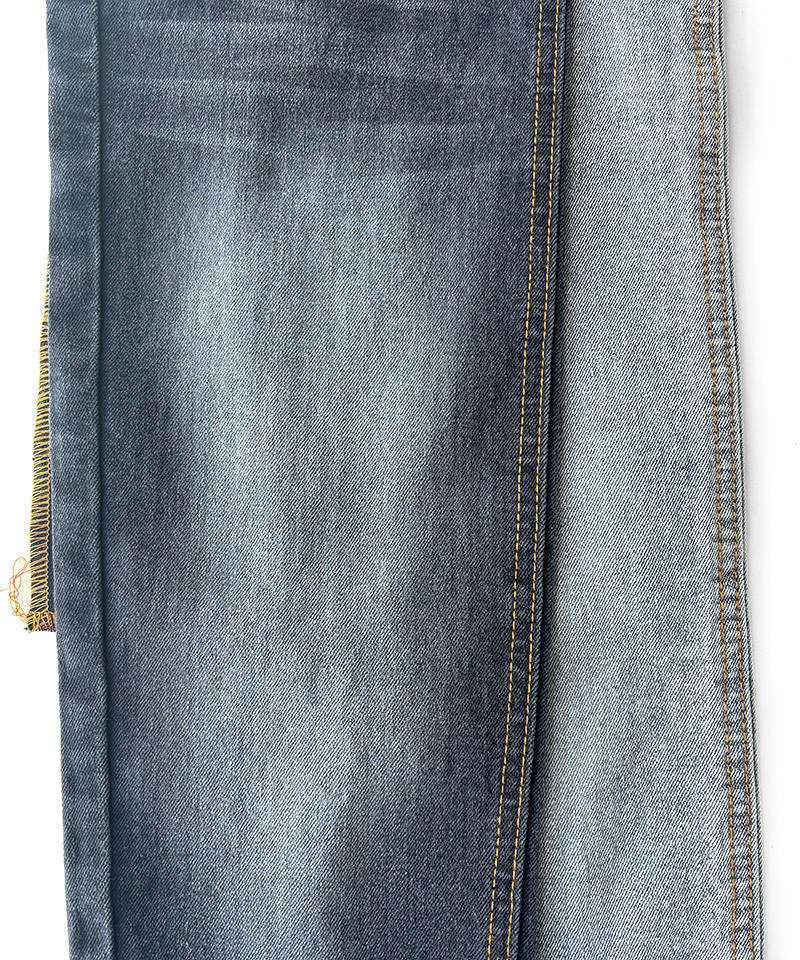
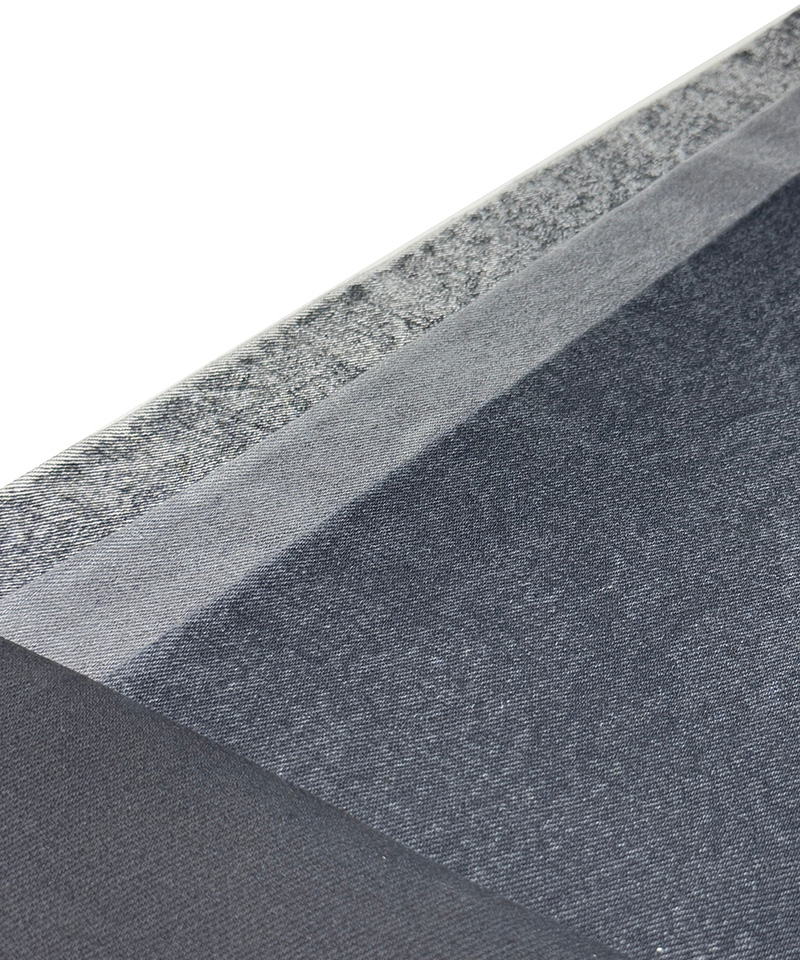
Traditional shuttle looms produce narrow fabric widths with finished edges called selvedge, while modern projectile looms create wider fabric requiring overlocked seams. Selvedge construction represents approximately five percent of global denim production, primarily serving premium market segments. The tightly woven edge prevents unraveling and enables clean finished seams in garment construction.
Practical Advantages for Garment Manufacturers
Manufacturers selecting non-stretch denim gain several operational and market positioning advantages that influence both production efficiency and brand perception.
| Production Stage | Non-Stretch Advantage | Quality Impact |
|---|---|---|
| Cutting | Stable fabric with no elastic recovery | Consistent sizing across production runs |
| Sewing | No stretching during handling | Reduced puckering and seam distortion |
| Finishing | Accepts all traditional treatments | Wider design option range |
| Quality Control | Predictable shrinkage rates | Consistent fit after washing |
The dimensional stability of non-stretch denim simplifies pattern development and grading. Pattern makers can calculate precise shrinkage allowances based on fabric weight and finishing treatment, eliminating the trial-and-error adjustments often required with stretch varieties. This predictability reduces development timelines and sample iteration requirements.
Break-In Process and Fit Customization
The initial rigidity of non-stretch denim serves a functional purpose—creating the foundation for personalized fit development. Understanding proper break-in technique maximizes both comfort and aesthetic results.
Initial Wearing Strategy
New non-stretch denim should fit snugly at purchase, as the fabric will relax with wear. Wearing new jeans for a minimum of two weeks before washing allows natural fiber relaxation and initial crease formation at body-specific points. Premature washing resets fiber memory and extends the break-in period unnecessarily.
Activity-Based Molding
Different activities create distinct stress patterns in denim. Regular cycling develops pronounced seat and thigh fading, while desk work creates whiskering at the hip and fade patterns at the knee. Engaging in varied activities during the first month of wear produces more comprehensive fiber molding, accelerating overall comfort development.
Strategic Washing Timing
The first wash represents a critical moment in non-stretch denim ownership. Waiting a minimum of six months before the initial wash maximizes contrast development, allowing indigo removal exclusively at high-contact areas. Earlier washing produces more uniform fading that diminishes the personalized character valued by denim enthusiasts.
Care and Maintenance for Longevity
Proper maintenance dramatically extends non-stretch denim lifespan while preserving aesthetic character. Unlike stretch varieties that require careful handling to preserve elastic integrity, non-stretch denim benefits from a more relaxed care approach.
Washing Guidelines
Non-stretch denim requires infrequent washing—enthusiasts often recommend intervals of several months between washes for well-worn garments. When washing becomes necessary, cold water and gentle agitation preserve fiber integrity and color depth. Inside-out washing minimizes surface abrasion and extends visual freshness.
Drying Recommendations
Air drying represents the optimal method for non-stretch denim. The weighted fabric naturally smooths during hanging, reducing wrinkle formation. Machine drying accelerates fiber breakdown and can cause shrinkage exceeding three percent in heavyweight varieties. If machine drying proves necessary, low heat and brief cycles minimize damage.
Storage Considerations
Folding rather than hanging prevents stress at fabric points and maintains garment shape. For long-term storage, breathable cotton bags protect against dust while allowing moisture regulation. Plastic storage containers can trap humidity and promote mildew development in humid climates.
Common Misconceptions Addressed
Several persistent myths regarding non-stretch denim influence consumer decisions based on incomplete or inaccurate information.
Misconception: Non-Stretch Denim Is Uncomfortable
While initially rigid, properly broken-in non-stretch denim conforms to individual body contours, often exceeding the comfort of stretch varieties that create pressure points through elastic compression. The break-in period represents an investment in personalized comfort rather than an inherent design flaw.
Misconception: Heavier Weight Always Indicates Higher Quality
Weight selection should match intended use rather than serving as a universal quality indicator. A 10-ounce denim appropriate for year-round wear in temperate climates may prove superior for its purpose than a 16-ounce fabric suited only to winter applications. Quality assessment requires holistic evaluation of fiber, construction, and finishing.
Misconception: Selvedge Automatically Signifies Premium Construction
While selvedge edges indicate traditional loom production, this single feature does not guarantee overall fabric quality. Yarn quality, dye application, and construction consistency collectively determine fabric excellence, with selvedge representing one component among many.
Selection Criteria for Different Applications
Choosing appropriate non-stretch denim requires consideration of end-use requirements, climate factors, and aesthetic preferences.
- Workwear applications benefit from heavyweight construction (14+ ounces) that resists abrasion and provides thermal insulation
- Year-round casual wear performs optimally in medium weights (11-13 ounces) balancing durability and breathability
- Fashion applications may prioritize lighter weights (8-10 ounces) enabling draping and feminine silhouettes
- Hot climate applications require weights below 9 ounces with looser weaves for air circulation
- Structured garments like jackets and vests benefit from weights exceeding 12 ounces for shape retention
Future Considerations and Industry Trends
The non-stretch denim market continues evolving through technological innovation while preserving traditional construction principles that define the category.
Sustainable Production Advances
Water consumption reduction represents a primary focus area for non-stretch denim manufacturers. Advanced dyeing techniques can reduce water usage by up to 95 percent compared to traditional methods while maintaining color consistency and depth. Organic cotton sourcing and regenerative farming practices increasingly appear in premium market segments.
Heritage Revival Movements
Consumer interest in garment origins and production ethics has revitalized traditional manufacturing methods. Shuttle loom production capacity has increased annually over the past decade in response to selvedge demand growth. This trend supports specialized mills and preserves manufacturing knowledge at risk of disappearance.
Performance Enhancements Without Elastic
Innovative finishing treatments now impart water resistance, stain repellency, and enhanced breathability without compromising the pure cotton construction that defines non-stretch denim. These treatments maintain fabric integrity while expanding functional applications into work environments previously requiring synthetic fabric alternatives.