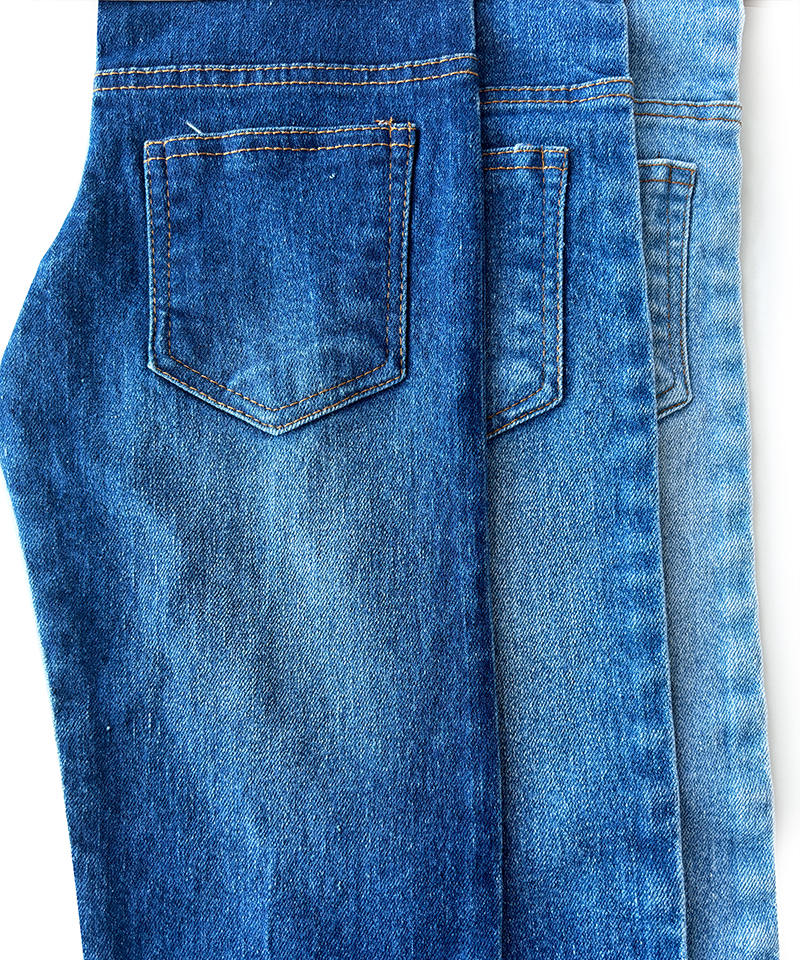
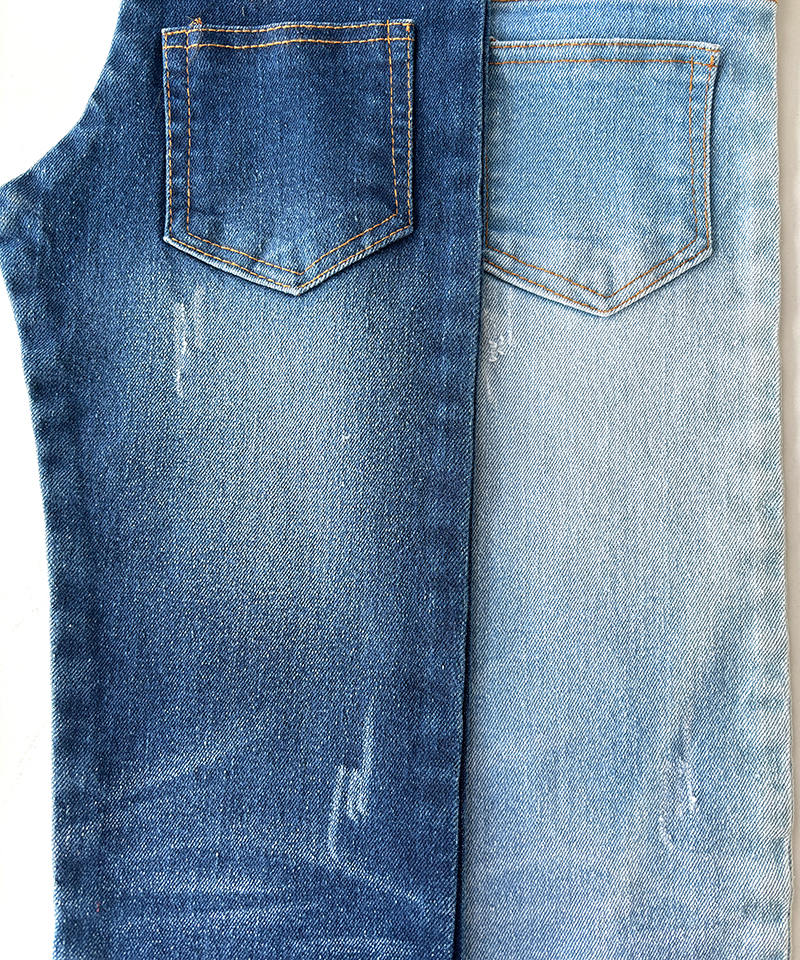
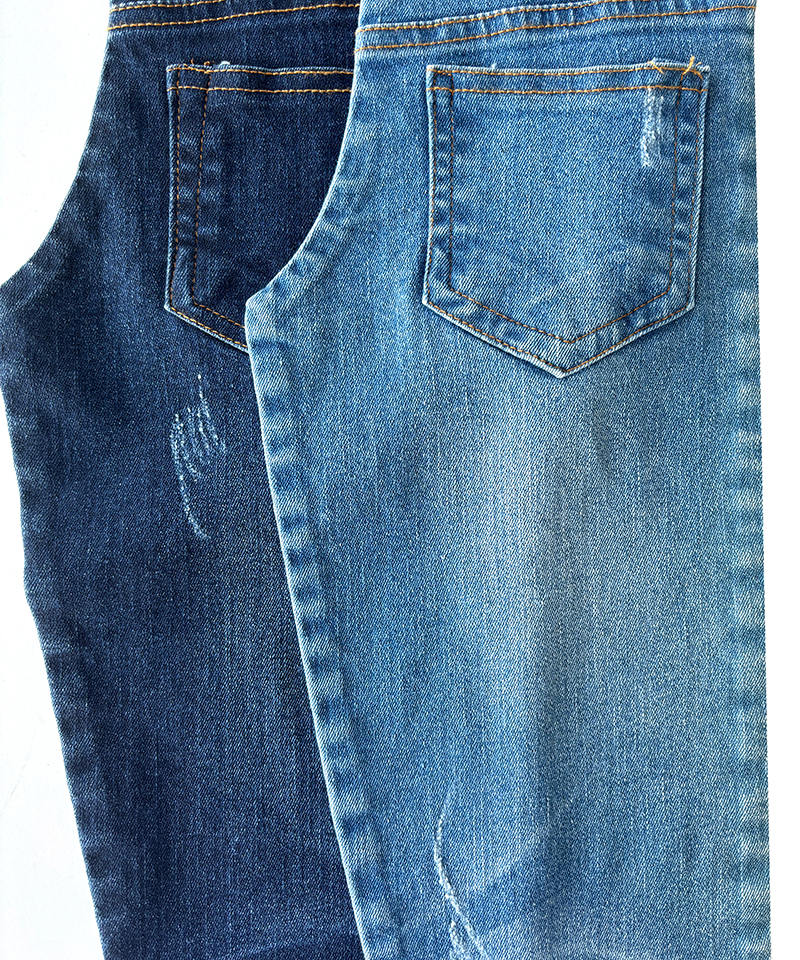
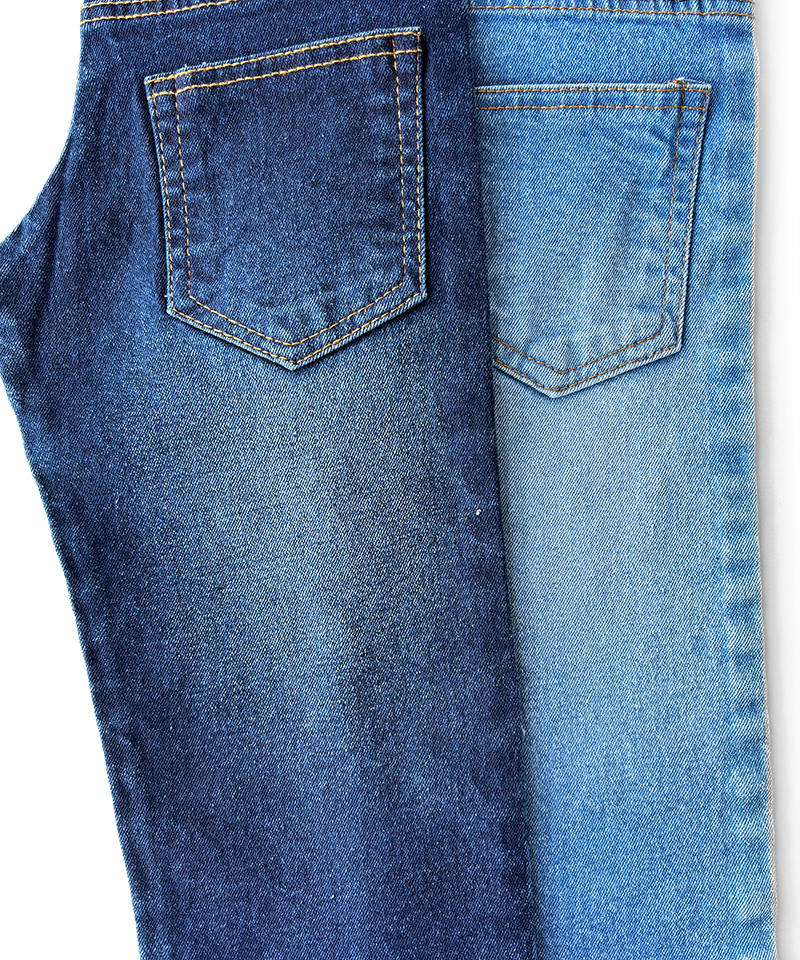
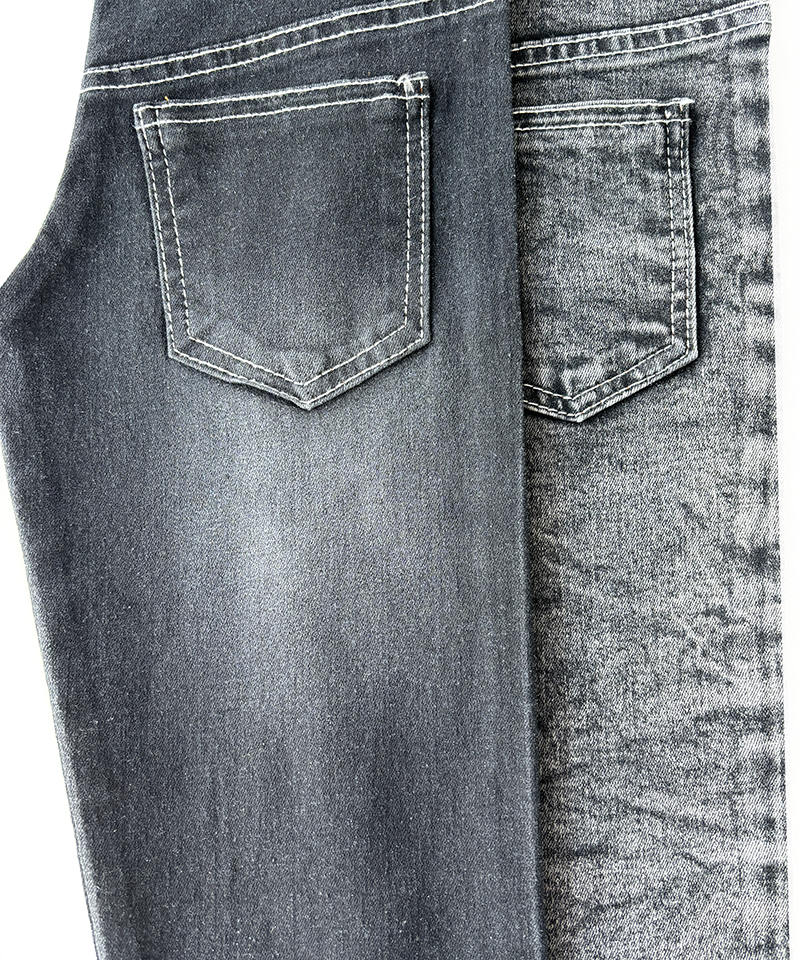
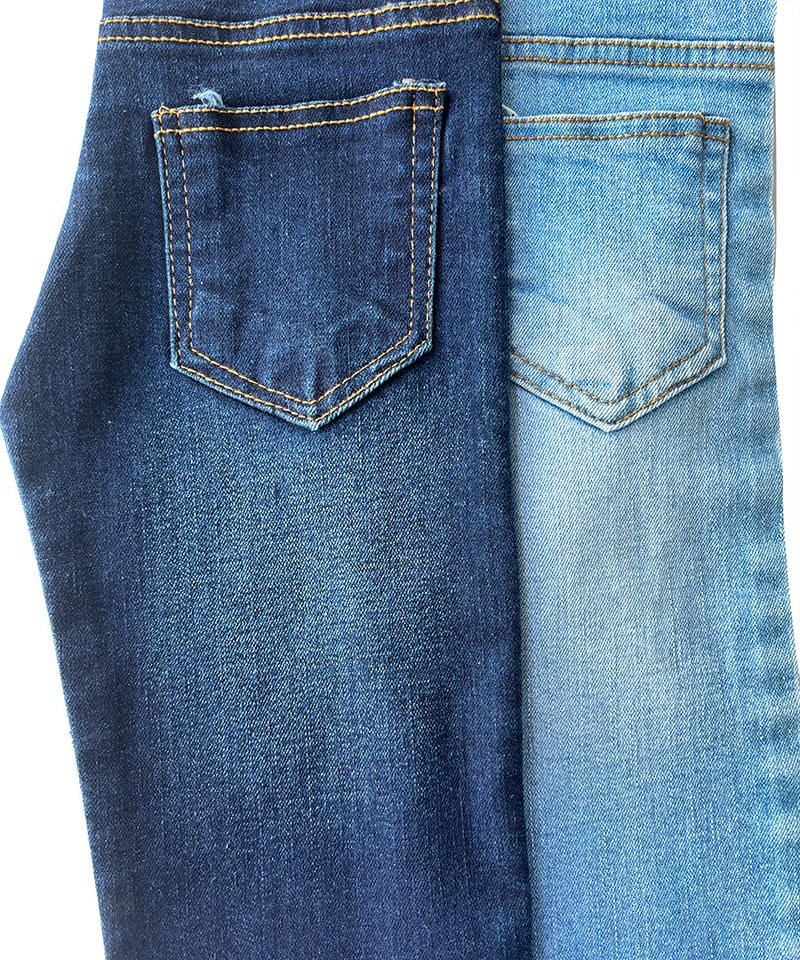
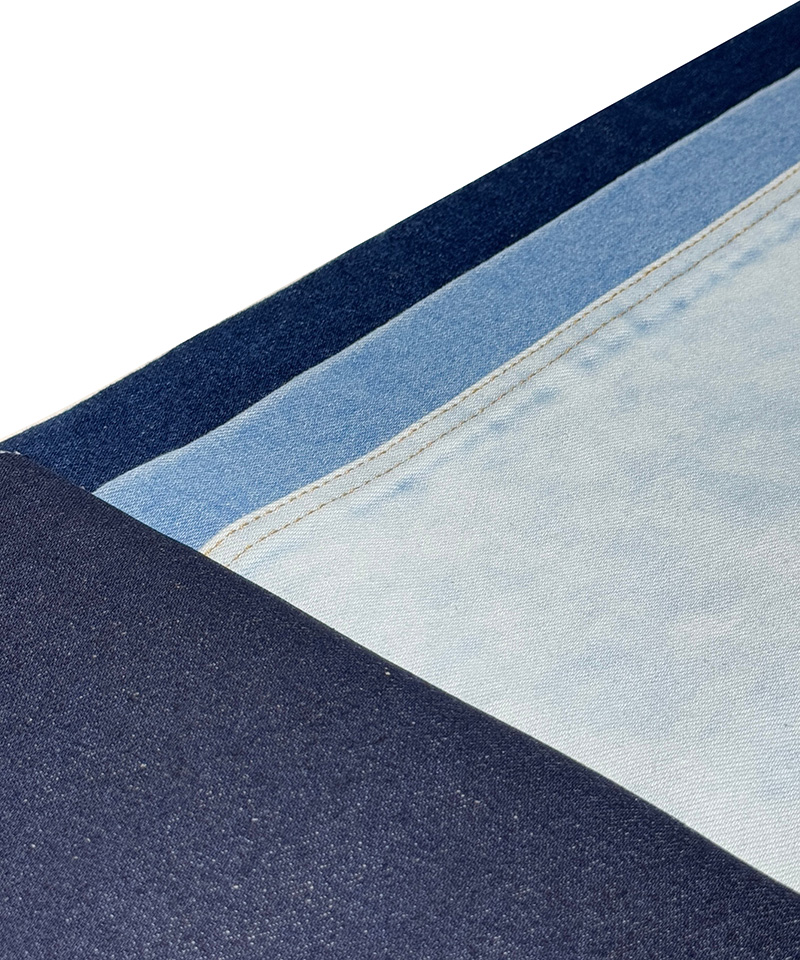
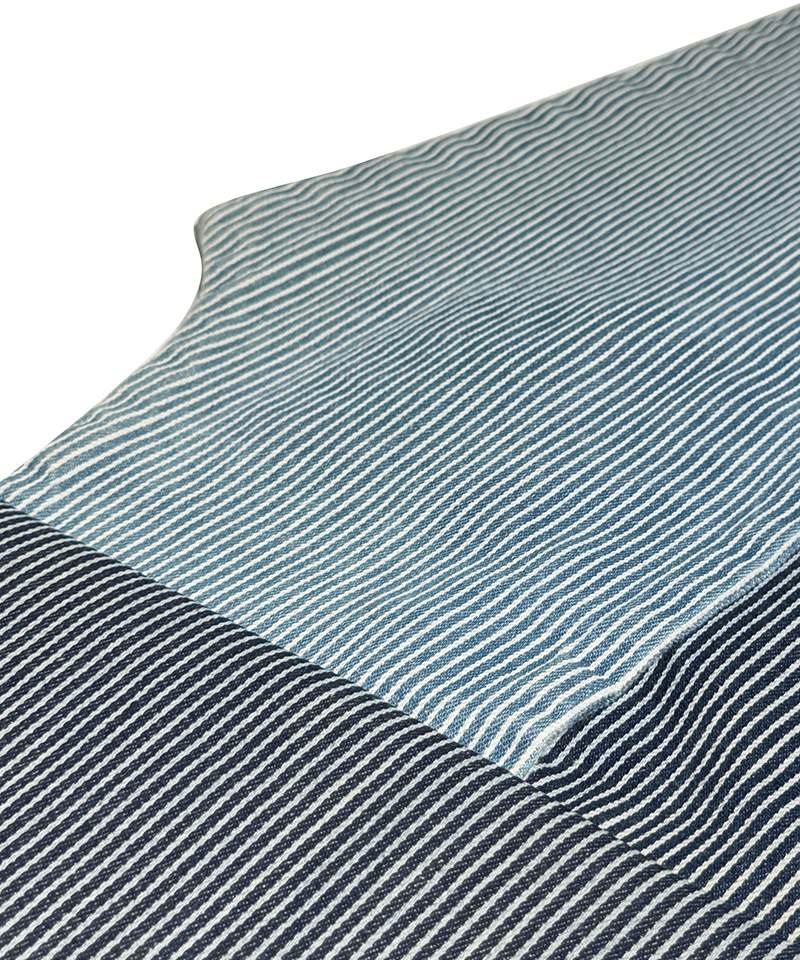
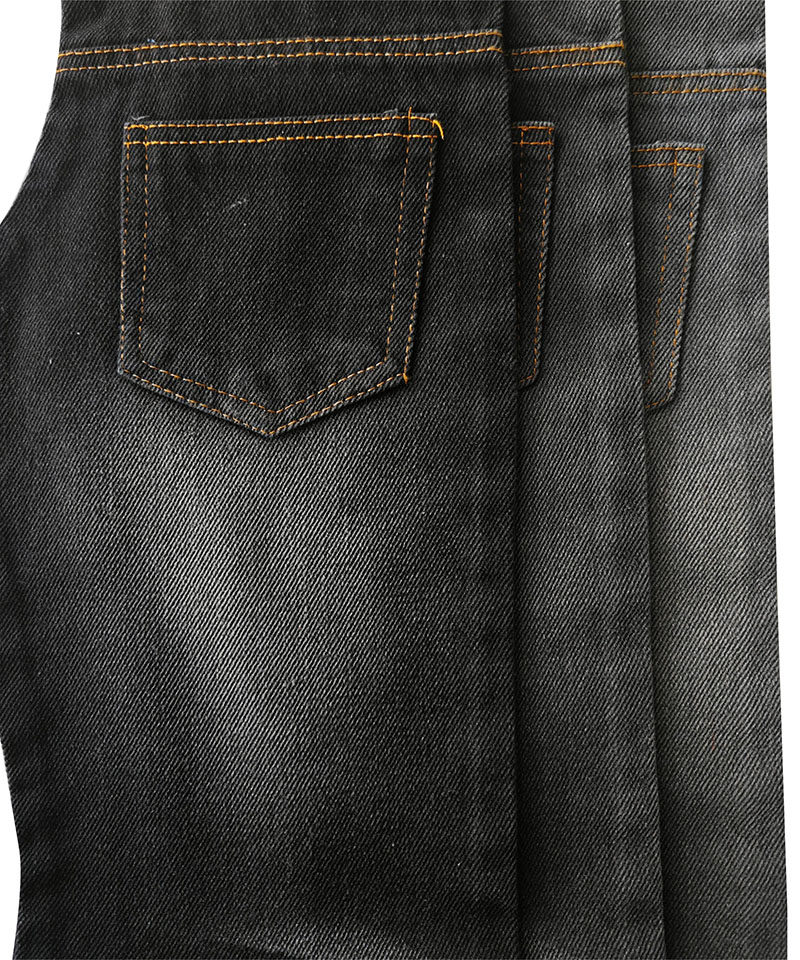
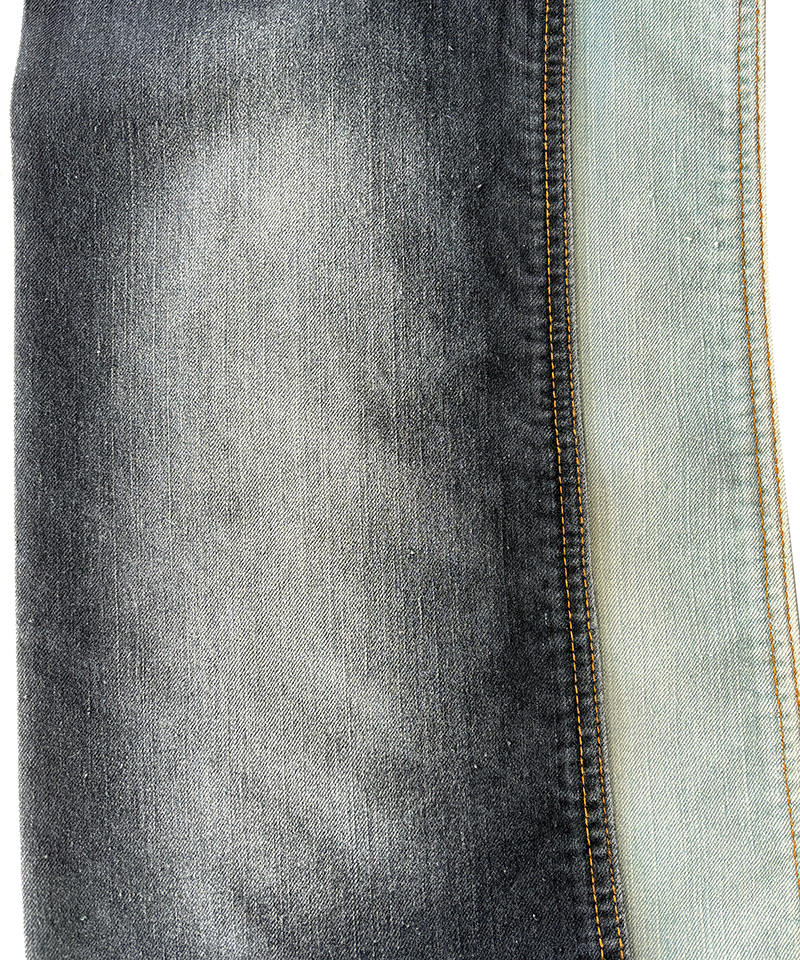
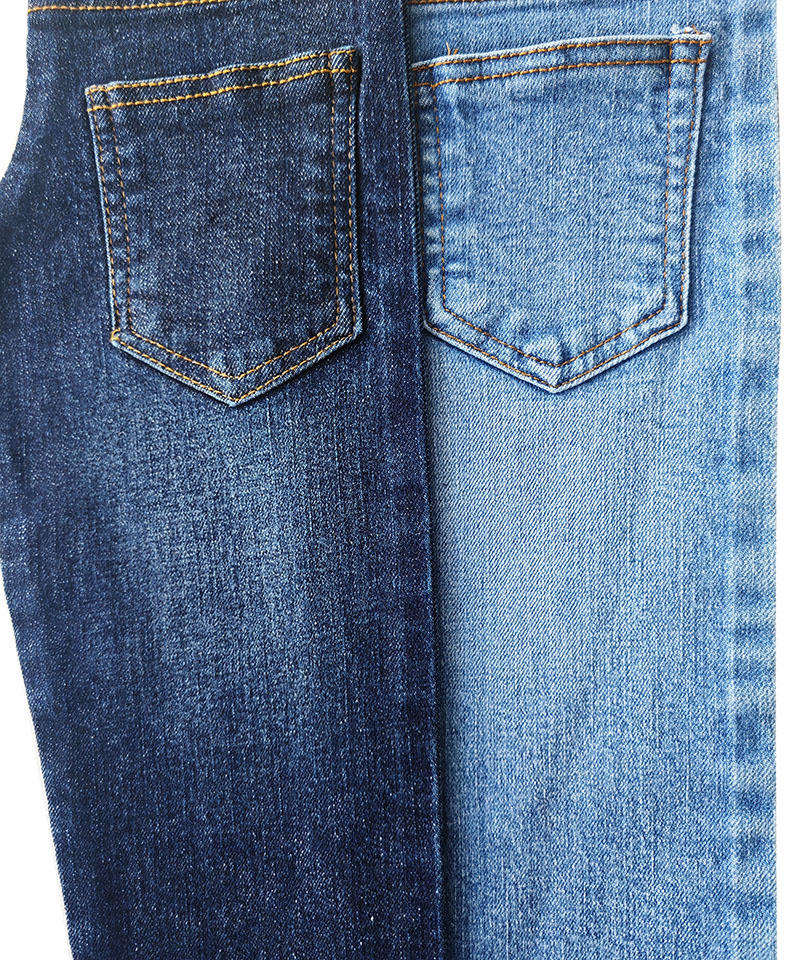
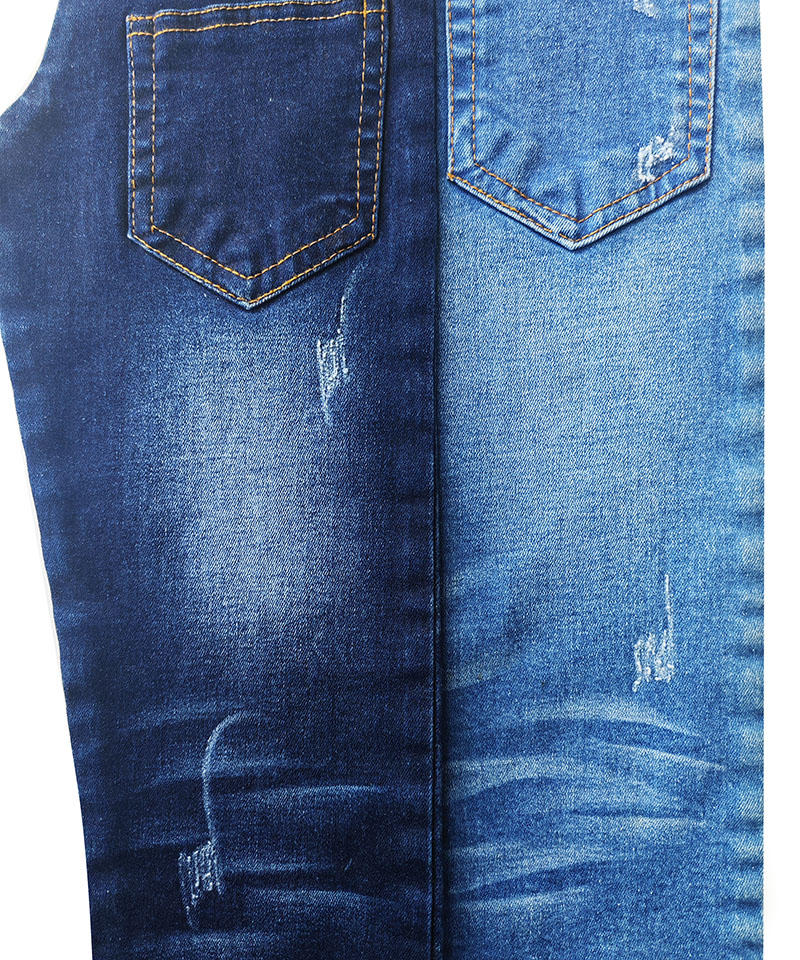
Woven denim stands as one of the most significant textile innovations in modern history, combining exceptional durability with timeless aesthetic appeal. Woven denim is constructed through a specific interlacing pattern where horizontal weft threads pass under and over vertical warp threads, creating the characteristic diagonal rib pattern known as the twill weave. This construction method produces fabric with superior strength, shape retention, and wear resistance compared to knitted alternatives. The manufacturing process involves multiple stages including spinning, warping, weaving, dyeing, and finishing, each contributing to the final quality and performance characteristics of the fabric.
Throughout this comprehensive examination, we will explore the intricate manufacturing process behind woven denim, analyze its unique structural properties, examine the various types available in today's market, discuss practical applications across different industries, and provide guidance on identifying quality products. Understanding these aspects enables consumers, designers, and manufacturers to make informed decisions when selecting denim products for specific purposes and applications.
Understanding the Fundamental Structure of Woven Denim
Woven denim derives its distinctive characteristics from a specific weaving technique that has evolved significantly since its origins in the late nineteenth century. The fundamental structure involves two sets of yarns interlacing at right angles to form a cohesive fabric surface. The warp yarns run lengthwise through the fabric and typically comprise the dyed blue threads visible on the surface, while the weft yarns run crosswise and are usually white or natural-colored. This contrasting color arrangement creates the signature appearance that has made denim instantly recognizable worldwide.
The twill weave construction used in denim production creates a diagonal pattern on the fabric surface. This pattern results from the weft thread passing over multiple warp threads before passing under one, with each successive row offset to create the diagonal ridge effect. The most common twill patterns include the 2/1 twill, where the weft passes over two warp threads and under one, and the 3/1 twill, where it passes over three and under one. The 3/1 twill produces a more pronounced diagonal pattern and typically results in a heavier, more durable fabric suitable for workwear and heavy-duty applications.
The density of woven denim significantly impacts its performance characteristics. Fabric weight, measured in ounces per square yard, typically ranges from lightweight options around five ounces to heavyweight varieties exceeding fourteen ounces. Heavier weights generally indicate greater durability and longevity, making them preferred choices for applications requiring extended wear resistance. The thread count, which refers to the number of warp and weft threads per square inch, also influences the fabric's texture, strength, and overall quality.
The Comprehensive Manufacturing Process
Producing quality woven denim requires a complex sequence of processes that transform raw cotton fibers into finished fabric. Each stage demands precise control and expertise to achieve the desired characteristics. Understanding these processes provides valuable insight into why quality denim commands premium prices and exhibits superior performance.
Raw Material Selection and Preparation
The journey begins with selecting appropriate cotton varieties for denim production. Long-staple cotton fibers produce stronger, smoother yarns with fewer imperfections, while shorter staple varieties create more textured surfaces with increased character. Most denim manufacturers blend different cotton varieties to balance strength, comfort, and cost considerations. The cotton undergoes cleaning, carding, and combing processes to remove impurities and align the fibers for spinning into yarn.
Spinning and Yarn Formation
The spinning process transforms prepared cotton fibers into yarns with specific characteristics. Ring-spun yarns, created using traditional spinning methods, exhibit slight variations in thickness that contribute to authentic vintage aesthetics and softer hand feel. Open-end spinning produces more uniform yarns at higher production speeds, resulting in fabrics with consistent texture and lower cost. Ring-spun yarns typically command premium prices due to their superior strength and distinctive character that improves with washing and wear.
Warping and Preparation for Weaving
Before weaving, thousands of warp yarns must be wound onto large beams in precise alignment. This process requires careful tension control to ensure uniform fabric construction. The warp yarns undergo sizing, a treatment that applies protective coatings to strengthen the yarns and reduce breakage during the high-speed weaving process. Proper sizing significantly impacts weaving efficiency and final fabric quality, making it a critical step in the manufacturing sequence.
The Weaving Process
Modern denim weaving employs advanced looms capable of producing fabric at remarkable speeds while maintaining precise control over pattern formation. Projectile looms, rapier looms, and air-jet looms represent the primary technologies used in contemporary denim production. Each technology offers distinct advantages regarding production speed, fabric quality, and operational efficiency. High-speed looms can produce several hundred picks per minute, enabling massive production volumes that meet global demand for denim products.
Dyeing and Color Application
The characteristic blue color of denim results from indigo dyeing, a process with ancient origins that remains central to denim identity. Indigo dye possesses unique properties that allow it to bond primarily to the surface of yarns while leaving the core undyed. This characteristic produces the distinctive fading patterns that develop as denim wears over time. The dipping process typically involves multiple cycles where yarns pass through dye vats and oxidation chambers, with each cycle adding another layer of color depth.
Finishing Treatments
Post-weaving treatments significantly influence the final characteristics of woven denim. Sanforization, a pre-shrinking process, reduces subsequent shrinkage to acceptable levels, typically below three percent. Calendering applies heat and pressure to create smooth surfaces or specific texture effects. Additional treatments may include enzyme washing, stone washing, or chemical applications that modify the fabric's appearance, hand feel, or performance properties. These finishing processes transform raw woven fabric into consumer-ready materials with predictable performance characteristics.
Key Properties and Performance Characteristics
Woven denim exhibits a distinctive combination of properties that explain its enduring popularity across diverse applications. Understanding these characteristics enables informed selection for specific end uses and anticipated wear conditions.
| Weight Category |
Typical Range |
Durability Rating |
Comfort Level |
Common Applications |
| Lightweight |
5-8 oz/sq yd |
Moderate |
High |
Summer clothing, shirts, linings |
| Medium Weight |
9-12 oz/sq yd |
Good |
Moderate |
Everyday jeans, jackets, skirts |
| Heavyweight |
13-16 oz/sq yd |
Excellent |
Lower |
Workwear, outdoor gear, upholstery |
| Super Heavy |
Above 16 oz/sq yd |
Outstanding |
Low |
Specialty workwear, artisan products |
Exceptional Durability and Longevity
The interlaced structure of woven denim creates exceptional resistance to tearing and abrasion. The diagonal twill pattern distributes stress across multiple yarn intersections, preventing localized failures from propagating through the fabric. Quality woven denim can withstand years of regular use while maintaining structural integrity, making it one of the most durable textile options available for everyday applications. The fabric actually improves with initial wear as the fibers relax and conform to body contours, increasing comfort without compromising strength.
Unique Aging Characteristics
Unlike many textiles that degrade visibly with wear, woven denim develops distinctive character through its aging process. The indigo dye's surface-only penetration allows underlying white yarn cores to emerge gradually in high-wear areas, creating personalized fading patterns unique to each wearer's body and activities. This characteristic has transformed denim from purely functional workwear into a medium for personal expression, with enthusiasts deliberately avoiding washing to accelerate natural aging patterns.
Breathability and Comfort
Despite its density, woven denim maintains reasonable breathability through the natural spaces between interlaced yarns. Cotton fiber's inherent moisture absorption properties help manage perspiration during extended wear. The fabric's weight provides insulation against cool temperatures while remaining comfortable in moderate conditions. The comfort factor improves significantly after initial wearing periods as the fabric softens and adapts to individual body shapes and movement patterns.
Shape Retention Properties
Woven denim maintains its shape remarkably well throughout extended wear cycles. The tight weave structure and inherent fiber properties resist stretching and sagging that plague many alternative fabrics. After laundering, woven denim typically returns to its original dimensions, especially in sanforized versions. This shape retention contributes to the extended lifespan of quality denim products, maintaining their appearance and fit far longer than garments constructed from less stable materials.
Classification of Woven Denim Types
The woven denim category encompasses numerous variations designed for specific applications and aesthetic preferences. Understanding these classifications enables more informed selection decisions based on intended use and desired characteristics.
Classification by Weave Structure
Beyond the standard twill patterns, woven denim includes variations in weave structure that significantly impact appearance and performance. Right-hand twill features diagonal lines running from lower left to upper right, creating a more pronounced surface texture. Left-hand twill produces diagonal lines running opposite, resulting in a softer hand feel and different aging characteristics. Broken twill patterns eliminate the diagonal line effect entirely, creating more random surface textures. Each weave variation offers distinct aesthetic and performance characteristics suited to different applications and preferences.
Classification by Dye Method
The dyeing approach significantly influences both initial appearance and aging characteristics of woven denim. Rope dyeing involves dyeing yarns in rope form before weaving, producing authentic vintage aesthetics with natural color variations. Slasher dyeing applies color to warp yarns in sheet form, offering higher production efficiency at lower cost. Piece dyeing colors the fabric after weaving, enabling solid color denim in various shades beyond traditional blue. The choice of dye method affects not only appearance but also the fading characteristics that develop over years of wear.
Classification by Stretch Properties
While traditional woven denim contains no stretch, contemporary variations incorporate elastane or spandex fibers to add flexibility. Non-stretch denim maintains rigid structure and offers the most authentic aging characteristics. Stretch denim, typically containing one to four percent elastane, provides enhanced comfort and ease of movement while retaining most traditional aesthetics. Higher stretch percentages generally reduce the fabric's aging potential and longevity, representing a trade-off between immediate comfort and long-term character development.
Classification by Weight and Construction
Weight classifications provide important guidance regarding intended applications and wearing conditions. Lightweight constructions suit warmer climates and applications requiring draping or softness. Medium weights represent the most versatile category, appropriate for year-round wear and diverse applications. Heavyweight options prioritize durability and structure, preferred for workwear and applications demanding exceptional wear resistance. Selecting appropriate weight significantly impacts satisfaction with the final product and its performance in intended applications.
Practical Applications Across Industries
Woven denim's versatility extends far beyond traditional clothing applications, finding utility across numerous industries and specialized uses. Understanding these applications demonstrates the fabric's remarkable adaptability and enduring relevance.
- Fashion apparel including jeans, jackets, skirts, and dresses remains the dominant application category
- Workwear and protective clothing leverages durability and abrasion resistance
- Upholstery applications benefit from wear resistance and aesthetic appeal
- Accessories including bags, wallets, and footwear utilize distinctive appearance
- Home textiles employ heavyweight constructions for durability
- Automotive applications include interior trim and specialized covers
- Industrial uses encompass filtration, reinforcement, and protective barriers
Fashion and Apparel Applications
The fashion industry represents the largest consumer of woven denim, utilizing the fabric across diverse garment categories. Jeans remain the quintessential denim product, with variations ranging from form-fitting styles using stretch denim to relaxed cuts employing heavyweight traditional constructions. Jackets, shirts, skirts, and dresses expand denim's fashion presence beyond trousers. Designers appreciate denim's versatility, as it transitions seamlessly from casual everyday wear to sophisticated fashion statements depending on styling and construction details.
Workwear and Protective Applications
The durability and protective characteristics of heavyweight woven denim make it ideal for demanding workwear applications. Construction workers, mechanics, agricultural workers, and craftspeople benefit from denim's resistance to abrasion, tearing, and moderate heat. The fabric's weight provides a barrier against light sparks and splashes while remaining breathable enough for active work environments. Many safety standards recognize denim's protective qualities, specifying minimum weights and construction requirements for workplace applications.
Home and Interior Applications
Woven denim finds increasing application in home furnishings and interior design. Upholstery represents a significant category, where denim's durability and classic aesthetic complement various design styles. Cushions, curtains, and decorative accessories incorporate denim for its textural interest and timeless appeal. Heavyweight denim constructions particularly suit high-traffic residential and commercial interior applications where durability priorities equal aesthetic considerations.
Industrial and Specialized Uses
Beyond consumer applications, woven denim serves numerous industrial purposes. Filtration systems employ denim's dense structure for separating particles from liquids and gases. Reinforcement applications in construction and manufacturing utilize denim's strength and dimensional stability. Specialized covers and protective barriers leverage denim's combination of durability and workability. These industrial applications represent growing market segments that value denim's performance characteristics without emphasizing its fashion heritage.
Identifying Quality in Woven Denim Products
Distinguishing quality woven denim from inferior alternatives requires understanding specific indicators that reflect manufacturing quality and material selection. These evaluation criteria enable more informed purchasing decisions and help predict long-term performance.
| Quality Indicator |
High Quality Signs |
Lower Quality Signs |
| Surface Uniformity |
Consistent weave, minimal imperfections |
Irregular threads, visible defects |
| Weight Consistency |
Even distribution across fabric width |
Thin spots, uneven density |
| Edge Finish |
Clean, finished selvedge edges |
Frayed, unfinished edges |
| Color Depth |
Rich, even saturation throughout |
Patchy, uneven dye application |
| Hand Feel |
Substantial, smooth texture |
Flimsy, rough or scratchy surface |
Evaluating Weave Quality
Quality woven denim exhibits consistent, even weave structure without obvious imperfections. Examining the fabric against light reveals uniform density and regular interlacing patterns. Broken threads, uneven spacing, and loose yarns indicate manufacturing defects or quality control failures. The diagonal twill pattern should maintain consistent angle and definition across the entire fabric surface, without distortion or interruption. Higher thread counts generally indicate superior quality, though excessive density can compromise comfort and breathability.
Assessing Color and Dye Quality
Indigo-dyed denim should exhibit rich, deep color with natural variations that reflect authentic dyeing processes. Machine dyeing produces more uniform results, while traditional rope dyeing creates subtle color variations that contribute to character development. The color should penetrate the yarn surface adequately without excessive surface deposits that will quickly fade during initial wear. Testing colorfastness by rubbing with a white cloth helps evaluate dye quality, though some initial color transfer is normal and expected with indigo dyeing.
Examining Construction Details
Beyond fabric quality, construction details reveal manufacturing care and predict product longevity. Even stitching with consistent tension, reinforced stress points, and quality hardware indicate attention to detail and commitment to durability. Weight consistency across the garment reveals pattern placement and cutting quality. Felled seams, where raw edges are enclosed within the seam construction, demonstrate quality manufacturing and significantly extend garment lifespan by preventing edge fraying.
Understanding Selvedge Denim
Selvedge denim refers to fabric woven on traditional narrow looms that produce finished edges resistant to unraveling. These finished edges, often distinguished by colored thread lines, represent traditional manufacturing methods that have become prized for their quality association. Selvedge denim typically commands premium prices due to lower production speeds and association with superior quality, though the presence of selvedge edges alone does not guarantee overall fabric quality. Modern wide-loom production can achieve equivalent quality levels without the selvedge edge characteristic.
Proper Care and Maintenance Practices
Appropriate care significantly extends the lifespan of woven denim products while preserving their aesthetic qualities. Understanding proper maintenance practices helps consumers maximize value from quality denim investments.
Washing Guidelines
Contrary to frequent washing habits with many garments, woven denim benefits from extended periods between washes. Many denim enthusiasts recommend waiting several months before the first wash of new denim, allowing the fabric to conform to the wearer's body and develop initial aging patterns. Subsequent washes should occur only when necessary, typically after extended wear periods or visible soiling. Washing inside out, using cold water, and selecting gentle cycles help preserve color and minimize unnecessary wear during the washing process.
Drying and Storage
Air drying represents the preferred method for woven denim, as mechanical drying accelerates wear and may cause excessive shrinkage or distortion. Hanging or laying flat to dry maintains shape and prevents stress on seams and construction points. Proper storage between wear periods prevents unnecessary creasing and maintains fabric integrity, with hanging by the waistband or folding along existing creases recommended for different garment types.
Repair and Restoration
Quality woven denim products justify repair investment when wear eventually occurs. Professional repair services can address holes, thinning areas, and seam failures while maintaining aesthetic integrity. Sashiko-style visible mending has gained popularity as both functional repair and decorative enhancement. Timely repair of small issues prevents progression to irreparable damage, significantly extending useful product life and maintaining the value proposition of quality denim investments.
- Wash infrequently to preserve color and extend fabric life
- Always wash inside out using cold water and gentle cycles
- Air dry whenever possible to prevent shrinkage and distortion
- Store properly hung or folded along natural creases
- Address repairs promptly before damage progresses
- Avoid harsh detergents and bleach that accelerate fading
- Consider professional cleaning for stubborn stains
Sustainability Considerations in Woven Denim Production
Modern woven denim production increasingly addresses environmental concerns associated with traditional manufacturing processes. Understanding these considerations enables more informed consumer choices and supports industry evolution toward sustainable practices.
Water Consumption and Management
Traditional denim production requires substantial water input for cotton cultivation, dyeing processes, and finishing treatments. A typical pair of jeans may require thousands of liters of water throughout the production chain. Progressive manufacturers now implement water recycling systems, advanced dyeing technologies, and innovative finishing processes that dramatically reduce water consumption while maintaining quality standards. Laser finishing technologies can replicate stone washing and other aesthetic effects without the water volumes traditionally required.
Chemical Usage and Alternatives
Conventional indigo dyeing and finishing processes historically employed numerous chemicals with environmental and health concerns. Contemporary alternatives include natural indigo cultivation, synthetic indigo with improved environmental profiles, and advanced application methods that minimize chemical waste. Vegetable-based dyes and enzyme-based finishing processes offer environmentally conscious alternatives for consumers prioritizing sustainability alongside quality.
Circular Economy Approaches
The exceptional durability of quality woven denim makes it inherently compatible with circular economy principles that emphasize longevity, repair, and eventual recycling. Extending product lifespan through proper care and repair significantly reduces environmental impact per use cycle. End-of-life recycling options continue developing, with technologies emerging to separate cotton fibers from elastane and other synthetic components for fiber-to-fiber recycling applications.
Ethical Production Considerations
Beyond environmental factors, ethical production considerations increasingly influence denim purchasing decisions. Fair labor practices, safe working conditions, and transparent supply chains represent important factors for conscientious consumers. Certification programs and transparency initiatives help identify products meeting specific ethical and environmental standards, enabling informed choices aligned with personal values.
Selecting the Right Woven Denim for Your Needs
Making appropriate selections from the diverse woven denim options requires careful consideration of intended applications, personal preferences, and performance requirements. The following guidance assists in navigating these decisions effectively.
Matching Weight to Application
Fabric weight selection should align with primary use conditions and comfort preferences. Lightweight constructions suit warmer climates and applications requiring draping softness. Medium weights offer versatility for year-round wear and varied applications. Heavyweight options provide maximum durability for demanding conditions and structured aesthetics. Selecting inappropriate weight for intended applications leads to dissatisfaction, making weight specification a primary consideration in selection decisions.
Considering Stretch Requirements
Stretch incorporation decisions should balance comfort requirements against aging characteristics and longevity preferences. Non-stretch denim offers superior aging potential and maximum durability but requires break-in periods for comfort. Modest stretch content improves immediate comfort without significantly compromising aesthetic development. Higher stretch percentages prioritize comfort but reduce aging potential and long-term durability. Matching stretch selection to comfort priorities and intended wear patterns optimizes satisfaction with the final product.
Evaluating Quality Indicators
Regardless of specific type, evaluating quality indicators helps ensure satisfaction with the final selection. Consistent weave structure, even color application, quality construction details, and appropriate weight for stated specifications indicate manufacturing quality. Investment in quality products typically yields superior longevity and satisfaction, making quality evaluation essential regardless of price point or specific application.


 English
 Español