
 English
 Español
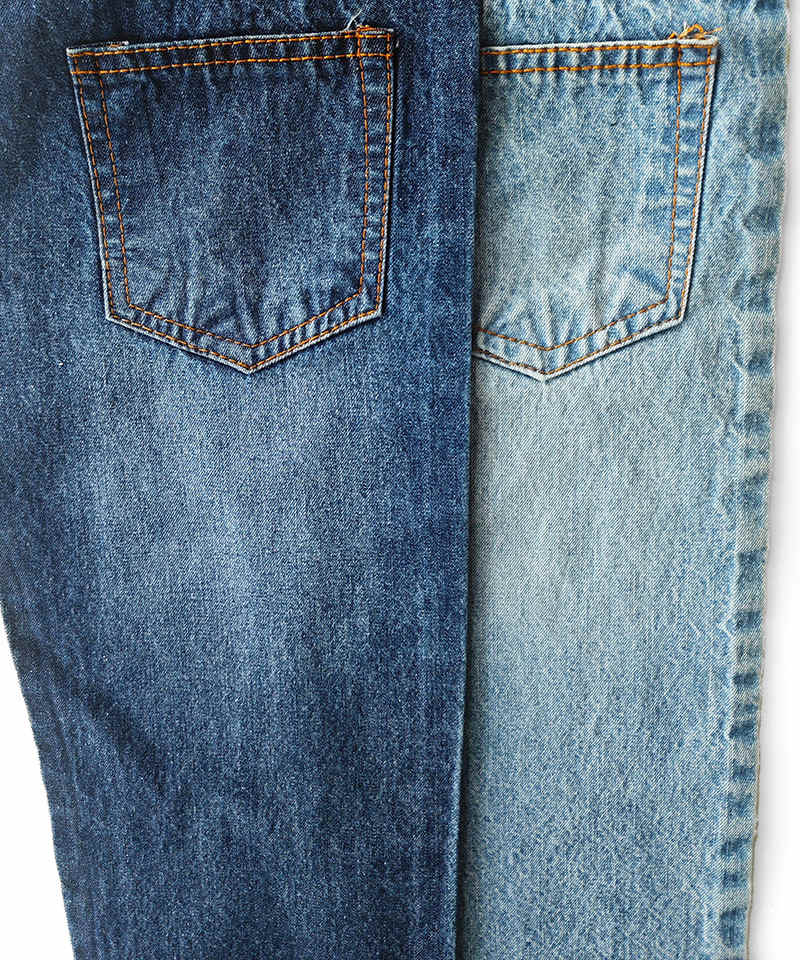
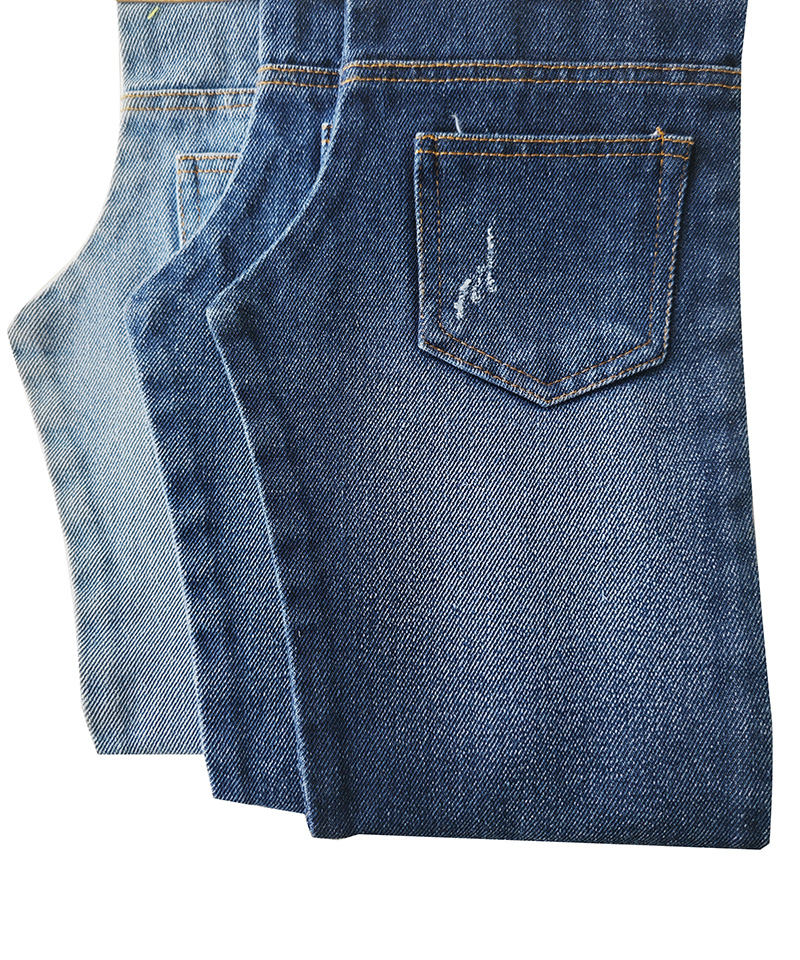
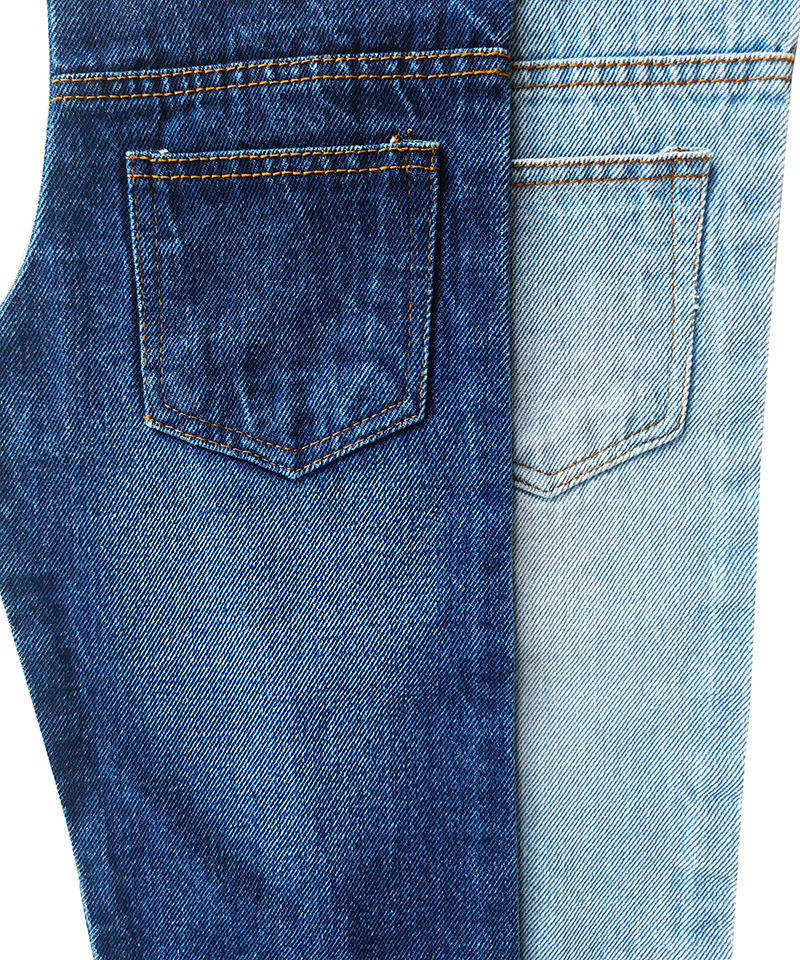
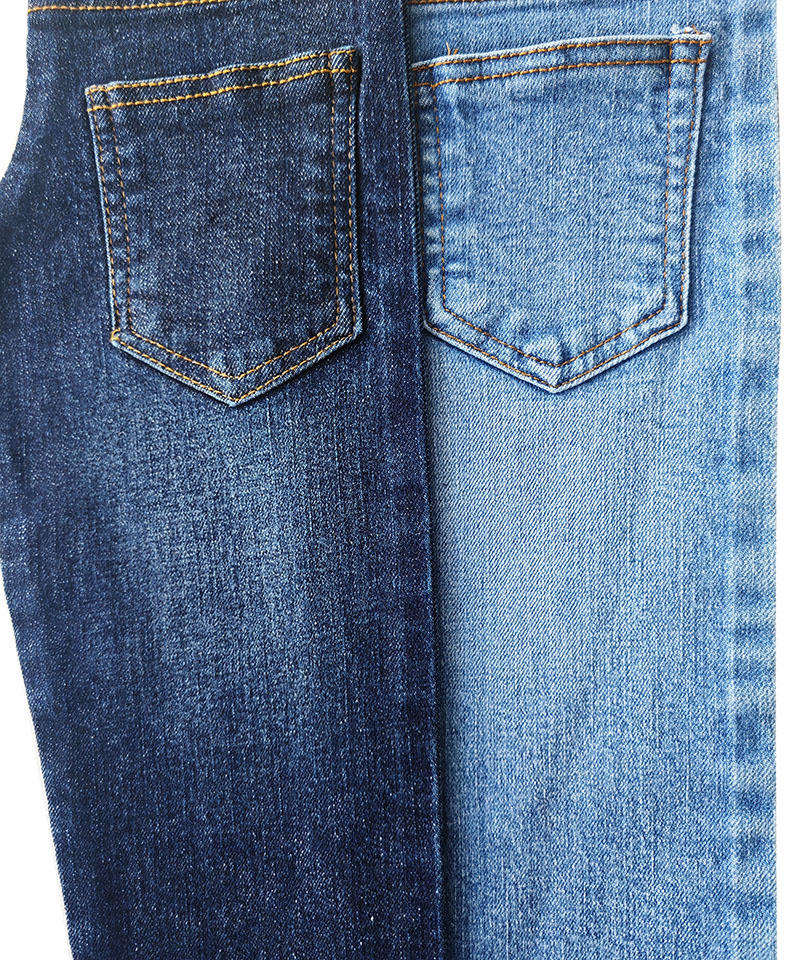
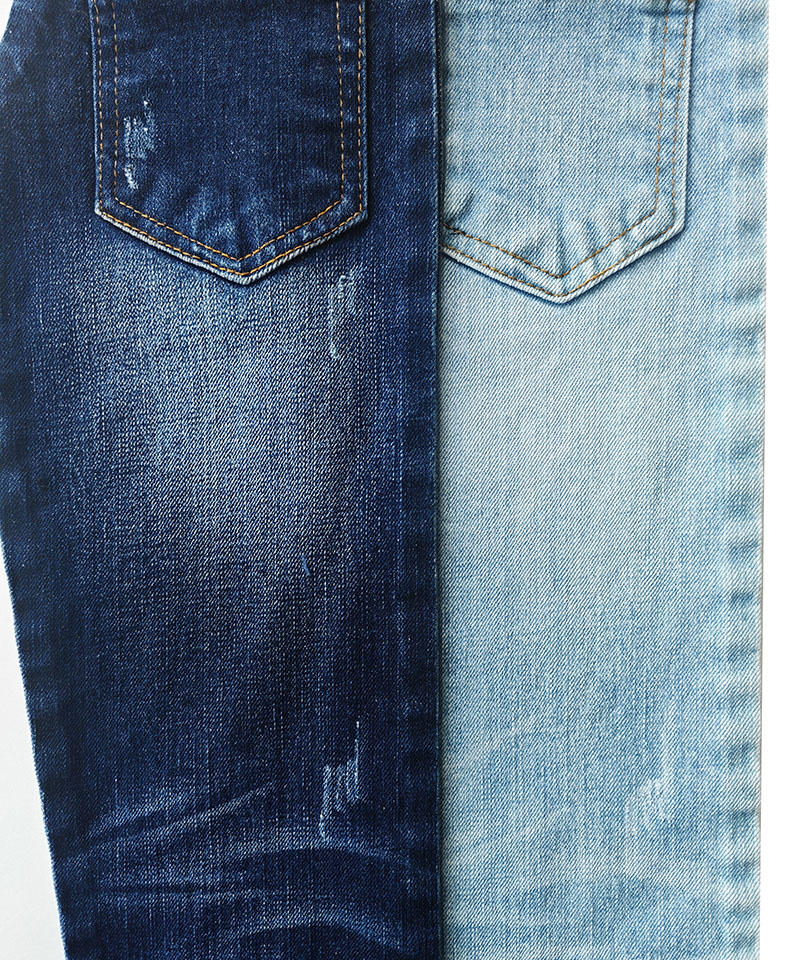
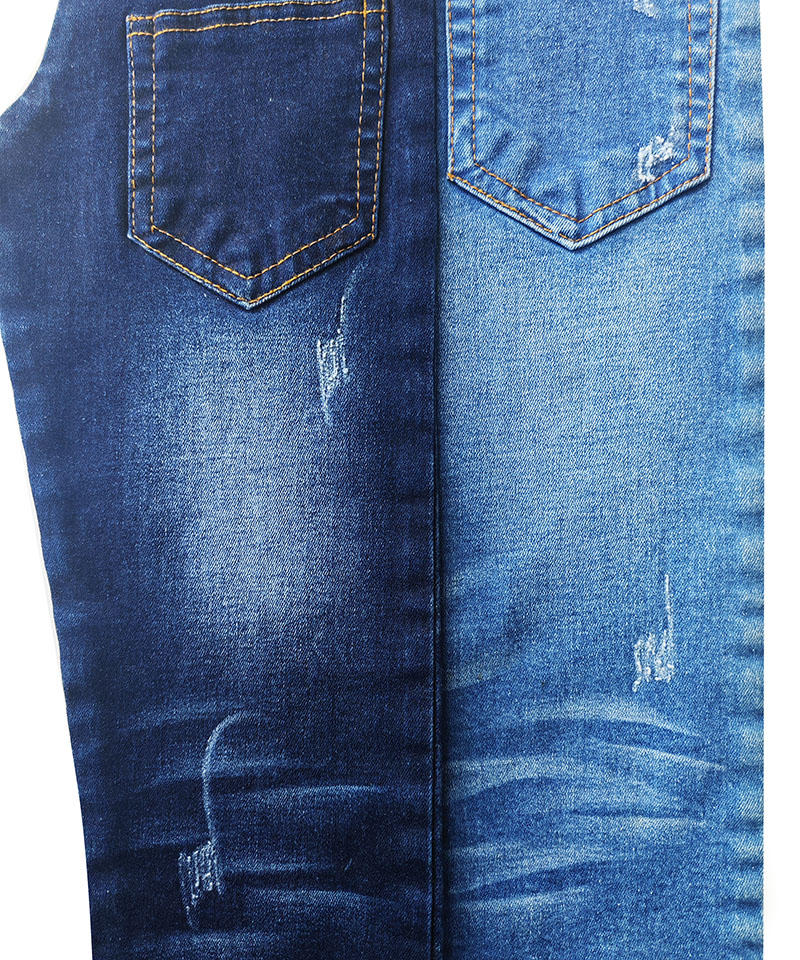
Satin denim fabric represents a sophisticated evolution in textile engineering, successfully merging the rugged durability of traditional twill denim with the luxurious, fluid drape of satin weave. This hybrid material creates a unique aesthetic that retains the structural integrity and classic look of denim while introducing a subtle sheen and a significantly softer hand feel. The result is a versatile fabric that transcends typical casual wear, offering a polished appearance suitable for a wider range of fashion applications without sacrificing comfort or resilience.
The Unique Weave Structure of Satin Denim
To understand the value of this material, one must look at its construction. Unlike standard denim, which utilizes a twill weave where the weft thread passes under two or more warp threads to create that iconic diagonal rib, satin denim employs a satin weave technique. In this configuration, the weft floats over multiple warp threads before interlacing. This long "float" is what reflects light and gives the fabric its characteristic luster.
However, unlike pure silk satin, which can be delicate, satin denim is typically woven using cotton or cotton-blend yarns. This means the fabric maintains the weight and robustness associated with jeans. The floating threads on the surface create a smooth texture that reduces friction against the skin, while the underlying tight weave ensures the material does not snag or tear easily.
- Warp threads provide the foundational strength and color depth.
- Weft threads create the surface sheen through floating weaving patterns.
- Cotton fibers ensure breathability and ease of care.
Comparative Analysis of Fabric Types
When selecting materials for design or personal use, it is helpful to visualize how satin denim sits in the spectrum of textiles. It occupies a middle ground between the matte ruggedness of classic jeans and the delicate shine of evening wear fabrics.
| Feature | Traditional Denim | Satin Denim Fabric | Standard Satin |
|---|---|---|---|
| Surface Texture | Matte & Rough | Smooth & Shiny | Glossy & Slippery |
| Durability | Extremely High | High | Low to Medium |
| Drape & Flow | Stiff & Rigid | Fluid & Flexible | Heavy Drape |
| Breathability | Moderate | Good | Variable |
Aesthetic and Functional Benefits
The primary allure of satin denim lies in its dual nature. It solves the common problem of denim feeling too heavy or casual for specific settings. By altering the weave, manufacturers create a fabric that catches the light, adding visual depth and a premium look to the garment.
Enhanced Visual Depth
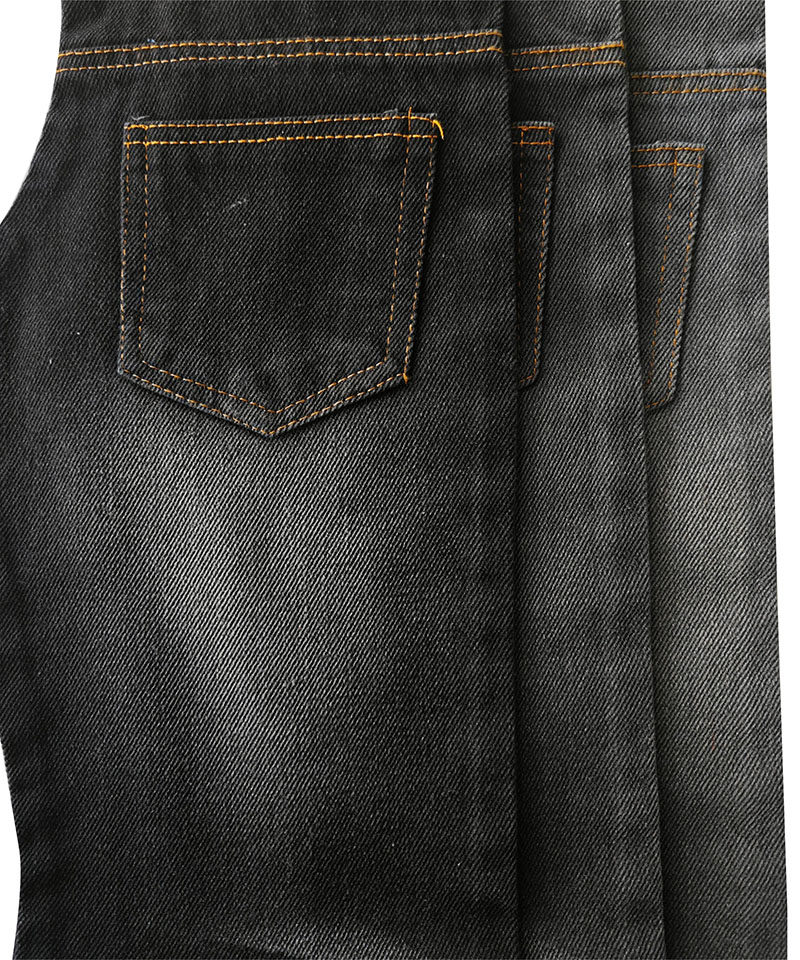
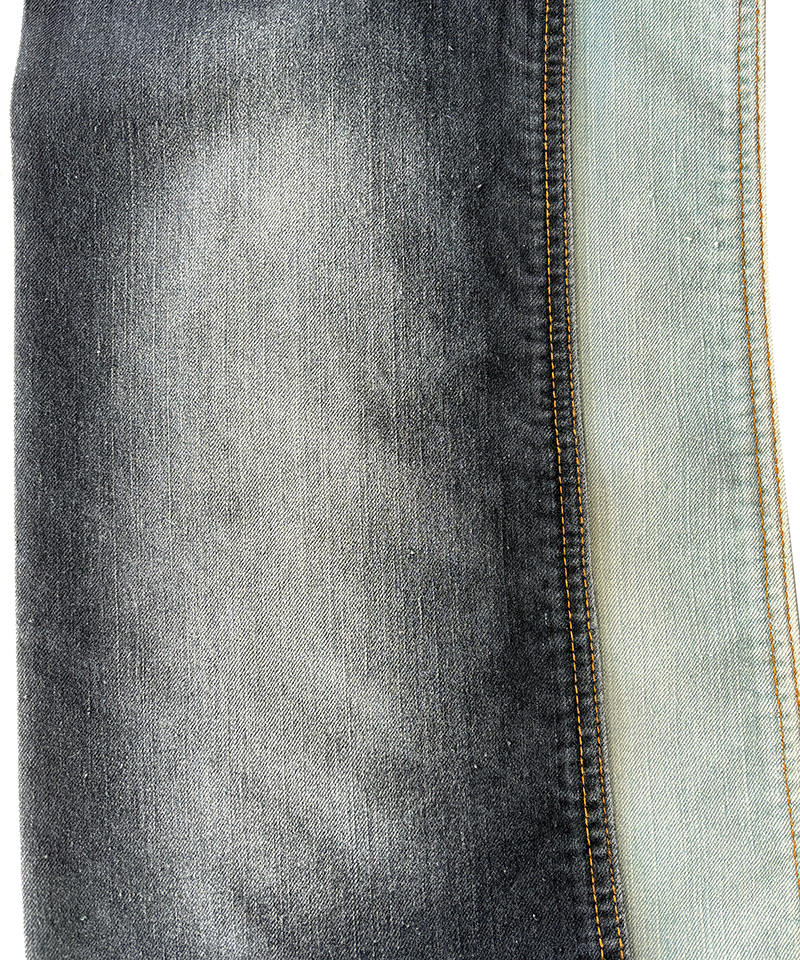
The play of light on the surface gives the color a dynamic quality. Dark blues appear richer, and blacks look deeper. This makes the fabric particularly popular for evening wear or garments intended to make a subtle statement.
Superior Comfort
Because the weft threads float over the warp, there are fewer points of intersection rubbing against the skin. This results in a fabric that feels significantly softer than standard denim of the same weight. It allows for better mobility and reduces the stiffness often associated with new jeans.
Shape Retention
Despite the smoother feel, the cotton core ensures that the fabric does not lose its shape easily. It resists bagging at the knees or seat better than many other drapable fabrics, maintaining a tailored silhouette throughout the day.
Ideal Applications in Fashion Design
Designers favor satin denim for its versatility. It serves as a bridge between day and night wear, allowing for creative silhouettes that were previously difficult to achieve with standard heavy denim.
- Tailored Jackets: The sheen elevates the classic trucker jacket, making it appropriate for dinner dates or business casual environments.
- Fluid Trousers: Wide-leg pants benefit immensely from the drape, creating a elegant line that hugs the body without feeling constricting.
- Evening Skirts: A-line or pencil skirts made from this fabric offer the comfort of cotton with the look of a more expensive textile.
- Shirts and Blouses: For a structured yet soft look, button-down shirts in satin denim provide a sophisticated alternative to poplin or oxford cloth.
Maintenance and Care Guidelines
Preserving the unique luster and texture of satin denim requires a slightly more attentive approach than caring for raw, rigid denim. However, it remains relatively low-maintenance compared to pure silk satins.
- Washing Temperature: Always opt for cold water. Hot water can cause the cotton fibers to shrink excessively, potentially distorting the satin weave's alignment.
- Gentle Cycles: Use the "gentle" or "delicate" setting on your washing machine. The agitation from a normal cycle can stress the long floating threads, leading to potential snags over time.
- Drying Methods: Air drying is highly recommended. The high heat of a dryer can damage the sheen and cause unwanted creasing that is difficult to remove. If machine drying is necessary, use a low heat setting and remove the items while slightly damp.
- Ironing: If wrinkles occur, iron inside out while the fabric is still slightly damp. Use a medium heat setting and avoid steam directly on the surface to prevent water spots.
Sustainability and Material Innovation
The textile industry is increasingly moving towards sustainable practices, and satin denim is part of this conversation. Because this fabric often relies on the high-quality weave rather than chemical coatings to achieve its sheen, it can be produced with fewer finishing agents.
Furthermore, the durability of satin denim contributes to a longer garment lifespan. Consumers are less likely to discard a piece of clothing that feels comfortable and looks luxurious after multiple washes. By blending the longevity of denim with the aesthetic appeal of satin, this fabric encourages a "buy less, choose well" philosophy, reducing the overall volume of textile waste.