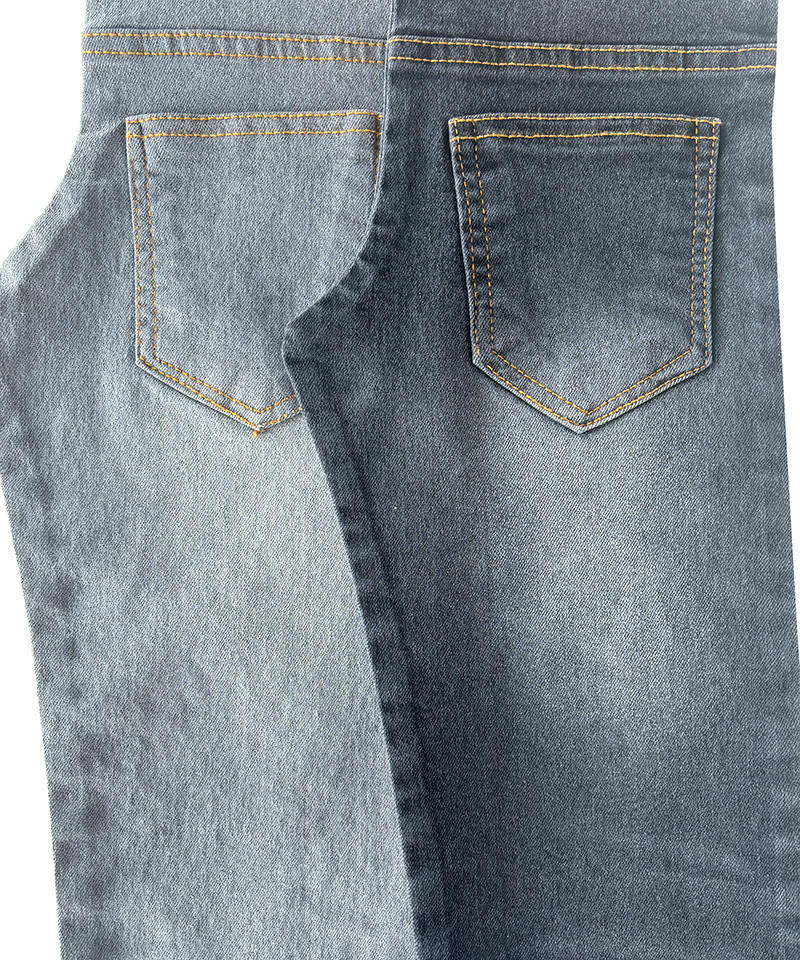
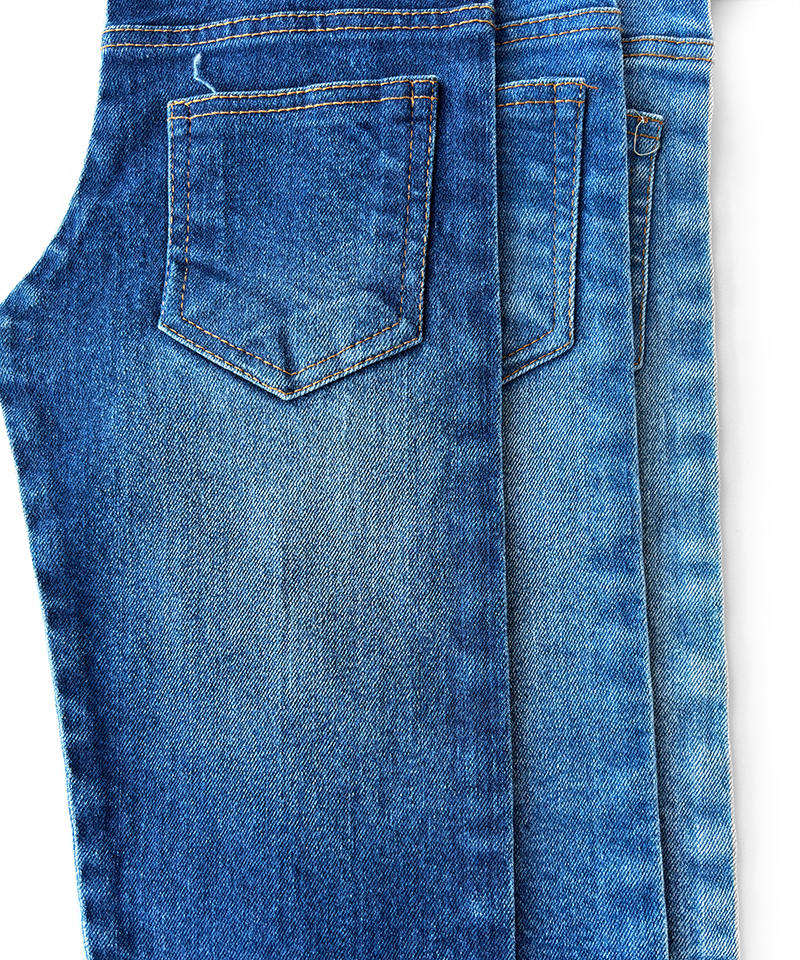
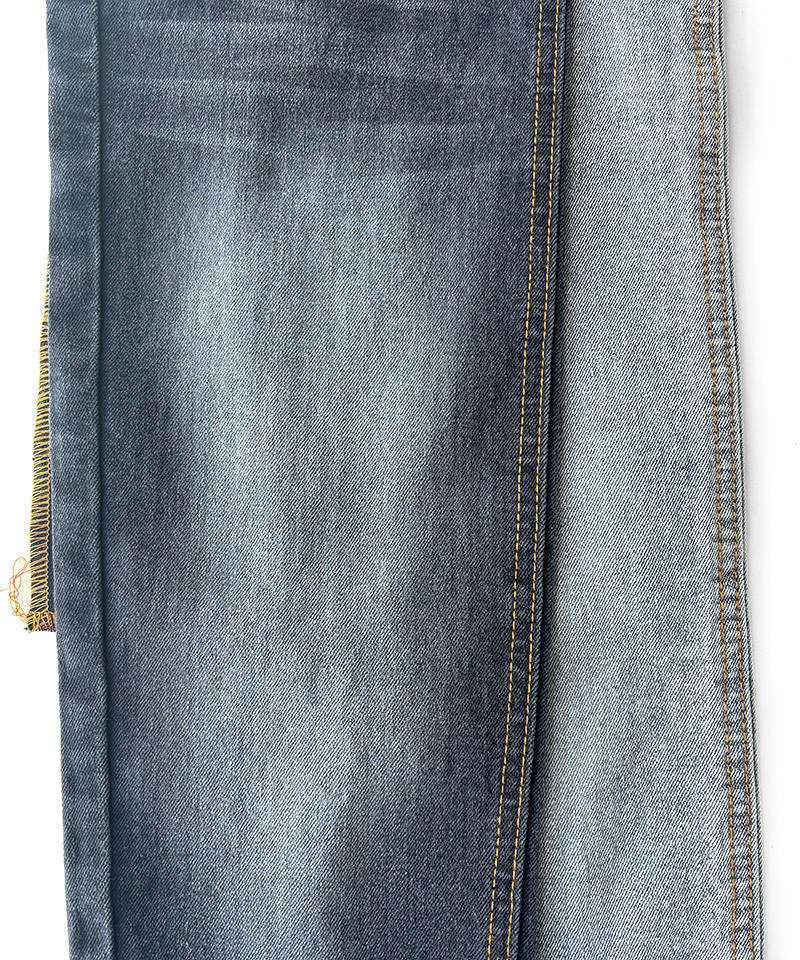
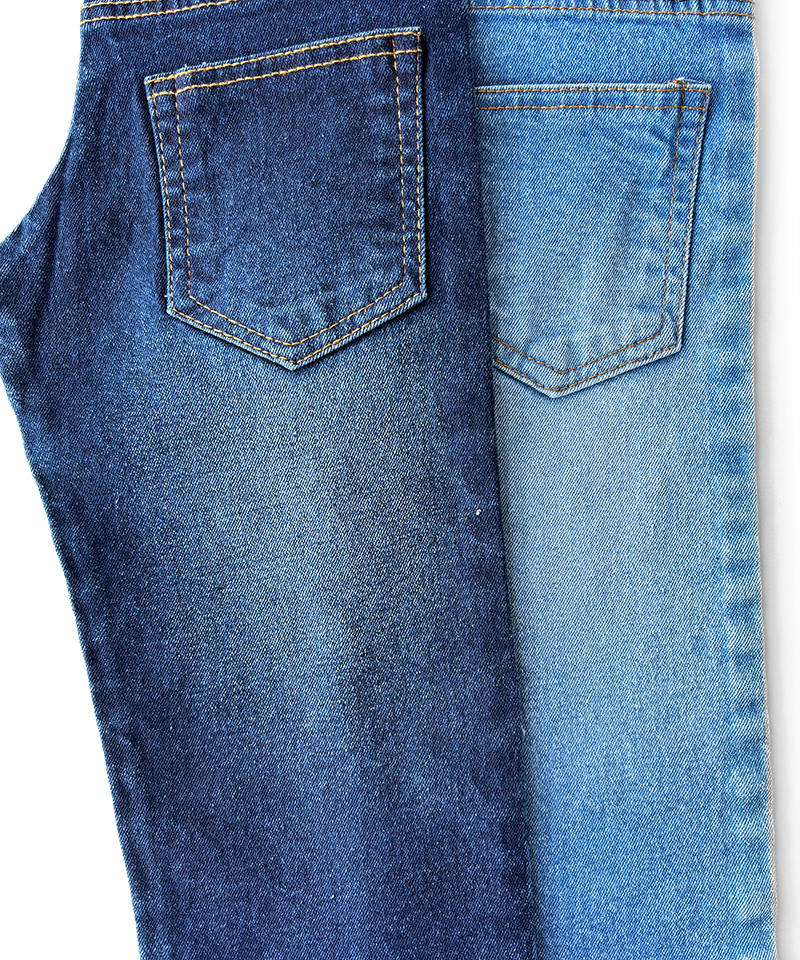
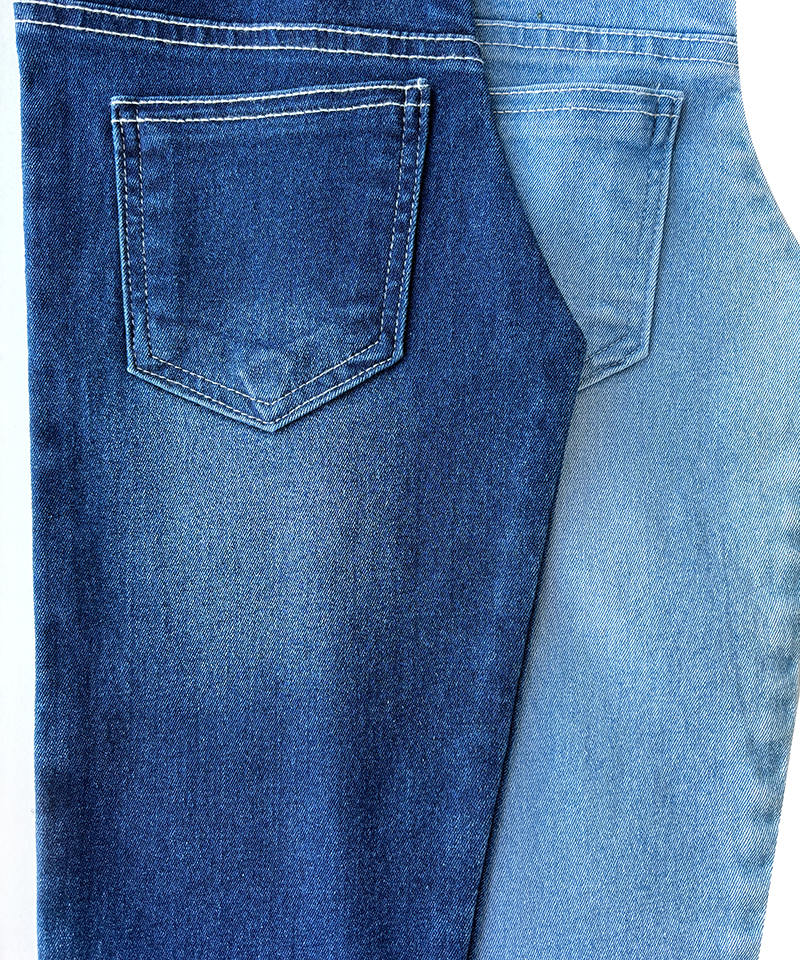
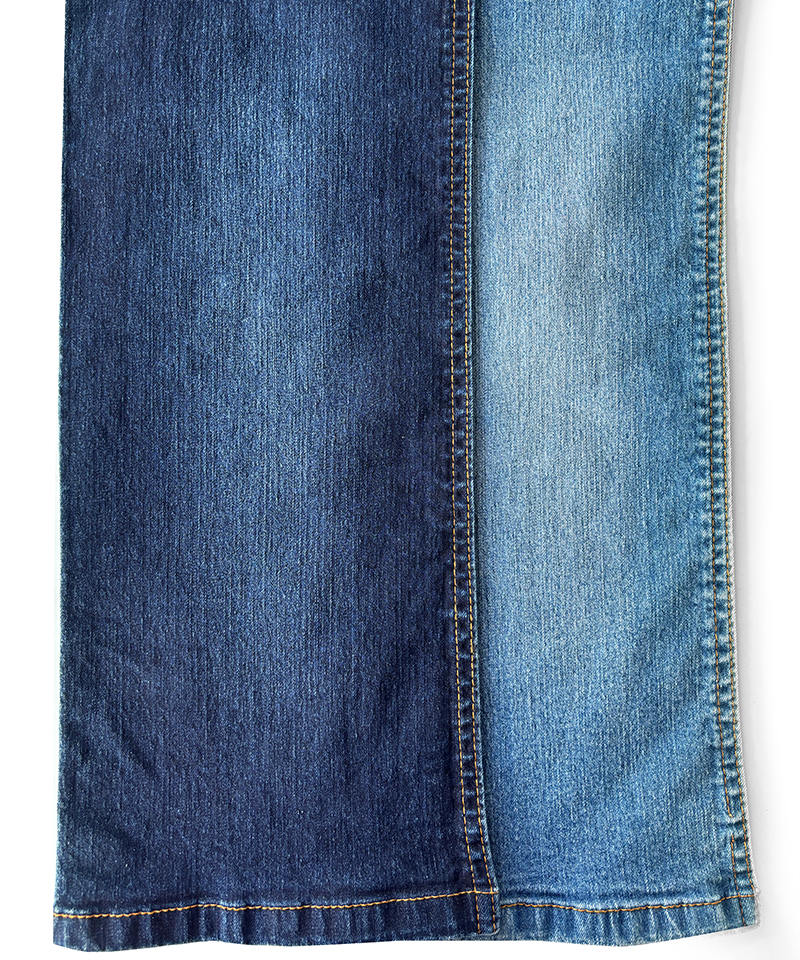
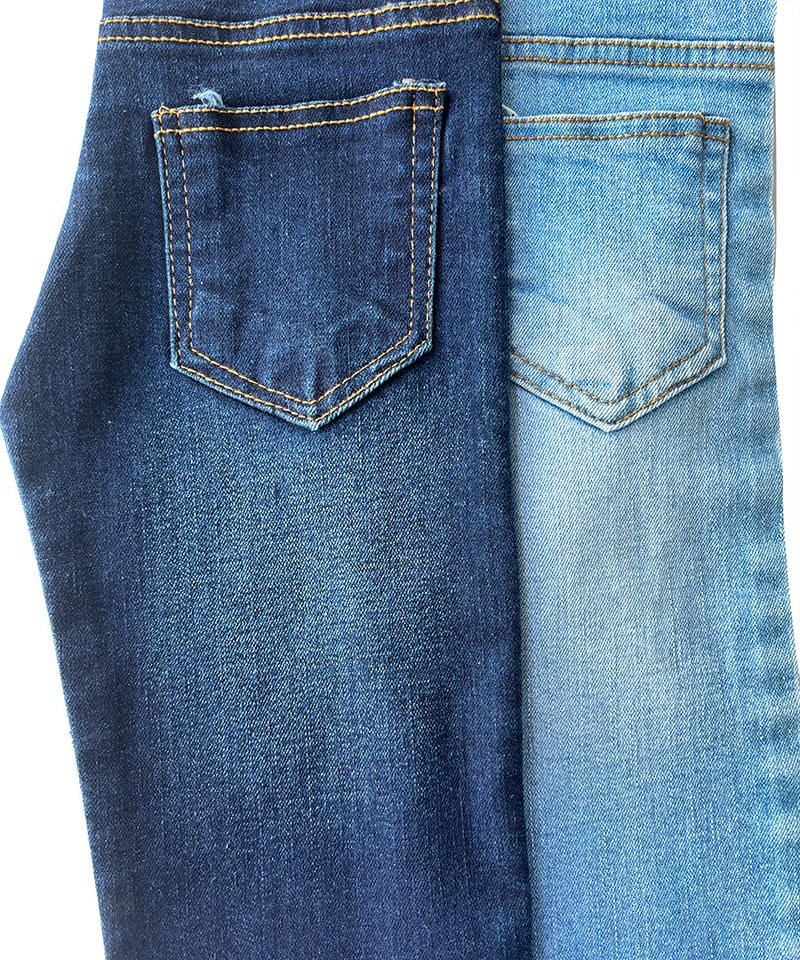
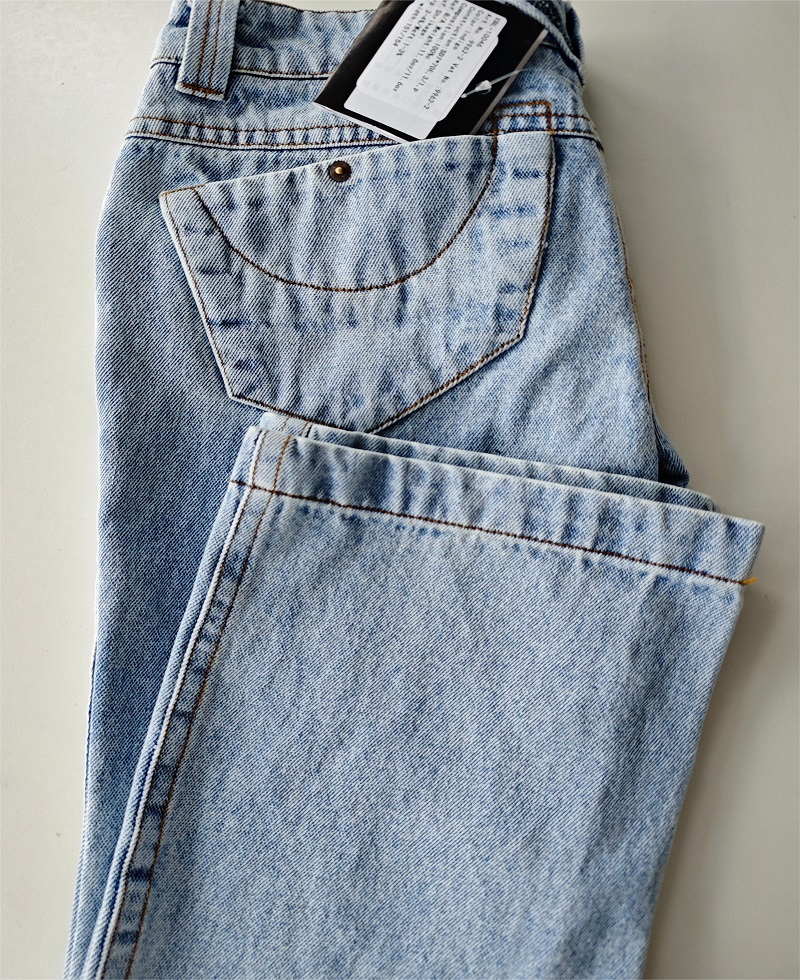
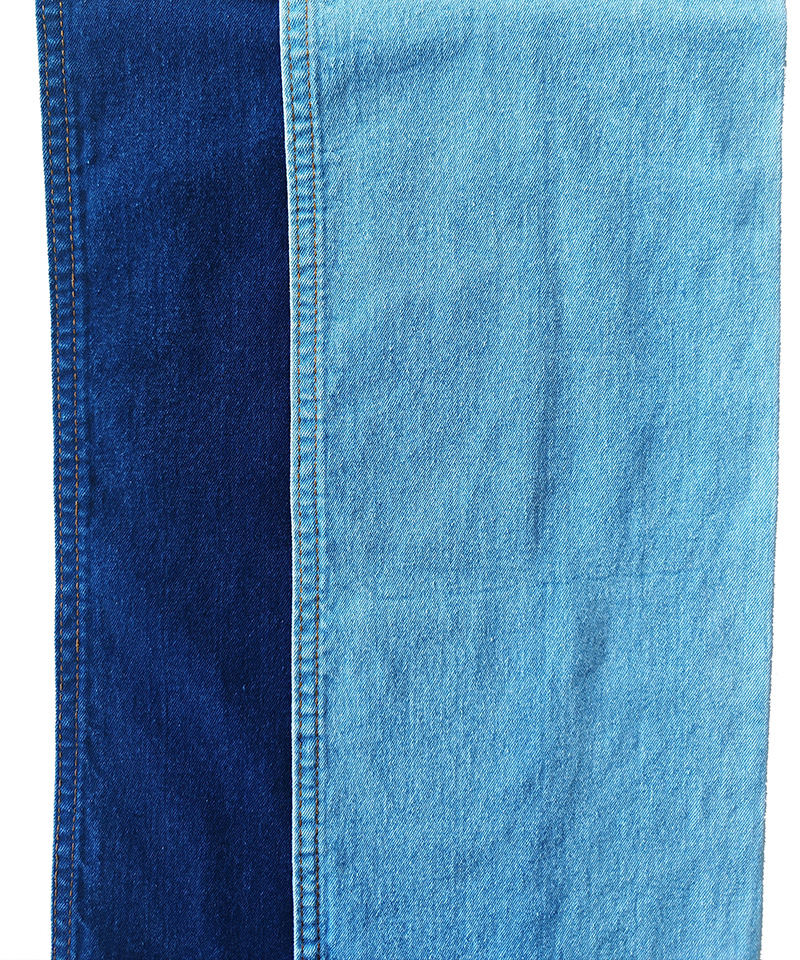
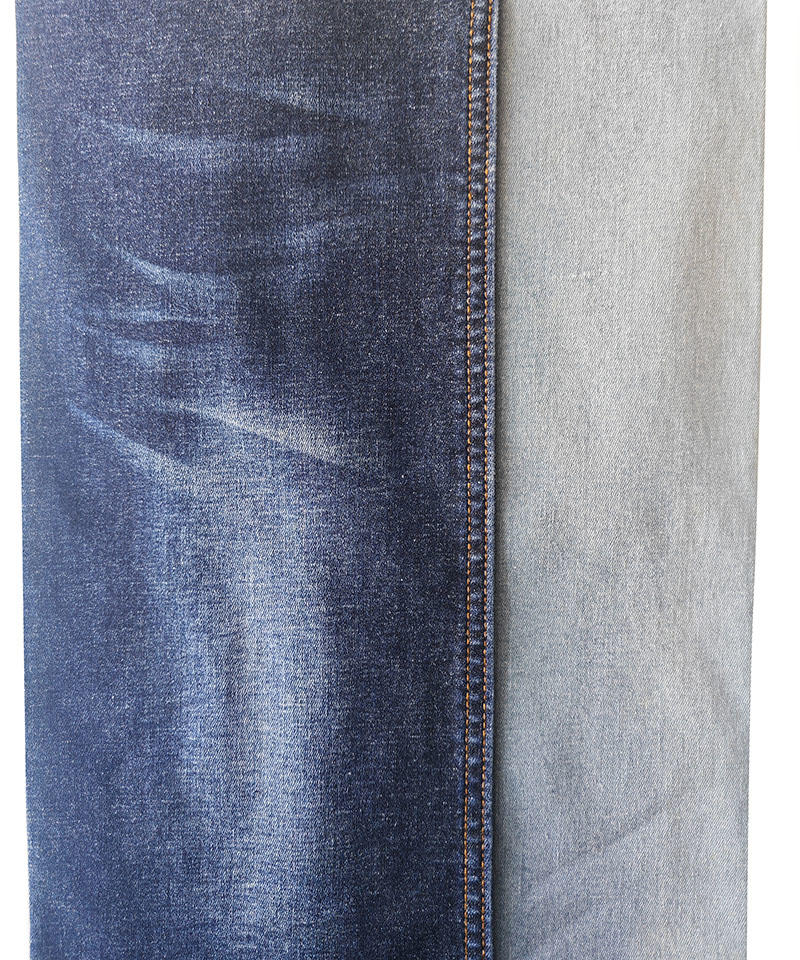
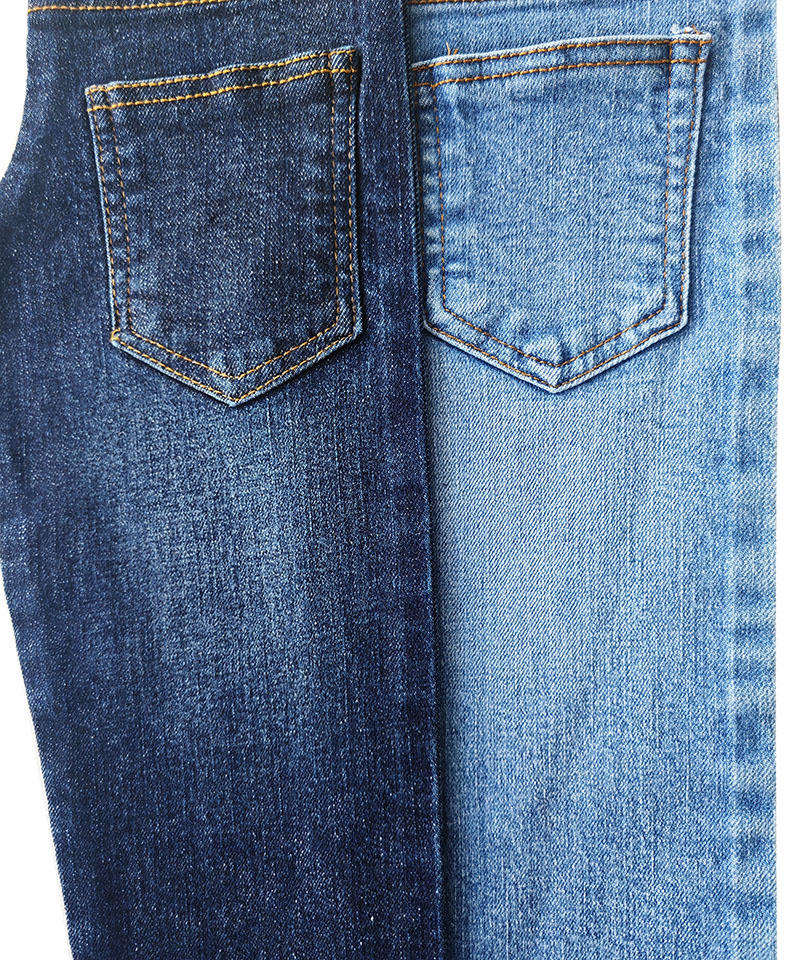
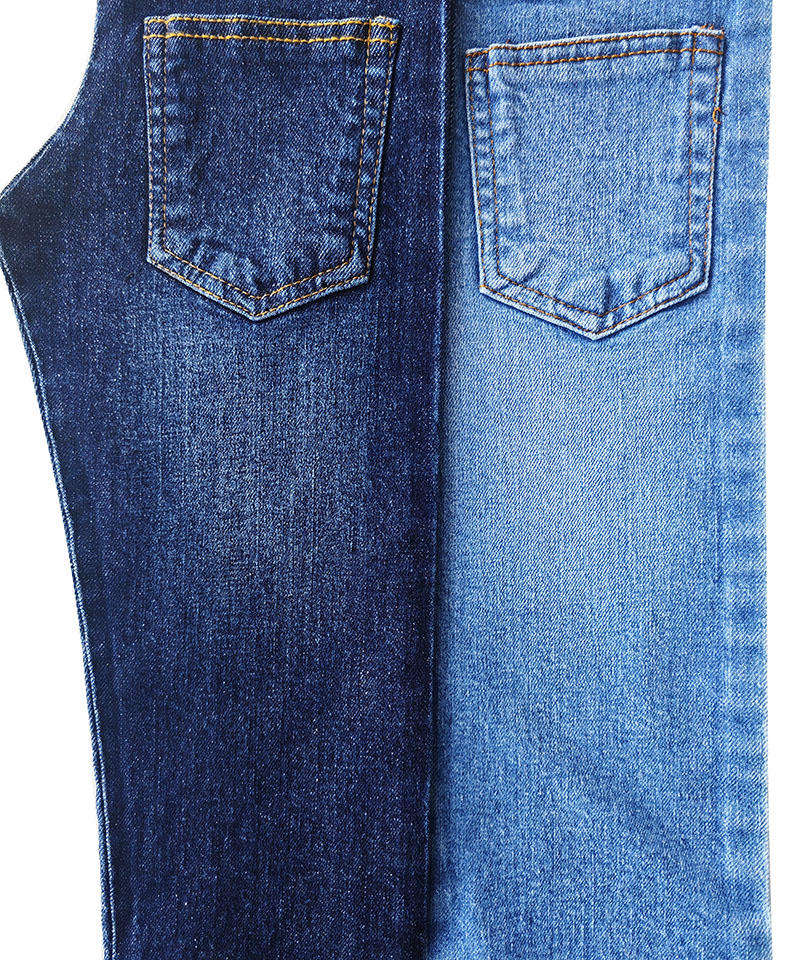
Denim fabric has proven itself as one of the most enduring textiles in the global apparel industry for over a century. From its origins as durable workwear for miners and labourers to its current status as a fashion staple found in every corner of the world, denim has continuously evolved to meet changing consumer demands and manufacturing capabilities. Today, the global denim fabric market is valued at approximately USD 15.3 billion as of 2025 and is projected to reach USD 19.5 billion by 2032, reflecting a compound annual growth rate of 3.6 percent. This growth is driven by sustained consumer demand, technological innovation, and the emergence of new product categories that cater to diverse preferences and use cases.
One of the most fundamental distinctions in the denim market today is the divide between rigid denim and stretch denim. While both are woven from cotton yarns using the traditional twill construction that gives denim its characteristic diagonal texture, they differ significantly in composition, performance characteristics, manufacturing processes, and end-use applications. Rigid denim, also known as non-stretch or 100 percent cotton denim, represents the authentic, traditional form of the fabric that has been produced for generations. Stretch denim, by contrast, incorporates elastane or spandex fibres into the weave to impart elasticity and recovery, offering enhanced comfort and fit that has revolutionised the denim industry since its introduction in the late 1970s.
For manufacturers, sourcing professionals, and brand owners engaged in international textile trade, understanding the technical distinctions between these two denim categories is essential for making informed procurement decisions. This article provides a comprehensive comparison of rigid and stretch denim, examining their manufacturing processes, material compositions, performance attributes, application suitability, and sustainability considerations. By the end of this analysis, readers will have a thorough understanding of how to select the appropriate denim type for their specific product requirements and target markets.
Section 1: Material Composition and Fibre Blends
The most fundamental difference between rigid and stretch denim lies in their fibre composition. Rigid denim is made exclusively from cotton fibres, with no synthetic or elastomeric components added to the weave. The cotton used in rigid denim production can vary in quality, staple length, and origin, with longer-staple cottons generally producing stronger and more uniform yarns. Common cotton varieties used in premium rigid denim include Egyptian, Supima, and Zimbabwean cottons, which are prized for their long fibres, high strength, and ability to produce smooth, lustrous fabrics.
In contrast, stretch denim is a blended fabric that combines cotton with elastane, which is also known as spandex or Lycra. Elastane is a synthetic fibre invented in 1958 by DuPont chemist Joseph Shivers, and it is known for its remarkable ability to stretch up to five times its original length and return to its original shape without permanent deformation. The elastane content in stretch denim typically ranges from 1 percent to 3 percent of the total fabric weight, though some high-stretch varieties may contain up to 5 percent or more. The elastane fibres are usually wrapped around a cotton core or intermingled with cotton yarns during the spinning process to create a composite yarn that combines the natural breathability and hand feel of cotton with the elasticity of synthetic fibres.
Beyond the basic cotton-elastane blend, stretch denim may also incorporate other synthetic fibres such as polyester or Tencel lyocell to further enhance specific performance attributes. Polyester blends, for instance, can improve durability and wrinkle resistance, while Tencel lyocell contributes to softness and moisture management. Rigid denim, by contrast, remains a single-fibre fabric, which simplifies recycling and end-of-life processing but limits the range of performance characteristics that can be engineered into the material.
Section 2: Manufacturing Process Differences
The manufacturing processes for rigid and stretch denim share many common stages but diverge at critical points, particularly in yarn preparation and finishing. Both types of denim begin with the selection and preparation of cotton fibres. The cotton undergoes ginning to separate the fibres from seeds and other impurities, followed by carding and combing to align the fibres and remove short staples. The prepared cotton is then spun into yarn using either ring spinning or open-end spinning methods, with ring spinning generally producing finer, stronger yarns suitable for premium denim applications.
In rigid denim production, the yarns are typically spun from 100 percent cotton and may be produced with varying twist levels to achieve different textures and strengths. The warp yarns, which run vertically in the fabric, are dyed with indigo using a rope dyeing process that involves multiple dips in indigo vats to build up the characteristic blue colour. The weft yarns, which run horizontally, are usually left undyed or may be dyed in a contrasting colour to create different aesthetic effects. After dyeing, the warp yarns are sized to strengthen them for the weaving process, and both warp and weft yarns are wound onto beams for the loom.
For stretch denim, the yarn preparation process involves an additional step: the creation of elastane-containing core-spun or covered yarns. In core-spun yarns, an elastane filament is wrapped with cotton fibres to create a composite yarn that has a cotton exterior and an elastane core. This construction ensures that the elastane is not exposed on the fabric surface, preserving the natural hand feel and appearance of cotton while imparting stretch and recovery properties. The covered yarns are then dyed and sized using processes similar to those used for rigid denim, though the presence of elastane requires careful control of temperature and tension to prevent damage to the synthetic fibres.
Weaving is another area where rigid and stretch denim differ. Both fabric types are woven on looms using the twill weave construction that gives denim its characteristic diagonal lines. However, the presence of elastane in stretch denim requires adjustments to loom settings, particularly in terms of tension and take-up rates, to accommodate the elastic nature of the yarns. The weaving process for stretch denim must balance the need for fabric stability with the desire for optimal stretch and recovery performance. Traditional shuttle looms are often used for selvedge rigid denim, producing a narrow fabric width with a self-finished edge that is highly prized by denim enthusiasts. Modern projectile and air-jet looms are more commonly used for both rigid and stretch denim production, offering higher productivity and wider fabric widths suitable for mass manufacturing.
Section 3: Physical and Mechanical Properties
The mechanical properties of rigid and stretch denim differ substantially, affecting everything from garment fit and comfort to durability and care requirements. Understanding these differences is crucial for manufacturers selecting materials for specific end-use applications.
Rigid denim is characterised by its stiffness, structure, and lack of elasticity. When new, rigid denim feels firm and may be somewhat uncomfortable to wear, requiring a break-in period during which the fabric softens and conforms to the wearer’s body. The tensile strength of rigid denim is generally high due to the absence of synthetic fibres, which can be weaker than cotton under certain conditions. However, the fabric has limited give, which can restrict movement and make it less suitable for close-fitting garments. Rigid denim also has a tendency to stretch permanently in high-stress areas such as the knees and seat, a phenomenon known as bagging or sagging. This permanent deformation occurs because cotton fibres do not have the recovery properties of elastane.
Stretch denim, by contrast, offers significant elasticity and recovery. The elastane content allows the fabric to stretch in response to movement and then return to its original dimensions, maintaining garment shape and fit over extended periods of wear. The stretch properties of denim are typically classified into three categories: comfort stretch, which offers up to 20 percent elasticity and is suitable for most casual and smart-casual applications; power stretch, which provides 30 percent or more elasticity and is used for very close-fitting garments such as skinny jeans; and bi-stretch, which stretches in both the warp and weft directions for maximum freedom of movement.
The presence of elastane also affects other physical properties of the fabric. Stretch denim tends to be softer and more drapable than rigid denim, making it more comfortable for all-day wear. However, the elastane fibres are less abrasion-resistant than cotton, which can reduce the overall durability of the fabric in high-wear areas. Stretch denim may also be more susceptible to heat damage, as high temperatures can degrade elastane fibres, leading to loss of elasticity and fabric distortion. This consideration is particularly important for manufacturers and launderers who must carefully control processing temperatures during garment finishing and care.
Section 4: Aesthetic and Visual Characteristics
The visual characteristics of rigid and stretch denim differ in ways that affect both the initial appearance of the fabric and its evolution over time. These differences have significant implications for product design, consumer expectations, and brand positioning.
Rigid denim is prized for its authentic, vintage-inspired appearance. The deep indigo colour of new rigid denim fades gradually with wear and washing, creating unique fade patterns that reflect the wearer’s lifestyle and habits. These fade patterns, including whiskers around the crotch, honeycombs behind the knees, and stacks at the hem, are highly valued by denim enthusiasts and contribute to the personalised, lived-in aesthetic that characterises premium denim products. The fading process is a result of the progressive loss of indigo dye from the surface of the yarns, which occurs through mechanical abrasion and washing. Because rigid denim contains no synthetic fibres, the fading is natural and organic, producing subtle variations in colour that cannot be precisely replicated through artificial distressing techniques.
Stretch denim, in contrast, tends to have a more uniform appearance and does not develop the same distinctive fade patterns as rigid denim. The presence of elastane affects the way indigo dye adheres to the yarns and the way the fabric abrades during wear, resulting in less pronounced and less personalised fading. Additionally, stretch denim is often subjected to pre-washing and finishing treatments at the garment stage to achieve specific aesthetic effects, such as stone washing, enzyme washing, or laser distressing. These treatments can produce a wide range of finishes, from subtle worn effects to dramatic distressed looks, but they tend to create more predictable and uniform results than the natural fading of rigid denim.
The surface texture of the two fabric types also differs. Rigid denim typically has a crisp, slightly rough hand feel that becomes smoother and softer with wear. The twill weave is more pronounced in rigid denim, creating distinct diagonal lines that are a hallmark of the fabric. Stretch denim, by virtue of its elastane content, tends to have a smoother, more uniform surface with less pronounced twill lines. The fabric feels softer and more supple from the outset, eliminating the need for a break-in period.
Section 5: Application Suitability and End-Use Considerations
The choice between rigid and stretch denim depends heavily on the intended application, target market, and specific garment requirements. Each fabric type offers distinct advantages and limitations that make it more or less suitable for different product categories.
Rigid denim is the preferred choice for traditional, heritage-inspired denim products that emphasise authenticity, durability, and the potential for personalised fading. It is commonly used in selvedge denim jeans, workwear-inspired jackets, and other garments that appeal to consumers who value craftsmanship and the unique character that develops with wear. Rigid denim is also favoured by brands that position themselves as purveyors of authentic, timeless style, as the fabric’s connection to denim’s historical origins reinforces brand narratives of heritage and quality.
From a manufacturing perspective, rigid denim offers several advantages. The fabric is easier to cut and sew than stretch denim, as it does not stretch or shift during garment construction. Seams are more stable, and the finished garments hold their shape better during subsequent washing and finishing processes. Rigid denim is also more compatible with traditional garment finishing techniques, such as stone washing and enzyme washing, which can create authentic-looking wear patterns without the risk of damaging elastane fibres.
Stretch denim, on the other hand, is the dominant choice for contemporary fashion denim products that prioritise comfort, fit, and versatility. The fabric’s elasticity allows for closer-fitting silhouettes, such as skinny, slim, and tapered fits, that would be uncomfortable or impractical in rigid denim. Stretch denim is also preferred for women’s denim, where the demand for form-fitting styles has driven the widespread adoption of elastane-containing fabrics. The comfort and ease of movement provided by stretch denim have made it the fabric of choice for casual and lifestyle denim products, as well as for activewear-inspired designs that blur the line between traditional denim and performance apparel.
For manufacturers, stretch denim presents certain challenges. The elastic nature of the fabric requires careful handling during cutting, sewing, and finishing to prevent distortion and ensure consistent garment dimensions. Seams must be constructed with appropriate stretch thread and stitch types to accommodate the fabric’s elasticity without breaking or puckering. Finishing processes must be carefully controlled to avoid degrading the elastane fibres, which can be damaged by high temperatures, harsh chemicals, or excessive mechanical action.
Section 6: Consumer Preferences and Market Trends
Consumer preferences for rigid versus stretch denim have evolved significantly over the past several decades, reflecting broader shifts in fashion, lifestyle, and consumer values. Understanding these preferences is essential for manufacturers and brands seeking to align their product offerings with market demand.
The introduction of stretch denim in the late 1970s and its widespread adoption in the 1980s marked a significant turning point in consumer preferences. For the first time, consumers could enjoy the aesthetic of denim with the comfort and fit of more flexible fabrics. Stretch denim quickly became the dominant choice for women’s denim, enabling the creation of close-fitting styles that were previously impossible with rigid fabric. By the 1990s and 2000s, stretch denim had also gained significant market share in men’s denim, driven by the popularity of slim and tapered fits.
However, the past decade has seen a resurgence of interest in rigid denim, particularly among younger consumers and denim enthusiasts who value authenticity, sustainability, and the unique character that develops with wear. The vintage and heritage movements in fashion have contributed to this trend, as consumers seek out products that connect them to traditional craftsmanship and timeless style. Rigid denim is also benefiting from growing consumer awareness of the environmental impact of synthetic fibres, with some consumers preferring the biodegradability and recyclability of 100 percent cotton fabrics.
Market research indicates that both rigid and stretch denim will continue to have significant market presence, with consumer preferences varying by demographic, geography, and product category. In premium and luxury segments, rigid denim maintains a strong position due to its association with authenticity and craftsmanship. In mass-market and contemporary segments, stretch denim remains the dominant choice due to its comfort, fit, and versatility. The growing popularity of athleisure and comfort-focused fashion has also supported continued demand for stretch denim, as consumers seek fabrics that combine style with functionality.
Section 7: Sustainability and Environmental Considerations
Sustainability has become a critical consideration in the denim industry, with manufacturers, brands, and consumers increasingly focused on reducing the environmental impact of textile production. The sustainability profiles of rigid and stretch denim differ in several important ways, influencing sourcing decisions and product development strategies.
Rigid denim, being made from 100 percent cotton, has the advantage of being a single-fibre fabric that is theoretically easier to recycle than blended fabrics. Cotton is a natural fibre that is biodegradable under appropriate conditions, meaning that rigid denim garments can decompose at the end of their useful life without leaving persistent synthetic residues. However, the environmental footprint of conventional cotton cultivation is significant, with high water consumption, pesticide use, and land requirements posing serious sustainability challenges. The use of organic cotton and recycled cotton in rigid denim production can mitigate these impacts, but these materials remain more expensive and less widely available than conventional cotton.
Stretch denim presents additional sustainability challenges due to its blended composition. The presence of elastane makes the fabric difficult to recycle, as the synthetic fibres must be separated from the cotton before either component can be effectively reprocessed. Current recycling technologies are not well-suited to handling elastane-containing blends, meaning that most stretch denim garments end up in landfills or incinerators at the end of their useful life. The production of elastane is also energy-intensive and relies on fossil fuel-derived feedstocks, contributing to the fabric’s overall environmental footprint.
However, the sustainability equation is not entirely one-sided. Stretch denim’s superior fit and comfort characteristics may lead to longer garment lifespans, as consumers are more likely to keep and wear garments that fit well and feel comfortable. Extended garment lifespans can offset some of the environmental impacts associated with production, as the environmental cost per wear is reduced. Additionally, innovations in sustainable elastane production, such as the development of bio-based elastane alternatives, are beginning to emerge and may improve the sustainability profile of stretch denim in the coming years.
The denim industry is actively exploring solutions to the sustainability challenges posed by both fabric types. Circular economy initiatives, including denim take-back programmes and textile-to-textile recycling systems, are being developed to keep denim products in use for longer and to recover valuable fibres at the end of their useful life. Water-saving technologies, such as foam dyeing and ozone finishing, are being adopted to reduce the environmental impact of denim production regardless of fabric type. Manufacturers are also investing in laser finishing and digital colour control to reduce chemical and water intensity while maintaining authentic denim aesthetics.
Section 8: Comparative Summary Table
The following table provides a concise side-by-side comparison of the key attributes of rigid denim and stretch denim for easy reference by manufacturers and buyers.
| Characteristic |
Rigid Denim |
Stretch Denim |
| Fibre Composition |
100 percent cotton |
Cotton with 1-5 percent elastane or spandex |
| Elasticity |
None or minimal natural give |
20-30+ percent stretch with recovery |
| Initial Comfort |
Stiff, requires break-in period |
Soft and comfortable from day one |
| Fit Characteristics |
Traditional, structured |
Form-fitting, adaptable to various silhouettes |
| Fade Development |
Natural, personalised fading over time |
More uniform, less pronounced fading |
| Durability |
High tensile strength, prone to bagging |
Good shape retention, elastane may degrade over time |
| Manufacturing Considerations |
Stable, easy to cut and sew |
Requires careful handling, specialised sewing techniques |
| Finishing Compatibility |
Compatible with all finishing techniques |
Sensitive to high heat and harsh chemicals |
| Recyclability |
Easier to recycle as single-fibre fabric |
Challenging due to blended composition |
| Typical Applications |
Heritage denim, selvedge, workwear |
Contemporary fashion, skinny and slim fits, women’s denim |
| Price Point |
Varies widely, premium for high-quality cotton |
Generally comparable, premium for high-stretch varieties |
| Consumer Profile |
Enthusiasts, heritage-focused consumers |
Mainstream consumers, comfort-focused shoppers |
Section 9: Selection Criteria for Manufacturers and Buyers
For manufacturers and buyers involved in denim sourcing and product development, the choice between rigid and stretch denim should be guided by a systematic evaluation of product requirements, target market preferences, and manufacturing capabilities. The following criteria provide a framework for making informed decisions.
First, consider the intended garment style and fit. If the product requires a close-fitting silhouette, such as skinny jeans, slim-fit trousers, or form-fitting dresses, stretch denim is the appropriate choice. The elasticity of the fabric allows for a snug fit that remains comfortable during movement and maintains its shape over time. If the product is intended to have a relaxed, traditional, or heritage-inspired fit, rigid denim may be more suitable, as its structure and lack of stretch contribute to the authentic aesthetic and feel.
Second, evaluate the target consumer and their expectations. Consumers who value authenticity, craftsmanship, and the personalised character that develops with wear are more likely to prefer rigid denim. This consumer segment is typically found in premium and heritage-focused brands, as well as among denim enthusiasts who actively seek out rigid and selvedge denim products. Consumers who prioritise comfort, fit, and convenience are more likely to prefer stretch denim, as the fabric offers immediate comfort and requires no break-in period.
Third, assess the manufacturing capabilities and constraints of the production facility. Rigid denim is generally easier to manufacture, as it does not require specialised handling or equipment. Stretch denim, by contrast, requires careful control of tension, temperature, and processing conditions to prevent damage to the elastane fibres and ensure consistent product quality. Manufacturers with limited experience in processing stretch denim may need to invest in training and equipment upgrades to achieve satisfactory results.
Fourth, consider the sustainability priorities of the brand and its customers. Brands that emphasise circularity and recyclability may prefer rigid denim for its single-fibre composition, while brands that prioritise comfort and performance may accept the trade-offs associated with stretch denim’s blended composition. The availability of sustainable cotton and recycled materials should also be considered, as these inputs can improve the environmental profile of both fabric types.
Conclusion
The distinction between rigid and stretch denim represents one of the most important considerations in contemporary denim manufacturing and sourcing. Rigid denim, with its 100 percent cotton composition, authentic aesthetic, and traditional manufacturing processes, appeals to consumers who value heritage, craftsmanship, and the unique character that develops with wear. Stretch denim, with its elastane-enhanced elasticity, superior comfort, and versatile fit capabilities, appeals to consumers who prioritise immediate comfort, fashion-forward silhouettes, and ease of wear.
Both fabric types have legitimate places in the denim market, and neither is inherently superior to the other. The optimal choice depends on the specific requirements of the product, the preferences of the target consumer, and the capabilities of the manufacturing facility. By understanding the technical, performance, and sustainability differences between these two denim categories, manufacturers and buyers can make informed decisions that align with their product strategies and market positions.
As the denim industry continues to evolve, innovations in fibre technology, manufacturing processes, and sustainability practices will likely blur some of the distinctions between rigid and stretch denim. The development of bio-based elastane alternatives, improved recycling technologies for blended fabrics, and advances in sustainable cotton cultivation may create new possibilities for denim products that combine the best attributes of both fabric types. However, for the foreseeable future, the fundamental choice between rigid and stretch denim will remain a critical decision for denim manufacturers and buyers worldwide.
Frequently Asked Questions
Q1: What is the main difference between rigid denim and stretch denim?
The main difference lies in the fibre composition. Rigid denim is made from 100 percent cotton with no synthetic fibres, resulting in a fabric that has no stretch and requires a break-in period to become comfortable. Stretch denim contains elastane or spandex fibres, typically 1 to 5 percent of the fabric weight, which provides elasticity and allows the fabric to stretch and recover, offering immediate comfort and better shape retention.
Q2: Which type of denim is more durable: rigid or stretch?
Rigid denim generally has higher tensile strength because cotton fibres are stronger than elastane fibres. However, rigid denim is prone to bagging and sagging in high-stress areas because cotton does not have elastic recovery. Stretch denim maintains its shape better over time due to the elastane content, but the elastane fibres can degrade with repeated washing and exposure to heat, potentially reducing the fabric's long-term durability.
Q3: Can stretch denim be recycled in the same way as rigid denim?
No, stretch denim is more difficult to recycle because it is a blended fabric containing both natural cotton fibres and synthetic elastane fibres. Current recycling technologies struggle to separate these components effectively, meaning that most stretch denim garments end up in landfills. Rigid denim, being made from 100 percent cotton, is easier to recycle and can be processed through existing textile-to-textile recycling systems.
Q4: How do fading characteristics differ between rigid and stretch denim?
Rigid denim develops natural, personalised fade patterns over time as the indigo dye wears off through mechanical abrasion. These fades, including whiskers, honeycombs, and stacks, reflect the wearer's habits and lifestyle. Stretch denim tends to fade more uniformly and less dramatically because the elastane affects how the dye adheres to the yarns and how the fabric abrades during wear.
Q5: Which type of denim is better for close-fitting garments like skinny jeans?
Stretch denim is better suited for close-fitting garments because its elasticity allows the fabric to conform to the body while maintaining comfort and freedom of movement. Rigid denim lacks the stretch needed for skinny or slim fits and would be uncomfortable and restrictive in such applications. Power stretch denim, with 30 percent or more elasticity, is specifically designed for very tight-fitting styles.
References
-
Market Research Report: Global Denim Fabric Market Analysis, 2025-2032. Market Glass Inc.
-
Denim Fabric Manufacturing Process: A Comprehensive Technical Guide. Candiani Denim.
-
Stretch vs Rigid Denim: Comparative Performance Analysis. Candiani Denim Technical Journal.
-
Circular Denim: Performance Breakthroughs and Market Adoption. Textile Today, 2026.
-
Denim Reimagined: Sustainability and Innovation in Modern Denim Production. Fibre2Fashion, 2026.


 English
 Español