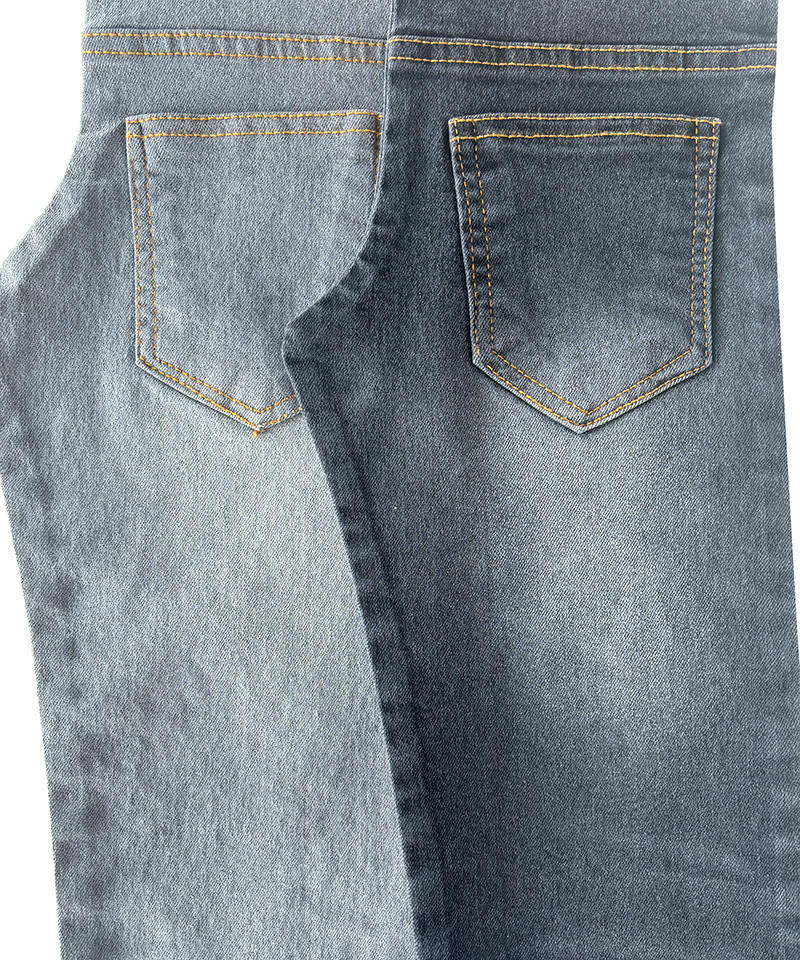
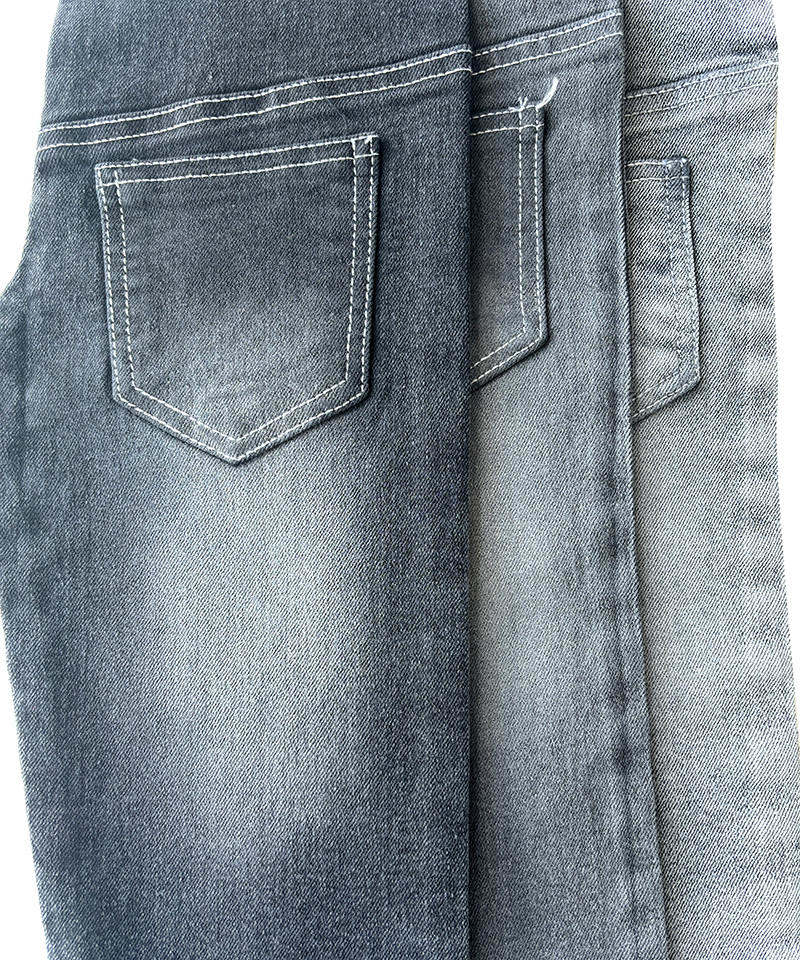
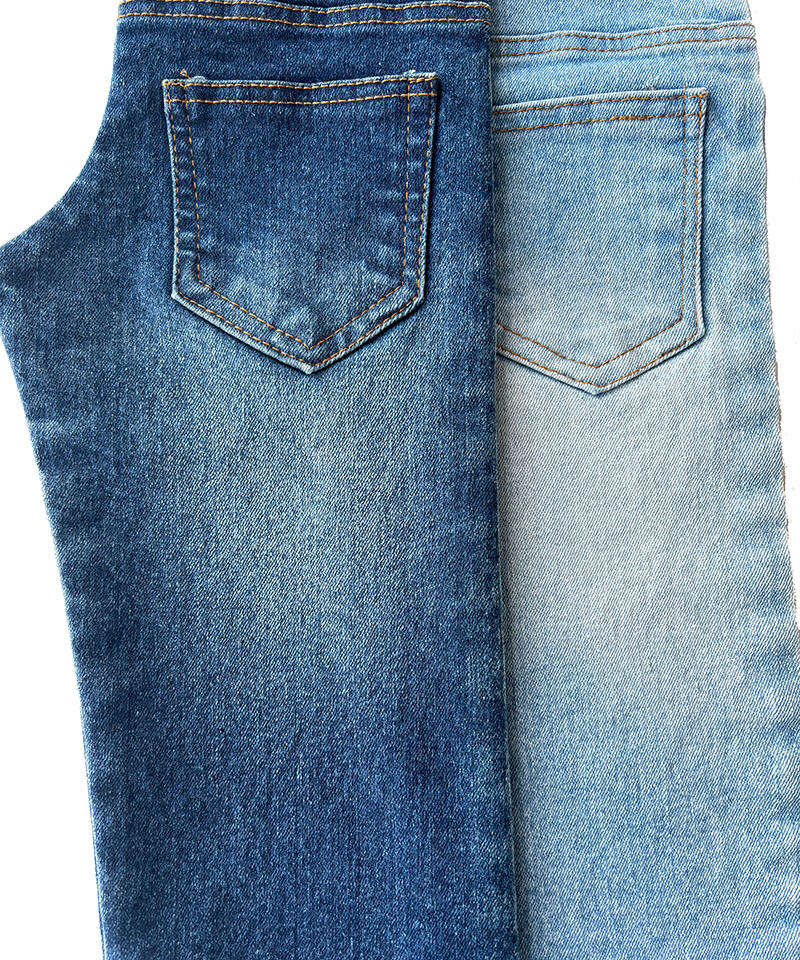
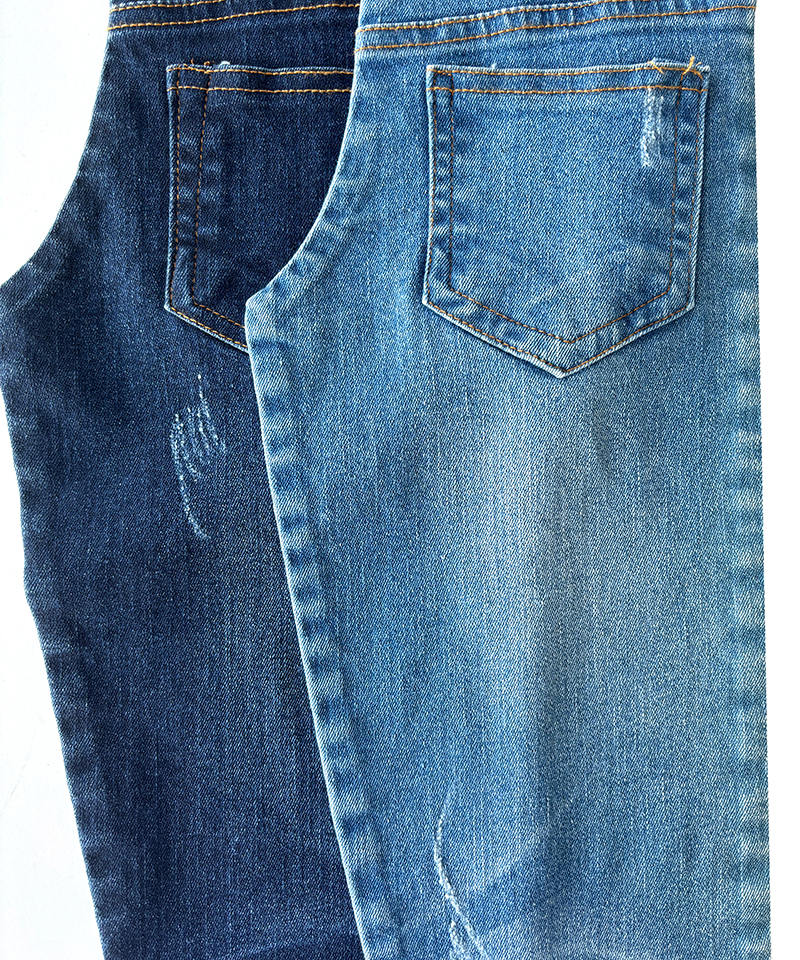
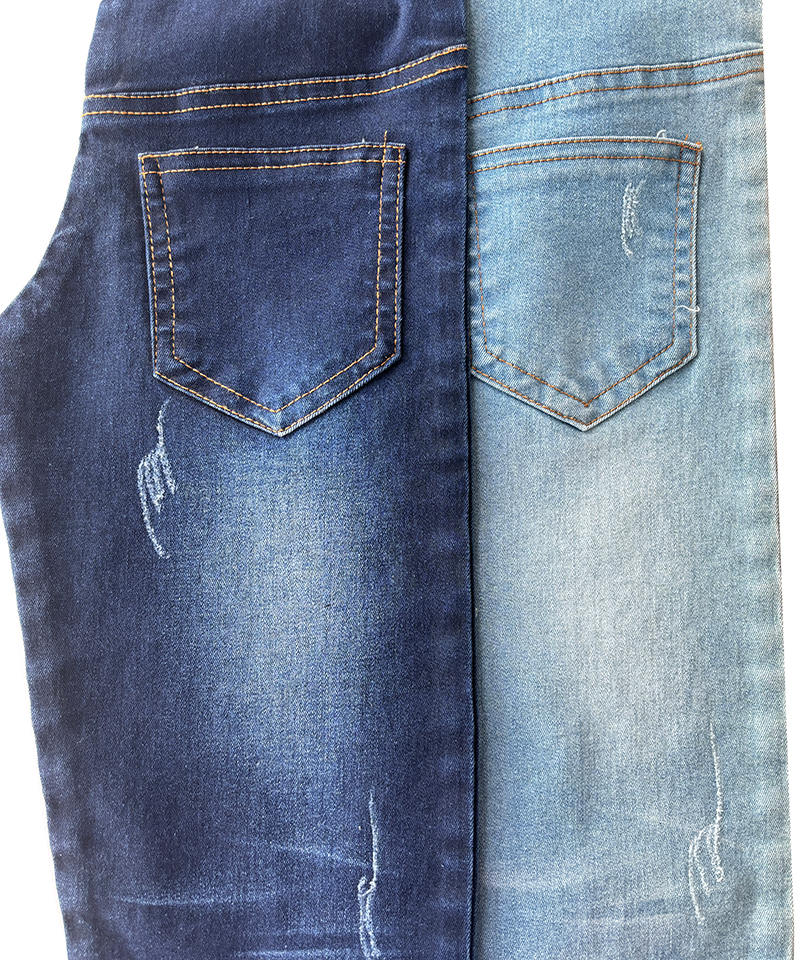
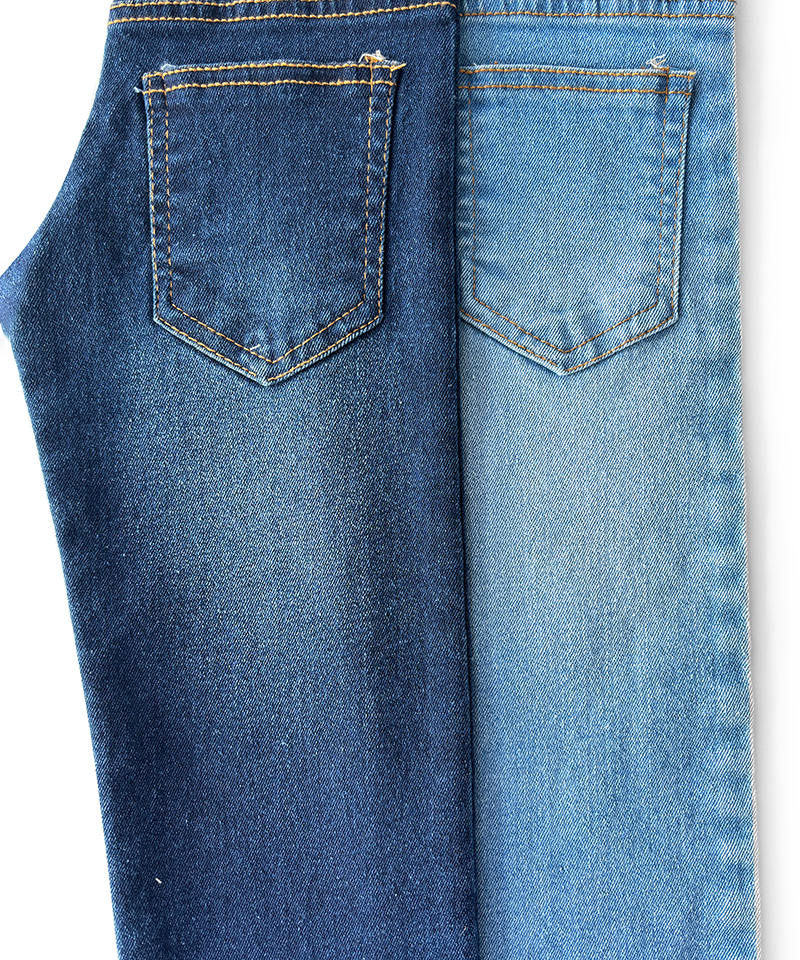
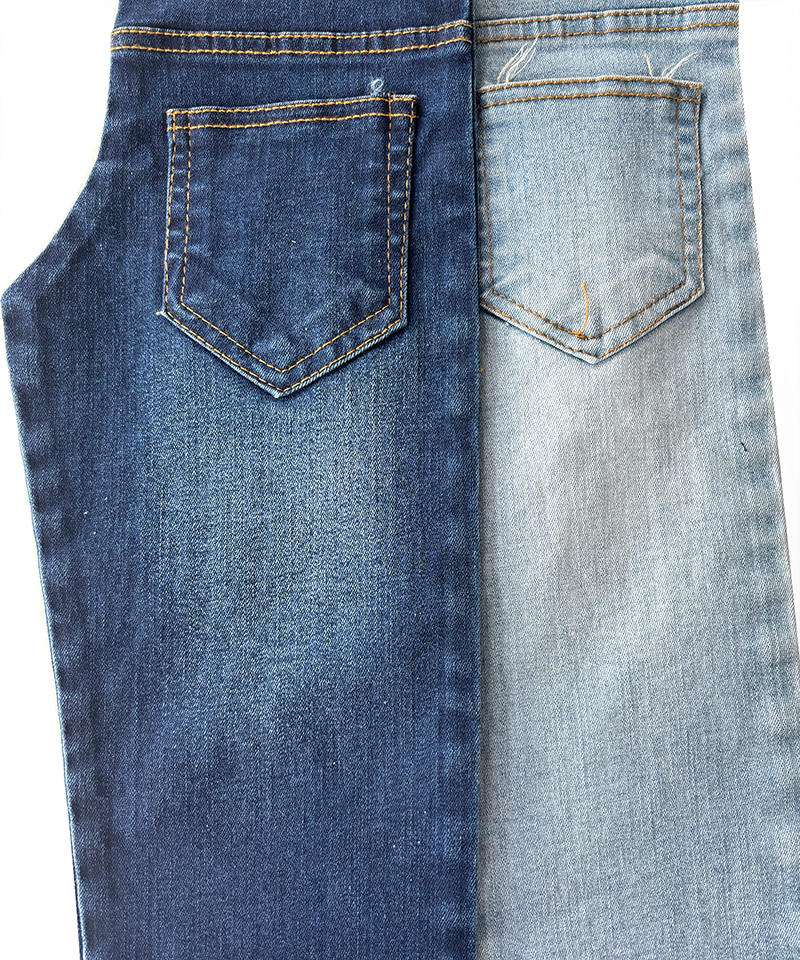
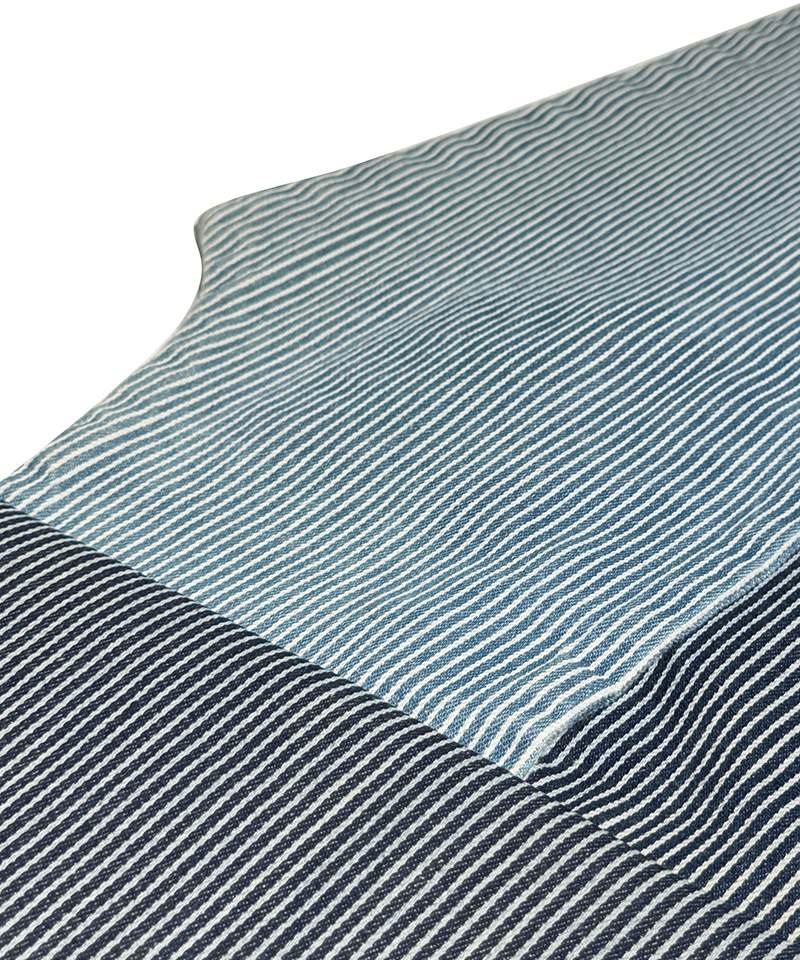
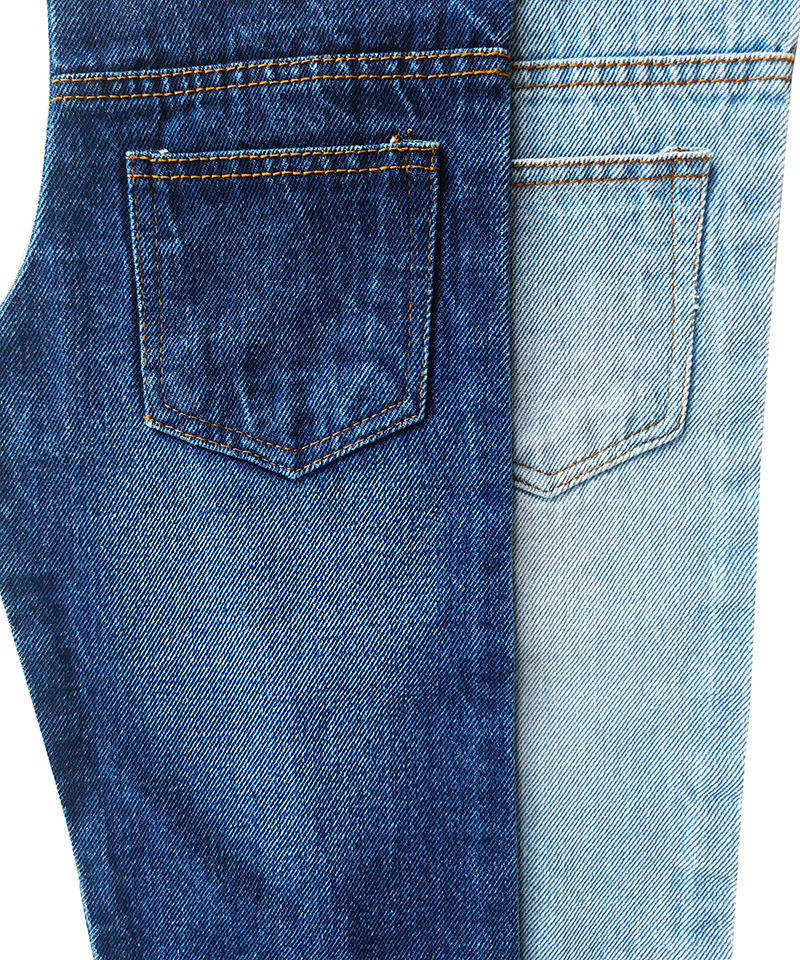
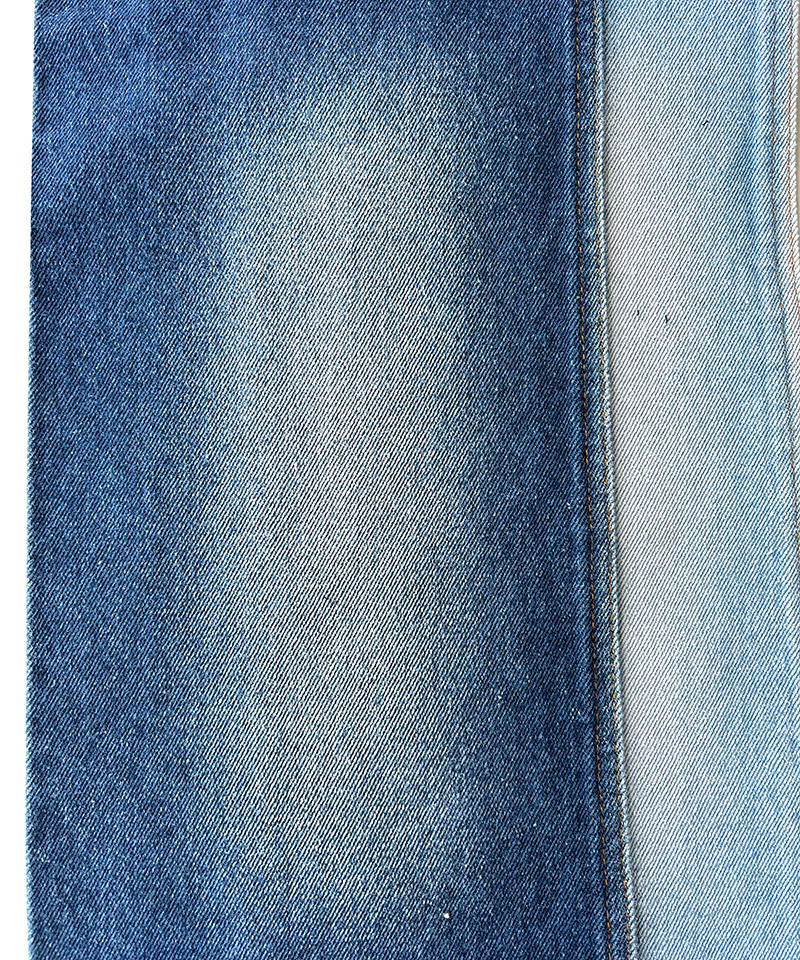
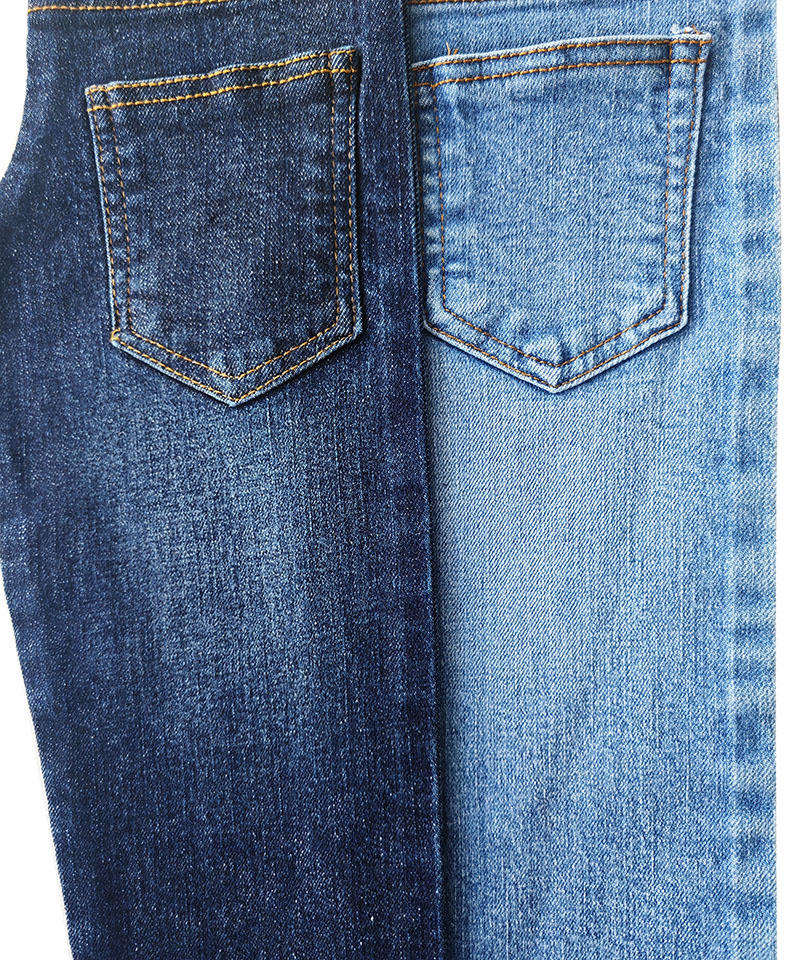
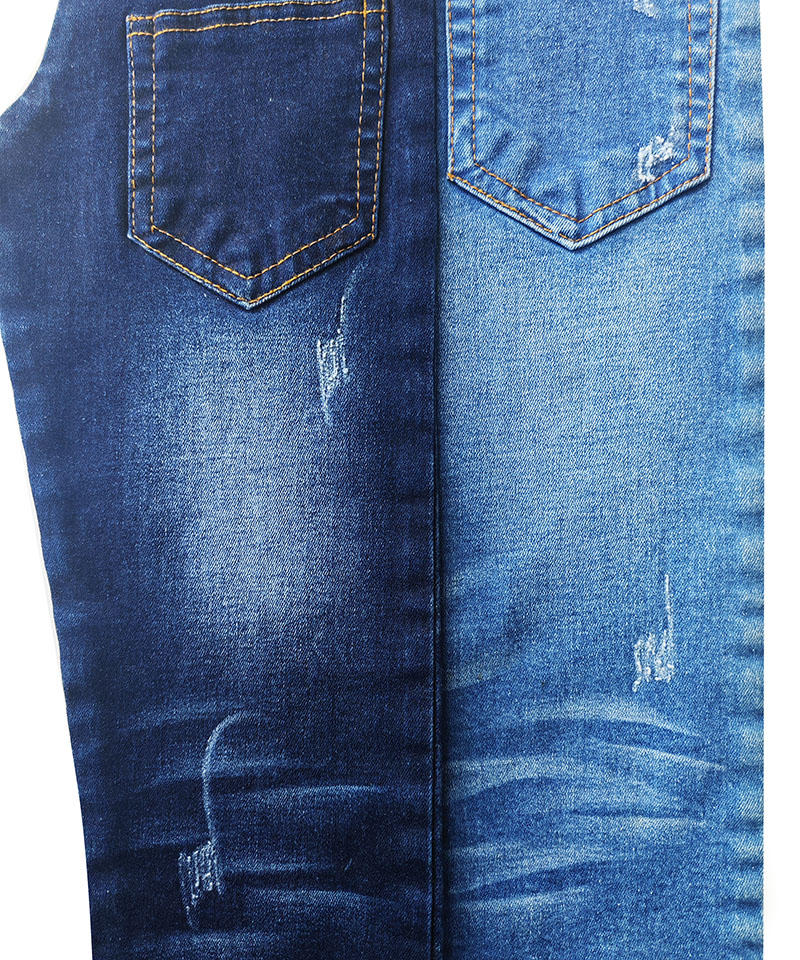
If you cut open a pair of jeans, the first thing you notice is the diagonal ribbing running across the fabric. That fabric is denim: a sturdy cotton textile woven in a twill pattern with indigo-dyed warp yarns. The diagonal line isn't just a fashion detail; it is the structural result of the weave. In denim, the weft passes under two or more warp threads, creating what textile technicians call a warp-faced twill. This construction gives the fabric its strength, its characteristic fade behavior, and the familiar blue-white contrast between the face and the reverse.
Denim isn't one fixed material, either. It spans pure cotton, cotton with elastane, cotton-polyester blends, Lyocell blends, and a wide range of finishes. Fabric weights run from about 4.5 oz to more than 14 oz per square yard. So when someone asks "what is denim fabric?", the accurate answer is: it is a family of cotton-based twill fabrics engineered for different garments, from lightweight shirts to rigid workwear jeans.
What Is Denim Fabric?
Denim is defined by three properties: fiber, construction, and dyeing. The fiber is usually cotton, though blends now include polyester, elastane, Lyocell, and other specialty fibers. The construction is a twill weave, most commonly a 3/1 twill, where the warp yarn floats over three weft yarns and goes under one. The warp is dyed with indigo before weaving, while the weft remains white or undyed. That combination creates denim's distinctive blue face and pale back.
The name is widely believed to come from "serge de Nimes," a sturdy twill fabric made in Nimes, France. English speakers shortened it to denim. The fabric later became the standard material for workwear and, eventually, for everyday jeans. The basic recipe has not changed much, but modern mills have extended it far beyond the original 100% cotton, non-stretch fabric.
How Denim Fabric Is Made
Denim production moves through several controlled steps. Each step leaves a fingerprint on the finished fabric.
- Cotton is cleaned and spun into yarn. Ring-spun yarn gives a smoother, stronger denim; open-end yarn is lighter and lower in cost; slub yarn creates an irregular surface texture.
- The warp yarns are dyed, usually in rope form, with indigo. The dye penetrates only the outer layers of the yarn, which is why denim fades as the yarn is abraded.
- Sizing and weaving follow. The warp is sized to protect it on the loom, then woven into twill constructions such as 3/1 twill, 2/1 twill, satin, or specialty weaves.
- The loomstate fabric is finished with processes like singeing, desizing, sanforizing, brushing, printing, or bonding. Sanforizing controls shrinkage, while finishing treatments change the hand feel and performance.
For a more detailed walkthrough, read our step-by-step guide to how denim fabric is made. What matters for buyers is that every production step affects how the final garment behaves.
Main Denim Fabric Types and Construction Variables
Fiber Composition and Blends
Fiber choice is the first variable to define. 100% cotton denim remains the classic choice for rigid jeans and workwear; it breathes well, develops authentic creases, and gets softer with wear. A good example of a traditional option is a 12 oz indigo 3/1 twill non-stretch denim fabric, which gives a substantial hand and clean fading.
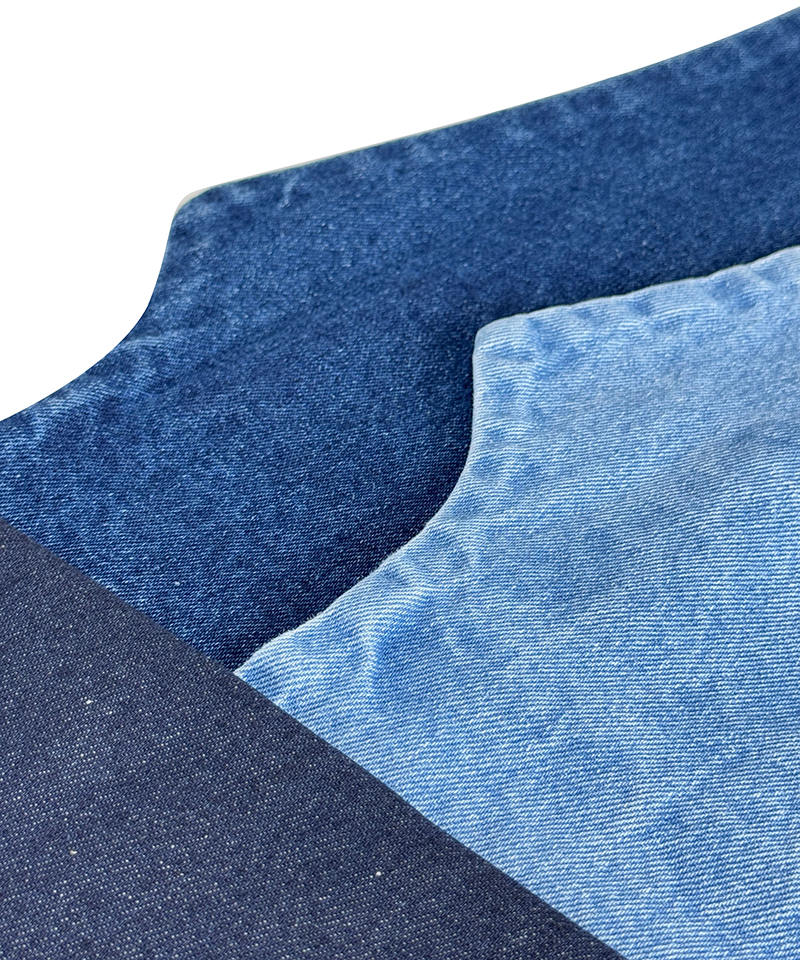 Wholesale -240903-1#INDIGO-3/1 Twill-12oz-Non-stretch-denim fabric#10055 FactoryChangzhou Xinbaili Textile Co., Ltd is China wholesale -240903-1#INDIGO-3/1 Twill-12oz-Non-stretch-denim fabric#10055 Company and -240903...View Product →
Cotton elastane denim adds 1% to 4% elastane for everyday comfort and recovery. It can be used for jeans, skirts, and fitted jackets without sacrificing the twill aesthetic. Cotton-polyester-elastane blends add synthetic resilience and shape retention, making them useful for workwear and active-inspired styles.
Lyocell and special-fiber denim, by contrast, delivers a softer drape and a cooler feeling; a black 9.5 oz stretch cold-feeling lyocell denim fabric is a useful reference for summer garments and close-to-body silhouettes.
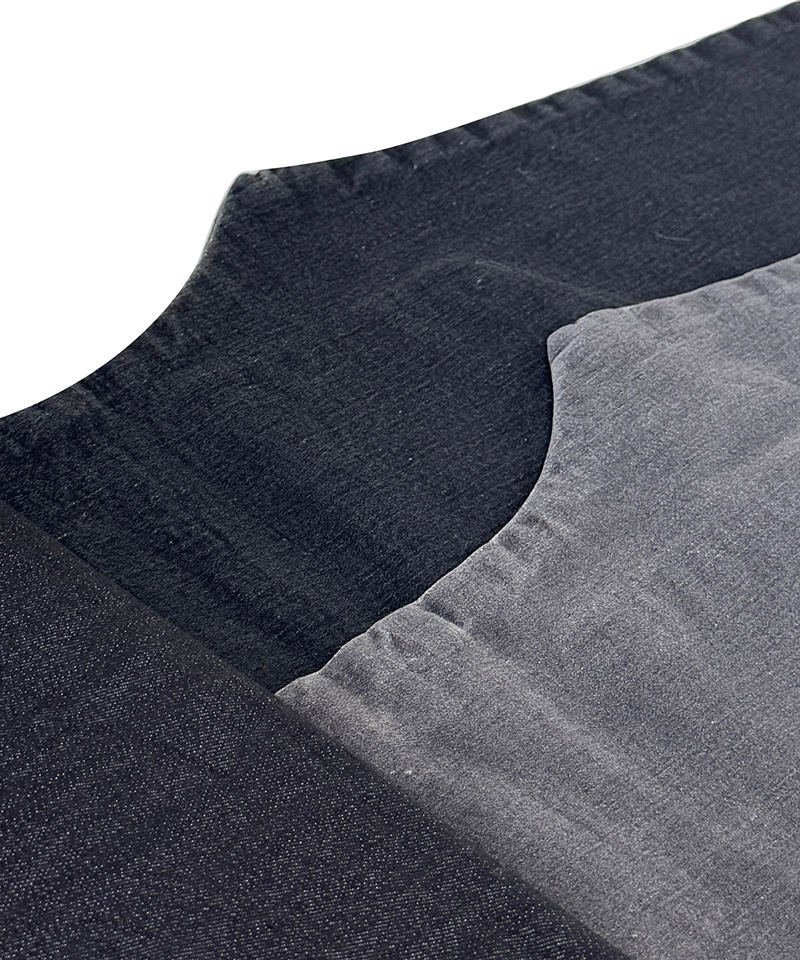 Wholesale -9692#Black-3/1 Twill-9.5oz-Stretch-Cold feeling-denim fabric#70002 FaChangzhou Xinbaili Textile Co., Ltd is China wholesale -9692#Black-3/1 Twill-9.5oz-Stretch-Cold feeling-denim fabric#70002 Company and -9...View Product →
Weave Structures and Surface Texture
Most denim is woven in a 3/1 twill, but the weave is part of the specification, not a fixed rule.
- 3/1 twill: the standard diagonal, strong and durable.
- 2/1 twill: softer, lighter, and less pronounced diagonal; common in lightweight denim.
- 4/1 satin: a smooth, lustrous face with a slightly dressier look.
- Plain weave: a simple construction used for very light denim and shirting.
- Dobby or fake knit: a textured structure that imitates knitted stretch and hand feel.
- Jacquard: woven-in patterns, logos, or artwork created during weaving.
Weight and Typical Uses
Weight is usually measured in ounces per square yard. For a quick orientation, see our denim fabric weight guide. The table below summarizes the main categories.
Denim weight categories and the garments they suit best.
| Weight range |
Typical use |
Stretch compatibility |
| 4 to 8 oz (lightweight) |
Shirts, blouses, summer dresses, lightweight trousers |
Usually non-stretch or moderate stretch |
| 8 to 12 oz (midweight) |
Classic jeans, skirts, jackets, chore coats |
Non-stretch to high stretch |
| 12 oz and above (heavyweight) |
Workwear, rigid jeans, outerwear, bags |
Mostly non-stretch or low stretch |
European and Asian suppliers often use grams per square meter (gsm) instead. To convert, multiply oz by 33.9. A 12 oz denim, for example, is approximately 407 gsm.
Stretch and Recovery
Stretch denim is not one category. It ranges from non-stretch, where all yarns are cotton, to super-stretch, where the elastane content and weave work together to allow a much larger extension and recovery. High-stretch denim is often used for skinny and fitted silhouettes, while non-stretch denim is preferred for rigid, structured garments that should hold their shape. For the most common stretch jean programs, an 8.6 oz indigo 3/1 twill stretch denim fabric offers the balance of comfort, weight, and washdown appearance most brands expect.
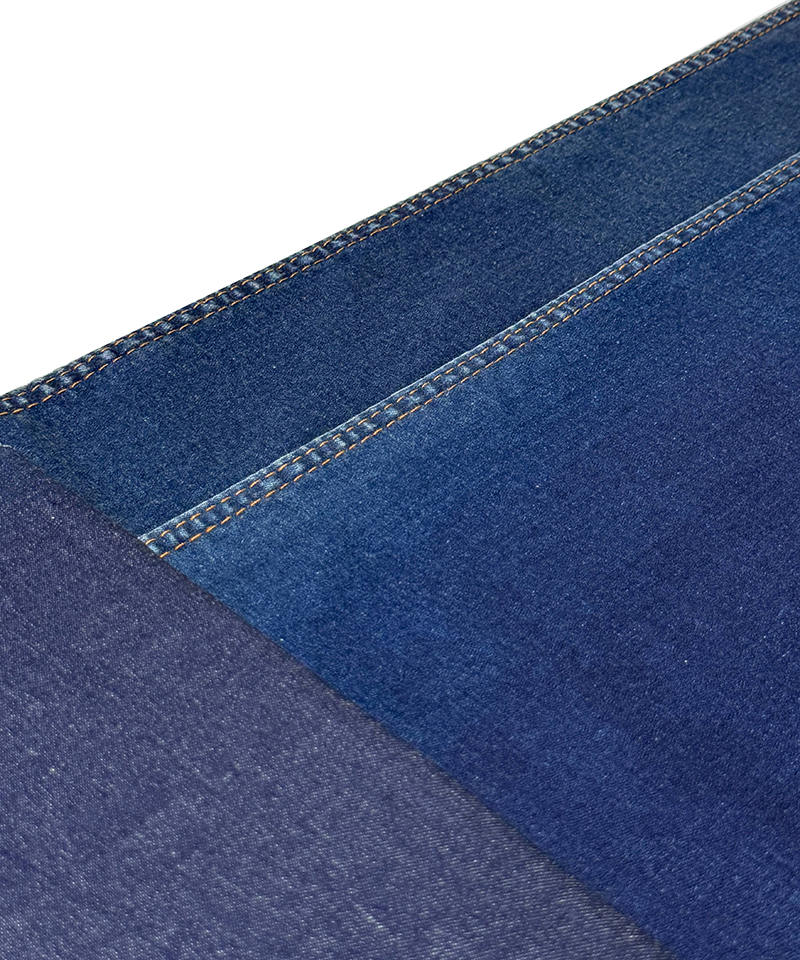 Wholesale -5037-1#Indigo-3/1 Twill-8.6oz-Stretch-denim fabric#20013 Factory, ComChangzhou Xinbaili Textile Co., Ltd is China wholesale -5037-1#Indigo-3/1 Twill-8.6oz-Stretch-denim fabric#20013 Company and -5037-1#Indi...View Product →
If you are comparing fabric options for a new style, our article on the difference between non-stretch and stretch denim explains the practical impact on fit, comfort, and garment durability.
What Denim Fabric Is Used For
Denim's strength and versatility make it suitable for more than just jeans.
- Jeans and casual trousers: from 10 oz everyday five-pocket styles to 14 oz rigid workwear cuts.
- Jackets, overalls, and workwear: heavyweight twill is abrasion-resistant and keeps its structure.
- Shirts, dresses, and skirts: lightweight 2/1 twill or plain-weave denim drapes softly and breathes.
- Accessories and home textiles: bags, aprons, cushions, and upholstery benefit from denim's durability.
- Functional garments: bonded denim for wind protection, cold-feeling denim for hot weather, brushed denim for winter, and high-stretch denim for movement.
What to Look for When Sourcing Denim Fabric
The most common sourcing mistake is choosing denim by color or price before checking the construction and physical properties. Because denim is a woven technical product, the specification sheet matters more than a photo.
Before ordering, confirm at least these points:
- Construction: 3/1 twill, 2/1 twill, satin, plain, dobby, or jacquard.
- Fiber composition: cotton, elastane, polyester, Lyocell, or recycled fibers.
- Weight: in oz/sq yd or gsm.
- Stretch level and recovery: non-stretch, stretch, high stretch, or super-stretch.
- Fading behavior: indigo rope dyeing versus yarn-dyed alternatives.
- Finishes: sanforized, bleached, brushed, bonded, cold-feeling, printed, or washed.
- Shrinkage and colorfastness: test results after washing.
Price also varies with yarn quality, fiber blend, dyeing method, finishing complexity, and order volume. A lower unit price can be misleading if shrinkage is high or stretch recovery is weak. Ask for shade bands, wash tests, and physical test reports before production. If sustainability is part of your program, ask about organic cotton, recycled fiber options, and dye process certifications.
Denim fabric is more than a blue cotton fabric for jeans. It is a complete family of twill constructions, blends, weights, and finishes. Whether you are designing lightweight summer denim, classic rigid jeans, or functional workwear, the right denim starts with a clear specification, not just a color name.

 English
 Español