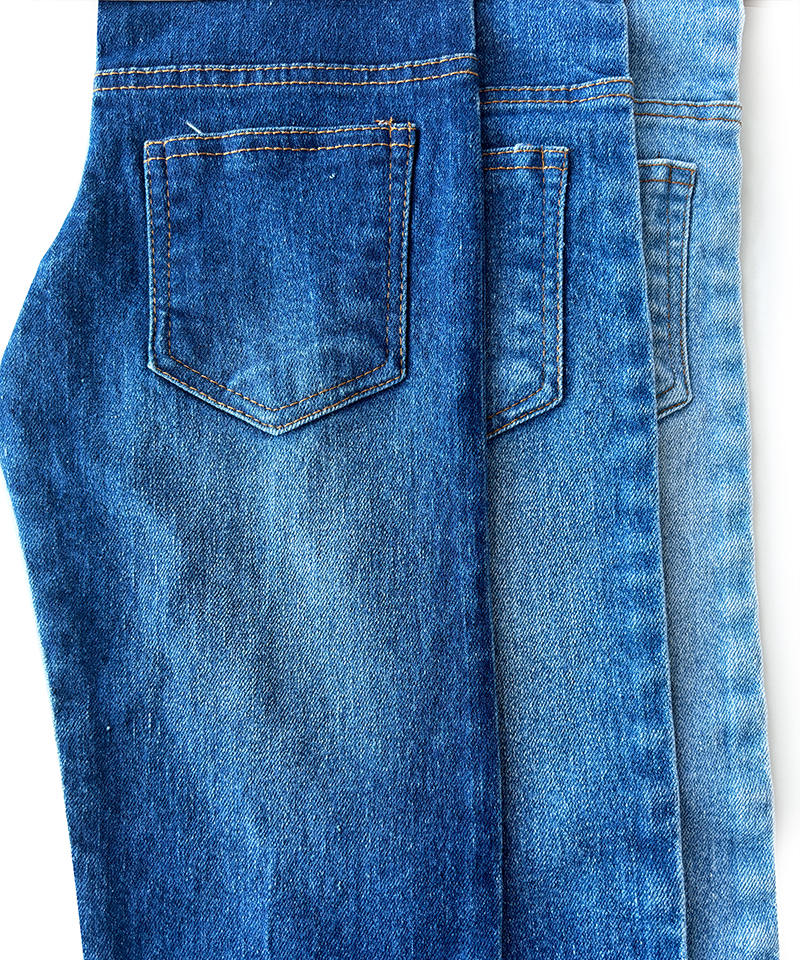
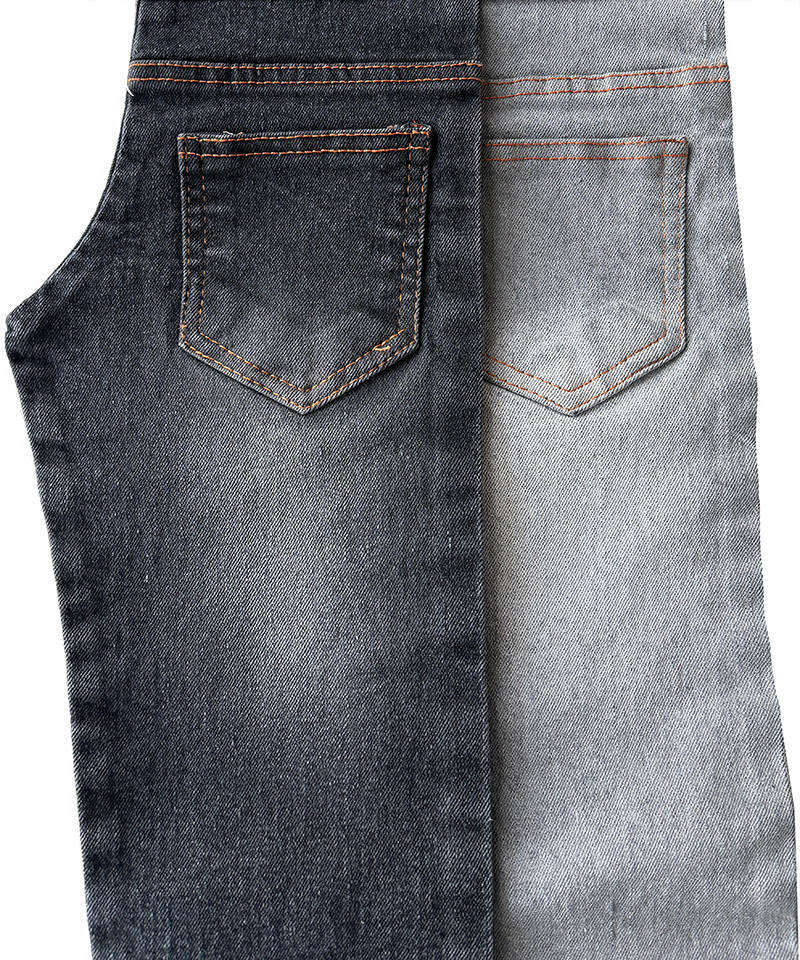
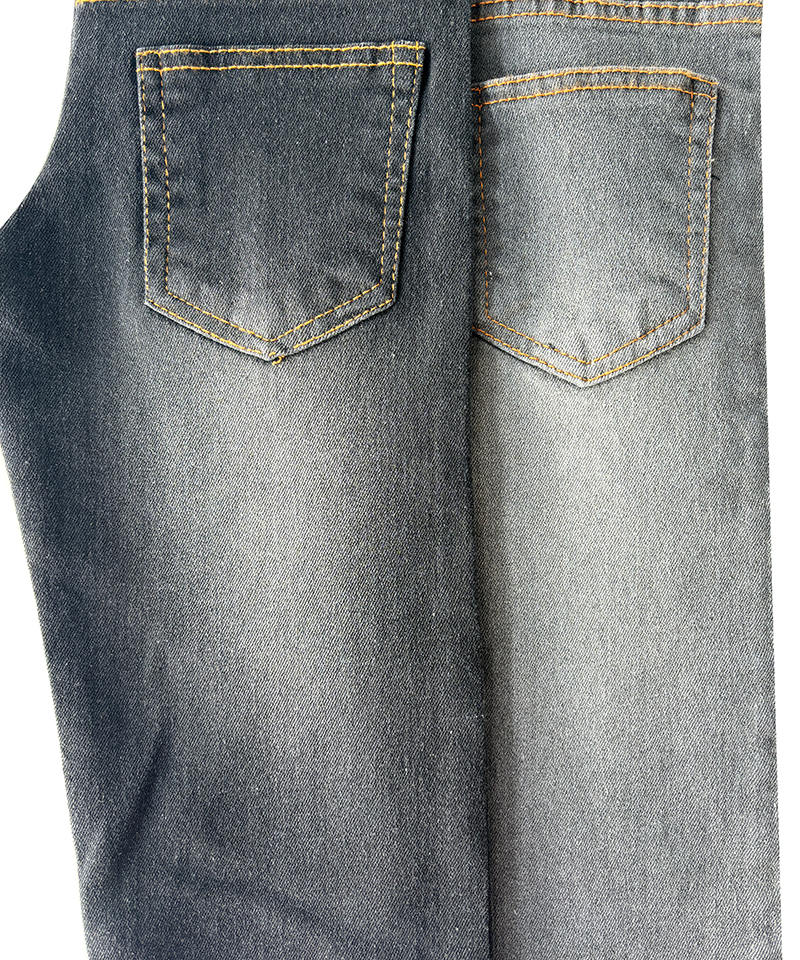
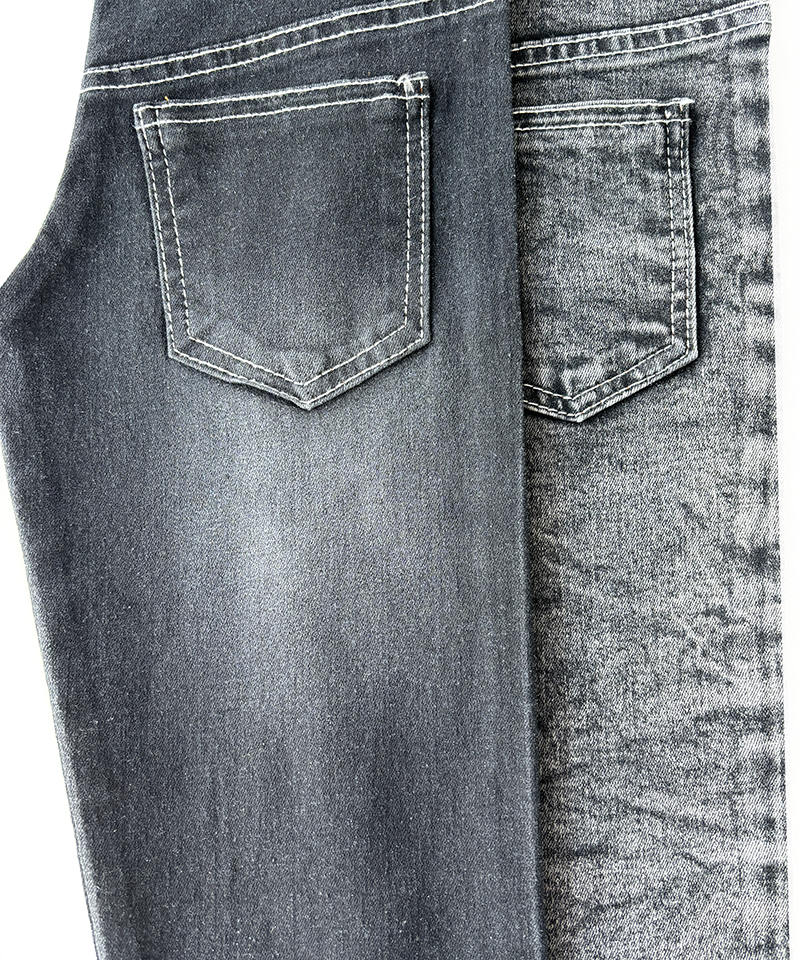
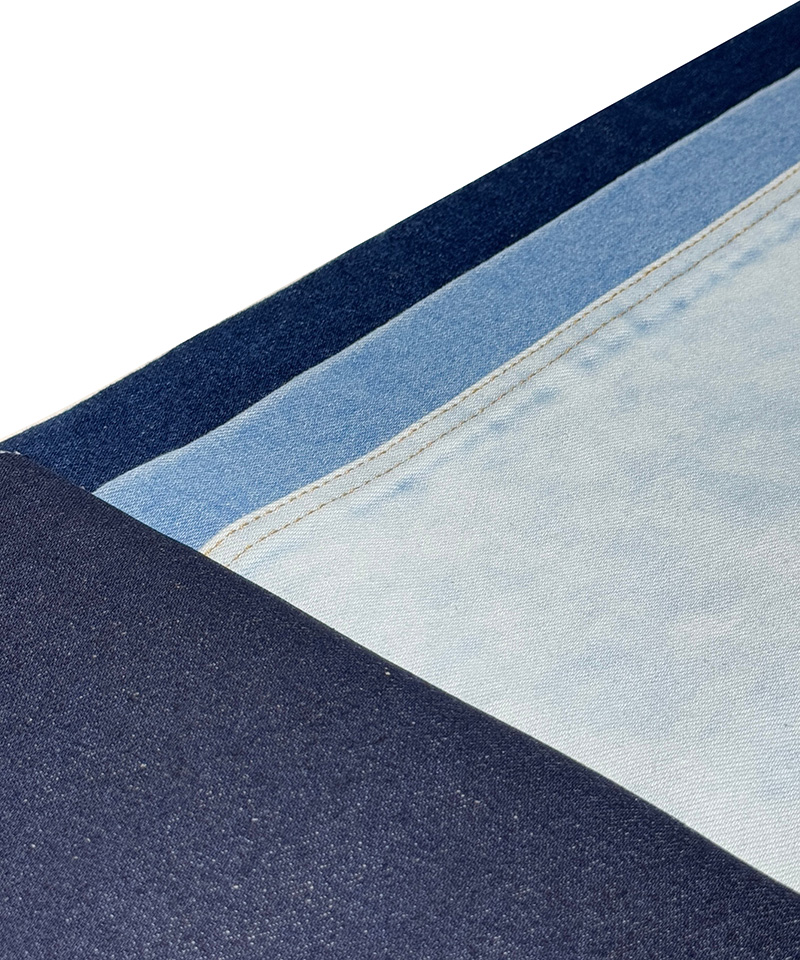
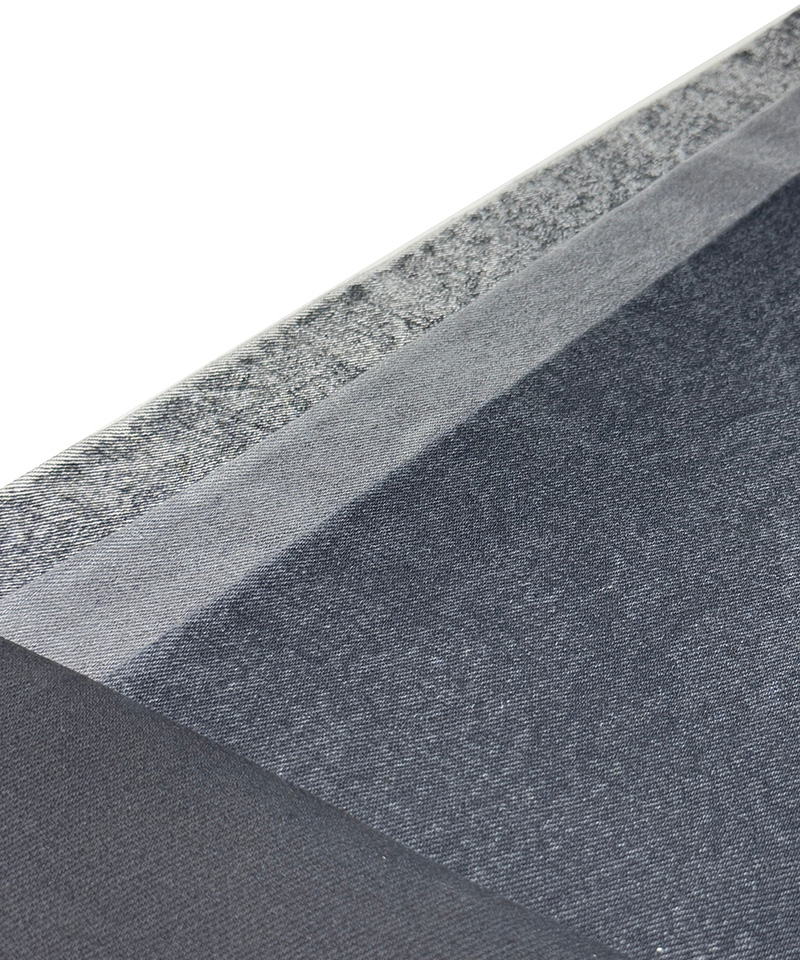
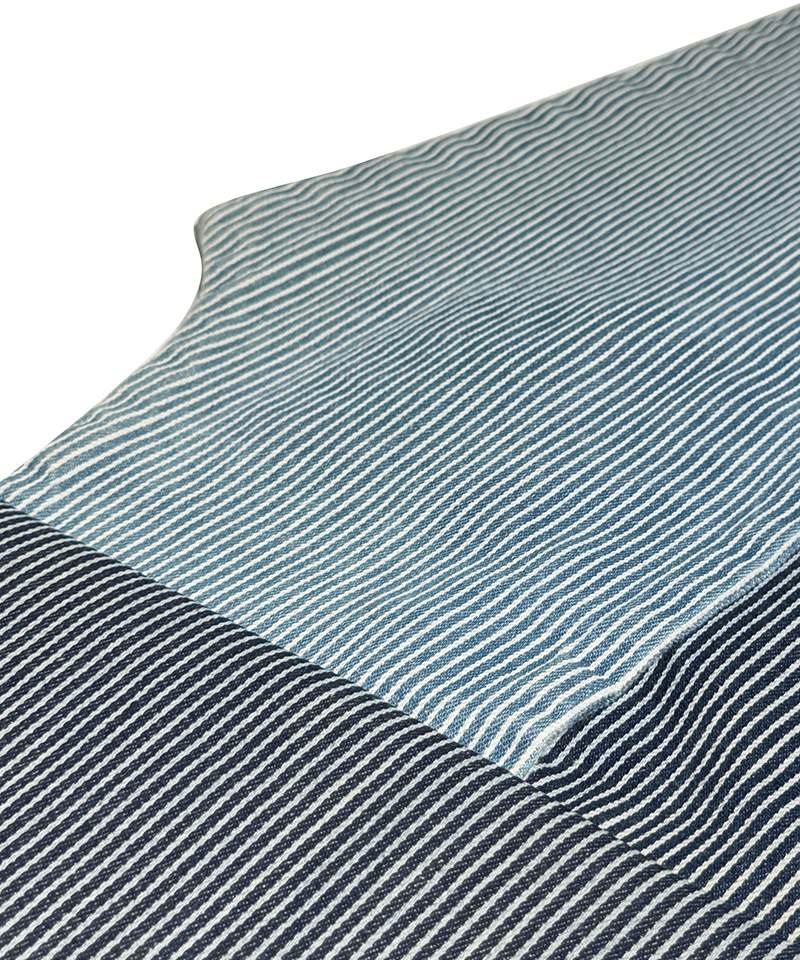
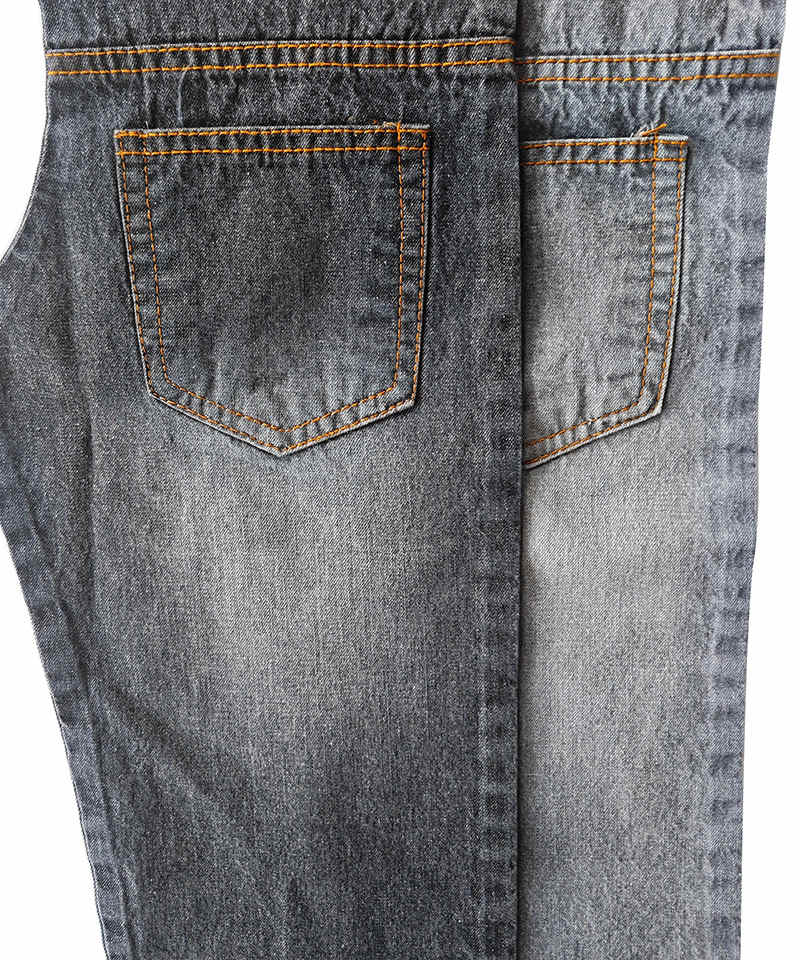
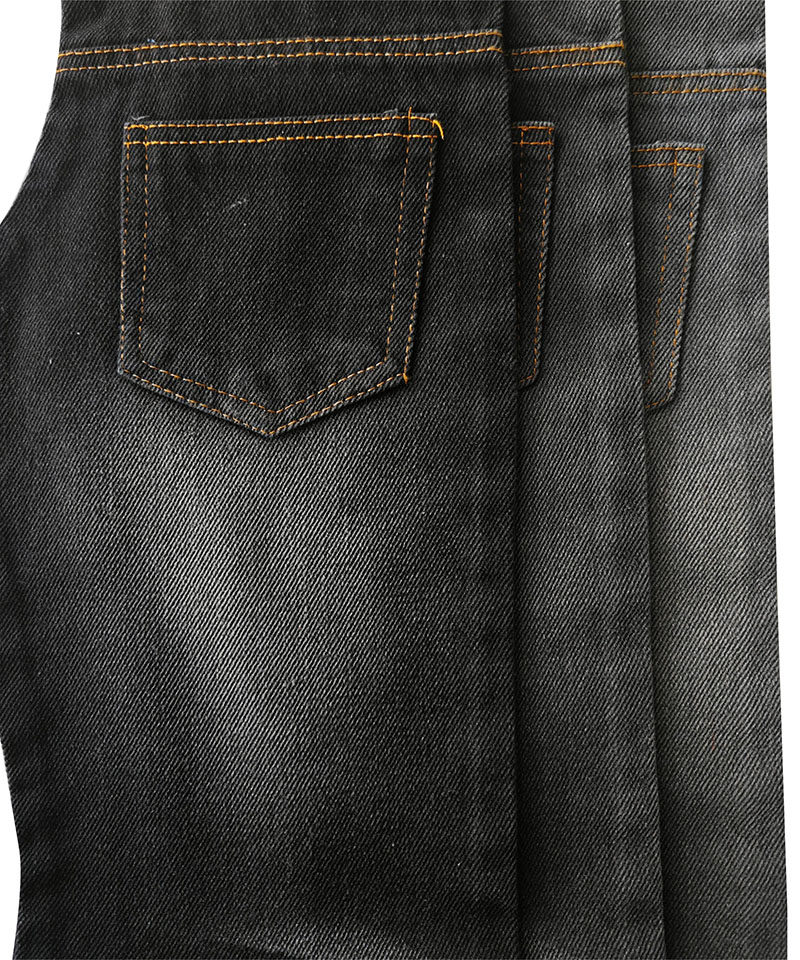
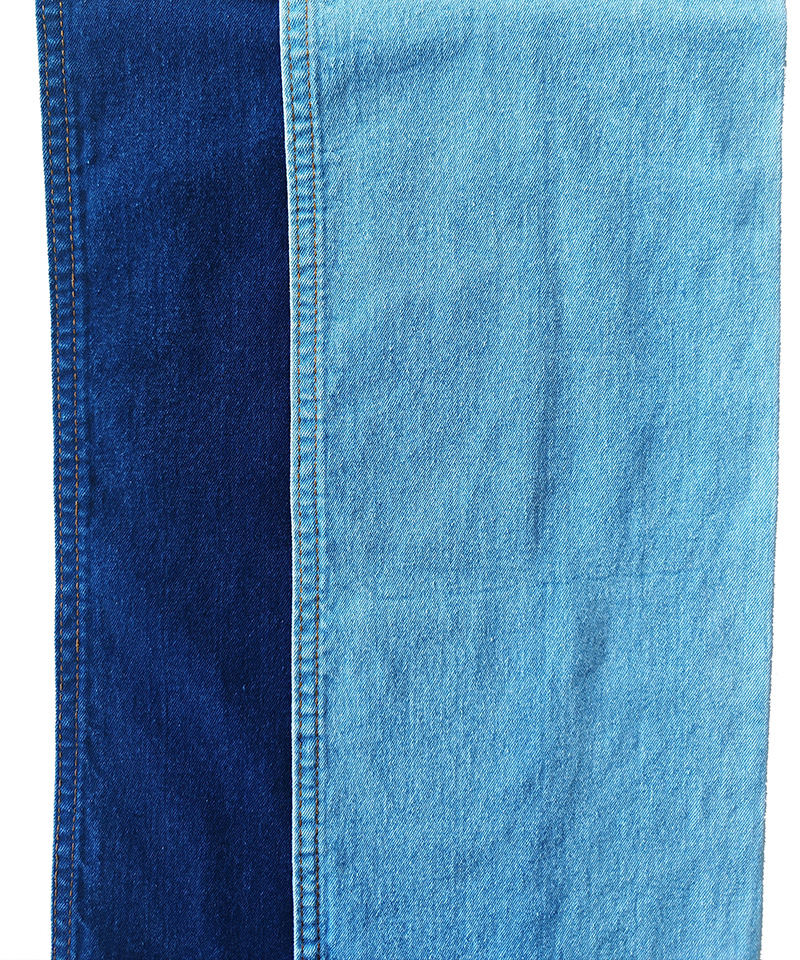
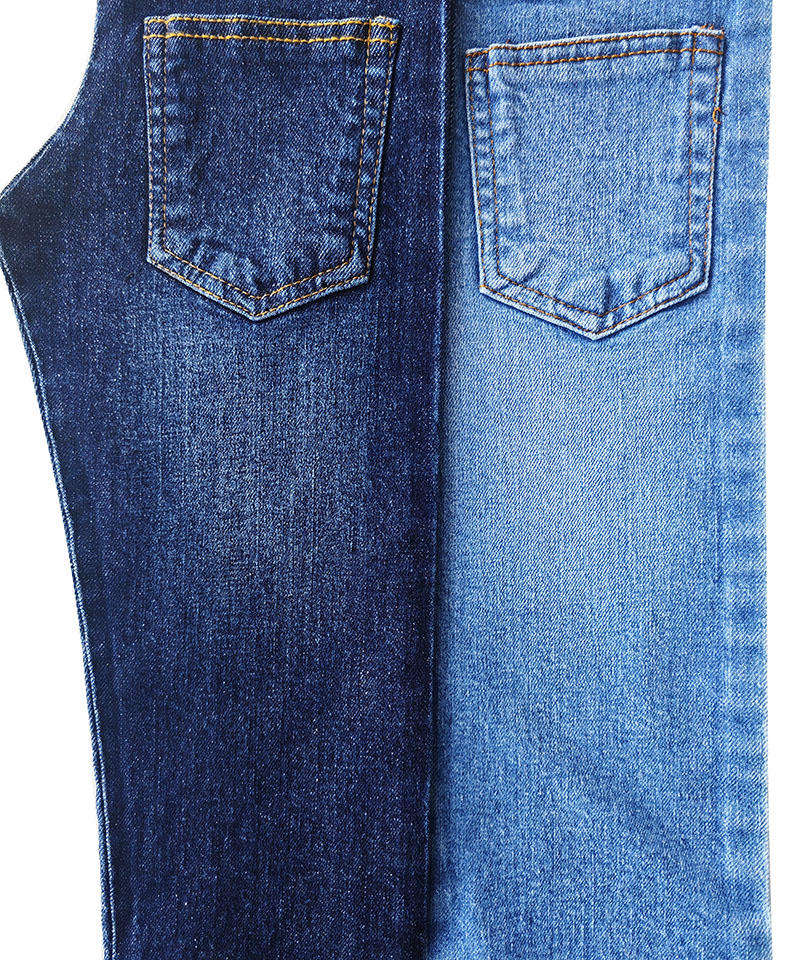
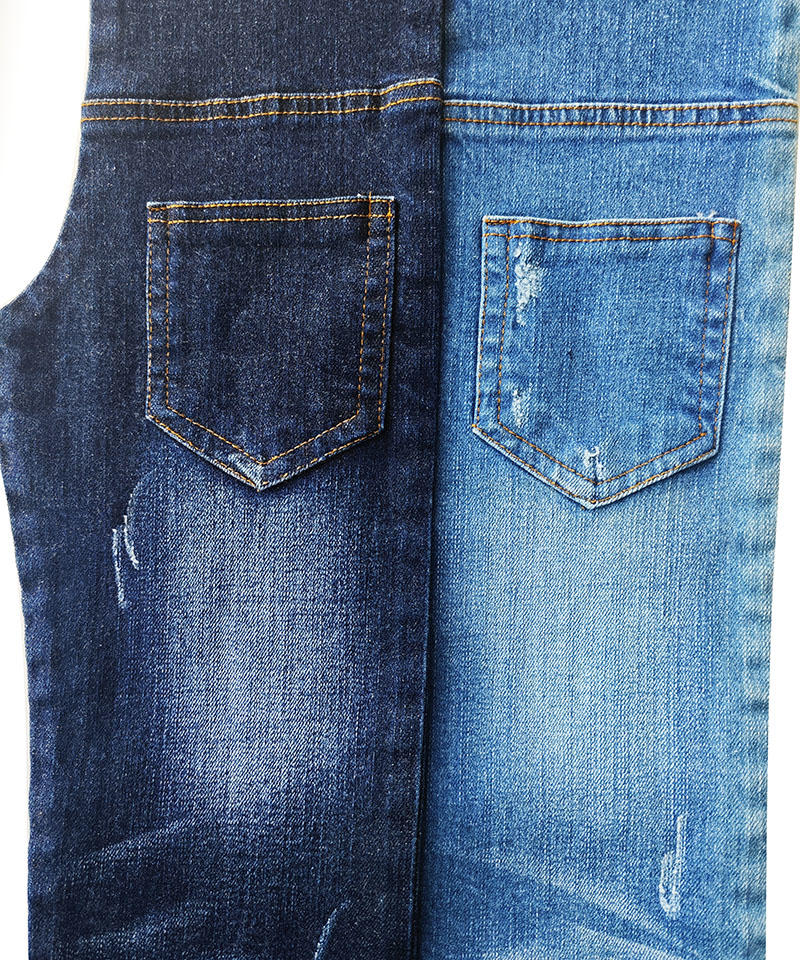
A denim buyer once told us about a spring collection that almost missed its launch date. The 7 oz fabric the mill confirmed had actually shipped at 8.9 oz, and by the time the cutting team noticed, the tops she had designed felt heavier and stiffer than the samples she had approved. The shade was close and the width was fine, but the garment proportions were wrong.
That is the reality of sourcing lightweight denim fabric. The margin between "light" and "wrong" is much thinner than it is for classic 12 oz to 14 oz jeans fabric. In practical terms, lightweight denim means woven denim in the 4 oz to 8 oz range — fabric that keeps denim's texture, color, and character while draping more softly and breaking in faster.
What Counts as Lightweight Denim Fabric?
The denim industry sorts fabric by weight in ounces per square yard, and the thresholds are not as standardized as many buyers assume. A mill in one country and a mill in another may both use the word "light" to describe completely different fabrics. For that reason, any conversation about lightweight denim should begin with a shared definition.
Weight categories for denim fabric, with typical end uses.
| Category |
Weight range |
Typical end uses |
| Ultra-light |
4 to 5 oz (approx. 136-170 gsm) |
Blouses, shirting, children's wear, linings |
| Lightweight |
5 to 8 oz (approx. 170-271 gsm) |
Summer jeans, dresses, skirts, overshirts, lightweight jackets |
| Midweight |
8 to 12 oz (approx. 271-407 gsm) |
Standard jeans, workwear, jackets |
| Heavyweight |
12 oz and above |
Rigid jeans, outerwear, heavy work pants |
The most useful way to think about lightweight denim is as a range rather than a single number. A 4.5 oz fabric behaves more like a woven shirting, while a 7.5 oz fabric still has enough body to hold a trouser silhouette. If you are comparing suppliers, ask for the weight in both ounces per square yard and grams per square meter on the same spec sheet, and confirm the tolerance before you place an order. Most mills work within roughly 5 percent, but the acceptable range should be written into the quality agreement, not assumed. For a broader comparison across all weight classes, our denim fabric weight guide walks through each category in more detail.
How Lightweight Denim Behaves Differently
Lightweight denim is soft and easy to break in through wear. Because it is thinner than heavier-weight denim, fading is less dramatic on this type of fabric. That point matters more than most design teams realize: if your designer expects the high-contrast whiskering of a 13 oz rigid jean, a 6 oz fabric will deliver a subtler, more even color change under the same wash process.
The practical consequences of low weight show up in four areas:
- Hand feel and drape. Lighter yarns and more open weaves make the fabric more flexible. That is usually what designers want for tops and dresses, but it also means the fabric will not hold a sharp crease or a heavily structured silhouette.
- Durability. Tear strength and abrasion resistance drop as weight drops. A lightweight denim for a fashion blouse does not need to survive five years of hard wear, but it does need to resist tearing at the needle holes during sewing and to hold up through the planned number of washes.
- Shrinkage. Lighter fabrics can shrink more than heavier ones after washing because the yarns are less densely packed. Pre-washed or pre-shrunk lightweight denim is strongly recommended for garments that will be laundered frequently.
- Color and finish. Because there is less yarn surface, dye uptake and final shade can differ from a heavier fabric woven from the same indigo yarn. A production sample approval is essential before bulk dyeing and finishing.
Weave, Stretch, and Fiber: What Changes at Low Weight
Weight alone does not determine how a fabric feels. A 6 oz denim woven in a 2/1 twill drapes differently from a 6 oz 3/1 twill, and a 6 oz fabric with 2 percent elastane behaves completely differently from a 6 oz fabric without stretch. When you evaluate lightweight denim fabric, you are really evaluating three variables at once.
Weave structure
2/1 twill and plain weaves are common choices for lightweight denim because they create a smoother, flatter surface and a softer hand. 3/1 twill keeps the classic denim diagonal and adds a bit more body, which is useful when you want a light jean that still reads as a jean. Satin and fake-knit structures add surface interest: satin brings a subtle luster, while fake-knit constructions mimic the stretch and recovery of knitwear in a woven fabric.
Stretch and recovery
Elastane content in lightweight denim typically ranges from 1 percent to about 4 percent. At lighter weights, stretch recovery matters more than stretch itself, because a thin fabric has less mass to pull the yarns back into shape. A lightweight stretch jean that does not recover will bag at the knee and elbow within hours. High-stretch versions with more than 3 percent elastane are best limited to close-fit styles, where the garment is supported by the body rather than relying on the fabric's structure. For a soft, comfortable starting point, a 5.6 oz indigo stretch denim woven in a 2/1 twill balances drape with enough recovery for a slim summer trouser or a fitted dress.
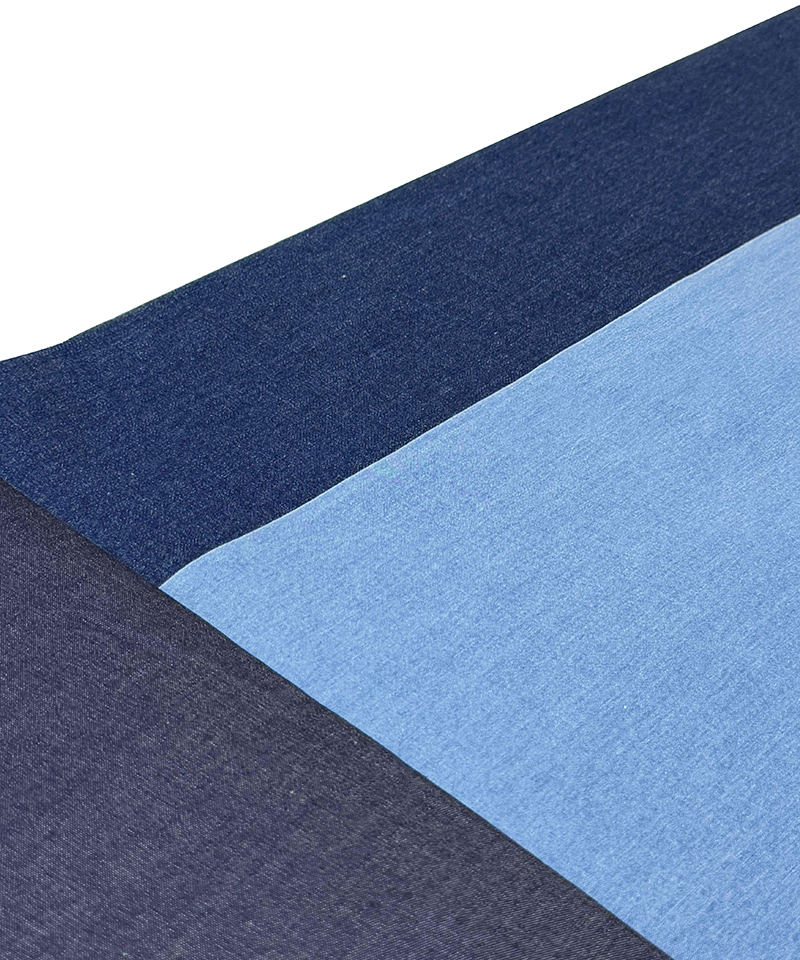 Wholesale -9968-2#INDIGO-2/1 Twill-5.6oz-Stretch-denim fabric#20076 Factory, ComChangzhou Xinbaili Textile Co., Ltd is China wholesale -9968-2#INDIGO-2/1 Twill-5.6oz-Stretch-denim fabric#20076 Company and -9968-2#INDI...View Product →
Fiber blends
Cellulosic fibers such as lyocell are popular in lightweight denim because they improve softness, moisture absorption, and coolness. Lyocell also gives the fabric a more fluid drape, which is why it appears often in summer dresses and light tops. A fake-knit construction over lyocell-blend yarns can deliver a feel close to jersey while retaining the woven texture of denim. If your customer is asking for "denim that feels like a T-shirt," the 7.5 oz fake-knit stretch denim in the lyocell series is a strong candidate for testing.
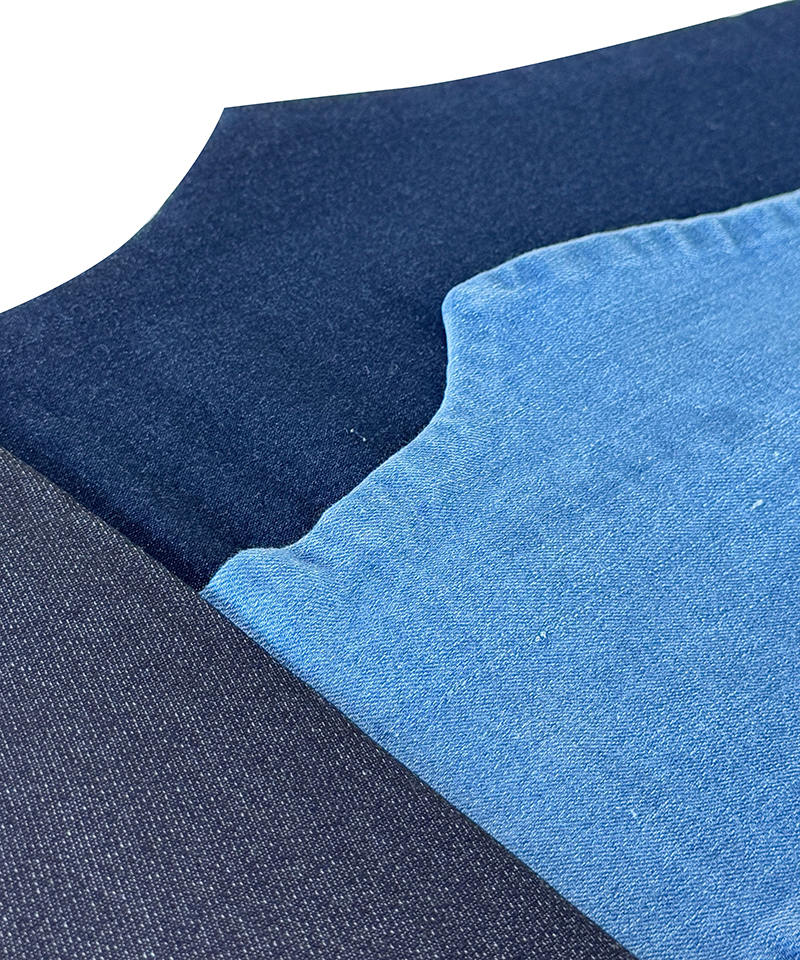 Wholesale -240819#INDIGO-Fake knitting-7.5oz-Stretch-denim fabric#60070 Factory,Changzhou Xinbaili Textile Co., Ltd is China wholesale -240819#INDIGO-Fake knitting-7.5oz-Stretch-denim fabric#60070 Company and -240819#...View Product →
What to Check Before You Order Lightweight Denim
Ordering lightweight denim is not the same as ordering a standard 10 oz or 12 oz fabric. The following checks will save you from the most common sourcing problems.
- Confirm the weight on the actual bulk fabric. Ask the supplier to state the weight range in both oz and gsm, and to ship a cutting from the production batch before full production. A "7 oz" fabric that measures 7.8 oz will change the drape, the fit, and the wash result.
- Test shrinkage on a finished sample. Lightweight fabric can shrink more than heavier denim, and the shrinkage behavior changes after washing. Test the fabric exactly as the final garment will be laundered, including industrial wash cycles if those are part of your finish.
- Check tear strength and seam slippage. Seam slippage is a common failure mode in lightweight denim, especially in fitted garments. Ask for the actual test values rather than a generic "good" rating.
- Verify the shade on the light base. Indigo behaves differently on lightweight fabric. Order a lab dip or production sample and set an acceptable color difference range before committing to bulk.
- Clarify lead time for special fibers and finishes. Lyocell blends, high-stretch variants, and functional finishes often require separate yarn sourcing or finishing capacity. Confirm the lead time before you finalize your production calendar.
Building a Lightweight Denim Program
Most apparel brands do not need one lightweight fabric; they need a family of them. A shirting-weight fabric for blouses, a stretch fabric for dresses, and a slightly heavier fabric for summer trousers can all be called "lightweight denim," but each is engineered differently.
At Xinbaili Textile, our denim range covers 4.5 oz to 14.7 oz, with non-stretch, stretch, high-stretch, and super-stretch options across pure cotton, cotton-elastane, cotton-polyester-elastane, lyocell, satin, fake-knit, jacquard, and functional finishes. For an ultralight starting point, the 4.5 oz indigo non-stretch denim in a 2/1 twill is one of our most requested shirting fabrics; it holds a press, takes a soft wash, and is light enough for summer blouses and children's wear.
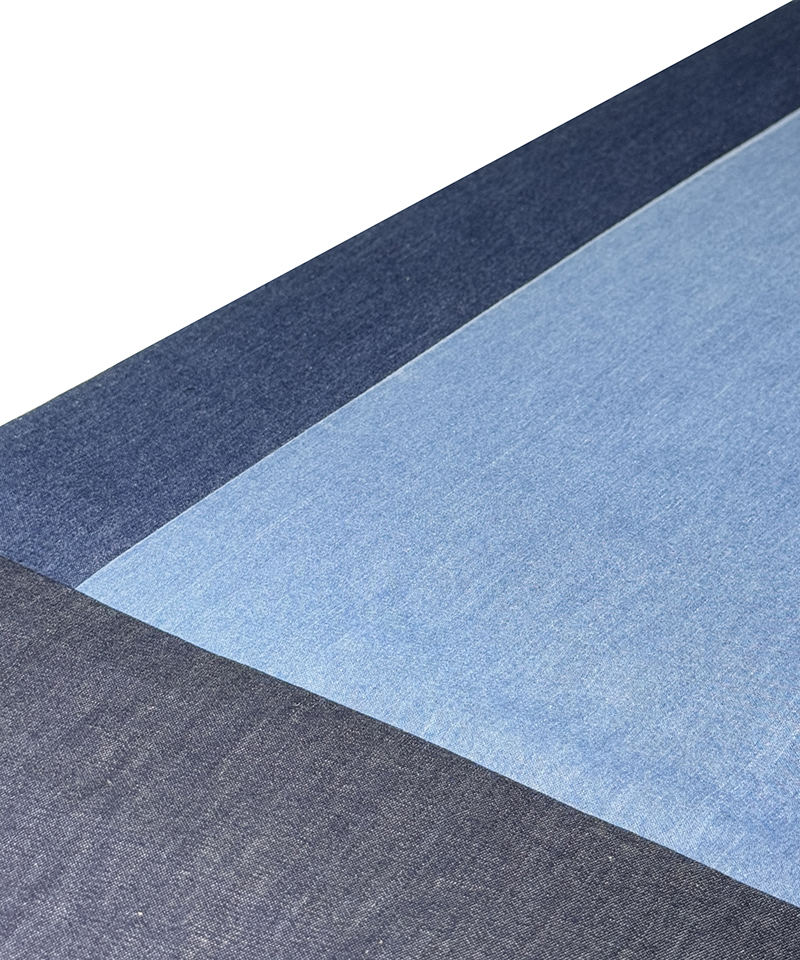 Wholesale -9968#Indigo-2/1 Twill-4.5oz-Non-stretch-denim fabric#10018 Factory, CChangzhou Xinbaili Textile Co., Ltd is China wholesale -9968#Indigo-2/1 Twill-4.5oz-Non-stretch-denim fabric#10018 Company and -9968#Indi...View Product →
The takeaway is simple: lightweight denim fabric is a category with real technical demands, not just a thinner version of the same denim. Define the weight in numbers, test the behavior, and select the weave, stretch, and fiber to match the end use. When those decisions are made early, lightweight denim becomes one of the most versatile fabrics in a spring or summer range.
If you are evaluating suppliers, send us your target weight and end use, and our team at Xinbaili Textile will recommend a base fabric from our current production range.


 English
 Español