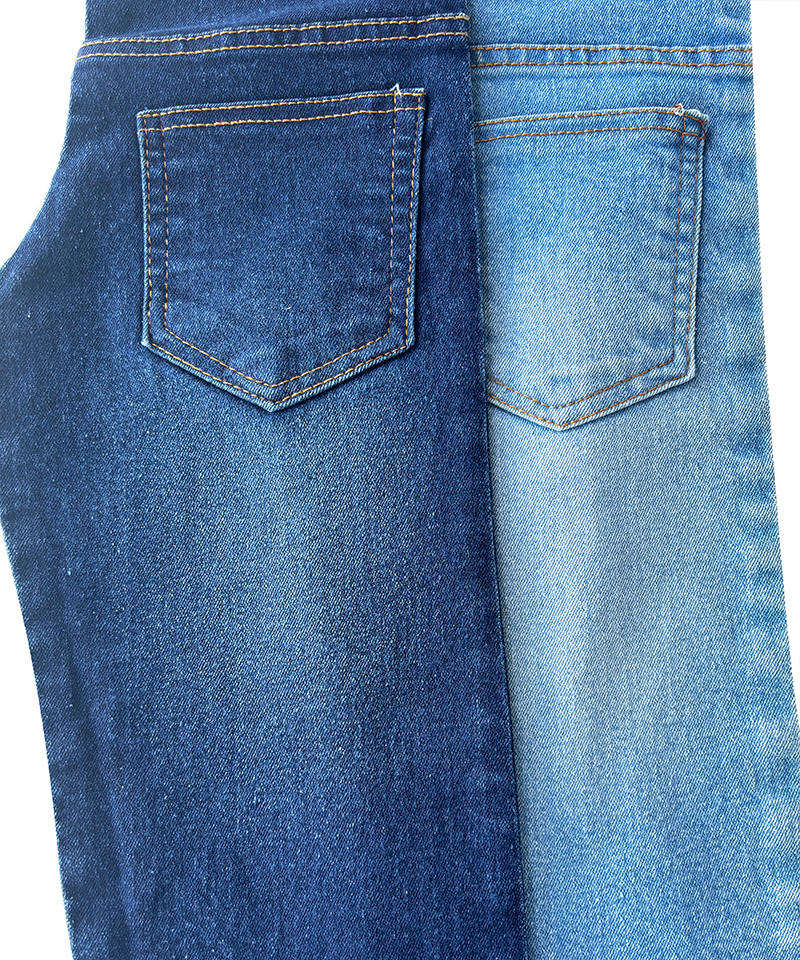
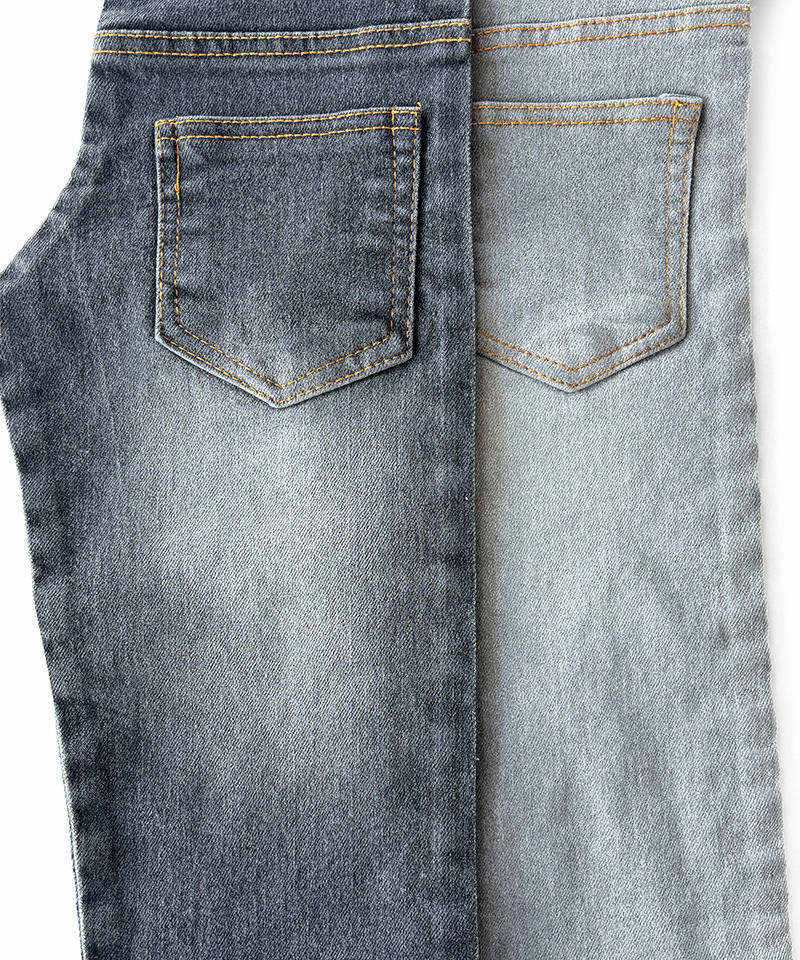
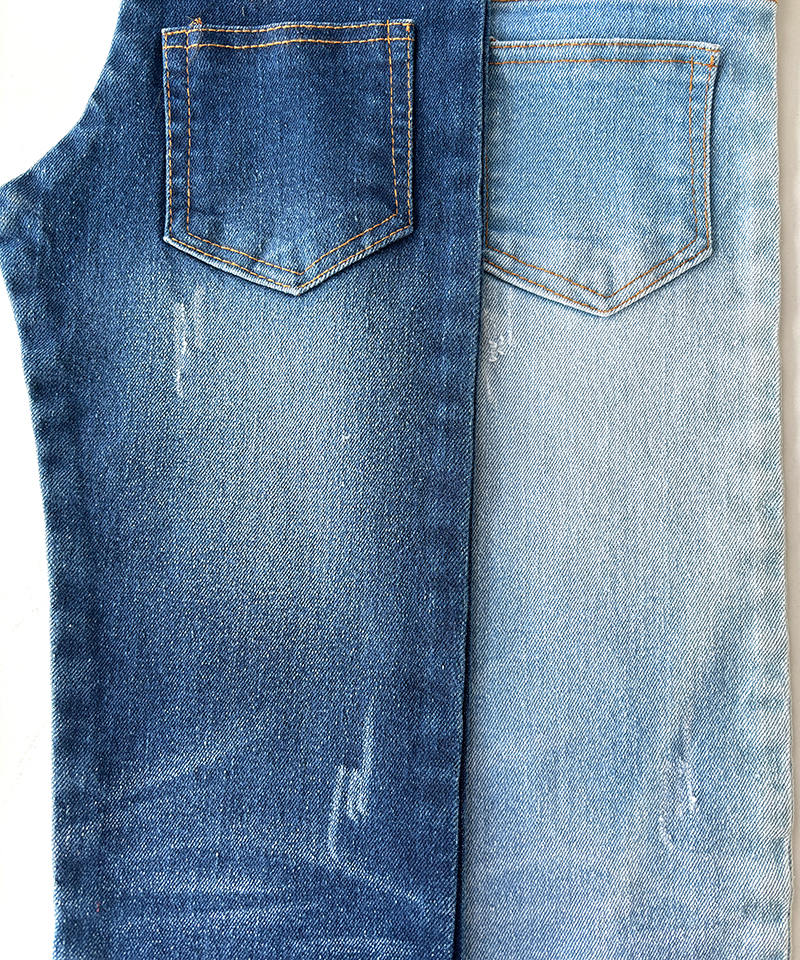
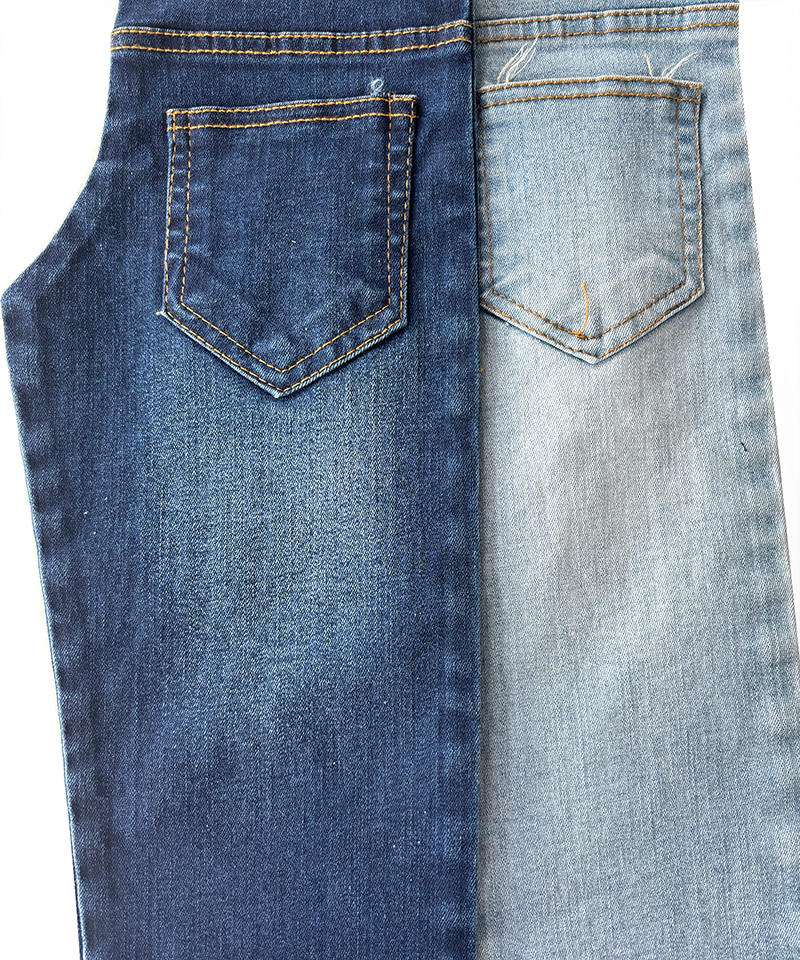
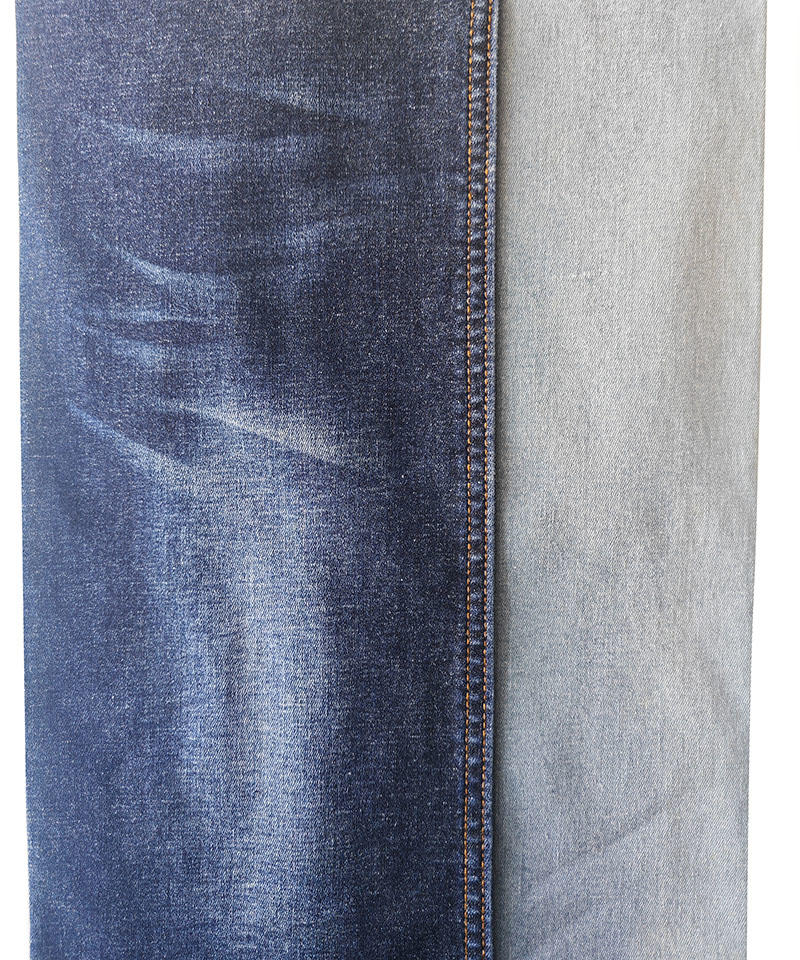
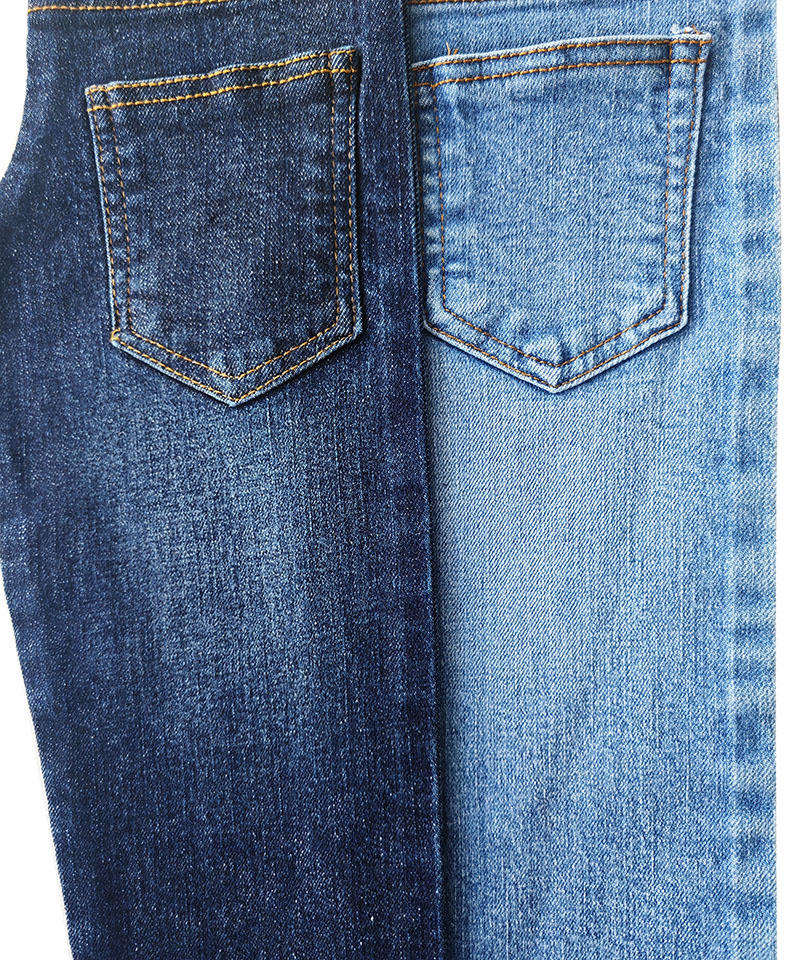
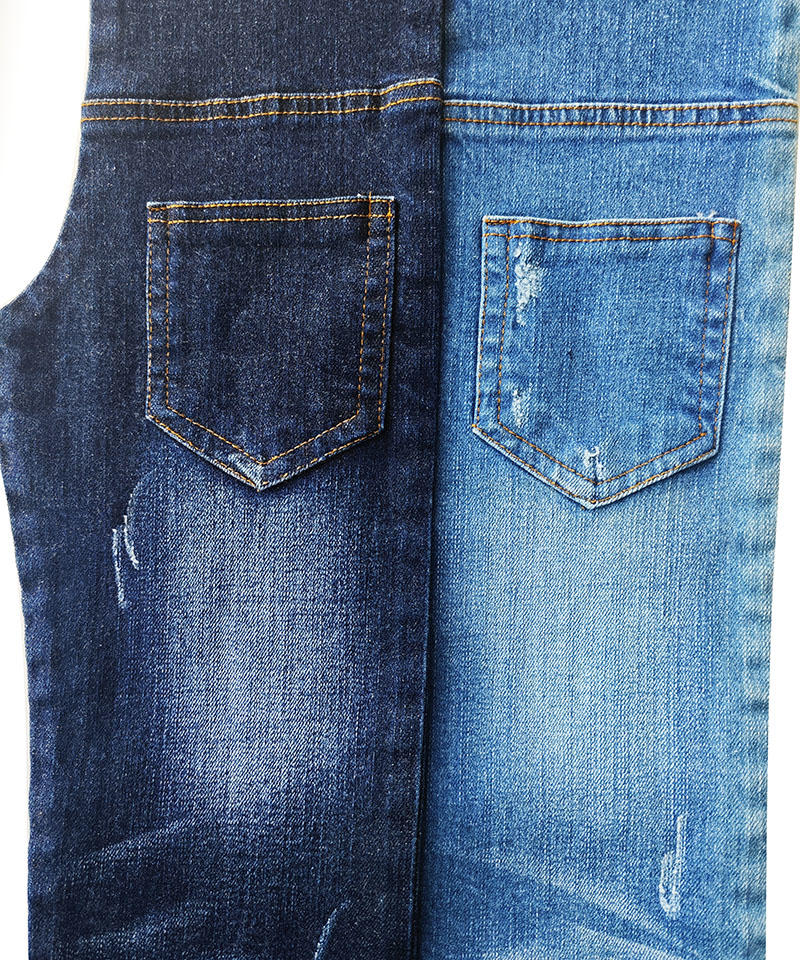
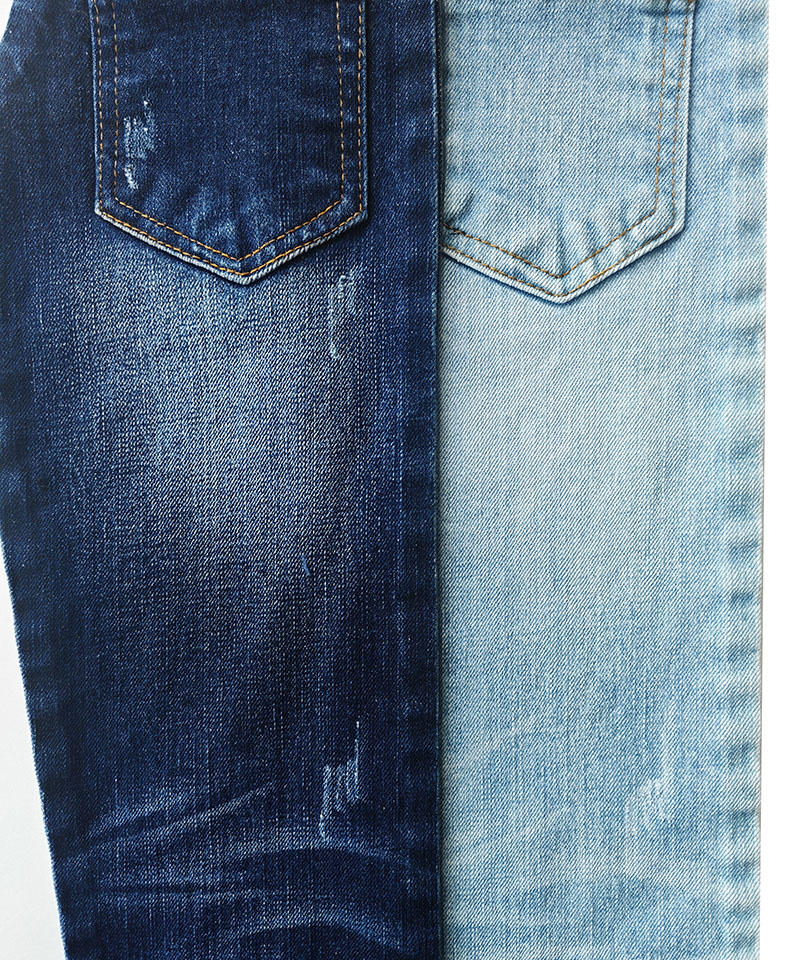
Cotton denim fabric remains one of the most enduring, versatile, and commercially vital textiles in the global apparel industry. As a specialized textile manufacturer catering to international brands, wholesalers, and garment factories, we understand that selecting the exact denim specification requires a technical understanding of fiber composition, weave constructions, weight categories, and finishing treatments. This comprehensive technical guide covers the essential parameters of cotton denim fabric to assist procurement managers, fashion designers, and supply chain specialists in making informed sourcing decisions.
2. Fiber Composition and Yarn Engineering
The foundation of premium denim fabric lies in fiber selection and yarn construction. While traditional denim relies on 100% natural cotton, modern global textile markets demand functional variations incorporating elastane, polyester, rayon, and recycled fibers.
2.1 100% Rigid Cotton Denim
100% cotton denim represents the authentic heritage standard. It features a right-hand or left-hand twill weave constructed entirely from carded or combed cotton yarns. Rigid denim exhibits exceptional structural integrity, crisp handfeel, and characteristic fade patterns over time. Apparel manufacturers favor 100% cotton denim for workwear, vintage-style jeans, heavy jackets, and structured overgarments.
2.2 Stretch Denim Alloys
Stretch denim integrates synthetic elastomeric fibers into the weft yarn. These variations typically contain between 95% and 99% cotton combined with 1% to 5% elastane (spandex). Dual-core yarn technology wraps cotton and polyester filaments around an elastane core, delivering superior shape retention, high elastic recovery, and reduced fabric bagging at stress points such as knees and seat areas.
2.3 Blended Sustainable Fibers
To support corporate environmental initiatives without compromising fabric strength, denim construction frequently incorporates alternative cellulosic fibers. Blends containing Lyocell (Tencel), Modal, or Bamboo offer enhanced softness, liquid absorption, and drape, making them suitable for lightweight summer denim collections, shirtings, and women's fashion lines.
Fiber Composition
Primary Characteristics
Tensile Strength
Typical Applications
100% Rigid Cotton
High durability, natural breathability, classic fading
Very High
Heritage jeans, jackets, workwear
Cotton / Spandex (98/2)
Comfort stretch, flexible fit, high dimensional stability
Medium-High
Slim-fit pants, everyday apparel
Cotton / Poly / Elastane
High recovery, tear resistant, quick drying
High
Active denim, high-wear trousers
Cotton / Tencel Blend
Ultra-soft handfeel, smooth surface, fluid drape
Medium
Lightweight shirts, dresses, summer denim
3. Weave Structures: 3/1 Twill, 2/1 Twill, and Broken Twill
Denim is defined by its twill weave structure, where the warp threads pass over a set number of weft threads, creating characteristic diagonal rib lines on the face of the fabric.
3.1 3/1 Right-Hand Twill (Z-Twill)
The 3/1 right-hand twill is the industry standard for classical denim. In this configuration, the indigo-dyed warp yarn crosses over three undyed weft yarns before passing under one. The diagonal twill line runs upwards from bottom-left to top-right. This layout concentrates warp yarns on the face, yielding deep indigo coloration with a clean, contrasting white back.
3.2 3/1 Left-Hand Twill (S-Twill)
Left-hand twill features diagonal lines running from bottom-right to top-left. Because the direction of the twill opposes the standard twist of Z-twist yarn, left-hand twill softens significantly after laundering and produces a smoother surface feel. It is widely specified for soft-touch apparel and premium fashion lines.
3.3 Broken Twill Weave
Engineered to eliminate fabric twisting (where the side seams of garments torque toward the front after washing), broken twill alternates right-hand and left-hand weave directions at set intervals, creating a subtle zig-zag pattern on the reverse side. This structure balances mechanical tensions across the fabric roll.
4. Weight Classifications and Ounce Specifications
Denim weight is universally measured in ounces per square yard (oz/yd²) or grams per square meter (gsm). Selecting the appropriate fabric weight ensures optimal garment function, structural performance, and seasonal fit.
4.1 Lightweight Denim (4.0 oz to 8.5 oz)
Lightweight denim offers high breathability and drape. It is commonly converted into summer shirts, dresses, children's apparel, lightweight skirts, and soft fashion linings. It handles complex tailoring easily but offers lower abrasion resistance.
4.2 Medium-Weight Denim (9.0 oz to 12.5 oz)
Medium-weight denim represents the primary commercial standard for global garment manufacturing. It delivers an ideal balance of durability, structural stability, and wearing comfort. This weight range is utilized for standard core jeans, casual jackets, skirts, and heavy-duty shirts.
4.3 Heavyweight Denim (13.0 oz to 21.0+ oz)
Heavyweight denim caters to specialized workwear, winter apparel, and high-end artisanal jeans. Constructed from high-density coarse yarns, this fabric exhibits maximum tensile strength, excellent structural integrity, and deep wear character over time. It requires heavy machinery during cutting and sewing operations.
Weight Category
Ounce Range (oz/yd²)
Metric Range (gsm)
Target Garment Types
Lightweight
4.5 oz - 8.5 oz
150 gsm - 288 gsm
Shirts, blouses, dresses, soft linings
Medium-Weight
9.0 oz - 12.5 oz
305 gsm - 423 gsm
Standard jeans, jackets, skirts, shorts
Heavyweight
13.0 oz - 16.0 oz
440 gsm - 542 gsm
Heavy denim jackets, structured pants, workwear
Super Heavyweight
16.5 oz - 22.0+ oz
559 gsm - 746+ gsm
Artisanal raw jeans, protective heavy garments
5. Indigo Dyeing Techniques and Color Fastness
Indigo dyeing is a chemical process due to the insoluble nature of pure indigo dye in water. Understanding the distinction between rope dyeing and slasher dyeing is critical for technical purchasing.
5.1 Rope Dyeing
In rope dyeing, hundreds of individual cotton warp yarns are twisted together into continuous cables or "ropes." These ropes are routed sequentially through multiple indigo dye baths and oxidation skyways. Rope dyeing prevents deep dye penetration to the center of the yarn, leaving a crisp white core. This ring-dyeing effect enables contrasting abrasion fades in post-wash treatments.
5.2 Slasher Dyeing
Slasher dyeing processes warp yarns running parallel on a flat, broad sheet. While offering high uniformity and operational efficiency, dye penetration is generally deeper than rope dyeing, resulting in slightly less pronounced core contrast during fading washes. Slasher dyeing is widely used for consistent mass-market denim production.
6. Selvedge vs Non-Selvedge Denim: A Technical Comparison
The distinction between selvedge and non-selvedge denim stems from the loom technology used in production.
6.1 Shuttle Loom Selvedge Denim
Selvedge (self-edge) denim is woven on narrow vintage shuttle looms. The shuttle continuously loops the weft thread back and forth across the warp, forming tightly bound, self-finished edges along both margins of the fabric roll. These edges feature clean color contrast threads (typically red, white, or gold). Selvedge rolls are narrow, typically 28 to 31 inches wide, and display subtle surface character due to low-tension weaving.
6.2 Modern Projectile/Air-Jet Non-Selvedge Denim
Modern high-speed projectile or air-jet looms produce wide denim rolls (typically 58 to 64 inches). These machines shoot individual lengths of weft thread across the warp at high speeds, cutting the thread ends on each pass and creating raw fringe edges that require overlocking during garment assembly. Wide looms offer high volume capacity, uniform density, and efficient marker layout for large-scale production.
Parameter
Selvedge Denim
Non-Selvedge Denim
Loom Type
Traditional Shuttle Looms
Modern Air-Jet / Projectile Looms
Fabric Width
28 inches to 31 inches (Narrow)
58 inches to 64 inches (Wide)
Edge Finish
Clean self-bound edge with woven ticker thread
Fringed edge requiring overlock stitching
Production Yield
Low speed, craft output
High speed, industrial mass production
Cost Profile
Premium price point
Cost-optimized for commercial scaling
7. Quality Control Metrics and International Testing Standards
To ensure consistency across order lots, bulk denim roll shipments undergo standardized physical and chemical testing. Key performance metrics include:
7.1 Dimensional Stability and Shrinkage Control
Standard raw denim shrinks between 8% and 12% after initial washing. Industrially pre-shrunk denim undergoes a Controlled Compressive Shrinkage process (Sanforization). Sanforized cotton denim guarantees post-wash residual shrinkage below 2% to 3% in both warp and weft directions under ASTM D3774 testing procedures.
7.2 Tensile and Tear Strength
Warp and weft mechanical durability is evaluated using ASTM D5034 (Grab Test Method) and ASTM D1424 (Elmendorf Tear Tester). High-grade heavy denim specifications must exceed minimum tensile thresholds of 600 N in warp and 400 N in weft.
7.3 Color Fastness and Rubbing Resistance (Crocking)
Due to the surface nature of indigo dye, color transfer under friction (crocking) requires careful control. Testing according to AATCC 8 evaluates dry and wet crocking on a standardized 1 to 5 scale. High-grade denim maintains a dry crocking score of 3-4 and a wet crocking score of 2-3 prior to garment finishing.
8. Frequently Asked Questions (FAQ)
Q1: What is the primary difference between Sanforized and Unsanforized cotton denim fabric?
Sanforized denim undergoes an industrial moisture and mechanical stretching process during finishing to pre-shrink the fabric. This limits post-wash shrinkage to under 2-3%. Unsanforized (or shrink-to-fit) denim bypasses this process and shrinks by 8% to 12% upon its first wash cycle.
Q2: How does yarn count impact the handfeel and durability of denim fabric?
Yarn count indicates yarn fineness. Lower yarn counts (e.g., 6s or 7s Ne) represent thicker yarns, producing heavy, rugged fabrics with high abrasion resistance. Higher yarn counts (e.g., 16s or 20s Ne) consist of finer yarns, resulting in lightweight, softer denim suitable for shirtings and summer apparel.
Q3: Why is elastane content limited to 1% to 3% in high-performance stretch denim?
Keeping elastane within the 1% to 3% range ensures comfortable elasticity while preserving the authentic visual texture and structural stability of cotton denim. Higher elastane percentages can compromise durability, lower tear strength, and accelerate fabric bagging over time.
Q4: What fabric parameters prevent garment seam twisting during laundering?
Garment seam twisting occurs when torque within right-hand or left-hand twill weaves relaxes after washing. Specifying broken twill weaves, applying skew-reduction finishing (skewing correction during sanforization), or pre-washing raw rolls balances these internal stresses and maintains straight side seams.
Q5: What are the minimum order quantities (MOQ) and lead times for custom-dyed cotton denim rolls?
Standard production lead times for custom warp-dyed cotton denim range from 20 to 30 days depending on total volume. Commercial MOQs typically start at 3,000 to 5,000 meters per specification to maintain color batch consistency across industrial dyeing baths.
9. References and Industry Standards
ASTM International. (2021).Standard Test Method for Breaking Strength and Elongation of Textile Fabrics (Grab Test)(ASTM D5034-21). West Conshohocken, PA.
American Association of Textile Chemists and Colorists (AATCC). (2020).Colorfastness to Crocking: AATCC Crockmeter Method(AATCC Method 8-2020). Research Triangle Park, NC.
Paul, R. (Ed.). (2015).Denim: Manufacture, Finishing and Applications. Woodhead Publishing Series in Textiles, Elsevier. ISBN: 978-0-85709-843-6.
International Organization for Standardization. (2018).Textiles — Tests for colour fastness — Part X12: Colour fastness to rubbing(ISO 105-X12:2016). Geneva, Switzerland.
Needles, H. L. (1998).Textile Fibers, Dyes, and Finishes. Penn State University Press.


 English
 Español