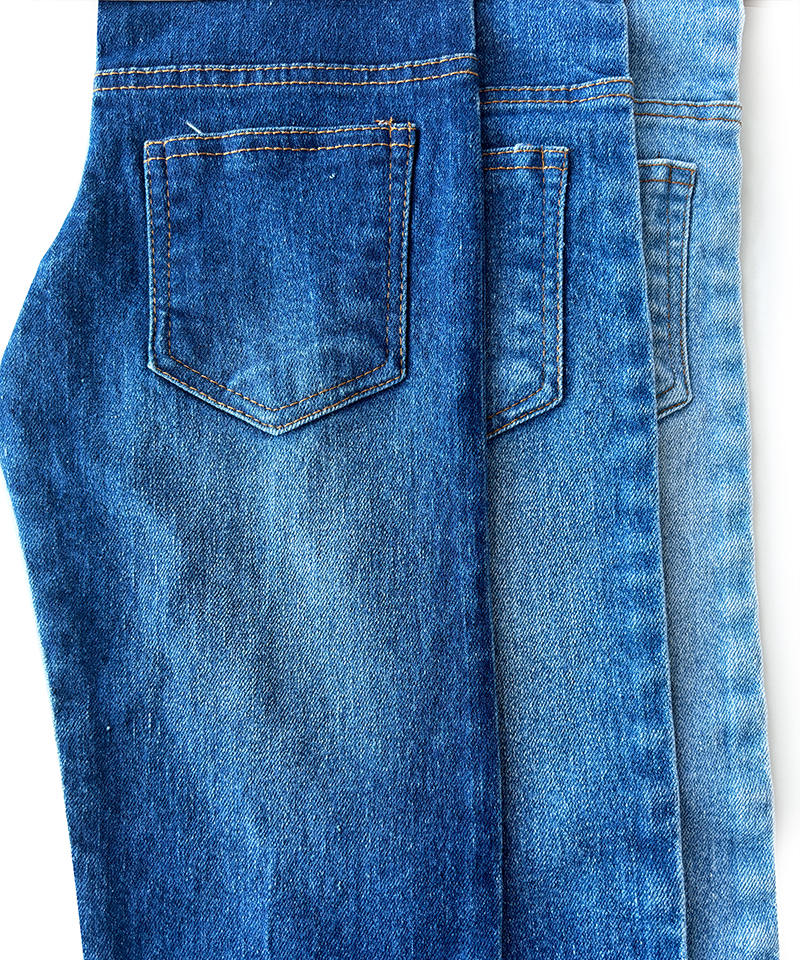
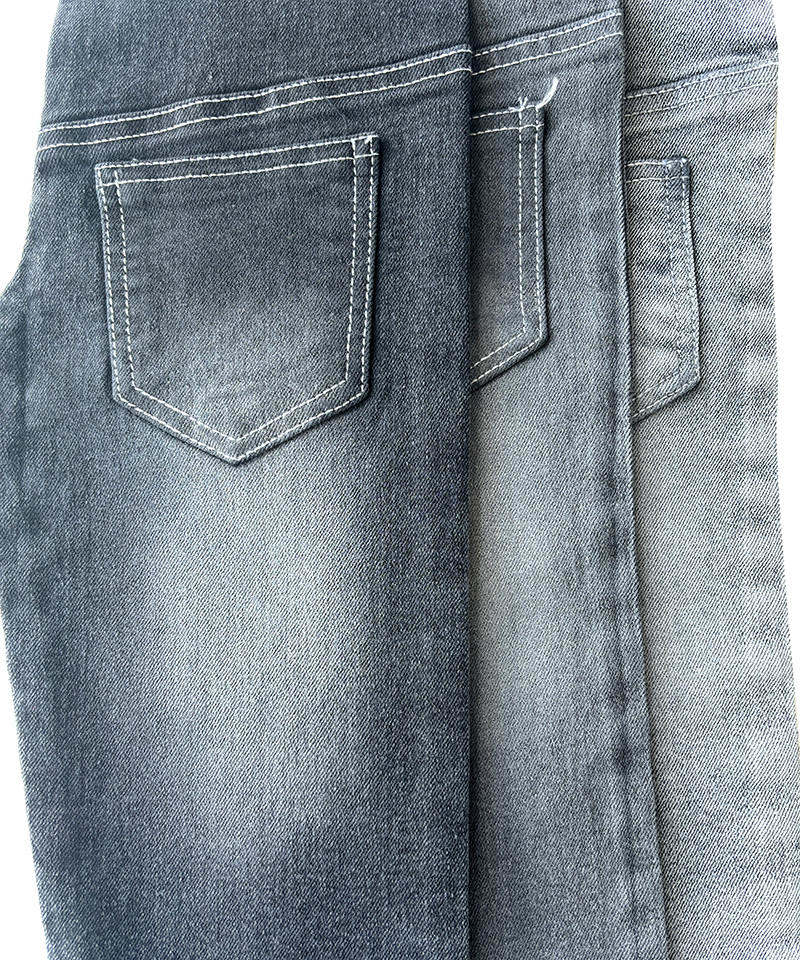
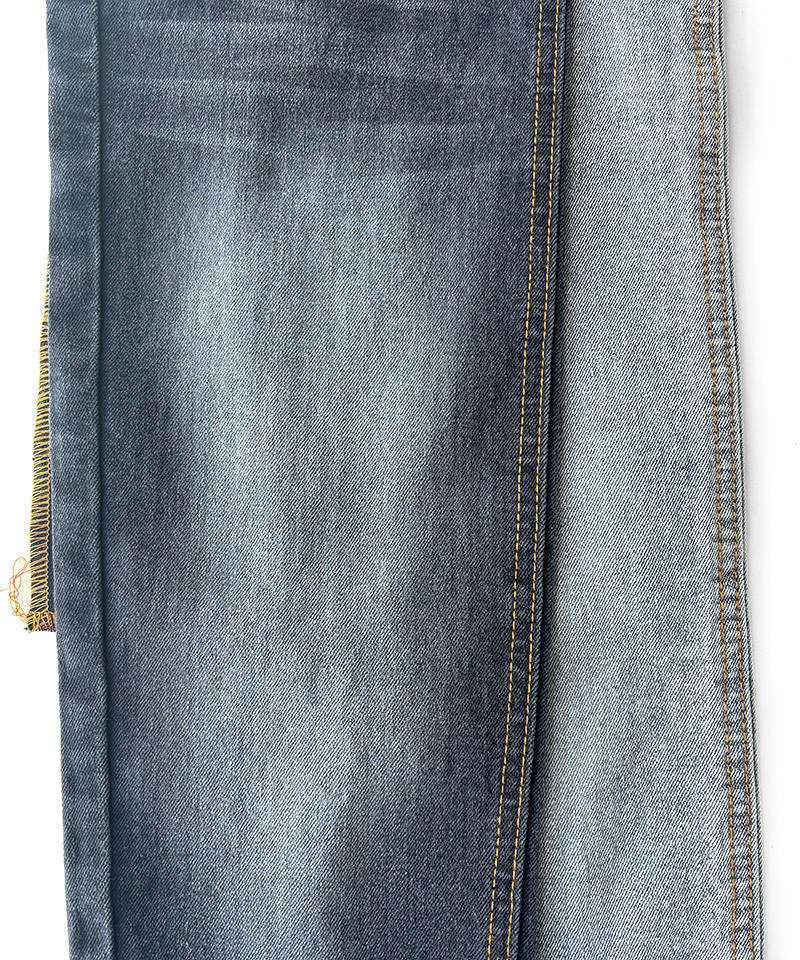
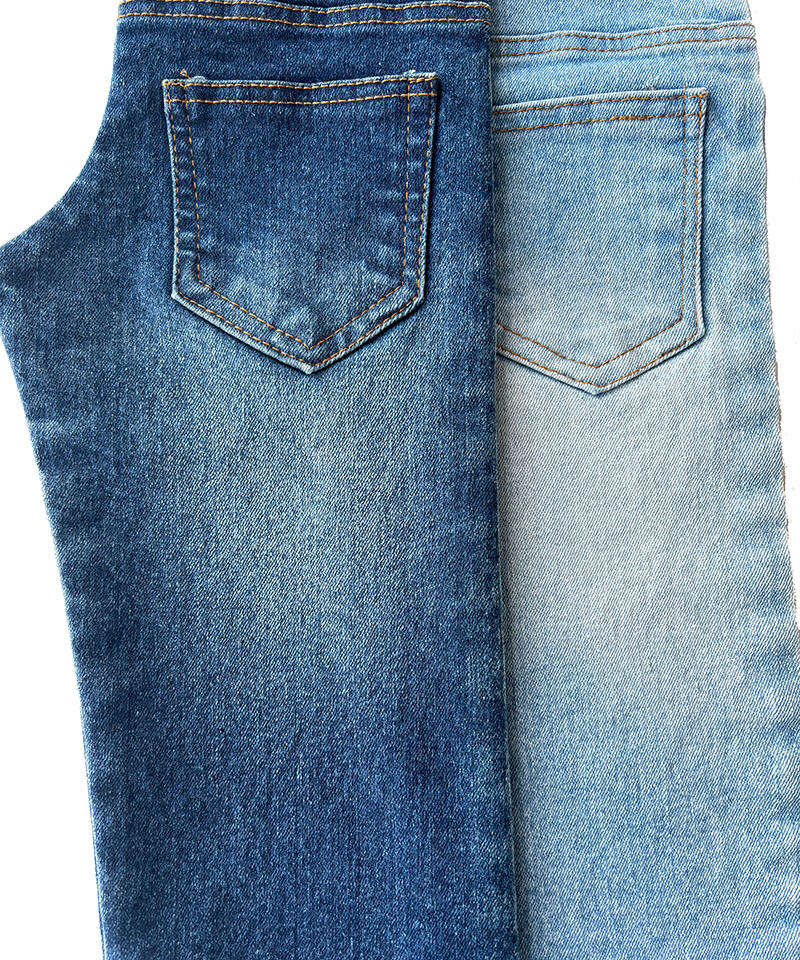
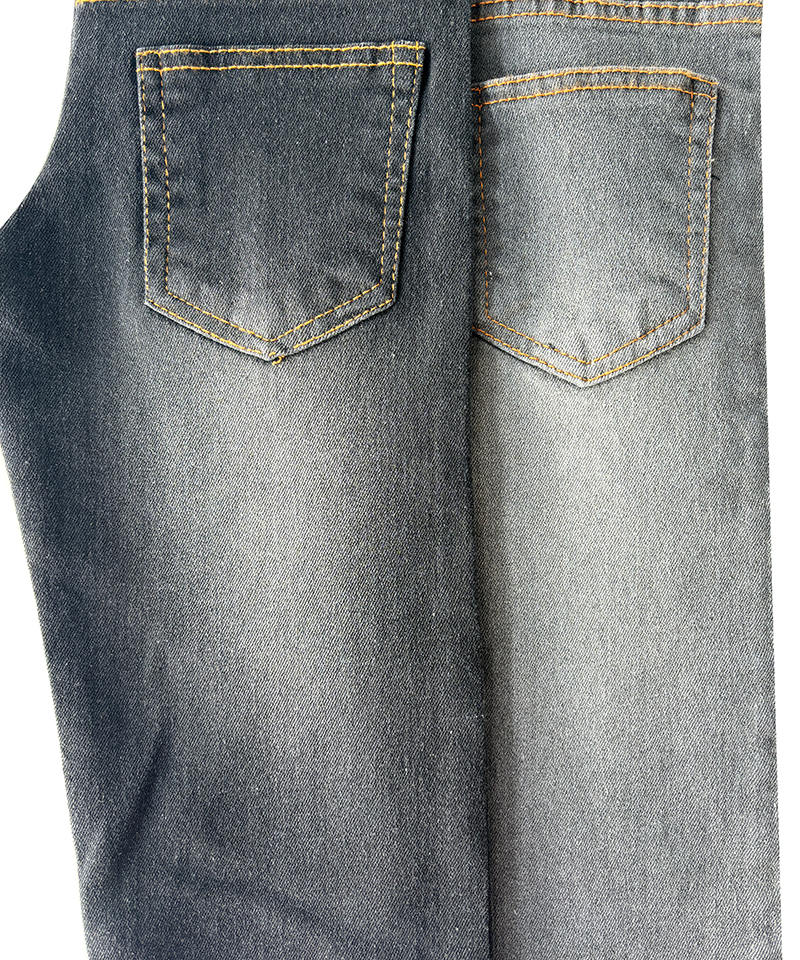
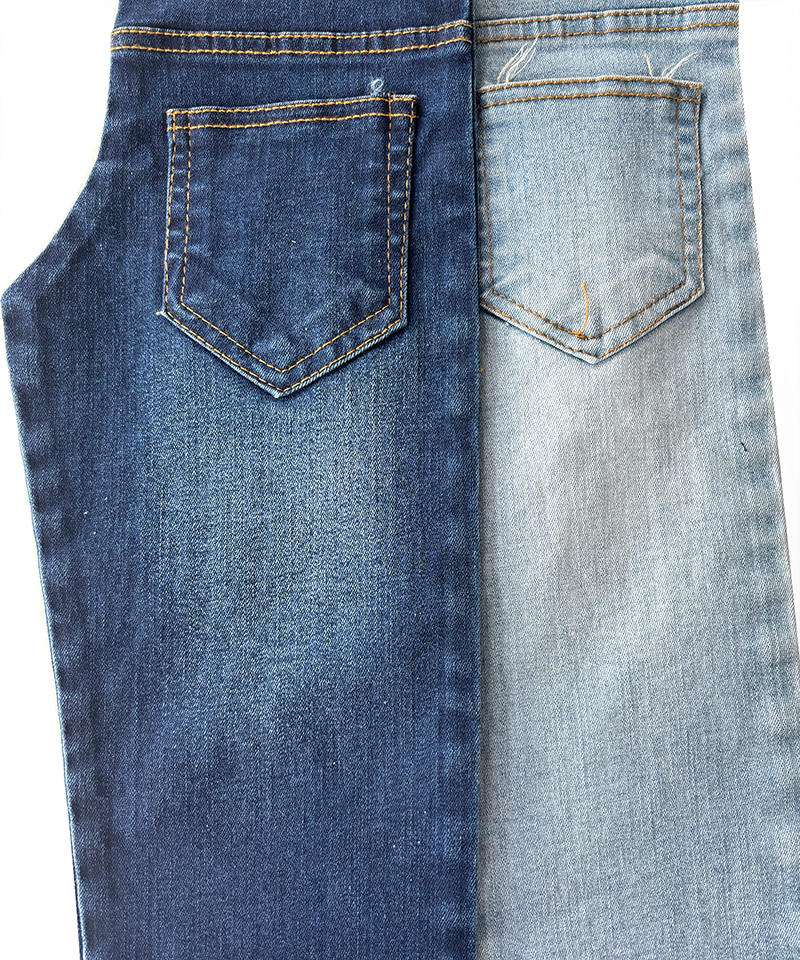
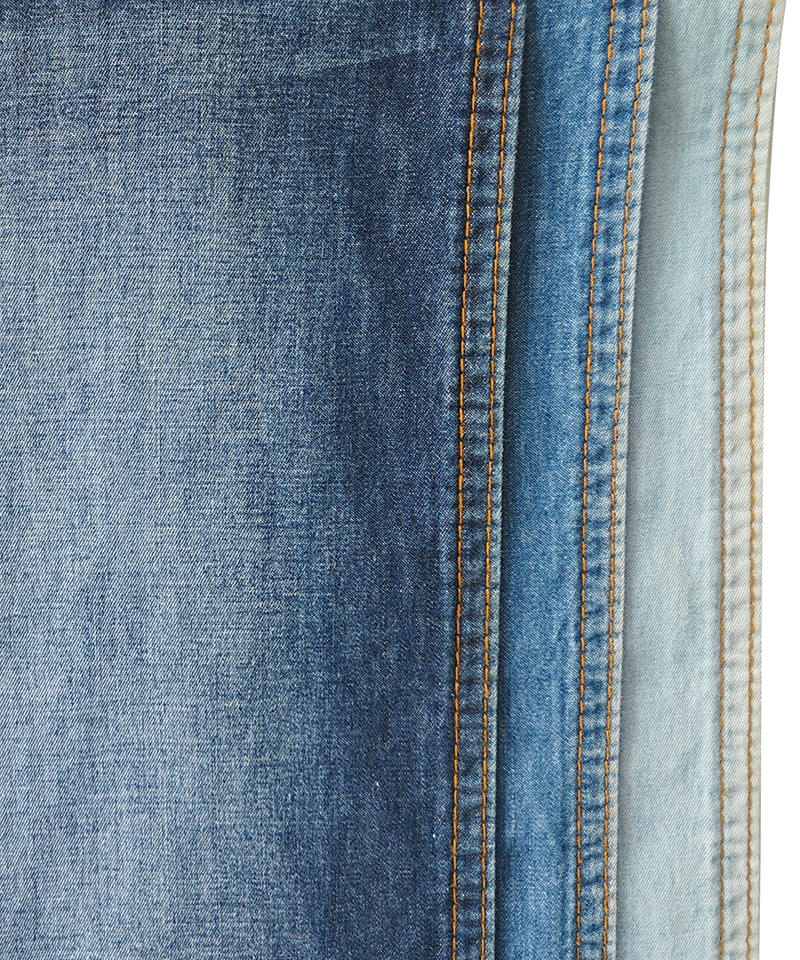
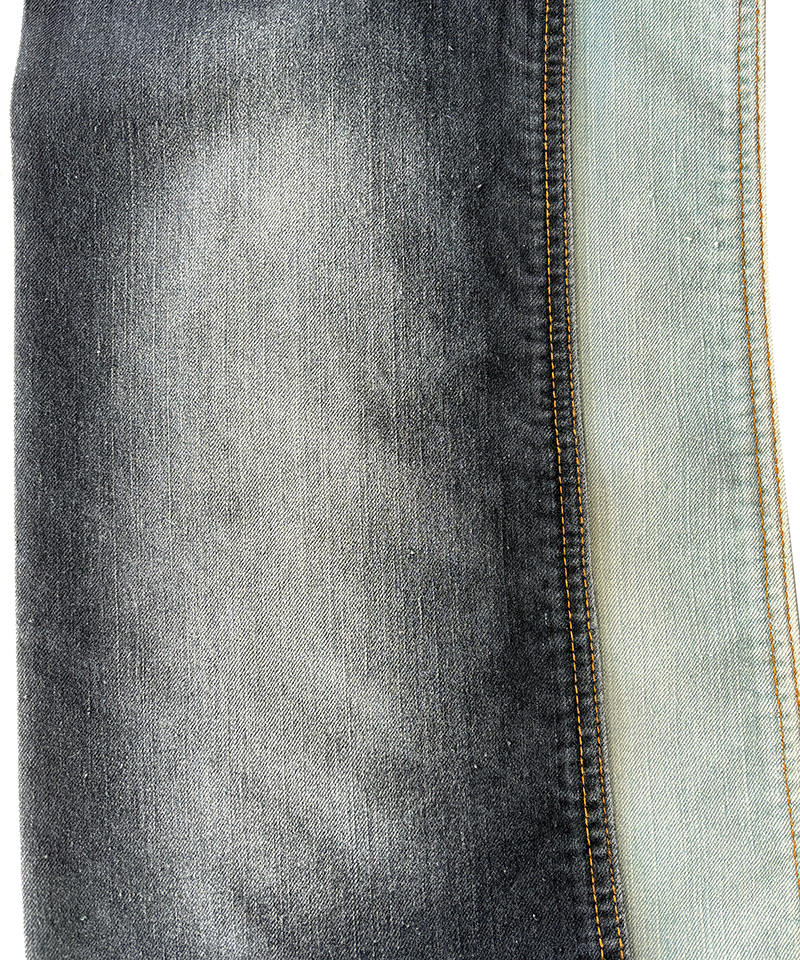
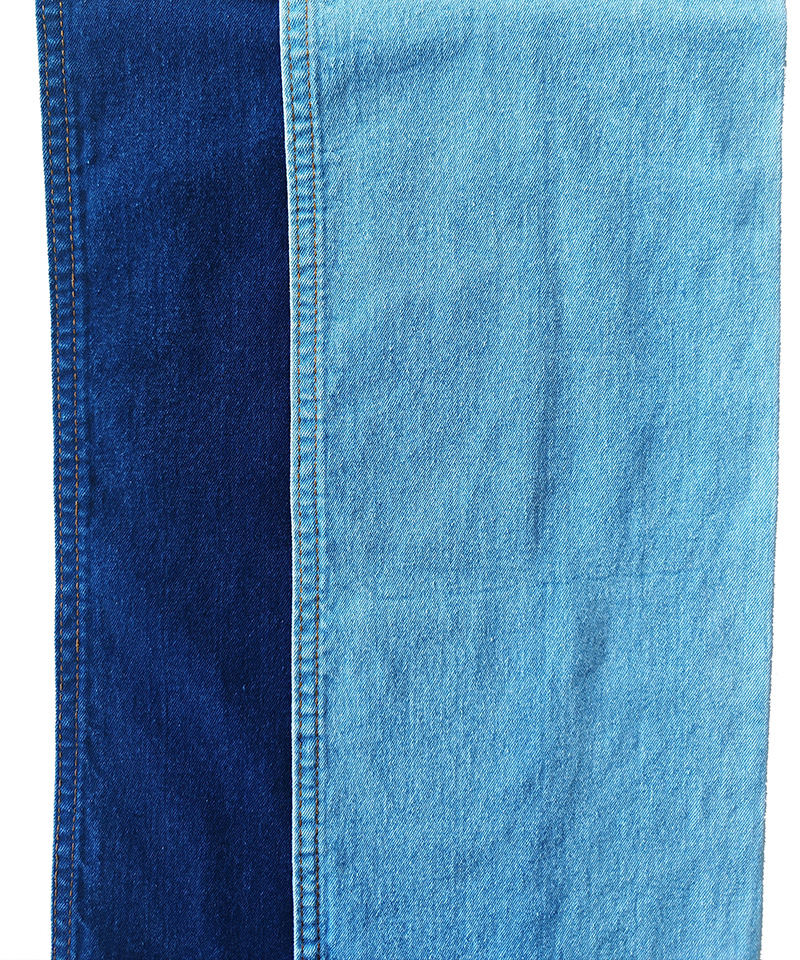
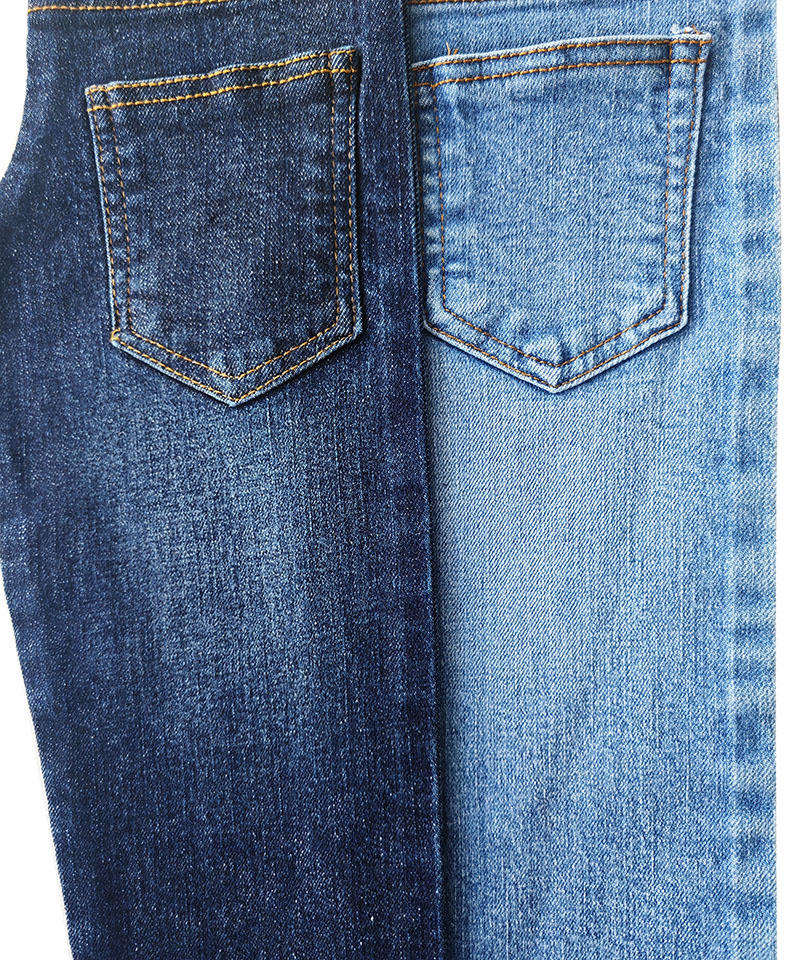
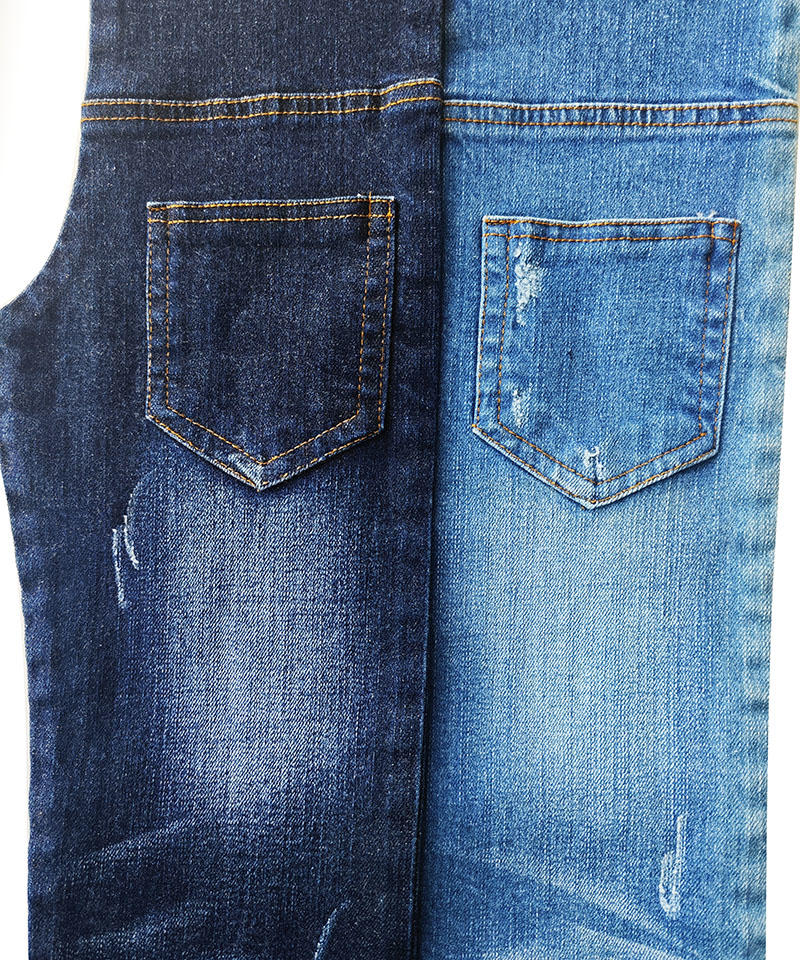
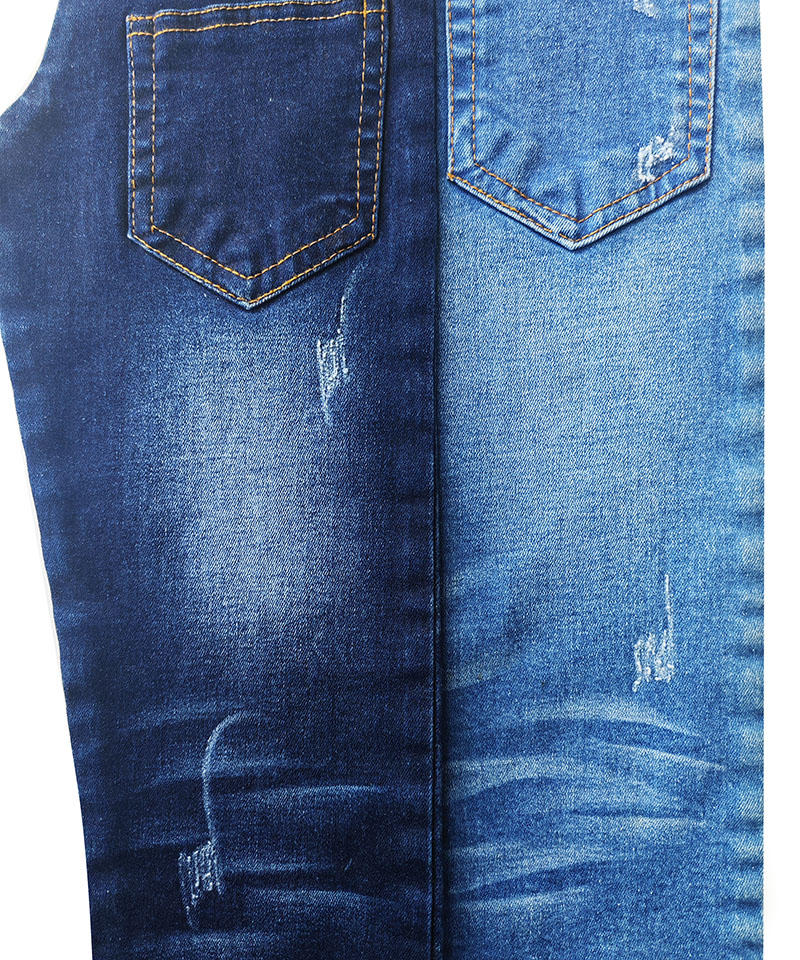
Non-stretch denim fabric is a 100% cotton woven textile without elastic fibers such as spandex or elastane, making it the most traditional and durable form of denim. It retains its original shape and structure over long-term use, offers exceptional wear resistance, and delivers a classic, structured aesthetic that cannot be replicated by stretch denim variants. This fabric is the top choice for consumers seeking timeless style, long-lasting durability, and rigid silhouette support in denim garments.
Unlike stretch denim, non-stretch denim does not loosen significantly with wear, maintains consistent sizing, and develops a unique, personalized patina over time through washing and daily use. It is widely used in jeans, jackets, shirts, and heavy-duty apparel, standing as a staple material in the fashion and workwear industries for its unbeatable structural integrity and classic appeal.
Material Composition and Manufacturing Characteristics of Non-Stretch Denim
Raw Material Composition
The defining feature of non-stretch denim fabric is its exclusive use of pure cotton yarns with zero addition of elastic synthetic fibers. Standard stretch denim typically contains 2% to 5% spandex to enhance flexibility, but non-stretch denim eliminates these additives entirely, relying solely on the natural properties of cotton for performance.
High-quality non-stretch denim uses compact, long-staple cotton fibers, which improve the fabric’s tensile strength, surface smoothness, and resistance to pilling and fraying. The cotton density in premium non-stretch denim reaches industry-leading levels, ensuring the fabric remains thick and supportive without becoming stiff or uncomfortable against the skin.
Weaving and Production Process
Non-stretch denim is produced using traditional twill weaving technology, a method that has remained largely unchanged for over a century. The twill weave creates diagonal ridges on the fabric surface, a signature visual trait of denim that enhances both aesthetics and structural strength.
During manufacturing, the fabric undergoes strict tension control and pre-shrinking treatments to reduce shrinkage rates to below 3% after washing. This pre-treatment ensures that finished garments maintain their original size and shape, preventing unwanted distortion or shortening after regular laundering. The production process prioritizes density and stability over elasticity, resulting in a rigid yet breathable fabric suitable for year-round use.
Physical Performance Indicators
Table 1: Key physical performance comparison between non-stretch denim and regular stretch denim
| Performance Index |
Non-Stretch Denim |
Stretch Denim |
| Elongation Rate |
≤ 5% |
15% - 30% |
| Shrinkage Rate |
≤ 3% |
3% - 5% |
| Service Life |
5+ years |
2 - 3 years |
| Shape Retention |
Excellent |
Good |
Core Advantages of Non-Stretch Denim Fabric
Unmatched Durability and Wear Resistance
Non-stretch denim fabric is renowned for its extreme durability, outperforming elastic denim by a wide margin in daily use. The absence of elastic fibers prevents material breakdown caused by fiber fatigue, a common issue with stretch denim that loses elasticity and becomes baggy over time.
This fabric withstands repeated washing, high-frequency friction, and heavy-duty use without tearing, thinning, or losing its structural form. Workwear manufacturers favor non-stretch denim for its ability to endure physically demanding environments, making it ideal for labor-intensive occupations and long-term daily wear.
Stable Shape and Consistent Fit
One of the most valued advantages of non-stretch denim is its permanent shape retention. Unlike stretch denim that stretches out and loses its fit after hours of wear, non-stretch denim maintains its original silhouette throughout the day, providing consistent support and a polished appearance.
Garments made from this fabric do not develop baggy knees, loose waists, or sagging hips, even after months of continuous use. The stable structure ensures a reliable fit every time you wear the garment, eliminating the need for constant adjustments or premature replacement due to shape distortion.
Natural Breathability and Comfort
Constructed from 100% natural cotton, non-stretch denim fabric offers superior breathability compared to elastic-blend denims. The pure cotton fibers allow air circulation and moisture evaporation, keeping the skin dry and comfortable in warm conditions.
While the fabric is rigid, high-quality non-stretch denim softens gradually with wear without losing its structure, creating a personalized fit that adapts to the body while maintaining its supportive shape. This balance of structure and comfort makes it suitable for all seasons and daily activities.
Unique Patina Formation
Non-stretch denim develops a customized patina over time, a faded, worn-in effect that reflects the wearer’s movements and lifestyle. This natural aging process creates a one-of-a-kind aesthetic that cannot be replicated by factory-distressed denim, adding character and value to each garment.
The patina forms evenly across the fabric surface, with subtle fading in high-friction areas such as the thighs, seat, and pockets. This natural wear pattern is highly sought after by denim enthusiasts, as it transforms a basic garment into a unique, personal piece that improves with age.
Eco-Friendly Profile
Pure cotton non-stretch denim is fully biodegradable and free from synthetic elastic additives, making it a more sustainable choice for environmentally conscious consumers. The manufacturing process uses fewer chemical additives, and the extended service life reduces textile waste associated with frequent garment replacement.
Compared to stretch denim, which requires synthetic fiber production and more complex manufacturing, non-stretch denim has a lower carbon footprint and aligns with sustainable fashion principles focused on longevity and natural materials.
Limitations of Non-Stretch Denim Fabric
Limited Flexibility and Initial Stiffness
The primary limitation of non-stretch denim is its low elasticity, which restricts freedom of movement compared to stretch denim. New garments often feel stiff and restrictive during the break-in period, requiring consistent wear to soften the fabric and achieve a comfortable fit.
This lack of stretch may cause discomfort during highly active movements, making the fabric less ideal for athletic activities or situations that require extensive physical flexibility. The break-in period can last several weeks, depending on the frequency of use.
Sizing Sensitivity
Non-stretch denim has minimal give, meaning precise sizing is critical for a proper fit. Unlike stretch denim that accommodates minor body measurement fluctuations, non-stretch denim fits true to size with no room for adjustment, leading to potential fit issues if measurements are inaccurate.
Consumers must pay close attention to size charts and body measurements when purchasing non-stretch denim garments, as the fabric will not stretch to conform to irregularities or temporary changes in body shape.
Break-In Period Requirement
New non-stretch denim garments require a deliberate break-in period to reach optimal comfort. During this phase, the fabric may feel tight across the knees, hips, and waist, and some users report minor discomfort until the cotton fibers relax and adapt to the body’s contours.
This initial stiffness is a temporary characteristic, but it represents a usability barrier for consumers seeking immediate comfort from new denim garments, unlike stretch denim which offers instant flexibility.
Main Application Scenarios of Non-Stretch Denim Fabric
Casual and Fashion Apparel
Non-stretch denim is a cornerstone of classic casual fashion, used extensively in straight-leg jeans, bootcut jeans, denim jackets, and button-front shirts. Its structured silhouette creates a polished, timeless look that works for both everyday casual wear and semi-formal styling.
The fabric’s ability to hold sharp lines and structured shapes makes it perfect for tailored denim pieces, including blazers, skirts, and overalls. Fashion designers prioritize non-stretch denim for vintage-inspired collections, as it captures the authentic aesthetic of classic denim designs.
Heavy-Duty Workwear
The exceptional durability of non-stretch denim makes it the premier choice for industrial and workwear garments, including work jeans, utility jackets, and protective aprons. The fabric resists tears, abrasions, and heavy use, providing reliable protection for workers in construction, manufacturing, and manual labor fields.
Workwear made from non-stretch denim maintains its protective structure even under extreme conditions, ensuring long-term performance and safety in demanding work environments.
Home Textile and Decorative Products
Beyond apparel, non-stretch denim is widely used in durable home textiles, including cushion covers, tablecloths, tote bags, and wall hangings. Its thick, sturdy structure withstands daily use, fading gently over time to add a rustic, cozy aesthetic to interior spaces.
The fabric’s weight and stability make it ideal for structured home accessories that maintain their shape, adding both functionality and style to residential and commercial spaces alike.
Outdoor and Travel Apparel
Non-stretch denim is suitable for lightweight outdoor apparel such as vests, cargo pants, and travel jackets. Its wrinkle resistance, easy care, and durable nature make it perfect for travel, as it retains a neat appearance without frequent ironing or special maintenance.
The fabric’s breathability and temperature regulation also make it comfortable for outdoor activities, providing a balance of durability and comfort for casual adventures and travel.
Children’s Garments
High-quality non-stretch denim is used in durable children’s jeans, jackets, and overalls, as it withstands the rough, active use typical of children’s clothing. The fabric’s non-toxic, pure cotton composition is gentle on sensitive skin, while its durability ensures garments last through multiple growth stages and activities.
Professional Care and Maintenance Guide for Non-Stretch Denim
Washing Guidelines to Extend Service Life
Proper washing is critical to preserving the quality and appearance of non-stretch denim. To minimize fading and shrinkage, wash garments inside out in cold water using a mild, bleach-free detergent. Hot water and harsh detergents accelerate color loss and fiber damage.
Avoid over-washing non-stretch denim; spot clean stains instead of full washing when possible. Over-washing breaks down cotton fibers and accelerates wear, while infrequent washing preserves the fabric’s structure and natural patina development.
- Use cold water (below 30°C) for all washes
- Turn garments inside out to protect surface color and finish
- Avoid fabric softeners, which coat cotton fibers and reduce breathability
- Wash denim garments separately to prevent lint transfer from other fabrics
Drying and Ironing Best Practices
Air drying is the preferred method for non-stretch denim, as machine drying can cause shrinkage and fiber weakening. Hang or lay garments flat in a well-ventilated area away from direct sunlight, which causes uneven fading and discoloration.
If machine drying is necessary, use the lowest heat setting and remove garments while slightly damp to prevent over-drying. Non-stretch denim can be ironed on medium heat to restore a crisp finish, but avoid high heat, which scorches cotton fibers and damages the fabric.
Daily Storage and Wear Tips
Store non-stretch denim garments folded or on wide, padded hangers to preserve their shape and avoid crease marks. Avoid hanging heavy denim garments on thin wire hangers, which cause stretching and distortion at the shoulder seams.
Rotate your non-stretch denim garments to allow resting periods between wears; this allows cotton fibers to recover their structure and extends the overall lifespan of the garment. Avoid exposing denim to prolonged moisture, which can lead to mildew and fiber degradation.
Repair and Restoration Methods
Minor tears and fraying in non-stretch denim can be easily repaired with heavy-duty cotton thread, reinforcing high-wear areas to extend usability. Patching is a popular, stylish way to repair damaged sections while adding unique character to the garment.
Regularly inspect seams, pockets, and stress points for early signs of wear, and address minor issues promptly to prevent larger damage. Proper repairs can double the usable life of non-stretch denim garments, supporting sustainable fashion practices.
How to Choose Non-Stretch Denim Products
Check Fabric Label and Composition
Always verify the fabric label to ensure the product is 100% cotton non-stretch denim. Authentic non-stretch denim will list zero elastic fibers, while counterfeit or mislabeled products may contain small percentages of spandex that compromise the fabric’s core properties.
High-quality non-stretch denim clearly states pure cotton composition on the label, ensuring you receive the durable, structured fabric you expect. Avoid products with vague labeling or incomplete fiber information.
Evaluate Hand Feel and Surface Texture
Genuine non-stretch denim has a firm, substantial hand feel with a distinct twill texture. The fabric should feel thick and supportive without being overly stiff, with a smooth surface free of uneven weaving, loose threads, or thin spots.
Run your hand across the fabric surface to check for consistent density; premium non-stretch denim has uniform thickness across the entire garment, ensuring even wear and long-term durability.
Test Flexibility and Elasticity
Perform a simple stretch test to confirm non-stretch properties: gently pull the fabric horizontally; authentic non-stretch denim will give minimally and snap back to its original shape immediately, with no permanent stretching.
If the fabric stretches significantly or fails to recover its shape, it contains elastic fibers and is not true non-stretch denim. This quick test ensures you select the correct fabric type for your needs.
Select Weight According to Usage Scenarios
Non-stretch denim is available in multiple weight grades tailored to specific uses: lightweight denim (suitable for shirts and warm-weather wear), medium-weight denim (standard for jeans and jackets), and heavyweight denim (ideal for workwear and cold-weather garments).
Choose the weight based on your primary use: lighter weights for breathability and casual wear, heavier weights for maximum durability and structural support. Matching weight to use ensures optimal performance and comfort.
Prioritize Precise Sizing
Measure your body accurately and compare measurements to size charts when purchasing non-stretch denim, as the fabric offers no stretch accommodation. A precise fit ensures comfort from the first wear and reduces the need for returns or alterations.
Focus on waist, hip, and inseam measurements for pants, and shoulder and chest measurements for jackets, as these areas determine proper fit in non-stretch denim garments.
Future Development Trends of Non-Stretch Denim Fabric
Sustainable Production Innovation
The future of non-stretch denim centers on eco-friendly manufacturing, including organic cotton sourcing, water-saving dyeing processes, and zero-waste production techniques. Manufacturers are adopting renewable energy and recycled water systems to reduce environmental impact while preserving the fabric’s classic properties.
Organic non-stretch denim, free from pesticides and synthetic fertilizers, is growing in popularity as consumers prioritize sustainable, skin-friendly materials. These innovations maintain the fabric’s durability while aligning with global sustainability goals.
Improved Comfort Technology
Advancements in cotton processing and weaving technology are reducing the break-in period for non-stretch denim, creating pre-softened fabrics that offer immediate comfort without sacrificing structure or durability. New yarn treatments enhance softness while maintaining the fabric’s signature rigidity.
These technological improvements address the primary usability concern of non-stretch denim, expanding its appeal to consumers who value both classic style and instant comfort.
Diversified Design and Aesthetic Applications
Non-stretch denim is evolving beyond classic blue hues, with innovative dyeing techniques creating a wide range of colors while maintaining fabric integrity. Vintage-inspired finishes, textured surfaces, and custom distressing are expanding the aesthetic versatility of non-stretch denim.
Designers are integrating non-stretch denim into high-fashion collections, using its structured silhouette for tailored garments, avant-garde pieces, and luxury casual wear, elevating the fabric from a basic material to a premium design element.
Functional Performance Enhancement
Modern non-stretch denim is being engineered with enhanced functional properties, including water resistance, stain repellency, and UV protection, without compromising its pure cotton composition. These performance upgrades expand the fabric’s use into technical apparel and outdoor gear.
The combination of classic denim aesthetics and modern performance features positions non-stretch denim as a versatile material for contemporary lifestyle needs, bridging tradition and innovation.
Market Demand Growth
Consumer demand for non-stretch denim is steadily rising, driven by a preference for timeless, durable fashion over fast-style trends. The fabric’s long lifespan, sustainable profile, and classic aesthetic align with shifting consumer values focused on quality and longevity.
Market research indicates consistent growth in non-stretch denim sales across apparel, accessories, and home textiles, solidifying its position as a permanent, essential material in the global textile industry.


 English
 Español