The Definitive Answer on Cotton Elastane Denim
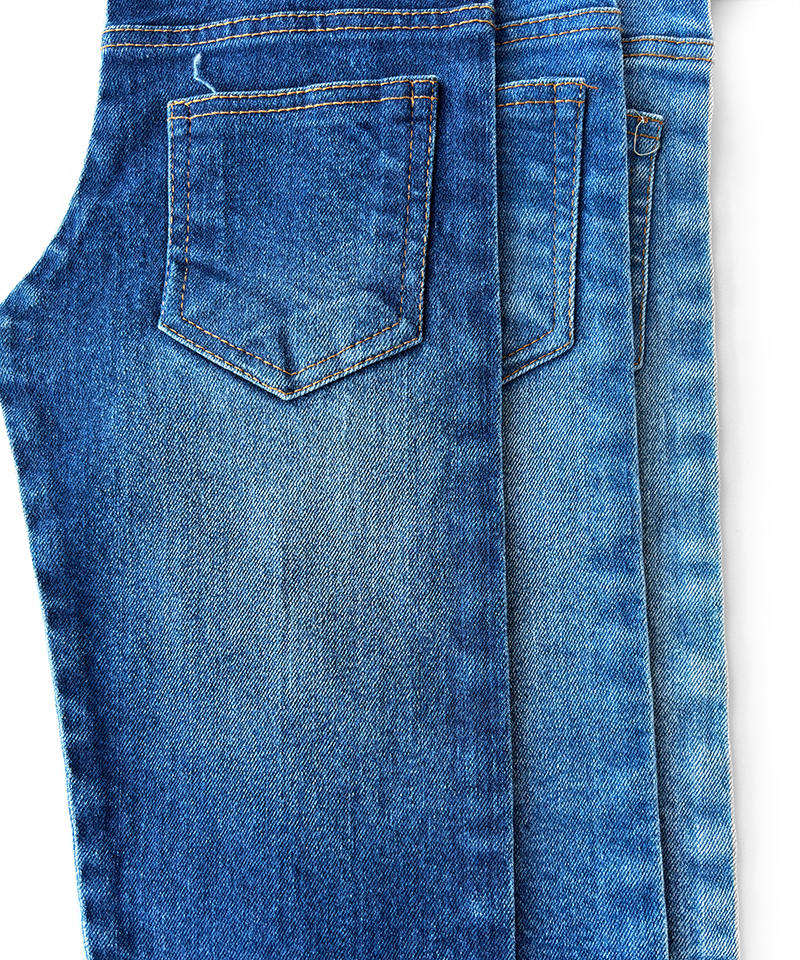
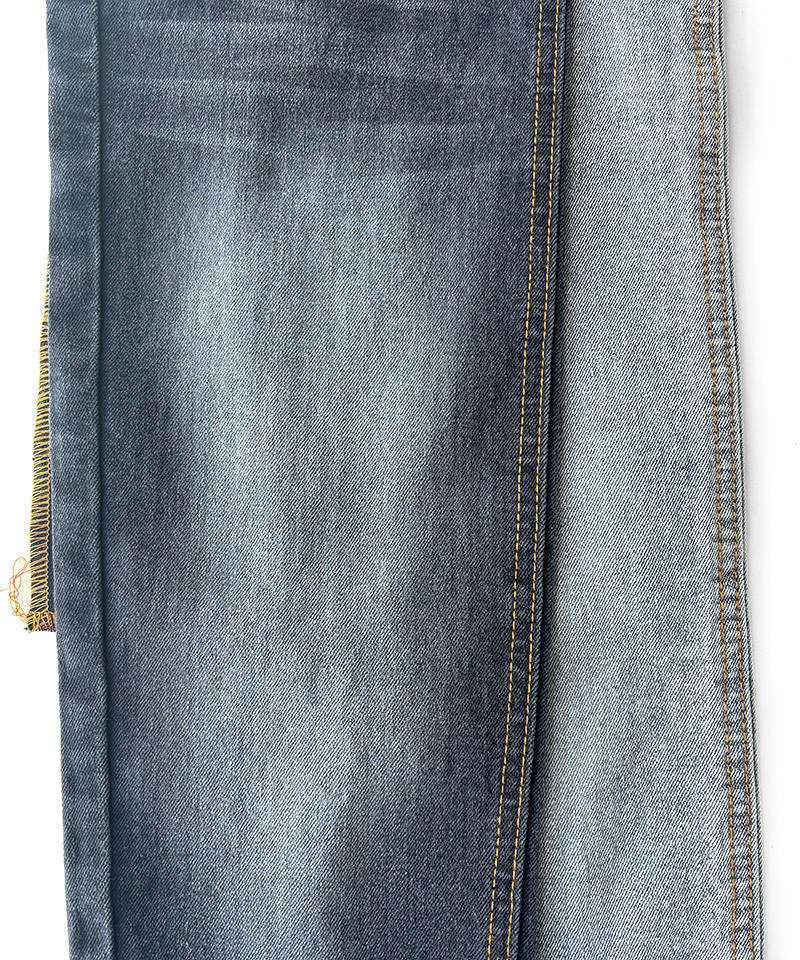
Cotton elastane denim fabric is the optimal material solution for modern apparel that demands both the classic aesthetic of traditional jeans and the essential comfort of activewear. By weaving a small percentage of elastane fibers into a pure cotton denim foundation, this textile completely resolves the historical trade-off between durability and mobility. It retains the rugged, breathable, and authentic characteristics of standard cotton twill while introducing a recovery mechanism that prevents permanent sagging and allows for natural human movement. For any garment requiring a structured yet forgiving fit—such as skinny jeans, tailored denim jackets, or high-performance workwear—this blended fabric stands as the definitive choice over non-stretch alternatives.
Understanding the Structural Foundation
To appreciate the value of this fabric, one must first understand its architectural composition. Traditional denim is built entirely from cotton fibers spun into a sturdy warp and weft, woven in a diagonal twill pattern. While this creates an incredibly durable fabric, it lacks structural elasticity. When you bend your knees in pure cotton denim, the fibers must stretch, which often leads to fiber breakdown, permanent bagging at the knees, and eventual tearing.
Cotton elastane denim introduces a continuous filament of elastane—often referred to as spandex—typically making up between one and three percent of the fabric's total weight. Despite this seemingly negligible presence, this elastane core is wrapped in cotton before being woven. It acts like a microscopic rubber band running throughout the entire length of the fabric. When the garment is stretched, the elastane bears the tension, allowing the cotton fibers to shift slightly rather than break. When the tension is released, the elastane snaps the cotton back into its original woven position.
The Mechanics of Stretch Recovery
The true magic of this fabric lies in its recovery rate. A well-constructed cotton elastane denim can be stretched to roughly its own size and still return to its exact original dimensions without wrinkling or warping. This mechanical recovery is what separates high-quality stretch denim from cheap alternatives that simply stretch out and never return to their original shape. The elastane acts as a memory agent for the cotton weave, ensuring that the garment maintains its tailored silhouette even after years of rigorous daily use.
Ergonomic and Comfort Advantages
The human body was never designed to be confined in rigid, non-yielding fabrics. Traditional denim restricts the range of motion, making activities like climbing stairs, sitting at a desk, or crouching incredibly uncomfortable. Cotton elastane denim directly addresses this ergonomic failure by introducing multidirectional movement.
Depending on how the elastane is introduced during the weaving process, the stretch can be engineered in specific directions. Most commonly, it features a two-way stretch, allowing the fabric to yield horizontally across the hips and thighs. More advanced constructions offer four-way stretch, meaning the fabric yields both horizontally and vertically. This ensures that a wearer can experience a full range of motion without feeling resistance from the garment, effectively bridging the gap between casual streetwear and high-performance athletic gear.
The Fit and Contouring Benefit
Beyond pure comfort, the inclusion of elastane revolutionizes garment fit. Pure cotton denim is boxy and unforgiving; it does not contour to the body. Cotton elastane denim, however, gently hugs the natural curves of the wearer. This allows designers to create highly tailored, slim, and skinny silhouettes that look sharp and intentional, rather than merely squeezing the wearer like a sausage casing. The fabric adapts to different body shapes, providing a customized fit that flatters the individual physique while remaining comfortable enough to be worn for extended periods.
Durability and Longevity Factors
A common misconception in the textile industry is that adding stretch to a fabric inherently weakens it. In the case of cotton elastane denim, the opposite is generally true when looking at the lifecycle of the garment. Because the elastane absorbs the mechanical stress of daily movement, the cotton fibers themselves are subjected to far less friction and tension. Consequently, the primary structural fibers last significantly longer before showing signs of wear.
However, longevity does depend heavily on the quality of the elastane used and the construction of the yarn. High-grade elastane is highly resistant to degradation from body oils, lotions, and general wear. It is the integration of this high-grade stretch that ensures the fabric resists permanent bagging at stress points like the knees and elbows, which is the primary reason traditional denim garments are typically discarded.
Care Requirements for Extended Life
To maximize the lifespan of cotton elastane denim, specific care protocols must be followed. Heat is the primary enemy of elastane fibers. Washing in excessively hot water or drying on high heat will cause the elastane to degrade, losing its recovery properties and resulting in a saggy, lifeless garment. Therefore, cold water washing and air drying, or tumble drying on the lowest possible heat setting, are essential practices to preserve the structural integrity of the fabric over years of use.
Breathability and Thermal Regulation
Because the vast majority of the fabric—often over ninety-seven percent—is composed of natural cotton, cotton elastane denim retains the exceptional breathability that has made denim a global staple. Cotton fibers are naturally hydrophilic, meaning they absorb and release moisture efficiently. This prevents the buildup of sweat and heat against the skin, allowing the fabric to feel cool and comfortable in warm climates.
The elastane filaments are so microscopically thin and sparse within the weave that they do not seal off the air pockets in the twill construction. Air continues to circulate freely through the fabric. This ensures that the wearer benefits from the thermoregulatory properties of cotton without the stuffiness often associated with fully synthetic stretch fabrics. It is this balance of natural breathability and synthetic elasticity that makes the material suitable for year-round wear in diverse climates.
Ideal Applications in Modern Apparel
The introduction of this fabric has entirely reshaped the apparel landscape, allowing designers to reimagine classic garments. The most obvious application is in women's and men's fitted trousers, particularly skinny and slim-fit jeans. Without elastane, these ultra-fitted silhouettes would be impossible to put on, incredibly uncomfortable to sit in, and prone to tearing at the seams.
Beyond basic trousers, cotton elastane denim is now the standard for high-end denim jackets that require a tailored fit through the shoulders and arms. It is also highly utilized in motorcycle denim, where the stretch allows riders to move freely on the bike while the cotton provides a tough outer layer against abrasion. Workwear has also embraced this blend; modern utility pants utilize stretch denim to allow construction workers and tradespeople to bend, lift, and reach without their clothing restricting their workflow or tearing under strain.
Comparative Fabric Use Cases
To understand exactly where cotton elastane denim fits into the broader textile market, it is helpful to compare it against other common blends used in similar garments. The following table outlines how this fabric performs relative to its closest competitors across several critical metrics.
| Fabric Type |
Stretch Capability |
Breathability |
Shape Retention |
| Pure Cotton Denim |
None |
Excellent |
Poor (Bags out) |
| Cotton Elastane Denim |
High |
Excellent |
Excellent |
| Cotton Polyester Denim |
Minimal |
Moderate |
Moderate |
| Synthetic Stretch Blends |
Very High |
Poor |
Good |
Comparison of denim fabric types across key performance metrics
Aesthetic Versatility and Finishing Potential
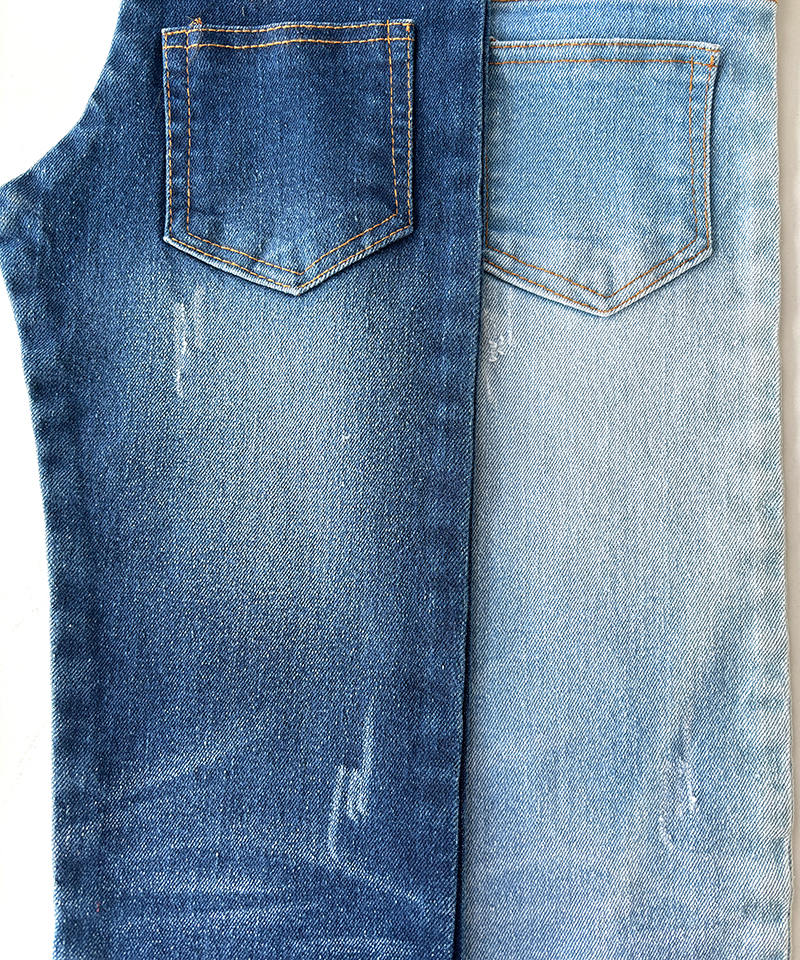
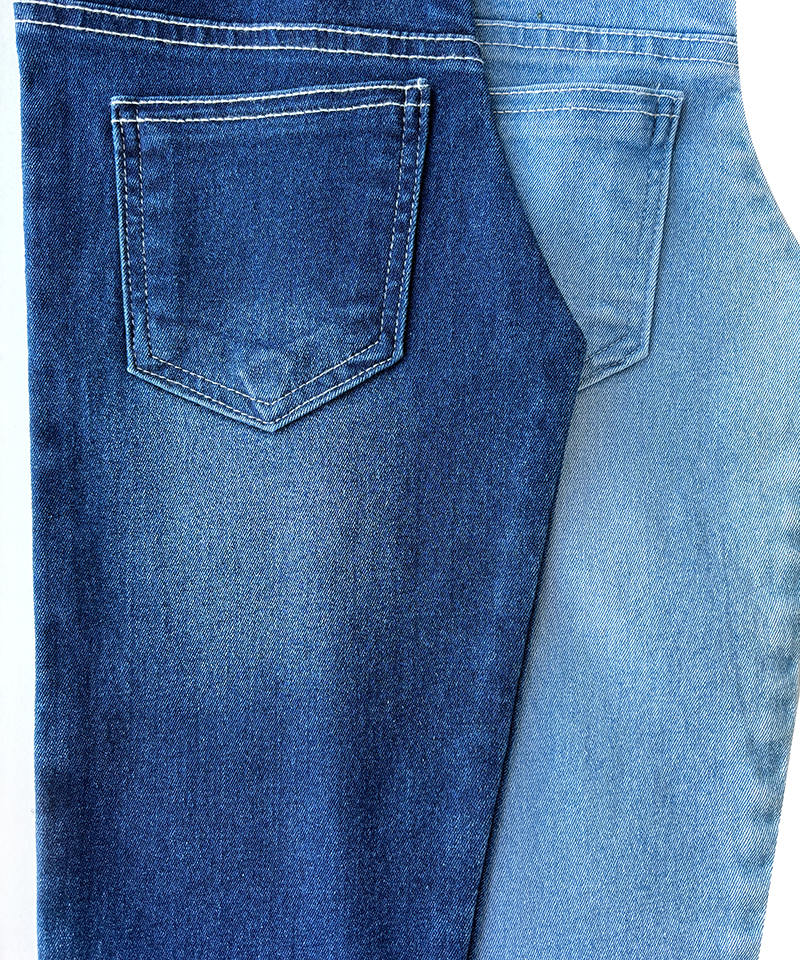
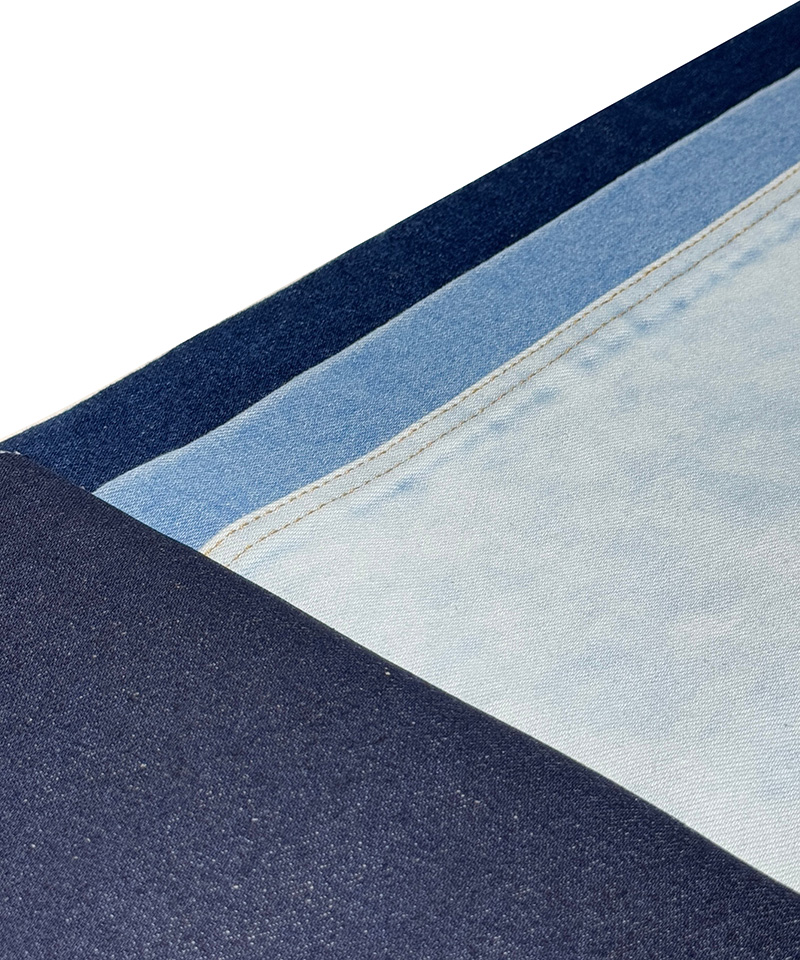
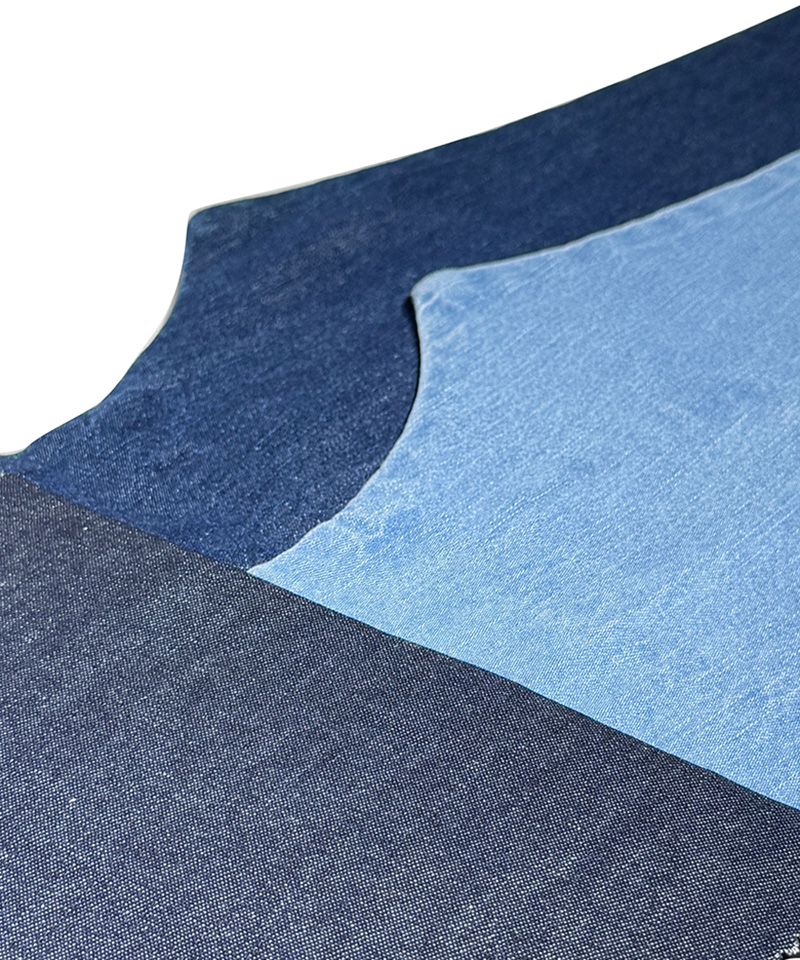
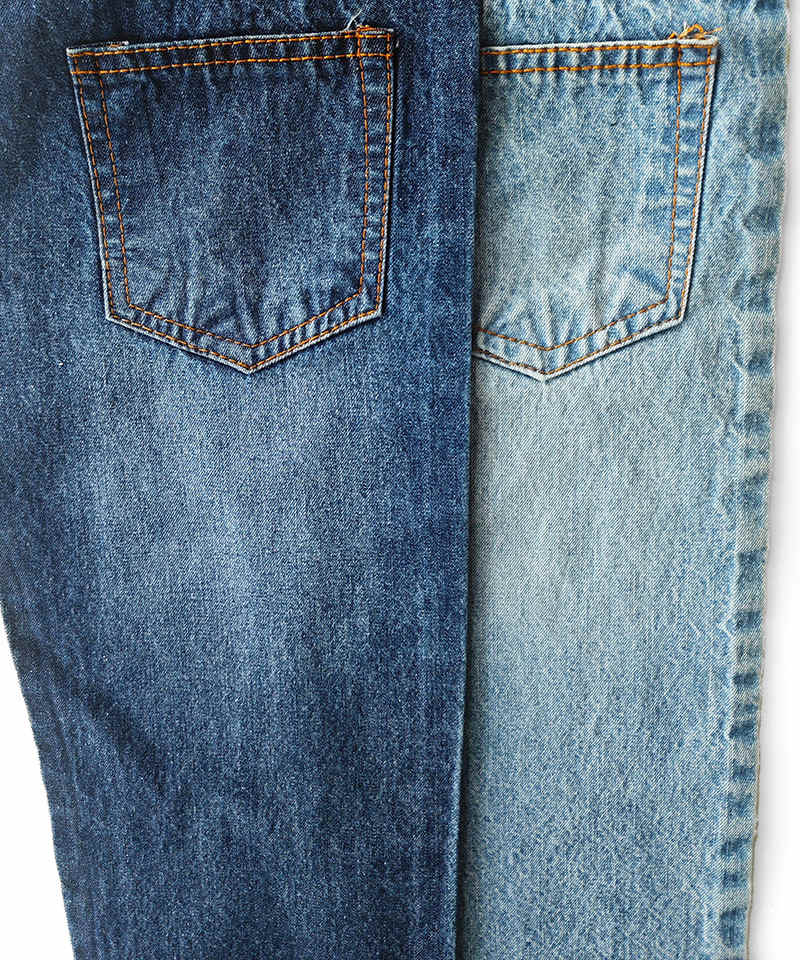
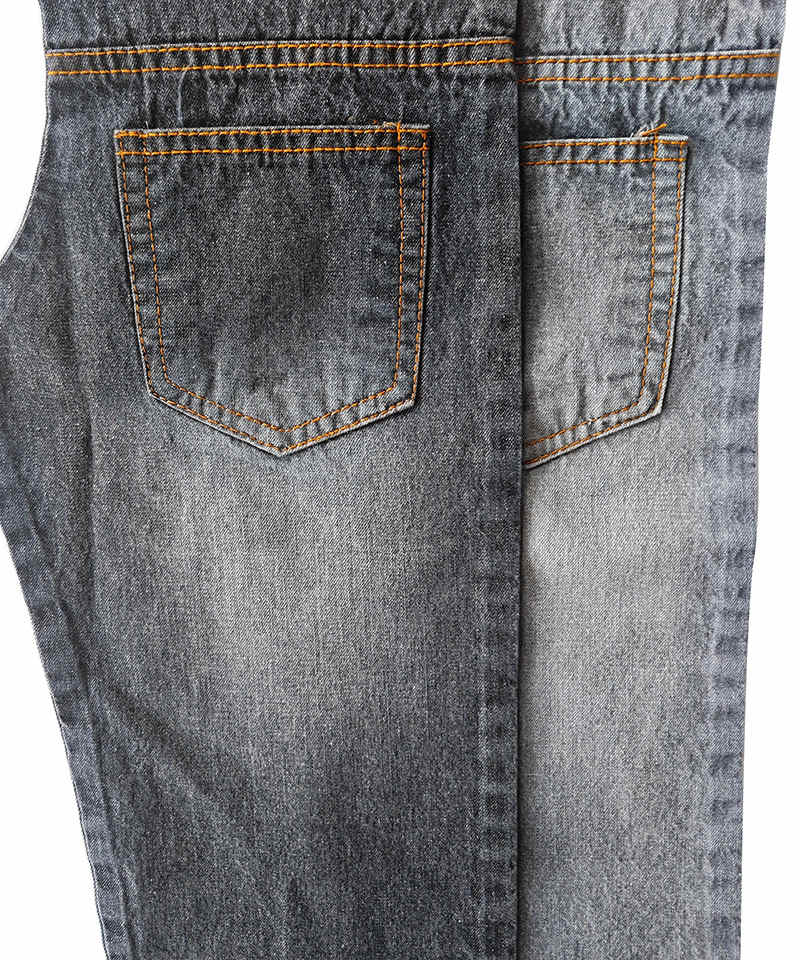
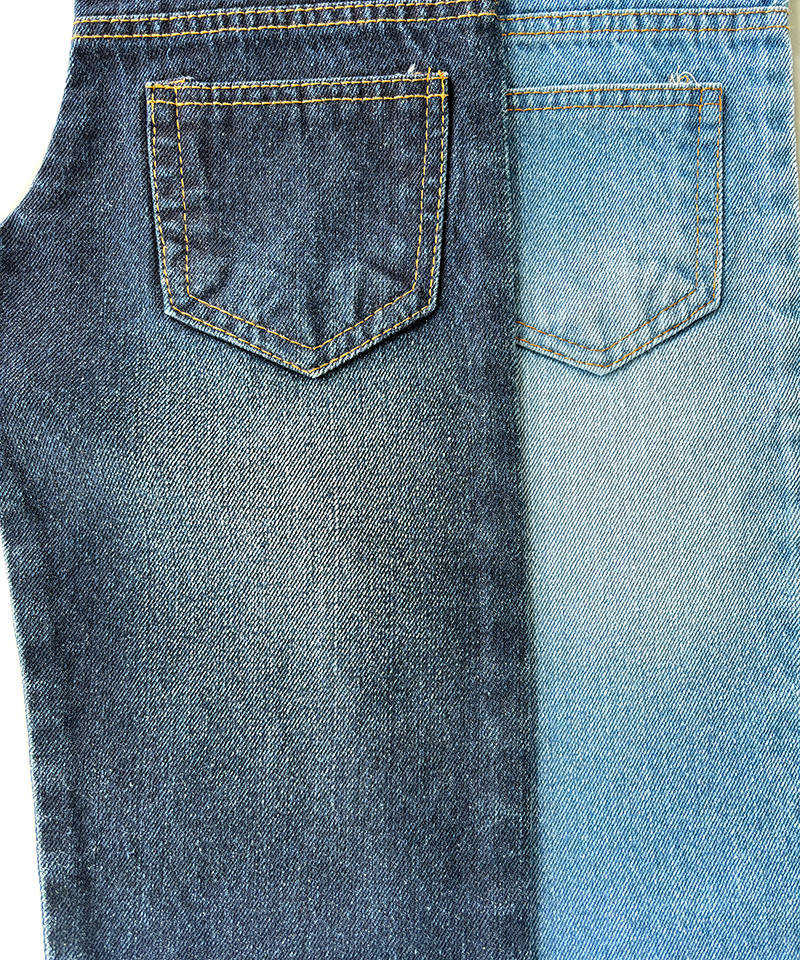
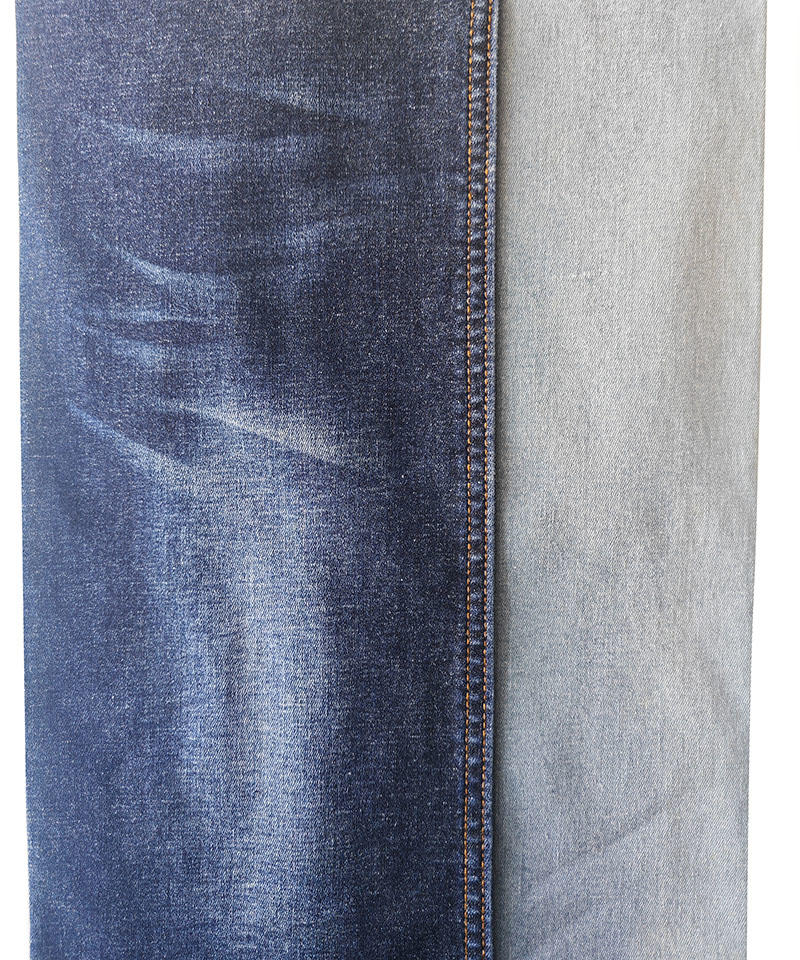
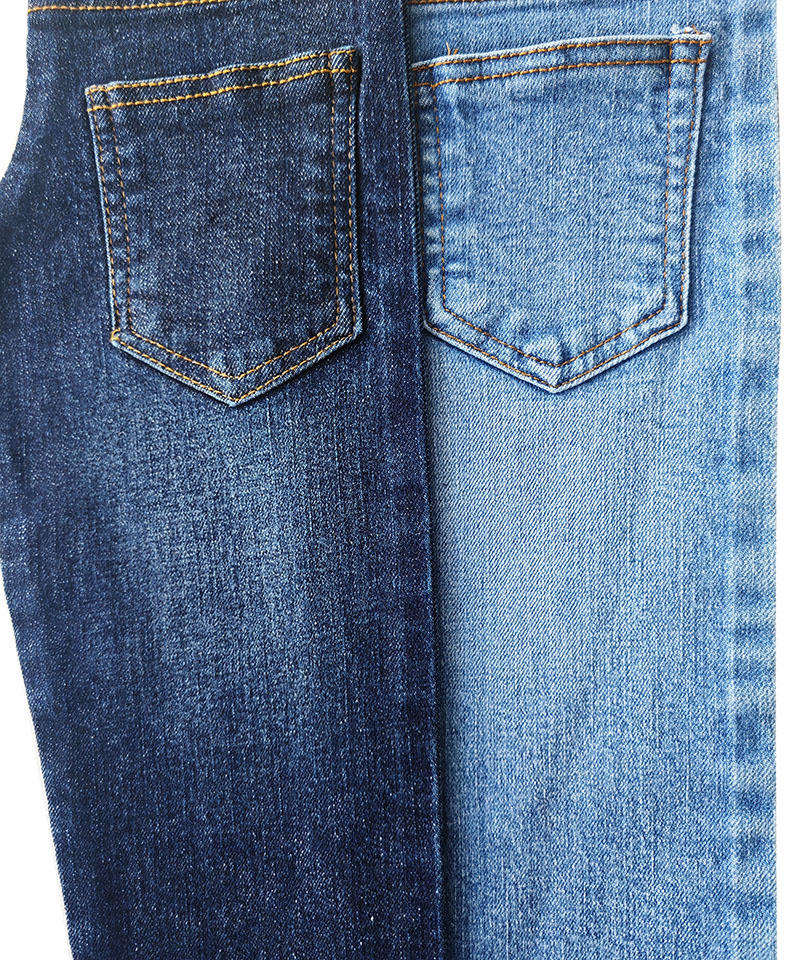
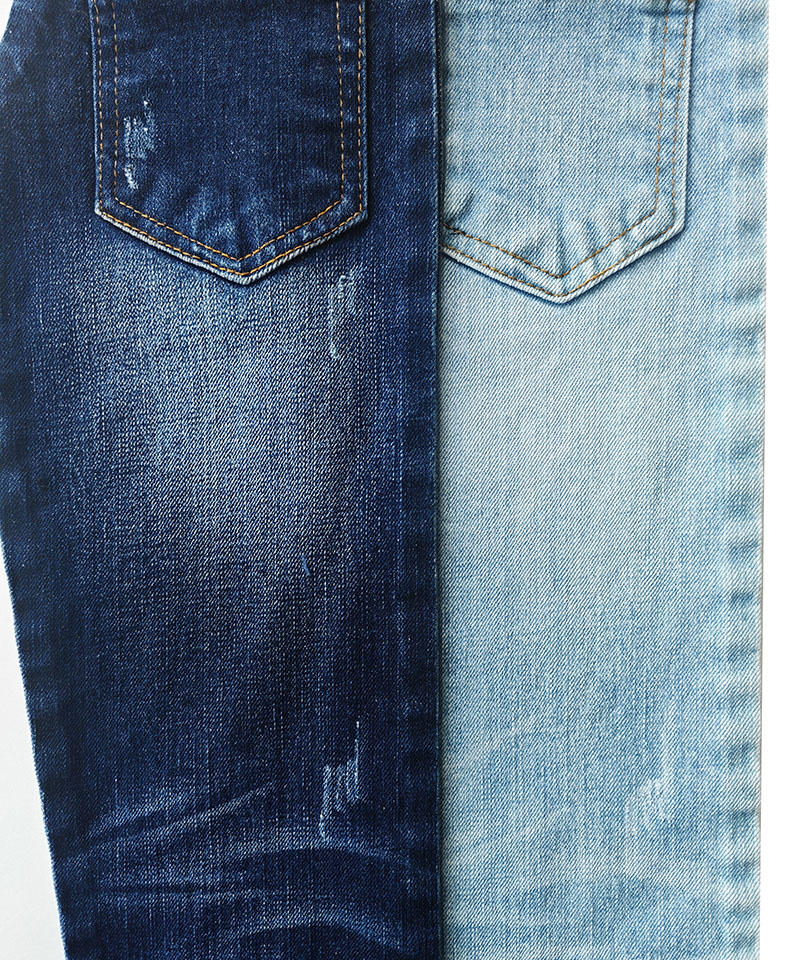
From a design perspective, cotton elastane denim is remarkably versatile. It accepts dye just as effectively as pure cotton denim, allowing for deep, rich indigo tones and a vast array of washes. Furthermore, it responds exceptionally well to distressing processes, stone washing, and enzyme washing. Designers can create heavily faded, vintage-looking garments that feel soft and broken-in from the first wear, without sacrificing the underlying structural integrity provided by the elastane.
The fabric also holds surface treatments beautifully. Whether applying a resin for a stiff, raw appearance or a softener for a velvety hand-feel, the presence of elastane does not interfere with these chemical processes. This means that designers are not forced to compromise on the visual aesthetic of the denim to achieve the functional benefits of stretch. The fabric can look exactly like a traditional, rugged pair of raw selvedge jeans while performing like a modern technical garment.
Essential Considerations for Selection
When sourcing or selecting cotton elastane denim for a specific project, several variables must be carefully evaluated to ensure the fabric matches the intended end-use. Not all stretch denim is created equal, and understanding these nuances is critical for achieving the desired garment performance.
- Percentage of Elastane: Lower percentages yield a subtle stretch suitable for relaxed fits, while higher percentages provide aggressive stretch necessary for extreme skinny silhouettes.
- Direction of Stretch: Identifying whether the stretch is warp-wise, weft-wise, or four-way is crucial, as this dictates exactly how the garment will move on the body.
- Denim Weight: Stretch denim comes in various ounce weights. Lighter weights drape beautifully for summer wear, while heavier weights provide structure for jackets and rigid-style trousers.
- Yarn Construction: Dual-core yarns that wrap elastane and polyester together before wrapping in cotton offer the absolute highest retention of shape over time.
Common Pitfalls in Manufacturing
One of the most frequent errors in garment manufacturing is improper pattern grading for stretch fabrics. Because cotton elastane denim yields to the body, pattern makers must intentionally reduce the circumference of the pattern pieces compared to non-stretch denim. If standard non-stretch patterns are used, the resulting garment will be baggy and ill-fitting once worn. Additionally, sewing stretch denim requires specialized needles and stitching techniques—such as a slight zigzag or chain stitch—to ensure the seams can stretch with the fabric without popping open during wear.
Environmental and Sustainability Context
The textile industry is under immense pressure to improve its environmental footprint, and cotton elastane denim sits in a complex position within this conversation. On the positive side, because this fabric significantly extends the wearable life of a garment by preventing bagging and tearing, it actively combats the fast-fashion cycle. A pair of well-made stretch jeans that fits perfectly and retains its shape will be kept and worn by a consumer for years, whereas an ill-fitting, non-stretch pair is likely to be discarded quickly.
However, the inclusion of elastane does present end-of-life recycling challenges. Elastane is a synthetic polymer, and separating it from the natural cotton fibers during mechanical or chemical recycling processes is incredibly difficult. This means that while the fabric excels in the use phase of its lifecycle, it is less ideal for circular recycling models compared to pure cotton. To mitigate this, many forward-thinking mills are now sourcing elastane derived from renewable resources or utilizing recycled elastane to lower the initial carbon footprint of the blended fabric.
Organic Cotton Integration
A highly effective strategy to improve the sustainability profile of this fabric is pairing elastane with certified organic cotton. Organic cotton eliminates the use of synthetic pesticides and fertilizers, vastly reducing water pollution and soil degradation during the agricultural phase. When organic cotton is blended with high-quality elastane, the resulting fabric provides the ultimate combination of environmental responsibility during production and high-performance comfort during the consumer use phase. This represents the current gold standard for responsible stretch denim manufacturing.
The Future of Stretch Denim Innovation
The evolution of cotton elastane denim is far from over. Textile engineers are currently developing next-generation stretch fabrics that mimic the properties of biological muscles, offering targeted compression in specific areas of the garment while remaining relaxed in others. This bio-mimetic approach aims to provide ergonomic support to the wearer, potentially reducing muscle fatigue during physical labor or extended periods of standing.
Another frontier is the development of completely biodegradable stretch alternatives. While traditional elastane is highly durable, researchers are making significant strides in creating plant-based elastic fibers that offer similar recovery properties but can safely break down in composting facilities at the end of the garment's life. The eventual integration of these biodegradable elastics with cotton will result in a denim fabric that possesses zero compromise, offering perfect stretch, supreme durability, and complete environmental circularity. Until that technology reaches commercial scalability, cotton elastane denim remains the most advanced, practical, and comfortable fabric choice available for modern tailored garments.


 English
 Español