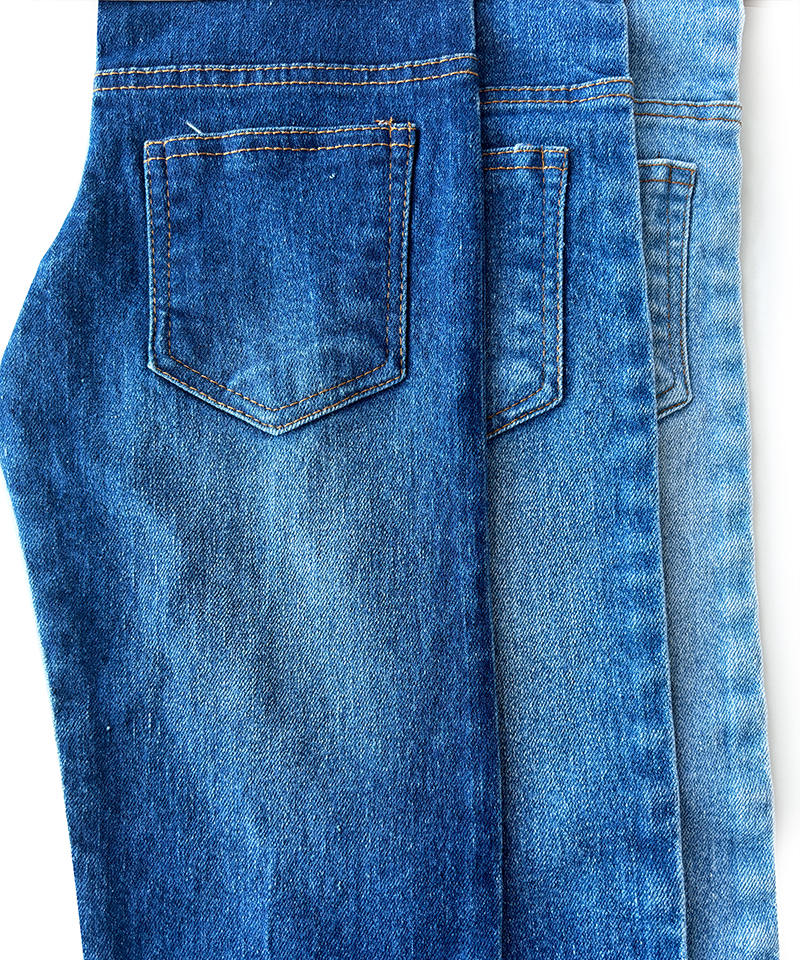
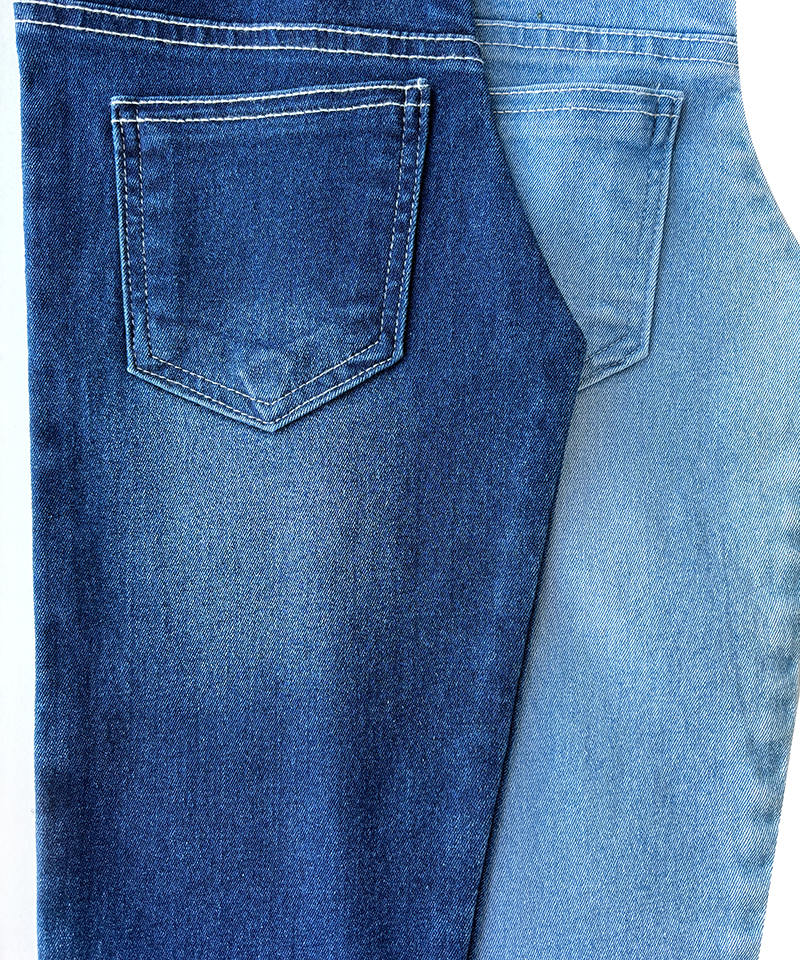
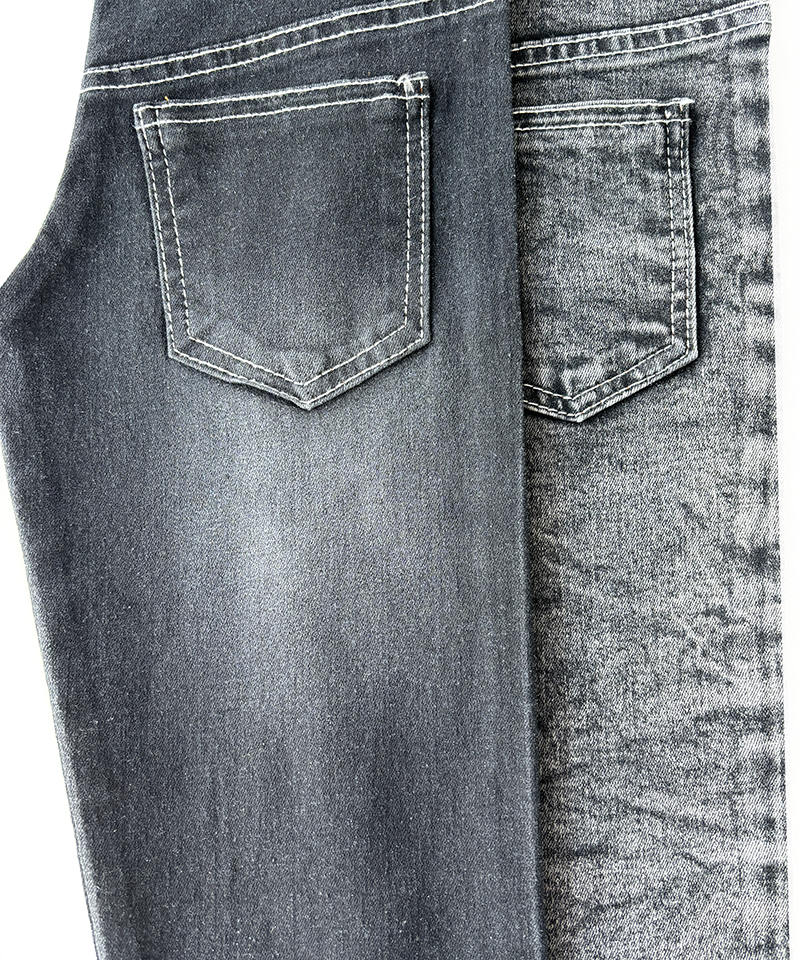
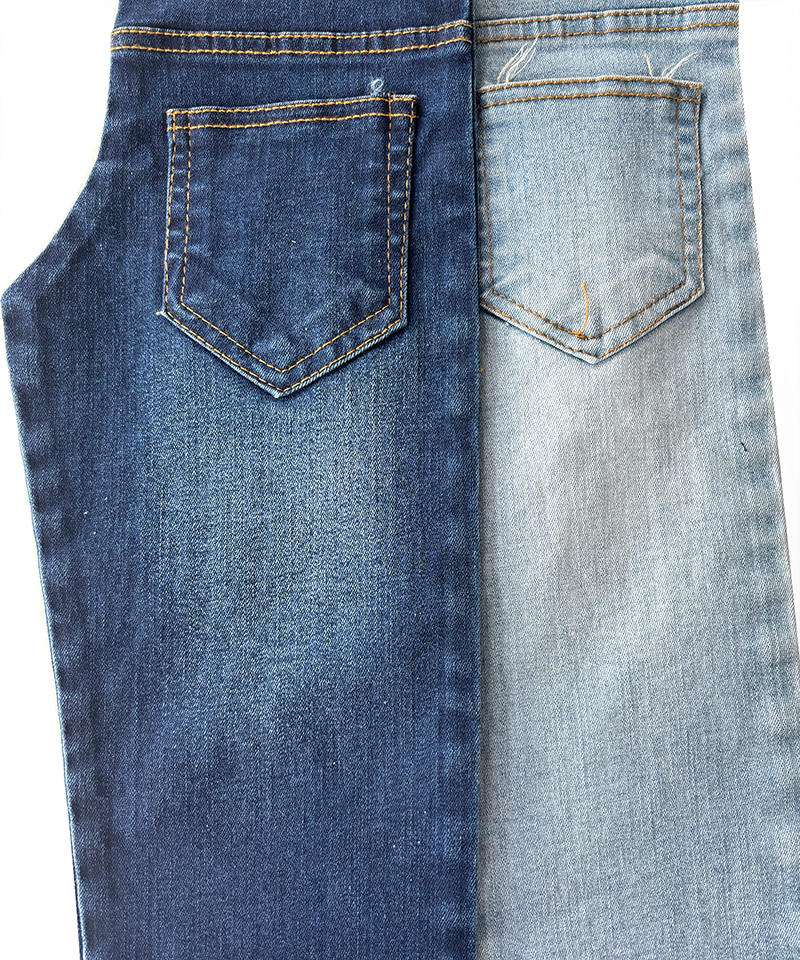
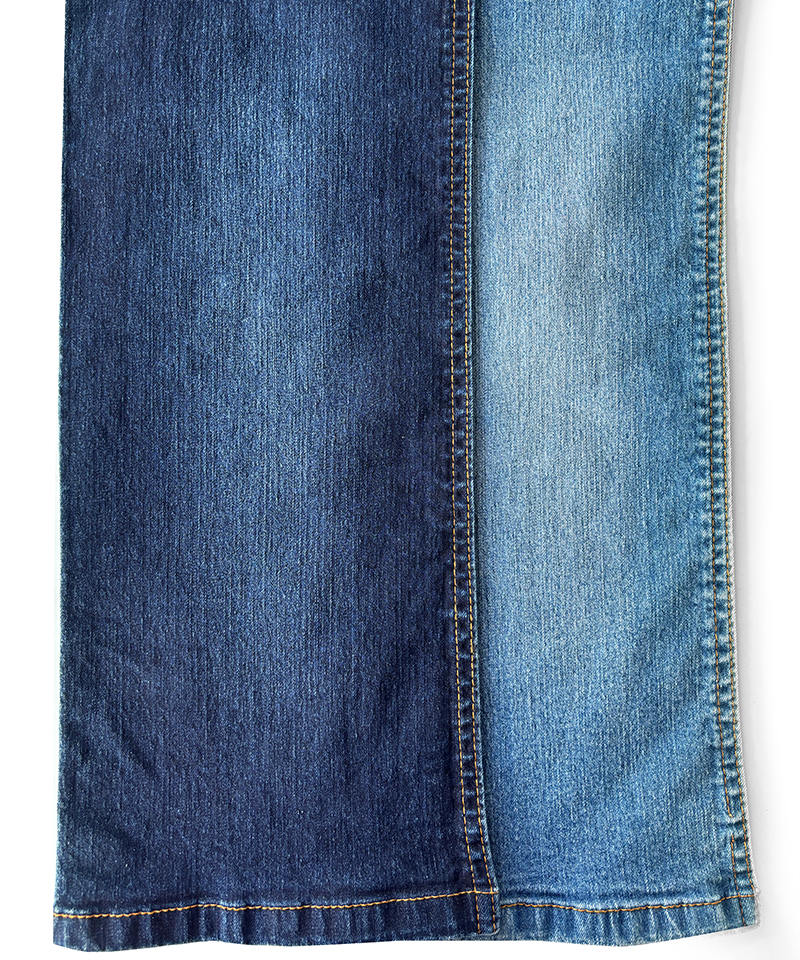
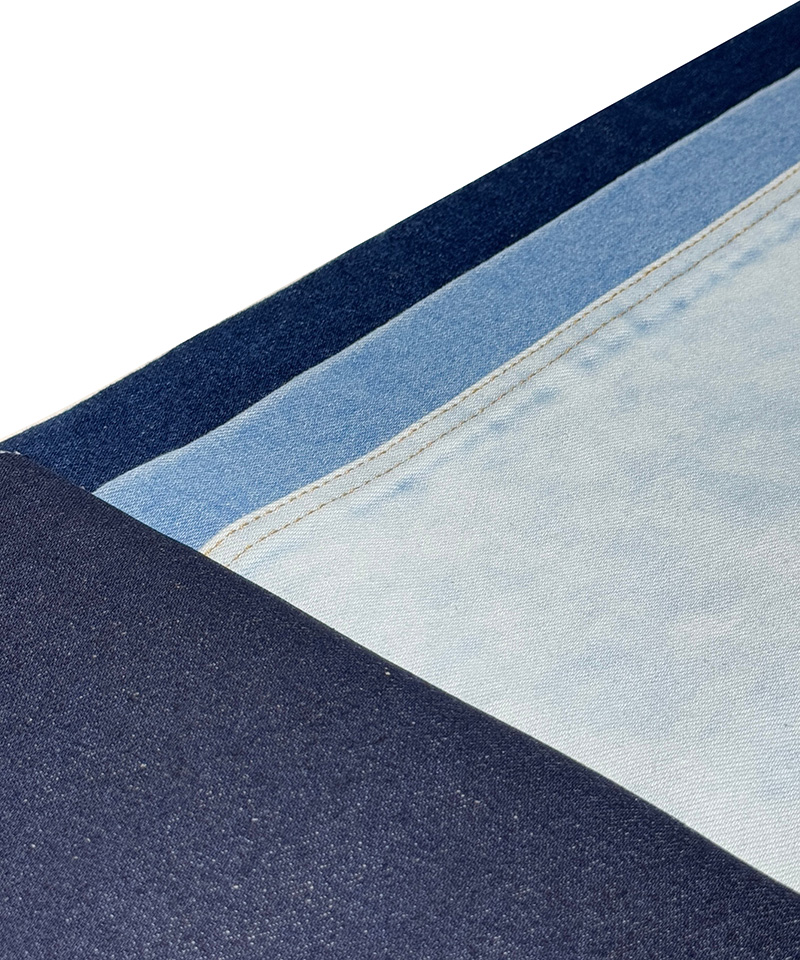
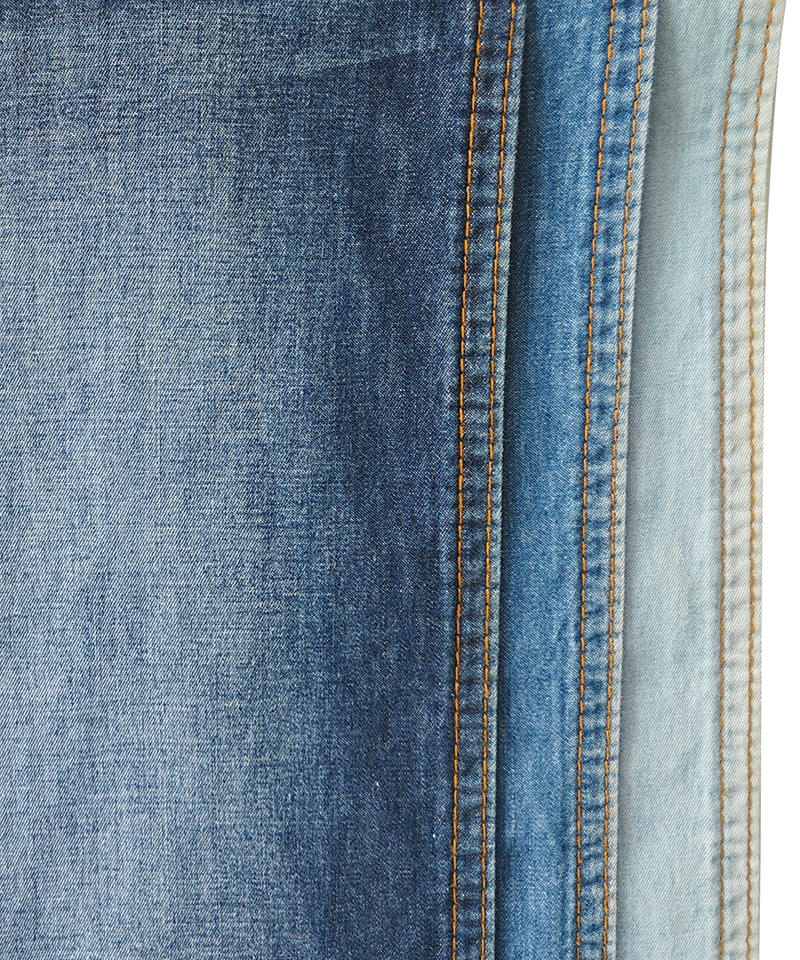
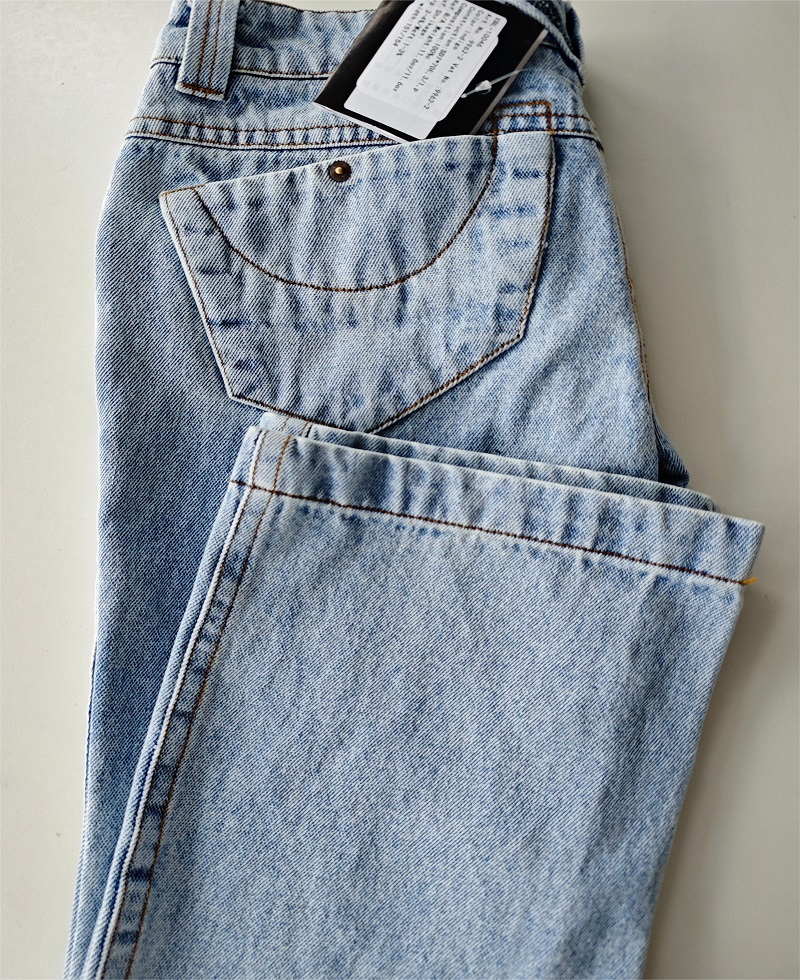
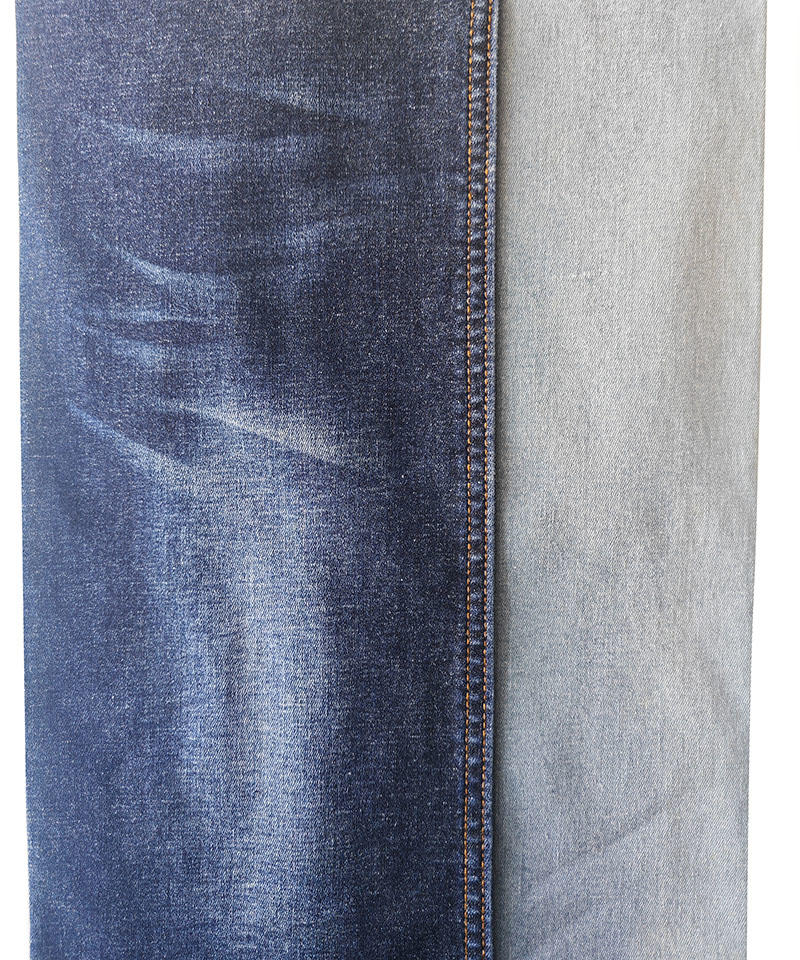
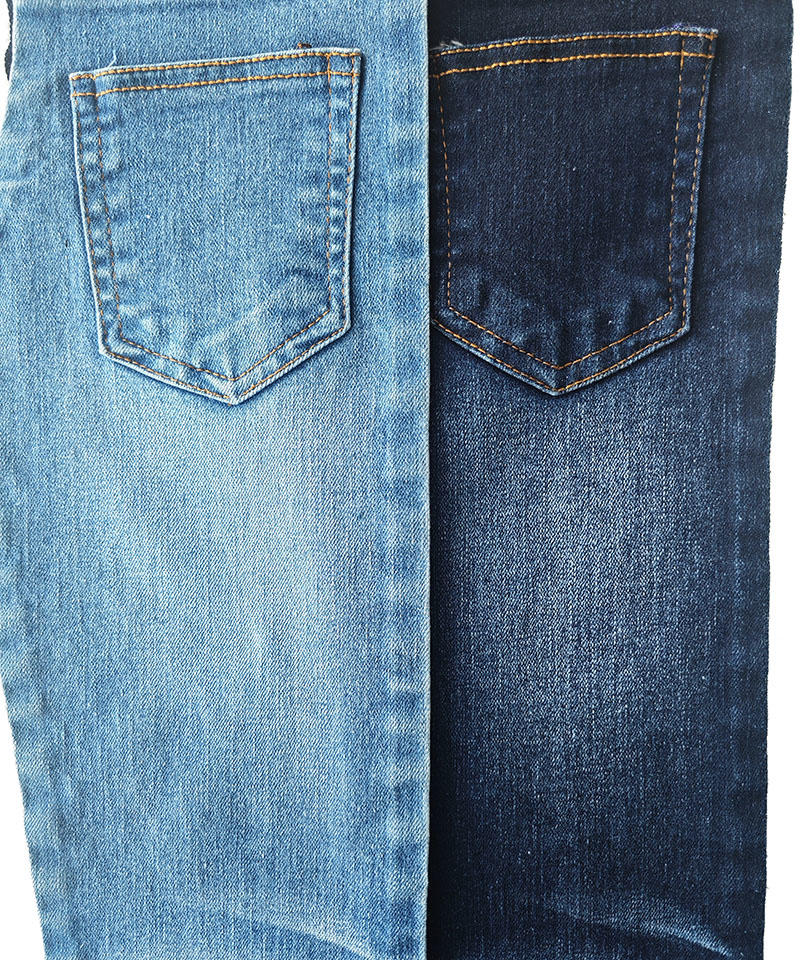
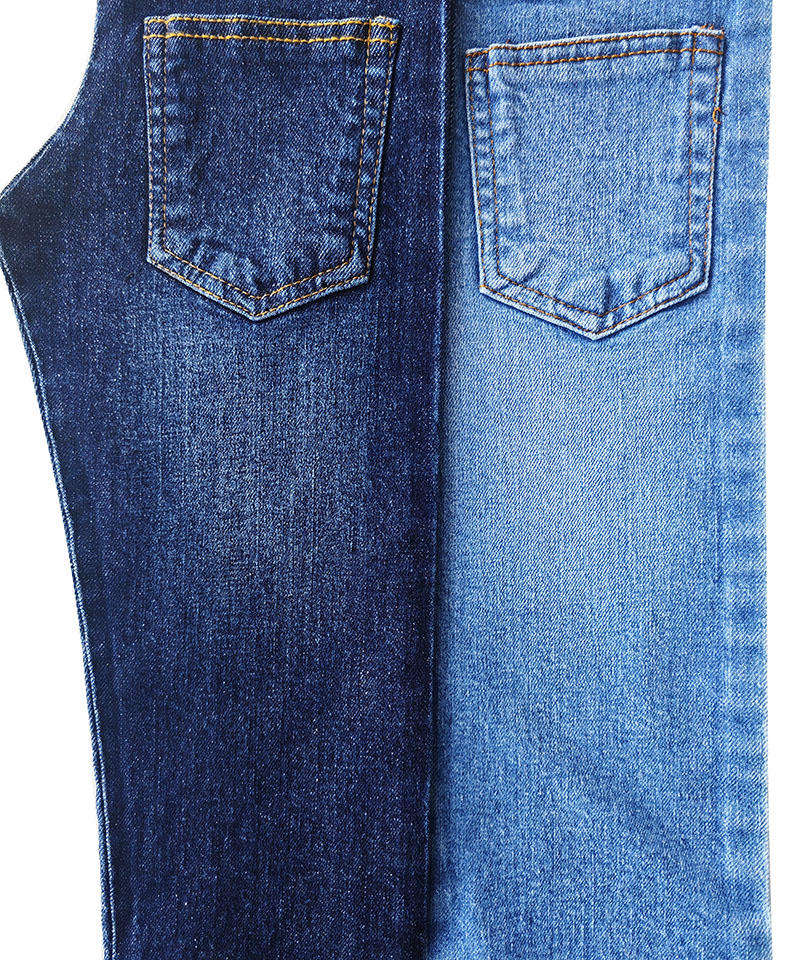
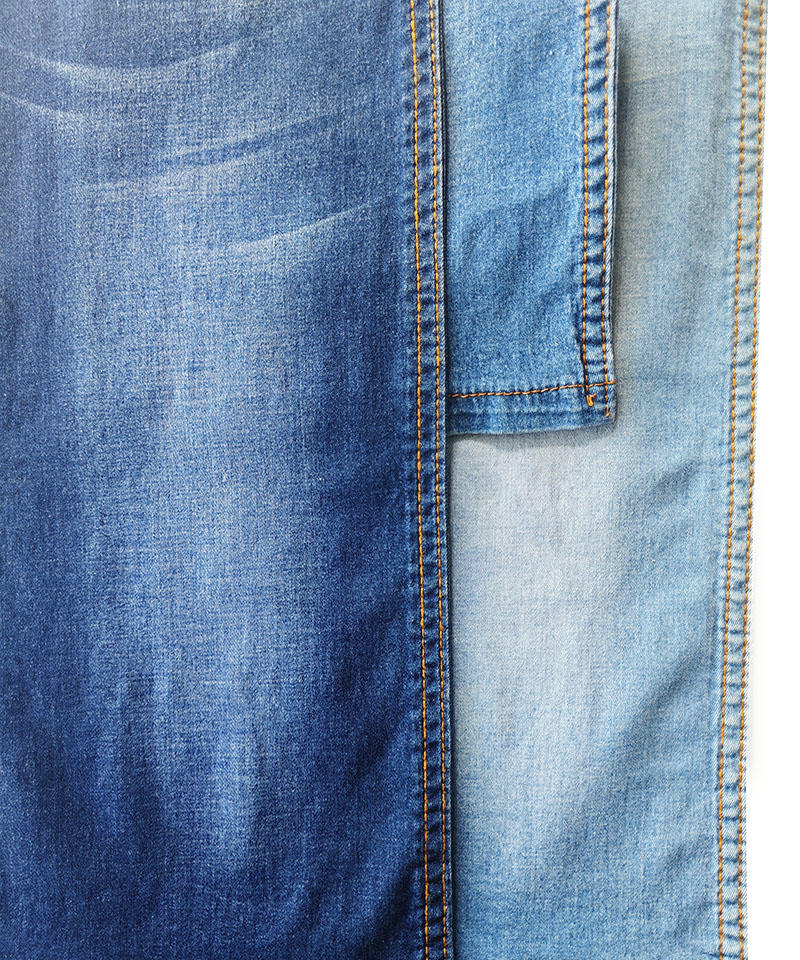
Pure cotton denim fabric offers unparalleled breathability, skin-friendly comfort, and environmental sustainability, making it the ultimate choice for premium apparel manufacturing. Unlike synthetic blends, it provides superior moisture-wicking properties, softens with every wash, and degrades naturally over time, ensuring a perfect balance between garment longevity and ecological responsibility. For manufacturers and consumers seeking high-quality, durable, and comfortable clothing, pure cotton remains the definitive benchmark.
The Core Advantages of Pure Cotton Denim Fabric
The inherent qualities of natural cotton fibers elevate denim from a simple workwear textile to a globally cherished fashion staple. Pure cotton denim is highly valued because it interacts seamlessly with human skin while maintaining structural integrity under rigorous use.
Unmatched Breathability and Comfort
One of the most significant benefits of pure cotton denim is its natural breathability. The cellular structure of cotton fibers allows air to circulate freely through the fabric. This continuous airflow prevents the buildup of heat and moisture against the skin, keeping the wearer cool in warm climates. The natural moisture-wicking ability of pure cotton absorbs perspiration quickly, releasing it into the atmosphere for rapid evaporation. This contrasts sharply with synthetic fibers, which tend to trap heat and create an uncomfortable, clammy feeling.
Durability and Aging Characteristics
Denim is inherently a heavy, durable fabric, and pure cotton enhances this trait. High-quality cotton yarns can withstand immense friction and tension without tearing. Furthermore, pure cotton denim possesses a unique aging profile. Instead of degrading into an unwearable state, pure cotton denim softens and conforms to the wearer's body shape over time. The fabric develops personalized fade patterns, known as "whiskering" and "honeycombing," which are highly sought after in the fashion industry. This evolution means the garment often looks better and feels more comfortable the longer it is worn.
Hypoallergenic and Skin-Friendly Properties
For individuals with sensitive skin or allergies, pure cotton denim is the safest option. Cotton is naturally hypoallergenic, meaning it does not irritate the skin or cause allergic reactions. Because it is a plant-based fiber, it does not contain the harsh chemical residues often found in petroleum-based synthetic textiles. This makes pure cotton denim ideal for everyday wear, especially for garments that remain in close, prolonged contact with the skin.
Weaving Techniques and Textural Nuances
The tactile feel and physical performance of pure cotton denim are heavily influenced by the weaving techniques applied during production. The way the warp (vertical) and weft (horizontal) yarns interlace determines the fabric's strength, stretch (or lack thereof), and visual texture.
The Traditional Twill Weave
Most pure cotton denim is woven using a twill weave, specifically a 3/1 or 2/1 pattern. In a 3/1 twill, the weft thread passes under one warp thread and over three. This creates a distinct diagonal ribbing on the face of the fabric. The twill weave is crucial because it produces a dense, tightly packed textile that resists tearing and snagging. The diagonal structure also allows the fabric to drape better than a plain weave, providing a balance of ruggedness and mobility.
Right-Hand, Left-Hand, and Broken Twill
Manufacturers utilize different twill directions to achieve specific textural outcomes:
- Right-hand twill: The diagonal runs from bottom left to top right. This is the most common weave, known for producing a tight, durable fabric with clear fade lines.
- Left-hand twill: The diagonal runs from bottom right to top left. Woven from softer cotton yarns, this weave breaks down faster, resulting in a softer hand-feel and smoother fading.
- Broken twill: The weave direction alternates randomly, preventing the fabric from twisting at the seams. This technique creates a highly textured surface and even fading.
The Indigo Dyeing Process and Environmental Impact
The iconic blue color of denim is achieved through the dyeing of the warp yarns before weaving. Pure cotton denim relies heavily on indigo dye, a dye that sits on the surface of the cotton fiber rather than penetrating it completely. This surface-level adhesion is precisely why pure cotton denim fades uniquely over time.
Rope Dyeing vs. Slasher Dyeing
There are two primary methods for dyeing pure cotton yarns:
- Rope Dyeing: Considered the premium method, yarns are twisted into ropes and dipped repeatedly into indigo baths. This process ensures deep, consistent dye penetration and produces highly durable yarns capable of producing high-contrast fades.
- Slasher Dyeing: Yarns are dyed in a single, continuous process on a warp beam. While more cost-effective and efficient, it often results in a flatter color and less dramatic fading over time.
Environmental Considerations
The dyeing process is historically water-intensive. However, because pure cotton is a natural fiber, it responds excellently to modern, eco-friendly dyeing techniques. Many manufacturers are now utilizing pre-reduced synthetic indigo and closed-loop water systems to minimize ecological damage. Because pure cotton lacks synthetic plastic fibers, it avoids the microplastic pollution associated with washing blended fabrics, making it a fundamentally greener choice.
Comparative Analysis: Pure Cotton vs. Blended Denim
To fully understand the value of pure cotton denim, it is essential to compare it directly with blended denim fabrics, which typically incorporate elastane (spandex) or polyester. While blends offer stretch, they compromise on several fundamental characteristics that define true denim.
| Characteristic |
Pure Cotton Denim |
Blended Denim (with Elastane/Polyester) |
| Breathability |
Excellent |
Moderate to Poor |
| Stretch and Recovery |
None (Stiff initially, breaks in naturally) |
High stretch, but loses elasticity over time |
| Aging and Fading |
Develops rich, high-contrast personalized fades |
Fades flatly, synthetic fibers do not retain indigo dye well |
| Durability |
Extremely high, can last for decades |
Prone to blowouts at stress points once elastic degrades |
| Biodegradability |
Fully biodegradable |
Sheds microplastics, takes centuries to break down |
Table comparing the physical and environmental characteristics of pure cotton versus blended denim fabrics.
The inclusion of elastane changes the fundamental nature of the garment. While the initial comfort of stretch denim is appealing, the synthetic fibers break down much faster than cotton. Pure cotton denim maintains its structural integrity for a significantly longer period, offering better long-term value.
Daily Care and Maintenance for Longevity
Proper care is vital to maximize the lifespan and aesthetic evolution of pure cotton denim. Because the fabric is heavily dyed and robustly woven, aggressive washing can prematurely strip the color and damage the cotton fibers. Adopting a mindful care routine will preserve the fabric's integrity and enhance its natural fading process.
Washing Best Practices
- Wash infrequently: Pure cotton denim does not need to be washed after every wear. Spot cleaning and airing out the garment is often sufficient to remove odors.
- Cold water only: Always use cold water to prevent the indigo dye from bleeding excessively and to prevent the cotton fibers from shrinking.
- Turn inside out: Protect the outer surface of the fabric from friction against other garments by turning it inside out before washing.
- Avoid harsh detergents: Use mild, pH-neutral detergents and avoid bleach or fabric softeners, which can break down natural cotton fibers.
Drying and Storage
Heat is the natural enemy of pure cotton denim. Machine drying on high heat can cause significant shrinkage and weaken the fiber structure. Instead, garments should be air-dried. Hanging them by the waistband or laying them flat helps the fabric dry evenly without stretching out of shape. Line drying not only preserves the fit of the garment but also significantly reduces energy consumption. When storing, fold pure cotton denim rather than hanging it on clip hangers, which can create permanent marks or stretch the waistband over time.
Future Trends in Pure Cotton Denim Production
As the textile industry moves toward more sustainable practices, the production of pure cotton denim is evolving. Innovations in agriculture and manufacturing are setting new standards for environmental stewardship without compromising the traditional qualities of the fabric.
Organic and Regenerative Cotton
Conventional cotton farming requires substantial water and chemical inputs. To combat this, there is a massive shift toward organically grown cotton, which eliminates the use of synthetic pesticides and fertilizers. Furthermore, regenerative agriculture practices are being adopted to restore soil health, increase biodiversity, and sequester carbon. Denim made from regeneratively farmed cotton represents the pinnacle of eco-conscious fashion.
Waterless Finishing Technologies
The finishing process—where denim is washed, sanded, or treated to achieve a worn look—traditionally consumes vast amounts of water. Modern manufacturers are implementing ozone washing, laser finishing, and nanobubble technologies. These advanced methods use a fraction of the water and eliminate the need for toxic chemicals like potassium permanganate. By combining pure cotton fibers with waterless finishing, the denim industry is proving that rugged, high-quality apparel can be produced responsibly.


 English
 Español