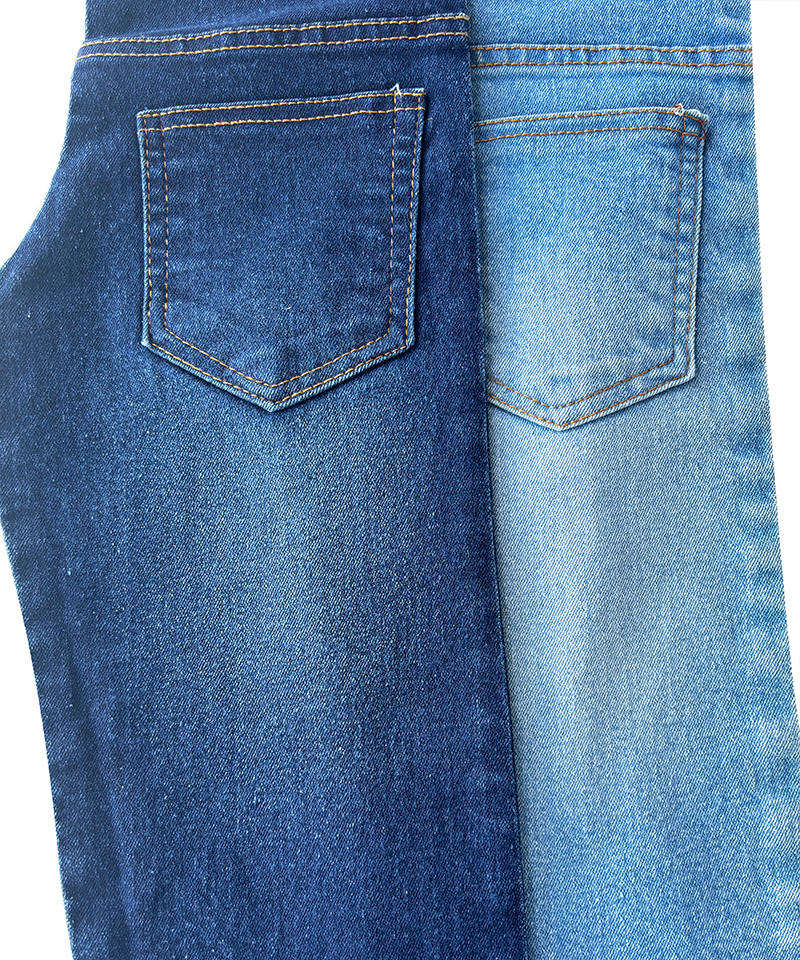
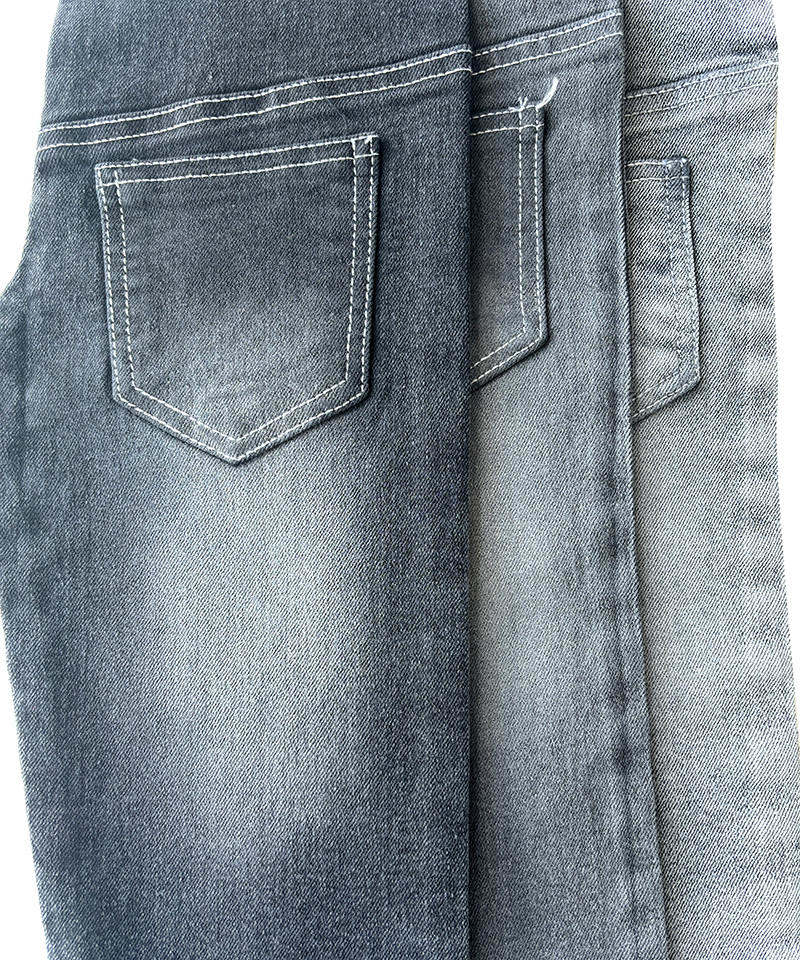
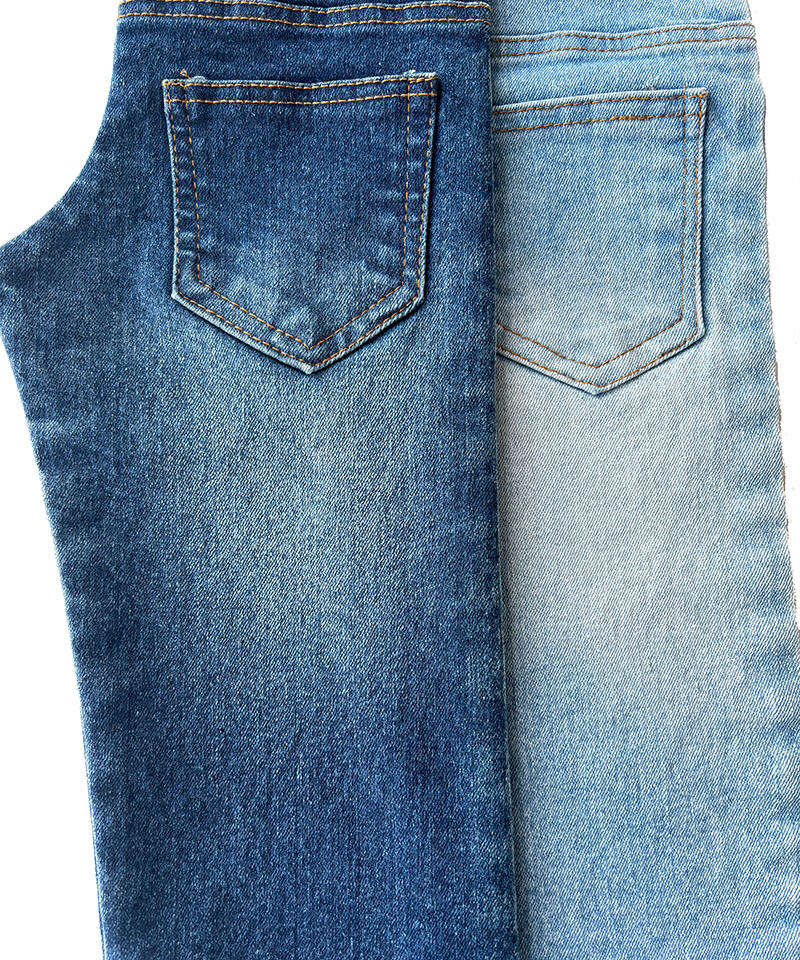
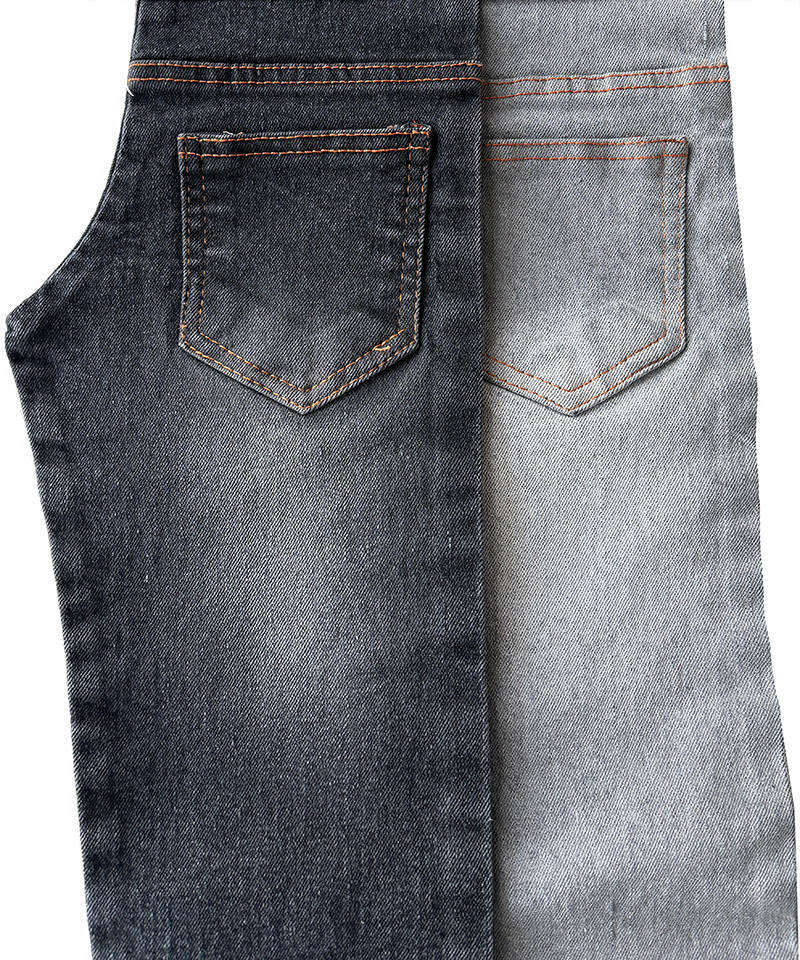
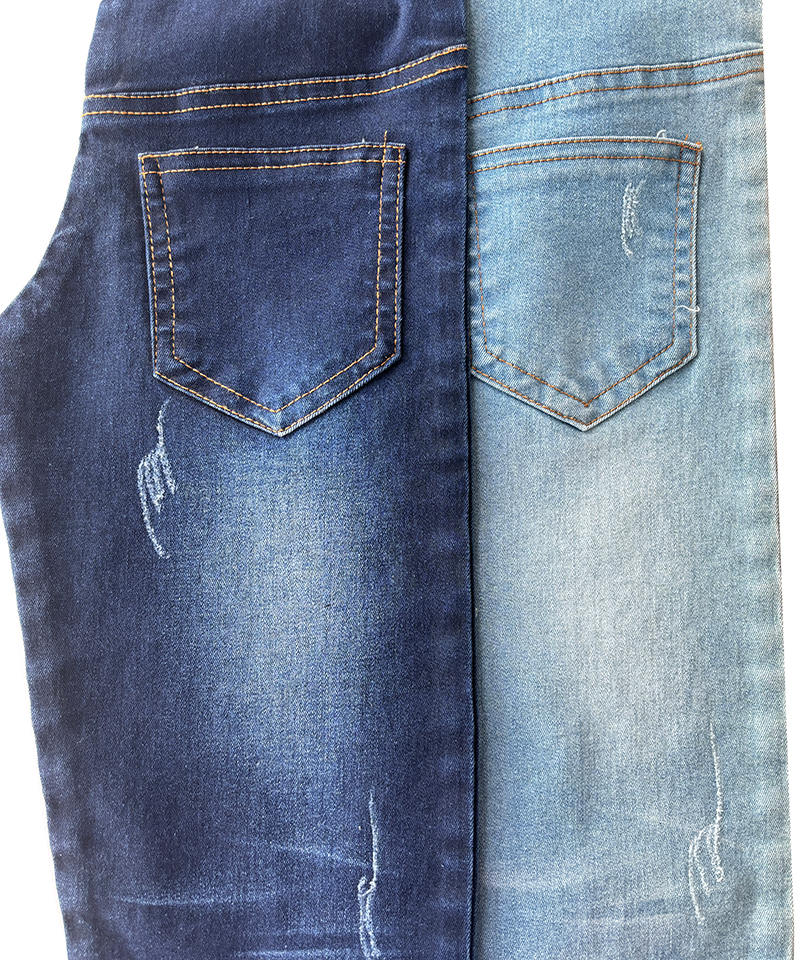
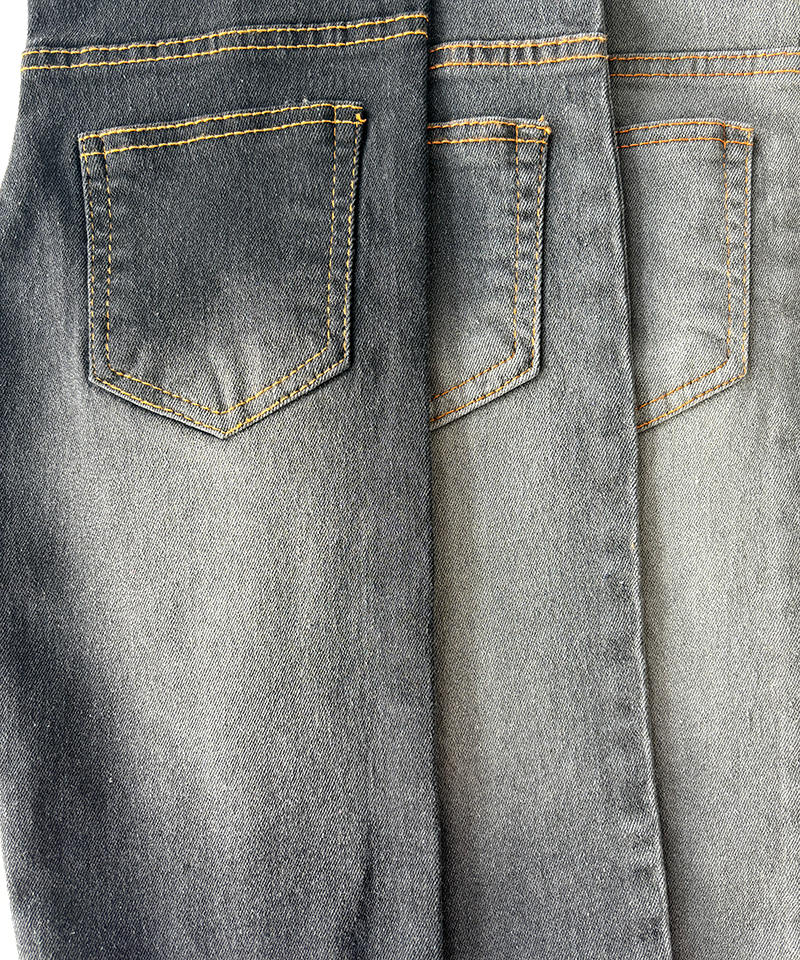
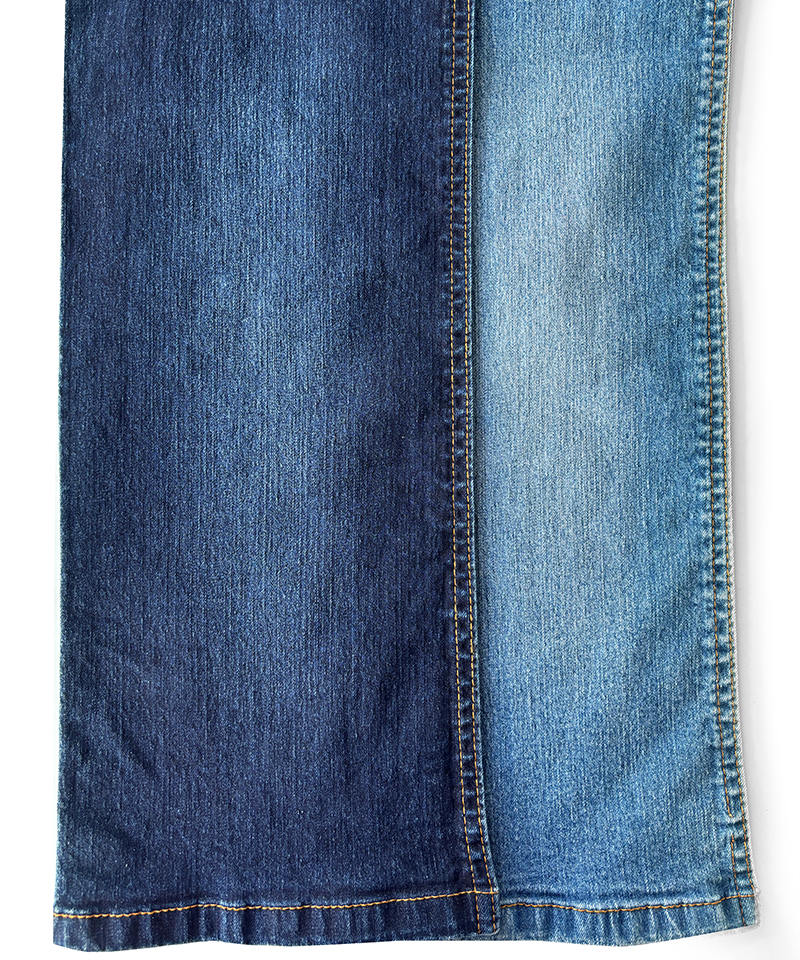
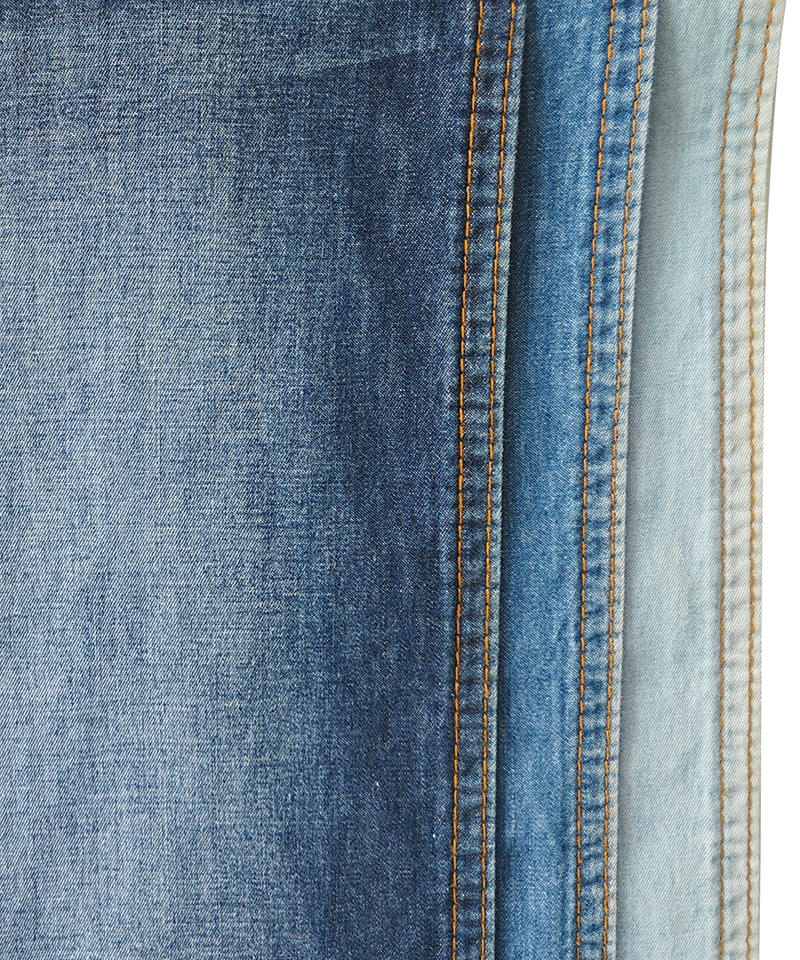
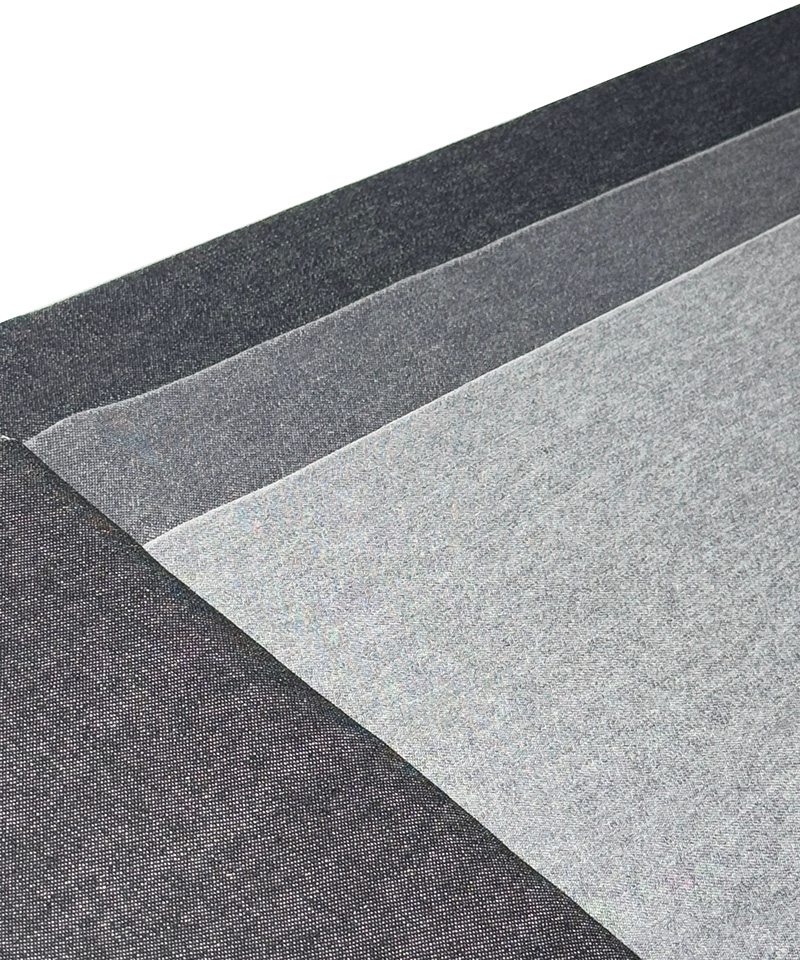
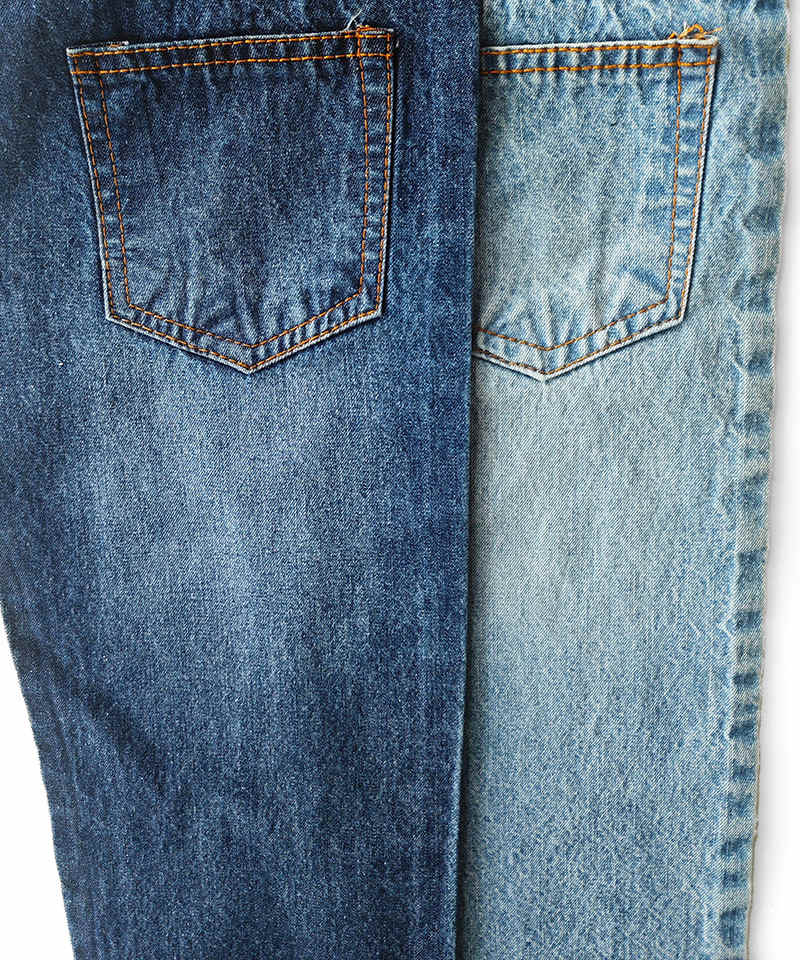
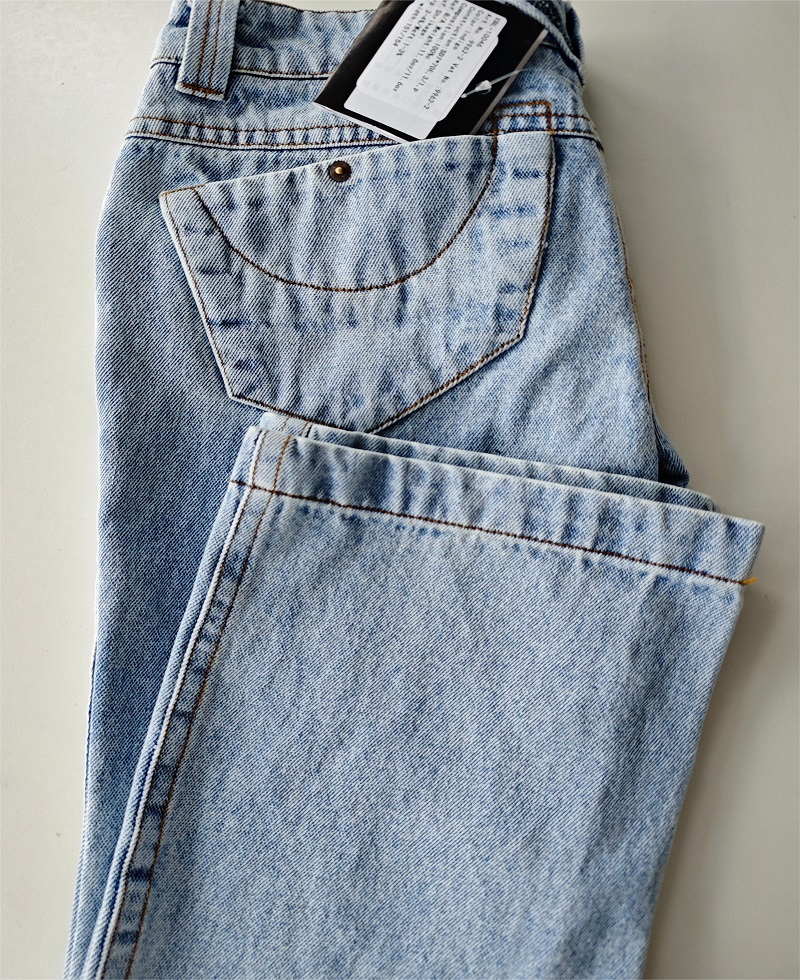
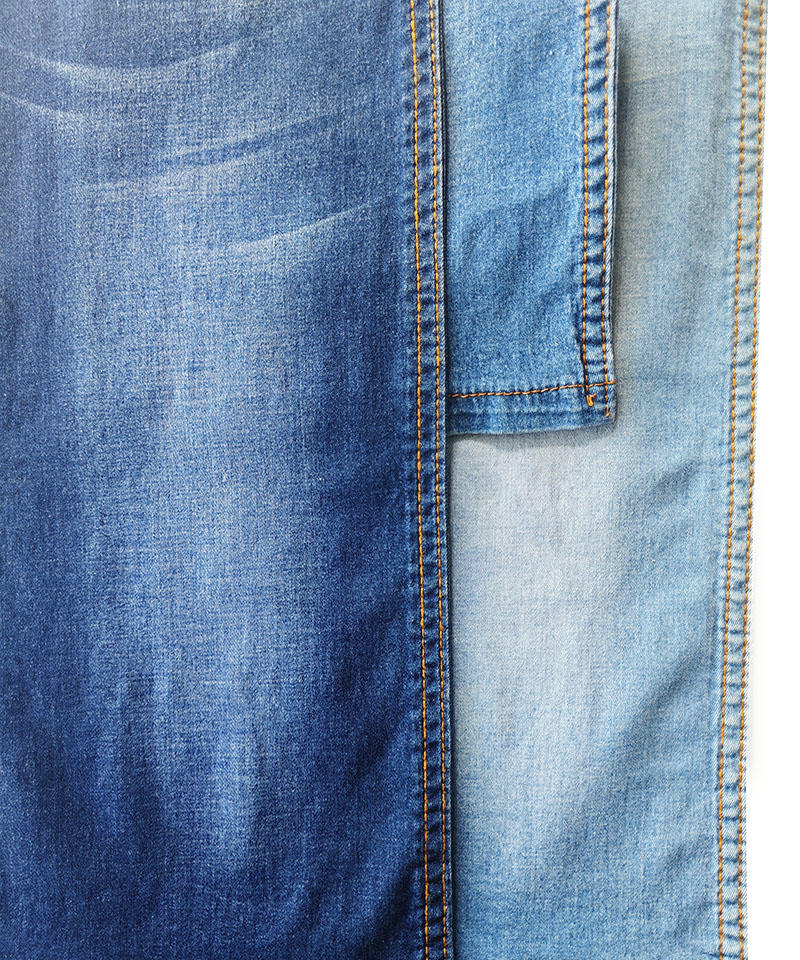
Denim blend is a high-performance textile made by mixing pure cotton denim fibers with other materials such as polyester, spandex, rayon, or nylon. The core advantage of denim blend is that it retains the classic texture of traditional denim while greatly improving stretchability, wrinkle resistance, color fastness, and wear resistance, making it more suitable for modern daily wearing needs. Compared with 100% cotton denim, blended denim has a longer service life, easier care, better fit, and wider application scenarios, which is why it has become the mainstream choice in the global textile and apparel market.
In short, denim blend is not a low-quality substitute for pure cotton denim, but an optimized and upgraded textile material that balances practicality, comfort, and aesthetics. Whether for casual pants, jackets, skirts, bags, or home textiles, it delivers stable performance and excellent user experience.
Basic Composition and Common Matching Ratios of Denim Blend
To fully understand denim blend, we first need to clarify its material composition and common blending ratios. Different ratios directly determine the texture, function, and applicable scenarios of the fabric, which is the core basis for distinguishing high-quality blended denim from ordinary products.
Main Base Fiber of Denim Blend
All denim blend fabrics take cotton fiber as the main raw material, accounting for 60% to 90% of the total composition. Cotton ensures the breathability, moisture absorption, and classic twill texture of denim, which is the foundation of the fabric's wearing comfort. Without cotton as the base, the material cannot be defined as denim blend.
Common Blending Materials and Functions
- Spandex (Elastane): Improves stretch and resilience, making the fabric fit the body without restraint
- Polyester: Enhances wear resistance, wrinkle resistance, and color fastness, and reduces fabric shrinkage
- Rayon/Viscose: Increases softness and smoothness, reduces fabric stiffness, improves wearing comfort
- Nylon: Boosts tear strength and durability, suitable for high-wear parts and heavy-duty garments
Typical Blending Ratio Table of Denim Blend
Table: Common composition ratios and characteristics of denim blend fabrics
| Blending Ratio |
Main Features |
Applicable Scenarios |
| Cotton 98% + Spandex 2% |
Slight stretch, classic texture |
Straight jeans, jackets |
| Cotton 75% + Polyester 22% + Spandex 3% |
Wrinkle-resistant, durable, colorfast |
Daily casual pants, workwear |
| Cotton 70% + Rayon 27% + Spandex 3% |
Soft, breathable, skin-friendly |
Summer denim, skirts, shirts |
Manufacturers adjust the blending ratio according to the final use of the fabric, which makes denim blend cover lightweight, medium-weight, and heavy-weight specifications, meeting the needs of different seasons and wearing scenarios.
Core Advantages of Denim Blend Over 100% Cotton Denim
Many consumers mistakenly believe that 100% cotton denim is better, but in practical use, a denim blend has obvious advantages that pure cotton cannot match. These advantages are verified by actual wearing experience and textile test data, which are the key reasons why blended denim dominates the market.
Excellent Stretchability and Movement Freedom
100% cotton denim has almost no elasticity, which will feel tight when bending, squatting, or walking for a long time. Denim blend added with spandex can achieve 5% to 15% stretch rate, while maintaining the shape of the clothes. Tests show that blended denim with 2% to 3% spandex can increase the wearer's movement range by more than 30%, which is very suitable for long-term standing, walking, and daily activities.
Higher Wrinkle Resistance and Shape Retention
Pure cotton denim is easy to wrinkle after washing or long-term sitting, and needs ironing to keep neat. Denim blend with polyester component has strong shape retention, it can maintain a smooth surface without ironing after washing and drying. After 50 times of household washing tests, blended denim has less than 10% wrinkle degree, while pure cotton denim exceeds 40%, which greatly reduces the daily care cost.
Better Color Fastness and Less Fading
Fading is a common problem of pure cotton denim, which can stain other clothes and affect the appearance. Denim blend has a stronger dye adsorption capacity due to the addition of chemical fibers; its color fading rate is reduced by 40% to 60% compared with pure cotton denim of the same color. Dark-colored blended denim can still maintain uniform color after long-term wearing and washing, without obvious color difference and mottling.
Enhanced Wear Resistance and Tear Resistance
The parts, such as the pants crotch, inner thighs, and pocket edges, are prone to wear and tear. Denim blend mixed with polyester or nylon has higher surface friction resistance. Professional tests show that the wear life of blended denim is 1.5 to 2 times that of pure cotton denim under the same use conditions, which is more durable and cost-effective.
Lower Shrinkage Rate and Stable Size
Pure cotton denim will shrink significantly after washing, and the size will become smaller, and the fabric will be deformed. The shrinkage rate of a qualified denim blend is controlled within 2% to 3%, while pure cotton denim is generally 5% to 8%. After washing, blended denim can still fit the original size, without tightness or deformation, ensuring long-term wearing comfort.
Performance Characteristics of Denim Blend in Different Seasons
Denim blend can be adjusted in weight, breathability, and warmth through material ratio and weaving process, so it has excellent performance in spring, summer, autumn, and winter. This versatility makes it a year-round available textile material.
Spring and Summer: Lightweight and Breathable Denim Blend
Summer denim blend is mainly made of cotton and rayon, with low weight and a loose weaving structure. It retains the moisture absorption of cotton and the smoothness of rayon; the air permeability is increased by about 35% compared with heavy pure cotton denim. It does not stick to the skin when sweating, and has a cool feeling, suitable for making thin jeans, denim skirts, short-sleeved shirts, and vests. The lightweight design does not lose the texture of denim, and it is more comfortable to wear in high-temperature environments.
Autumn and Winter: Thick and Warm Denim Blend
Autumn and winter denim blends increase the proportion of cotton and add a small amount of wool or thermal fiber, with thick fabric and strong wind resistance. The twill structure locks the air layer to form a thermal barrier; the thermal performance is 20% higher than that of thin pure cotton denim. It is widely used in jeans, denim jackets, coats, and windbreakers. The stretch component ensures that the thick fabric will not feel stiff, and it can still move freely in cold weather.
In addition, a denim blend can be combined with fleece lining to further improve warmth retention, becoming a practical choice for extreme cold weather. The fabric surface is wear-resistant and does not easily pill, maintaining a neat appearance after long-term use.
Main Application Fields of Denim Blend
Denim blend is no longer limited to traditional jeans and jackets. With the improvement of fabric technology, its application fields have been greatly expanded, covering apparel, accessories, home textiles, and industrial uses, showing strong versatility and practicality.
Apparel Field (The Largest Application Market)
- Bottoms: Slim jeans, casual pants, overalls, leggings, shorts
- Tops: Denim jackets, shirts, windbreakers, vests, dresses
- Children's clothing: Soft and stretchable styles, safe and durable for daily activities
- Workwear: Wear-resistant and wrinkle-resistant, suitable for long-term work wear
Fashion Accessories and Luggage
Denim blend has high toughness and is not easy to deform, making it an ideal material for accessories. Common products include bags, backpacks, hats, belts, shoes, and mobile phone cases. The fabric's color fastness and wear resistance ensure that accessories maintain a good appearance for a long time, and the moderate softness is convenient for cutting and sewing into various shapes.
Home Textile and Interior Decoration
In home textiles, denim blend is used to make sofa covers, cushions, curtains, tablecloths, and storage baskets. The advantages of wear resistance, stain resistance, and easy cleaning are fully utilized. Home textile products made of denim blend can be used for more than 3 years without obvious wear and fading, and the style is versatile, suitable for modern, industrial, and casual home styles.
Industrial and Special Uses
High-strength denim blend mixed with nylon and polyester is used in industrial protective gear, pet products, tool bags, and outdoor gear. The tear resistance and load-bearing capacity meet the use requirements of complex environments, and it is not easy to be damaged even under friction and pulling conditions.
Correct Care and Maintenance Methods for Denim Blend
Although denim blend is durable and easy to care for, correct maintenance methods can further extend its service life, maintain color and shape, and avoid unnecessary damage. The following methods are suitable for all types of blended denim products and are easy to operate in daily life.
Washing Guidelines: Reduce Frequency and Control Conditions
Denim blend does not need frequent washing; washing every 5 to 7 times of wearing is enough to keep it clean. When washing, turn the clothes inside out to reduce surface friction and fading. Use cold water or warm water below 30°C; high-temperature water will cause fiber shrinkage and color loss. Choose neutral detergent, avoid bleach and strong alkaline detergents, which will damage the fiber and dye.
Drying and Ironing: Avoid High Temperature and Direct Blowing
Do not use high-temperature drying; hang it in a ventilated place to dry naturally, and avoid direct sunlight to prevent color fading. Denim blend has good wrinkle resistance, and it can be used directly without ironing after drying. If ironing is needed, set the temperature to medium temperature and isolate the fabric with a layer of cloth to avoid scorching the fiber surface.
Daily Storage: Keep Dry and Prevent Deformation
Store denim blend products in a dry and ventilated environment to avoid moisture and mildew. For pants and jackets, use wide hangers to maintain shoulder and waist shape, avoid folding for a long time to produce permanent creases. Do not put together with sharp objects to prevent scratching the fabric surface.
Stain Treatment: Clean Timely and Gently
For daily stains such as oil stains and dust, clean them locally with a soft brush and neutral detergent; do not scrub vigorously. Timely treatment can prevent stains from penetrating the fiber interior, making cleaning easier and avoiding damage to the fabric structure.
How to Judge the Quality of Denim Blend
When choosing denim blend products, you can quickly judge the quality through simple observation and touch, without professional equipment. High-quality denim blend has obvious characteristics in texture, elasticity, color, and workmanship, which are different from low-quality products.
Hand Feel and Elasticity Judgment
High-quality denim blend has a soft and full hand feel, not rough or stiff. When stretched gently, it has obvious resilience and can quickly return to its original shape without slack. Low-quality blended denim is either too hard or too loose, with poor resilience and easy deformation after long-term wearing.
Surface Texture and Weaving Density
Observe the fabric surface: high-quality denim blend has clear twill lines, uniform arrangement, no pilling, no bare threads, and a flat surface. The weaving density is high, and it is not transparent when facing the light. Low-quality products have blurred lines, loose weaving, and obvious holes or uneven thickness.
Color and Color Fastness Inspection
High-quality denim blend has uniform and full color, no color difference, and no mottling. Rub the surface gently with a white paper towel; there will be no obvious color transfer. Low-quality products have faded seriously, uneven color, and are easy to stain other clothes and skin.
Workmanship and Stitch Quality
Check the stitches: neat, uniform, firm stitches, no missing stitches or broken threads. The seams at key parts, such as pockets and crotch, are reinforced, ensuring high tearing resistance. Good workmanship combined with high-quality fabric constitutes a durable denim blend product.
Development Trend and Future Prospects of Denim Blend
With the development of textile technology and the upgrading of consumer demand, denim blends are constantly innovating in materials, processes, and functions, and their future development prospects are very broad. The industry is moving towards environmental protection, functionality, and intelligence, bringing a better user experience.
Environmentally Friendly and Sustainable Development
The current mainstream trend is to use recycled fibers to make denim blends, such as recycled cotton, recycled polyester, and recycled spandex. Recycled blended denim can reduce resource consumption and environmental pollution by more than 50% compared with traditional materials. In addition, water-saving dyeing and pollution-free finishing processes are widely used, making the entire production chain more environmentally friendly and meeting the global low-carbon demand.
Functional Innovation and Special Performance
Future denim blend will add more functional features, such as ultraviolet protection, antibacterial and deodorizing, quick-drying, waterproof, and oil-proof. These functions are realized through fiber modification and finishing technology, without changing the hand feel and texture of the fabric. For example, summer blended denim with UV protection function can effectively block UV damage, and antibacterial denim can keep fresh for a long time.
Lightweight and Personalized Customization
Lightweight is an important direction, and ultra-thin denim blend with the same performance but lighter weight will become the mainstream of summer products. At the same time, personalized customization technology is mature, and consumers can customize the color, elasticity, and thickness of blended denim according to their needs, achieving a perfect fit with individual wearing habits.
In general, denim blends will always be a core textile material in the global market. Its continuous innovation in environmental protection, function, and comfort will further consolidate its market position and meet the diversified needs of consumers for high-quality textiles.


 English
 Español