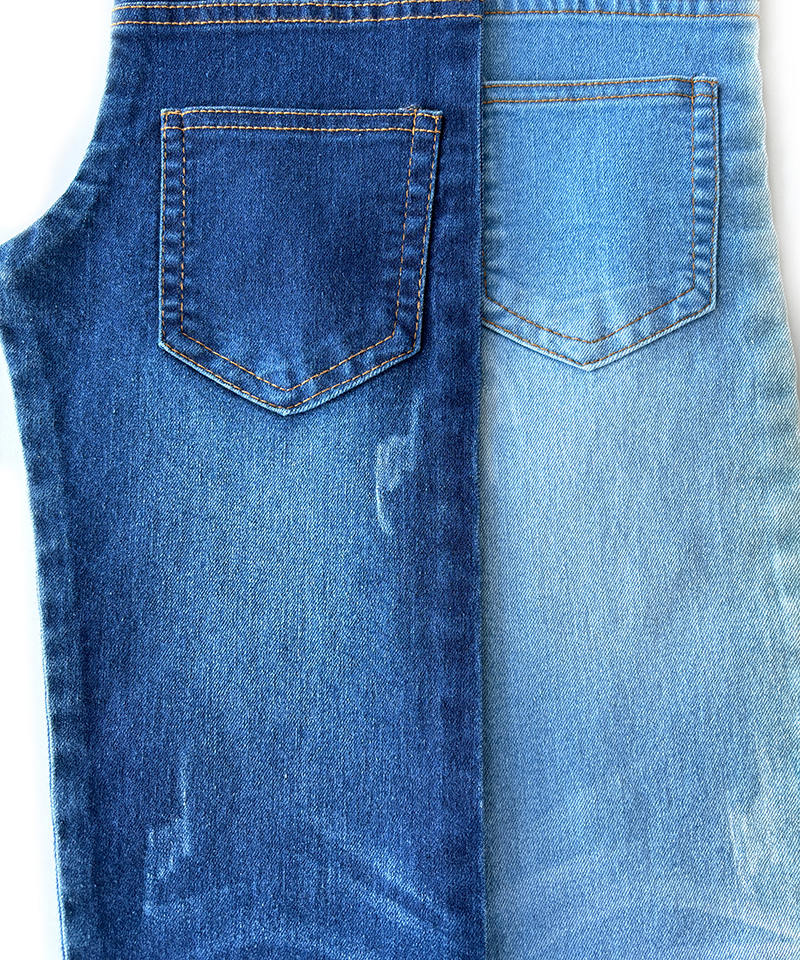
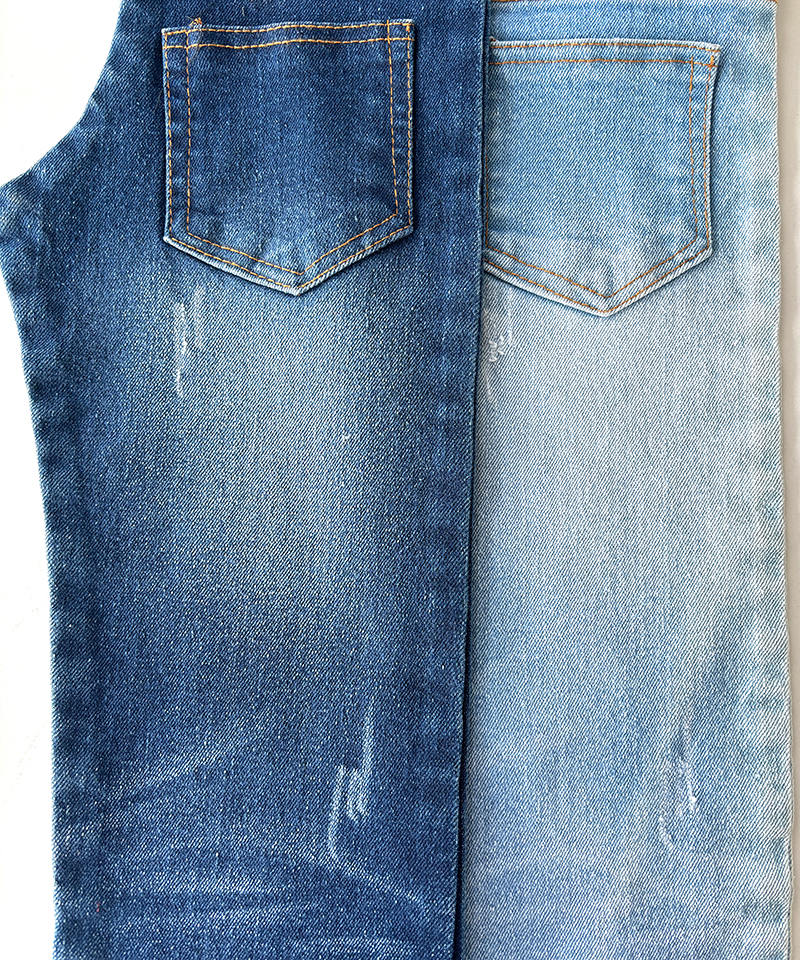
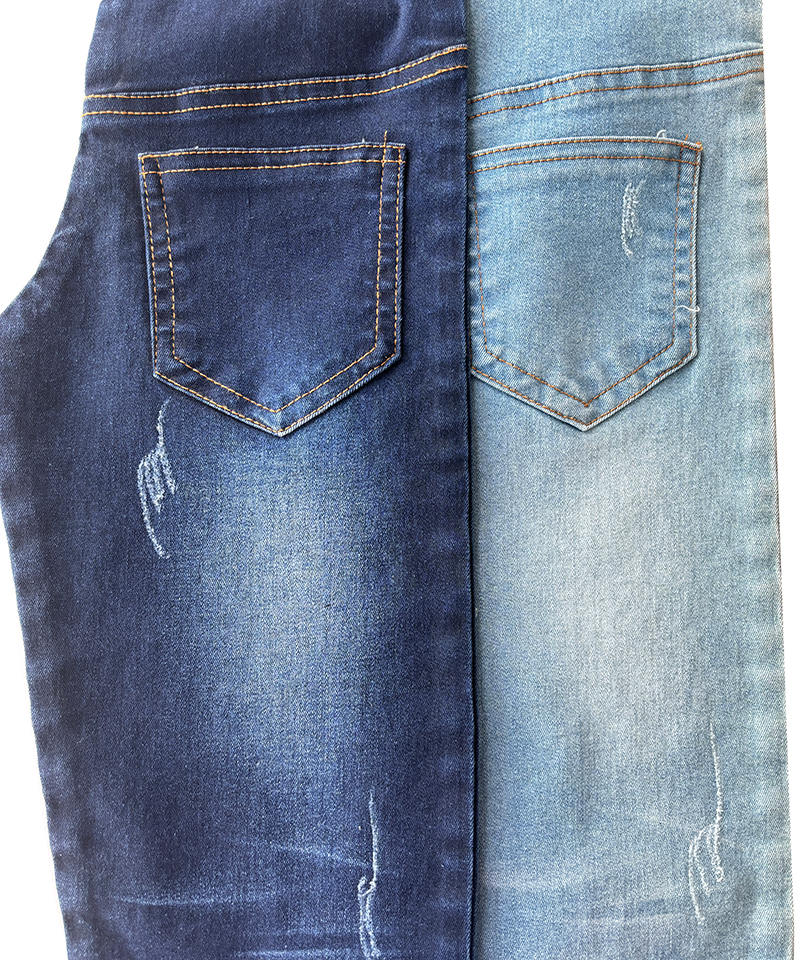
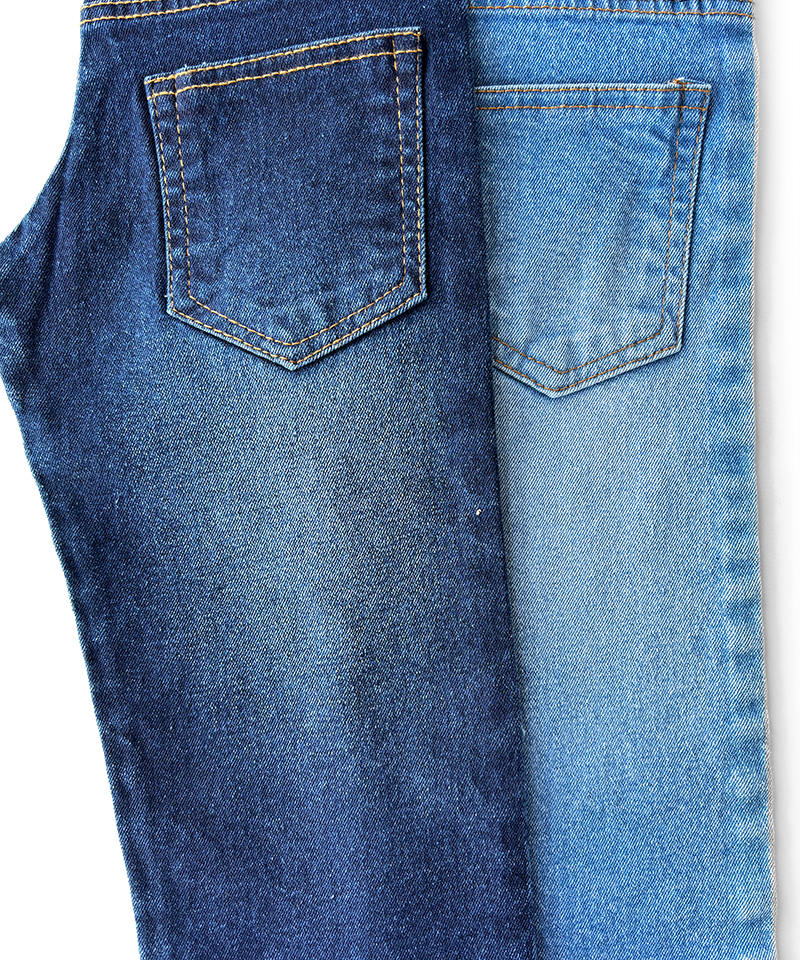
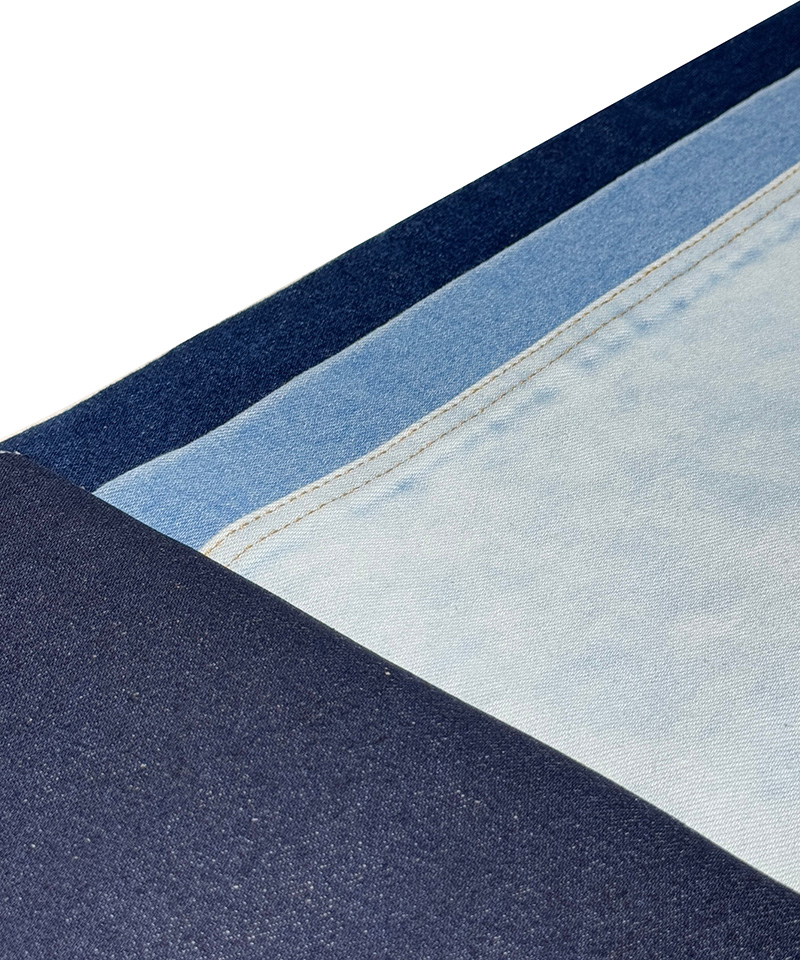
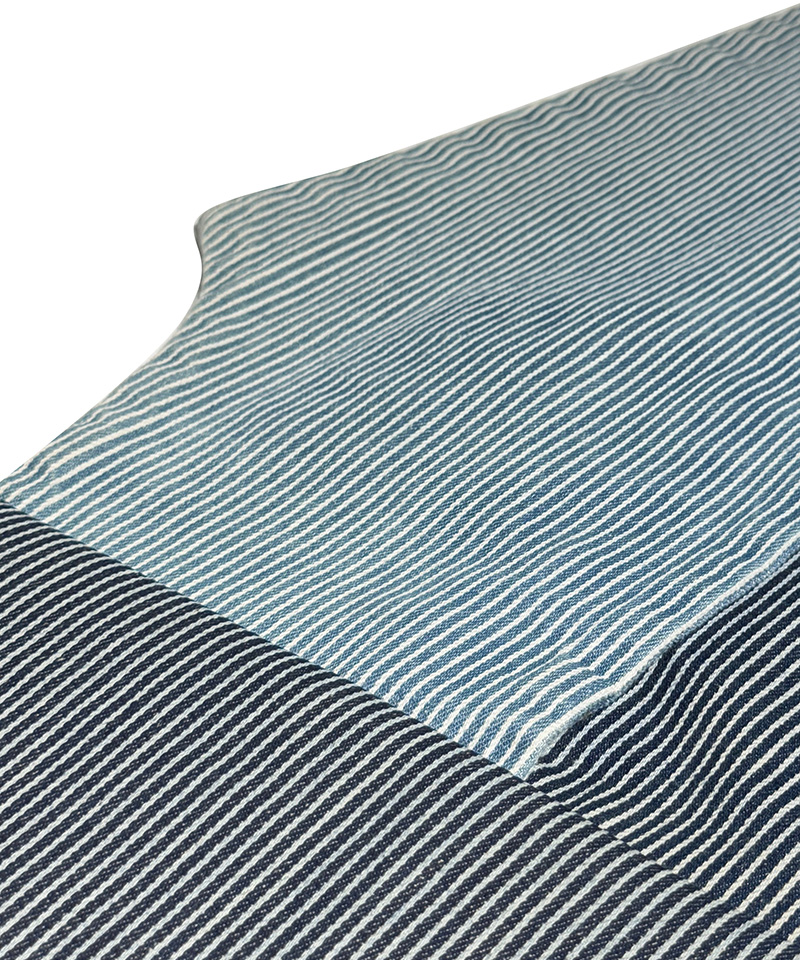
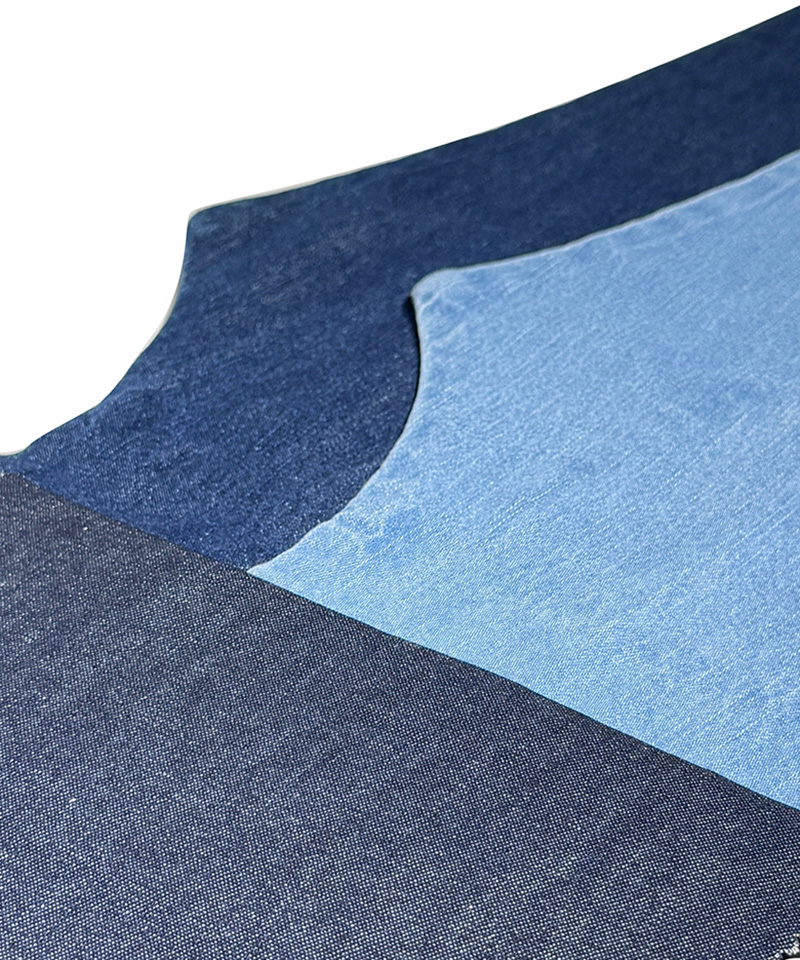
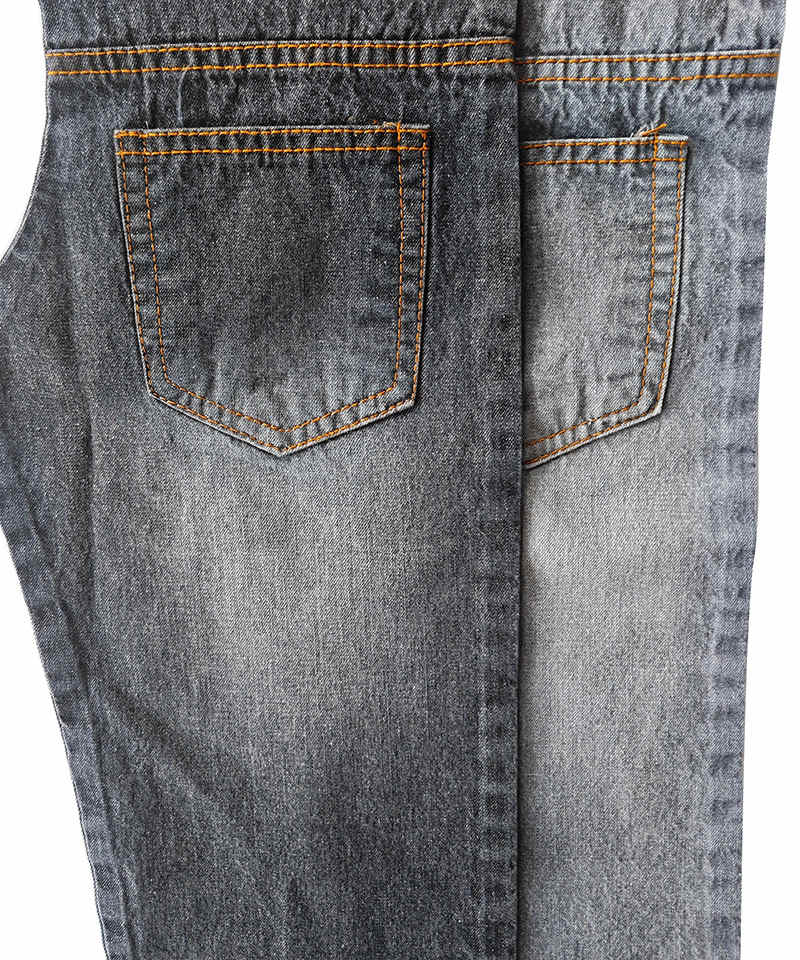
A product developer for a German workwear label holds a 13 oz rigid denim swatch against a tech pack that allows 2% weight tolerance. The fabric weighs 12.8 oz, passes the check, and then loses 4.2% of its length in the first industrial wash at 60 deg C. That sequence is why heavy weight non stretch denim fabric is bought by specification rather than by instinct: nothing in the fabric stretches to forgive a fitting error, so every variable, from weave density to finishing shrinkage, lands directly in the final garment.
Sourcing teams that search for heavy weight non stretch denim fabric are usually specifying workwear pants, premium rigid jeans, or structured outerwear. This guide covers the weight thresholds, the weave constructions that matter, and the quality checks that prevent expensive surprises at the cutting table.
What Defines Heavy Weight Non Stretch Denim Fabric?
Heavy weight non stretch denim fabric is a 100% cotton woven fabric of 12 oz/yd2 (about 400 gsm) or more, constructed without elastane and without mechanical stretch.
Definition
Heavy weight non stretch denim fabric is a woven cotton fabric of 12 oz/yd2 (about 400 gsm) or more, with zero elastic components, normally constructed in a 3/1 twill weave.
The 12 oz line is the industry's practical dividing point. Below it, denim drapes more, bags at the knees, and abrades faster across the thigh. Above it, the weave becomes dense enough to hold pressed creases, resist tearing, and survive repeated friction from tools, seats, and cargo loads. Mills that specialize in rigid construction, including Changzhou Xinbaili Textile Co., Ltd., keep their standard heavy range between 12 oz and 13.7 oz, with selvedge and premium programs moving beyond that.
- A 3/1 right-hand twill is the dominant heavy non-stretch construction because the long warp float deepens the indigo shade and masks slubs.
- A 2/1 twill reads lighter and flatter; it appears more often in rigid fabrics just below the heavy band.
- Broken twill is specified selectively to stop leg twist in jeans that face high stress at the inseam.
12 ozminimum heavy threshold
400+ gsmdensity at the entry point
3/1 twillstandard rigid weave
0%elastane content
Specifying Heavy Weight Non Stretch Denim Fabric: Weight, Weave, and Tolerances
The reliable sourcing band for heavy non-stretch denim is 12 oz to 14.5 oz, and 12.8 oz to 13.7 oz covers most workwear and rigid fashion programs.
Weight-based classification of heavy non-stretch denim and typical garment end uses.
| Weight band |
Common weave |
Positioning |
Typical end use |
| 12.0 - 12.5 oz |
3/1 twill |
Entry heavy |
Straight-leg jeans, trucker jackets |
| 12.8 - 13.2 oz |
3/1 twill |
Core workwear weight |
Work pants, coveralls, aprons |
| 13.5 - 13.7 oz |
3/1 twill |
Maximum standard heavy |
Heavy work pants, winter denim |
| 14 oz and above |
3/1 or broken twill |
Super heavy and selvedge |
Structured outerwear, premium rigid jeans |
Heavyweight benchmarks in oz and gsm
10.5 oz356 gsm
12.0 oz407 gsm
12.8 oz434 gsm
13.7 oz465 gsm
14.5 oz492 gsm
One oz/yd2 equals 33.9 gsm. Heavy weight starts at 12 oz (407 gsm).
Oz per square yard and grams per square meter describe the same density, and the unit matters in cross-border sourcing because mills quote either way. A 13.7 oz fabric is 465 gsm on the scale; a difference of 0.2 oz changes hand feel, drape, and often the declared customs weight.
Finish state moves the final number more than buyers expect. Greige fabric at 14.2 oz can finish at 13.7 oz after sanforization and compacting. Request the finished, post-wash weight in the tech pack, and specify whether the reference is sanforized or unsanforized, because the two can differ by 3% to 5% in delivered density.
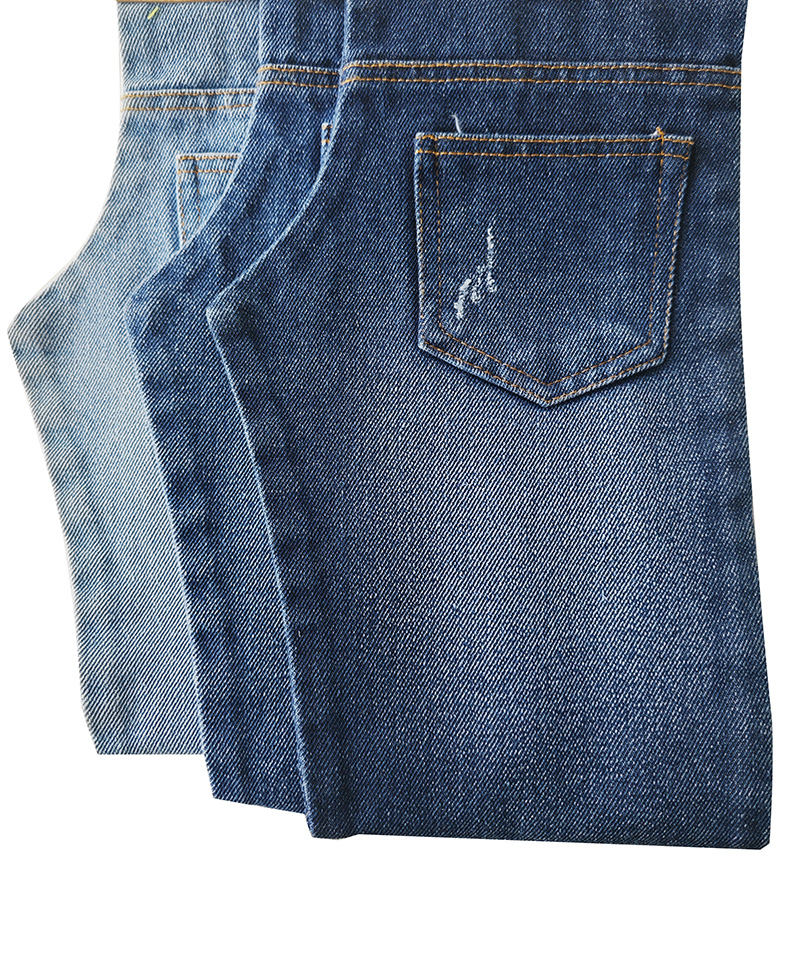 Indigo 3/1 Twill Heavyweight Non-Stretch Denim Fabric #10003This heavyweight non-stretch twill finishes around 13.7 oz and suits straight-leg patterns. Its rigid construction and wash-friendly composition make it a reliable choice for denim jackets and classic jeans.View Product →
A rigid indigo 3/1 twill in the 12.5 oz to 13 oz band is the first SKU most mills show for heavy non-stretch programs. It carries the classic diagonal, takes stone and enzyme washes cleanly, and grades predictably into straight-leg patterns.
Why Heavy Weight Non Stretch Denim Fabric Beats Stretch in Workwear
Heavy non-stretch denim outperforms stretch blends on abrasion resistance, shape retention, and long-term durability because nothing in its yarn structure fatigues over time.
Heavy Non-Stretch Rigid
Zero elastane means no recovery loss over wash cycles; the fabric fails only when the cotton fibers themselves break.
Higher tear and tensile strength per ounce, because no spandex filament interrupts the yarn bundle.
Holds creases and develops authentic whiskering that premium rigid programs are built around.
Stretch Denim
Elastane costs more, degrades in heat and chlorine, and complicates garment recycling.
Comfort stretch helps fitted silhouettes but sacrifices the stiffness that workwear needs.
Spandex fatigue commonly appears at 30 to 50 industrial washes, long before the cotton is worn out.
The gap between the two constructions is measurable in warranty claims: a rigid work jean keeps its seat and knee shape through hundreds of wash cycles, while a stretch jean with a dead elastane core starts sagging at the waistband and bagging at the knee long before the fabric tears. The practical differences between nonstretch denim and stretch denim are explained in our dedicated comparison.
 Indigo 3/1 Twill 12.8 oz Non-Stretch Denim Fabric #10003A preshrunk rigid denim in the heavy non-stretch segment, this 12.8 oz 3/1 twill balances drape and structure. It works well for straight or tapered workwear fits requiring long-lasting shape retention.View Product →
This 12.8 oz indigo rigid is a typical workhorse SKU in the heavy non-stretch segment: 3/1 twill, zero elastane, finished to a density that balances drape with structure for straight and tapered workwear fits.
Premium brands are also returning to rigid fabric because the garment's value sits in fading behavior and construction honesty, not in a stretch comfort story. The same logic explains why nonstretch denim suits premium apparel brands that want a defined silhouette and a longer product life.
Checks to Run Before Ordering Heavy Non-Stretch Denim Runs
Before ordering production quantities of heavy non-stretch denim, verify shrinkage, breaking strength, shade consistency, and finished weight tolerance, because all four change cut-piece yield and garment grading.
Shrinkage in warp and weft
Rigid fabric moves 3% to 6% in the first wash. Ask for the mill's tested figure for the specific finish and grade patterns on that number, not on a generic allowance.
Sanforized or unsanforized
Pre-shrunk rigid denim is easier to cut to tolerance; unsanforized fabric requires intentional over-length and a controlled first wash at the garment factory.
Breaking strength and seam slip
Heavy non-stretch denim concentrates stress at the crotch, hip, and belt loops. Request tensile and seam-slip data before approving bulk.
Shade banding across rolls
Rope-dyed indigo can vary from roll to roll; heavyweight rigid is sometimes piece-dyed after weaving instead, which changes wash-down and seam appearance. Approve a production-length sample, not a lab dip.
Finish and weight tolerance
Brush, softener, or starch changes hand feel and delivered weight. Define the final finish and a tolerance such as +/-0.2 oz.
3-6%first-wash shrinkage
12-14.5 ozpractical sourcing band
+/-0.2 oztypical weight tolerance
Supply risk concentrates in two places: dye-lot continuity and finishing consistency. A 500-meter roll can contain three shade groups if the rope-dyeing line stops and restarts, and a finishing batch change between delivery lots can shift the hand feel enough to fail a touch test.
 Indigo 3/1 Twill 13.7 oz Pure Cotton Non-Stretch Denim Fabric #10011Documented as 100% cotton, 13.7 oz, and preshrunk, this rigid denim provides auditable specs for buyers. Its defined weave and weight help match fabric to garment stress points without relying on guesswork.View Product →
A supplier that documents construction data, such as this 13.7 oz rigid in the pure-cotton range, is easier to audit than one that sells only by sample. When the catalog states weave, weight, and dyeing route, the buyer can match the fabric to the garment's actual stress points instead of guessing from a swatch.
Frequently Asked Questions
Is 12 oz non-stretch denim heavy enough for workwear?
12 oz works for shirts, light pants, and aprons. For knee-stressed work pants and coveralls, 13 oz to 13.7 oz is the safer choice because the denser weave resists abrasion longer and holds its structure under load.
Does heavy non-stretch denim shrink more than stretch denim?
Generally yes. Rigid denim can lose 3% to 6% in length on the first wash, while elastane blends shrink less but lose stretch recovery. Grade the pattern using the mill's tested shrinkage figure for the exact finish, and confirm whether the fabric is sanforized.
What does 13.7 oz mean in grams per square meter?
13.7 oz/yd2 equals about 465 gsm because 1 oz/yd2 is 33.9 gsm. By that scale, 12 oz equals 407 gsm, 12.8 oz equals 434 gsm, and 14.5 oz equals 492 gsm.
Can heavy non-stretch denim be laundered like regular jeans?
Machine wash cold and line dry to protect the indigo and minimize shrinkage. Hot or industrial washing accelerates the 3% to 6% shrinkage built into the finish, which is acceptable only if the pattern was graded for it.


 English
 Español