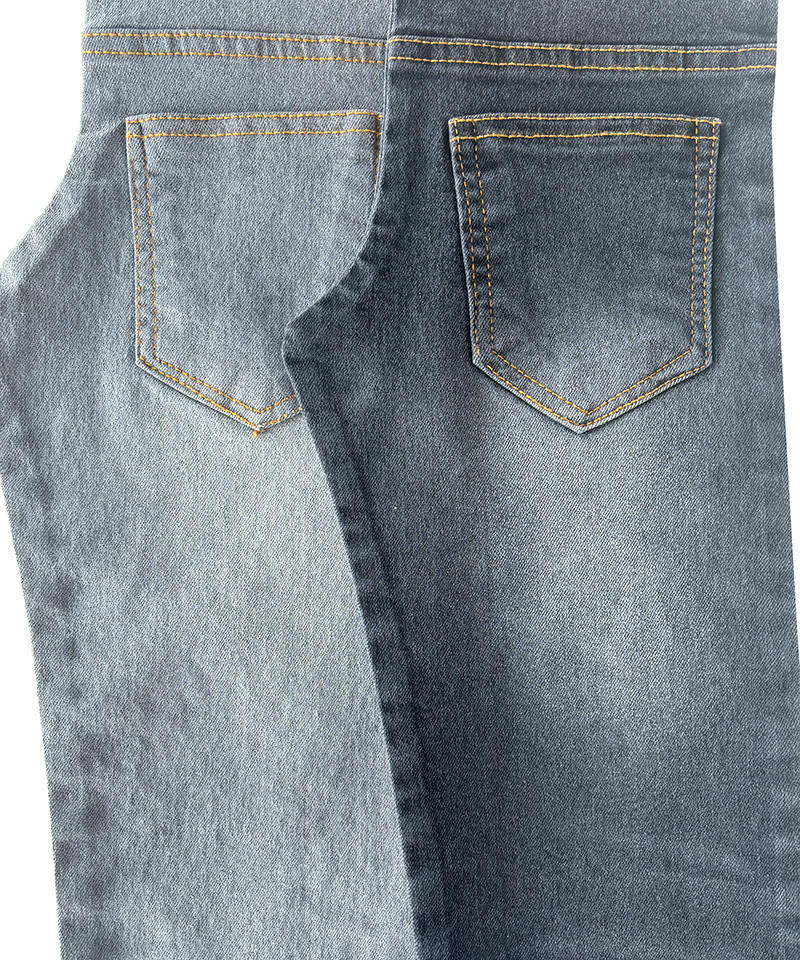
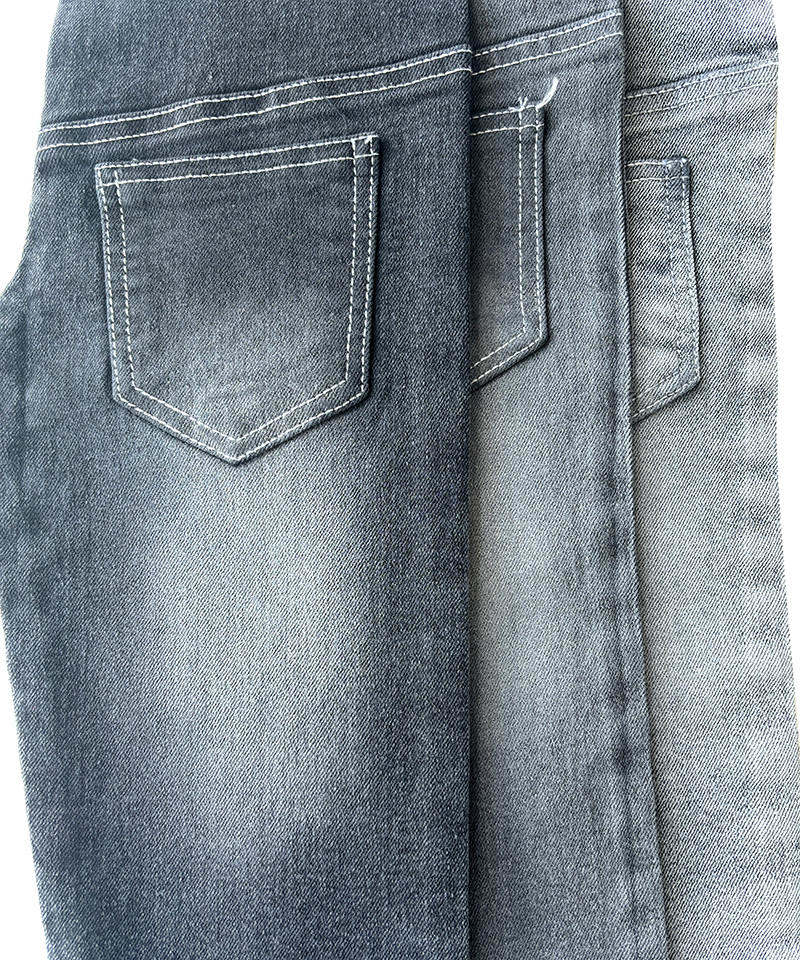
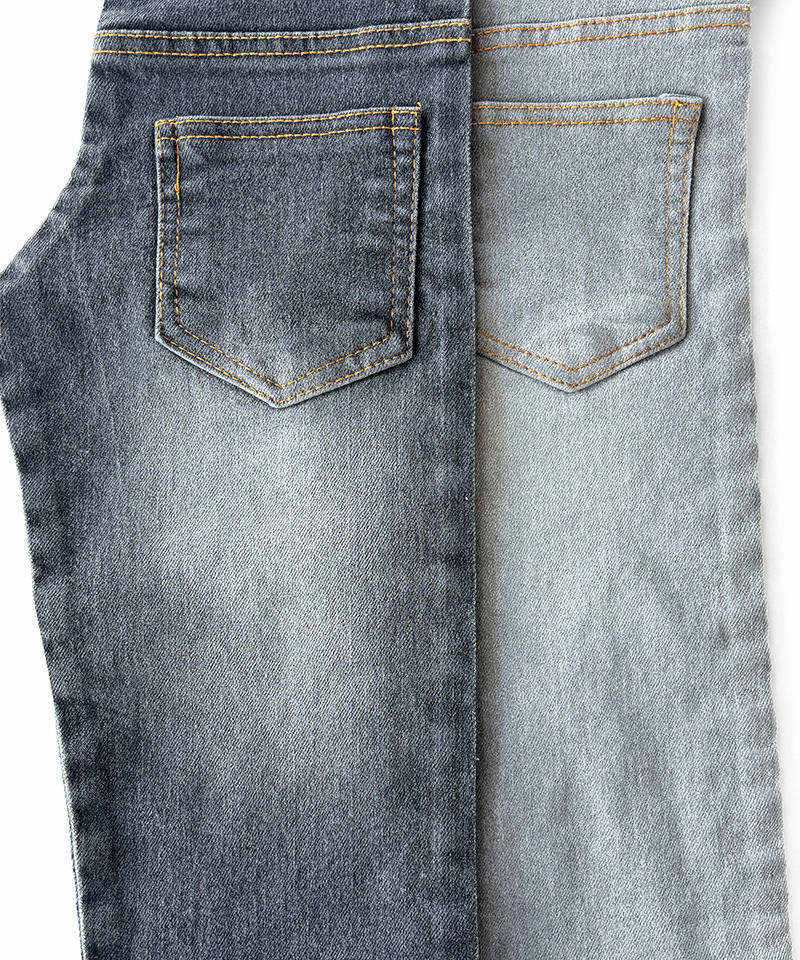
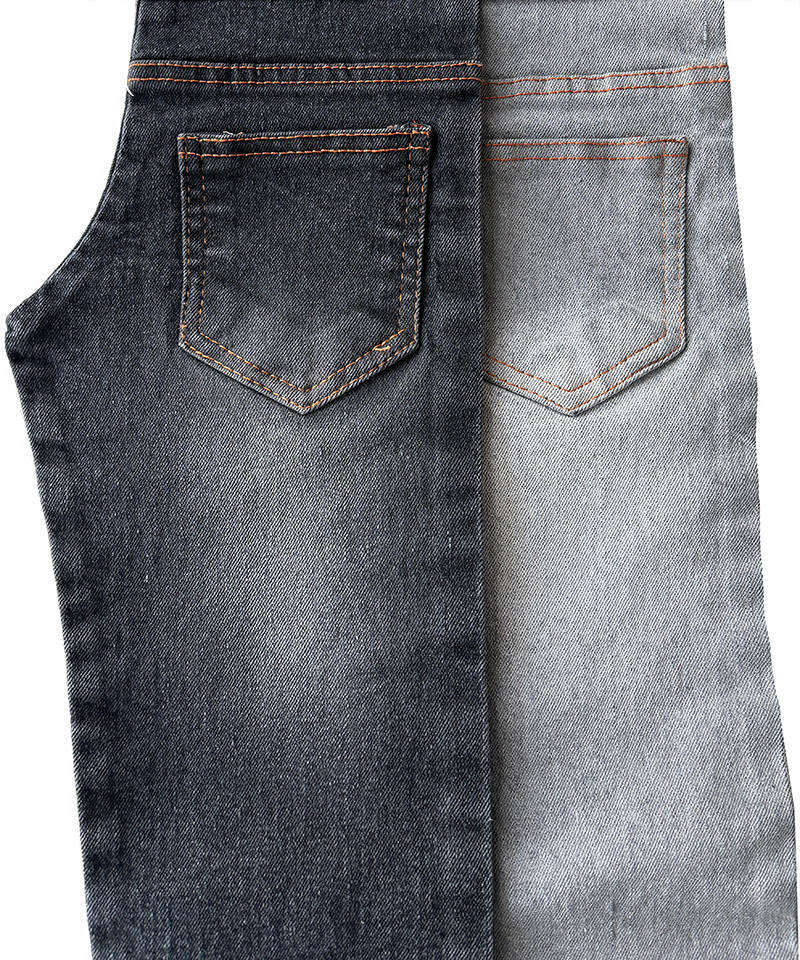
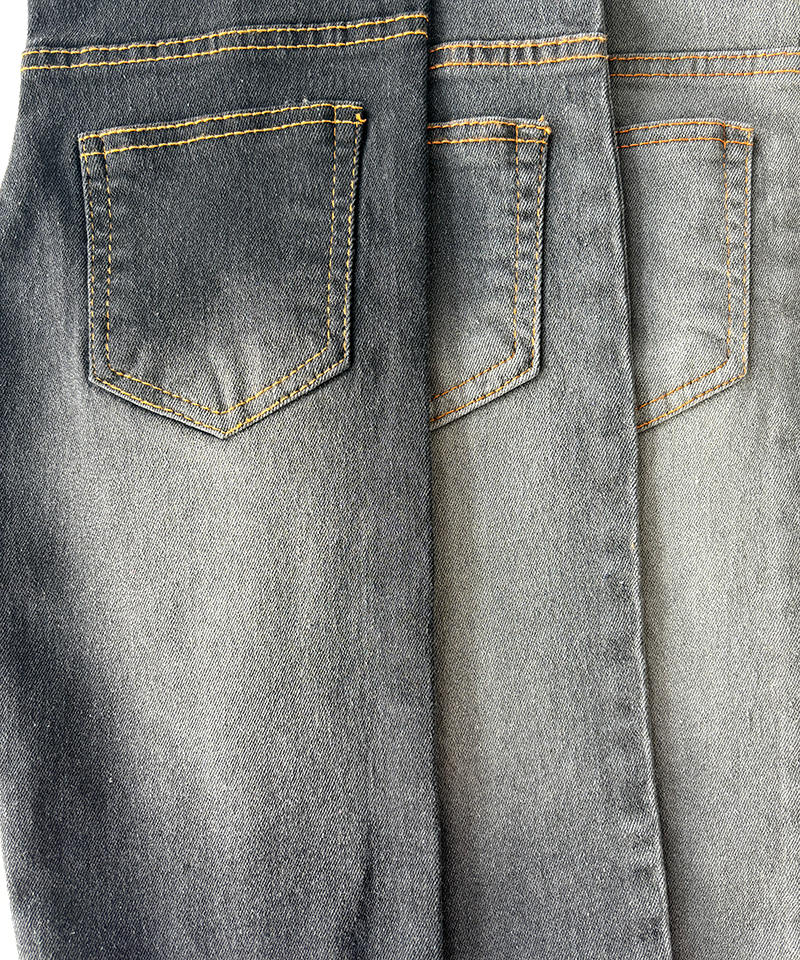
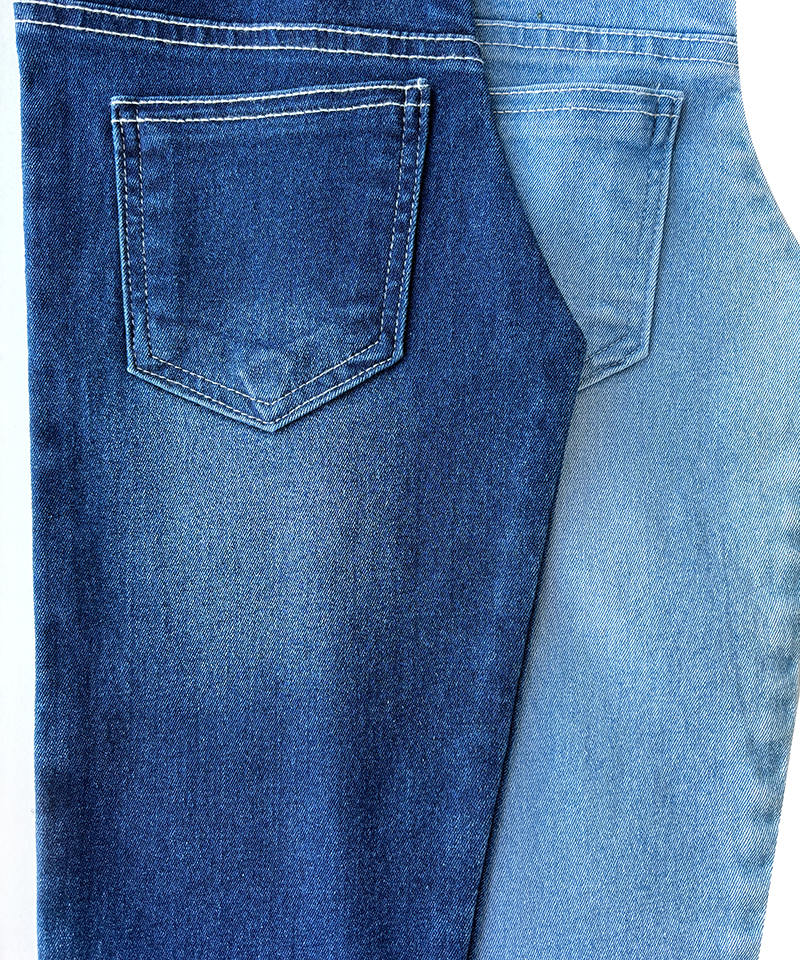
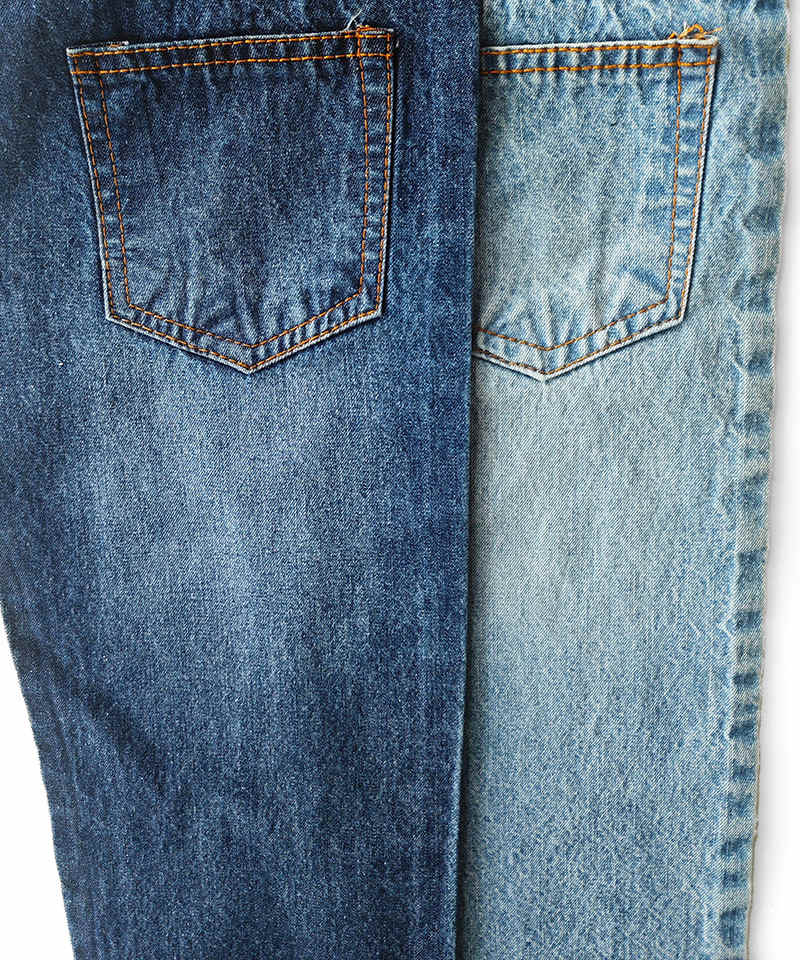
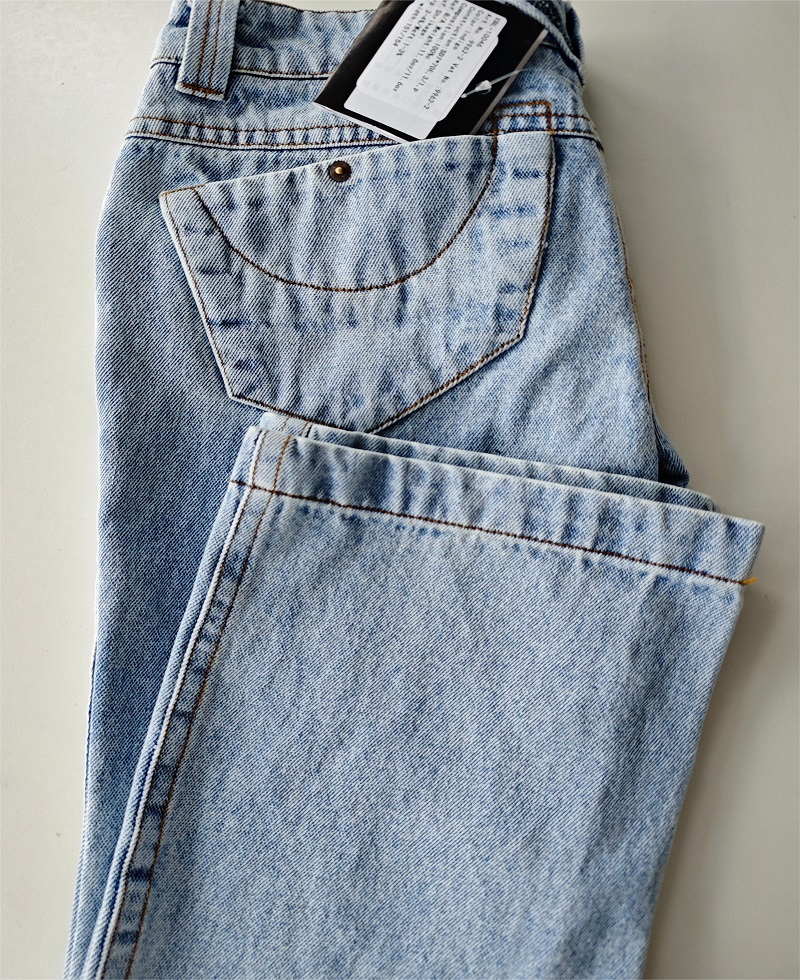
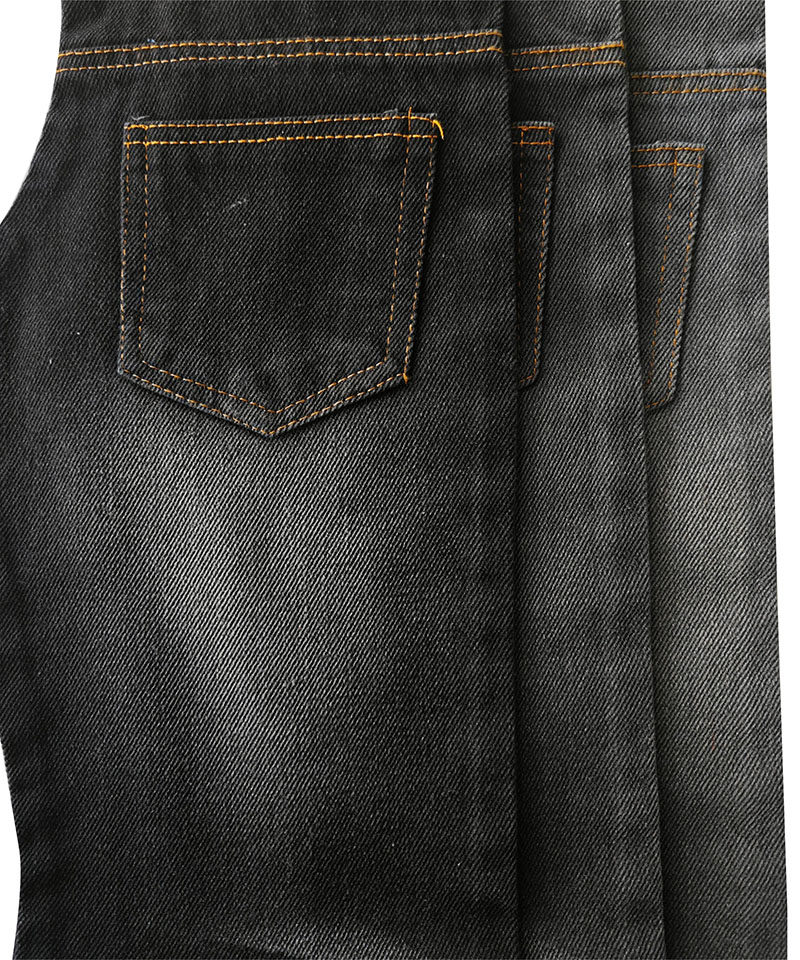
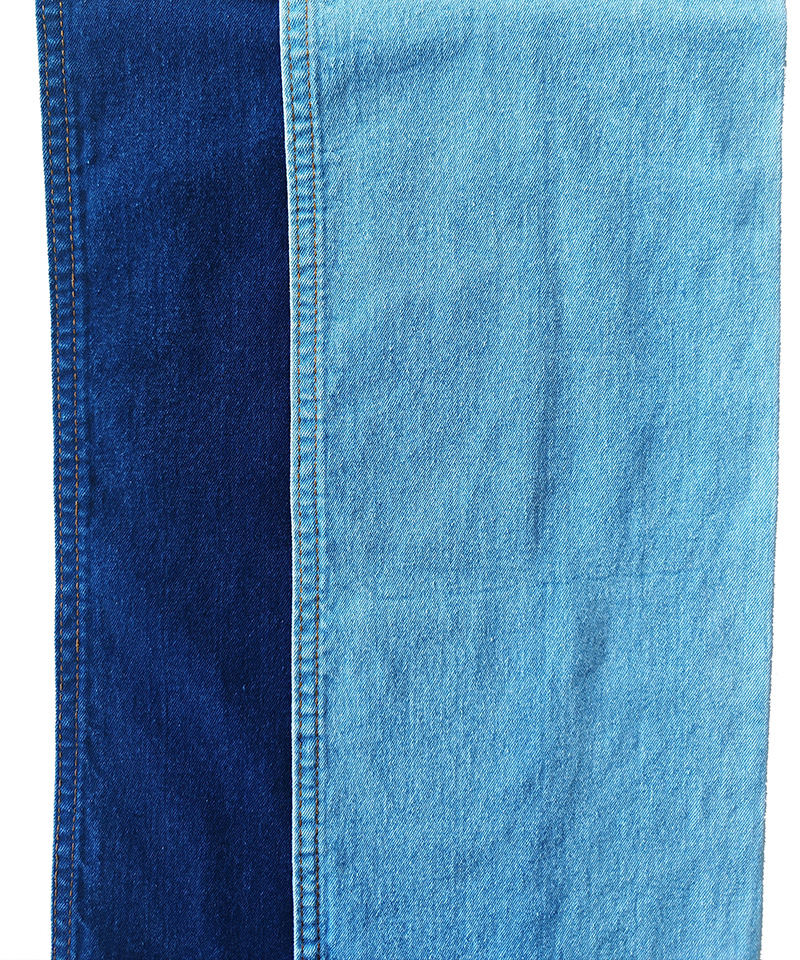
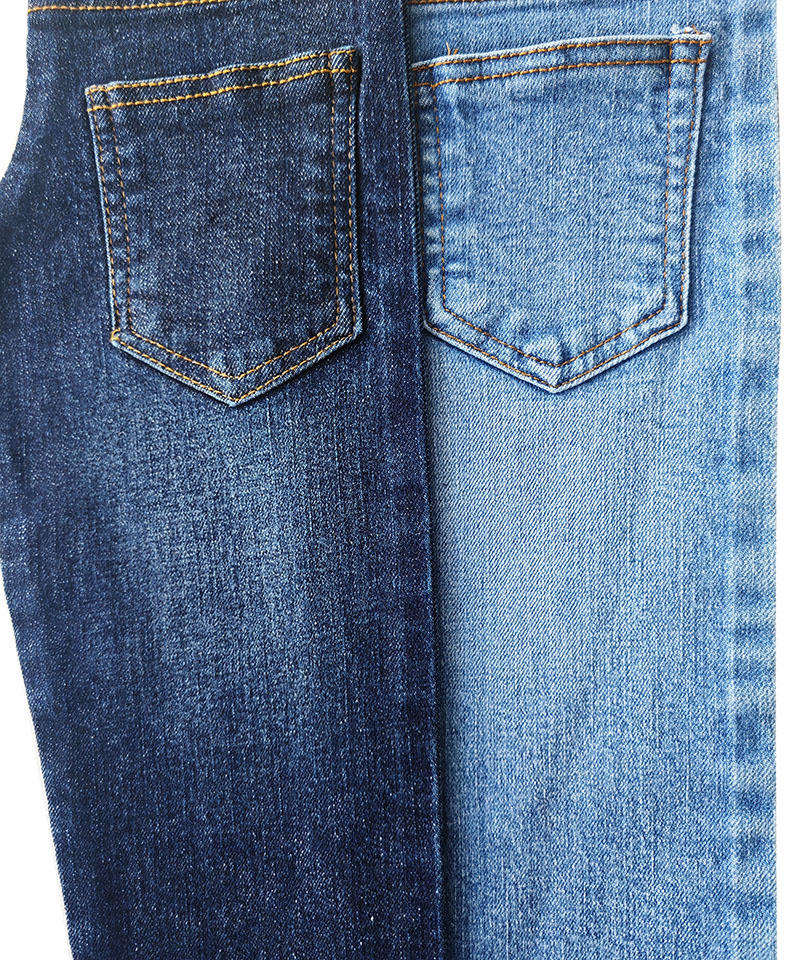
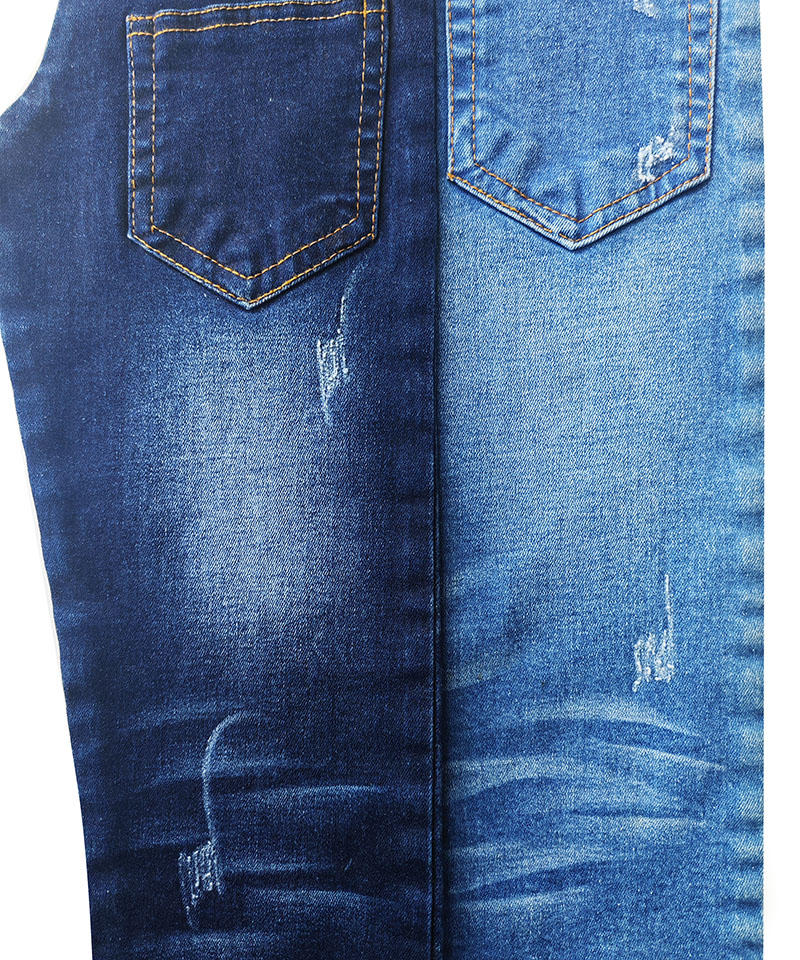
Raw denim — fabric that has been woven, dyed, and finished but not subjected to any washing or garment finishing process — is stiff, dark, and unforgiving in the hand. It fades predictably with wear, molds to the wearer's body over time, and develops personalized crease patterns. But most consumers don't want to manage that break-in process themselves. They want a garment that is soft, faded, and comfortable from the first wearing, which is what denim washing achieves. The washing process transforms denim from a functional industrial textile into a fashion product, and the specific wash type determines almost everything about the finished garment's appearance and hand.
For buyers, product developers, and sourcing teams, understanding what each washing process actually does to the fabric — not just what it looks like, but how it changes the fiber structure, the dye chemistry, and the fabric's downstream performance — enables more precise specifications and fewer expensive surprises at the sampling stage.
Why Denim Is Washed: The Indigo Dye Chemistry
Most denim gets its characteristic blue color from indigo dye, which is applied to the warp yarns (running lengthwise in the fabric) by a ring-dyeing process. In ring dyeing, indigo penetrates only the outer layers of each yarn while leaving the core white. This surface concentration of dye is what creates denim's fade behavior: when the outer surface of the yarn is abraded or treated, the white core is exposed and lighter-colored areas develop. The indigo molecule also has limited molecular affinity for cotton — it is a "fugitive" dye that is adsorbed onto the fiber surface rather than chemically bonded to it. This physical rather than chemical attachment is why indigo fades from mechanical abrasion, oxidation, and washing in ways that chemically bonded dyes on other fabrics do not.
This chemistry is what makes denim washing possible: the indigo's loose molecular attachment to the surface of ring-dyed yarn means it can be selectively removed in predictable patterns by mechanical abrasion (stone washing, sandblasting), enzymatic degradation (enzyme washing), or chemical bleaching (acid washing, bleach washing). Each process removes indigo from specific locations at a different rate and with a different spatial pattern, producing distinct visual and tactile results.
Stone Wash
Stone washing is the classic denim finishing process. Garments are loaded into large industrial washing machines with pumice stones — volcanic rock that is highly abrasive and porous. As the machine tumbles, the pumice stones abrade the fabric surface repeatedly, physically removing indigo from the raised points of the weave structure (the yarn crossover points that protrude slightly from the fabric plane). The result is an irregular, naturalistic fade pattern that closely mimics the fading that develops with extended real-world wear: lighter at wear points, darker in creases and seam shadows, with a generally softened, well-worn appearance.
The degree of fading is controlled by the size and quantity of pumice stones, the wash duration, and the number of wash cycles. Longer and more aggressive stone washing produces more dramatic color change and increasingly soft hand, but it also increases fiber damage — the abrasive action that removes indigo also damages cotton fibers, reducing the fabric's tensile strength and abrasion resistance. Heavily stone-washed denim has significantly lower mechanical performance than lightly washed or unwashed equivalents at the same base weight.
Stone washing also creates environmental challenges: pumice stone use generates stone residue that loads washing water with suspended particles, and the stones themselves wear down and must be regularly replaced. The wastewater treatment requirements for stone wash operations are substantial. For these reasons, many manufacturers have shifted to enzyme washing or combinations of enzymes with reduced stone quantities.
Enzyme Wash (Bio Wash)
Enzyme washing uses cellulase enzymes — biological catalysts that break down the cellulose on the outer surface of cotton fibers — to achieve surface degradation that produces similar visual effects to stone washing without the mechanical abrasion. The enzyme selectively attacks the protruding fiber ends and surface cellulose on the raised weave points, releasing indigo from those locations and creating a faded, softened appearance that resembles worn denim.
Enzyme washing produces a cleaner, more controlled result than stone washing. The enzyme concentration, pH, temperature, and treatment time can be precisely controlled to achieve a specific level of fading, and the treatment is more consistent piece-to-piece than stone washing (which varies slightly depending on stone placement and tumbling dynamics). Enzyme-washed denim also retains significantly more tensile strength than heavily stone-washed denim because the enzymatic action is less mechanically destructive to the fiber structure.
From a sustainability perspective, enzyme washing uses less water than stone washing, eliminates pumice waste, and produces cleaner wastewater. Cellulase enzymes are biodegradable. This has made enzyme washing the dominant process in premium and sustainability-positioned denim manufacturing, where the product's environmental footprint is a customer concern as well as a regulatory one.
A common variant is "enzyme stone wash" — combining a relatively small amount of pumice stones with enzyme treatment, using the stones primarily to accelerate enzyme action at wear points rather than as the primary abrasive agent. This reduces pumice consumption significantly while retaining the naturalistic fade pattern that pure stone washing produces.
Acid Wash (Ice Wash / Chlorine Wash)
Acid washing — also called ice wash, moon wash, or chlorine wash — produces the distinctive high-contrast, bleached-out fade pattern most associated with 1980s fashion denim. The process saturates pumice stones with bleaching chemicals (typically sodium hypochlorite or potassium permanganate) and tumbles them with the garments. The bleach on the stone surfaces contacts the raised weave points directly, creating intense local bleaching at those specific areas while the recessed areas (creases, seam shadows, fabric interior) remain darker. The result is a sharp, high-contrast pattern of bleached and unbleached areas — visually dramatic and distinctly different from the gradual fading produced by conventional stone or enzyme washing.
After bleaching, the garments require thorough rinsing and neutralization to remove residual chlorine compounds that would otherwise continue degrading the fiber in service. Inadequate neutralization is a cause of premature fabric breakdown in acid-washed garments. The bleaching chemistry also degrades the fiber more aggressively than indigo-removal processes, producing a softer, somewhat weakened fabric structure that is part of the characteristic hand of acid-washed denim.
Potassium permanganate (KMnO₄) is increasingly used as an alternative to chlorine-based bleaching because it produces similar visual effects with different chemistry. PP spray — potassium permanganate solution sprayed directly onto garments in a pre-distressed, crumpled form — allows pattern control and creates more naturalistic irregular fading than the all-over bleach pattern of traditional acid wash. After treatment, garments are washed to remove the brown manganese dioxide residue.
Bleach Wash
Bleach washing applies diluted sodium hypochlorite or other oxidizing bleaching agents in the wash bath, producing overall lightening of the garment rather than the localized high-contrast pattern of acid washing. The result is a pale, evenly faded appearance — lighter-toned denim across the entire garment with softened overall color. Bleach washing is used for light blue, ice blue, and near-white denim finishes where the design intention is uniformly pale color rather than contrast fade.
The chemistry requires careful control: too much bleach concentration or too long a treatment time causes excessive fiber degradation that makes the garment impractically fragile. The neutralization step after bleaching is essential, and the garment's color after bleach washing continues to shift slightly during storage due to residual oxidant activity unless neutralization is complete.
Vintage and Distressed Washes
Premium denim increasingly combines multiple processes and handcrafted finishing techniques to produce complex vintage or distressed effects. Laser distressing uses computer-controlled laser beams to selectively vaporize indigo from the fabric surface in precise patterns — whiskers (the fan-shaped fading lines at the upper thigh), honeycombs (crease fading behind the knee), and worn-through effects — with perfect reproducibility and no chemical use. The laser-distressed areas are then garment-washed to normalize the hand and develop the intended overall color.
Hand sanding uses sandpaper applied by workers to specific areas before garment washing, creating localized fade in areas that correspond to natural wear points. The combination of hand sanding, laser distressing, localized PP spray, and garment washing can produce extremely realistic vintage effects that closely mimic years of natural wear in a single production run.
How Wash Type Interacts with Fabric Weight and Construction
Not all denim fabrics respond equally to the same wash treatment. Heavier fabrics (12+ oz) require more aggressive treatment to achieve the same degree of fading as lighter fabrics because the higher yarn density provides more indigo per unit area to remove. Stretch denim with elastane requires temperature control during washing — excessive heat causes permanent stretch degradation in the elastane component. Selvedge denim, with its denser weft structure, develops more pronounced and durable crease and whisker patterns than equivalent-weight standard denim when washed, which is part of its appeal in the premium segment.
Sampling washed effects on the specific fabric base being used is the only reliable way to predict the finished result — the same wash specification applied to two fabrics from different constructions or with different indigo levels will produce different results. This is normal in denim development, and experienced product teams budget time and cost for wash iteration during sampling rather than assuming wash effects are transferable between fabrics.
Frequently Asked Questions
Does enzyme washing weaken denim fabric compared to stone washing?
For equivalent degrees of fading, enzyme washing generally results in higher retained tensile strength than conventional pumice stone washing. Stone washing's mechanical abrasion removes fiber material from the yarn surface — the fading and softening come partly from structural fiber damage. Enzyme washing's surface cellulose degradation is more targeted and less mechanically destructive. However, both processes reduce fabric strength relative to unwashed or lightly washed denim, and heavy treatment of either type produces meaningful strength reduction. Garment construction (seam allowances, stitch density, bar tacking placement) should account for the expected strength reduction of the wash treatment when specifying for durability-sensitive applications.
Can the same wash effect be reproduced consistently across production batches?
Consistency is one of the most significant technical challenges in denim washing production. Stone washing varies because stones wear down over multiple wash loads, changing their abrasion characteristics; stone size, quantity, and water-to-garment ratio in the washing machine drum all affect the result. Enzyme washing is more controllable but still varies with water hardness, enzyme concentration consistency, and temperature uniformity in the wash drum. Achieving consistent results across production batches requires standardized process documentation, regular stone replacement schedules (for stone wash), calibrated enzyme dosing, and comparison panels (washed reference swatches from each batch) checked against an approved standard. Large production programs typically specify an acceptable range of fading rather than a single exact target, acknowledging that perfect batch-to-batch uniformity is not achievable without adding unacceptable cost to the washing operation.
What denim wash types are considered most sustainable by European and US brands?
Most major denim brands with published sustainability commitments prioritize processes that reduce water consumption, eliminate or minimize chemicals of concern, and reduce wastewater contamination. Enzyme washing scores well on all three: it uses less water than stone washing, avoids bleaching chemicals, and produces biodegradable effluent. Laser distressing is considered highly sustainable because it eliminates chemical use for the distressed areas, though it requires electricity for the laser equipment. Ozone treatment — using ozone gas to fade denim without water — is emerging as a waterless alternative for overall lightening effects. The most concerned sustainability specifications call for third-party certification of washing facility practices (such as Bluesign, ZDHC compliance for chemical management, or specific brand chemical standards) rather than simply specifying a wash type, because the environmental impact of any process depends heavily on how the facility manages its water, energy, and chemical use.
Pure Cotton Denim Fabric | Cotton Elastane Denim Fabric | Functional Denim Fabric | Lyocell & Special Fiber Denim | Contact Us


 English
 Español