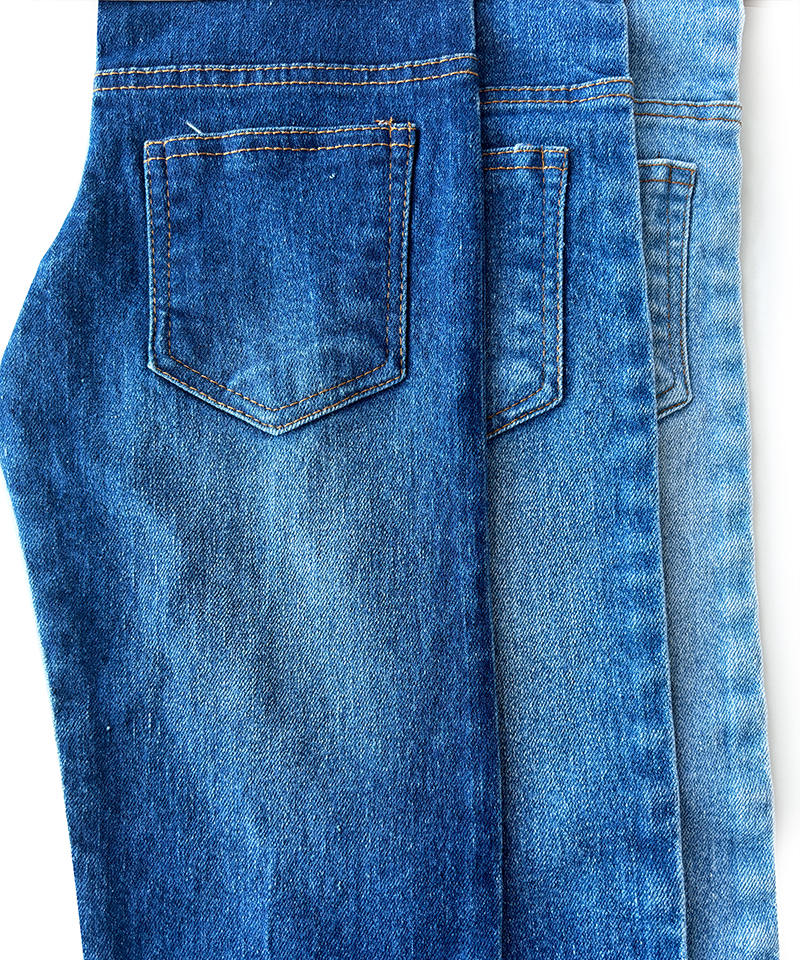
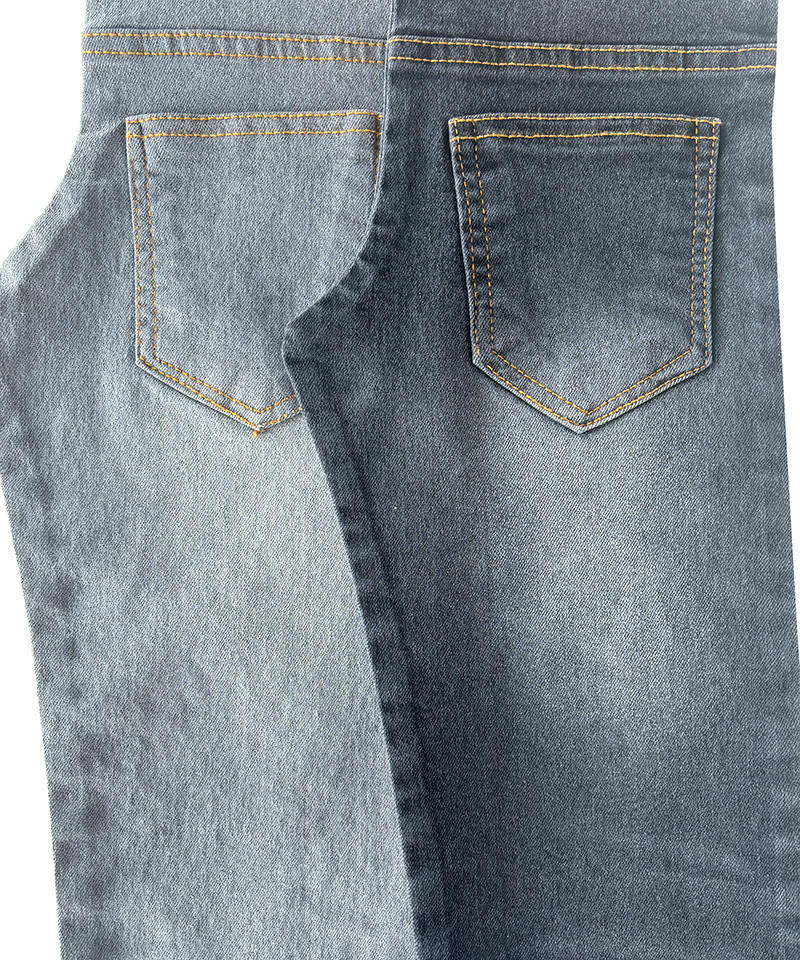
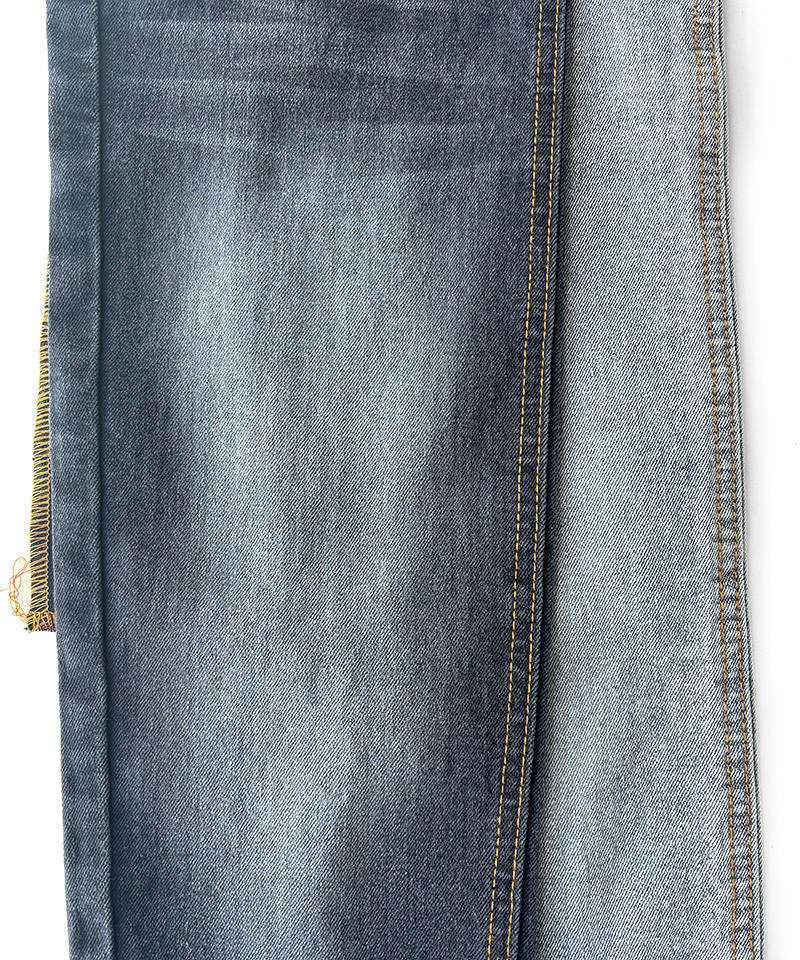
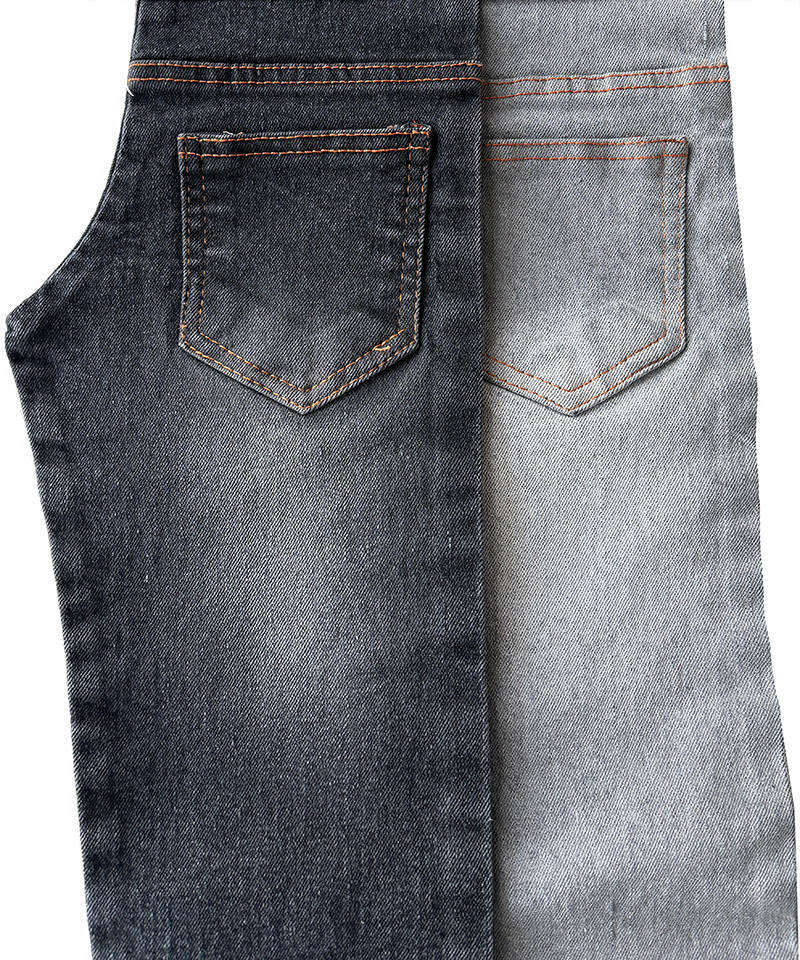
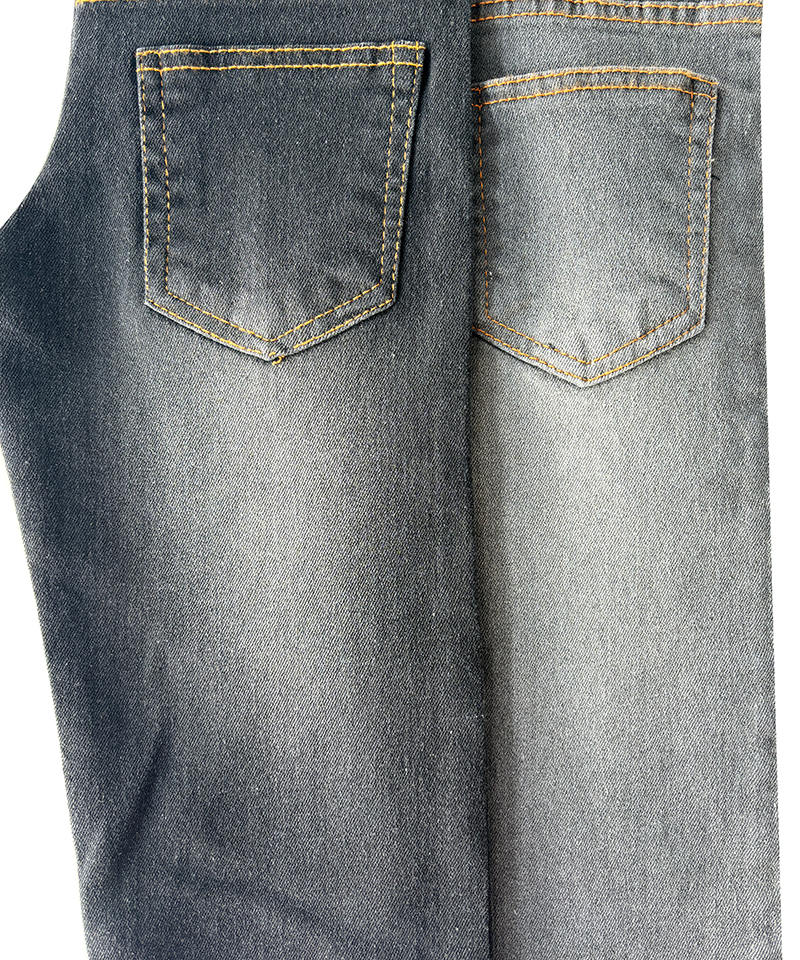
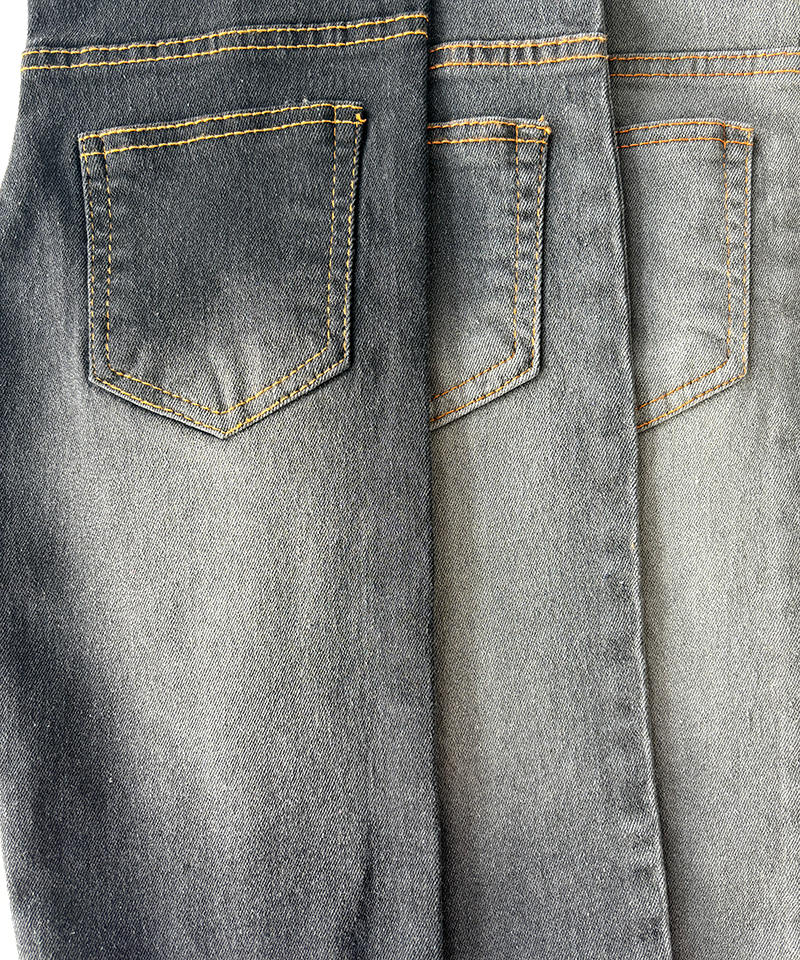
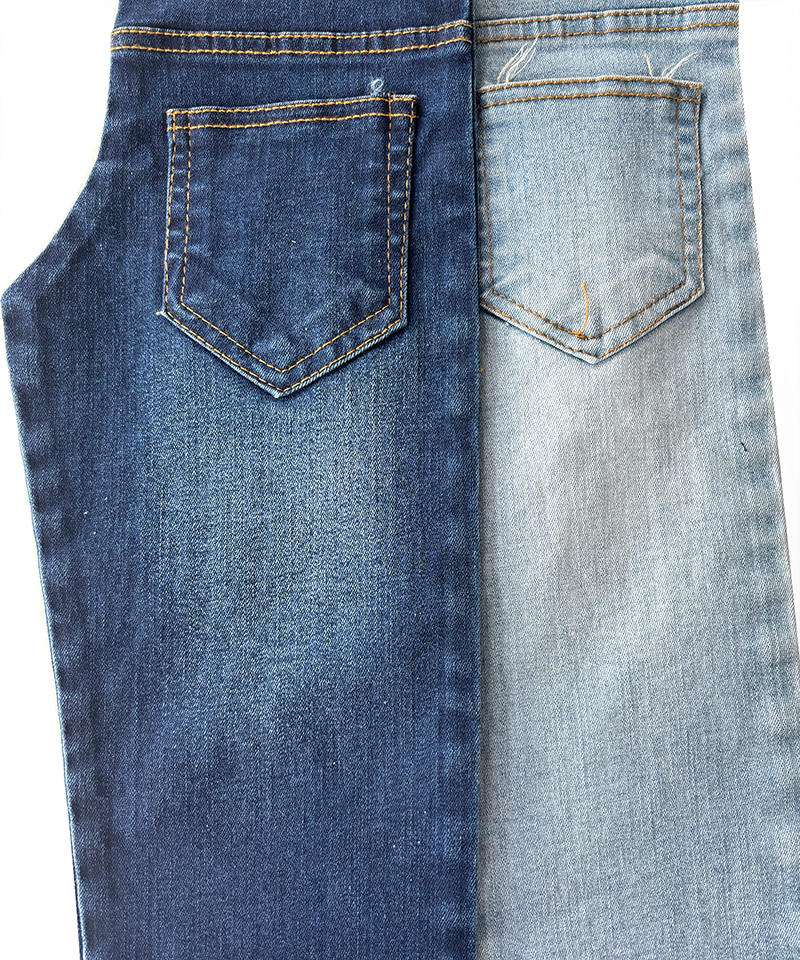
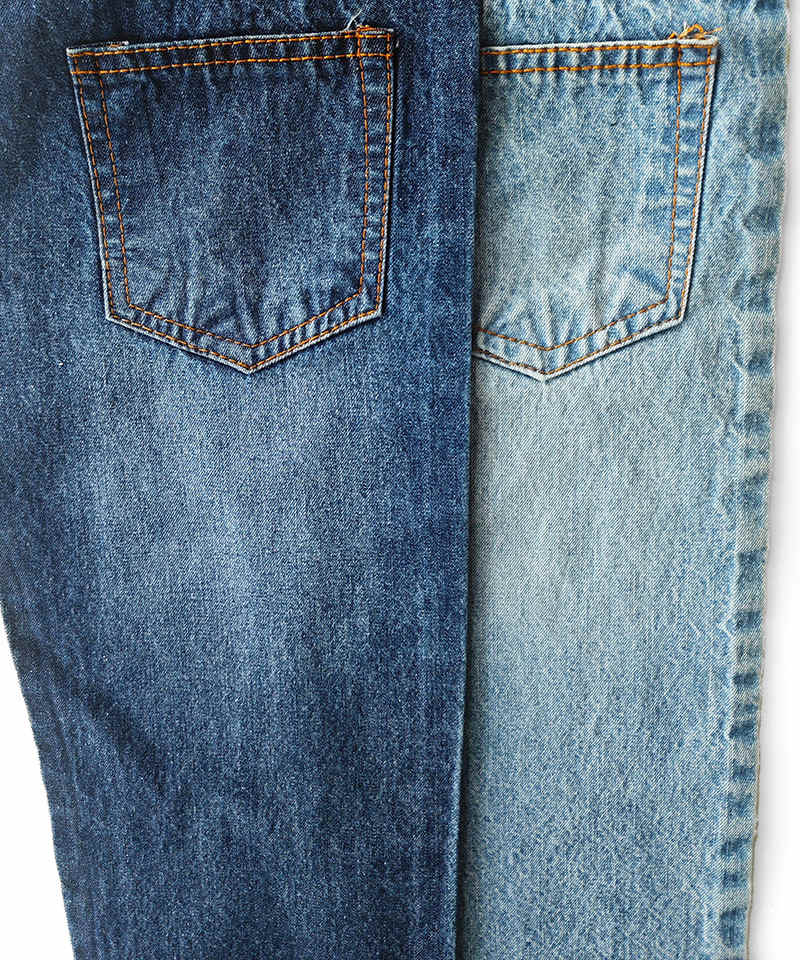
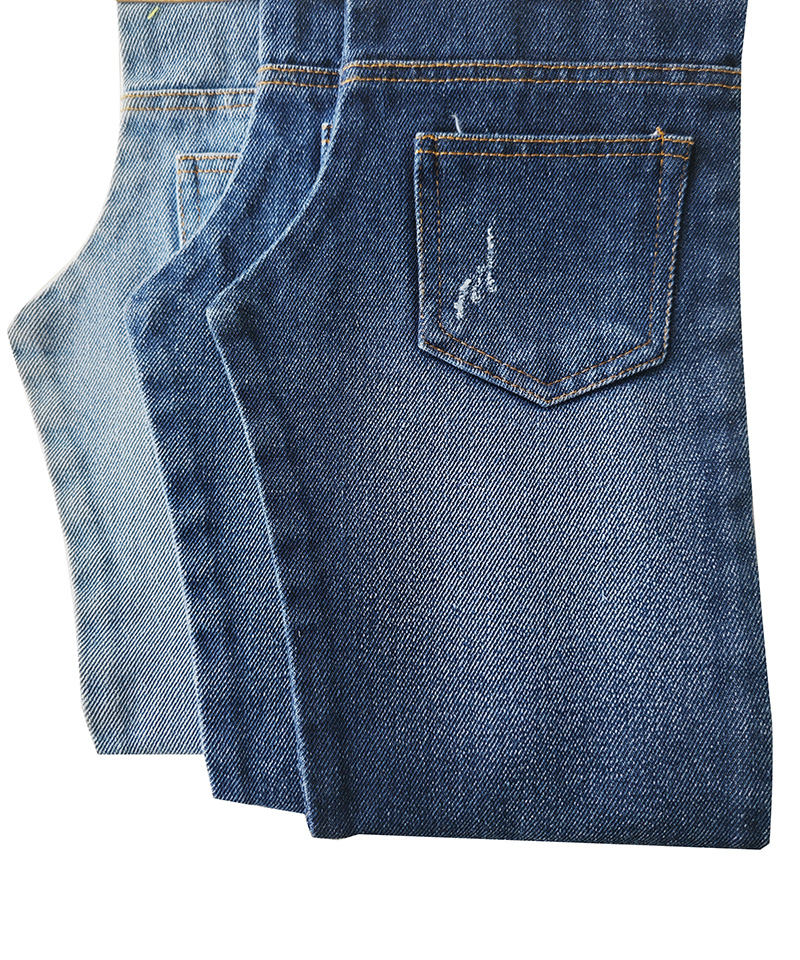
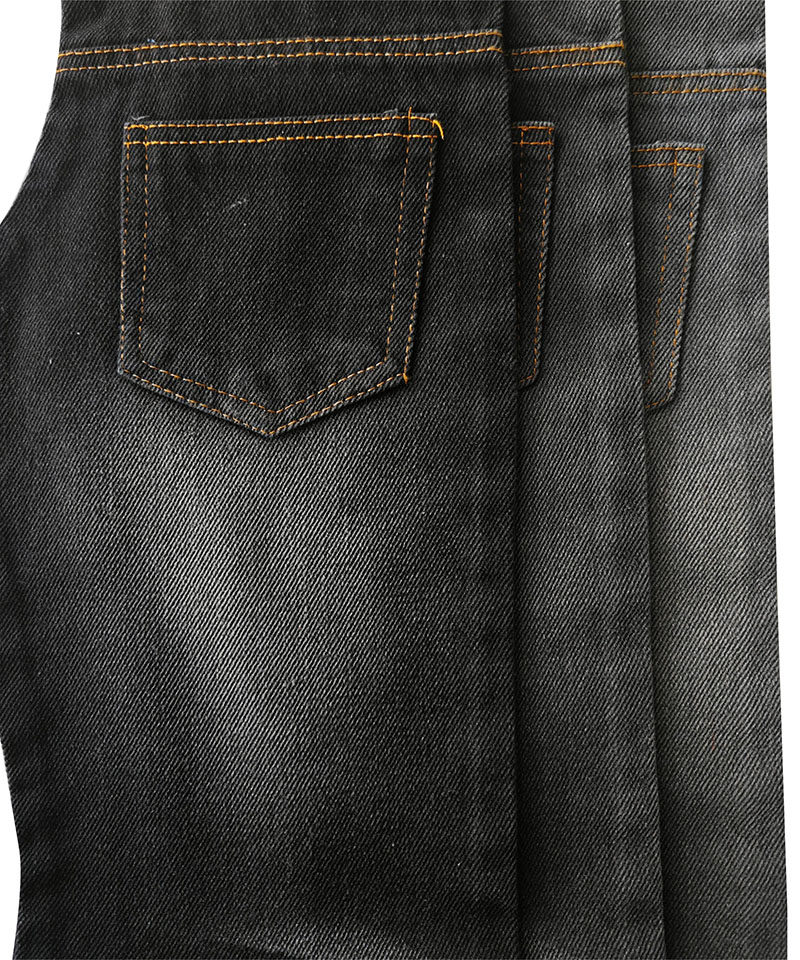
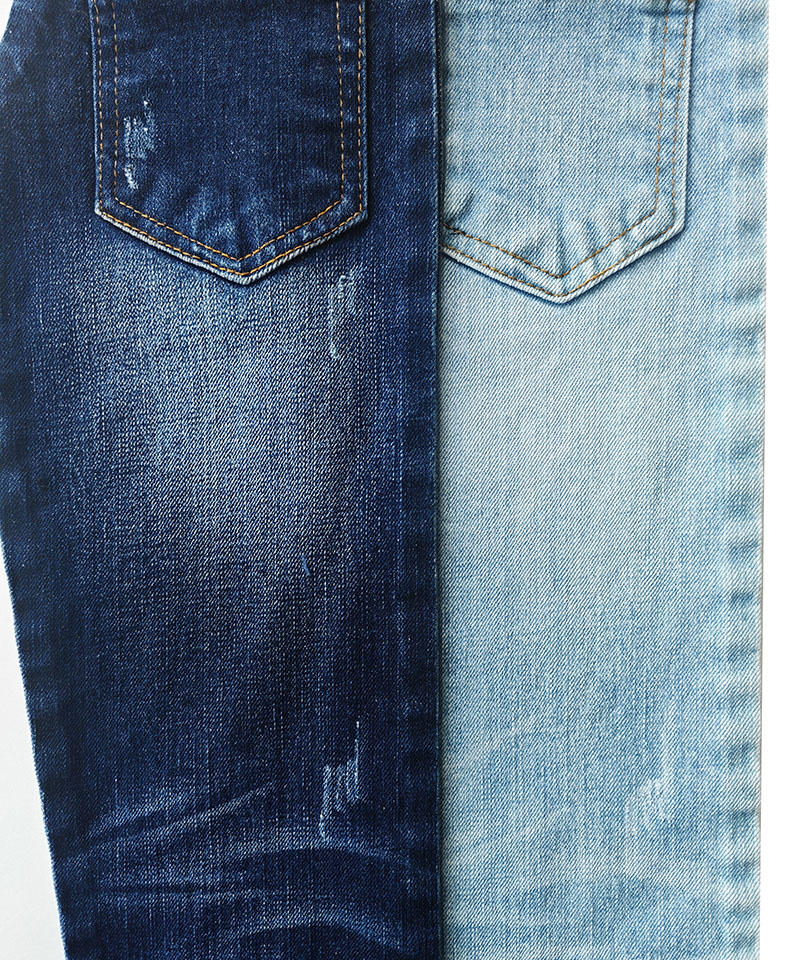
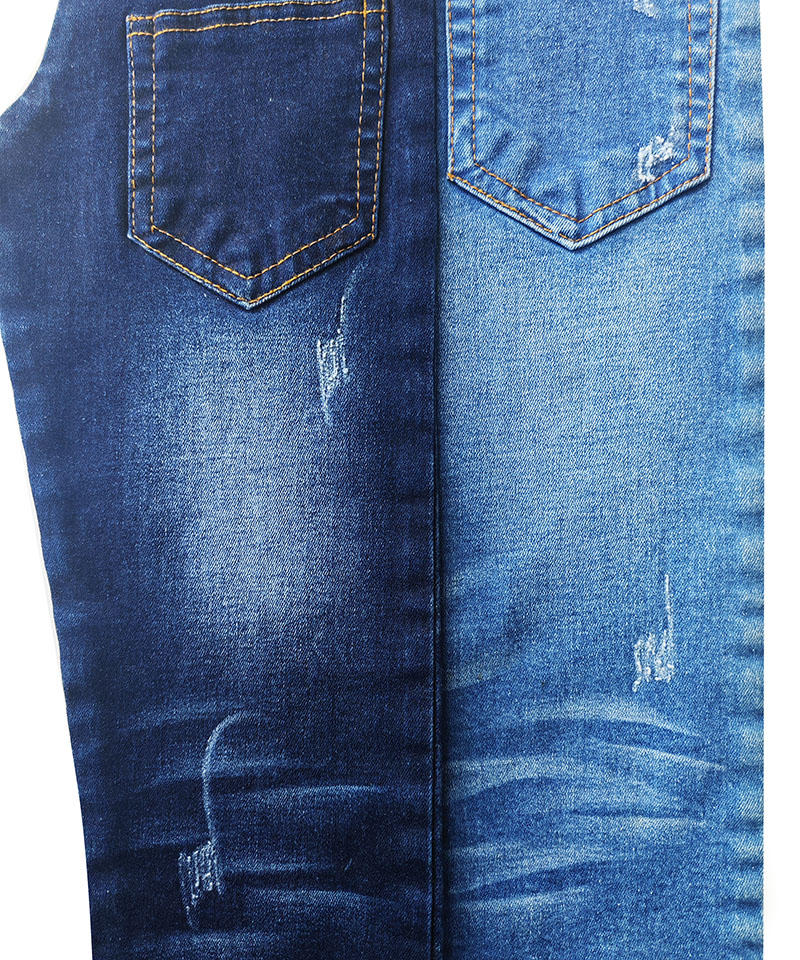
In the modern textile system, Woven Denim occupies an irreplaceable position. As a classic fabric based on the interlacing of warp and weft, woven denim not only carries the historical and cultural heritage of denim but also continuously evolves in terms of craftsmanship and performance. From fiber composition to weaving techniques and finishing, woven denim demonstrates high professionalism and diverse value.
Structure and Weaving Logic of Woven Denim
The core of Woven Denim lies in its woven structure. Compared to knitted fabrics, warp and weft threads cross each other at right angles, creating a stable fabric surface that offers higher strength and lower stretchability. Traditional denim usually uses a twill weave, giving the fabric a distinct diagonal pattern, which is not only a visual identifier but also influences abrasion resistance and hand feel.
During weaving, the warp threads are often dyed while the weft threads remain undyed. This "warp-dyed, weft-white" structure creates the classic denim color layers, allowing the fabric to develop natural fading effects through use and washing. This structural difference gives woven denim its distinctive visual and tactile characteristics.
Performance: Balancing Strength, Durability, and Comfort
The long-standing position of Woven Denim in the market is closely tied to its exceptional physical performance. The woven structure provides excellent tensile strength and abrasion resistance, ensuring the fabric remains stable under frequent wear and friction. This stability is especially critical for products that prioritize durability.
With the development of fiber technology, woven denim has also improved in comfort. By blending fibers and adjusting weaving density, the fabric achieves a softer hand feel and better fit while maintaining structural stability. Breathability and moisture absorption have also been enhanced, transforming the traditional perception of stiff denim into a more comfortable material.
The Impact of Dyeing and Finishing on Woven Denim Quality
The quality of Woven Denim depends not only on weaving but also on dyeing and finishing processes. The depth and uniformity of dye penetration directly affect colorfastness and washing effects. Traditional indigo dyeing provides denim with layered textures, while modern techniques improve color stability and environmental performance.
Finishing processes give woven denim additional functional properties. Different treatments can produce varied hand feels, from crisp to soft, while enhancing wrinkle resistance and dimensional stability. These processes affect not only appearance but also the overall user experience of the final product.
Expressive Potential of Woven Denim in Product Design
In design, Woven Denim demonstrates strong expressive potential. Its stable structure supports diverse pattern designs, from structured cuts to complex silhouettes, maintaining clear contours. The natural texture and color variations provide a visual language that allows products to be distinctive without excessive decoration.
Additionally, woven denim can exhibit a wide range of styles through different processing techniques. From raw textures to vintage effects, the fabric can meet various aesthetic preferences, making it highly adaptable across different product types.
Quality Evaluation Criteria for High-End Woven Denim
Professionals evaluate Woven Denim based on fabric uniformity, yarn quality, and weaving precision. High-quality fabrics show consistent and fine surfaces with clear and stable warp and weft arrangement. Yarn quality impacts strength, luster, and hand feel.
The effects of finishing are also key quality indicators. Premium woven denim maintains structural integrity and color layering even after multiple treatments, making stability a hallmark of high-end products. For brands and manufacturers, these details directly influence market competitiveness.
Functional Expansion and Technological Upgrades
With material science advancements, Woven Denim is expanding beyond traditional boundaries. By incorporating functional fibers and upgrading weaving techniques, the fabric maintains its classic appearance while gaining additional practical features, extending its applications beyond conventional apparel.
Modern production emphasizes sustainability and environmental responsibility. Improved dyeing and finishing processes reduce environmental impact while maintaining high-quality output. These technological upgrades enhance product value and open new pathways for industry development.
FAQ: Common Questions About Woven Denim
What is the difference between Woven Denim and regular denim?
Woven Denim is essentially denim made using weaving techniques. Its features include structural stability and strong abrasion resistance, making it more classic and traditional compared to other weaving methods.
Why does Woven Denim have distinct fading effects?
The effect comes from warp-dyed and weft-undyed construction. During use and washing, dye gradually fades, creating layered color variations.
How can I assess the quality of Woven Denim?
Quality is evaluated based on fabric uniformity, hand feel, structural stability, and dyeing performance. High-quality fabric is fine and consistent.
Is Woven Denim suitable for high-end products?
Yes. Its structural stability, expressive potential, and enhanced processing make it widely applicable in premium product design.
What is the future direction of Woven Denim?
The focus is on functional enhancement and eco-friendly processes, balancing classic style with performance and sustainability.


 English
 Español