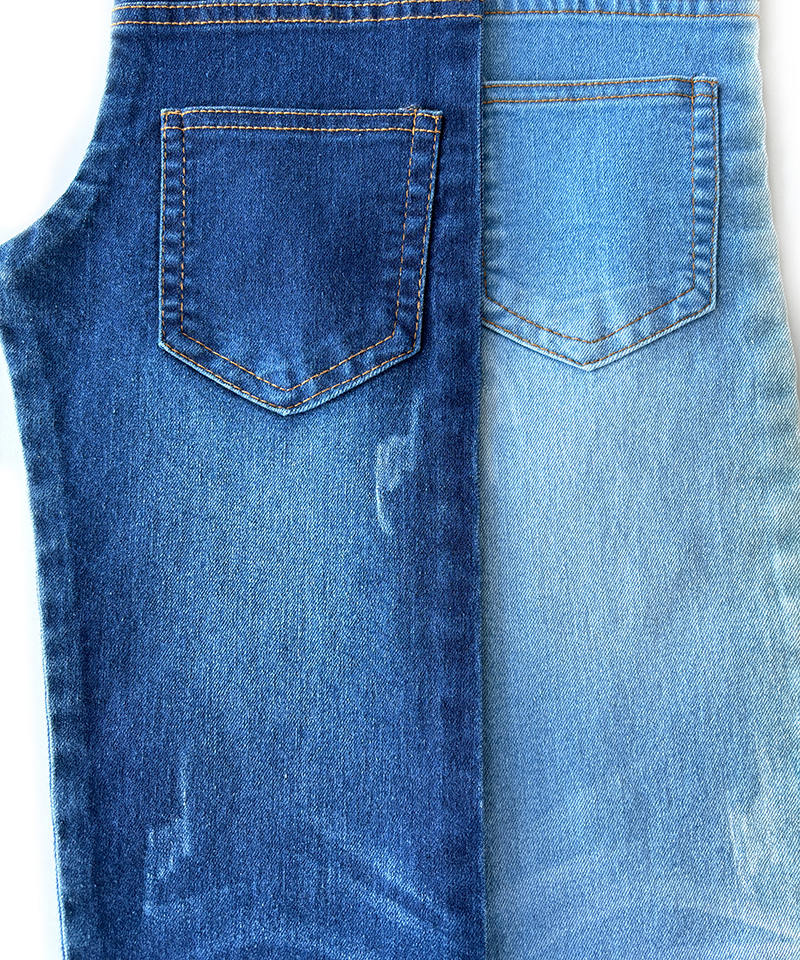
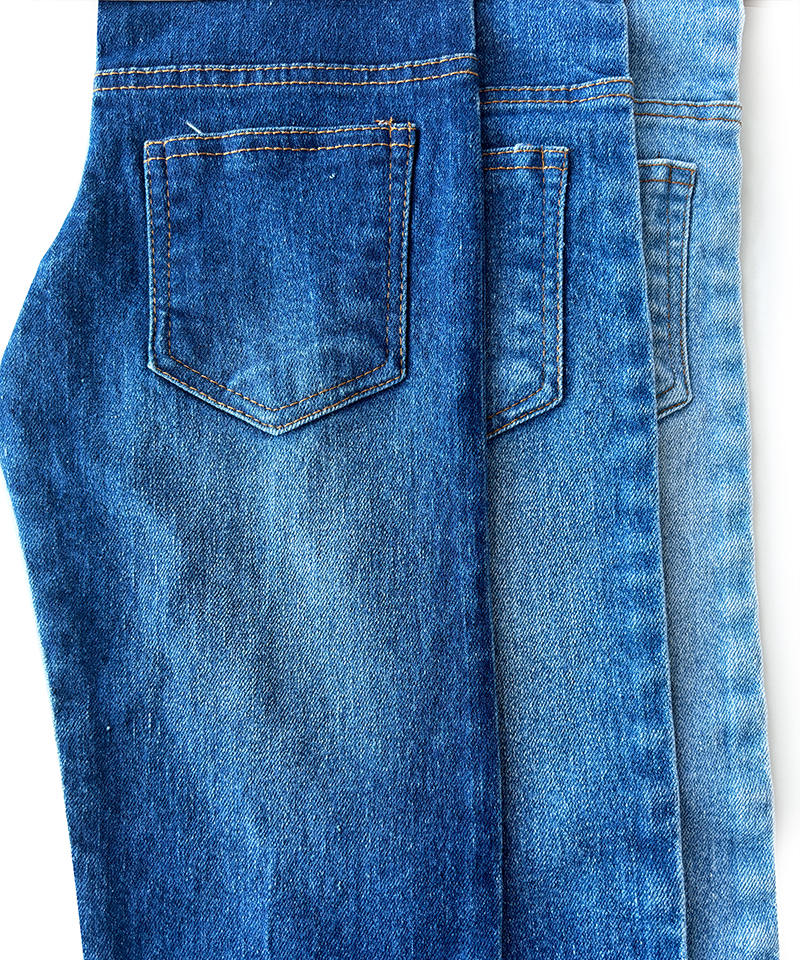
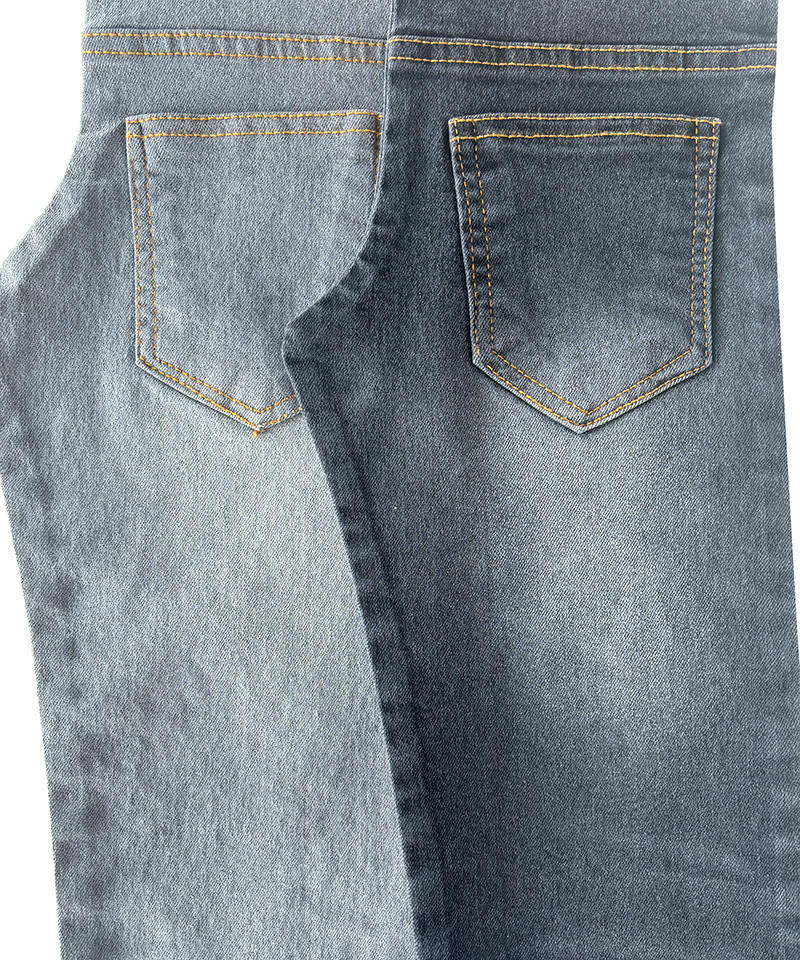
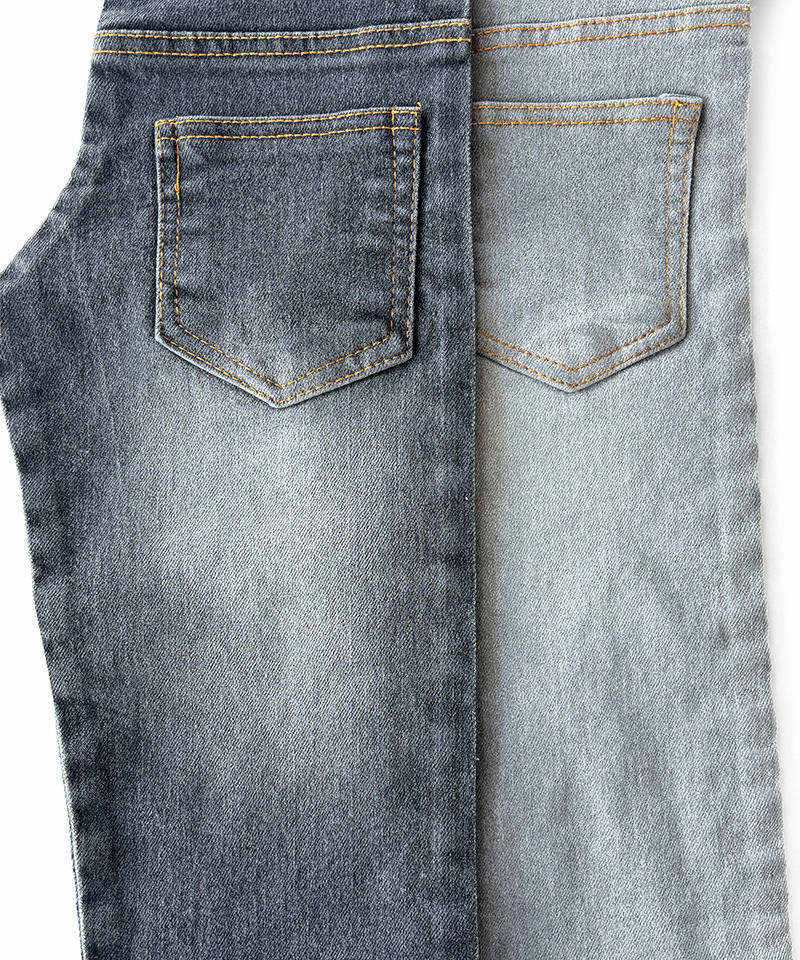
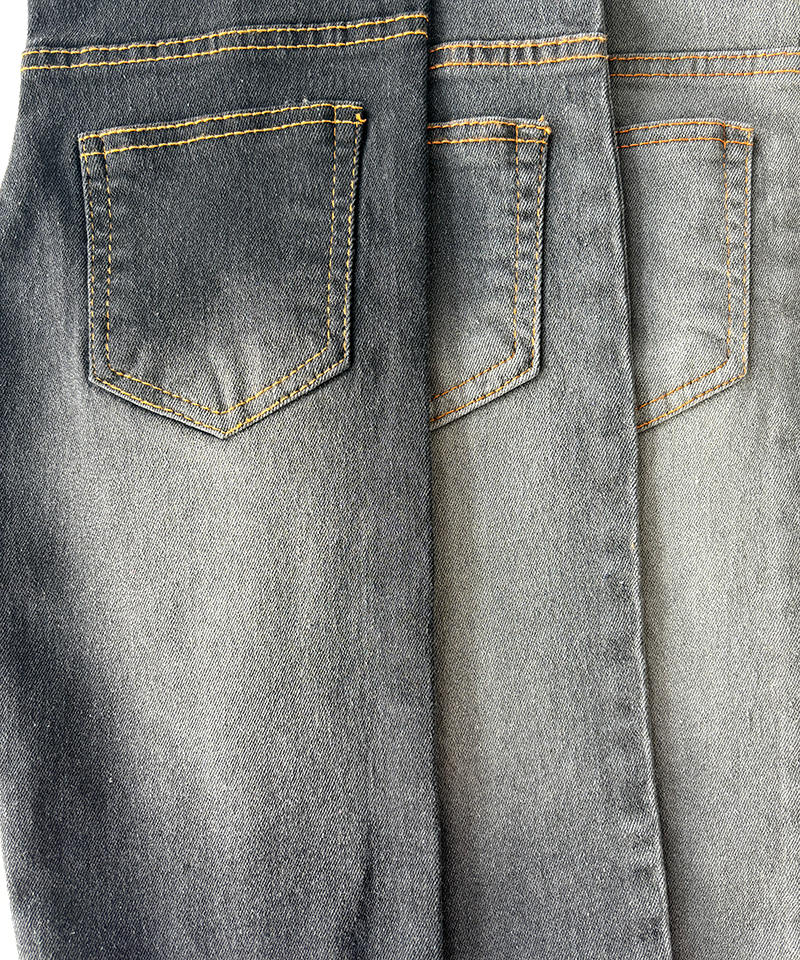
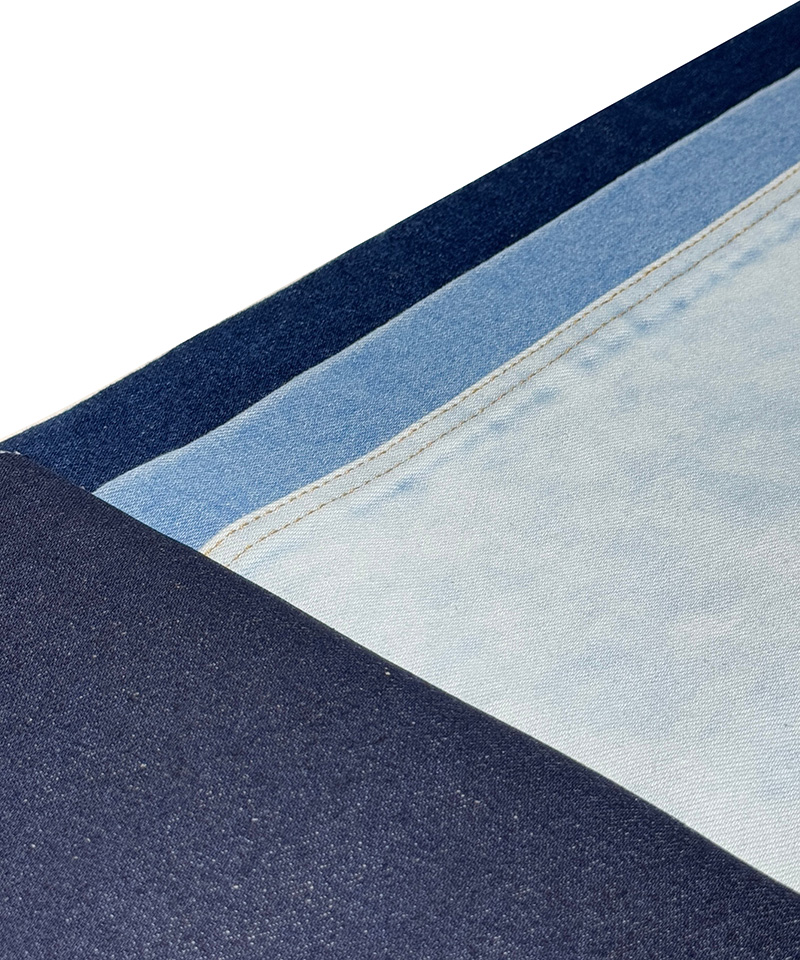
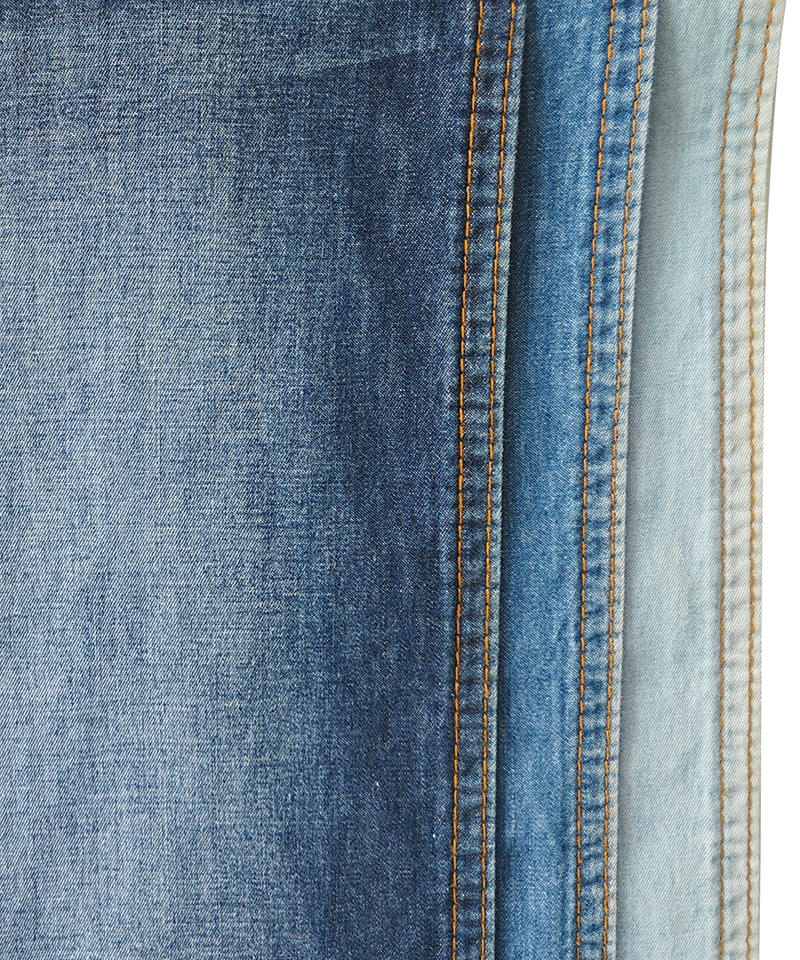
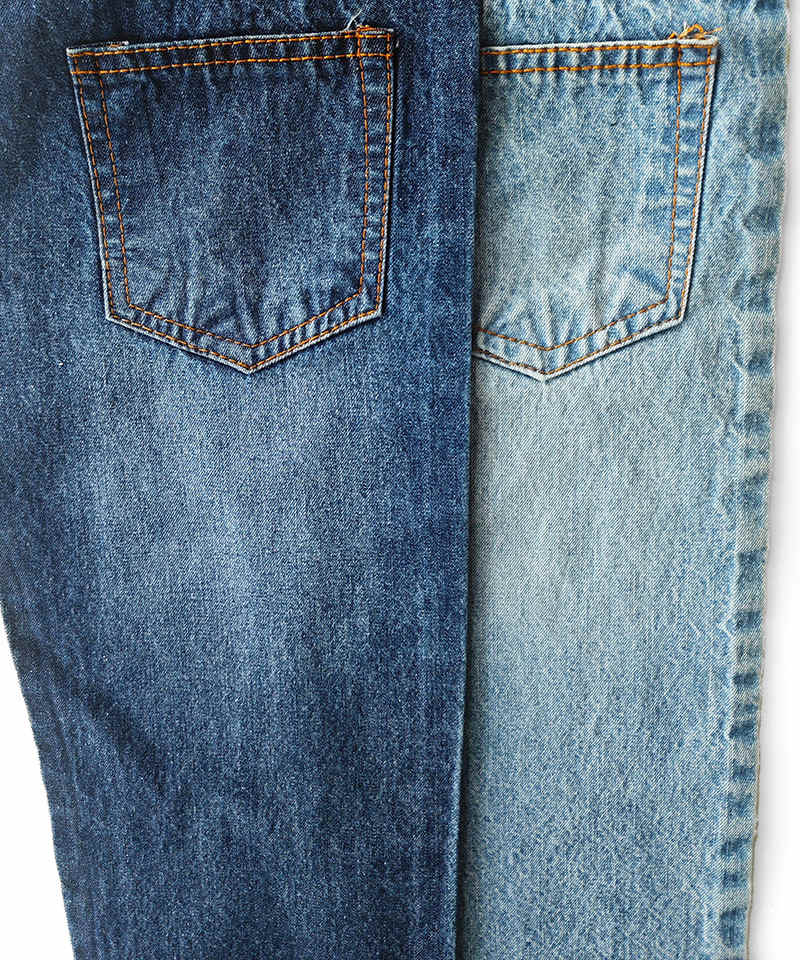
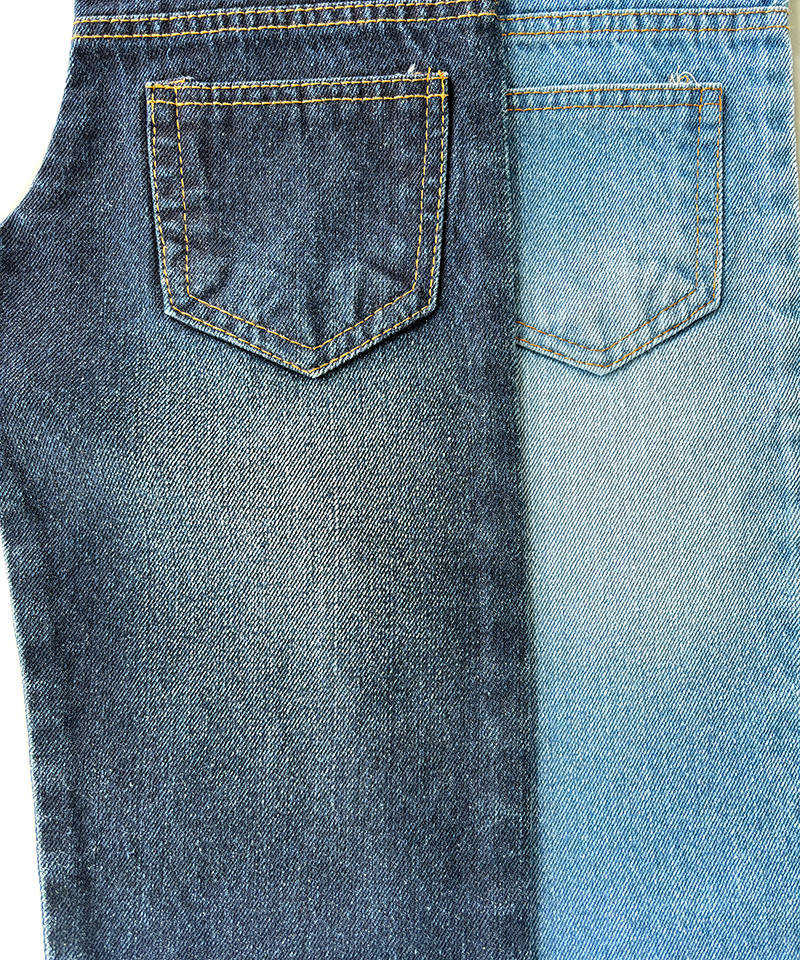
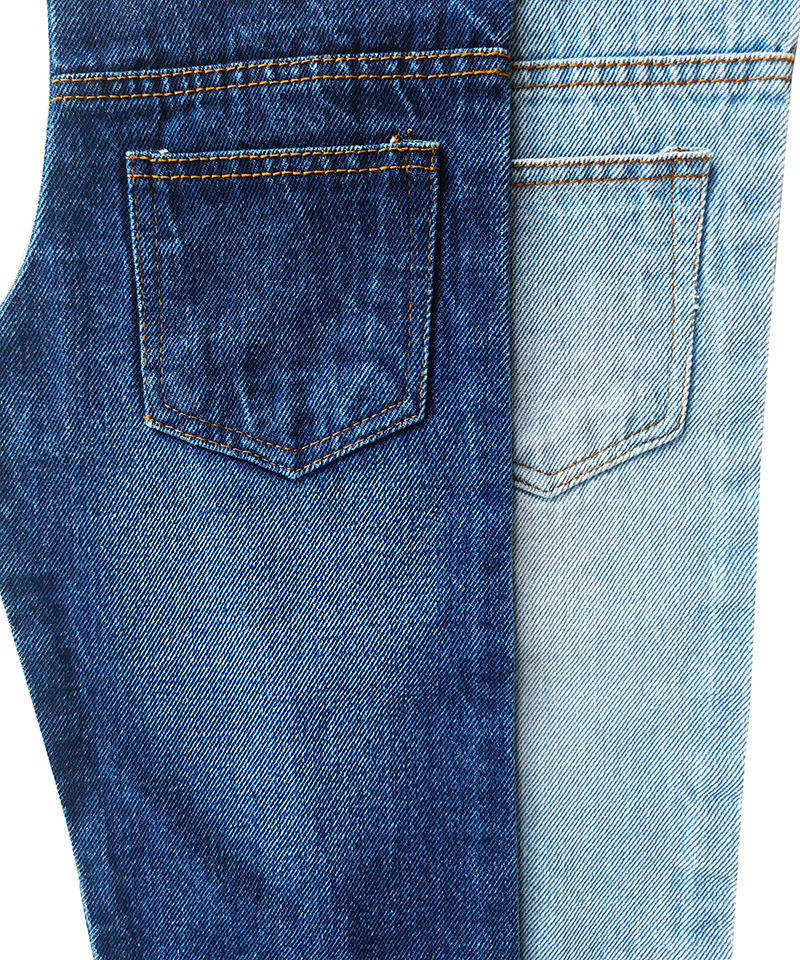
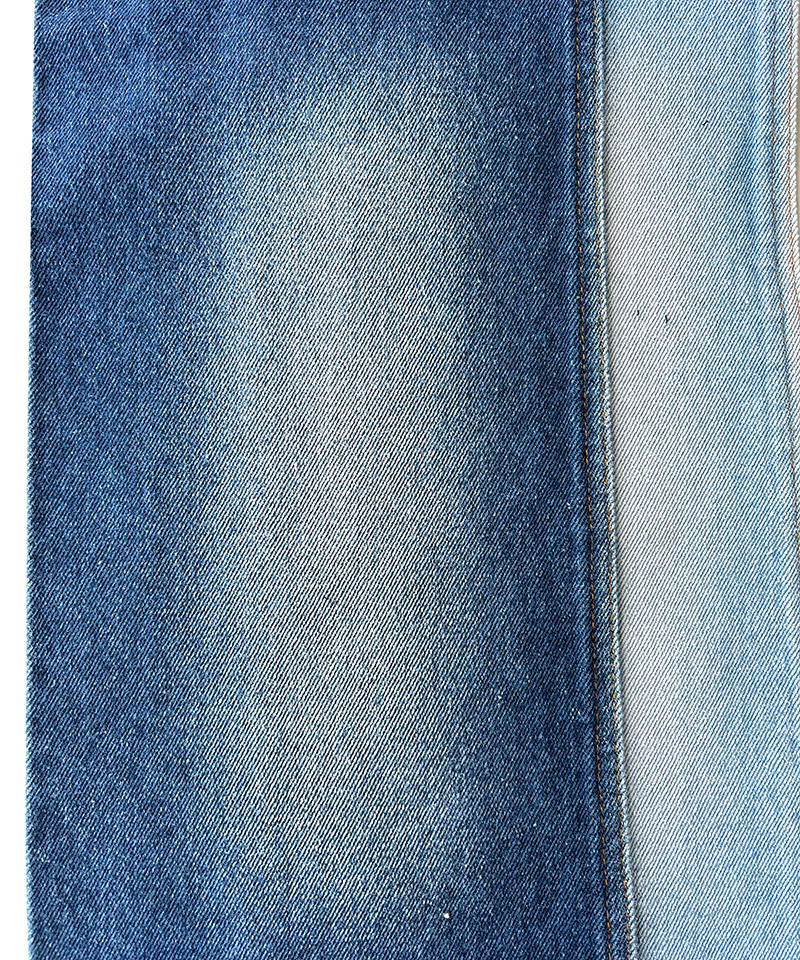
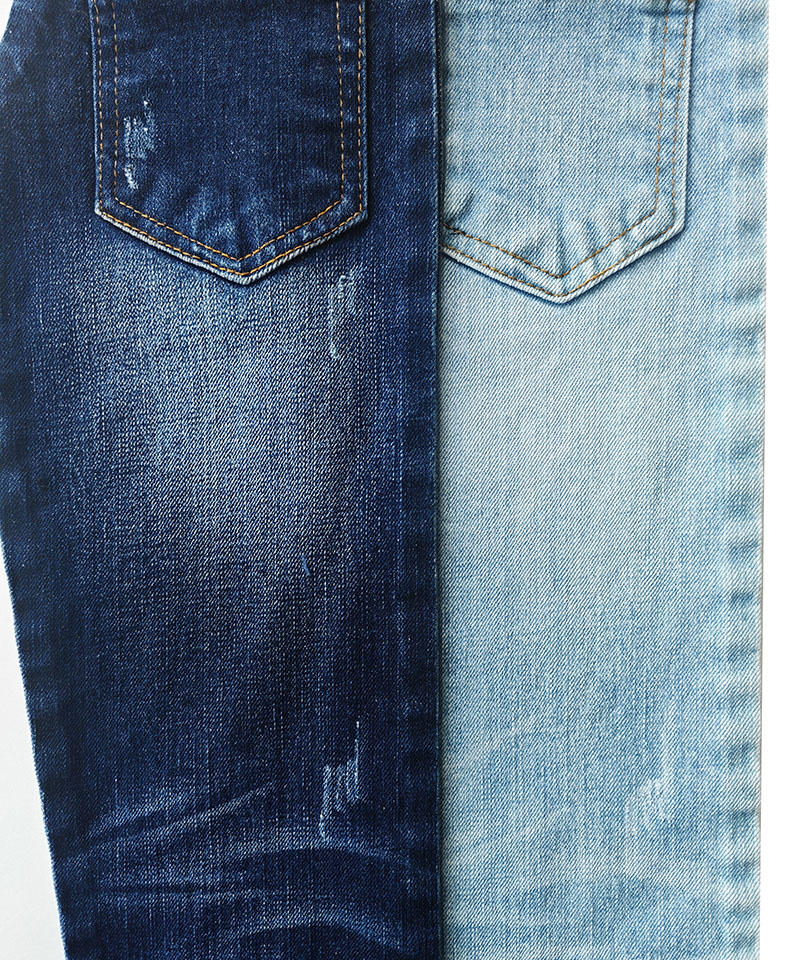
Lyocell denim fabric has moved from a niche sustainable alternative to one of the most actively specified fabric categories in the contemporary denim market. Fashion brands from high-street to luxury, denim manufacturers, and apparel sourcing teams are increasingly including lyocell-content denim in their collections — driven by a combination of genuine performance advantages (softness, drape, moisture management) and the growing market demand for fabrics that carry a credible sustainability story. For fabric buyers evaluating whether lyocell denim is the right specification for a particular product, and what trade-offs to expect compared to a standard cotton or cotton elastane denim, this guide covers the material science, performance comparison, and application guidance in practical terms.
What Is Lyocell?
Lyocell is a cellulosic fiber; like cotton, it is composed primarily of cellulose, and like cotton, it is derived from plant material. Unlike cotton, lyocell is a manufactured fiber: it is produced by dissolving wood pulp (typically from sustainably managed eucalyptus, beech, or spruce plantations) in a solvent, then extruding the dissolved cellulose through spinnerets into a coagulation bath where the fiber forms, and recovering and recycling the solvent in a closed-loop process. The resulting fiber is a pure cellulose fiber with a highly oriented crystal structure — this orientation is what gives lyocell its characteristic high tenacity (strength per unit weight that is substantially higher than cotton) and its smooth, silky surface feel.
The brand name most widely recognized for lyocell fiber is TENCEL™, produced by the Austrian fiber company Lenzing AG. TENCEL™ lyocell has become a standard specification reference in the apparel industry, particularly in sustainability-positioned collections, and many brands specify "TENCEL™ denim" as a shorthand for lyocell denim. However, lyocell fiber is also produced by other manufacturers, and the generic fiber type is "lyocell" — the ISO generic name for this fiber category. For practical sourcing purposes, "lyocell denim," "TENCEL™ denim," and "lyocell/TENCEL denim" refer to the same fabric category.
How Lyocell Denim Is Made
Lyocell fiber can be used in denim in several ways, depending on the performance targets and cost position of the fabric:
Pure lyocell denim (100% lyocell warp and weft). Produces the fullest expression of Lyocell's softness, drape, and moisture management. Less common in standard-weight denim due to the higher fiber cost; more commonly found in lightweight to midweight constructions for premium and luxury denim applications.
Lyocell/cotton blended denim. The most common lyocell denim construction: lyocell fiber blended with cotton in the spinning process to produce a blended yarn used in the warp, the weft, or both. The blend ratio (typically 30–70% lyocell / 70–30% cotton) allows the fabric developer to balance the lyocell's softness and sustainability positioning with cotton's familiar hand feel, dimensional stability, and lower material cost. A 50/50 lyocell-cotton blend gives a fabric with measurably improved softness and drape compared to 100% cotton while retaining good structural integrity and a more accessible cost.
Lyocell/cotton/elastane denim. Adding elastane (spandex/lycra) to a lyocell-cotton blend produces a stretch denim with the comfort-fit properties of stretch denim combined with the softness and moisture performance of lyocell. This construction — typically lyocell 30–50% / cotton 45–65% / elastane 1–3% — is the dominant lyocell denim specification in the contemporary women's denim and stretch jeans category.
Lyocell in the weft only. Some denim constructions use lyocell (or lyocell-cotton blend) only in the weft yarns, with a standard cotton warp. In traditional 3/1 twill denim, the weft appears primarily on the reverse face of the fabric; in a weft-face construction (satin weave), the weft appears primarily on the face. Using lyocell in the weft contributes softness to the back-of-fabric (next-to-skin in many denim applications) and can improve moisture management at the skin contact surface without the cost of blending lyocell throughout the entire fabric construction.
Lyocell vs Cotton Denim: Performance Comparison
Softness and Hand Feel
Lyocell fiber has a smoother surface profile and higher fiber tenacity than cotton — the combination produces a fabric with a noticeably softer, silkier hand feel than equivalent-weight cotton denim. This is one of the most consistently reported characteristics of lyocell denim and one of the primary reasons brands specify it for products positioned as premium or comfort-focused. The softness of lyocell-content denim also requires less or no garment washing and finishing to achieve a soft hand — cotton denim typically requires enzyme washing or stone washing to achieve comparable softness, which adds processing cost and environmental impact to the garment finishing stage.
Drape and Fit
Lyocell's higher tenacity and fiber regularity produce a fabric with better drape than cotton — it falls more fluidly around the body, creating a cleaner silhouette with less stiffness. In woven denim, this means lyocell-content fabrics are more flattering on the body without requiring stretch fiber content, and stretch-lyocell constructions (lyocell/cotton/elastane) achieve a body-contouring fit with significantly less fabric stiffness and less "snap-back" rigidity than cotton/elastane denim of similar stretch level. For skinny and slim-fit denim constructions, the combination of stretch and lyocell softness is a strong specification choice.
Moisture Management
Lyocell absorbs moisture rapidly and wicks it away from the skin surface more effectively than cotton. Standard cotton denim absorbs moisture but holds it at the skin contact surface longer, creating the damp, heavy feeling familiar from wearing cotton denim in warm conditions or during physical activity. Lyocell-content denim absorbs perspiration and moves it toward the fabric surface for faster evaporation, making the garment feel cooler and drier next to the skin. This moisture management advantage is particularly significant for denim products marketed for warmer climates, active use (denim activewear, stretch jeans for travel), or extended wear comfort.
Dimensional Stability and Shrinkage
Lyocell has a known tendency to shrink and undergo dimensional change (particularly length shrinkage) more than cotton when wet, if the fabric is not specifically finished to control this behavior. In the denim weaving and finishing process, lyocell-content fabrics require careful pre-shrinking, compressive shrinkage finishing (sanforizing), and controlled washing conditions to achieve the dimensional stability required for garment manufacturing. This is a technical requirement that a competent denim mill manages in the finishing process — buyers should request specific shrinkage test data (warp and weft shrinkage after standard ISO wash cycles) for any lyocell denim they are evaluating to confirm the fabric meets their garment construction requirements.
Colorfastness and Dyeing
Lyocell dyes with the same indigo vat-dyeing process as cotton and achieves good initial indigo depth. The fading behavior of lyocell denim under washing and wear is somewhat different from cotton: lyocell tends to fade more uniformly and with less contrast between highlight and shadow areas compared to cotton, which can develop more dramatic ring-spun fading patterns. For clean, even-fade aesthetic positioning (popular in contemporary minimalist denim), lyocell's fading behavior is a positive attribute. For selvedge denim and heritage denim applications where dramatic, high-contrast fading is part of the product's appeal, the fading behavior of lyocell differs from what those applications require, and cotton or cotton-slub constructions are more appropriate.
Sustainability Profile
The sustainability positioning of lyocell denim is one of its key commercial differentiators in the current market environment. The closed-loop solvent process used to produce lyocell fiber recovers and reuses over 99% of the solvent, producing negligible solvent emissions compared to the viscose/rayon process. The raw material — wood pulp from certified sustainable forestry — is a renewable resource. Water consumption in lyocell fiber production is significantly lower than in cotton cultivation, which requires substantial irrigation in most producing regions. Life cycle assessments (LCA) consistently show lyocell fiber with a lower environmental impact per kilogram than conventional cotton on water use, chemical input, and land use metrics.
For brands participating in sustainability certification programs (OEKO-TEX, GOTS, Bluesign, or brand-specific sustainability frameworks), lyocell-content denim — particularly TENCEL™-certified constructions — provides a clearly communicable, third-party-verified sustainability claim that resonates with consumers in the current market.
Lyocell Denim vs Cotton Elastane Denim: What Changes When You Add Stretch
Cotton elastane denim (typically 97–98% cotton / 2–3% elastane) is the dominant stretch denim specification globally for its combination of familiar cotton denim aesthetics with the comfort stretch of elastane content. Lyocell/cotton/elastane denim replaces a portion of the cotton content with lyocell while retaining elastane for stretch. The practical differences from a buyer's perspective:
| Property |
Cotton Elastane Denim |
Lyocell/Cotton/Elastane Denim |
| Hand feel |
Characteristic cotton denim hand — can feel stiff until broken in or washed |
Noticeably softer and silkier from the first wear, less break-in required |
| Stretch and recovery |
Good stretch and recovery, dependent on elastane content and yarn construction |
Good stretch and recovery; lyocell's fiber properties contribute slightly different stretch character — typically perceived as smoother stretch with less rigidity |
| Weight range |
Available across the full weight range, 6–14 oz |
Most commonly specified in the light-to-mid weight range, 6–10 oz, where lyocell's drape properties are most advantageous |
| Moisture management |
Standard cotton moisture absorption |
Improved wicking and faster drying compared to cotton elastane equivalent |
| Sustainability claim |
Cotton (organic cotton if certified) + elastane |
Lyocell component adds certified sustainable fiber claim; TENCEL™ certification available |
| Fabric cost |
Standard stretch denim cost position |
Premium over cotton elastane, reflecting higher lyocell fiber cost; premium varies with lyocell percentage |
| Garment finishing |
Requires washing/enzyme treatment for soft hands |
Soft hand achieved with less garment processing; can reduce finishing stages and cost |
| Best applications |
Full range of stretch denim applications — jeans, jackets, skirts, shorts |
Premium and contemporary stretch jeans, women's denim, slim/skinny constructions, comfort-positioned denim, sustainable fashion collections |
Frequently Asked Questions
Is TENCEL™ denim the same as Lyocell denim?
TENCEL™ is a brand name for lyocell fiber (and modal fiber) produced by Lenzing AG. TENCEL™ lyocell fiber is the same generic fiber type as other lyocell fibers — the difference is that TENCEL™ carries Lenzing's brand certification, which includes specific environmental and traceability claims verified by Lenzing. Fabrics made with TENCEL™ fiber can carry the TENCEL™ brand label under license from Lenzing, which gives brands a recognizable, consumer-facing sustainability claim with brand equity behind it. Fabrics made with generic lyocell fiber from other producers are the same fiber type but do not carry the TENCEL™ brand. For buyers for whom a specific certified brand claim is part of their product's marketing, TENCEL™-certified construction is the appropriate specification. For buyers for whom Lyocell's performance properties are the primary driver and the generic fiber type is sufficient, non-branded Lyocell offers the same performance at a lower cost position.
Does Lyocell denim require special care instructions for the end consumer?
Lyocell-content denim garments should be labeled for cool-to-warm machine wash (30–40°C) and tumble dry low or line dry. Lyocell is sensitive to agitation when wet — high-temperature washing and high-heat tumble drying can cause fiber fibrillation (a surface fuzzing effect where the fiber surface develops a micro-fibrillar texture) and dimensional shrinkage in fabrics that have not been specifically finished to prevent this. Properly pre-shrunk and finished lyocell denim fabric at the mill stage significantly reduces the risk of consumer care problems, but the garment manufacturer should confirm that the fabric's finishing treatment addresses fibrillation risk and that the final garment wash or finishing process is compatible with lyocell content. This is a standard technical consideration managed at the denim mill and garment finishing stages — it is not a reason to avoid lyocell denim, but it does require attention in the product development process.
What minimum order quantities are typical for lyocell denim fabric?
Lyocell denim fabric MOQs at the mill level are typically in the range of 500–1,000 meters for standard stock constructions and 1,000–3,000 meters for custom constructions (specific blend ratios, weights, or finishes developed to a brand's specification). These MOQs are comparable to or only slightly higher than cotton denim MOQs for the same construction type. Brands developing exclusive lyocell-content constructions for a collection should plan the development timeline to allow for fabric sampling (bulk sample → pre-production sample → bulk production approval) plus the additional lead time for lyocell fiber procurement, which is typically on a longer lead time than standard cotton.
Lyocell and Special Fiber Denim from Changzhou Xinbaili Textile
Changzhou Xinbaili Textile Co., Ltd., Changzhou, Jiangsu, manufactures lyocell denim fabric and special fiber denim fabric in a range of constructions, including lyocell/cotton, lyocell/cotton/elastane, and other special fiber blends, in light, middle, and heavy weights, in both stretch and non-stretch configurations. Standard constructions available in indigo and black colorways; custom constructions, blend ratios, and special finishing treatments developed to customer specification. Suitable for premium denim, contemporary women's fashion denim, sustainable fashion collections, and brands seeking TENCEL™-certified constructions. Full range of complementary denim constructions available, including pure cotton, cotton elastane, satin, jacquard, and functional denim.
Contact us with your target weight, blend composition, stretch requirements, and colorway to receive fabric specifications and samples.
Related Products: Lyocell & Special Fiber Denim Fabric | Cotton Elastane Denim Fabric | Pure Cotton Denim Fabric | Functional Denim Fabric | Cotton Polyester Elastane Denim Fabric


 English
 Español