When a workwear brand asks a mill for 40,000 meters of indigo denim that survives 50 industrial washes, pure cotton usually fails the abrasion test and full synthetics fail the breathability check. The practical answer is
cotton polyester denim fabric: a woven twill that keeps the cotton face and the indigo character while polyester carries the mechanical load. This guide covers the blend ratios, spec sheet numbers, and sourcing questions that determine whether that fabric performs on a production line or turns into a costly recall.
What Is Cotton Polyester Denim Fabric and Why Does the Blend Matter?
Cotton polyester denim fabric is a woven twill in which polyester replaces 20 to 35 percent of the cotton content, adding abrasion resistance and dimensional stability while keeping a natural cotton hand feel. The blend is the backbone of workwear, uniform, and budget fashion programs because it solves a simple problem: pure cotton wears out too fast, and pure polyester does not look, fade, or breathe like denim.
Definition
Cotton polyester denim fabric: a denim construction in which polyester staple fiber is blended with cotton at ratios such as 65/35 or 70/30, woven into twill or satin structures that dye like cotton, wear like a technical textile, and shrink less during finishing and home laundering.
Most Chinese denim mills, including Changzhou Xinbaili Textile Co., Ltd., organize these products under cotton-polyester-elastane categories, with polyester typically at 25 to 35 percent and elastane added in the weft when stretch is specified. The blend changes four behaviors that matter to buyers: tear strength, shrinkage, wrinkle recovery, and unit cost.
- Stronger tear strength, especially in the filling direction, which directly reduces seam failure in high-stress garments.
- Lower shrinkage: 65/35 blends typically move 1 to 2 percent after three home washes, versus 3 to 5 percent for pure cotton.
- Faster drying, because polyester has lower moisture regain than cotton.
- Consistent finished width and straighter leg twist after repeated laundering.
- Lower raw material cost per meter, which matters when hitting a retail price point.
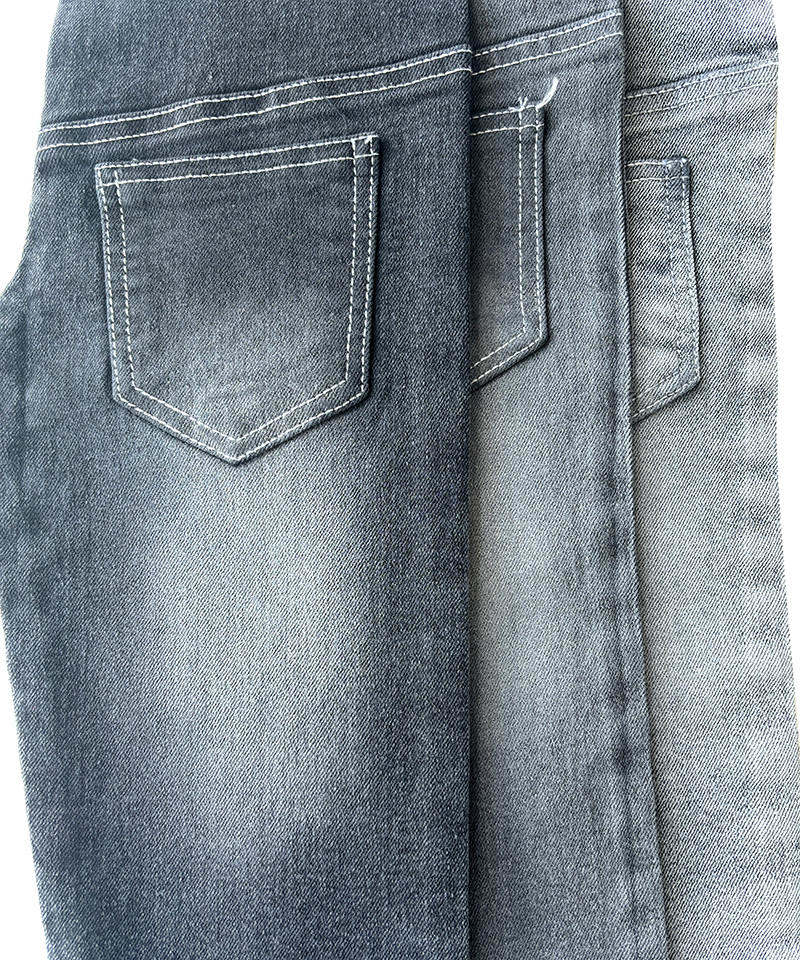
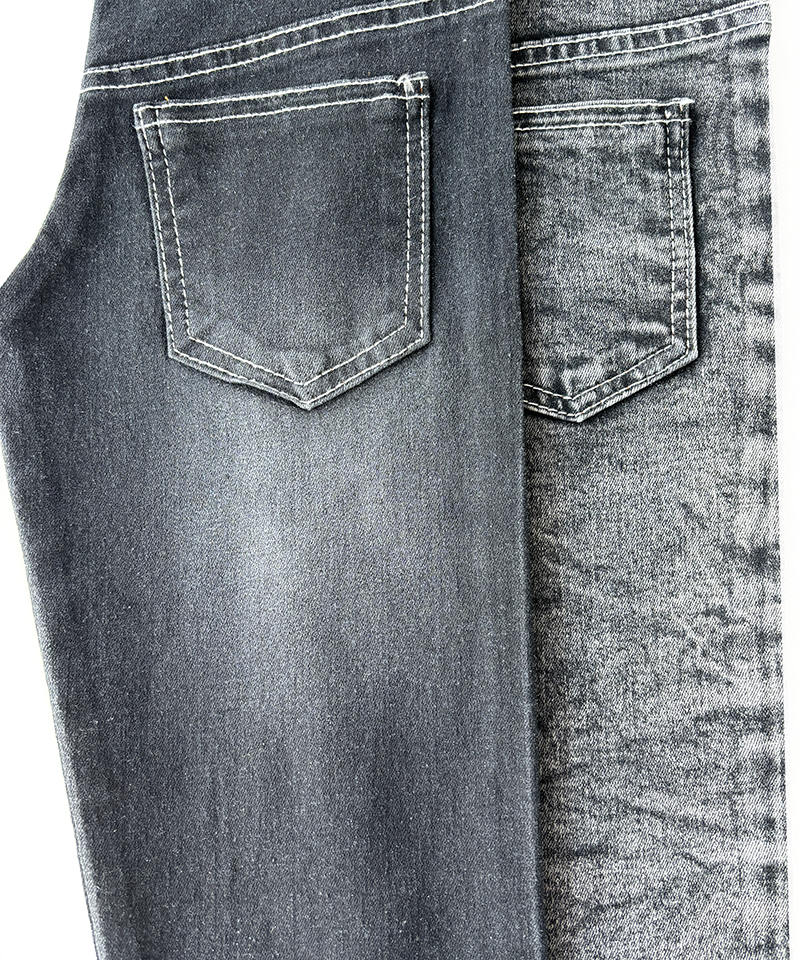
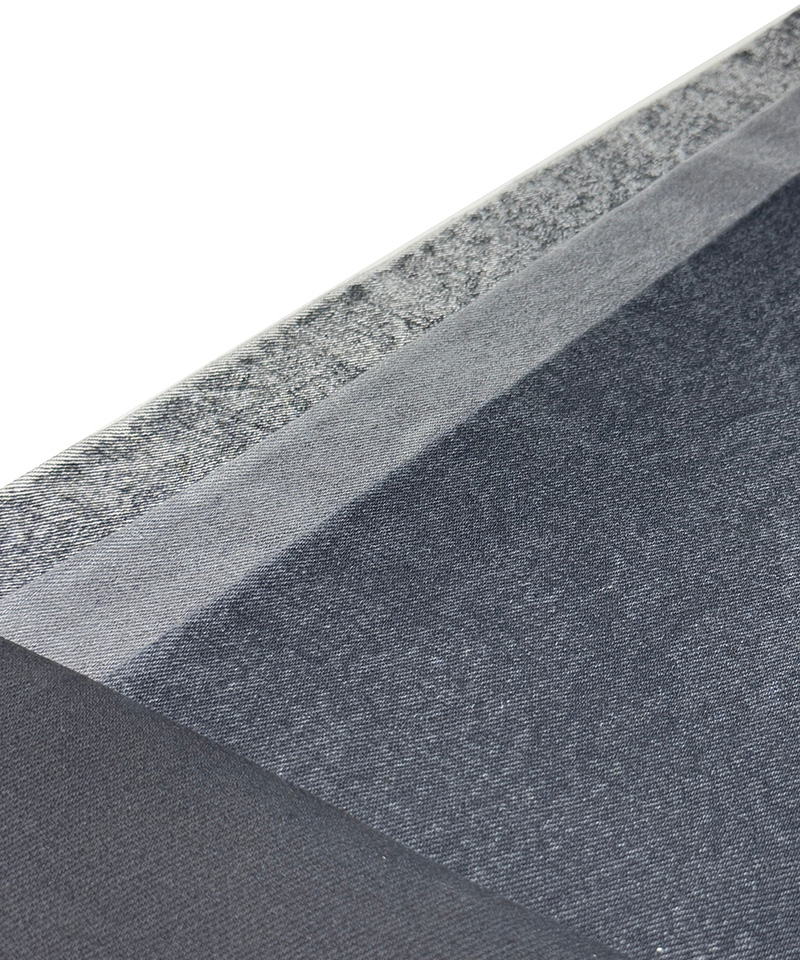
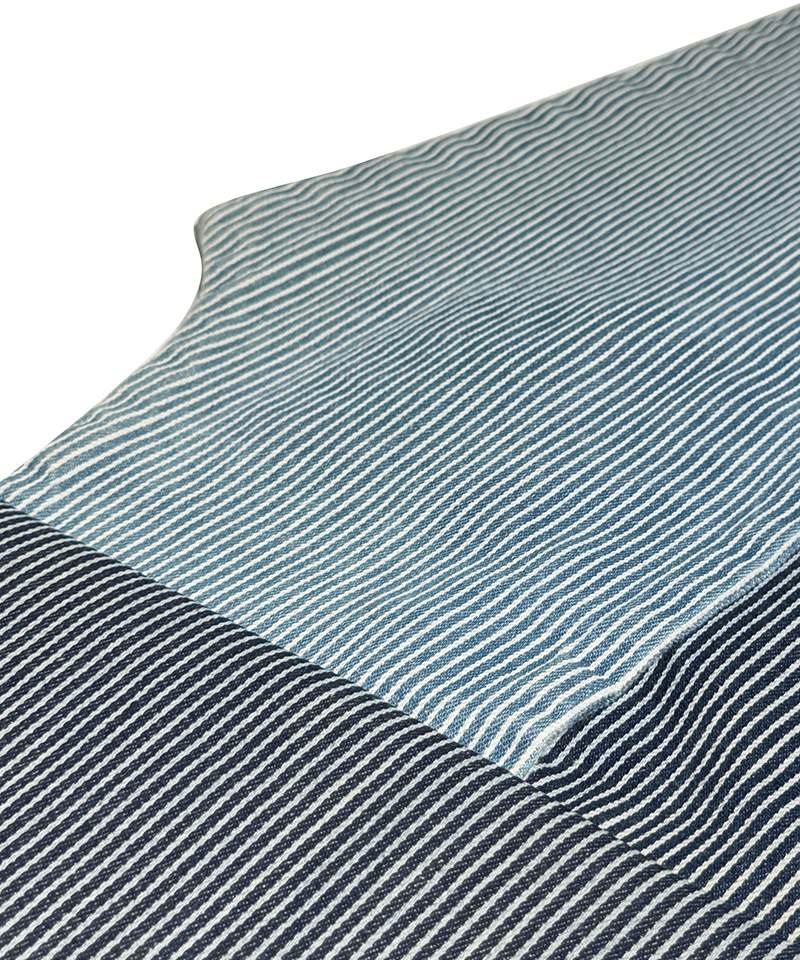
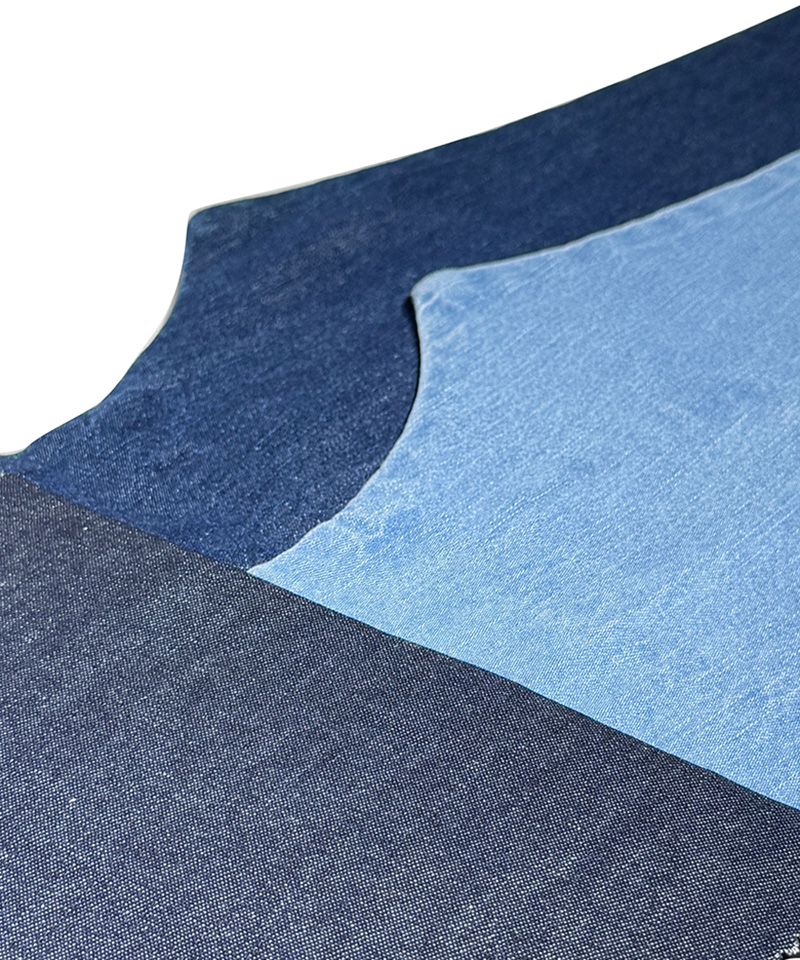
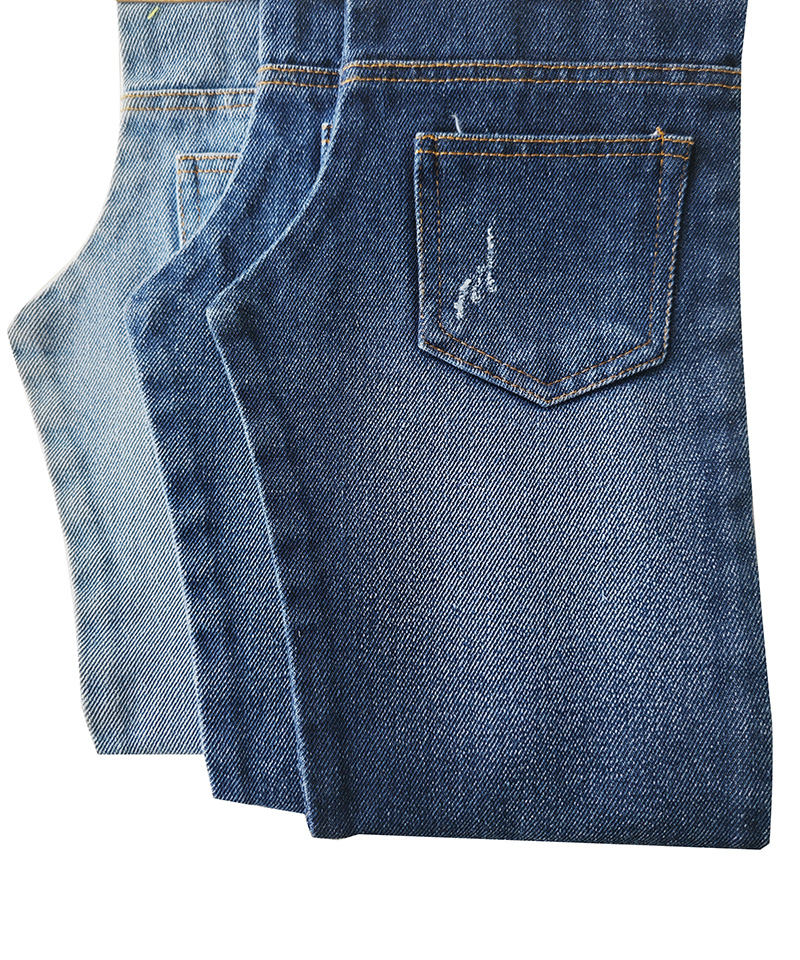
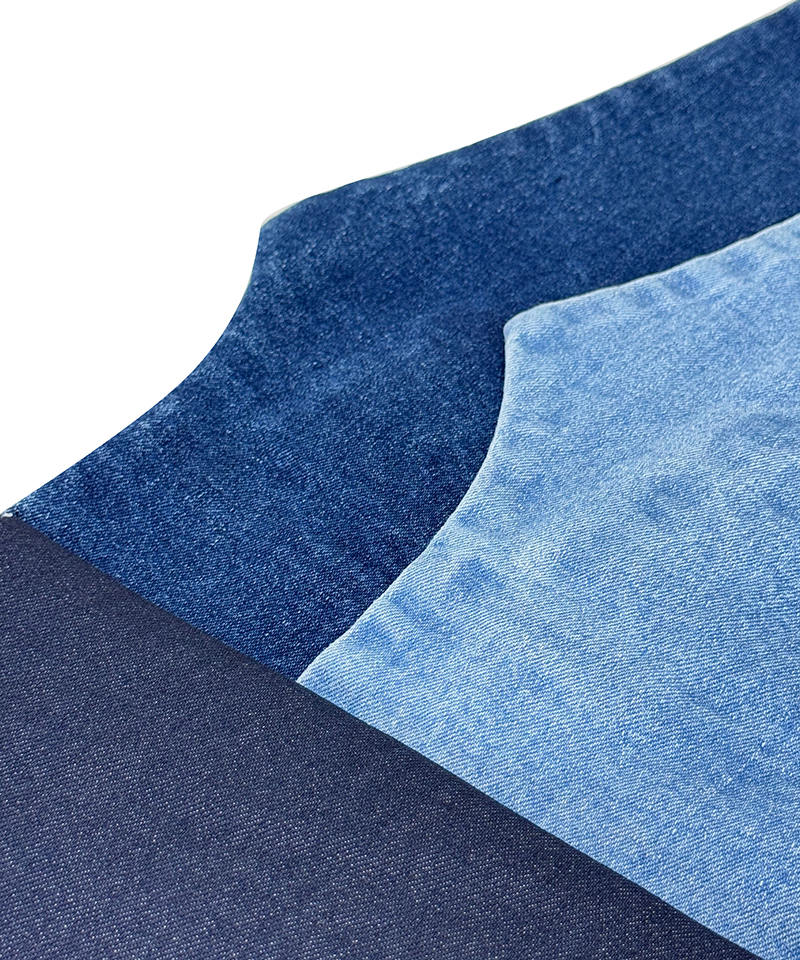 Stretch Indigo 3/1 Twill Denim with Polyester BlendThis 12 oz preshrunk stretch denim blends cotton, polyester, and spandex for improved durability and recovery. Positioned amid a discussion of blend effects, it demonstrates how polyester content alters tear strength, shrinkage, wrinkle resistance, and cost.View Product →
A 65/35 cotton-polyester ratio is the industry default because it keeps enough cotton for indigo dyeability while polyester roughly doubles the abrasion budget of the same 12 oz fabric.
Cotton vs Cotton Polyester: What the Blend Ratio Actually Changes
Six measurable properties move when polyester enters a denim yarn: abrasion resistance, shrinkage, wrinkle recovery, breathability, softness, and unit cost.
Tension between durability and comfort is visible even at the same weight and weave. The table below compares 12 oz 3/1 twill in pure cotton and in a 65/35 cotton-polyester blend, using typical mill test ranges.
Typical mill comparison of 100% cotton and 65/35 cotton-polyester denim at 12 oz weight
| Property |
100% cotton |
65/35 cotton-polyester |
| Martindale abrasion |
25,000 cycles |
51,000 cycles |
| Shrinkage after 3 washes |
3-5 percent |
1-2 percent |
| Wrinkle recovery angle |
110-120 degrees |
145-155 degrees |
| Breathability |
High |
Moderate |
| Hand feel |
Soft, natural |
Firmer, snappier |
| Unit cost |
Higher |
Lower |
Performance index, 0 to 100, 12 oz denim
100% cotton 65/35 cotton-polyester
Abrasion resistance
45 / 92
Shrinkage resistance
50 / 90
A 12 oz 3/1 twill in 65/35 cotton-polyester reached 52,000 Martindale cycles in a typical mill abrasion test, against 26,000 cycles for the same construction in pure cotton. This two-to-one durability gap drives most workwear specifications.
The trade-offs are real: the blend breathes less and feels firmer than pure cotton. For garments worn close to the skin, mills compensate with lighter weights, fake-knit dobbies, or lyocell in the filling. The right ratio depends on the end use, not on a single number.
Weave, Weight, and Stretch: Key Specs for Cotton Polyester Denim
Cotton polyester denim fabric is specified by three numbers: weight in ounces, weave structure, and stretch percentage, and each one determines a different garment outcome.
4.5 oz Lightest stock
13.7 oz Heaviest stock
3 Weave families
6% Max elastane
Weight Ranges and What They Suit
Weight is the first filter in a denim spec. Lightweight poly-cotton denim between 4.5 and 8 oz suits shirts, summer dresses, and fake-knit styles where drape matters more than structure. Midweight fabric from 8 to 12 oz covers jeans, skirts, and light workwear. Heavyweight denim above 12 oz delivers structured silhouettes and the abrasion margin that professional uniforms demand.
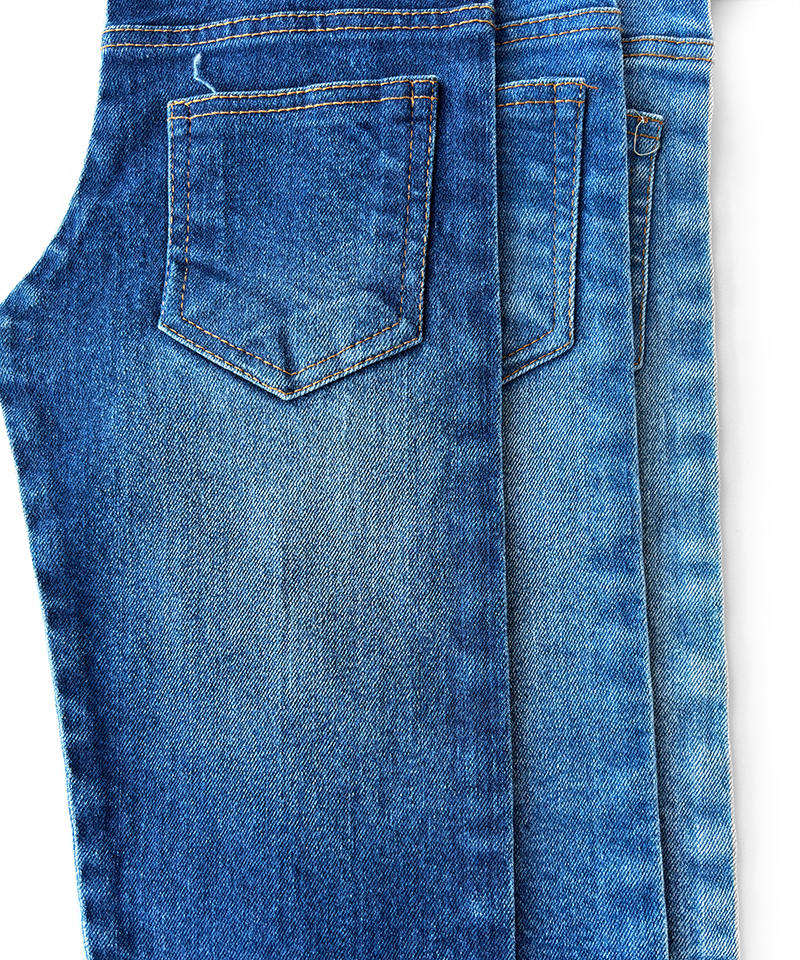
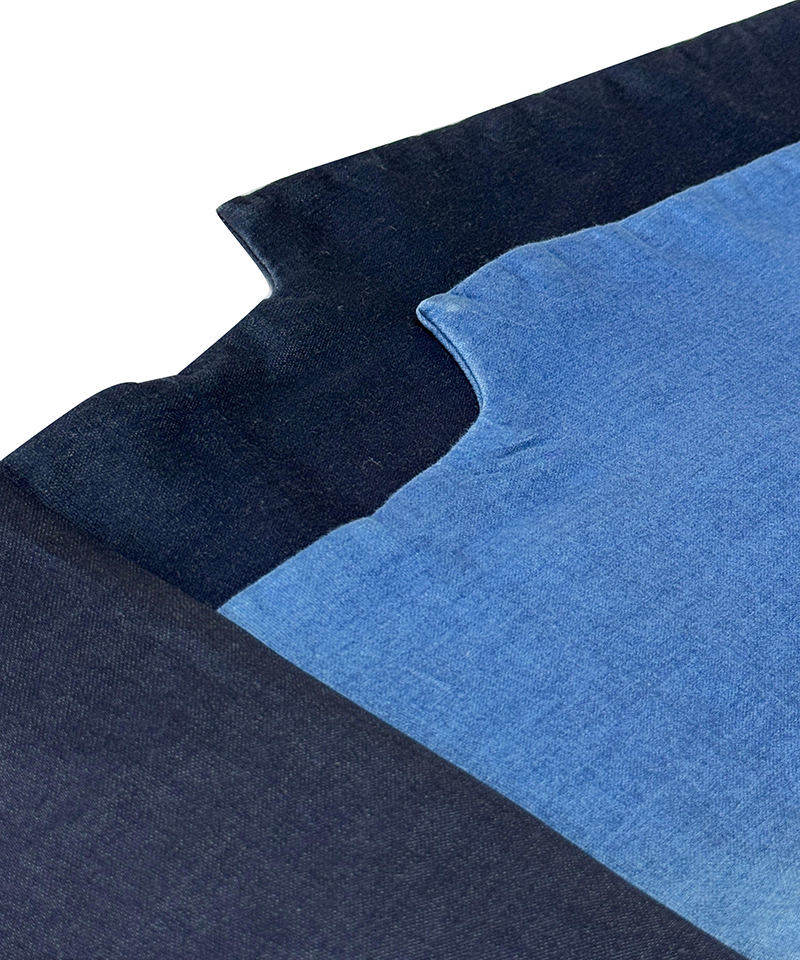 Lightweight High-Stretch Indigo Twill Denim FabricA 6.3 oz stretch denim with cotton, polyester, rayon, and spandex, finished for softness. Shown after a weight-based overview of poly-cotton denim, it fits the lightweight category suited for shirts and dresses where drape prevails.View Product →
Weave Structures and Surface Behavior
Weave determines surface texture and how the fabric reacts to washing. A 2/1 twill has a shorter float, a softer drape, and appears mostly at lower weights. A 3/1 twill gives the classic diagonal face with the best balance of durability and hand feel, and it dominates cotton-polyester lines. A 4/1 satin creates a smoother, glossier surface that reads more premium and suits dresses and fashion panels.
Stretch Levels and Recovery
Stretch comes from elastane in the weft. The industry uses four bands: non-stretch, stretch with 2 to 3 percent elastane, high-stretch with 4 to 5 percent, and super-stretch at 6 percent. In cotton polyester denim, high-stretch versions need enough polyester to prevent knee bagging, which makes the blend popular for slim-fit programs that would otherwise lose shape by midday.
A 3/1 twill with 4 percent elastane is the most ordered cotton polyester denim construction in mid-price fashion programs; it bridges rigid denim heritage and the recovery required by contemporary slim fits.
Where Cotton Polyester Denim Works Best in Production
Cotton polyester denim fabric fits short-run workwear, school uniforms, budget-conscious fashion, and athleisure-inspired styles, where the buyer needs dependable strength for a controlled cost.
The blend is not a premium product, and it does not try to be. Its value appears in programs where garments face frequent washing, rough use, or price pressure. That is why it shows up in vocational uniforms, fast-fashion chinos, children's clothing, and fashion denim finished with a technical texture such as fake-knit.
Durability-driven programs
- Workwear and uniforms rated for 50 or more industrial wash cycles
- Children's denim that stays soft on skin but survives playground abrasion
- Hospitality and service uniforms that need low shrinkage and easy care
Comfort-driven programs
- Athleisure denim using fake-knit structures with stretch
- Summer fashion in 6 oz weights with cold-feeling finishing
- Slim-fit jeans with super-stretch and polyester-controlled recovery
Functional finishing extends the range further. Bonded poly-cotton denim becomes a shell fabric for jackets, brushed versions add warmth for winter, and cold-feeling treatments push the same base fabric into summer tops.
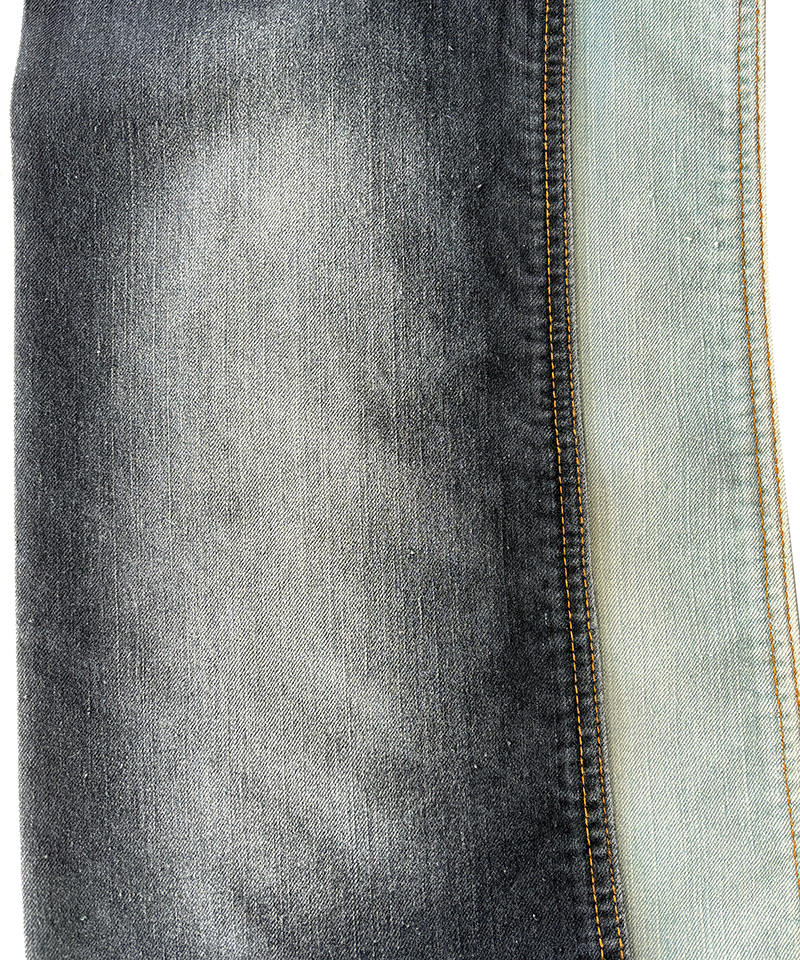
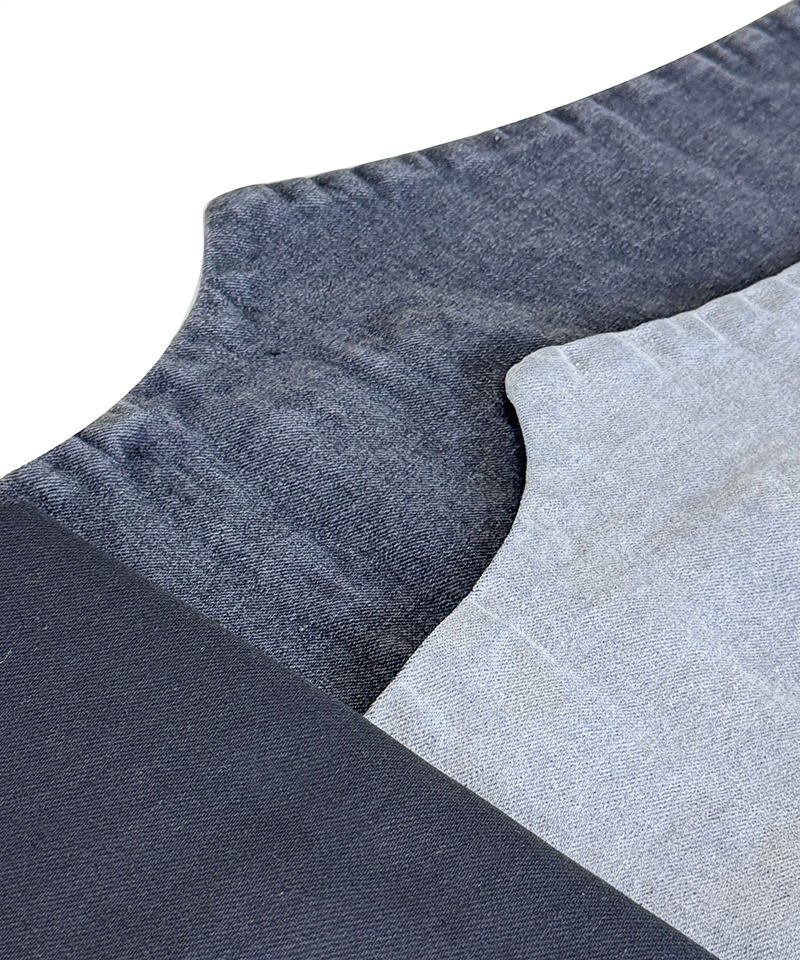 Heavyweight Black 3/1 Twill Stretch DenimA 12.8 oz preshrunk stretch denim with polyester and spandex, offering a structured black fabric. Following a discussion of functional finishes and sourcing questions, this heavyweight twill suits jackets and durable apparel requiring abrasion margin.View Product →
The same cotton polyester blend that survives 50 washes in a uniform program also appears in a 6 oz sheer summer jean; the manufacturer's skill lies in tuning weight, weave, and finishing.
Sourcing Cotton Polyester Denim Fabric: Questions That Prevent Costly Errors
Apparel brands that source cotton polyester denim fabric successfully ask five questions before sampling, and they put the answers in writing.
- What is the exact cotton-to-polyester ratio, and what tolerance does the mill guarantee?
- What shrinkage value is promised after three home washes?
- What elastane percentage is in the weft, and what is the recovery rate?
- What is the finished width, and what is the per-roll variation?
- Which finishing route is the fabric designed for: dyeing before weaving, garment dyeing, or wash-down?
Buyers who skip these questions discover mid-production that 10,000 meters of poly-cotton denim shrinks differently from the approved sample, or that stretch recovery fails after finishing. Both problems produce fit returns and chargebacks.
An order placed without a written shrinkage and recovery specification carries the highest reject risk of any denim program, because the same greige fabric can behave differently depending on dyeing and finishing variables.
For a deeper look at long-term wear behavior, read how durable cotton poly elastane denim is before locking the spec.
Cotton Polyester Denim Fabric FAQ
Is cotton polyester denim fabric more durable than 100 percent cotton?
Yes. At the same weight and weave, a 65/35 cotton-polyester construction roughly doubles Martindale abrasion cycles compared with pure cotton, and tear strength improves especially in the filling direction.
Does cotton polyester denim fabric shrink less than pure cotton?
It shrinks visibly less. Expect 1 to 2 percent shrinkage after three washes for a 65/35 blend, against 3 to 5 percent for pure cotton. That makes the blend preferable for tailored fits and uniforms where dimensional stability matters.
Can cotton polyester denim be dyed with indigo and washed like normal denim?
Yes. Indigo dyes the cotton component, and the polyester stays mostly undyed in the yarn core, creating a different fade contrast over time. Stone and enzyme washes work, but wash formulas need adjustment for the polyester content.
Is cotton polyester denim comfortable in warm weather?
It is less breathable than pure cotton, but lightweight versions between 4.5 and 8 oz, fake-knit structures, and cold-feeling finishing make it suitable for summer garments. Choose the spec by use season, not by blend name.
Quick read
Specify the ratio, the shrinkage guarantee, and the elastane percentage in writing, and cotton polyester denim will deliver uniform-level durability at a fashion-friendly cost.


 English
 Español