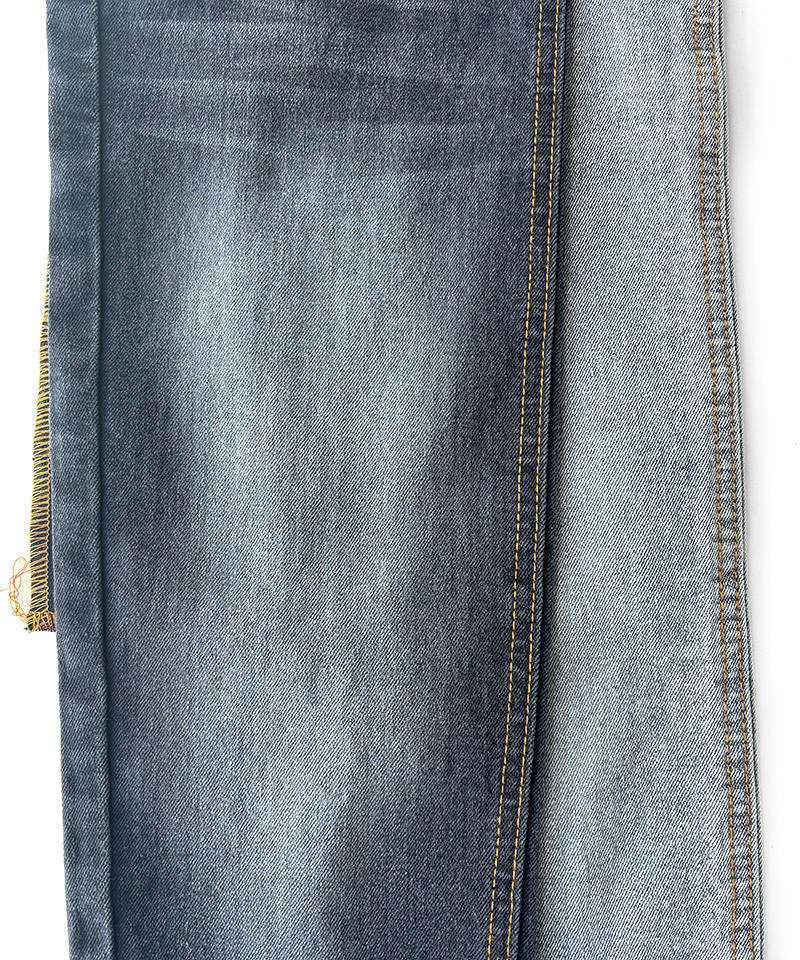
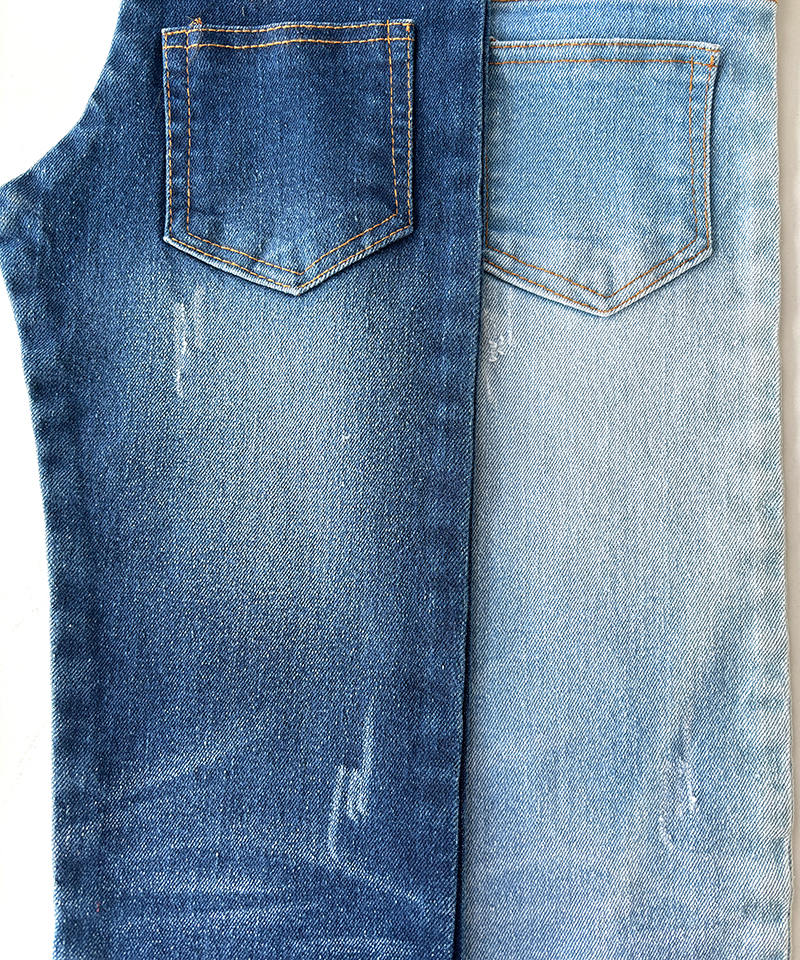
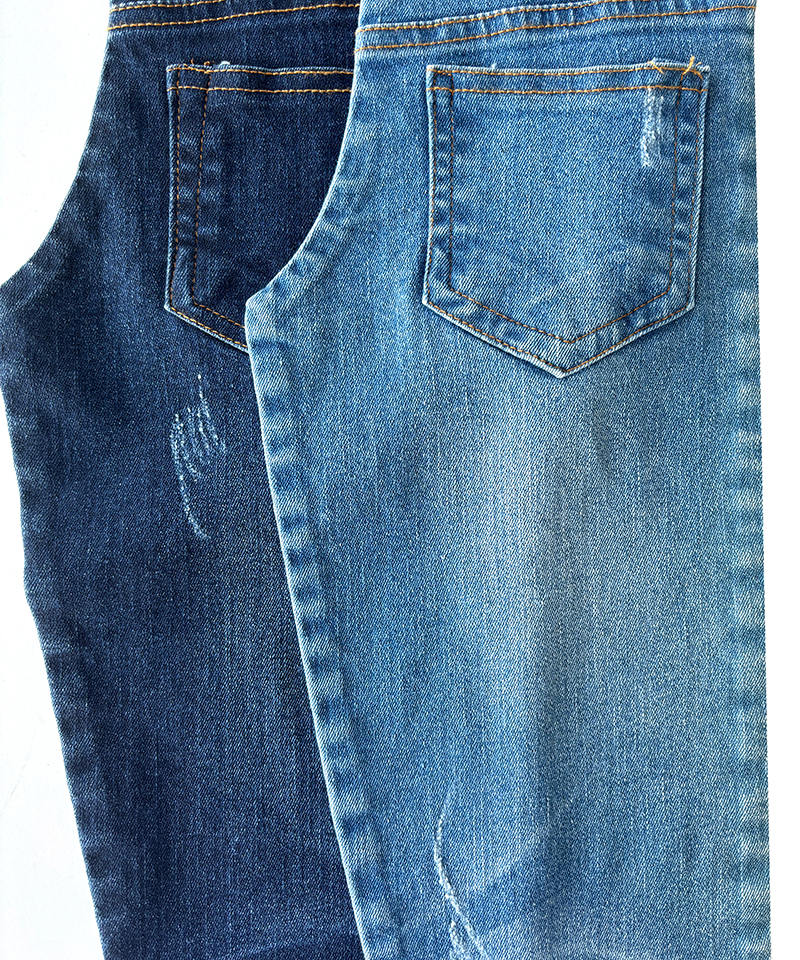
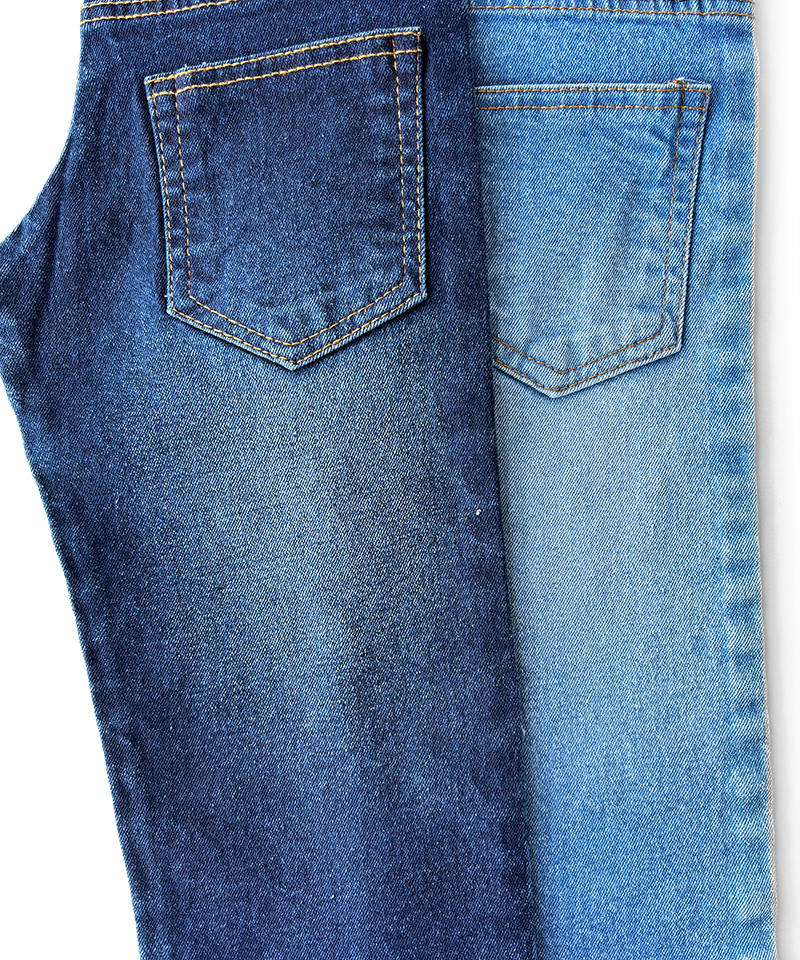
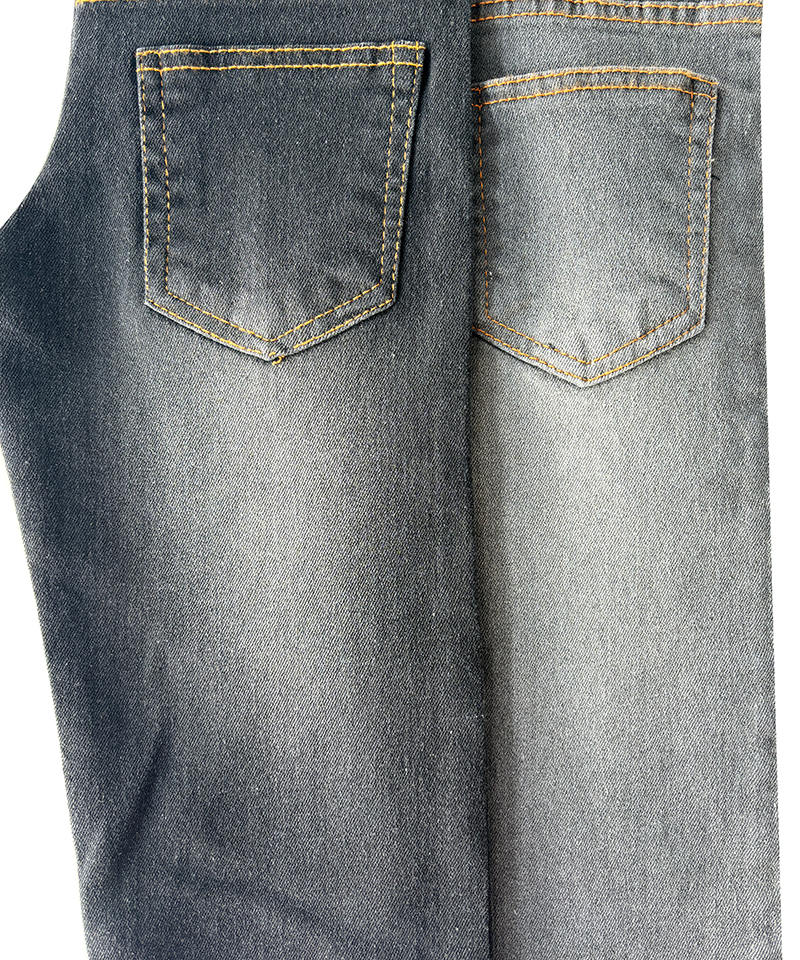
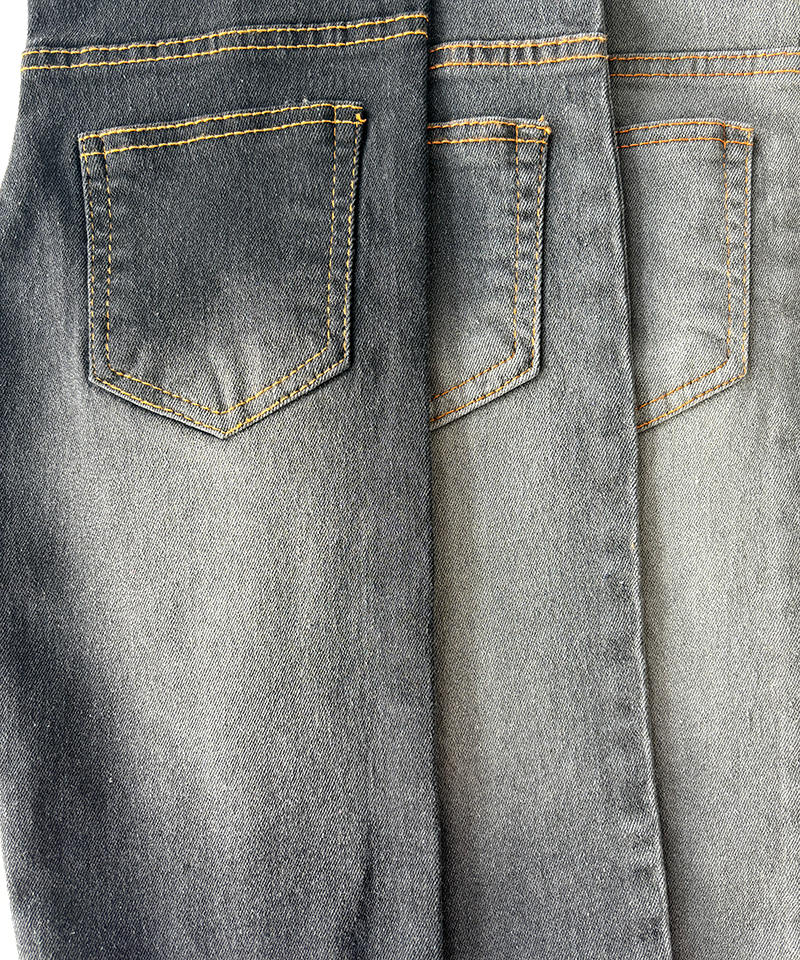
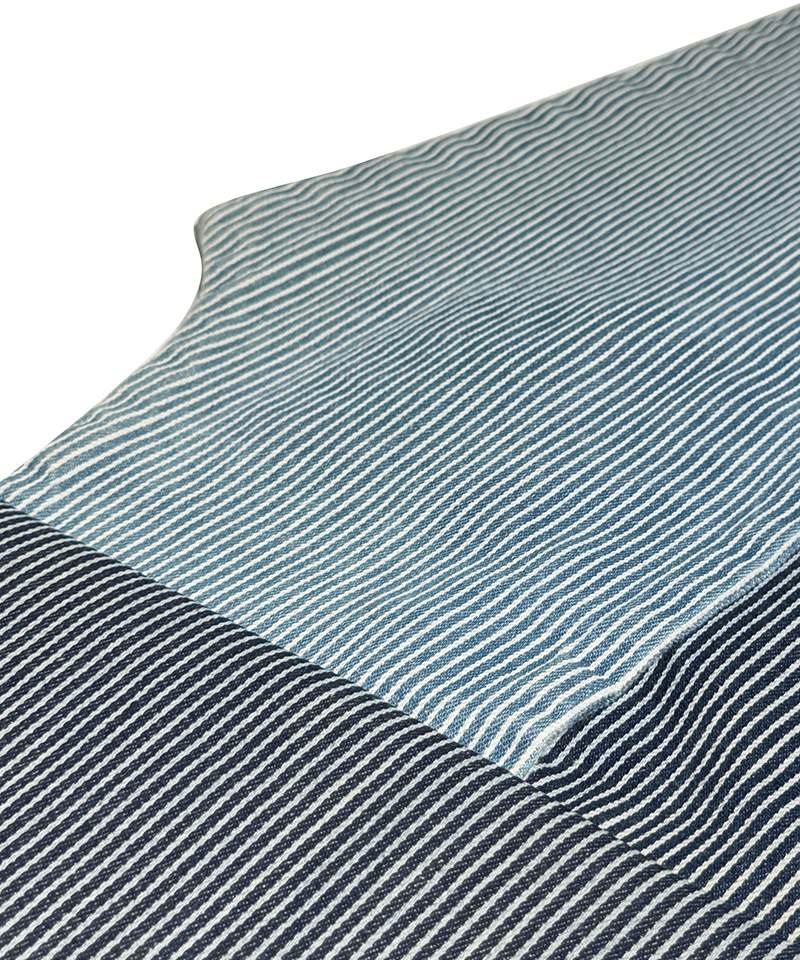
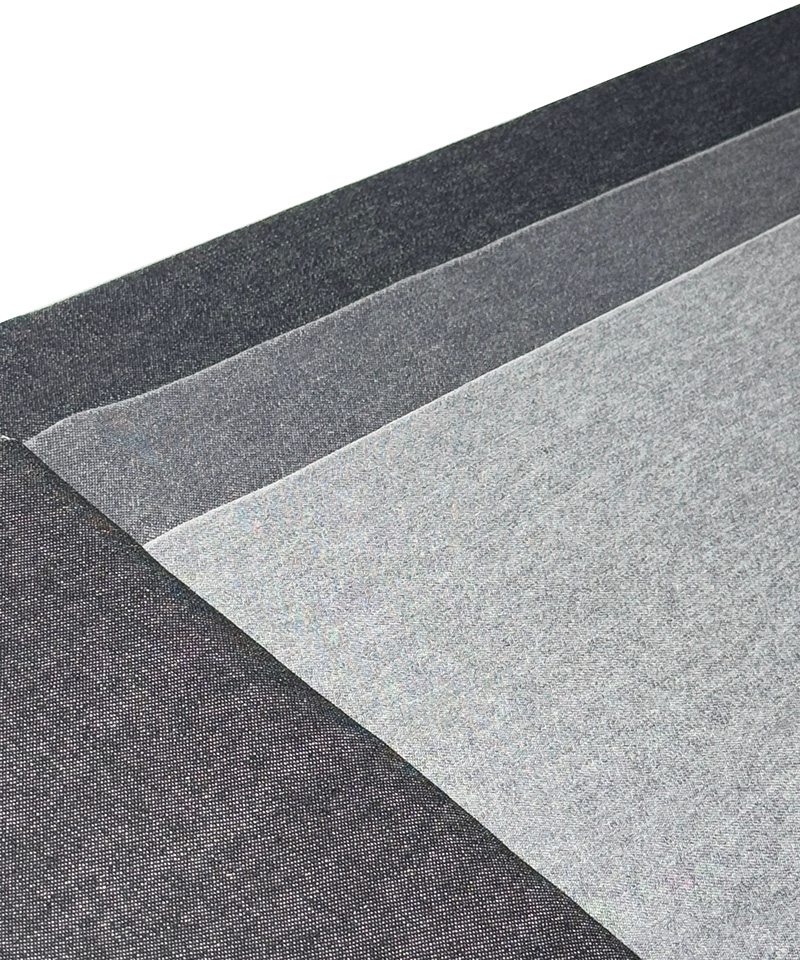
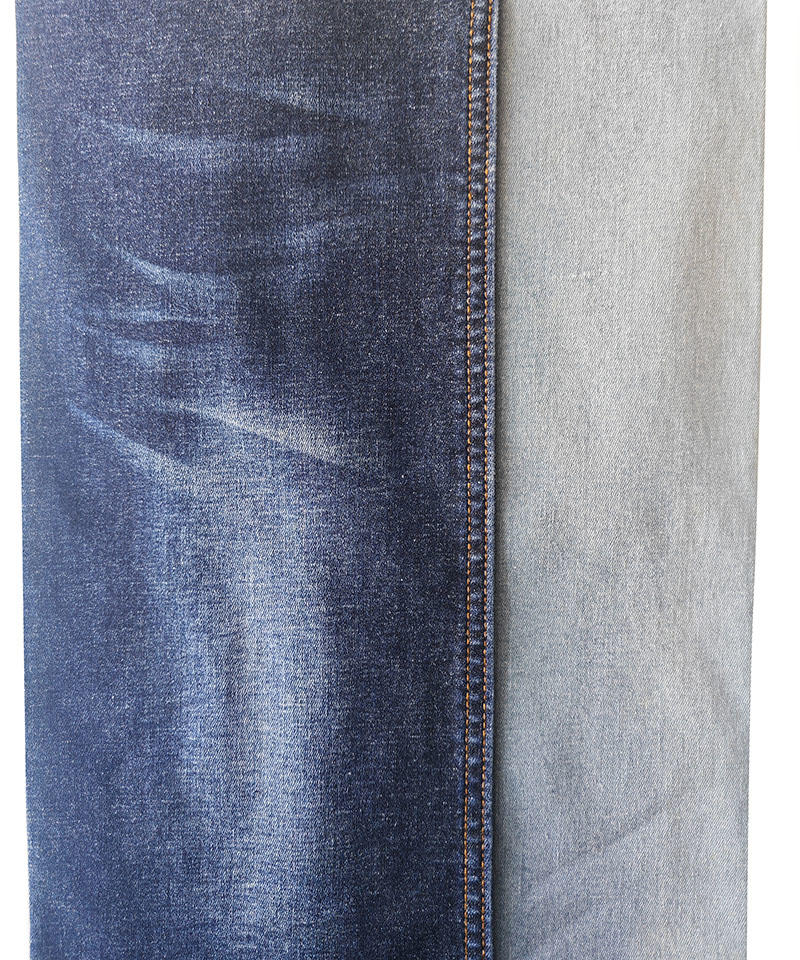
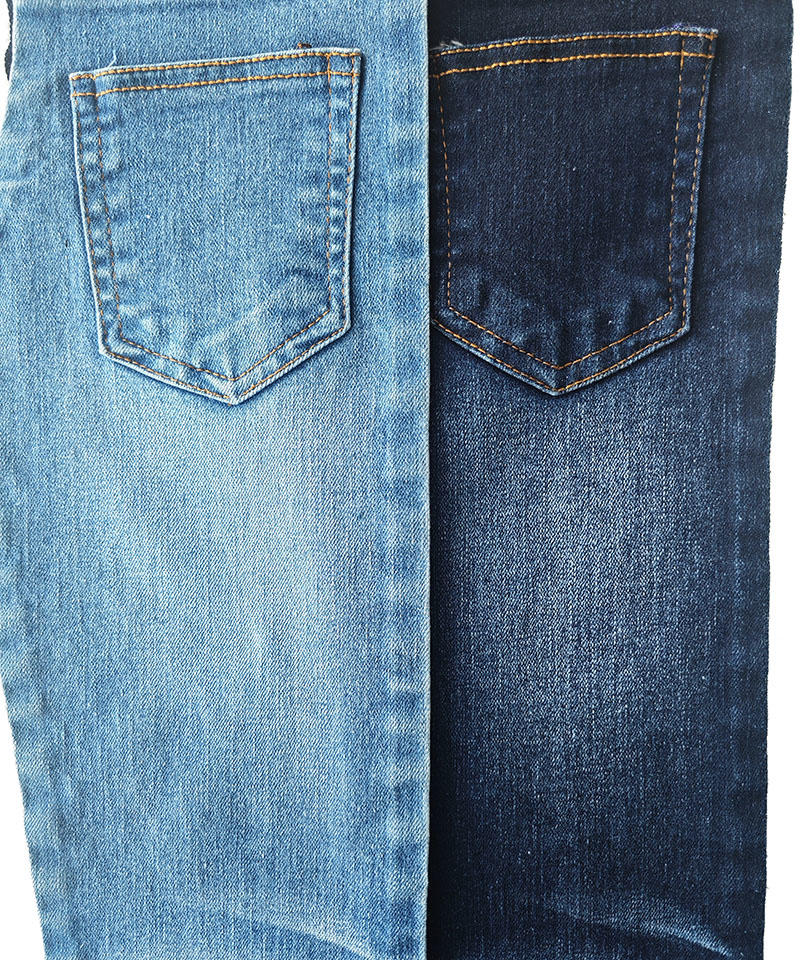
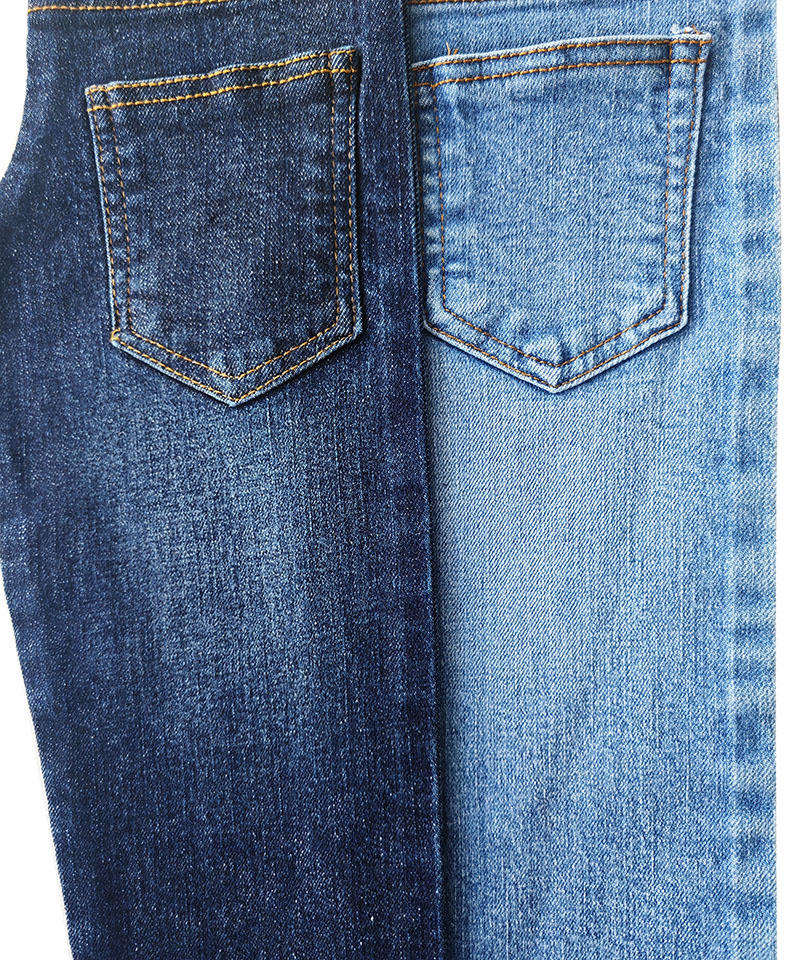
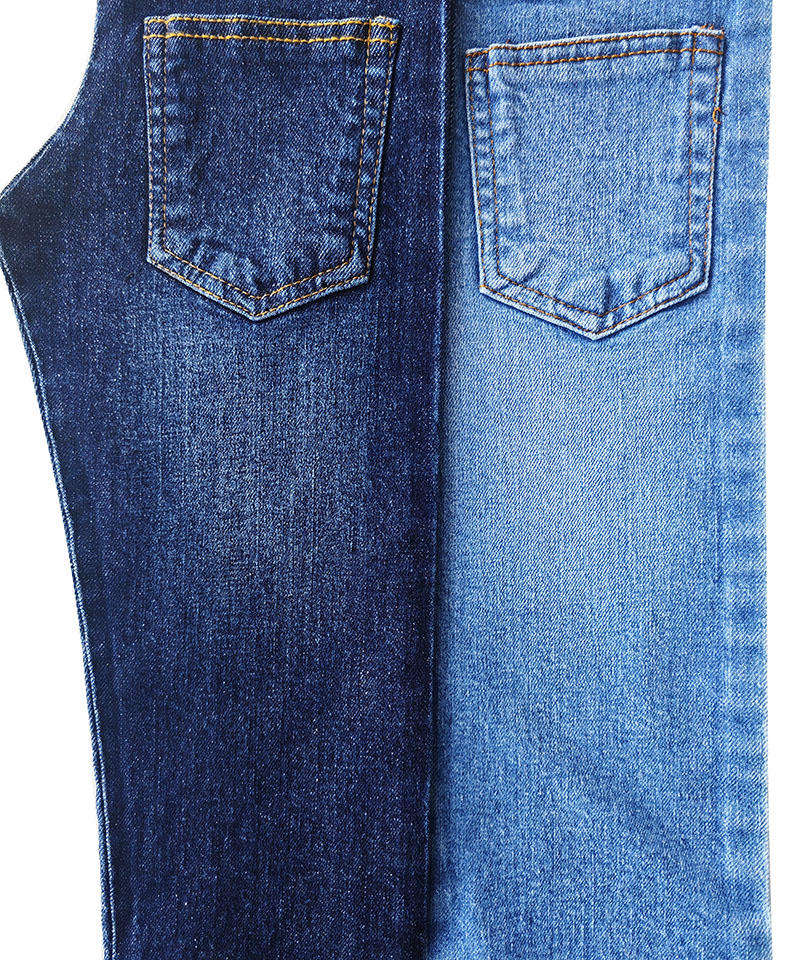
An import buyer for a denim brand received a sample request this season: 10 oz cotton stretch denim fabric, indigo 3/1 twill, 20% elongation, 90% recovery. The mill responded within 48 hours with three candidate constructions and a warning that finishing would shift the stretch numbers. That exchange captures what cotton stretch denim fabric actually involves - a set of measurable specifications that interact with yarn, weave, and finishing, not a single uniform product.
The term cotton stretch denim fabric covers a family of woven constructions in which cotton yarns form the visible surface and a percentage of elastane provides elasticity. This guide explains how buyers choose among them: blend composition, fabric weight, weave structure, and stretch level, with the kind of numbers that belong on a spec sheet.
What Cotton Stretch Denim Fabric Is Made Of
Cotton stretch denim fabric is a woven cotton fabric that gains elastic recovery from a small share of elastane, almost always introduced as a core-spun yarn in the weft direction.
Core-spun yarn: a working definition
A core-spun yarn wraps an elastane filament in a sheath of cotton fibers. The elastane never appears on the surface, so the fabric dyes and washes like classic denim while the core supplies stretch and recovery.
Commercial stretch denim contains between 1.5% and 5% elastane. Below 1.5%, the stretch is barely noticeable; above 3%, the fabric recovers energetically but becomes harder to cut and sew, and shrinkage demands increase. When polyester joins the blend, the elastane share can rise toward 4-5% because the polyester stabilizes the structure and lowers the cost per meter.
Stretch changes denim behavior in three ways that matter downstream. It adds comfort and range of motion. It helps the jean hold its shape across the hip and thigh. And it changes sewing behavior, because stretch fabrics require ballpoint needles, differential feed, and, in extreme cases, seam taping. A pattern cut for non-stretch denim will not fit stretch denim even with the same measurements.
Cotton-Elastane vs Cotton-Polyester-Elastane Blends
Two blends dominate the market, and the first decision on the spec sheet should be which one fits the garment program.
Cotton-elastane denim, typically 97-98% cotton with 2-3% elastane, keeps the look and hand of classic jeans. Cotton-polyester-elastane denim, typically 65-75% cotton, 20-30% polyester, and 3-5% elastane, trades a little surface authenticity for higher durability, higher stretch, and a lower price.
Comparison of the two dominant cotton stretch denim fabric blends
| Property |
Cotton + Elastane |
Cotton + Polyester + Elastane |
| Cotton share |
97-98% |
65-75% |
| Elastane share |
2-3% |
3-5% |
| Typical elongation |
10-25% |
15-40% |
| Recovery |
Excellent |
Good, slightly slower |
| Hand feel |
Authentic denim |
Smoother, softer |
| Abrasion resistance |
Good |
Higher |
| Price level |
Higher |
More economical |
For a premium five-pocket jean, cotton-elastane is the safer choice because the ring-spun cotton surface takes indigo and washing chemistry the same way non-stretch fabric does. For jeggings, athleisure cuts, and programs that demand 30% or more elongation, the three-fiber blend handles the heavier elastane load more reliably.
98%cotton share in a standard cotton-elastane fabric
2-3%elastane content typical for five-pocket jeans
40%elongation possible in super-stretch blends
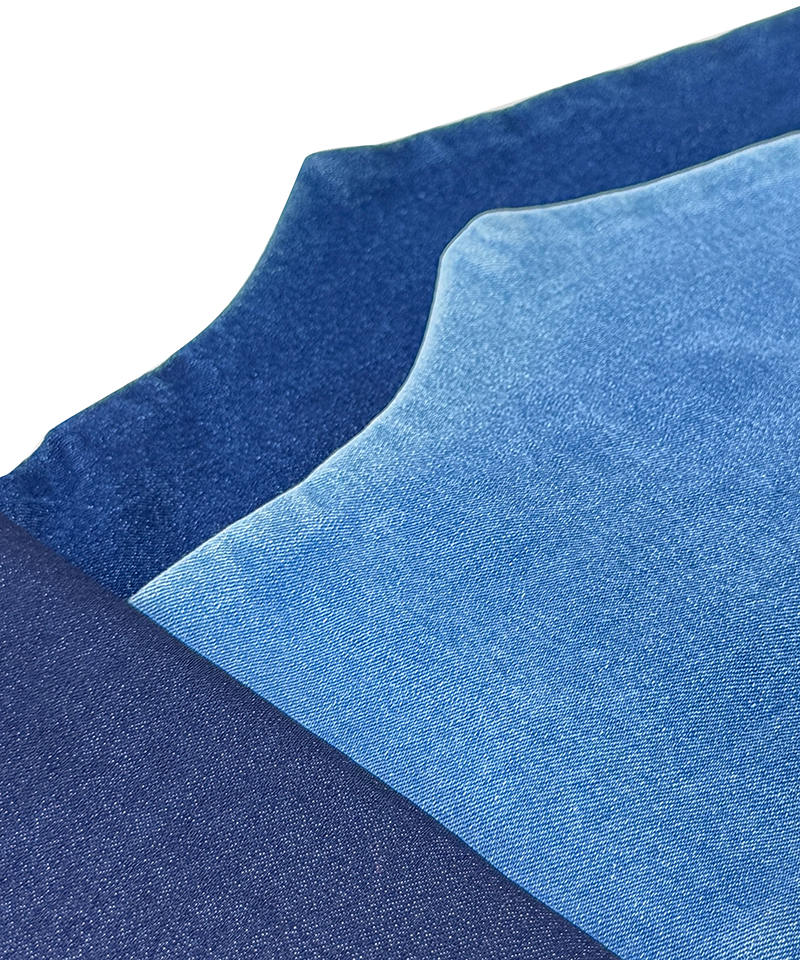 7.6 oz Indigo Stretch Denim with Slub TextureThis 7.6 oz stretch denim combines cotton, polyester, and spandex in a slub twill. Its midweight construction suits five-pocket jeans, balancing drape and durability.View Product →
Matching Cotton Stretch Denim Fabric Weight to Your Garment Program
Weight, measured in ounces per square yard, decides drape, durability, and finishing behavior, so it should be chosen by garment type before any other specification.
Stretch denim ranges from roughly 4.5 oz to 14.5 oz. A 6 oz stretch fabric drapes like a shirting and suits blouses and dresses; a 13 oz fabric holds a crease and survives repeated abrasion, which is why workwear and jackets stay in the heavy band.
Weight bands at a glance
Typical cotton stretch denim fabric weight ranges by garment category
Shirts, dresses4.5-7 oz
Summer jeans, kids7-10 oz
5-pocket jeans, chinos10-13 oz
Jackets, workwear12-14.5 oz
The 10-13 oz band, almost always woven in 3/1 twill, is the workhorse for five-pocket jeans and chinos. Below 8 oz, mills switch to 2/1 twill or fake-knit weaves to keep stability, and they trim the elastane to 1.5-2% so an open weave does not over-stretch. Above 13 oz, density comes first, which is why heavy stretch denim rarely exceeds 15-20% elongation.
When comparing lightweight and midweight options, our denim weight guide breaks down the bands by garment application in more detail.
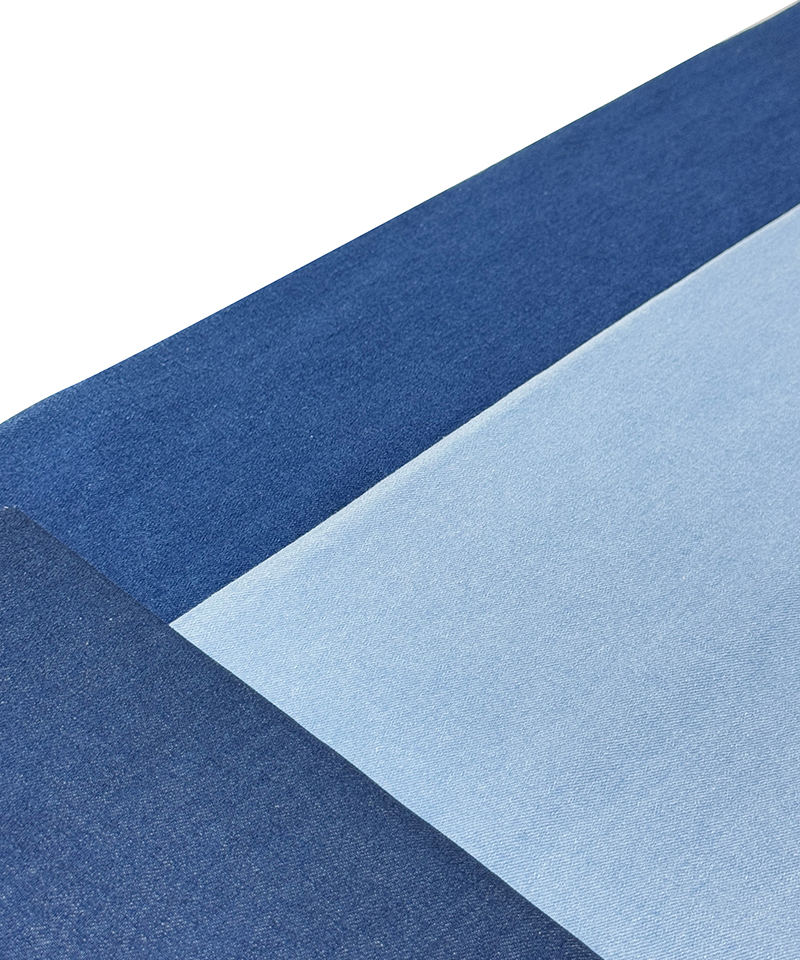 Heavyweight 420 gsm Indigo Stretch DenimWeighing 420 gsm, this 3/1 twill offers substantial structure with 1.5% spandex for comfort. Its soft-touch finish makes it a strong candidate for durable, premium garments.View Product →
Stretch Levels: Reading the Labels on Cotton Stretch Denim Fabric
Mills grade stretch in bands, and the label on the product page corresponds to a measurable elongation range under a defined load.
Stretch bands used for cotton stretch denim fabric in commercial mills
| Label |
Elongation |
Elastane |
Typical use |
| Stretch |
10-20% |
1.5-2.5% |
Straight jeans, chinos |
| High stretch |
20-30% |
2.5-3.5% |
Skinny jeans, tapered fits |
| Super stretch |
30-45% |
3.5-5% |
Jeggings, body-hugging styles |
Two-way and four-way stretch
Two-way stretch denim extends across the weft only; four-way stretch, much rarer in wovens, also extends along the warp. For standard cut-and-sew production, two-way is the norm and the easiest to handle on the factory floor.
The recovery trap. A fabric can stretch 40% and recover only 80%, which means the jean bags out at the knee by mid-afternoon. Ask for recovery percentage after repeated washing, not only elongation at first stretch. A competent mill will report both numbers.
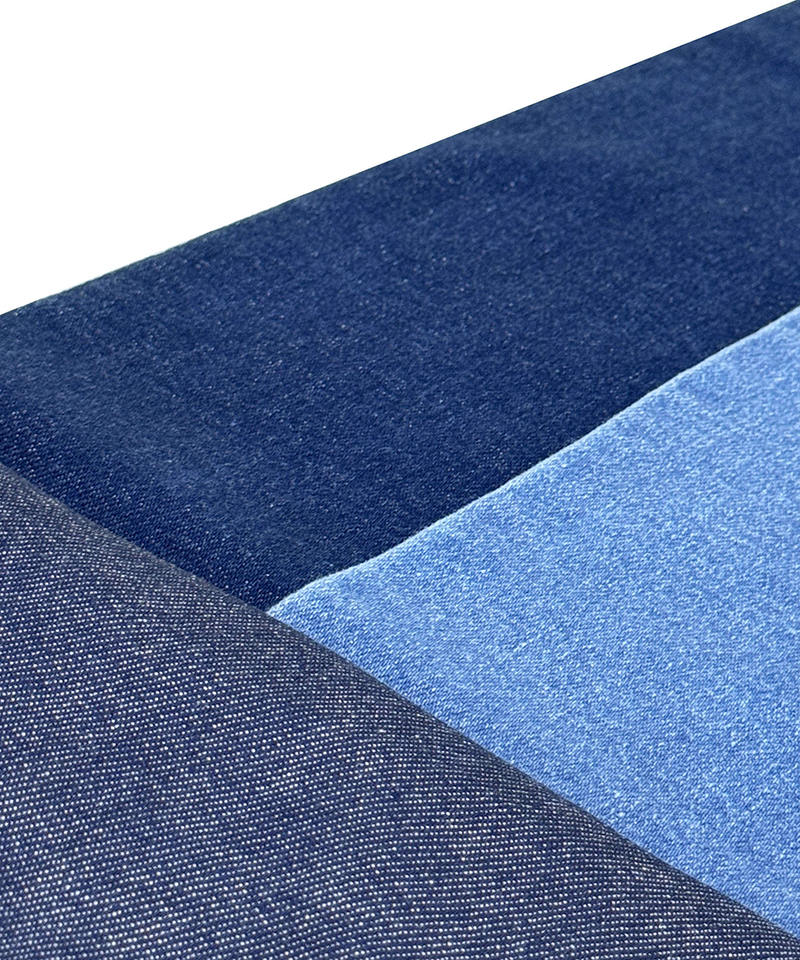 Super Stretch 400 gsm Indigo Denim with RecoveryEngineered for super stretch with a cotton-polyester-spandex blend, this preshrunk 3/1 twill provides elongation while maintaining shape. Ideal for programs demanding performance denim.View Product →
What to Verify Before You Place a Stretch Denim Order
Reliable sourcing depends on test data, tolerance control, and how the mill manages elastane from yarn to finished roll.
- Demand a spec sheet listing fiber percentages, yarn count, weave, and weight tolerance.
- Ask for stretch and recovery results measured by one consistent standard, such as ASTM D3107.
- Confirm batch-to-batch color consistency; elastane can yellow under high heat and changes shade behavior in washing.
- Check warp and weft shrinkage, because stretch fabrics often shrink more in length than in width.
- Verify certifications such as OEKO-TEX Standard 100, GOTS, or RCS before production begins.
+1% elastane = roughly +8-12 points of elongation A 1% change in elastane content shifts elongation noticeably and moves both hand feel and price. A 1 oz change in fabric weight alters garment cost by about 3-5%.
Denim-specialist mills such as Changzhou Xinbaili Textile Co., Ltd. publish product-level specifications, including weave, weight, color, and stretch grade, directly on each fabric page. That transparency shortens a buyer's shortlist, but the final decision still belongs to physical testing: request a sample, run a wash test, and measure recovery after five cycles before placing a production order.
Frequently Asked Questions About Stretch Denim
What is the difference between regular denim and cotton stretch denim fabric?
Regular denim contains no elastane and relies on the natural give of dry cotton, which stiffens after washing. Cotton stretch denim fabric contains core-spun elastane yarns, typically 1.5-5%, producing 10-45% elongation and allowing slimmer fits without restricting movement.
How much elastane does cotton stretch denim fabric contain?
Most commercial fabrics sit between 2% and 4%. Cotton-elastane blends use 2-3%, while cotton-polyester-elastane blends use 3-5% to reach high-stretch and super-stretch levels.
Does cotton stretch denim fabric lose its elasticity over time?
Elastane degrades with chlorine bleach, repeated high-heat drying, and aggressive mechanical washing. A well-constructed fabric holds 80-90% of its recovery after 30 washes; a poorly finished one bags out in 5-10 washes. Recovery percentage matters more than the starting stretch.
What weight of cotton stretch denim fabric should I use for jeans?
10-13 oz in a 3/1 twill is the standard band for five-pocket jeans. Slim and skinny styles can use 8-10 oz, while workwear and jacket programs generally need 12-14.5 oz with lower stretch targets.


 English
 Español