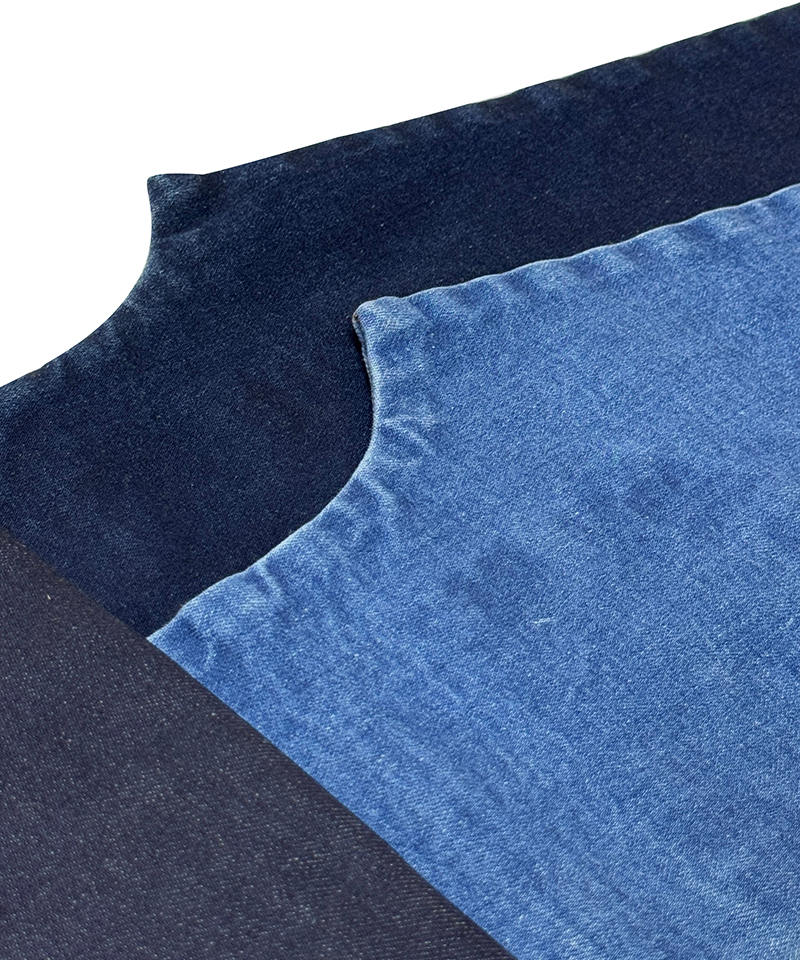
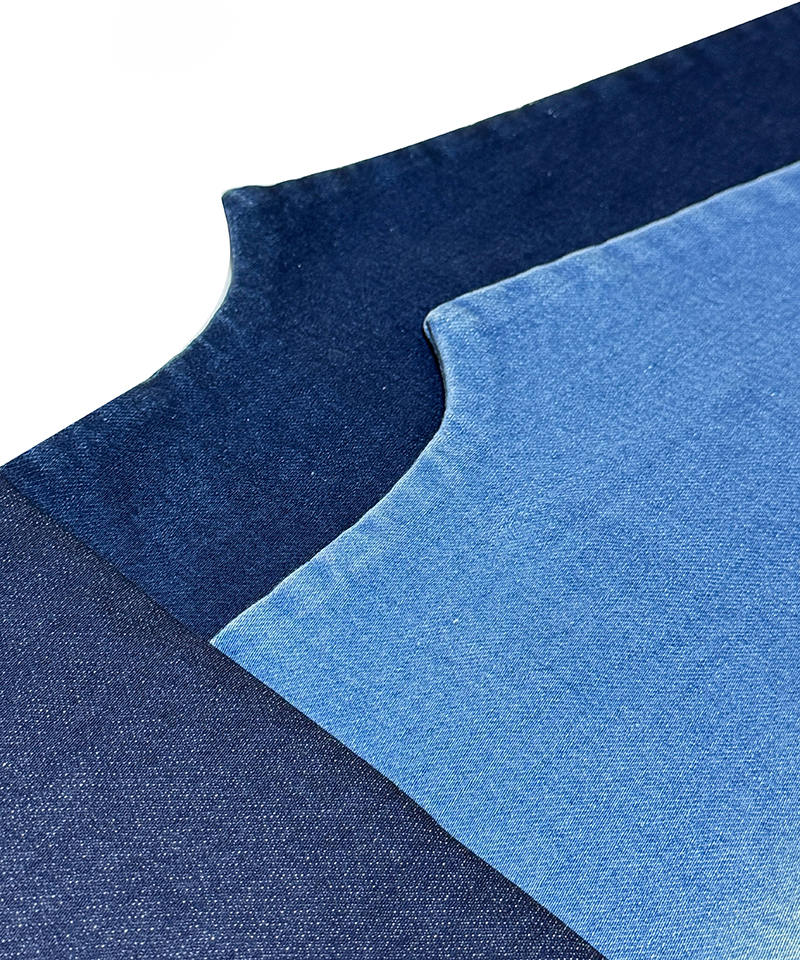
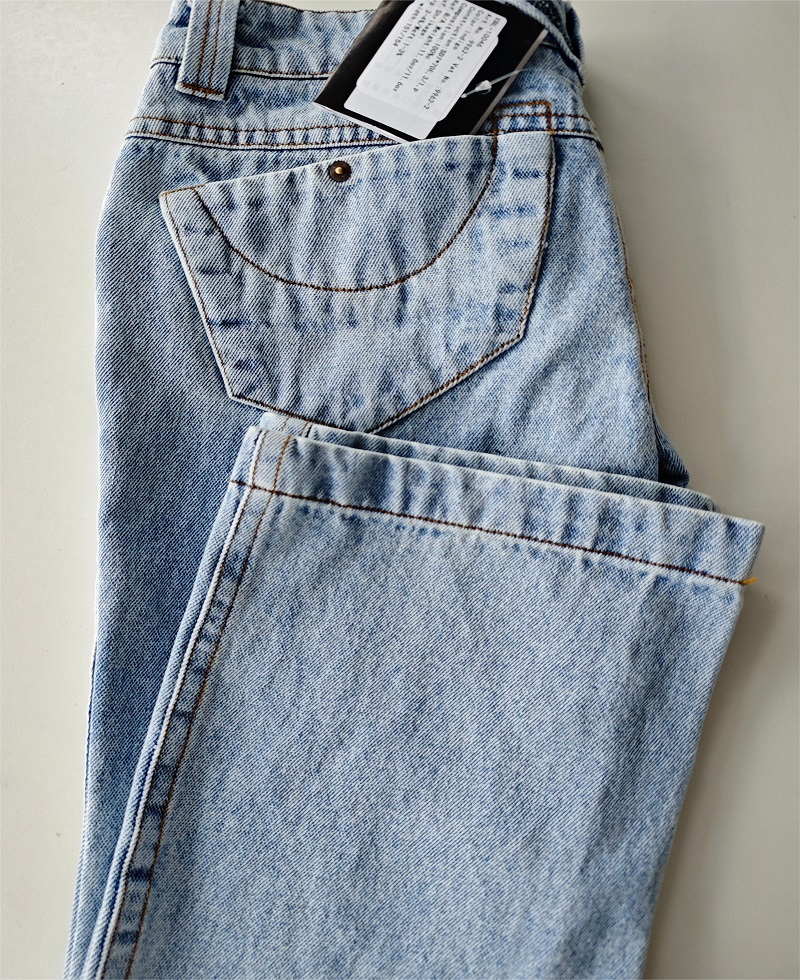
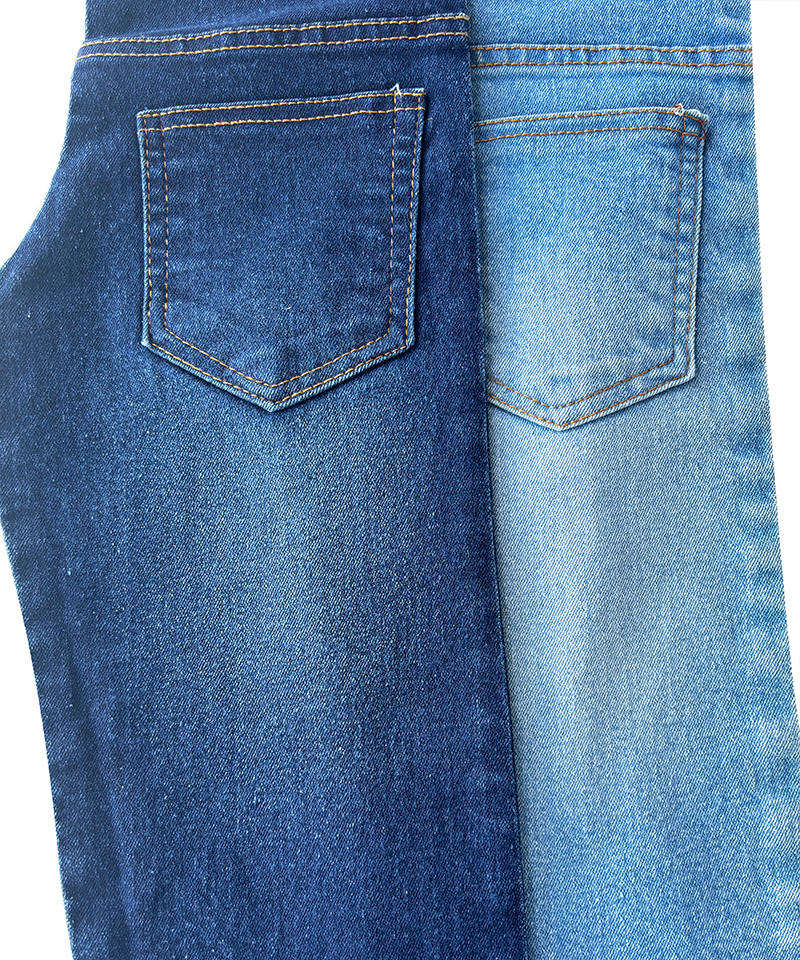
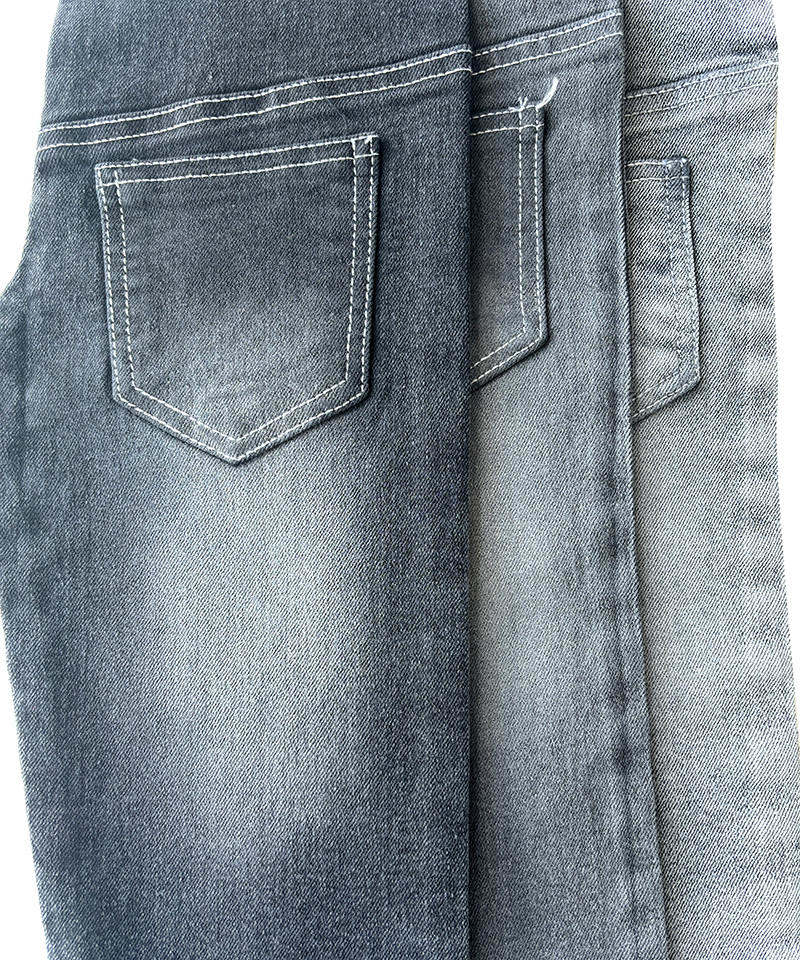
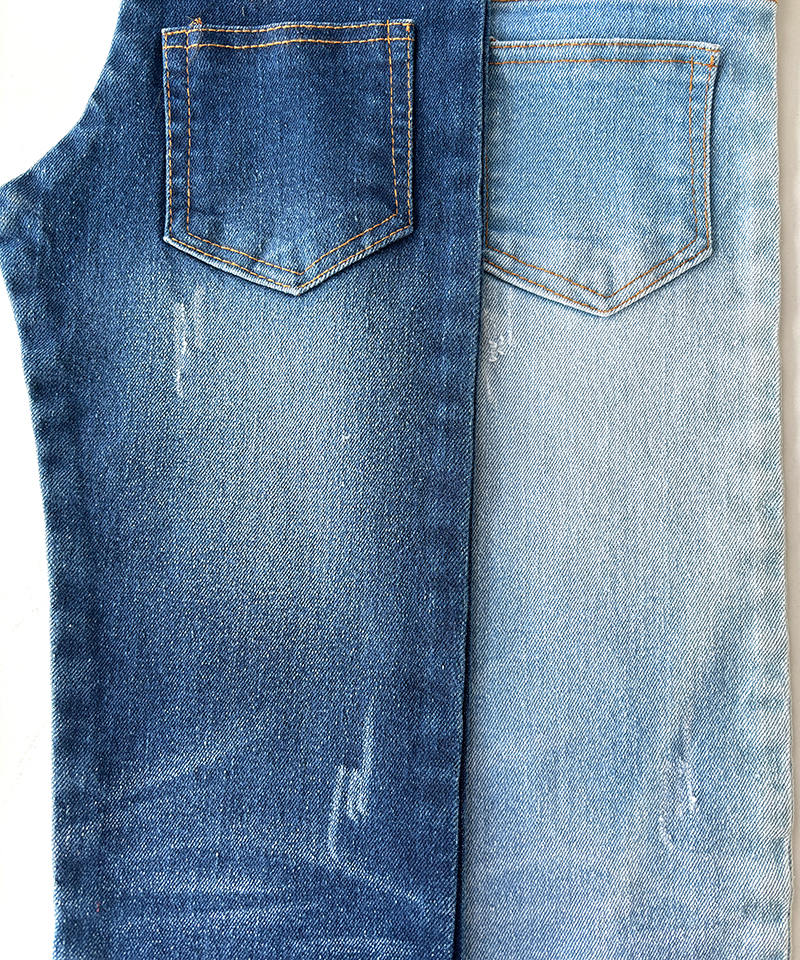
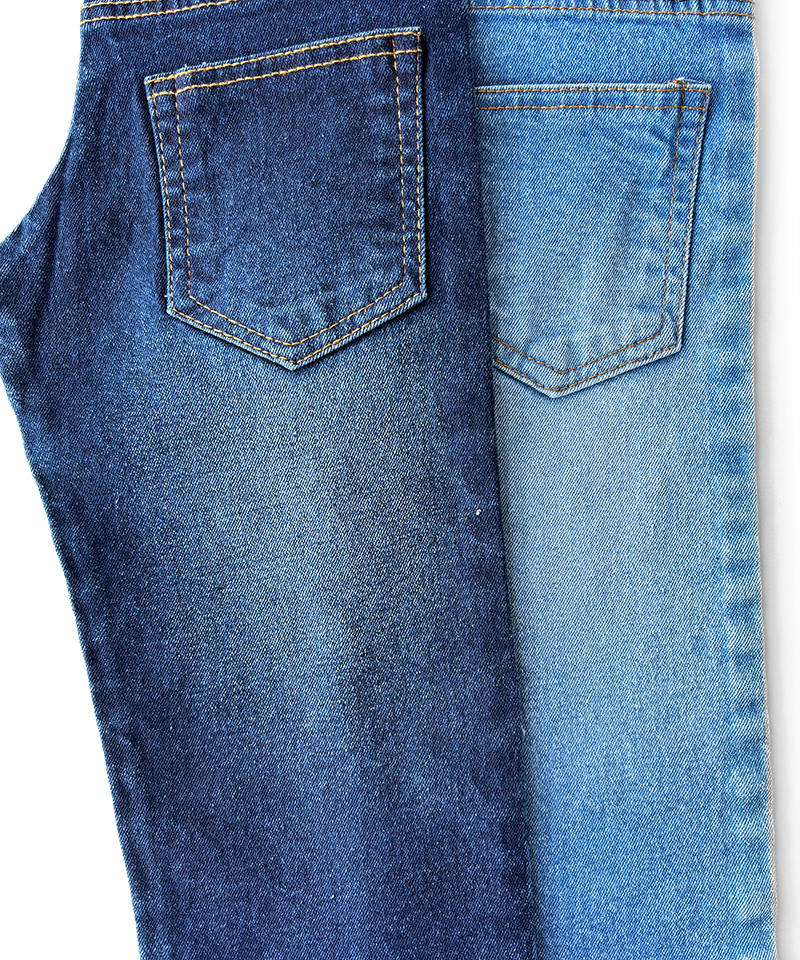
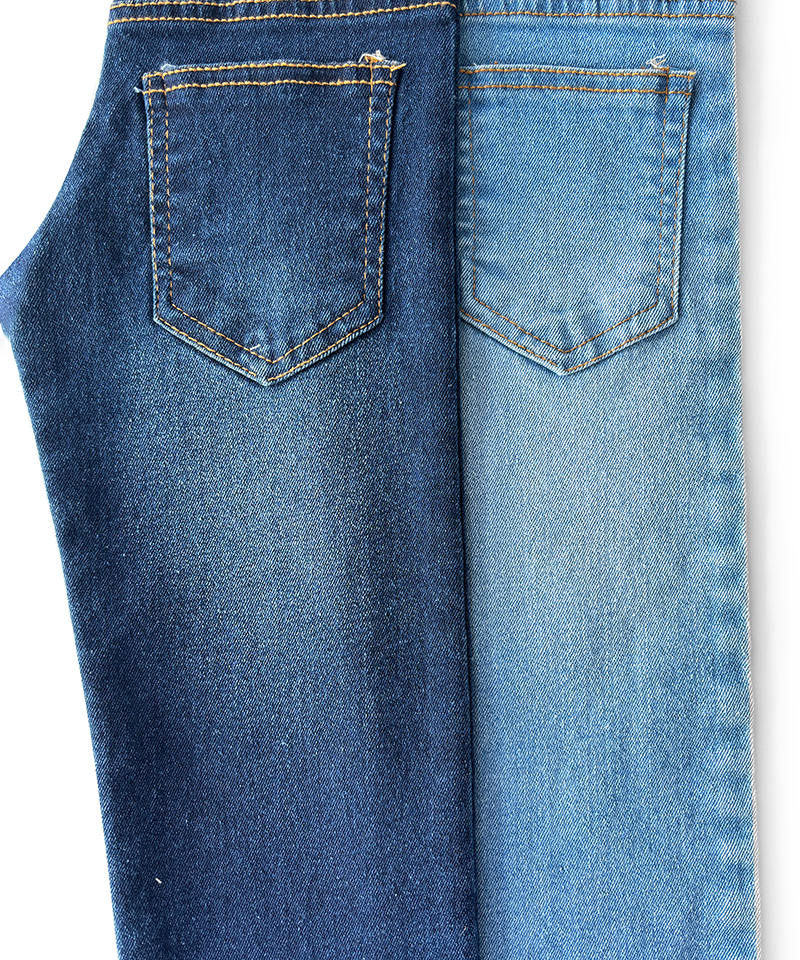
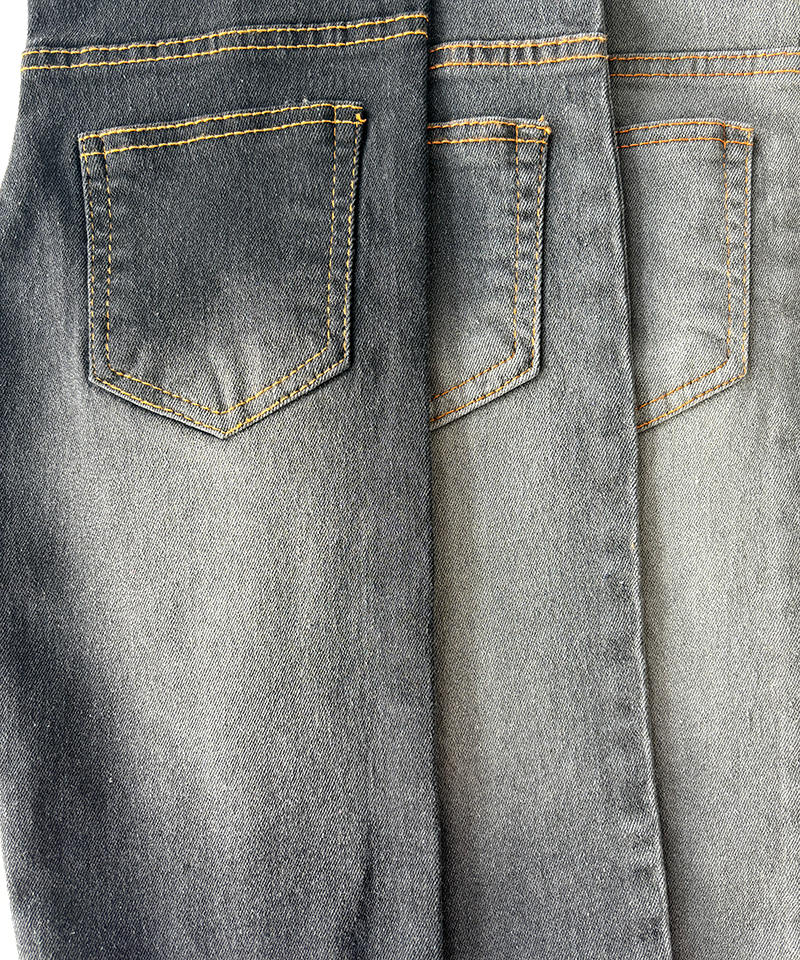
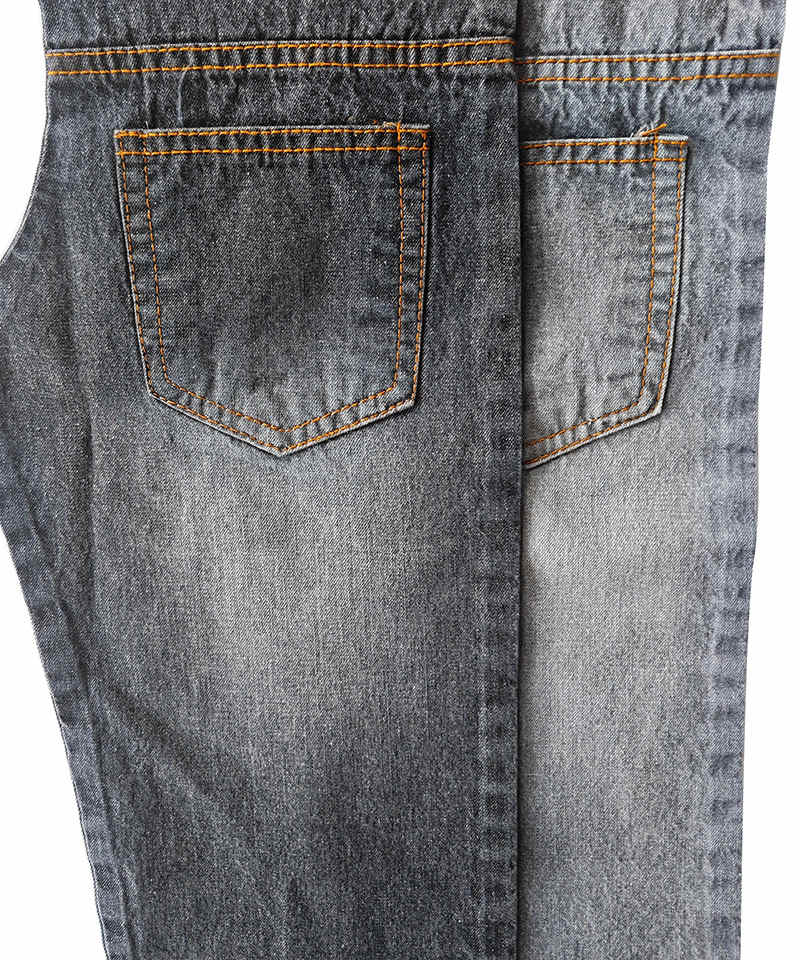
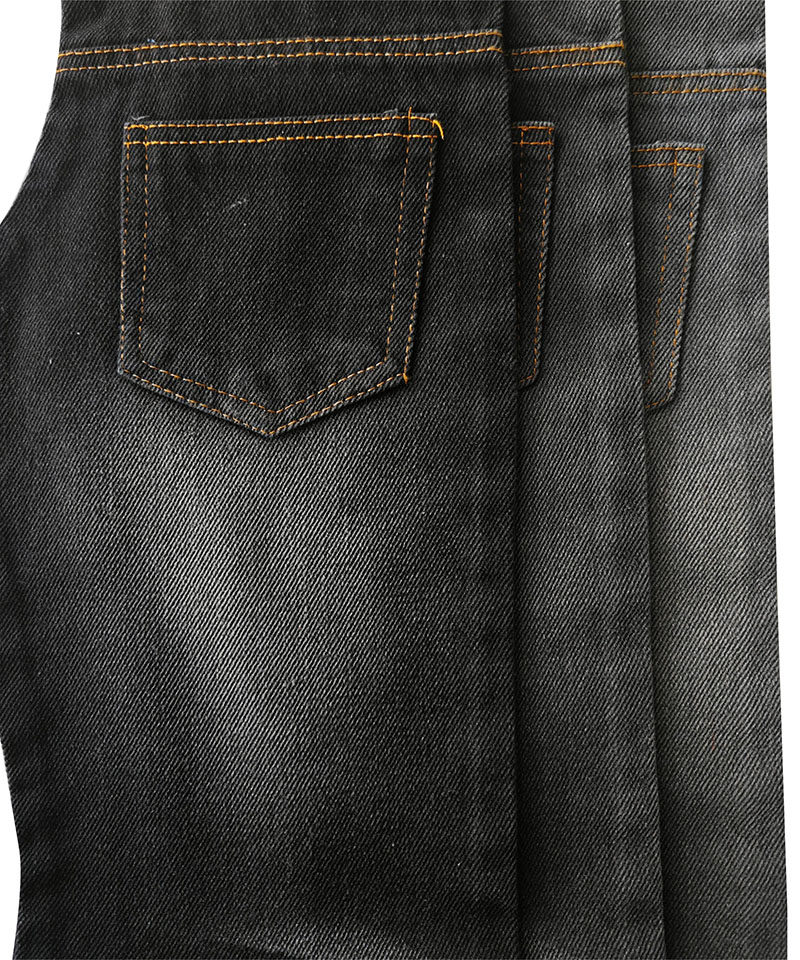
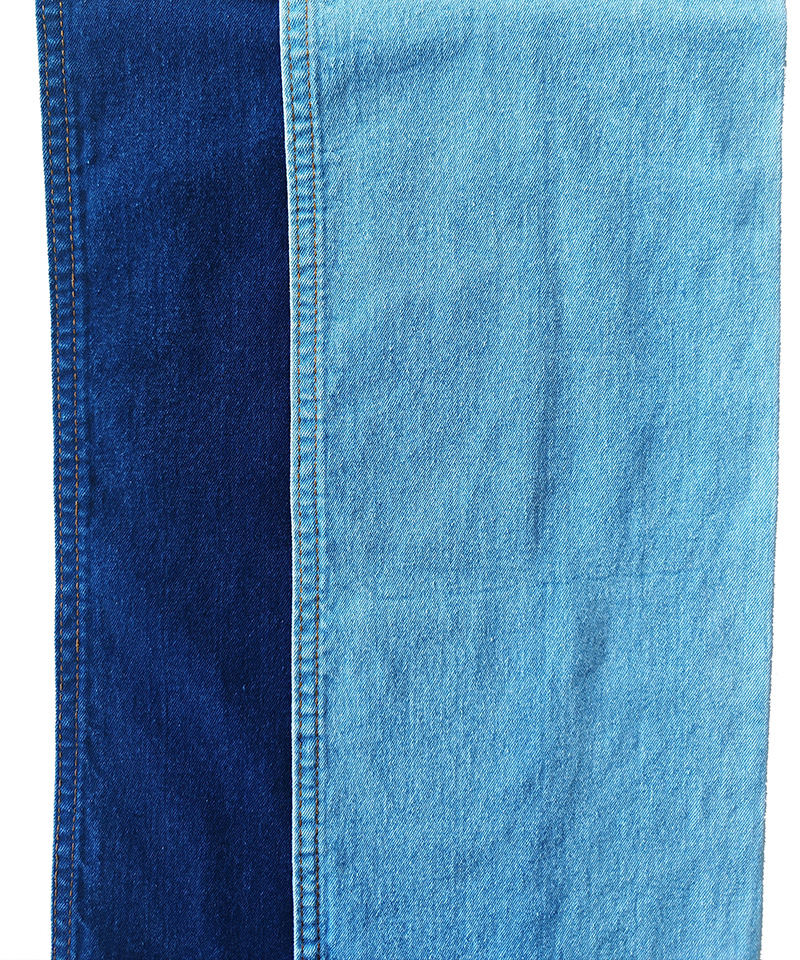
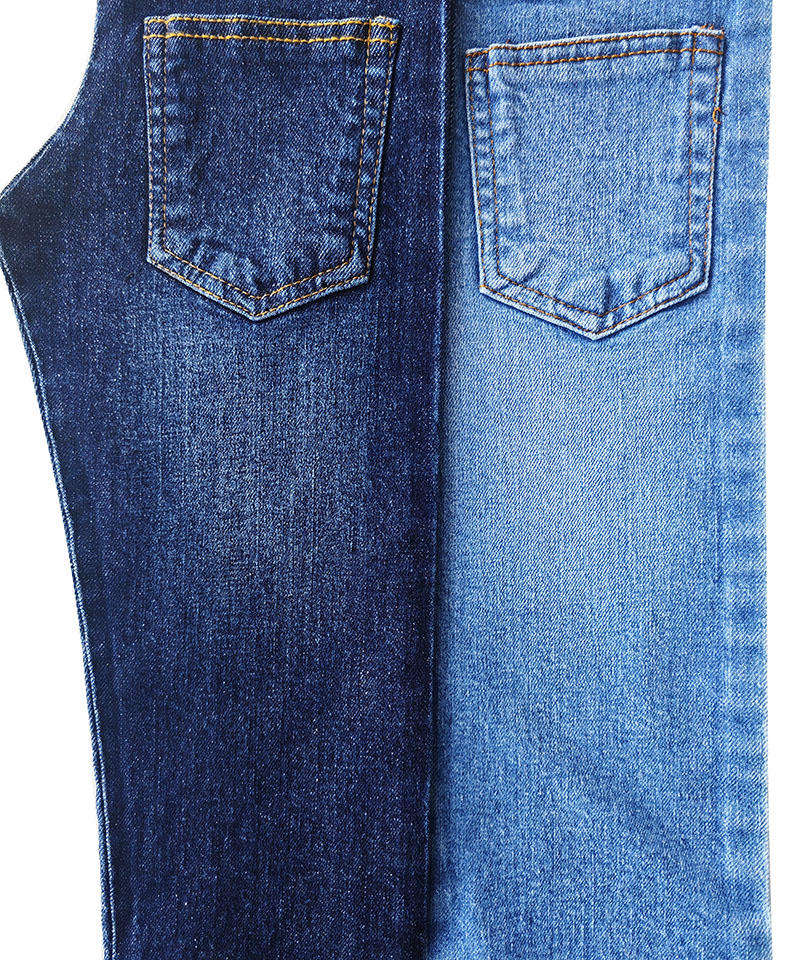
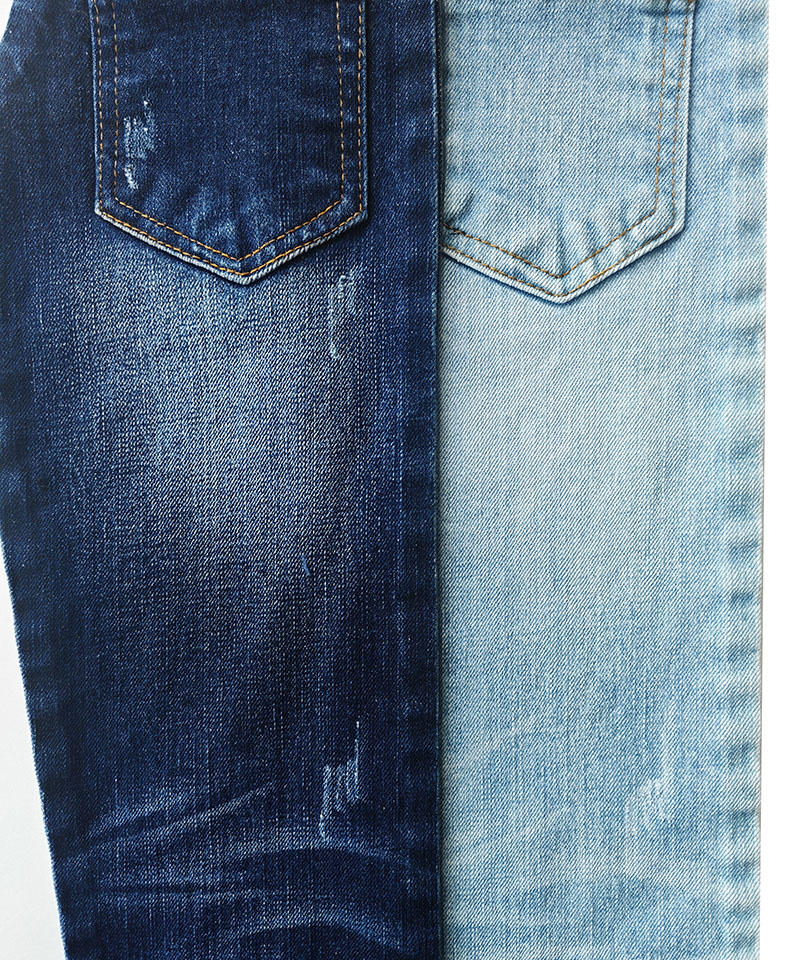
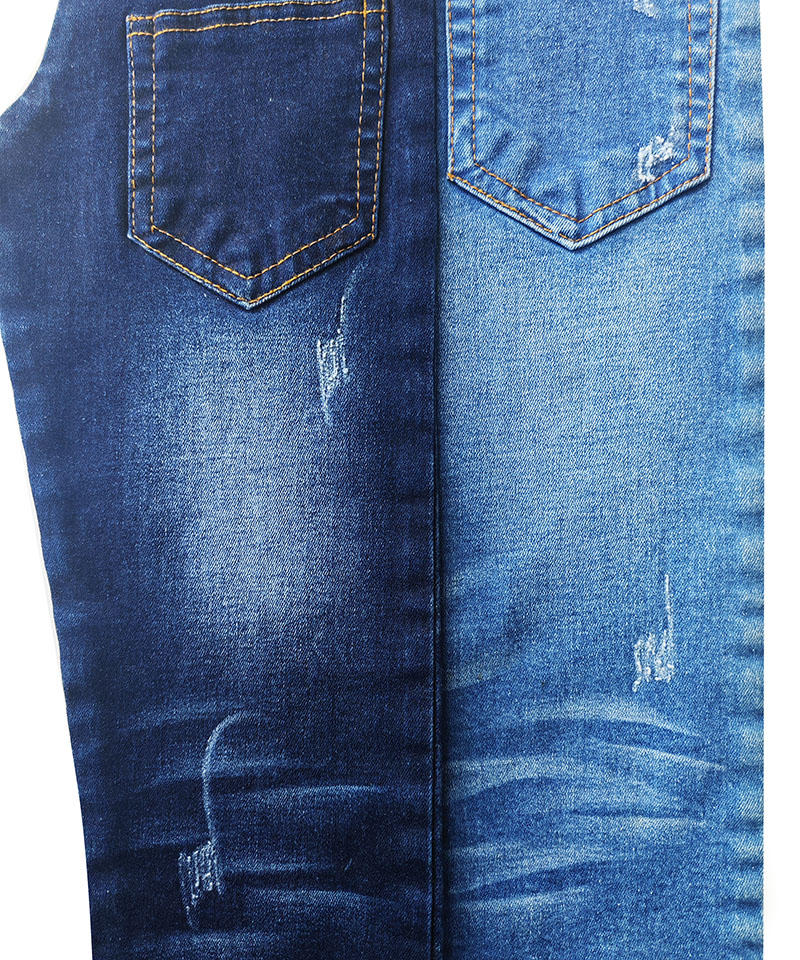
A cotton denim fabric spec sheet lands on your desk: indigo, 3/1 twill, 12 oz, non-stretch, 100% cotton, reference 10046. The fabric is earmarked for a five-pocket jean line, and the mill wants a bulk decision after one yardage approval. Most buying mistakes happen right here, not because the fabric is defective, but because the spec was never checked against what the garment actually demands.
Buying cotton denim fabric is a matching exercise. Weight has to suit the season and the silhouette; weave structure has to hit the target stiffness and drape; stretch decides where the jean snaps back and where it sags. A buyer who can read a denim spec the way a cutter reads a pattern approves faster and avoids costly rework. This guide covers the values that matter on a cotton denim fabric spec sheet, what each one changes in the finished garment, and what to verify before production.
Before sending a bulk order, write down three numbers: target weight in ounces, stretch level in percent, and the shrinkage limit after the third industrial wash. If the mill spec cannot answer all three, the fabric is not yet specified.
Definition: Cotton denim fabric is a warp-faced twill cloth in which indigo-dyed warp yarns dominate the surface while undyed weft yarns run beneath them, creating the diagonal texture recognized as denim.
What Is Cotton Denim Fabric? The Construction That Sets It Apart
A single construction detail explains most of what buyers call denim character: the warp float. In a 3/1 twill, each warp yarn floats over three wefts and under one, forming a steep diagonal and a firm hand. In a 2/1 twill, the float is shorter, so the surface feels smoother and lighter. Because only the warp is dyed, color breaks along the diagonal edge, and that abrasion contrast is what garment washes expose.
Dyeing matters just as much. Rope-dyed indigo penetrates only the outer layer of the yarn, so each wash reveals fresh white cotton and shifts the shade. PFD (prepared for dyeing) fabric is delivered undyed for finishing in-house; bleached and ecru bases serve lighter seasonal programs. If the garment will be stone-washed or enzyme-treated, dye penetration and base shade are not cosmetic details. They determine the final look.
Judging cotton denim fabric in the greige state is the most common sampling error. The same lot can feel board-like at the loom and become the most characterful fabric in the line after finishing and washing.
Reading a Cotton Denim Fabric Spec: The Four Numbers That Matter
A complete cotton denim fabric specification carries four values that change what the garment does on the body: weight in ounces, weave structure, stretch level, and finishing treatment.
Key cotton denim fabric specification values and their impact on the finished garment.
Spec value
Typical range
What it changes
Weight
4.5-13.7 oz
Stiffness, opacity, seasonal feel
Weave
2/1 twill, 3/1 twill, 4/1 satin
Surface texture, drape, abrasion behavior
Stretch
Non-stretch to super-stretch
Recovery, fit, waistband stability
Color and finish
Indigo, black, ecru, PFD, bleach
Wash response, styling range
Functional finish
Cold-feeling, brushed, bonded
Hand feel, thermal comfort, structure
One spec review can eliminate an entire round of fit and wash-test rework. Weight drives stiffness; weave drives texture; stretch drives recovery; finish drives hand feel.
Cotton Denim Fabric Weight: Ounces Decide the Silhouette
Weight is the most visible gate in cotton denim fabric selection, and most production programs fall into a usable zone between 8 oz and 13 oz. Below that zone, the fabric behaves like shirting; above it, the fabric behaves like workwear.
4.5-7 ozShirts, dresses, summer tops
8-10.5 ozSoft jeans, skirts, children's wear
11-13.7 ozClassic jeans, workwear, jackets
Typical ranges from production specifications spanning 4.5 oz to 13.7 oz across pure cotton and blended denim categories.
The link between weight and garment behavior is linear enough to plan around: heavier fabric means stiffer seams, slower wash-down, and a sharper silhouette. A 13.7 oz 3/1 twill is not better than a 5.3 oz 2/1 twill; it is a different product with a different lifecycle, and the garment decides which one is correct.
For a standard five-pocket jean, 10.5-12.5 oz remains the most ordered cotton denim fabric window in production programs.
Stretch or Non-Stretch Cotton Denim Fabric: Fit Comes First
Non-stretch cotton denim fabric holds its shape and ages predictably; stretch versions trade some of that structure for recovery. The right choice follows the garment's fit curve, not a seasonal trend.
Non-stretch
Stable waistband with no sagging through the day
Denser hand and crisp crease memory
Holds the original silhouette across repeated washes
Preferred for vintage washes and heritage fits
Stretch
Better recovery for skinny and body-conscious fits
Softer hand and more forgiving across sizes
Requires elastane quality control in washing
Useful when one style must fit a wider size range
Stretch levels are not marketing terms; they map to elastane content and to the fabric's growth behavior under load. Non-stretch contains no elastane. Regular stretch usually carries 1-2% elastane, high-stretch around 2-3%, and super-stretch above 3% with reinforced recovery.
Cotton denim fabric stretch categories and typical recovery behavior.
Category
Typical elastane
Best suited for
Non-stretch
0%
Classic fits, workwear, vintage washes
Stretch
1-2%
Daily-wear jeans and chinos
High-stretch
2-3%
Slim and tapered fits
Super-stretch
3% or more
Body-conscious and very slim silhouettes
Ask the mill for a recovery report, not just an elastane percentage. Two fabrics with identical elastane content can behave completely differently under repeated stretch; construction and finishing determine whether a waistband stays put.
Specialty Cotton Denim Fabric: Beyond the Basic Twill
Specialty cotton denim fabric categories, including fake-knit, satin, jacquard, print, bonded, brushed and cold-feeling, exist to solve problems the classic twill cannot handle.
Fake-knit (dobby) constructions deliver a knitted surface look with woven stability, useful for tops and soft trousers.
4/1 satin weaves add surface gloss and a fluid drape for skirts and dresses.
Jacquard weaves build logos and textures directly into the cotton denim fabric, avoiding the cracking you get with heavy prints.
Cold-feeling finishes create a cool initial touch for warm-weather programs.
Brushed backings add warmth for autumn and winter pieces.
Bonded constructions combine denim with a second textile layer for structured jackets.
If the garment brief calls for texture, warmth, gloss or a smooth knit-like feel, the answer is usually a specialty construction rather than a heavier basic twill. It costs more per yard and saves more per garment.
Sourcing Cotton Denim Fabric: What a Buyer Should Verify First
Before approving a cotton denim fabric for bulk, verify color continuity across batches, shrinkage after washing, breaking and tearing strength, and the documentation the mill can actually provide.
Confirm the weight tolerance against the lab dip and the bulk lot; serious programs require a tolerance of roughly 0.5 oz either way.
Check shade continuity between warp dye lots; indigo can shift even when the recipe stays the same.
Run a wash test for shrinkage and twist on the actual garment pattern, not on a flat swatch.
Ask for breaking and tearing strength values for both warp and weft.
Get a supply risk note: how quickly the mill can repeat an exact weight, finish and lot shade.
Confirm certification status and the mill's position on preferred cotton and restricted substance compliance.
Sourcing principle: A mill that organizes its range by weave, weight, stretch and finish makes spec-based buying faster and more reliable. Changzhou Xinbaili Textile Co., Ltd, based in Changzhou, China, structures its cotton denim fabric product catalog this way, with pure cotton, cotton-elastane, cotton-polyester-elastane, satin, fake-knit, functional, lyocell, jacquard and print categories.
The best bulk order is the one that repeats exactly: same shade, same hand, same shrinkage. That only happens when the mill writes down every variable and tests each lot against the original standard.
It describes the weave structure: each warp yarn floats over three weft yarns and under one, producing a diagonal line on the surface. A 3/1 twill is the classic jean construction, firmer in hand than the smoother 2/1 twill base usually chosen for lightweight styles.
What is the best cotton denim fabric weight for jeans?
For a standard five-pocket jean, 10.5-12.5 oz is the most versatile window; it holds a clean silhouette without becoming board-like. Lightweight jean programs can work at 9-10 oz, while workwear-style jeans usually start at 12 oz and move heavier.
Is stretch cotton denim fabric still cotton denim fabric?
Yes. Stretch denim remains a cotton-dominant twill; the elastane, usually 1-3%, is added to the yarn structure only to provide recovery. As long as cotton stays the majority fiber, the indigo dyeing, weave response and wash behavior all remain denim behavior.
How can you tell if cotton denim fabric is high quality?
Quality shows up as consistency: even weave density, no broken picks, stable shade from roll to roll, and predictable shrinkage after repeated washes. Request a wash test and a roll-by-roll shade report before you approve bulk production.
Order physical swatches, run a mini wash test, and confirm shrinkage, recovery and shade before approving production yardage. The fabric that repeats well is the one your brand can build on.


 English
 Español